This weekend’s events are hauntingly good! From fall festivals in the city to haunted soirees in the valley and more, we have the top events you won’t want to miss! Check out what’s happening in your neighborhood October 16 through October 18.
Los Angeles Weekend Events | October 16 – October 18
When: October 15- October 17
Where: Hollywood Forever Cemetery | Hollywood
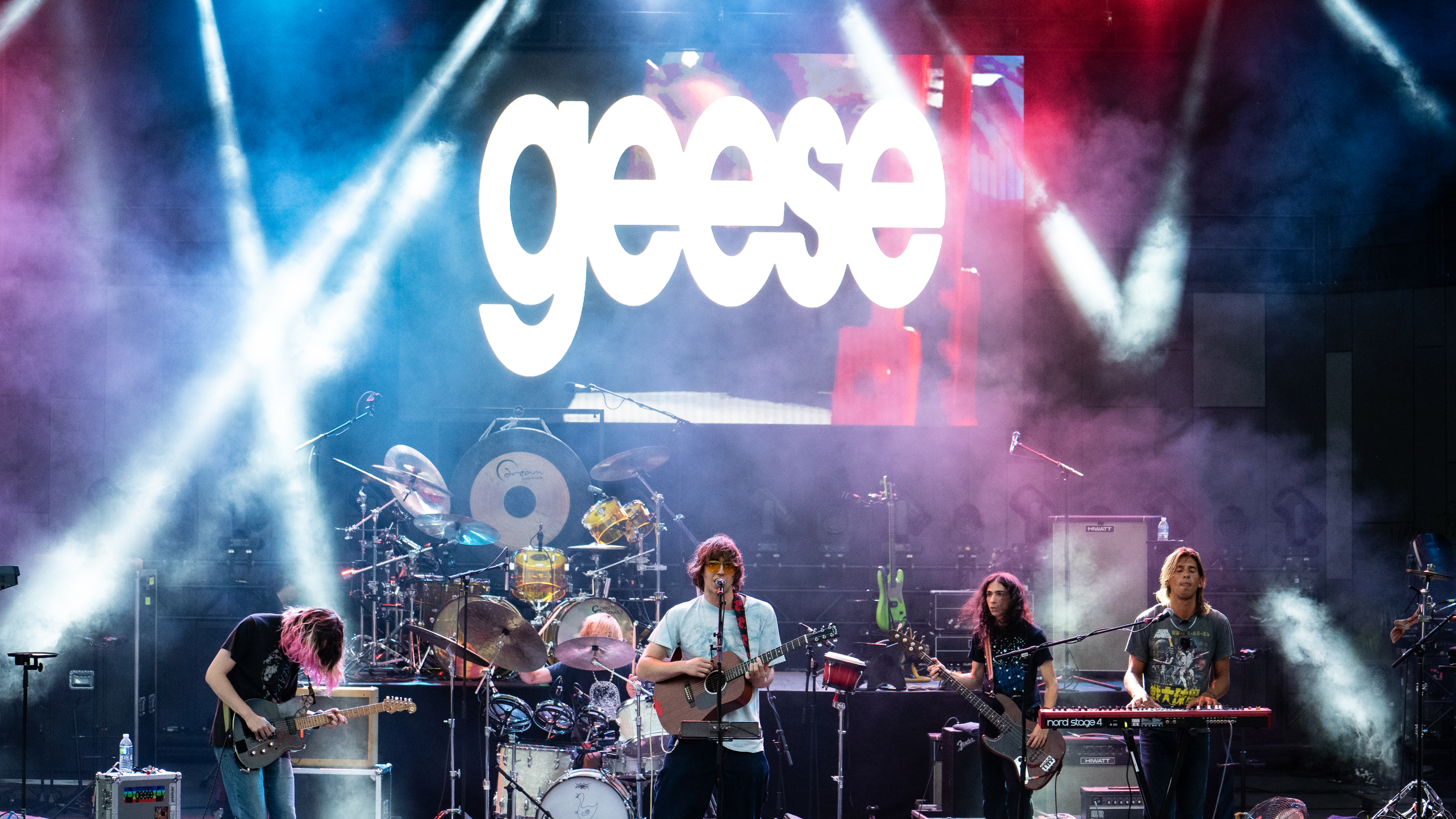
What: Catch one of indie rock’s most talked-about bands as Geese takes the stage at Hollywood Forever Cemetery for three nights of live music. Led by frontman Cameron Winter, the Brooklyn-based group has earned widespread acclaim for its adventurous sound and latest album, Getting Killed, which topped several critics’ best-of-2025 lists. Set against the atmospheric backdrop of one of Los Angeles’ most distinctive outdoor concert venues, the performances offer a memorable experience for indie music fans.
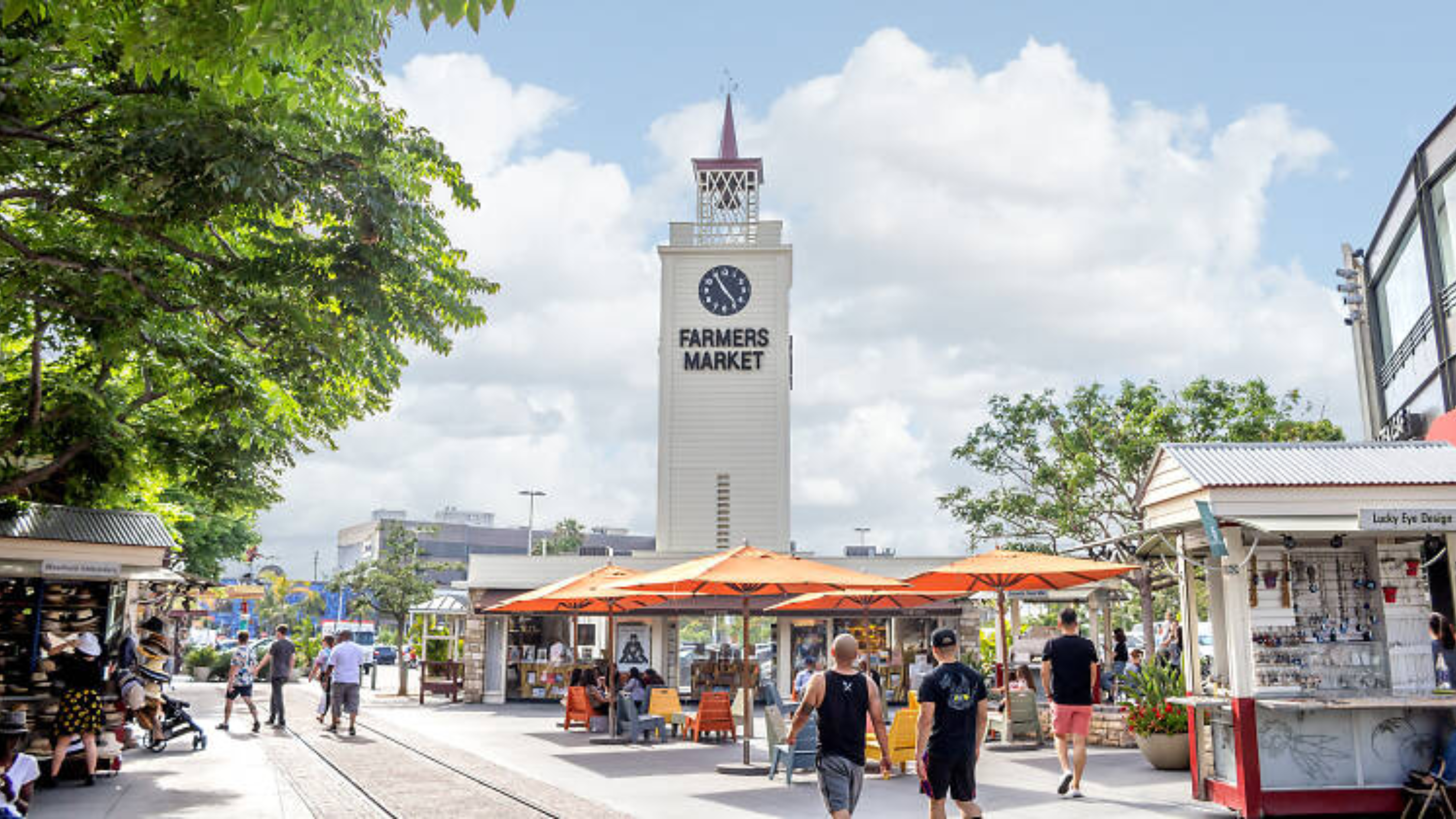
Fall Festival at the Original Farmers Market
When: October 17 – October 18
Where: Original Farmers Market | Los Angeles
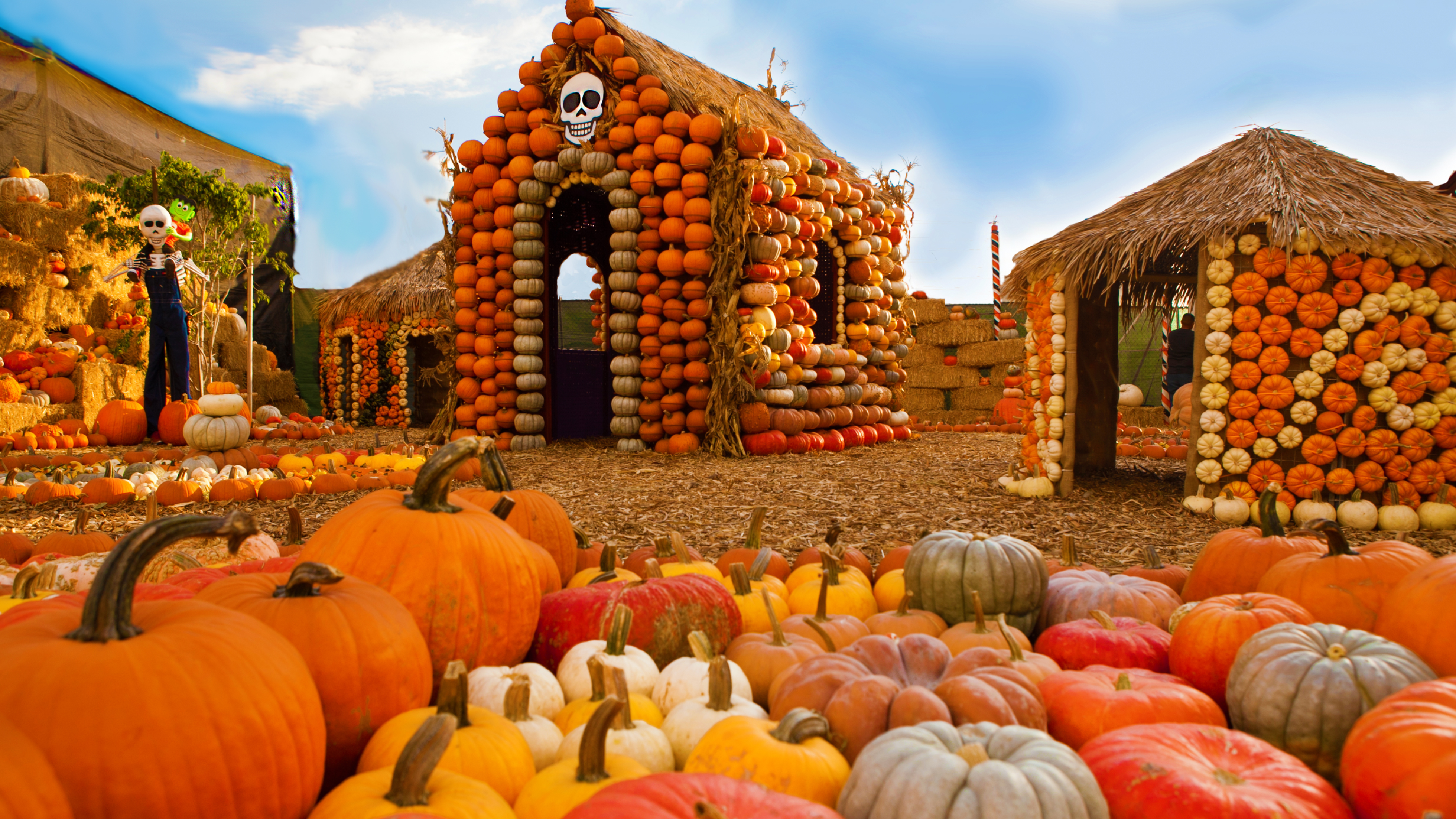
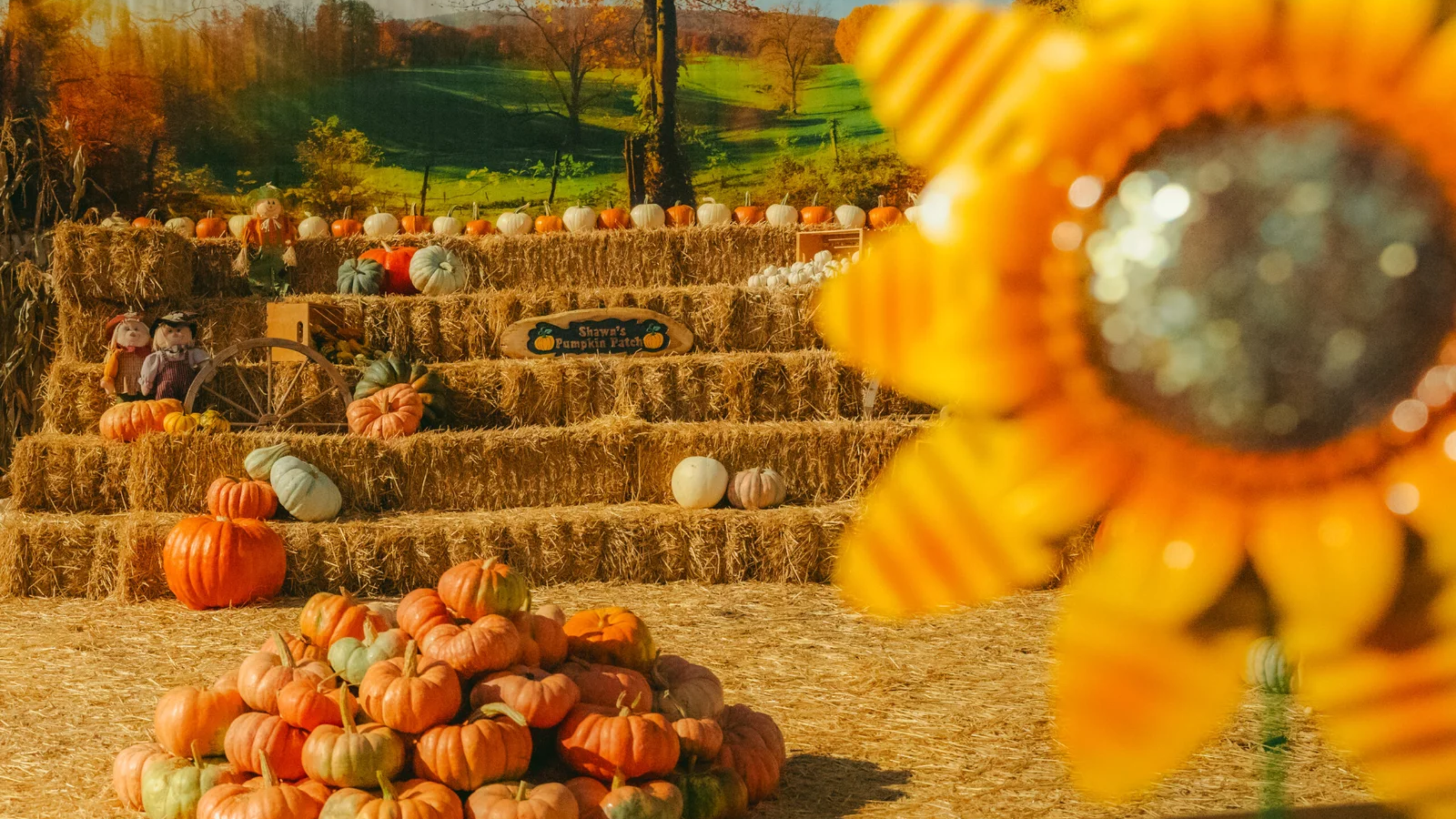
What: Celebrate the season with family-friendly fun at the Original Farmers Market Fall Festival in Los Angeles. This annual harvest celebration features carnival games, a petting zoo, seasonal crafts, a pumpkin patch, and live musical entertainment in a festive, kid-friendly setting. Families are encouraged to come in costume and enjoy the market’s many restaurants and specialty treats while soaking up the Halloween spirit without the scares.
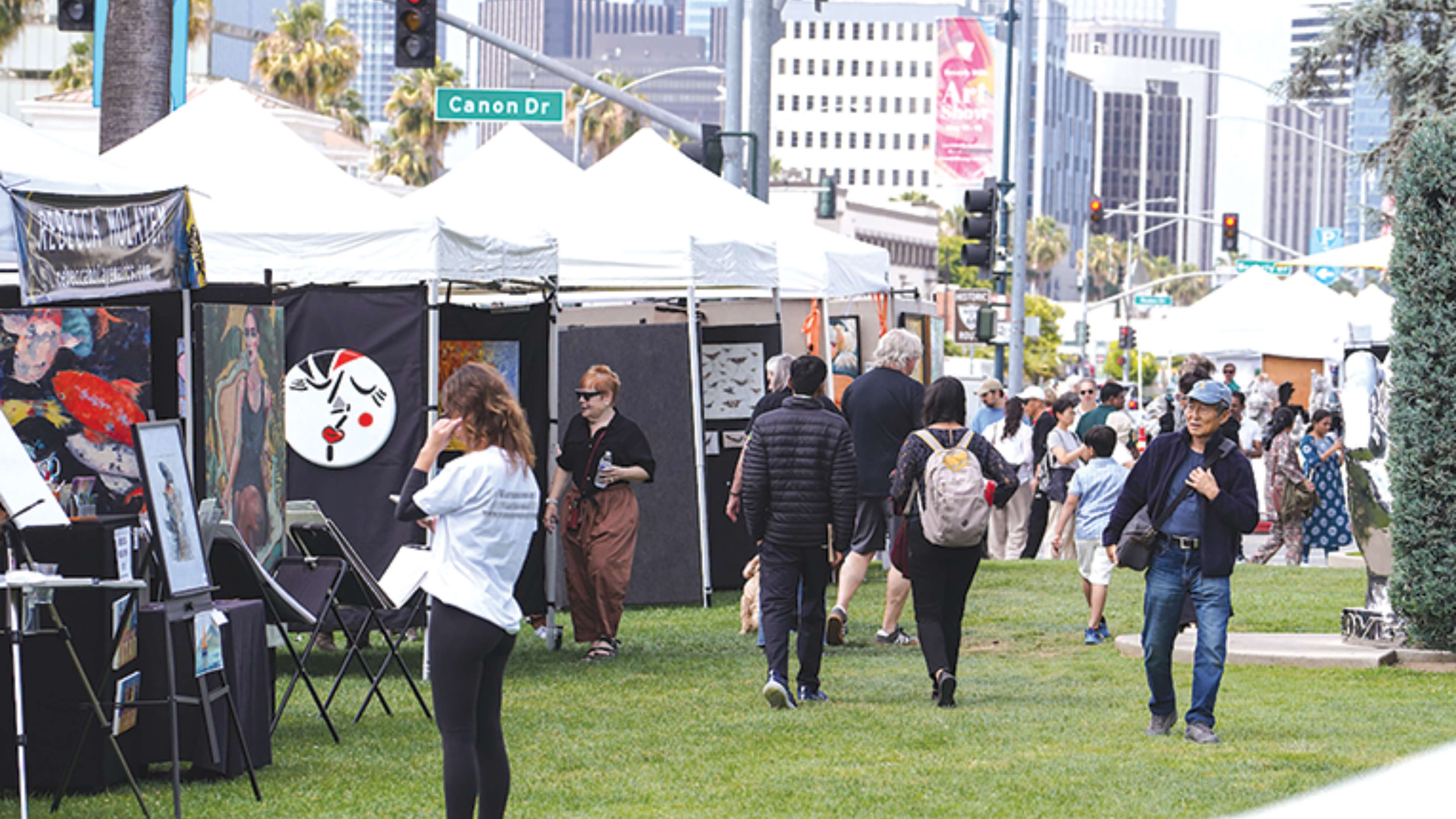
Beverly Hills Art Show
When: October 17 – October 18
Where: Beverly Hills
What: Spend the day surrounded by creativity at the Beverly Hills Art Show, returning to Beverly Gardens Park for its beloved seasonal celebration of art. Featuring 250 artists, the outdoor festival showcases an impressive variety of paintings, sculptures, photography, watercolors, and other original works along four scenic blocks of Santa Monica Boulevard. Visitors can also enjoy live music, food trucks, beer and wine gardens, and free children’s activities while browsing one of Southern California’s longest-running art events.
Westside & Beach Communities Weekend Events | October 16 – October 18
When: October 17
Where: Santa Monica
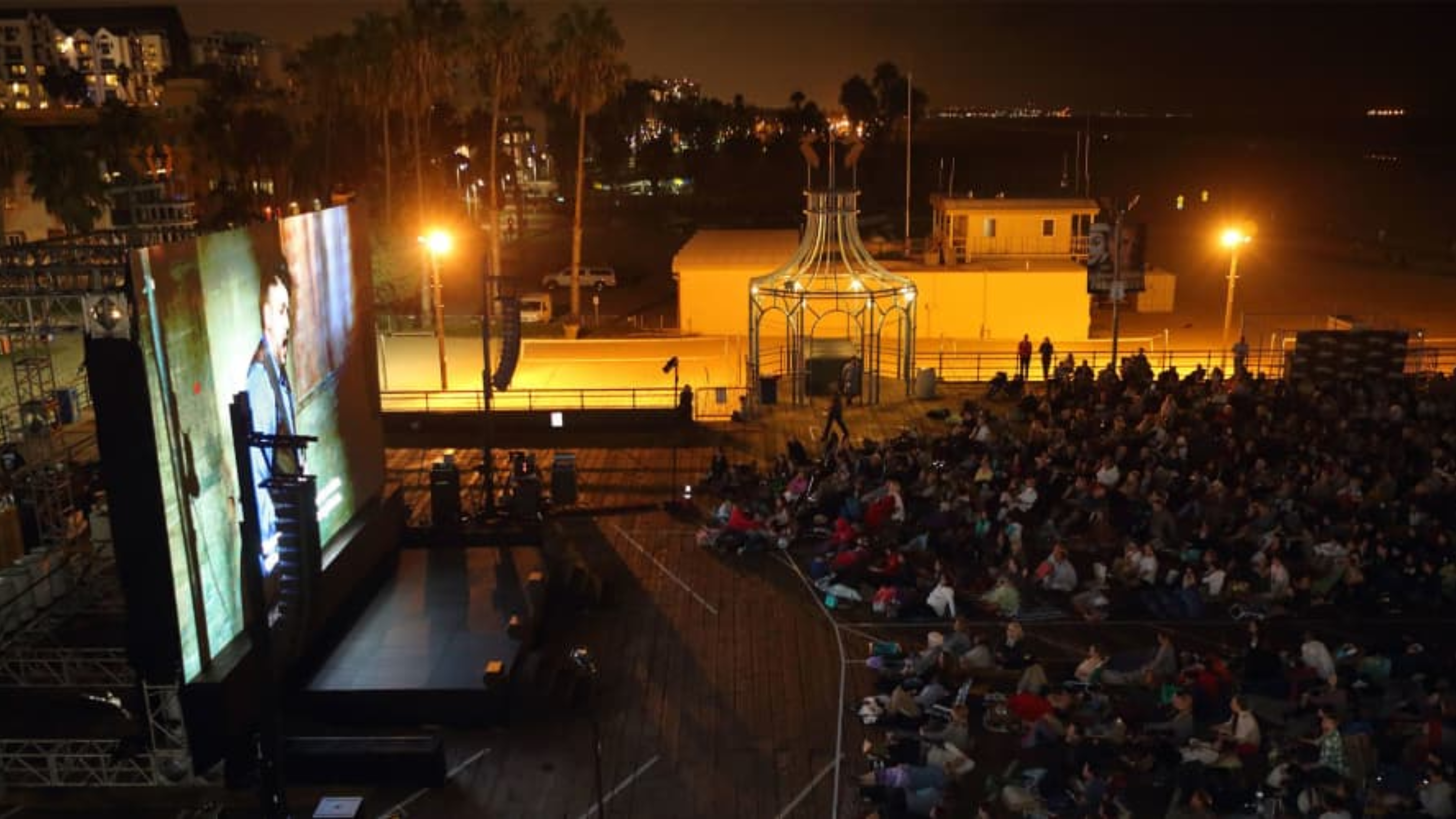
What: Experience the drama and romance of Carmen under the stars as LA Opera brings its acclaimed production to the Santa Monica Pier and Steinmetz Park in Hacienda Heights through a free live simulcast. This annual celebration makes world-class opera accessible beyond the Dorothy Chandler Pavilion, pairing the performance with live music from local artists, arts and crafts, balloon art, and food vendors. Whether enjoying the ocean breeze or relaxing in the park, guests can experience one of opera’s most beloved masterpieces in a welcoming outdoor setting.
When: Until November 1
Where: Long Beach
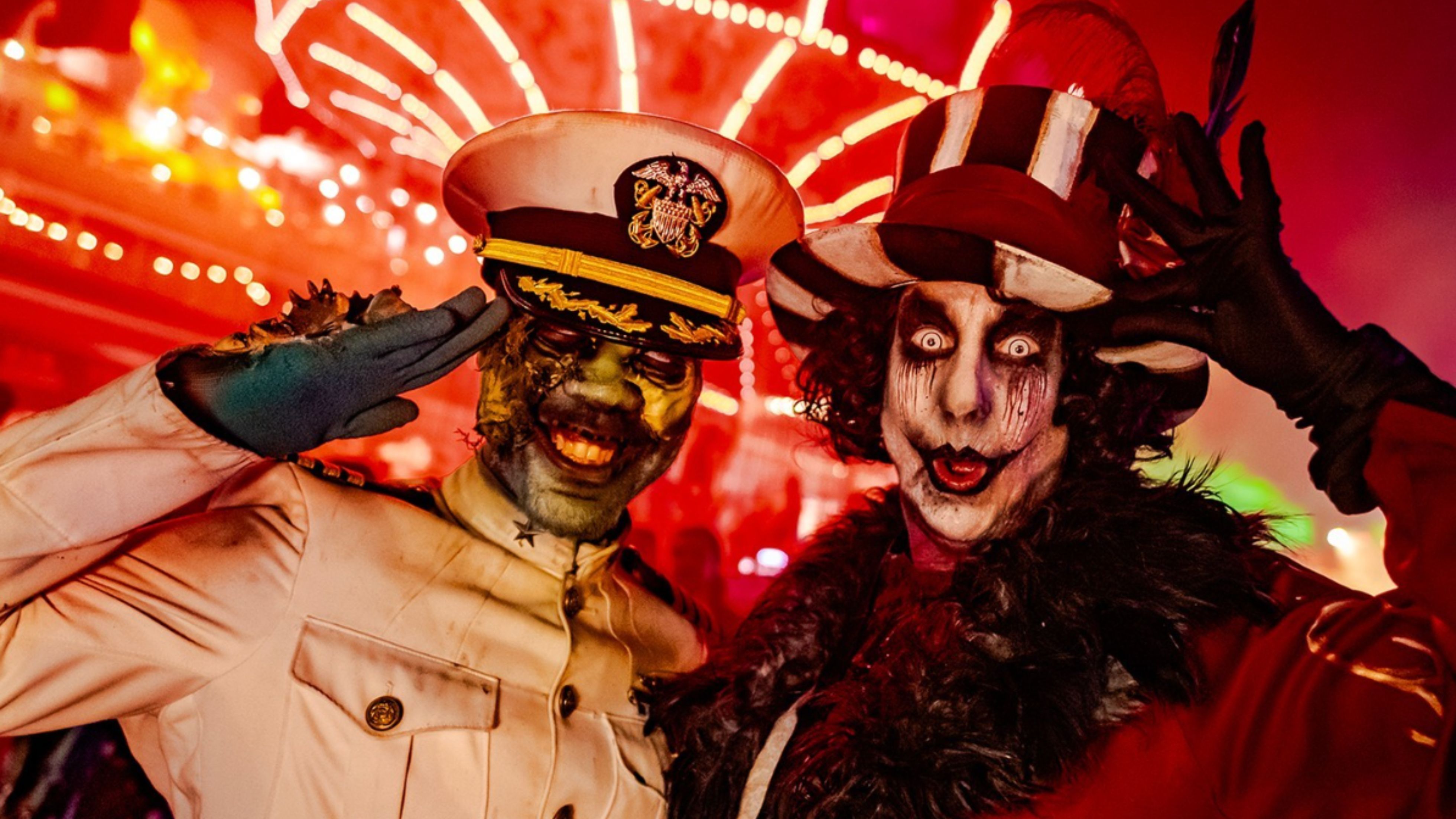
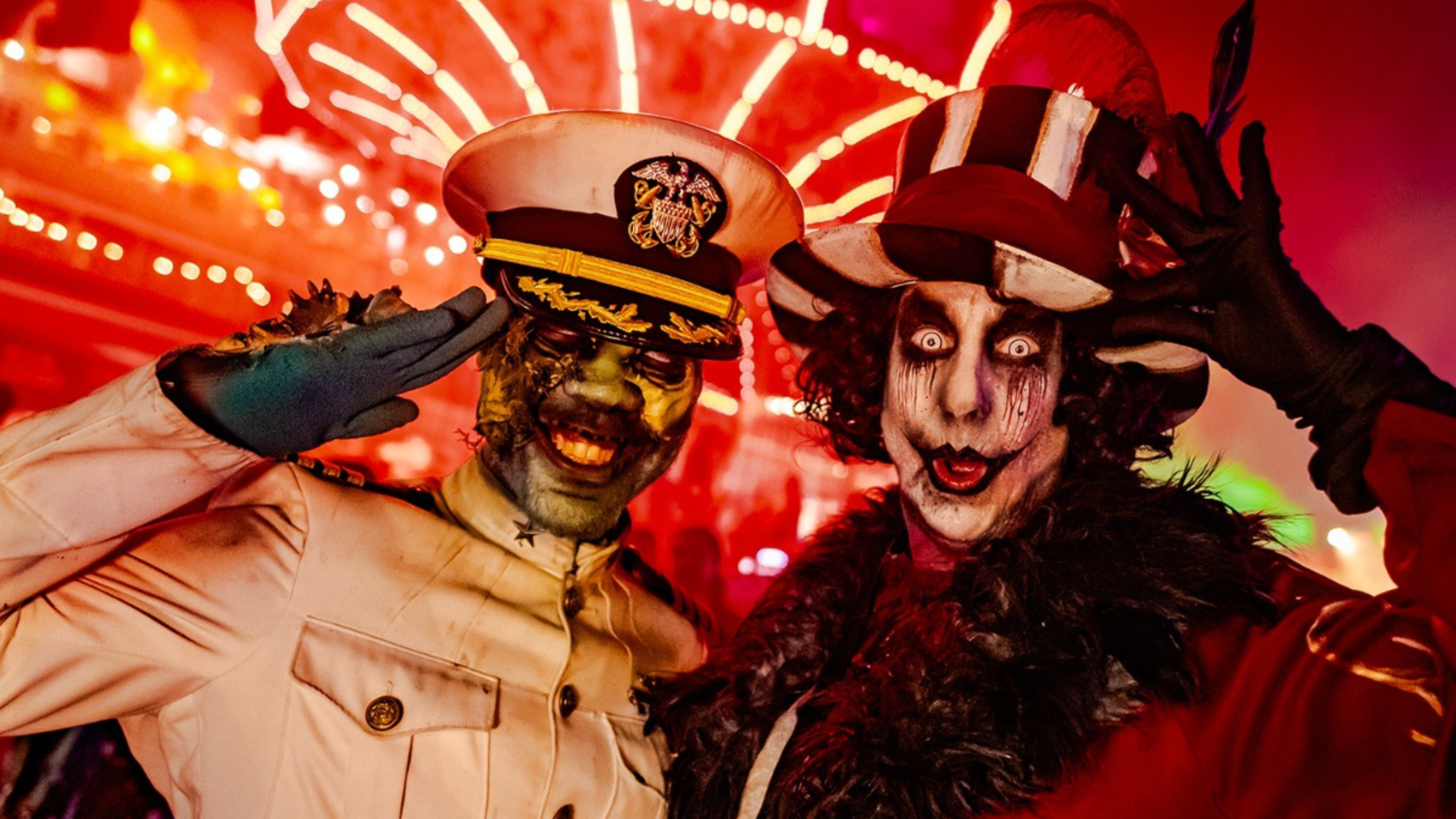
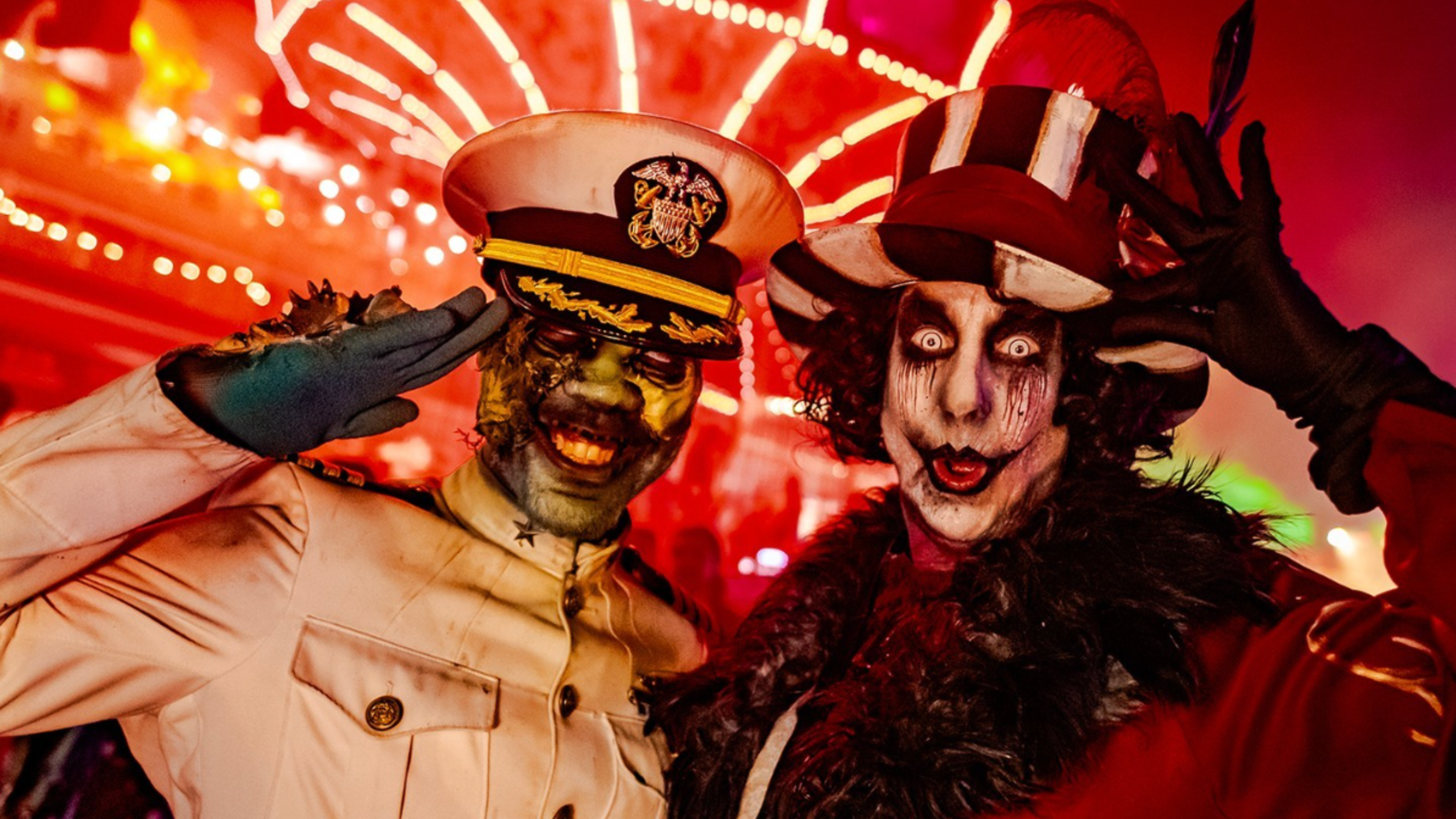
What: Brave one of Southern California’s most atmospheric Halloween attractions when Dark Harbor returns to the historic RMS Queen Mary for its 13th anniversary. The haunted experience transforms the ship and surrounding grounds with eerie mazes, roaming monsters, fog-filled corridors, carnival rides, secret speakeasies, and live entertainment. New this year is the “Shipwrecked: Brace for Impact” maze, joining reimagined attractions inspired by the ocean liner’s storied past.

When: October 18
Where: Hammer Museum | West Los Angeles
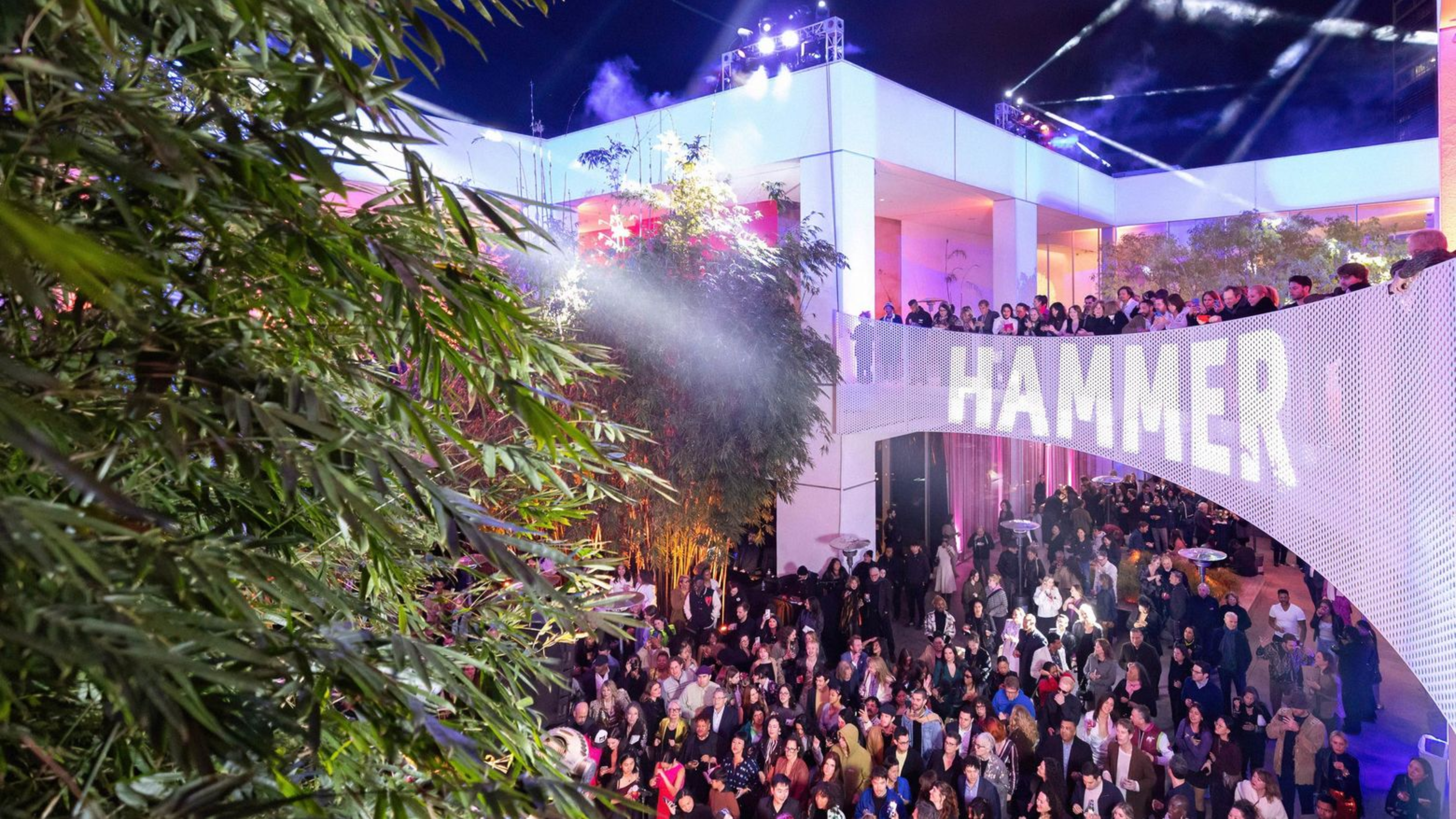
What: Treat your four-legged friend to a day of fun at Day of the Dog, a free pet festival taking over Main Street in Santa Monica. The celebration features dozens of pet-focused vendors, dog races, a pool party, Halloween costume contests, photo opportunities, and even yoga with pups. This year, the festivities coincide with the Main Street Block Party, bringing additional live music, a beer garden, classic cars, children’s activities, and complimentary treats for both people and their canine companions.
San Fernando Valley Weekend Events | October 16 – October 18
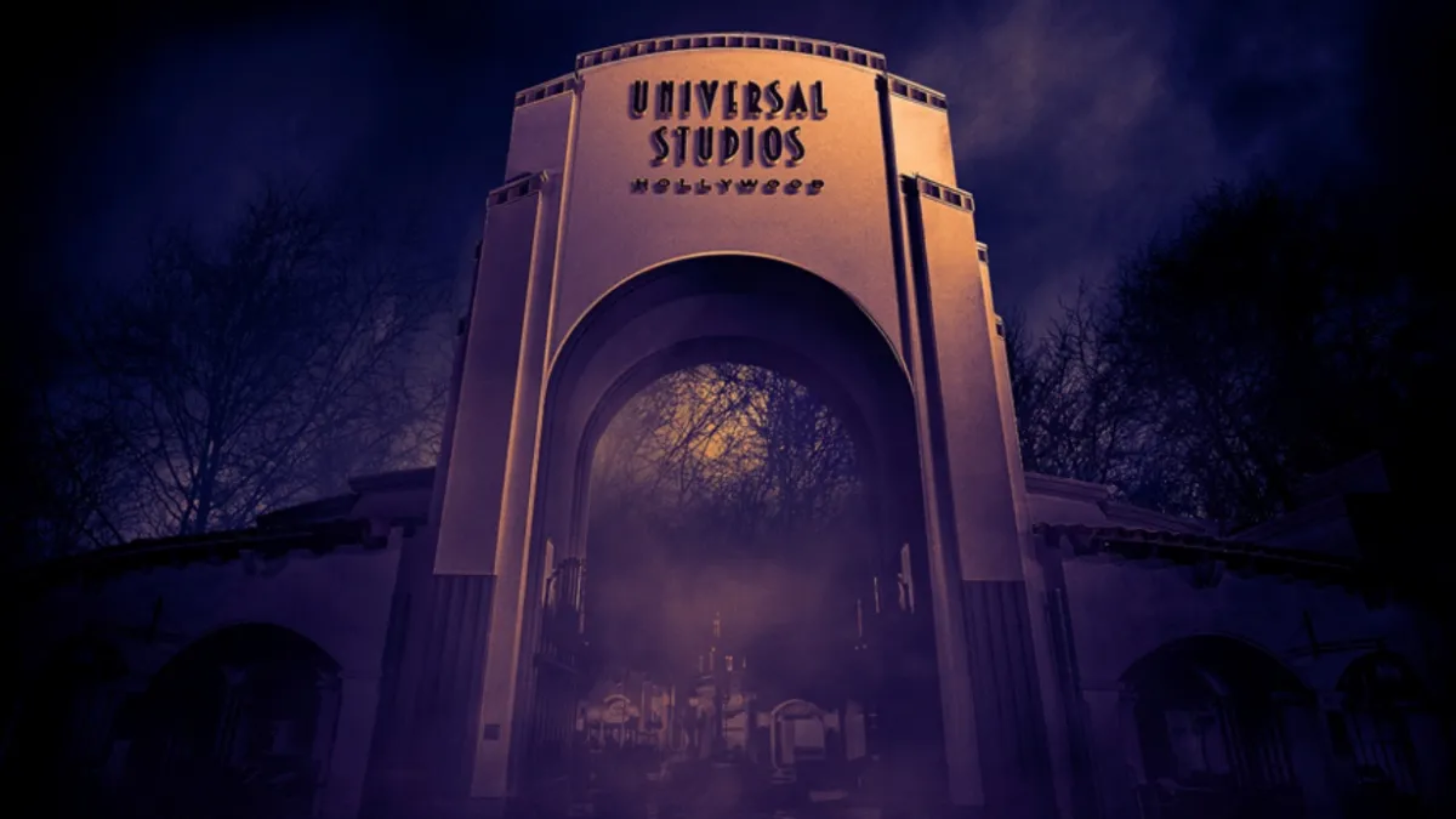
When: Until November 1
Where: Universal City
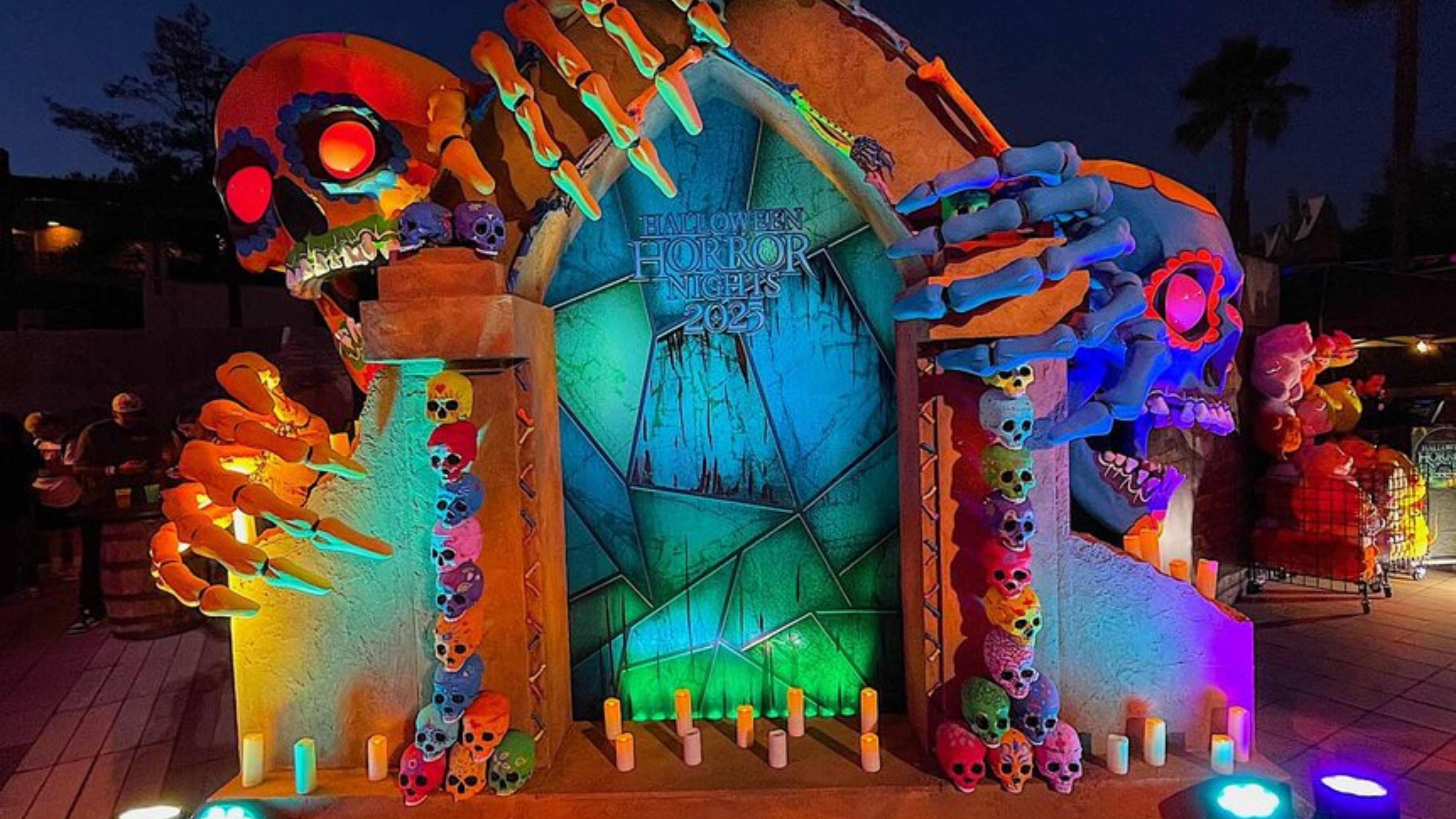
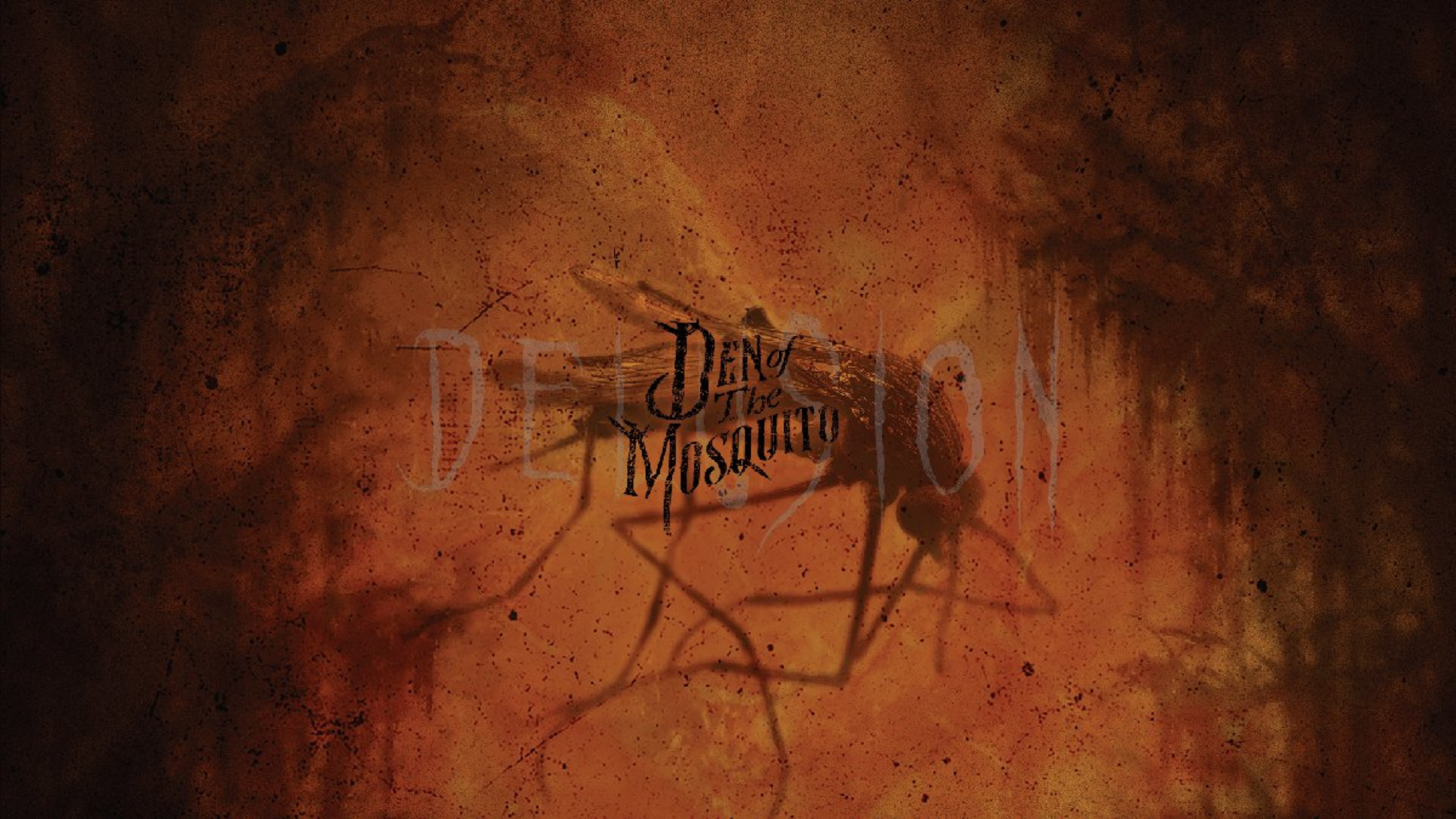
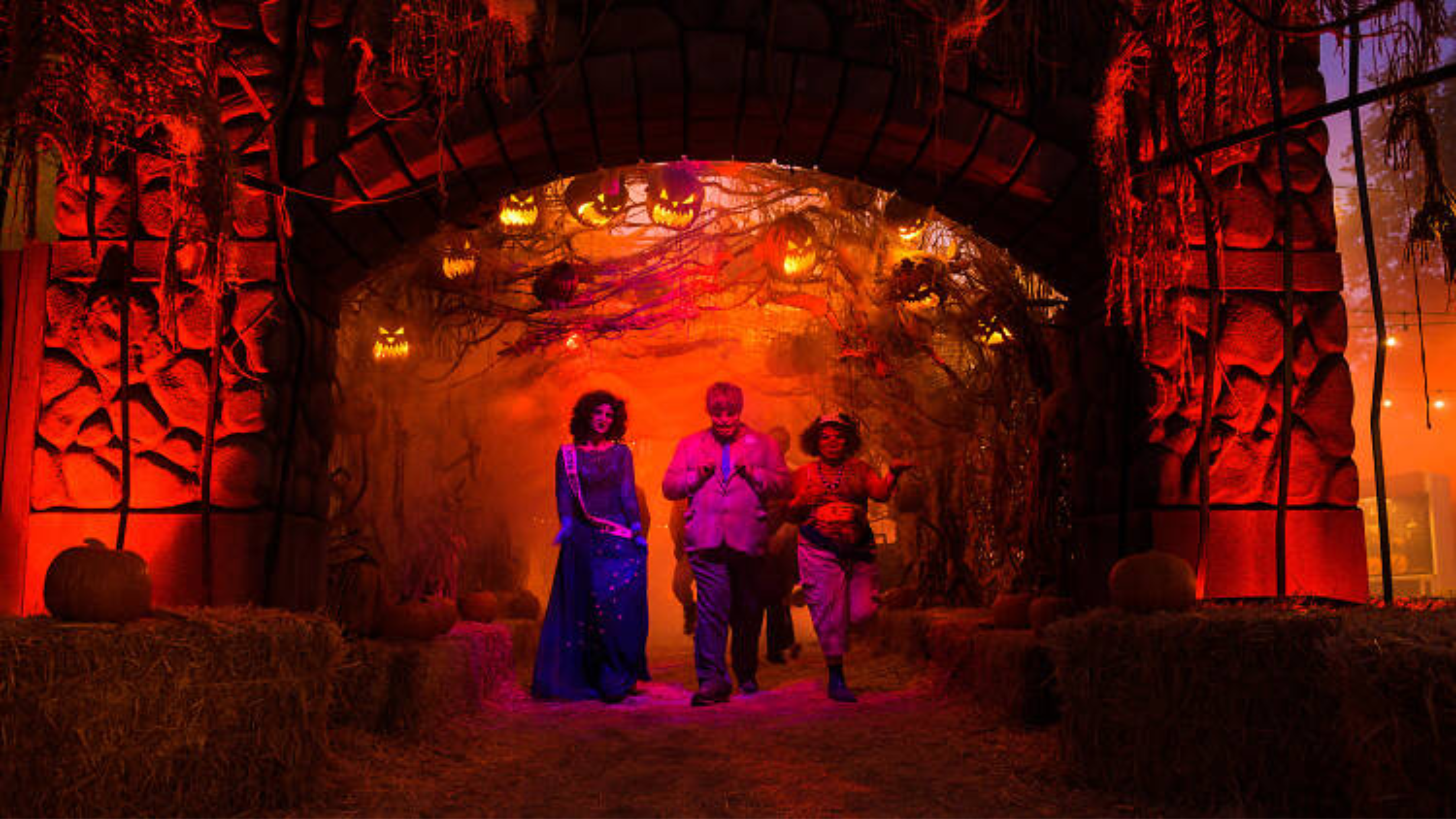
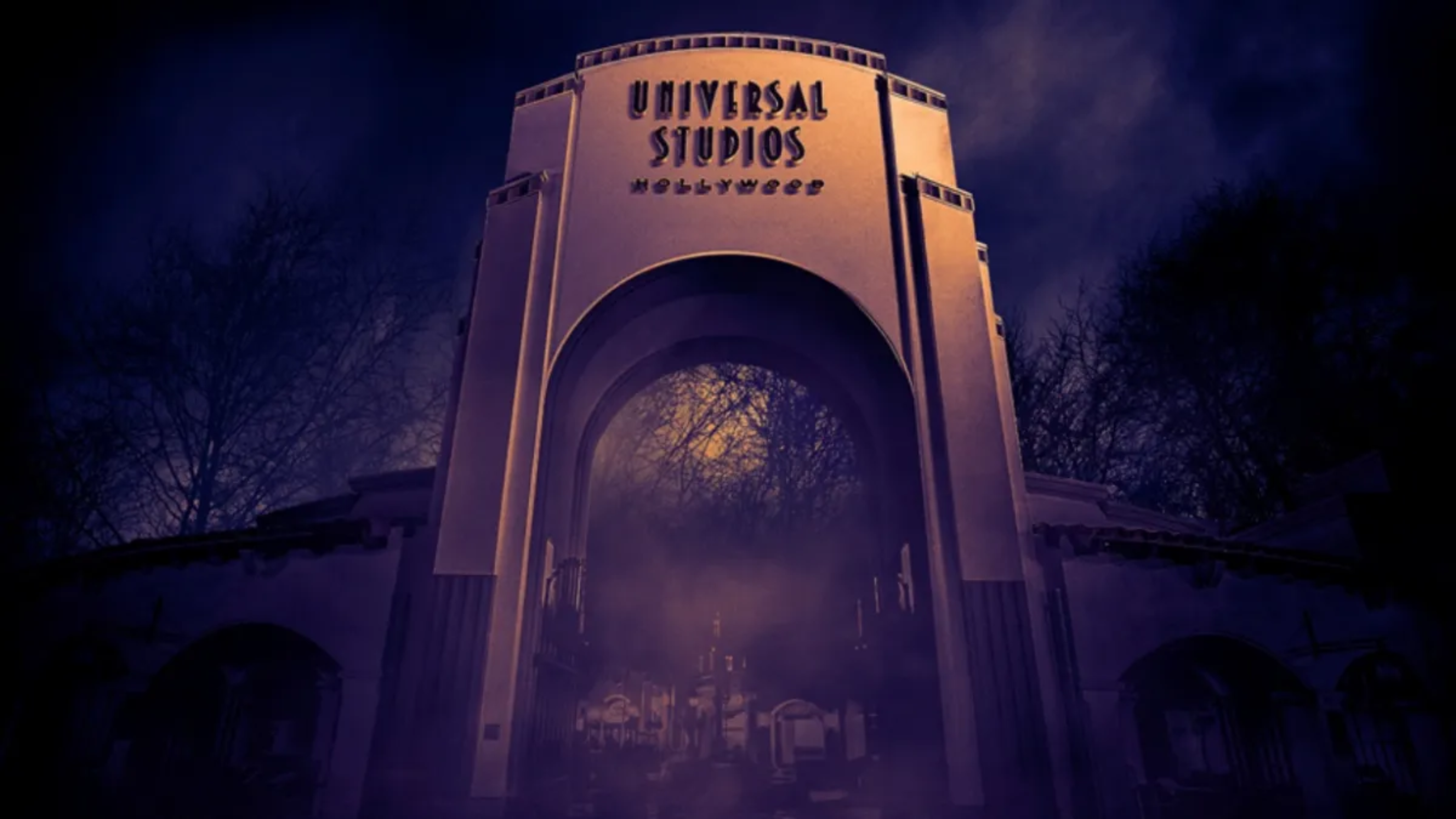
What: Spooky season officially arrives at Universal Studios Hollywood with the return of Halloween Horror Nights. This year’s after-dark event features terrifying haunted houses inspired by Stranger Things 5, Hellraiser, Evil Dead Burn, Ozzy Osbourne, and Sinners, plus sinister scare zones and the park’s infamous Terror Tram. Running on select nights from September 3 through November 1, it’s a fright-filled kickoff to Halloween season for horror fans.

When: Until October 31
Where: Glendale
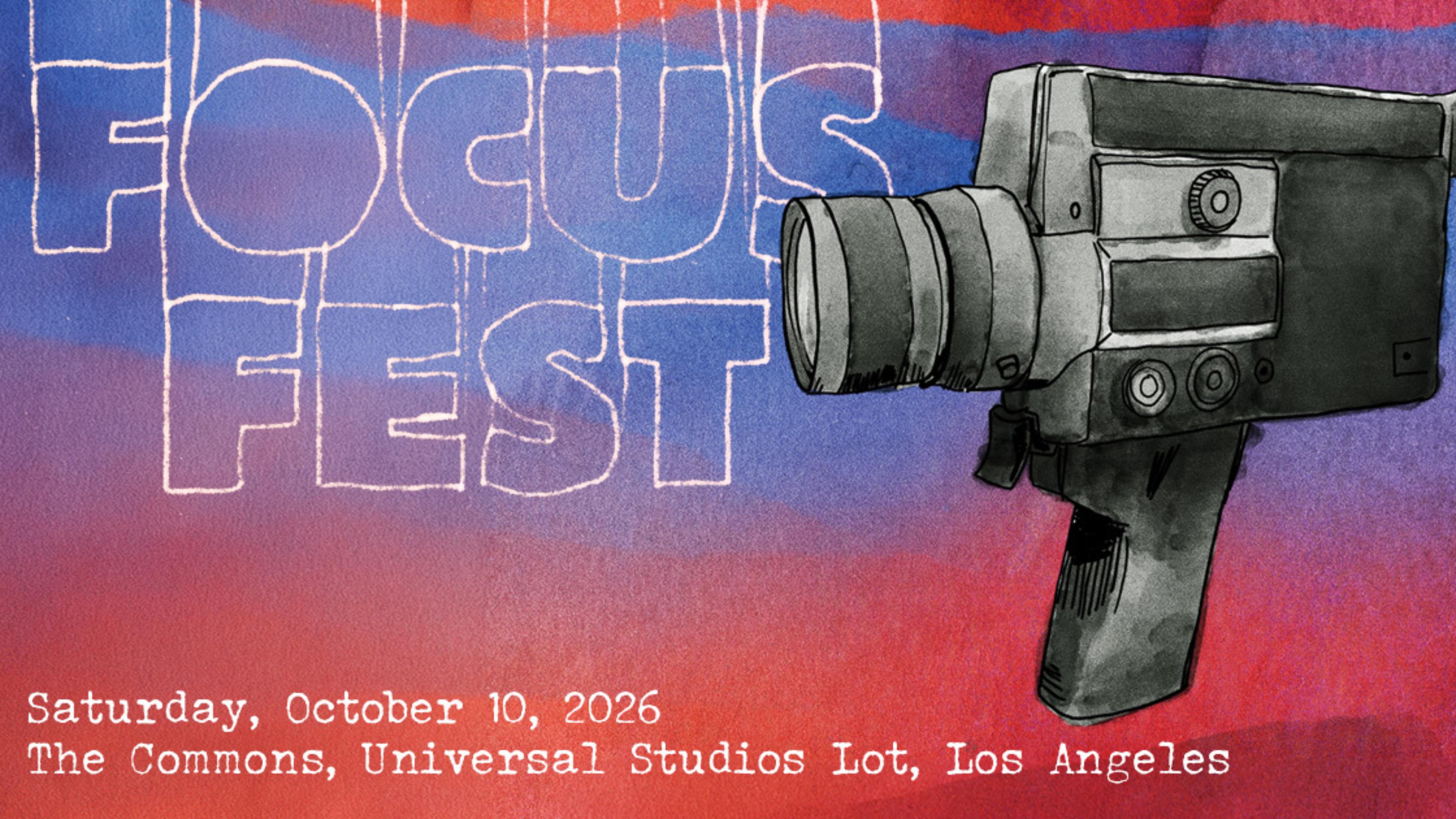
What: Focus Features brings its annual FocusFest celebration back to the Universal Studios lot for a special showcase of beloved films and upcoming releases. The event features screenings of favorites like Pride & Prejudice and The Holdovers, alongside new titles including Sense and Sensibility and Elsinore. Horror fans can also catch a special presentation of Obsession, featuring appearances by Curry Barker and Cooper Tomlinson. Each ticket includes access to the screenings, themed photo opportunities, complimentary concessions, and a drink voucher for a memorable moviegoing experience.
When: Ongoing
Where: Hilton Garden Inn Burbank Downtown | 401 South San Fernando Boulevard, Burbank
What: Enjoy an evening of mystery, comedy, and unexpected twists at The Dinner Detective Murder Mystery Dinner Show at the Hilton Garden Inn Burbank Downtown. Unlike traditional murder mystery performances, this interactive experience places undercover actors among the audience. Likewise, this invites guests to uncover clues, identify suspects, and solve the crime while enjoying a multi-course dinner. With plenty of laughs and the possibility of becoming a prime suspect yourself. Don’t miss out on an entertaining choice for date night or an evening out with friends.
Conejo Valley Weekend Events | October 16 – October 18
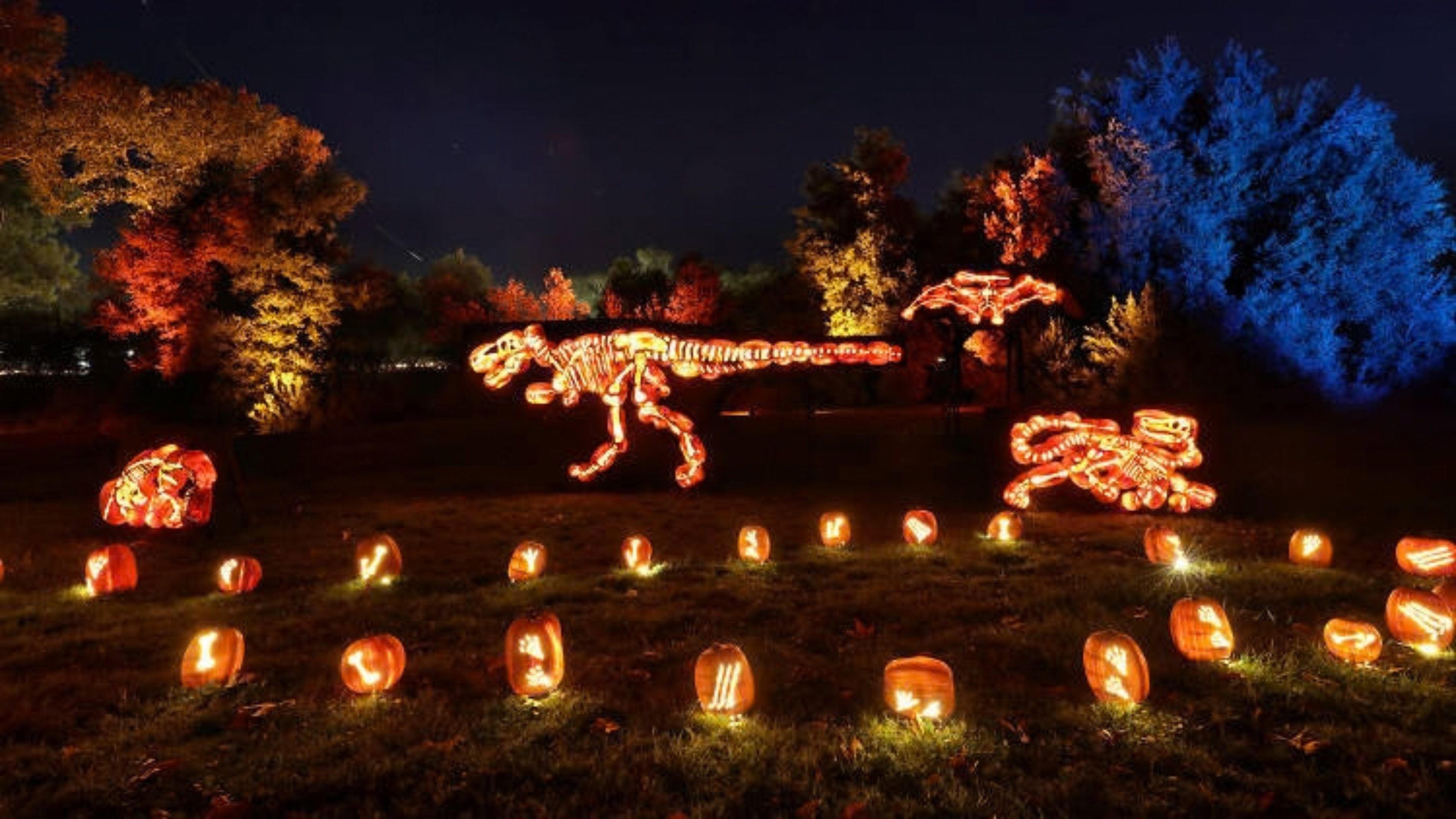
When: Until November 1
Where: Santa Monica Mountains
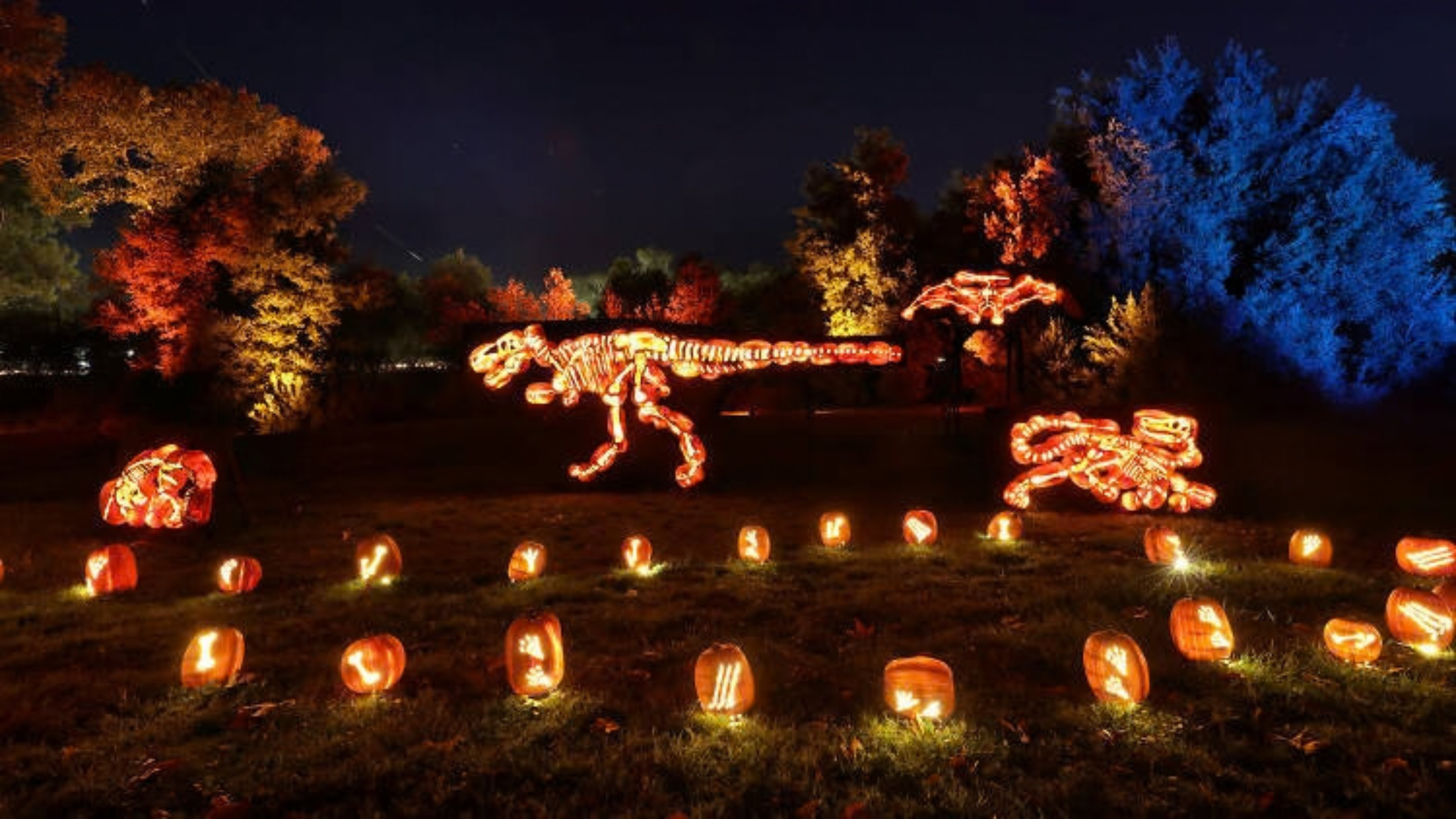
What: Stroll through a glowing wonderland of thousands of hand-carved jack-o’-lanterns as Night of the Jack returns to King Gillette Ranch. The family-friendly Halloween experience features a reimagined mile-long illuminated trail. The trail is filled with elaborate pumpkin displays, lantern art, projection mapping, and seasonal photo opportunities. New for 2026, Jack’s Carnival adds kid-friendly rides and games. Additionally, the food trucks and Spookeasy offer plenty of treats along the way.

When: October 17
Where: The Promenade at Westlake, 140 Promenade Way, Thousand Oaks
What: Make a difference in the fight against Alzheimer’s at the Walk to End Alzheimer’s – Conejo Valley, taking place October 17 at The Promenade at Westlake. Hosted by the Alzheimer’s Association, this inspiring event brings together the community to raise awareness and funds for Alzheimer’s care. Registration is free, and participants of all ages and abilities are encouraged to join the walk. Your participation helps support those affected by the disease.
When: October 17
Where: Underwood Farms | 3370 Sunset Valley Rd, Moorpark
What: Celebrate the traditions of Día de los Muertos at the 4th Annual Panteón Fest, returning to historic Heritage Square in Downtown Oxnard on October 17. Presented by Pipiripau, this vibrant cultural festival features live music, theatrical performances, art exhibits, and more! This year’s celebration also pays tribute to beloved Mexican entertainer Chespirito. Additionally, there will be local food vendors, family-friendly activities, and the picturesque Victorian homes of Heritage Square.