Wrap up the week with the latest tech and media news from across the web. This week, we are serving up the major headlines keeping the internet abuzz, from third-party AI Agents on Google Home to Meta One and more. Check out what you might have missed in this week’s tech news blog!
Google Home Opens the Door to Third-Party AI Agents
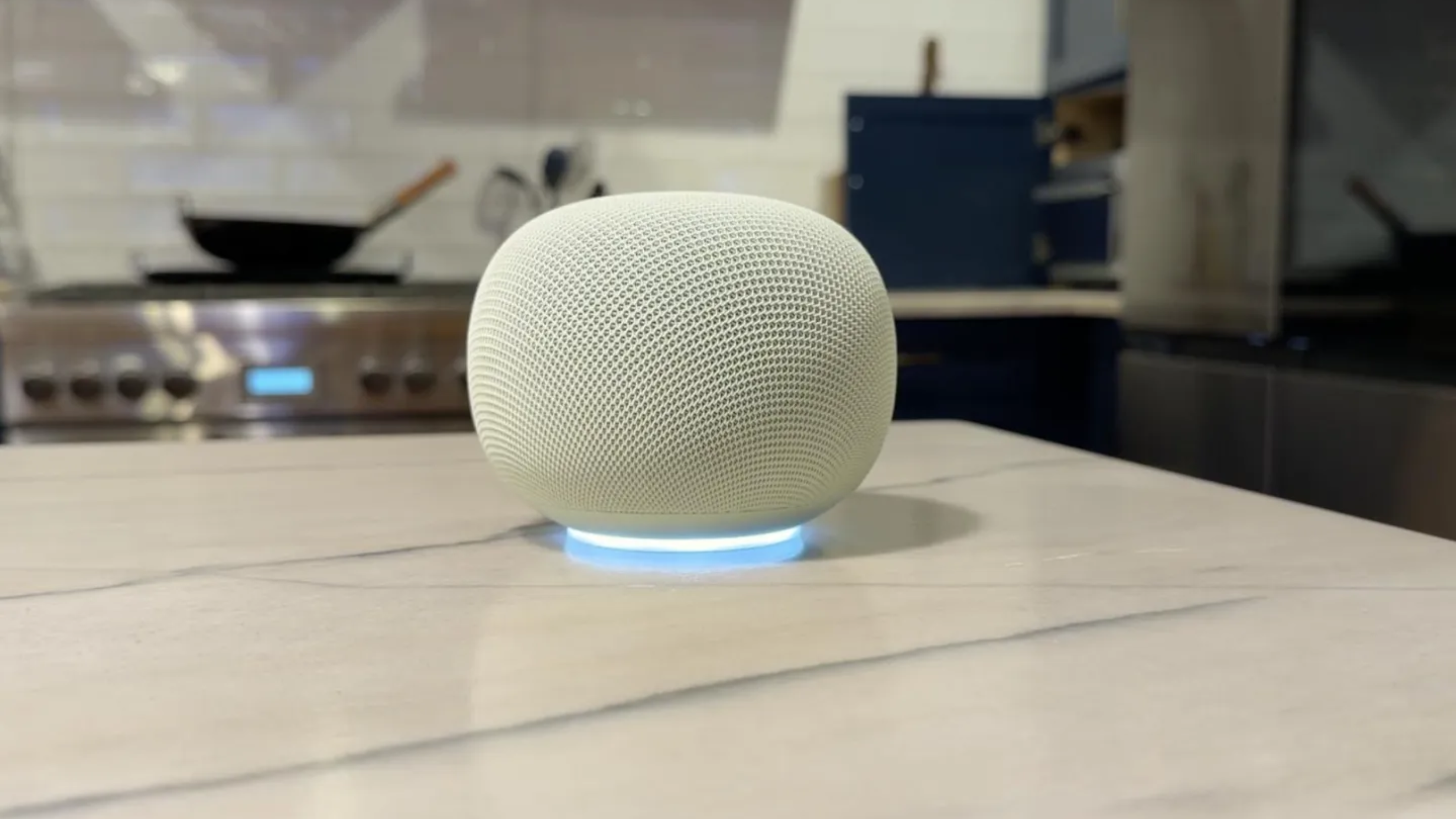
The smart home platform for Google will expand with support for the Model Context Protocol. Google Home will allow third-party AI agents such as Claude to interact with connected devices and household data. The new Google Home MCP can analyze event history, monitor device activity, and build custom dashboards. In addition, Google Home devices can even complete certain smart home tasks on a user’s behalf. Gemini for Home will remain the primary assistant for Google Home. Likewise, the MCP support creates another layer for people who want to use other AI tools with their connected Google Home devices. Access will initially be limited to U.S. Google Home Premium Advanced subscribers. Cost for the premium tier begins at $20 per month or $200 annually.
Meta Bundles Social Media and AI Into New Subscriptions
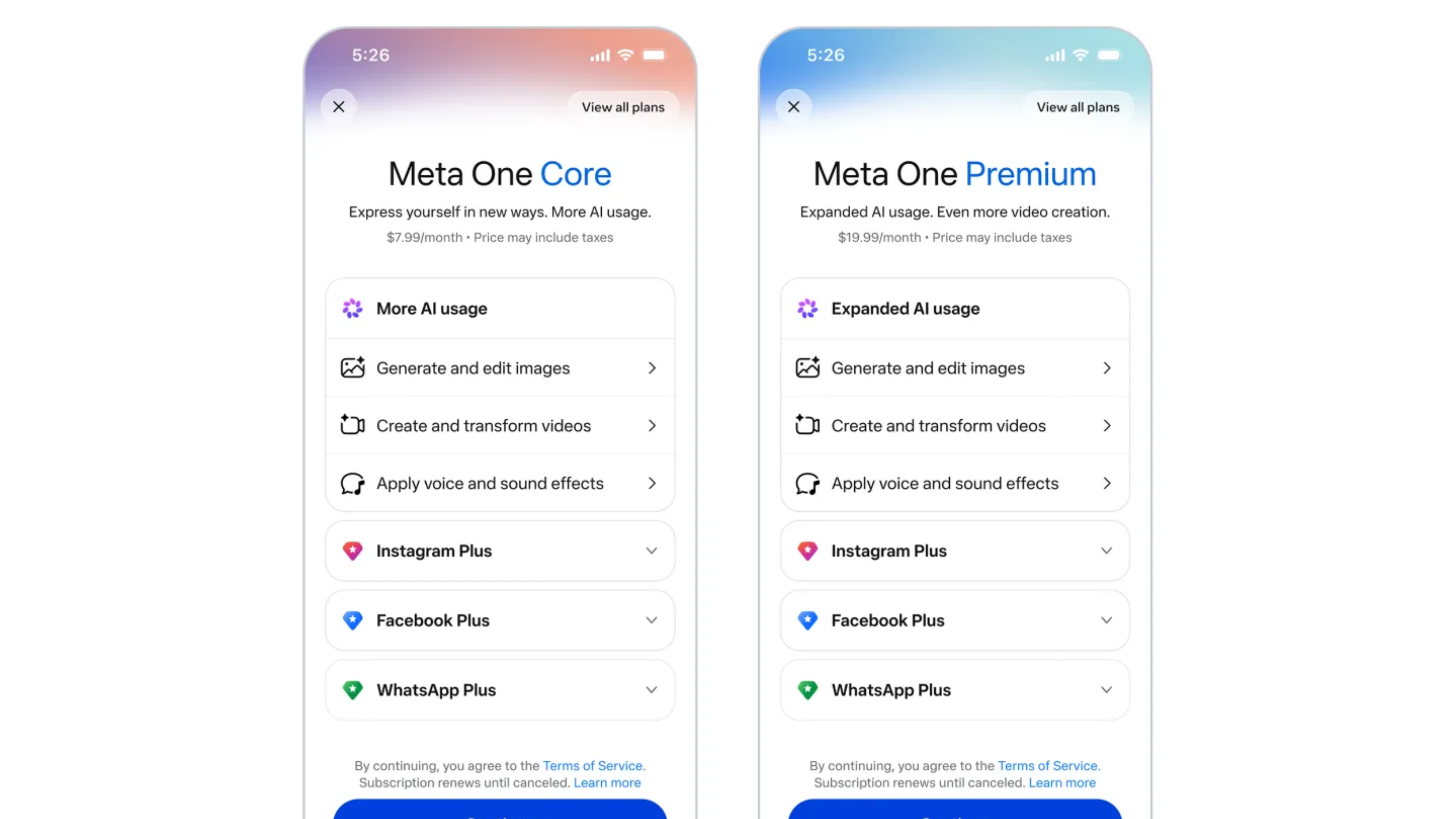
Meta is launching Meta One, a collection of subscription bundles that combine premium features across Facebook, Instagram, WhatsApp, and Meta AI. Individual plans start at $7.99 per month for Core and $19.99 for Premium, offering perks such as longer Instagram Stories and increased access to Meta’s AI-powered image and content tools. Separate packages for creators and businesses range from $14.99 to $499 per month and add features including verified badges, advanced analytics, scheduling tools, impersonation monitoring, and expanded AI business assistance. Meta says the core versions of its social platforms and AI products will remain free, while subscribers gain additional capabilities and higher usage limits. The rollout signals a broader effort to generate recurring revenue from users who want more sophisticated social media, creator, and AI features.
SimpliSafe Lets a Human Guard Watch Your Front Door
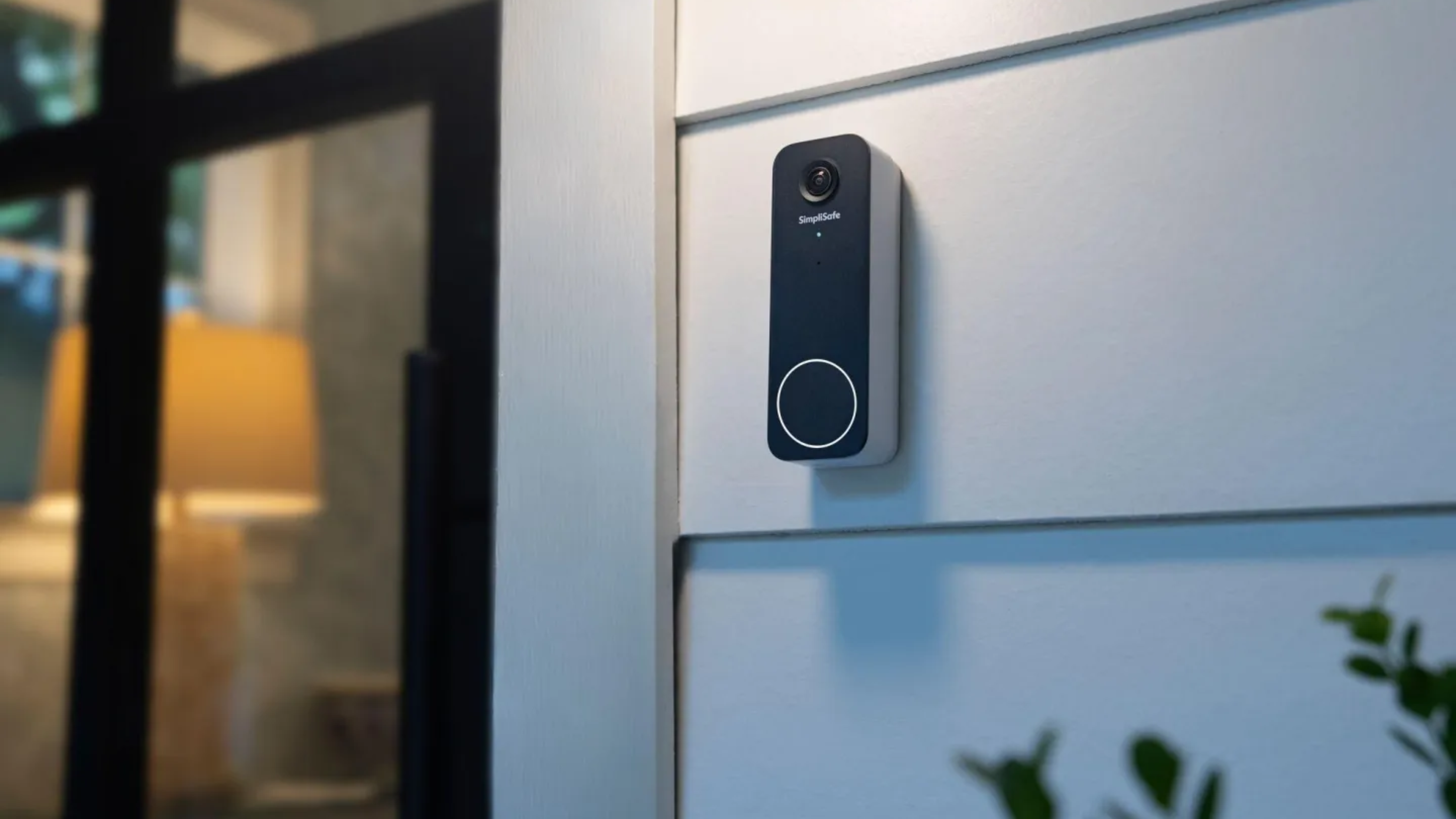
SimpliSafe’s new Video Doorbell Series 2 combines artificial intelligence with live human monitoring. This update allows the device to respond to suspicious activity outside a home. The $199.99 wired doorbell features 2K video, 10x zoom, and a 150-degree head-to-toe view. In addition, it includes two-way audio, package alerts, and a built-in siren. When Active Guard detects potentially concerning behavior, a monitoring agent can access the live feed, speak through the camera, and attempt to deter intruders or package thieves. The service is optional and requires a qualifying monitoring plan starting at $49.99 per month, with color-coded lights showing when either the homeowner or an agent is viewing the camera. By bringing live monitoring directly to the front door, SimpliSafe is pushing smart home security beyond passive notifications and toward real-time intervention.
Voicemod Brings Real-Time Voice Changing to Smartphones
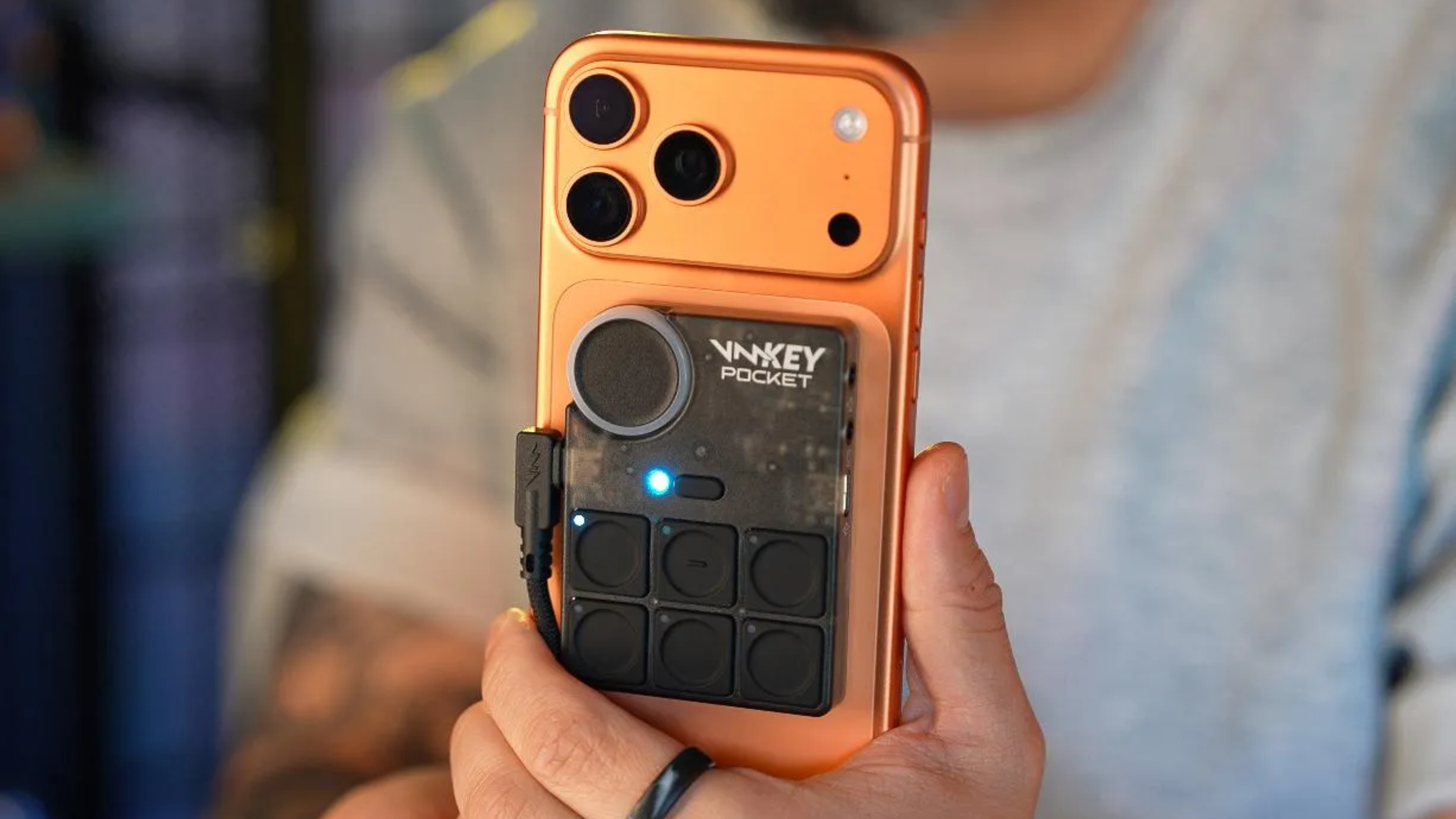
Voicemod is expanding beyond PCs and consoles with the Key Pocket, a compact accessory that lets users alter their voices during mobile games, livestreams, and phone or video calls. The device acts as an external audio bridge, processing sound from a wired or Bluetooth microphone through Voicemod’s mobile app before passing it along to other apps. Six programmable buttons allow users to quickly switch between voice effects or trigger soundboard clips, while a customizable LED dial handles volume and additional controls. The Key Pocket works with USB-C-equipped Android, iOS, and iPadOS devices and is available for $99.90, or $129.90 bundled with a lifetime Voicemod Pro license. That Pro tier unlocks hundreds of official voices, thousands of community-created options, custom voice tools, and cross-platform cloud syncing without an ongoing subscription.
Apple May Be Developing Its Own iPhone Game Controllers

Apple is reportedly working on two game controllers designed specifically for the iPhone. The news potentially gives the company a bigger role in mobile gaming hardware. References to two first-party controllers were recently discovered in macOS code. Bloomberg reports that the accessories are being developed for iPhones rather than Macs. The products are expected to be led by Apple’s Beats division. This development could allow the company to experiment with more affordable gaming accessories without positioning them as premium Apple-branded hardware. Beats has already expanded into categories such as iPhone cases and cables. Likewise, making a controller would be a logical extension of the brand’s accessory lineup. If released, the devices could strengthen Apple’s gaming ecosystem.
Meta’s Project Phoenix Could Blur the Line Between Glasses and VR
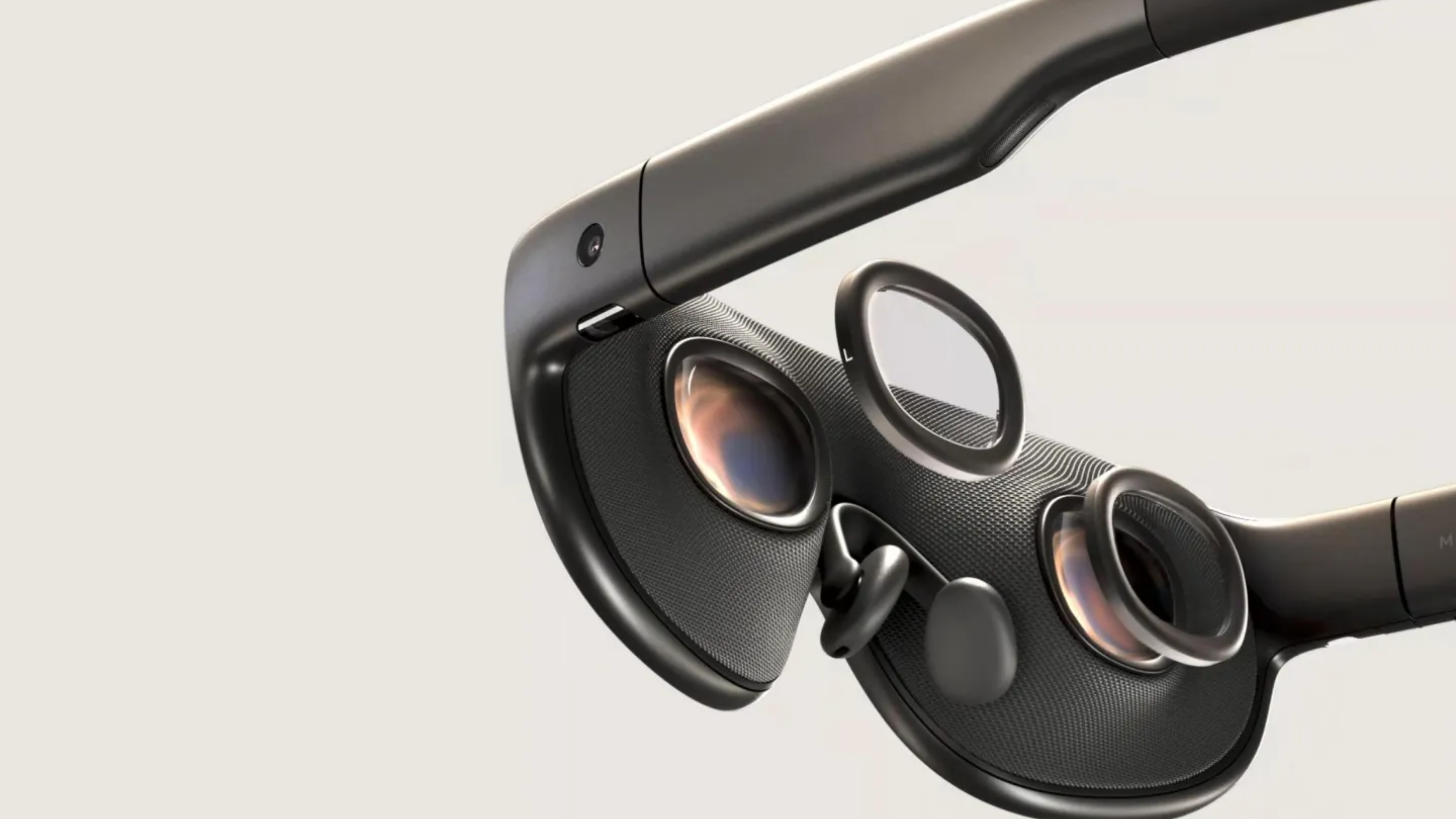
A possible leak is offering an early look at Meta’s Project Phoenix. The slimmer mixed reality headset is expected to launch next year. Images reportedly discovered inside Meta software show a device with a glasses-style frame. The device is considerably smaller than a Quest headset but more substantial than the company’s Ray-Ban smart glasses. The design appears to include outward- and downward-facing cameras. In addition, it includes a cable that may connect the glasses to an external battery or computing unit. That approach would place Project Phoenix closer to lightweight XR devices. Of course, companies such as Xreal and Viture already offer this change from traditional virtual reality headsets. Meta Connect is scheduled for September 23. Of course, the leak provides another clue about how the company may be trying to make immersive computing easier to integrate into everyday life.