Exploring LACMA’s New David Geffen Gallery | Out & About

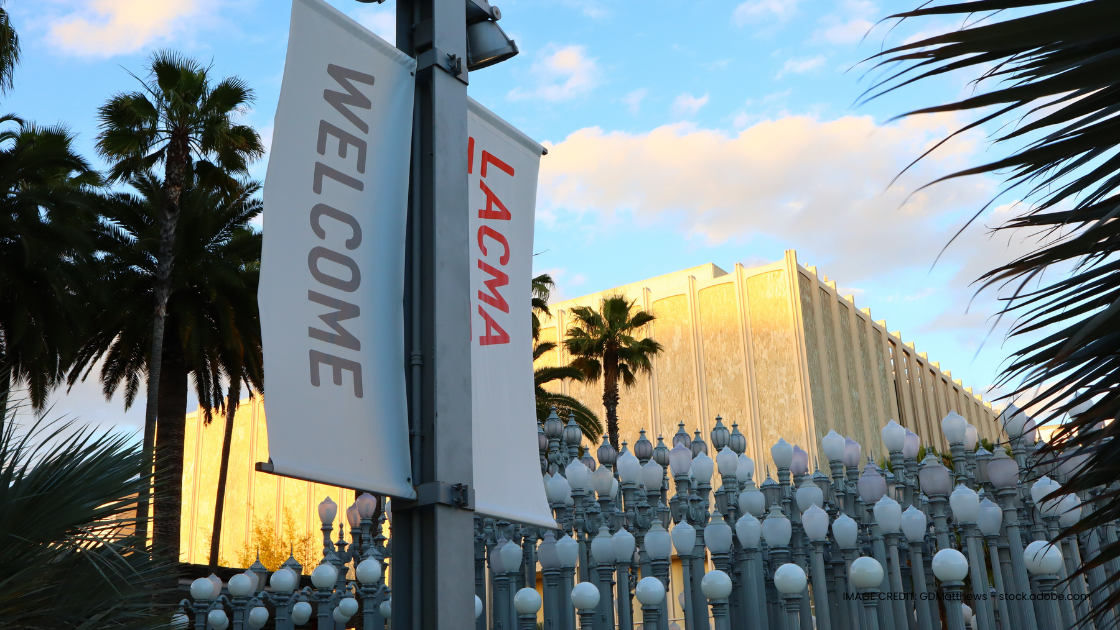
One minute you’re looking out at Wilshire traffic, and the next you realize you’ve drifted to the other side of the boulevard without ever having the mental jolt of “crossing the street.” That, more than any single artwork, may be the first real thrill of LACMA’s new wing.

Officially called the David Geffen Galleries, the building opened in April 2026 and is now the museum’s new home for its permanent collection, all arranged on one elevated level in a way that feels distinctly Los Angeles: open, fluid, and a little bit cinematic. 

The First Surprise is Spatial

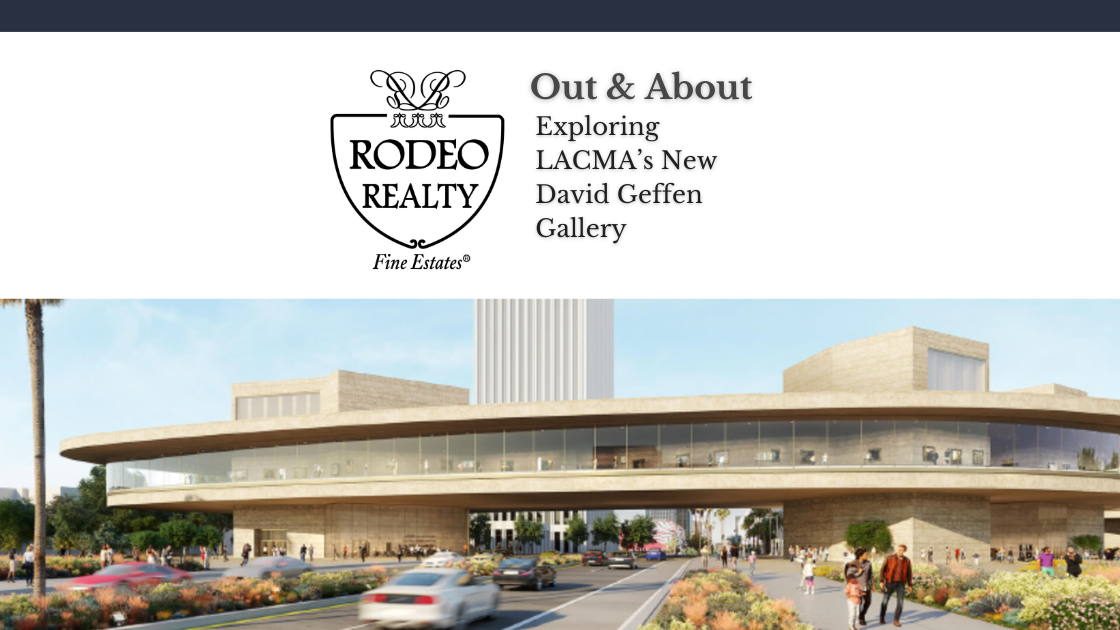
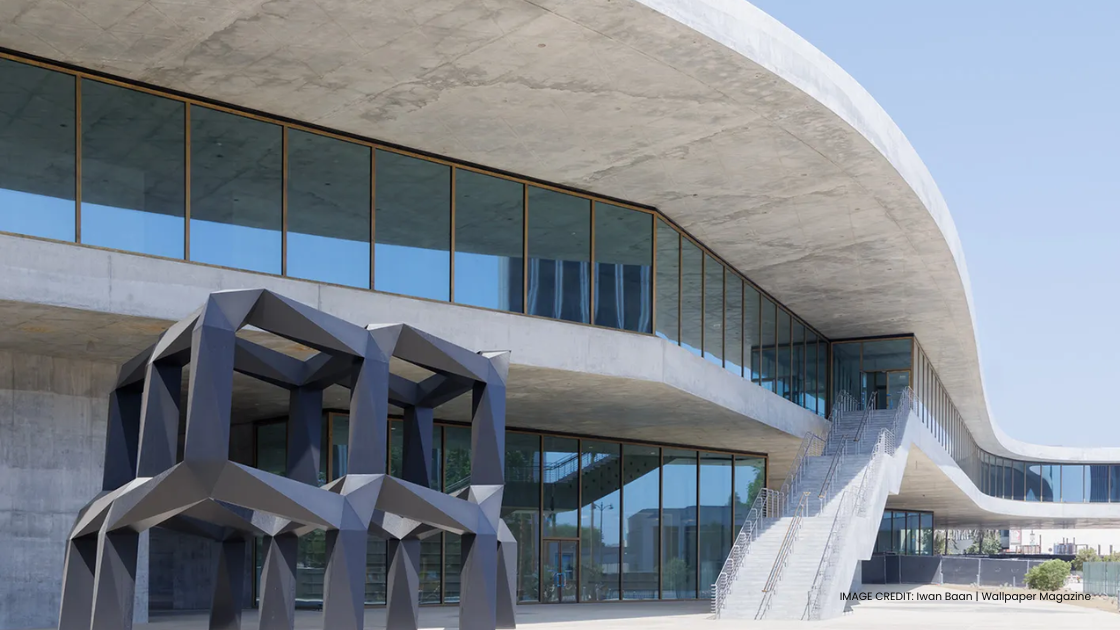
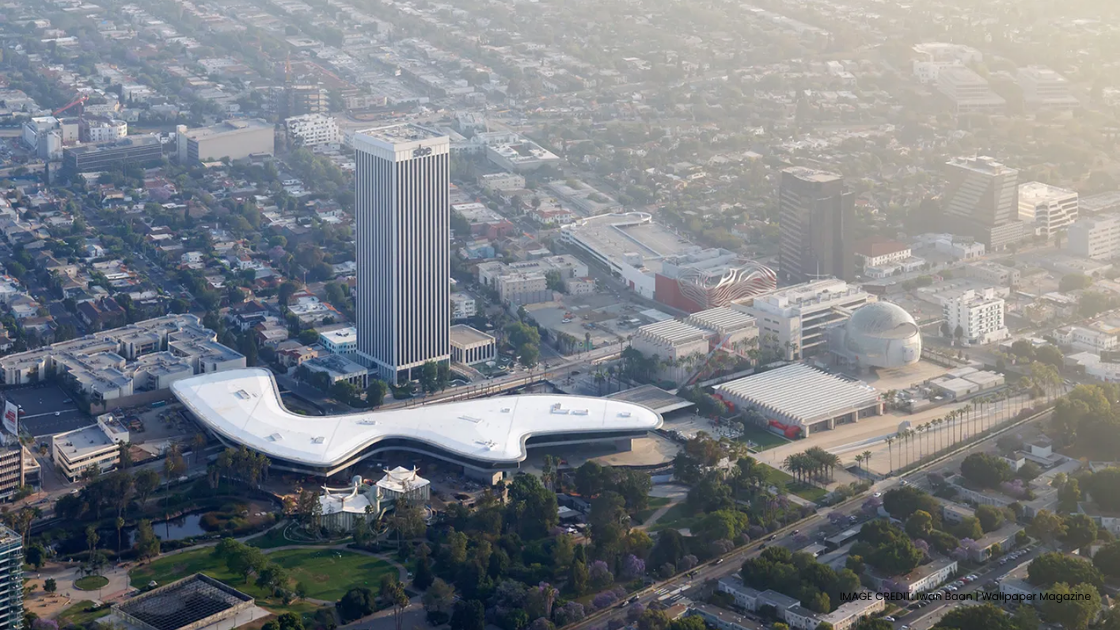
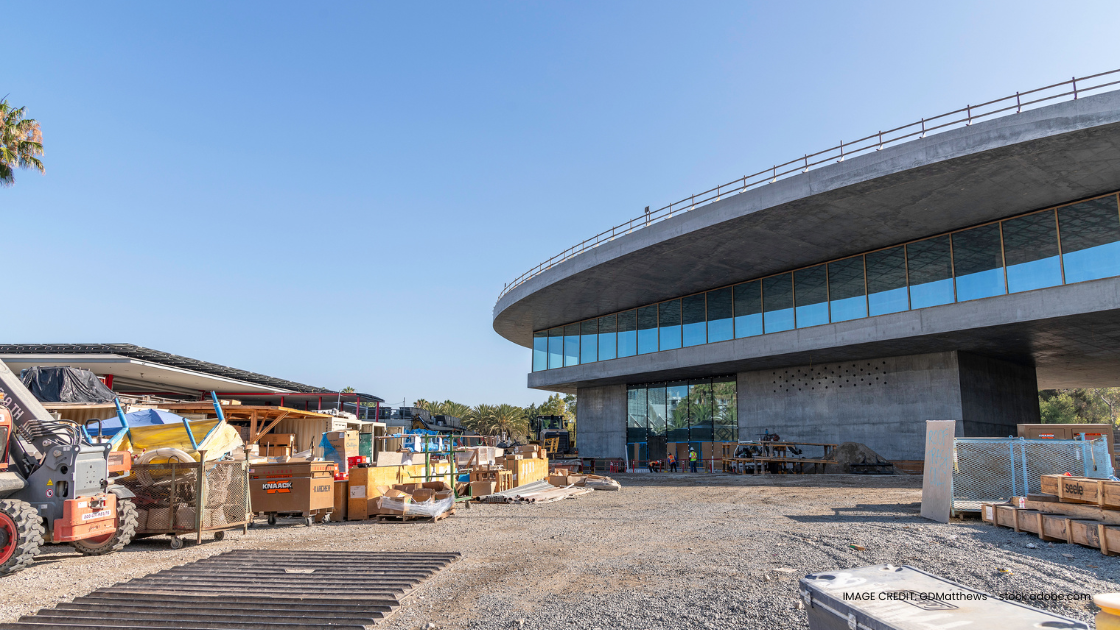
Designed by Peter Zumthor, the David Geffen Galleries stretch 900 feet and sit nearly 30 feet above street level, turning what could have been a straightforward expansion into something stranger and more memorable. Time Out put its finger on the building’s quiet magic trick: the portion that crosses Wilshire does not read like a bridge at all. It simply feels like more museum. That matters because it changes your whole relationship to the visit. Instead of moving room to room in the usual dutiful way, you meander. The city stays present at the edges. Art, architecture, and Los Angeles traffic all share the same frame. 

Wandering is Part of The Point

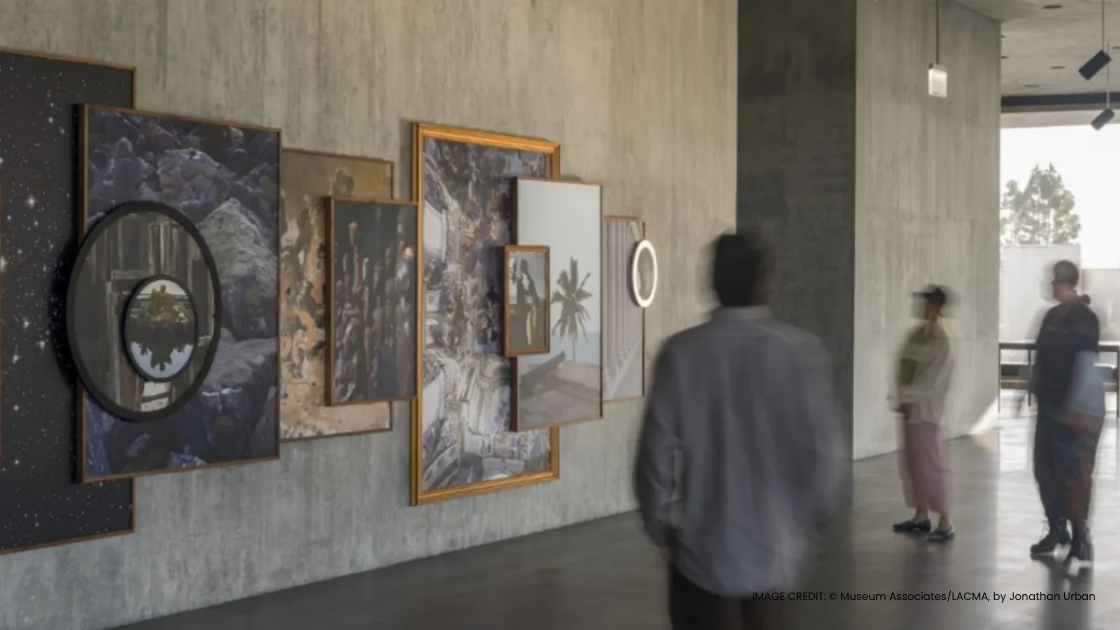
LACMA leans into that looseness. The David Geffen Galleries have no true front or back, and visitors can enter from either side before flowing into a nonhierarchical installation organized around oceans rather than strict timelines or departmental borders. Light is handled with unusual sensitivity: brighter terrace galleries open toward the city, deeper interior rooms protect more fragile works, and high-tech metallic curtains filter views of Wilshire without cutting them off completely. Even one of the most talked-about moments inside, a Matisse set against an ultrawide window at the western tip, works because the building allows Los Angeles itself to feel like part of the exhibition. 

Why It Lands So Well in Hancock Park and Nearby Beverly Hills

This is where the new wing becomes especially compelling for local readers. LACMA places itself squarely in Hancock Park on Miracle Mile, and the museum’s own neighborhood guide treats a visit as part of a broader day in the area, not an isolated cultural errand. For people in Hancock Park, Windsor Square, or nearby Beverly Hills, the David Geffen Galleries feel less like a tourist stop and more like a meaningful addition to the local rhythm, somewhere you could revisit after lunch, before dinner, or on a low-key Saturday when you want the city to feel a little more elevated. Beverly Hills hospitality guides already position LACMA among the area’s major art-and-culture destinations, which tells you plenty about its pull. 

A Major Wing with Staying Power

The name matters, too. David Geffen gave $150 million toward the project, the largest single cash gift from an individual in LACMA’s history, which is why the building carries his name. But what gives the David Geffen Galleries their staying power is not donor lore. It is the way the place actually works once you are inside it. There are 3.5 acres of shaded public space below, seven pavilions with visitor amenities, and a museum experience that feels less segmented and more alive to weather, time of day, and the city beyond the glass. In a part of Los Angeles already defined by beautiful homes, strong design culture, and a polished social circuit, the David Geffen Galleries add something more lasting: a reason to come back, wander again, and see the neighborhood with fresh eyes.

Your Golden Hour Guide | Out & About

There’s a certain kind of magic that only exists in that golden hour before sunset. The light softens, the sky turns painterly, and suddenly everything feels just a little more cinematic. In April, that glow hits differently across Southern California, where longer days and clearer skies make golden hour feel like an invitation rather than a fleeting moment.

If you’re looking to make the most of the season, these are the best sunset spots in Southern California to catch that perfect April light.

Griffith Observatory – Los Angeles

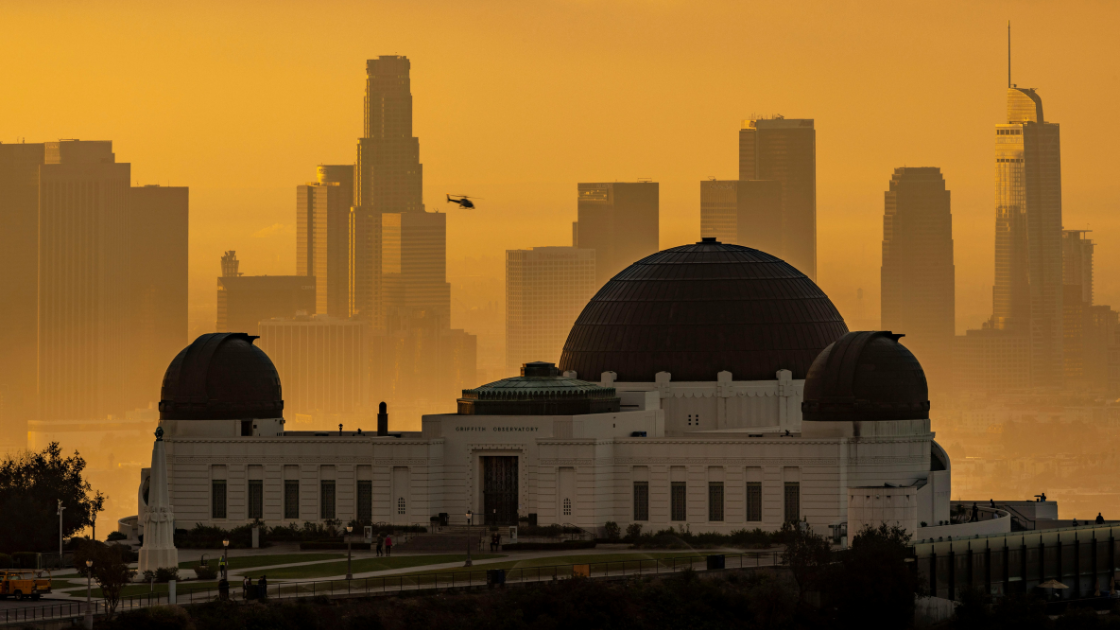
Few places capture the essence of Los Angeles quite like Griffith Observatory at sunset. As the sun dips behind the hills, the city begins to glow, creating a layered view of skyline, mountains, and sky.

Arrive early to claim a good vantage point, and stay a little longer as the city lights flicker on. It’s easily one of the best golden hour spots in Southern California for a classic, elevated view.

El Matador State Beach – Malibu

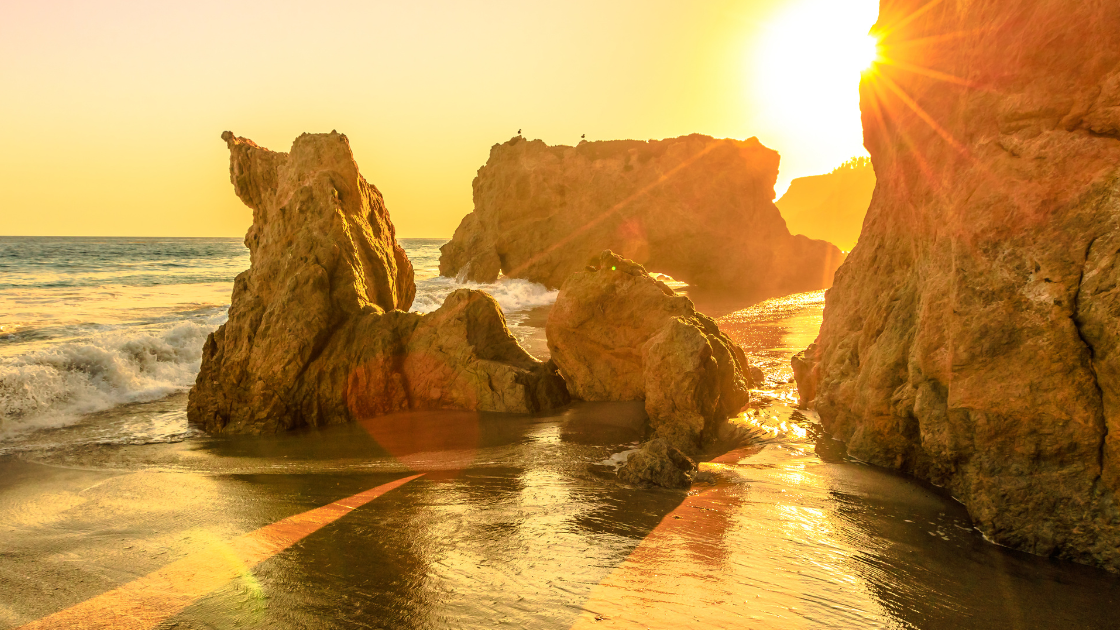
Tucked along the Malibu coastline, El Matador State Beach offers a more intimate and dramatic sunset experience. Sea caves, rugged cliffs, and crashing waves create a moody, romantic setting that feels straight out of a film.

April’s softer light enhances the textures of the rocks and water, making it one of the most visually striking golden spots in Southern California.

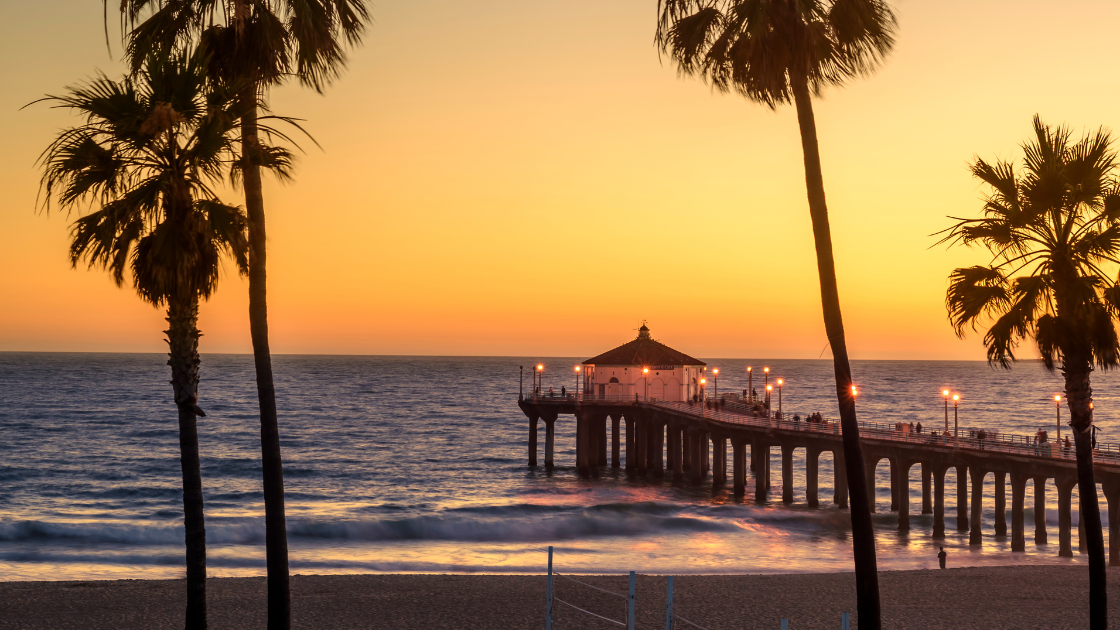
Manhattan Beach Pier – Manhattan Beach

For something a little more relaxed, Manhattan Beach Pier delivers a quintessential coastal sunset. The wide shoreline and iconic pier create a balanced composition, perfect for both photos and slow evening walks.

The energy here is effortless. Think barefoot strolls, ocean breezes, and skies that fade from gold to soft pink. It’s a timeless entry among the best golden spots in Southern California.

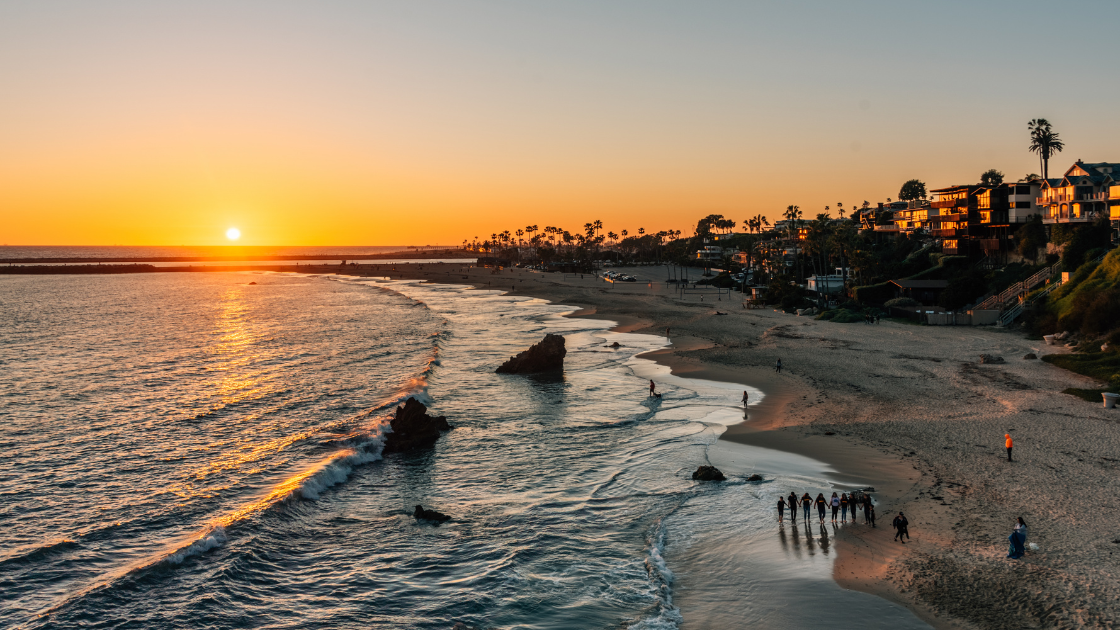
Inspiration Point – Corona del Mar

In Orange County, Inspiration Point lives up to its name. Perched above the coastline, this scenic overlook offers sweeping ocean views that feel expansive and calm all at once.

April sunsets here are especially clear, with soft gradients stretching across the horizon. Bring a blanket, settle in, and let the moment unfold.

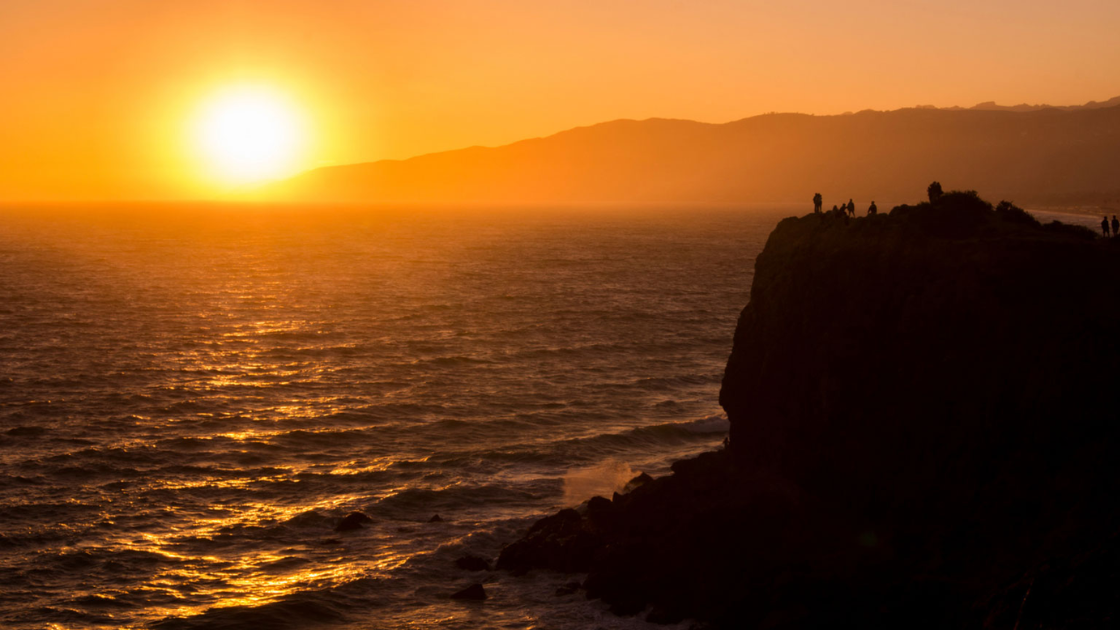
Point Dume – Malibu

For a slightly more elevated coastal perspective, Point Dume offers panoramic views that stretch endlessly across the Pacific. The short hike to the top is well worth it, especially as the sky begins to shift into warmer tones.

With fewer crowds than other Malibu spots, it’s one of the more peaceful golden hour spots in Southern California to fully take in the moment.

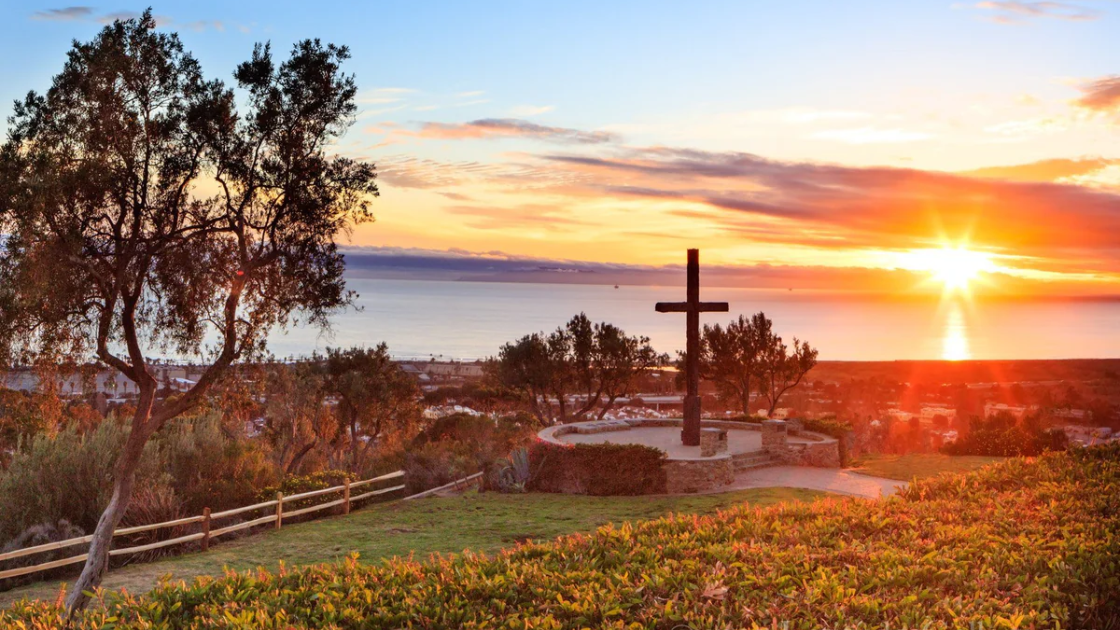
Serra Cross Park – Ventura

Overlooking Ventura, Serra Cross Park offers a quiet, elevated setting for sunset watching. From this hilltop vantage point, you’ll see both the coastline and the town below, creating a layered and serene view.

It’s less crowded than many LA hotspots, making it a hidden gem among the best golden hour spots in Southern California.

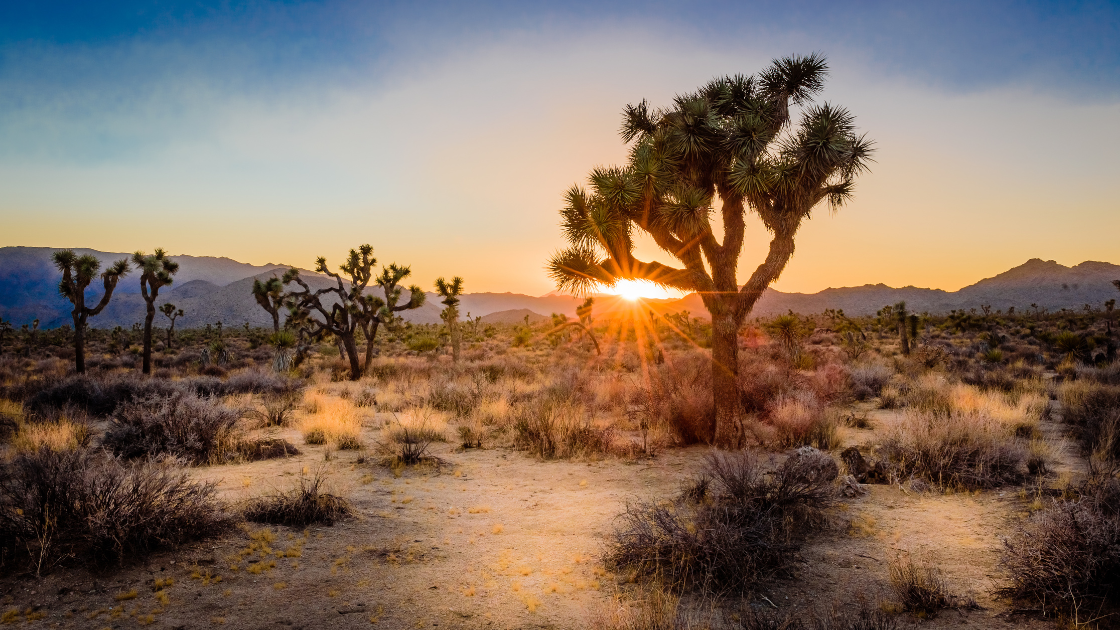
Joshua Tree National Park – High Desert

For a completely different kind of golden hour, head out to Joshua Tree. The desert sky seems to stretch forever, allowing the sunset to unfold in slow, dramatic layers of color.

April is one of the best times to visit, with milder temperatures and clearer air. It’s easily one of the most unforgettable best golden hour spots in Southern California if you’re willing to make the drive.

In a place like Southern California, golden hour isn’t just a time of day. It’s a ritual. Whether you’re perched above the city, walking along the sand, or watching the sky fade over the desert, the best golden hour spots in Southern California remind you to pause, look up, and stay a little longer than you planned.

Exploring Historical L.A. | Out & About

Los Angeles may be synonymous with Hollywood lights and red carpets, but beneath the glitz lies a city layered with stories. From early Spanish roots to architectural movements and cultural revolutions, L.A.’s past is woven into its streets, facades, and public spaces. Its historic landmarks and enduring institutions offer a window into the people and moments that shaped the City of Angels. Whether you’re a devoted history buff or simply looking to see a different side of the city, exploring these sites reveals a deeper, more textured Los Angeles.

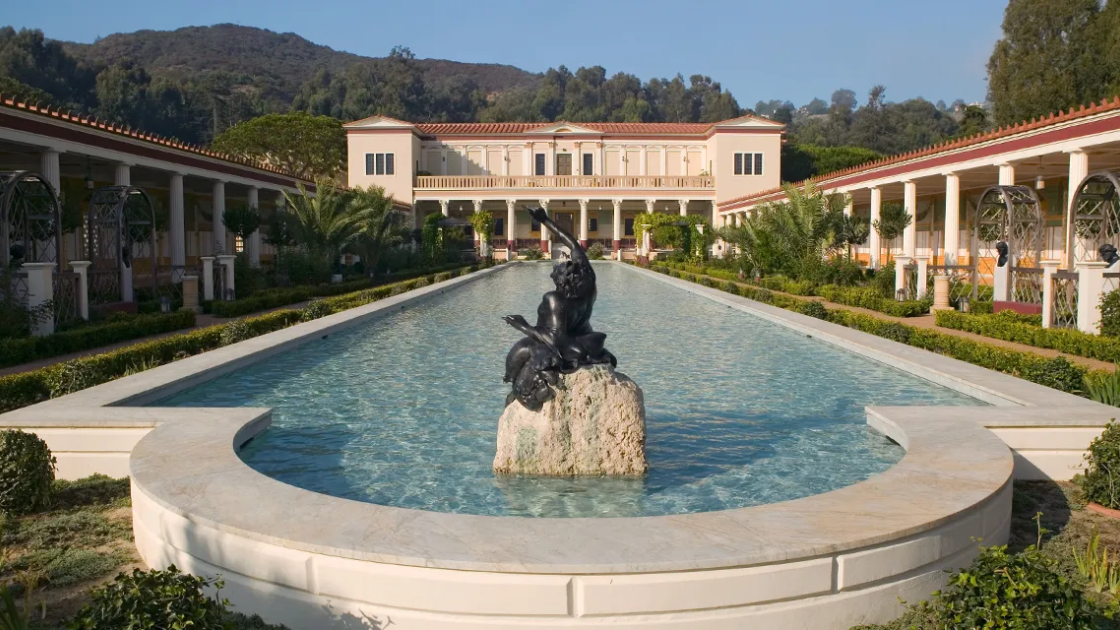
The Getty Villa (Pacific Palisades)

Perched above the Pacific, the Getty Villa transports visitors back to the ancient world with its meticulous re-creation of a Roman country estate. Home to the J. Paul Getty Museum’s collection of Greek, Roman, and Etruscan antiquities, the space feels as immersive as it is educational. Marble corridors, tranquil reflecting pools, and manicured gardens frame the experience, while sweeping ocean views complete the sense of escape. It’s a destination where history, art, and landscape converge in unforgettable fashion.

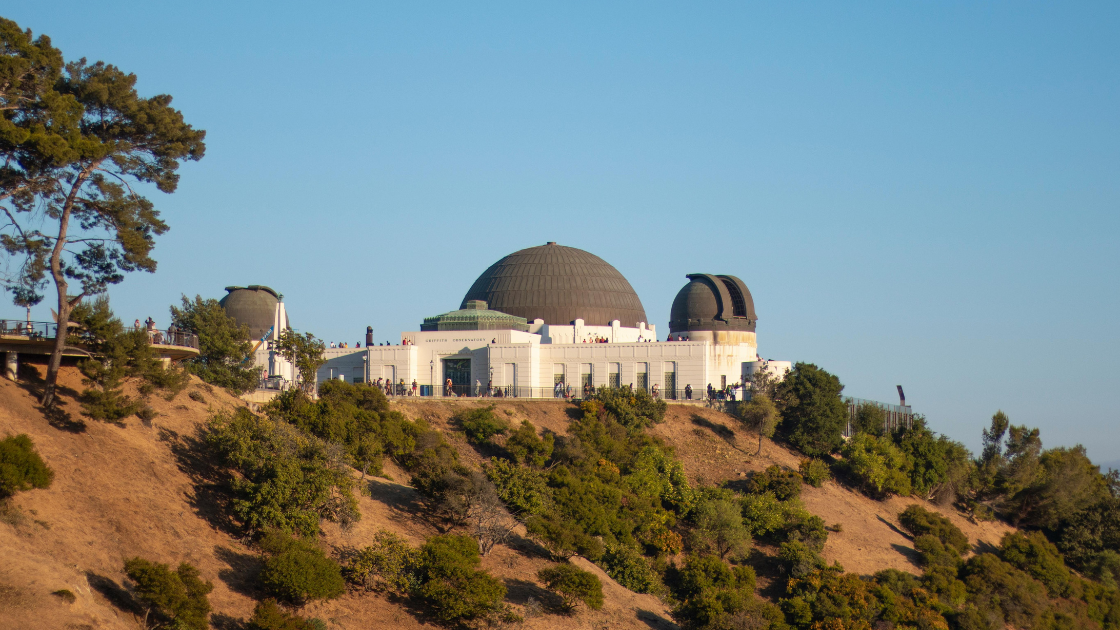
The Griffith Observatory (Griffith Park)

Since opening in 1935, the Griffith Observatory has invited Angelenos to look both outward and inward, toward the stars and toward a deeper understanding of science. Set high in Griffith Park, the Art Deco landmark pairs hands-on exhibits and public telescope viewings with some of the most sweeping vistas in the city. By day, visitors can take in panoramic views stretching from downtown to the Pacific; by night, the focus shifts skyward to constellations and distant planets. It remains one of Los Angeles’s most beloved cultural and scientific treasures.

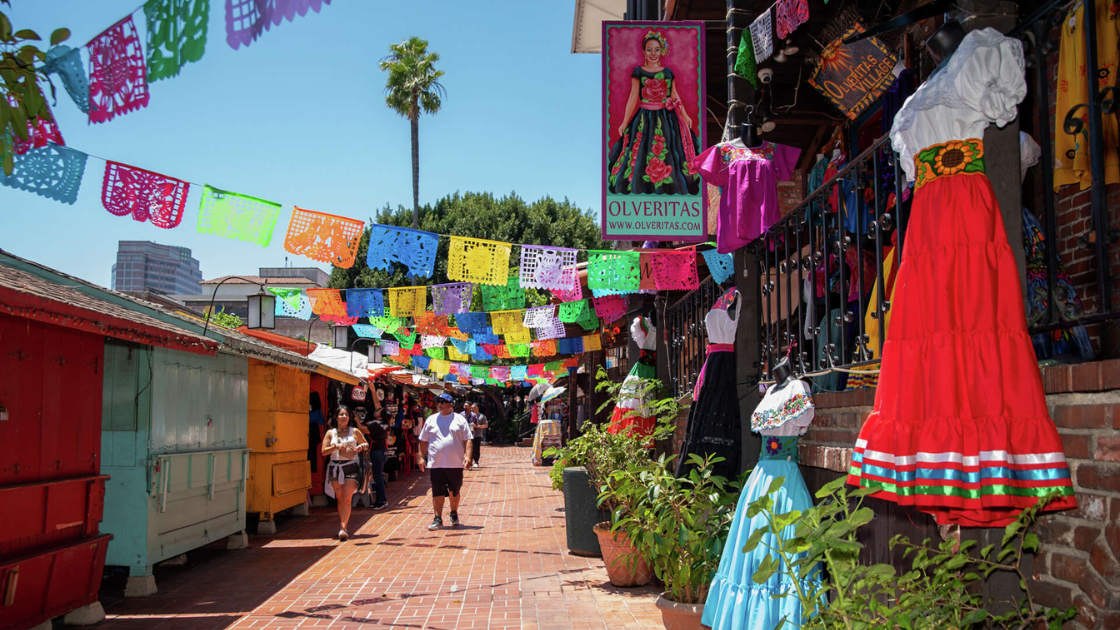
Olvera Street (Downtown)

Often referred to as the birthplace of Los Angeles, Olvera Street pulses with the spirit of the city’s Mexican roots. This colorful corridor is lined with historic adobe structures, lively marketplaces, and family-run restaurants that keep tradition alive through food, music, and craft. More than just a shopping destination, it feels like stepping into a living timeline, one that honors generations of cultural influence and community pride. It’s a place where heritage isn’t just preserved, but celebrated every day.

The Bradbury Building (Downtown)

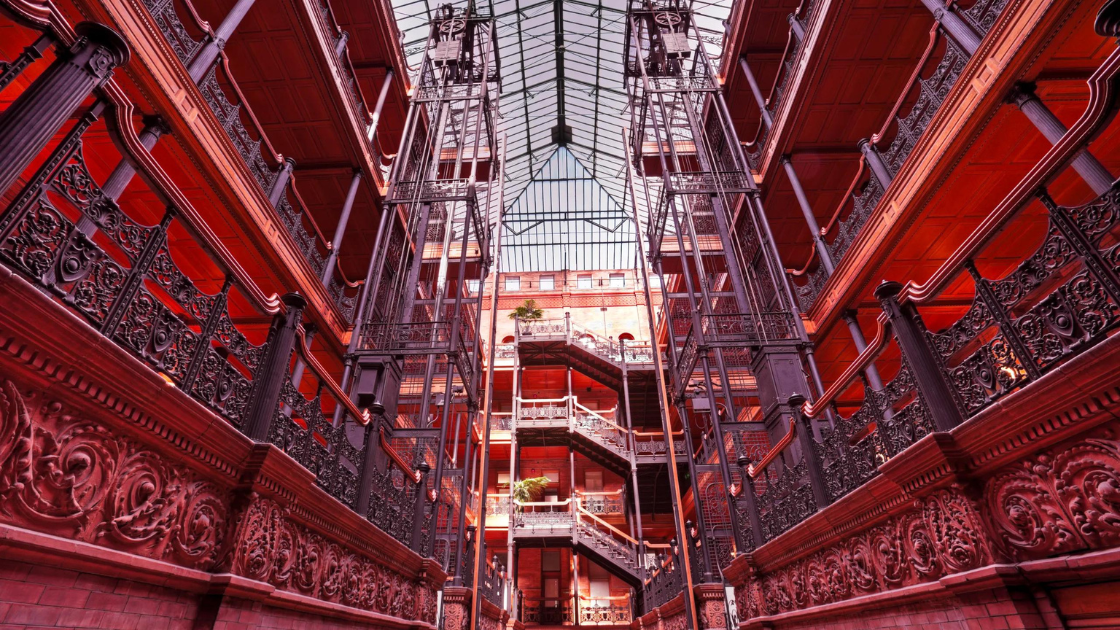
Completed in 1893, the Bradbury Building stands as one of Los Angeles’s most striking architectural landmarks. Its luminous interior, defined by intricate wrought-iron railings, marble staircases, and vintage open-cage elevators, feels suspended in time. Sunlight filters through the glass ceiling, casting dramatic shadows that have made it a sought-after filming location, including a memorable appearance in Blade Runner. Even today, stepping inside feels like entering a different era of the city’s design history.

The Hollywood Walk of Fame (Hollywood)

Stretching along Hollywood Boulevard, the Hollywood Walk of Fame celebrates Los Angeles’s enduring influence on the entertainment world. More than 2,600 terrazzo-and-brass stars line the sidewalks, honoring icons across film, television, music, radio, and theater. Each name embedded in the pavement tells a story of ambition, artistry, and cultural impact. Together, they form a living tribute to the talent and dreams that have defined Hollywood for generations.

The Watts Towers (Watts)

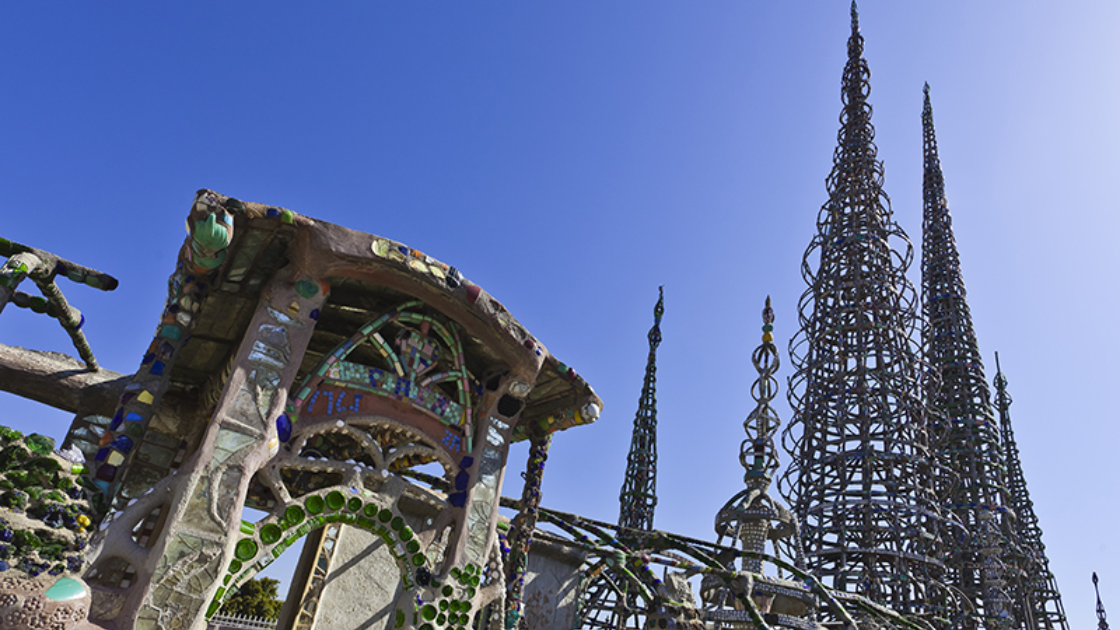
Comprising 17 interwoven spires and sculptural forms, the Watts Towers stand as one of Los Angeles’s most distinctive landmarks. Created by Italian immigrant Simon Rodia over more than three decades, the structures reflect a singular vision brought to life through persistence and imagination. Built from steel and adorned with mosaics of glass shards, seashells, and ceramic tiles, the towers shimmer with handcrafted detail. The result is an extraordinary achievement in folk art and self-taught architecture that continues to inspire visitors from around the world.

Union Station (Downtown)

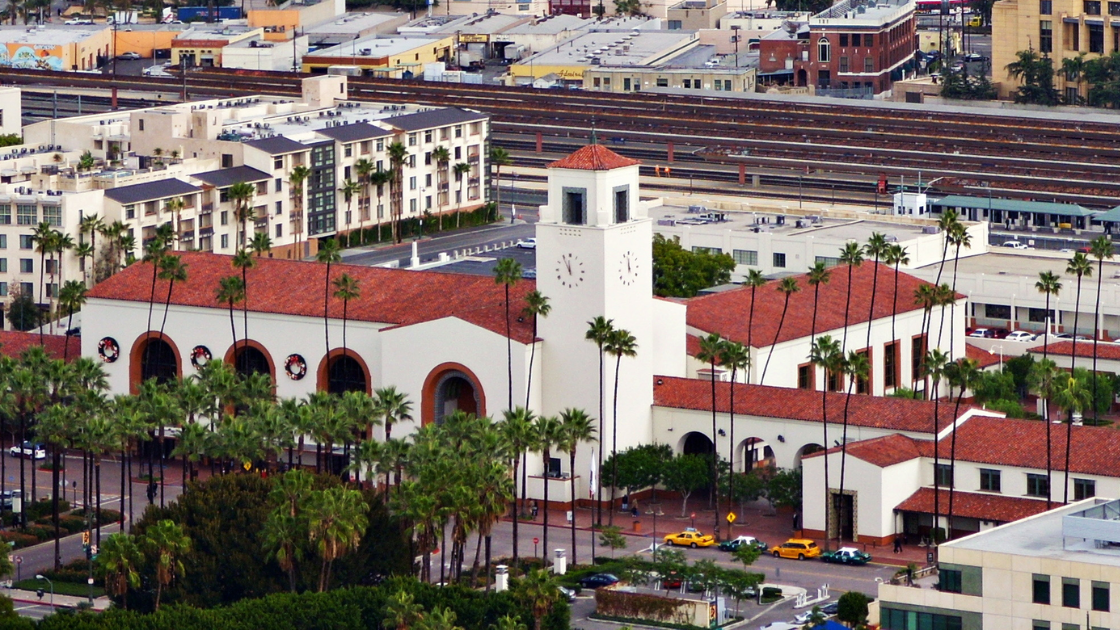
Opened in 1939, Union Station stands as one of the final grand railway terminals built during America’s golden age of train travel. Its soaring ceilings, hand-painted tiles, and leather seating reflect a seamless blend of Spanish Colonial, Mission Revival, and Art Deco design. Even today, the station feels cinematic, both a transportation hub and a preserved piece of architectural history.

From ancient art treasures to storied film locations and cultural corridors, Los Angeles’s historic landmarks reveal the many layers that shape the city. Exploring these sites offers more than beautiful backdrops; it provides a deeper appreciation for the people, movements, and moments that continue to define L.A.’s evolving story.