From iPhone Duo Apps to Insta360 Mics and More! | Tech News

It’s time to catch up on the top tech and media headlines from the week! From iPhone Duo focused apps to a cool new rollout of Intsa360 mics and more, we have you covered. Stay connected with our weekly technology round-up.

Apple Adds a “Made for iPhone Duo” Badge to the App Store
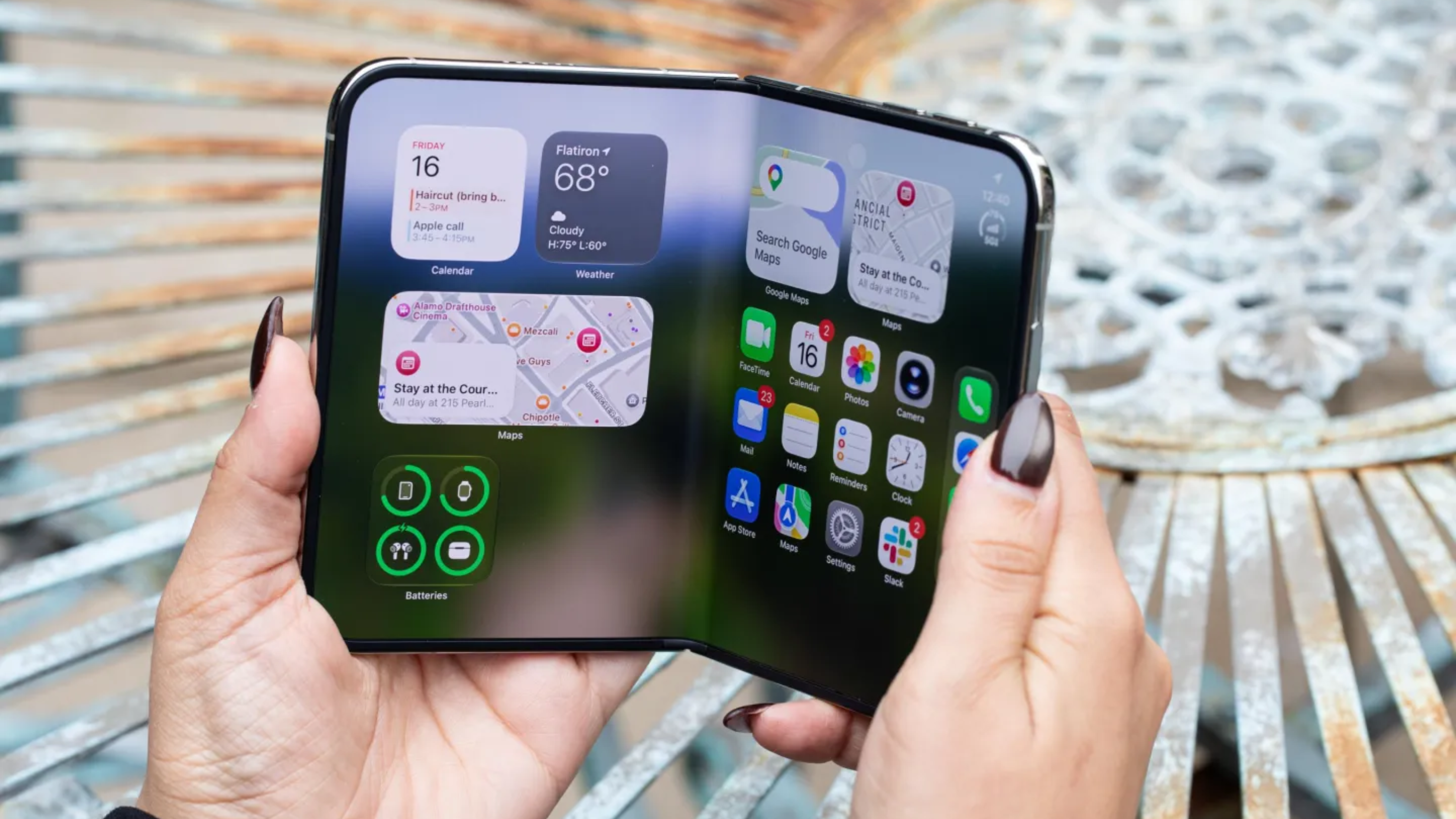
A new App Store label is underway for the iPhone Duo. Coming soon, iPhone Duo owners will find software designed specifically for Apple’s foldable phone. The “Made for iPhone Duo” badge will appear on apps and games built for the device. Likewise, the iPhone Duo apps will take advantage of the device’s larger inner display and secondary outer screen. Netflix, Prime Video, Microsoft Word, Zoom, Lyft, and United Airlines are among the apps already adapting their interfaces for the new form factor. Apple is also preparing editorial collections focused on iPhone Duo software. This will come as additional updates for the iPhone Duo roll out throughout the year. The badge arrives alongside the $1,999 iPhone Duo, which launches this week in limited quantities.

Birdbuddy Shrinks Its Smart Feeder for Smaller Spaces
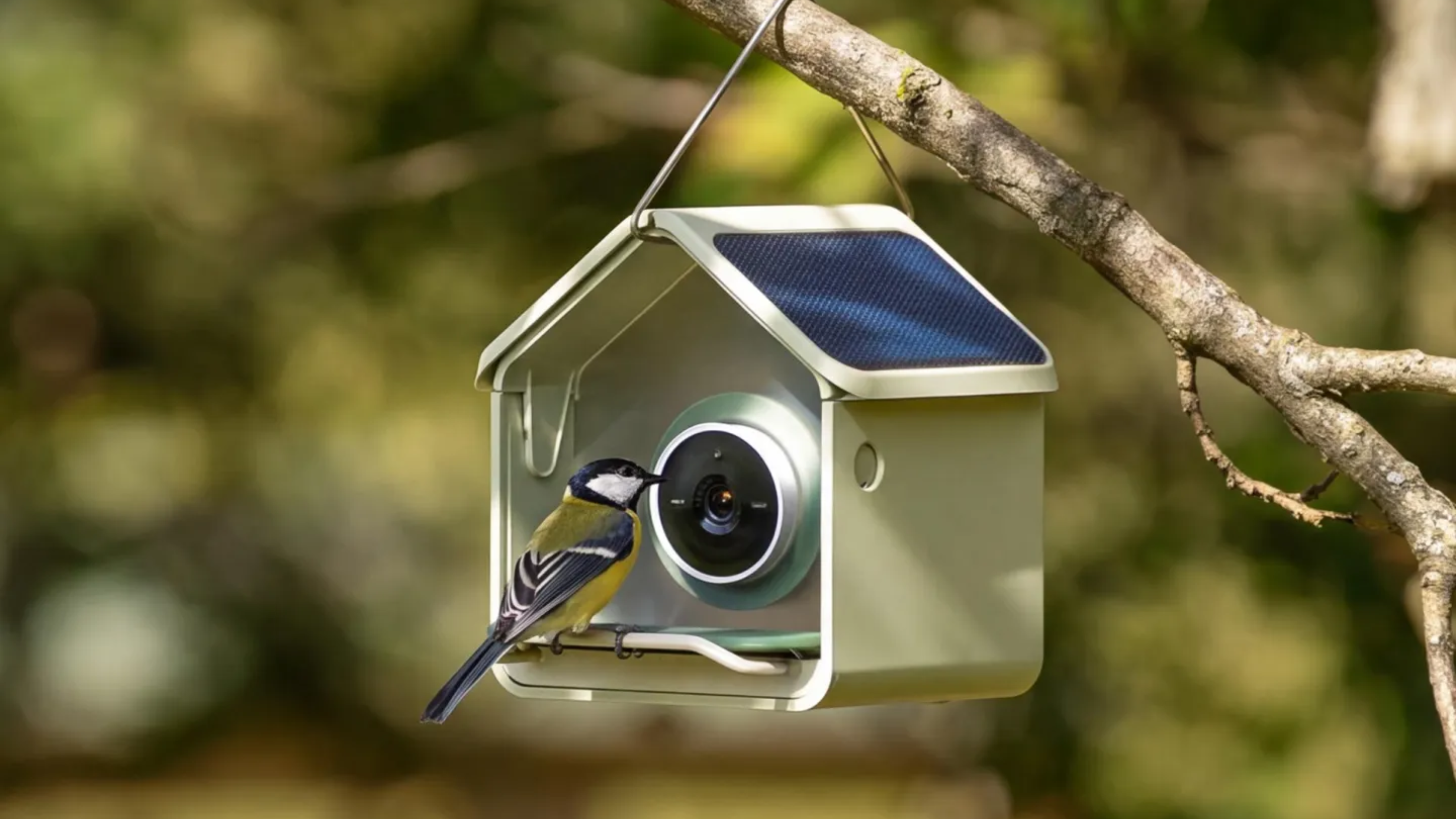
Birdbuddy is offering a more compact option for backyard birdwatching with its new Nook smart feeder. Starting at $99, the Nook uses a 2K HDR camera with a 135-degree field of view and automatically wakes when a bird lands nearby. The accompanying app uses AI to identify bird species, and the camera supports both portrait and landscape capture for easier social sharing. Upgraded configurations add solar charging and a larger perch, while Birdbuddy’s $219 Home model offers a bigger seed reservoir and additional features. The smaller design gives apartment dwellers and homeowners with limited outdoor space a more affordable way to experiment with connected wildlife cameras.

Insta360 Launches a More Affordable Wireless Mic System
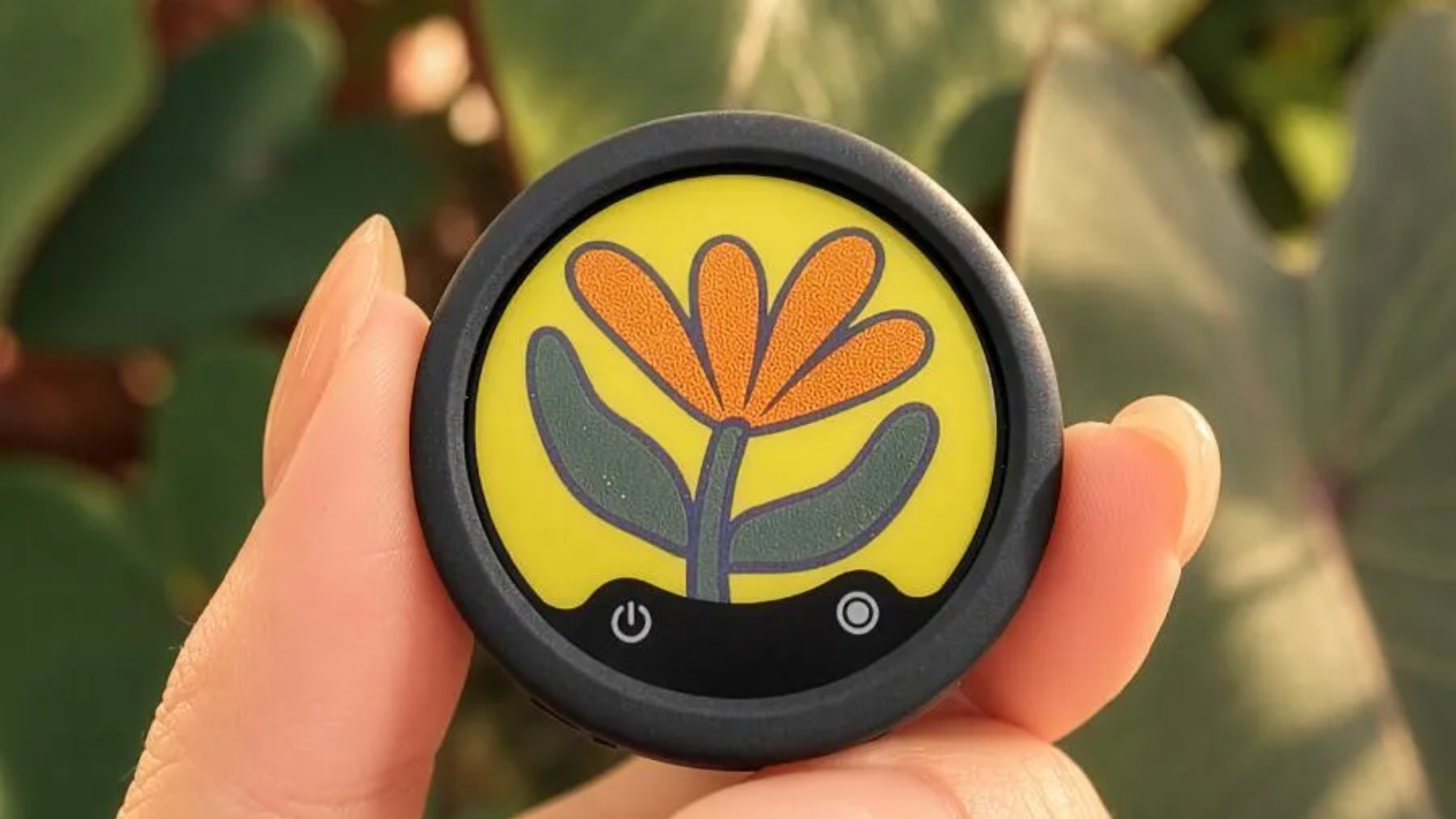
Content creators now have a lower-cost alternative to Insta360’s premium Mic Pro without losing many of its most distinctive features. The new Insta360 Mic costs $249.99 for a two-transmitter kit and keeps the customizable six-color E Ink displays found on the more expensive model. Each transmitter offers AI-powered noise cancellation, automatic gain control, and up to 13 hours of battery life, or 34 hours with the charging case. The tradeoff is a single omnidirectional microphone instead of the Mic Pro’s triple-mic array, although the transmitters are slightly lighter and support removable microSD cards for backup recording. Individual transmitters cost $79.99, making the system a more approachable option for podcasters, vloggers, and mobile creators.

Meta Creates a New Share Class to Finance Its AI Expansion

Billions in AI spending are pushing Meta to introduce a new class of non-voting shares designed to give the company more financing flexibility. The stock will help support artificial intelligence initiatives, potential acquisitions, and employee compensation, with trading expected to begin in 2027. Meta now expects capital expenditures of between $135 billion and $145 billion this year as it builds data centers, recruits AI talent, and develops new models and products. Recent launches include the Muse AI agent, which reached 10 million U.S. downloads shortly after its debut, along with the company’s newer Muse Wonder model. The move underscores how expensive the AI race has become as major technology companies invest heavily in infrastructure and software at the same time.

Bose Acquires Skullcandy to Reach a Broader Audience
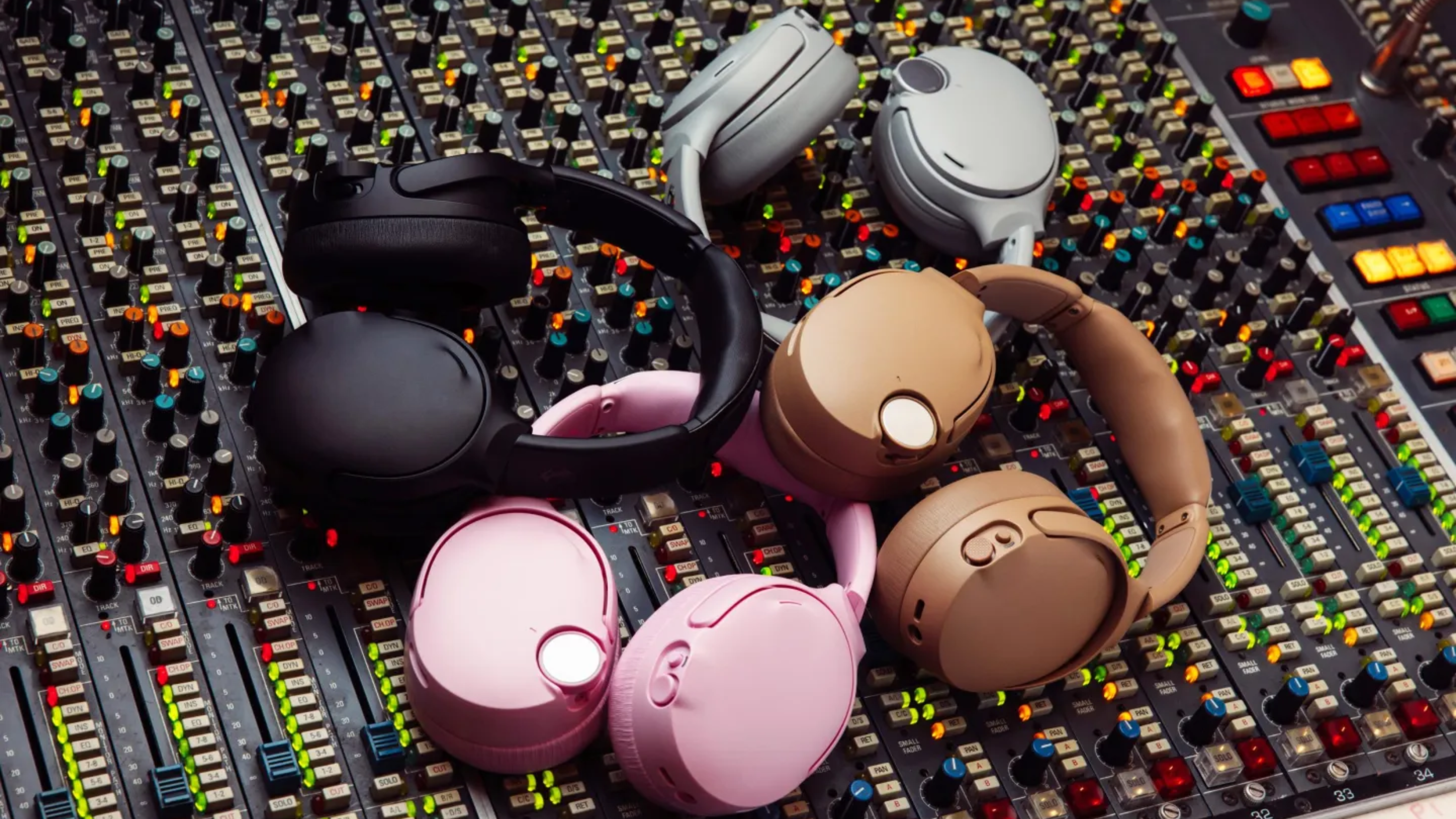
A major deal in consumer audio is bringing Bose and Skullcandy under the same corporate umbrella. Bose says Skullcandy will remain a separate brand based in Park City, Utah, while joining its premium consumer audio business. The two companies had already worked together to bring Bose technologies such as spatial audio and active noise cancellation to select Skullcandy headphones and earbuds. Bose expects the acquisition to help its audio technology reach younger, more lifestyle-focused customers who may not traditionally buy its higher-end products. The purchase also continues Bose’s expansion strategy following earlier acquisitions in premium audio, engineering, and gaming sound technology.

Spotify Launches Its First Fully Native In-Car App
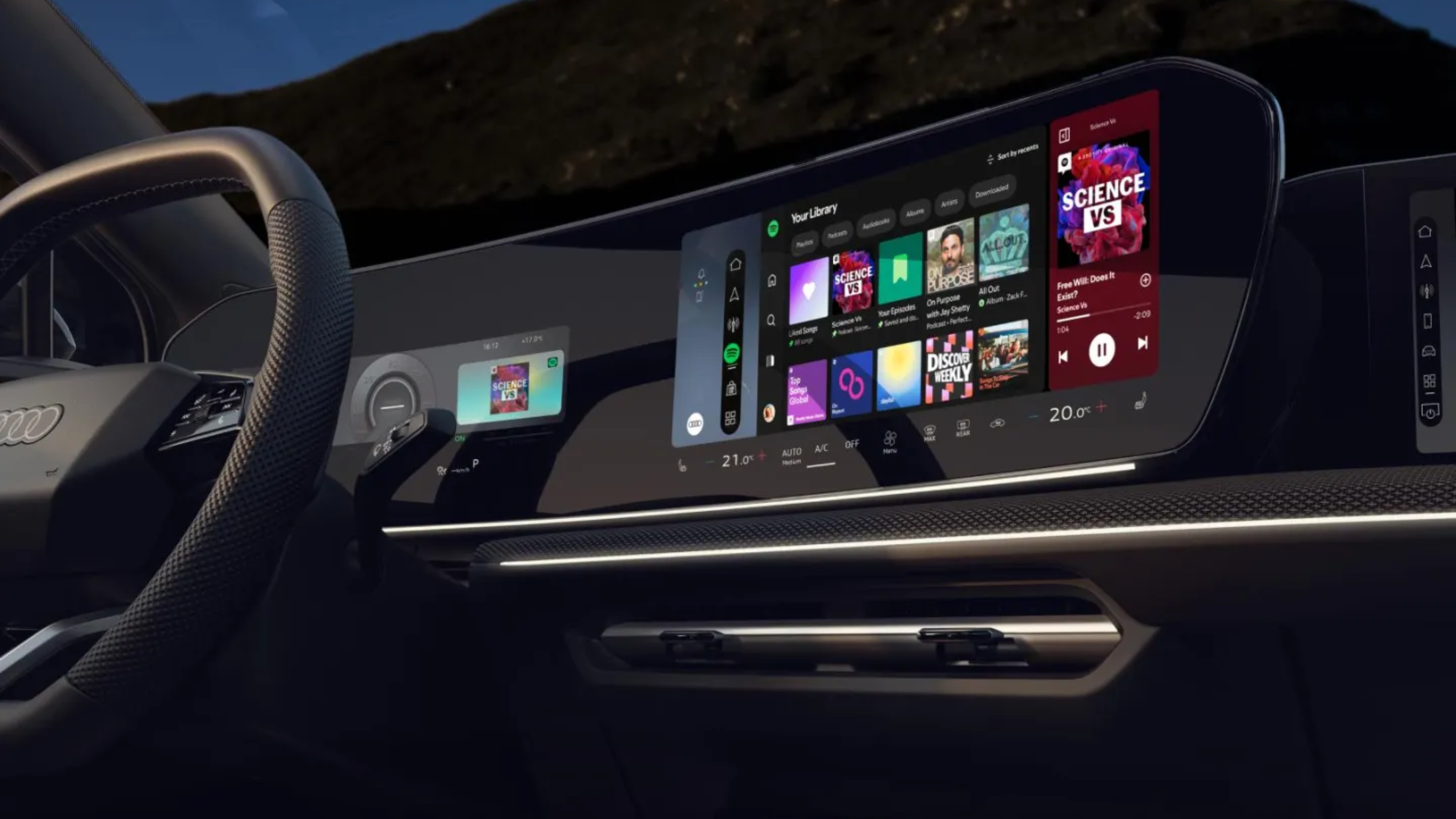
Listening on the road no longer requires a connected phone in select Audi vehicles thanks to Spotify’s new native automotive app. Built directly on Google’s Android Automotive operating system, the software runs through the car’s infotainment hardware instead of relying on CarPlay, Android Auto, Bluetooth, or an auxiliary cable. The initial rollout includes models such as the Audi A6 e-tron, Q6 e-tron, A5, Q5, and A6, with Spotify controlling the interface rather than using Google’s standard templates. Passengers can join Spotify Jam sessions by scanning a QR code, while supported secondary displays can show lyrics, browsing tools, and video content without distracting the driver. Spotify says it remains committed to CarPlay and Android Auto, but the new app gives the company greater control over the listening experience inside connected vehicles.

From a Bose Refresh to Dolby Vision 2 and More! | Tech News

Stay connected in the world of tech with our weekly roundup. This week we’re covering top headlines from a Bose refresh to Dolby Vision 2, and more! For all things media and tech happening this week, read on below!

Apple Raises Trade-In Values Across Its Device Lineup

Customers looking to upgrade their tech can now get more money back for their old hardware across the board. Trade-in values have climbed for various iPhones, iPads, Macs, Apple Watches, and select Android smartphones. Desktop and laptop owners stand to gain the most, with the Mac Studio jumping by $260 and the MacBook Pro getting a $165 valuation boost. On the Android side, recent devices from Samsung, Google, and OnePlus are now officially accepted for credit toward new purchases. A Google Pixel 9 Pro XL fetches up to $315 today, while a trade-in for the OnePlus 13 yields as much as $250. These bumped-up figures come at a crucial moment for Apple, as the tech giant tries to ease the sting of high device prices for price-conscious shoppers.

Bose Refreshes Its QuietComfort Headphones

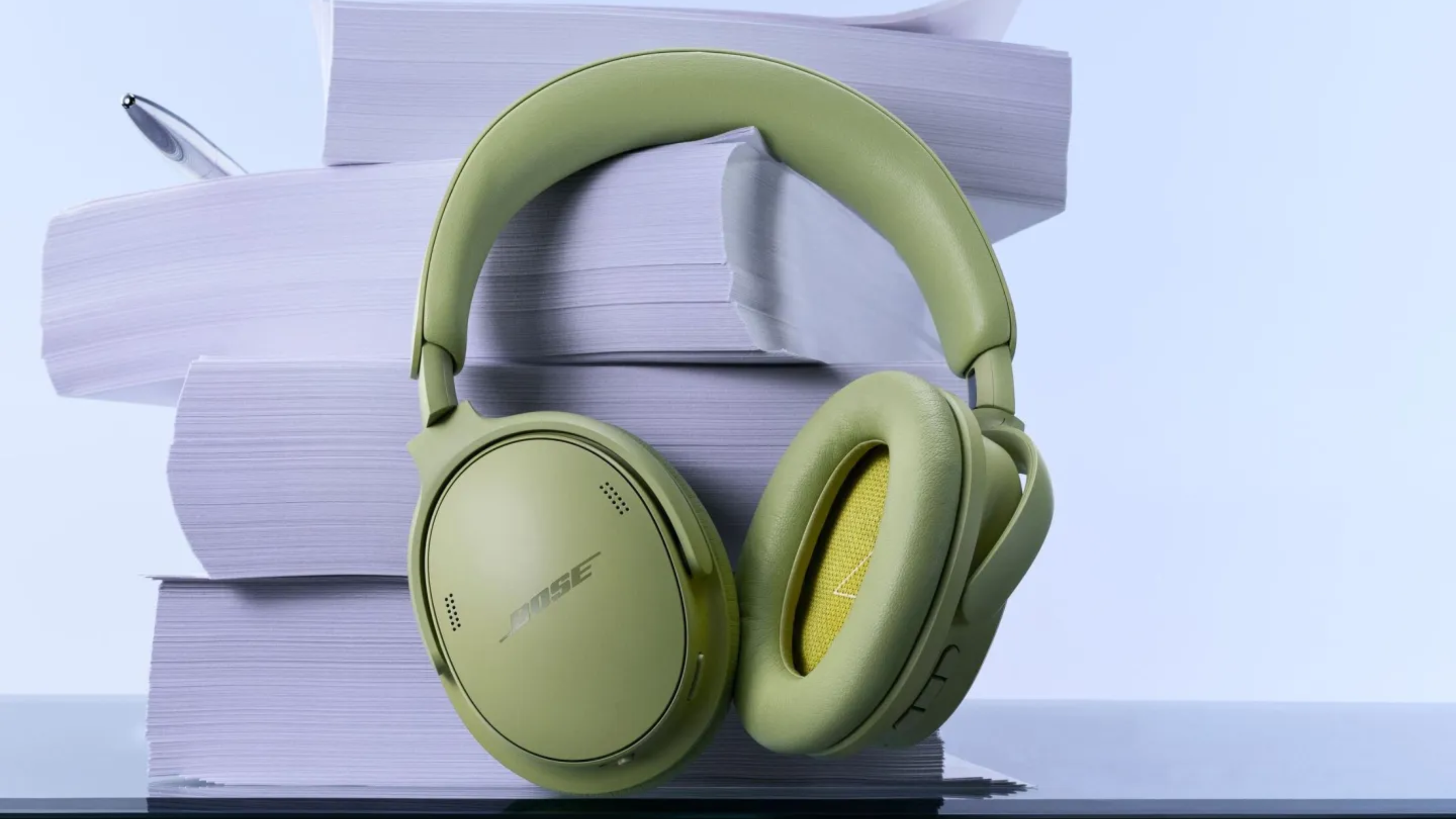
Audio giant Bose has unveiled a second-generation version of its standard QuietComfort wireless headphones. The new Bose headphones pack upgraded noise cancellation and spatial sound. Built-in TrueSpatial technology relies on head tracking to anchor sound in place or shift it fluidly as you move your head. Bose listeners will also notice a refined Aware mode. The Bose feature now dials ambient noise levels up or down far more smoothly during sudden environmental changes. Hardware tweaks include Bluetooth 5.4 support, multipoint pairing, lossless audio over USB-C connections, and restructured physical controls. The new Bose cans land at a $359 price point with up to 24 hours of playback on a single charge. Toggling on the immersive audio feature chops that battery runtime down slightly to 18 hours.

Dolby Vision 2 Arrives on Select Hisense TVs

High dynamic range imaging is taking a step forward as several 2026 Hisense television models adopt Dolby Vision 2. This updated format relies on a reworked image engine, broader metadata support, and refined tone mapping tuned for modern bright displays. Viewers eyeing top-tier sets can tap into Dolby Vision 2 Max, which adds ambient-light compensation alongside granular calibration tools. That premium tier also packs a feature dubbed Authentic Motion to handle action scenes without creating an artificial soap-opera effect. Hisense plans to update its UX, UR9, UR8, and U7 lines by late September, with TCL and Philips releasing compatible sets later this year. Owners of older displays are unfortunately out of luck, as the new standard depends on dedicated internal hardware.

Google Maps Can Now Help Order Dinner

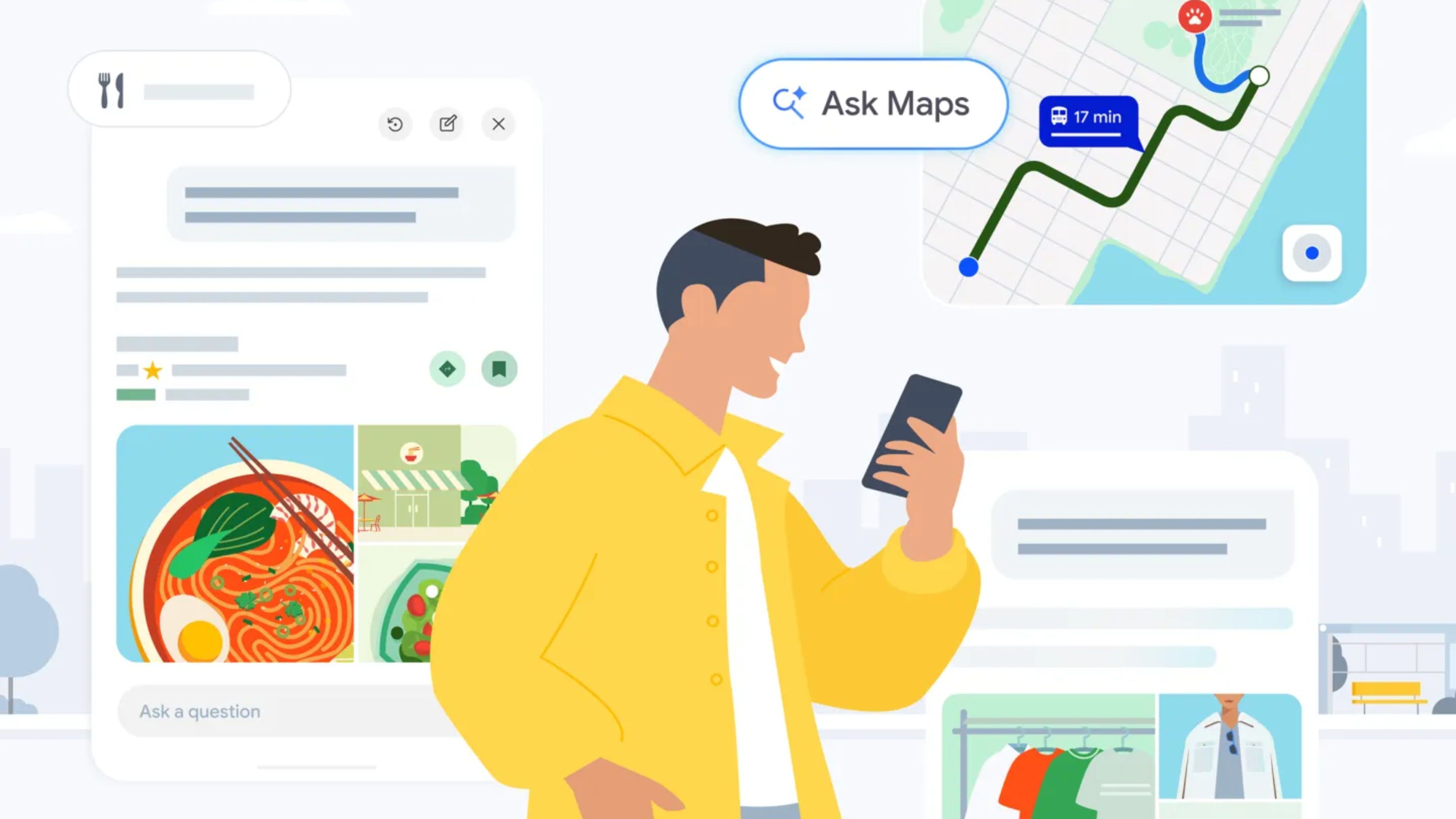
Navigation utility is taking a back seat as new AI tools transform Google Maps into an active errand runner. Users across the United States can now ask the app’s Ask Maps assistant to locate specific meals along a driving route while respecting dietary restrictions. The tool even places selected items directly into a digital checkout cart without forcing you to switch applications. Ordering functionality launches through Square and Toast integrations, with Uber Eats compatibility slated for a future release. Beyond food, the updated feature scans Gmail for upcoming reservations, recommends nearby hotels or events, and surfaces real-time transit alerts. These shifts nudge the popular navigation platform far closer to becoming an all-in-one daily assistant.

Sunbird Brings iMessage Back to Android

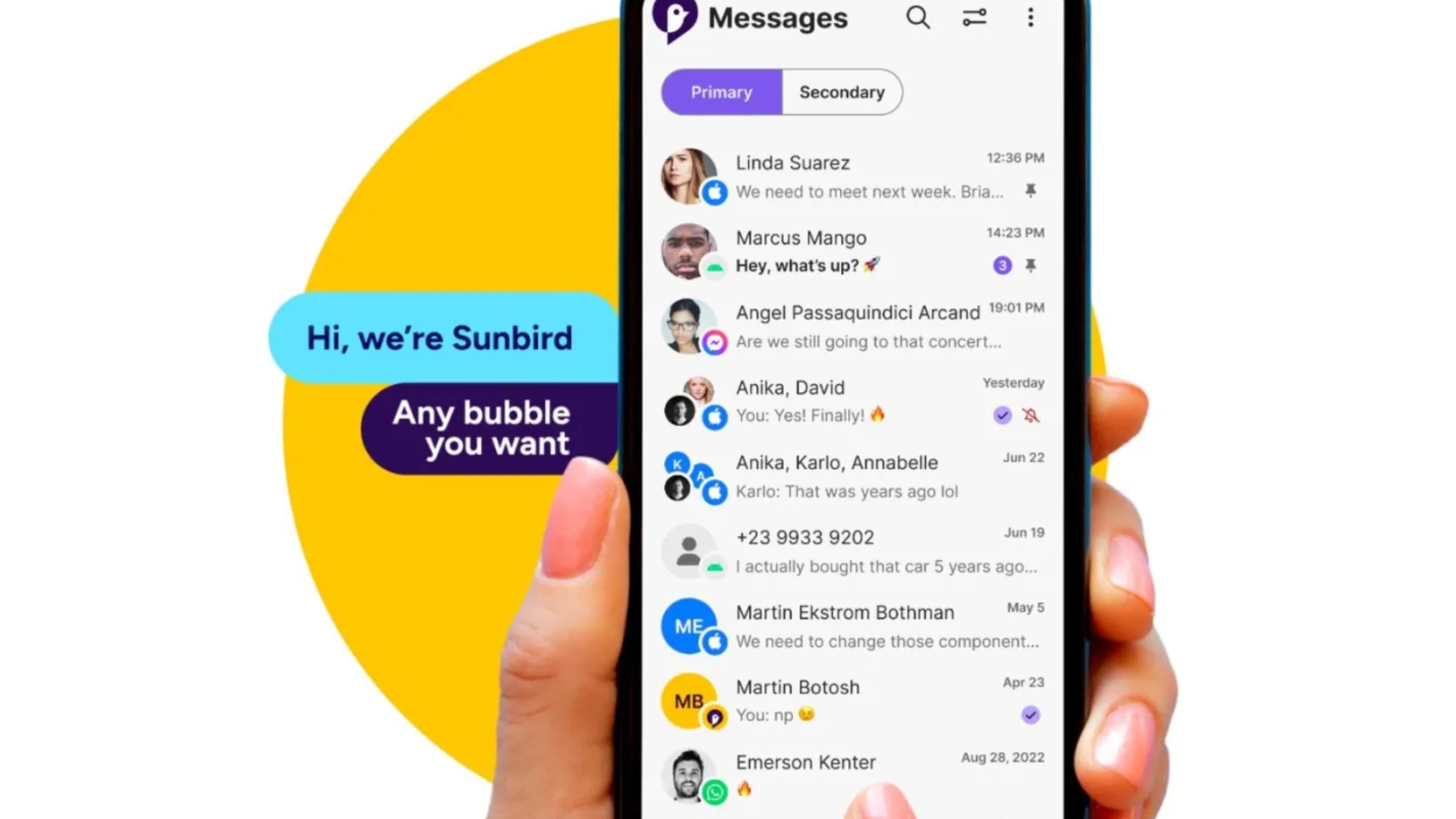
Android users seeking cross-platform messaging can once again download Sunbird from the Google Play Store following a long hiatus. Nearly three years after shutting down over major privacy vulnerabilities, the service offers iMessage features like blue bubbles, reactions, and uncompressed video for $2.99 a month. Sunbird claims to have overhauled its backend infrastructure with end-to-end encryption and third-party security audits. Under the revised framework, transferred media files are automatically wiped within 72 hours of delivery. Account credentials for Apple IDs are reportedly processed exclusively during setup rather than saved on remote servers. Upcoming patches aim to integrate WhatsApp and Facebook Messenger while adding an AI helper for quick summaries and context-aware replies.

Disney Brings Fan-Made TikTok Videos to Disney Plus

Short-form user content is officially arriving on Disney Plus thanks to a fresh collaboration with TikTok. Curated fan creations will populate the streaming service’s Verts feed alongside mainstream studio programming. Participating influencers get direct access to official assets spanning hundreds of films and shows, including Marvel, Pixar, and Star Wars franchises. Clips produced through the initiative will cross-post to both platforms, giving digital creators significantly broader exposure. Top performers stand to gain exclusive event invitations, featured spotlight placement, and potential career development guidance. The rollout begins as a limited pilot program in the United States before expanding to international subscriber bases later on.