Outdoor Design Trends to Maximize Your Southern California Real Estate | Home Tips

When you invest in Southern California real estate, you are buying more than just a home; you are investing in a lifestyle defined by year-round sunshine and coastal breezes. As we move into 2026, the backyard has never been more vital to a property’s appeal. Drawing inspiration from top lifestyle authorities like Martha Stewart, this year’s outdoor design trends are all about blending luxury with eco-conscious functionality. If you want to increase the value of your Southern California real estate, updating your outdoor spaces to reflect these 2026 trends is a highly effective strategy.

1. Sustainable and Drought-Tolerant Elegance 
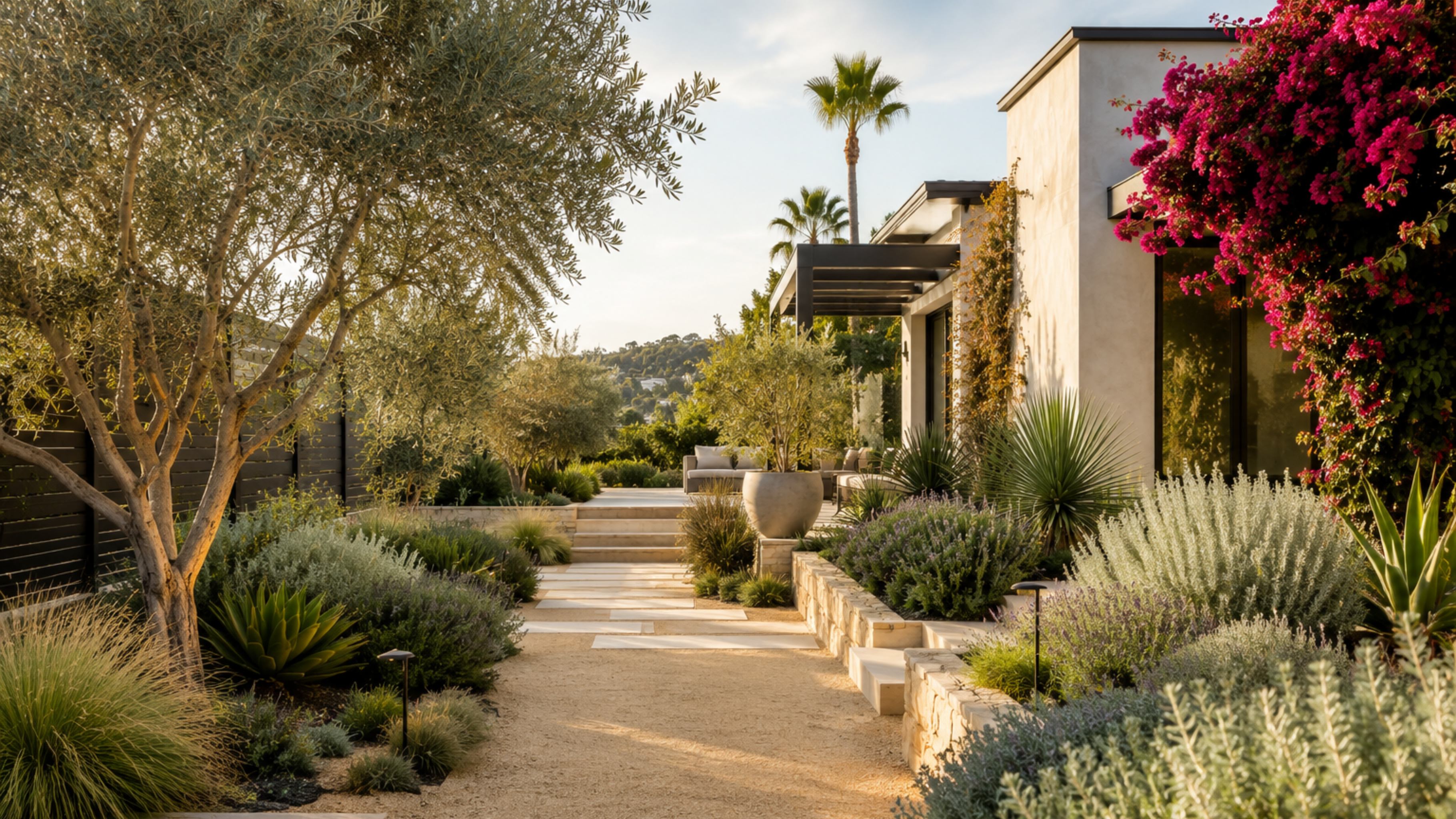
In the world of Southern California real estate, water conservation remains a top priority for homeowners. However, the 2026 approach to drought-tolerant landscaping goes far beyond basic gravel and sparse cacti. We are seeing a massive shift toward lush, native greenery that thrives in our Mediterranean climate. Think silver-hued olive trees, vibrant bougainvillea, and manicured sagebrush paired with permeable hardscaping like limestone or decomposed granite. By integrating smart-irrigation systems that utilize weather forecasting, homeowners are creating eco-friendly sanctuaries that are as beautiful as they are sustainable.

2. Seamless Indoor-Outdoor Transitions 
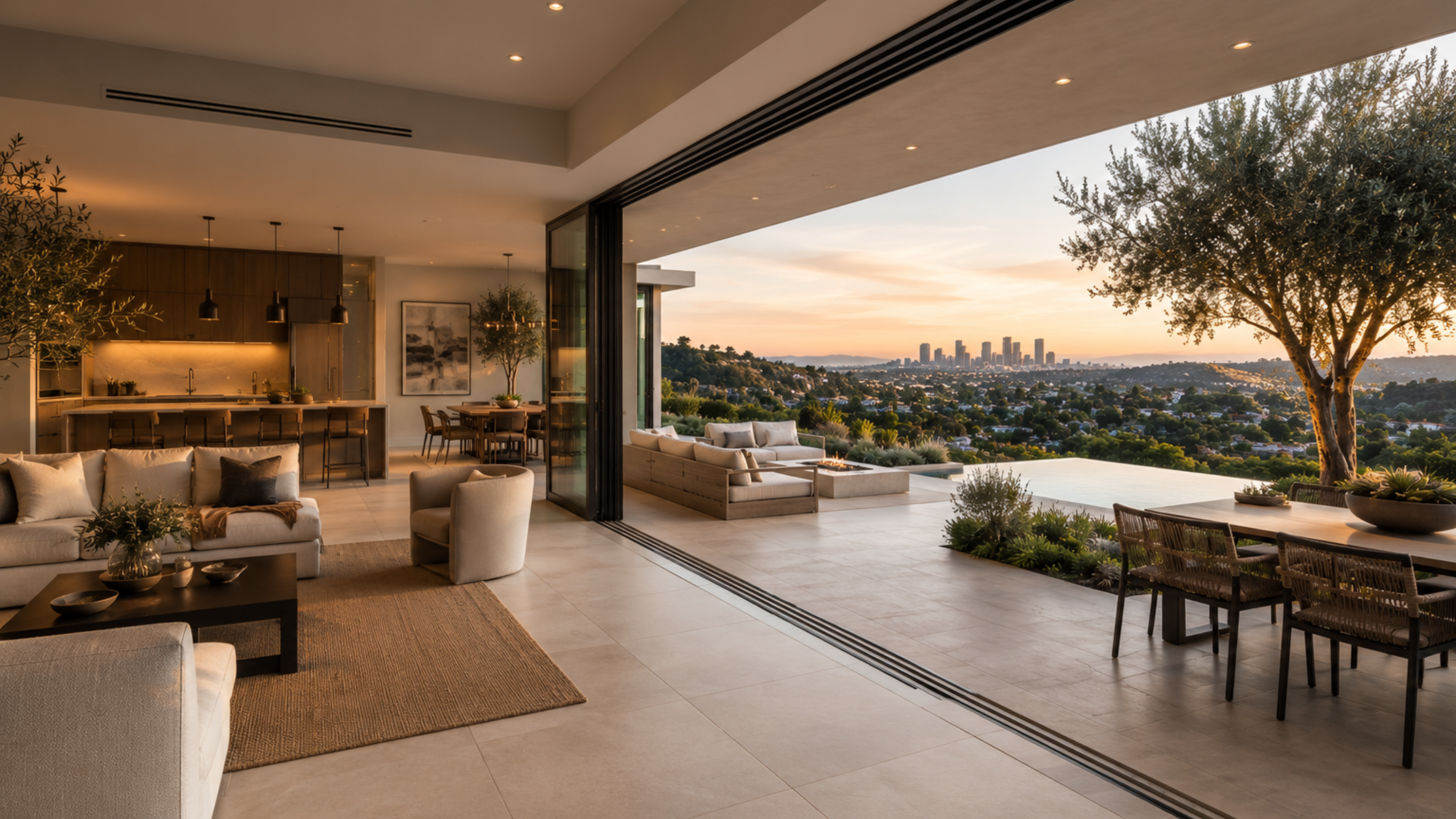
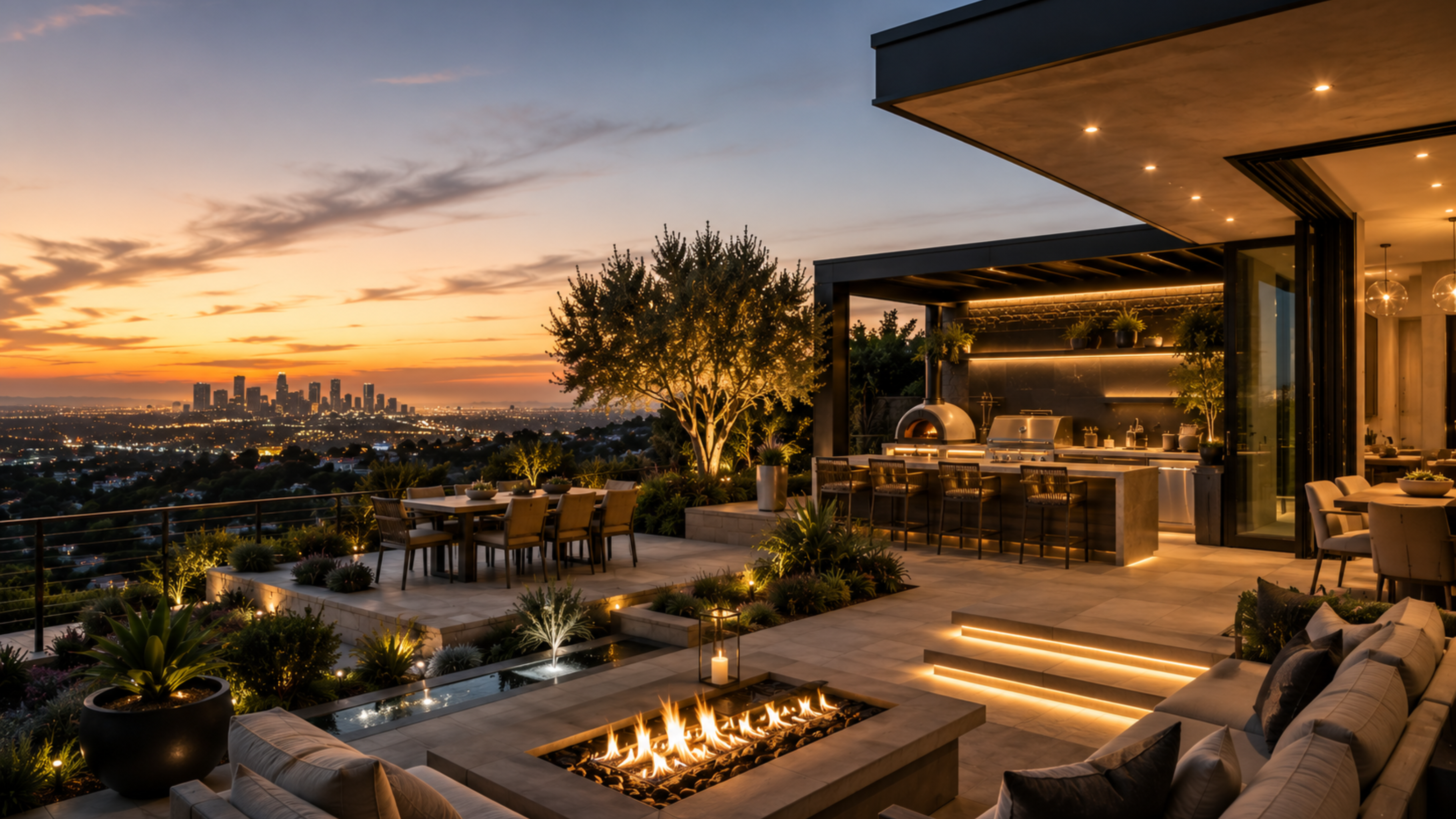
The quintessential hallmark of premium Southern California real estate is the blurring of lines between the interior and exterior. In 2026, this trend is reaching new heights. Buyers expect massive pocketing or folding glass walls that completely open the living room to the patio. To enhance this continuous flow, designers are utilizing matching flooring materials. Consider large-format porcelain tiles or polished concrete. These materials run seamlessly from the kitchen directly into the outdoor entertaining space. This cohesive design trick makes homes feel infinitely larger and much more inviting.

3. Resort-Style Wellness Retreats 
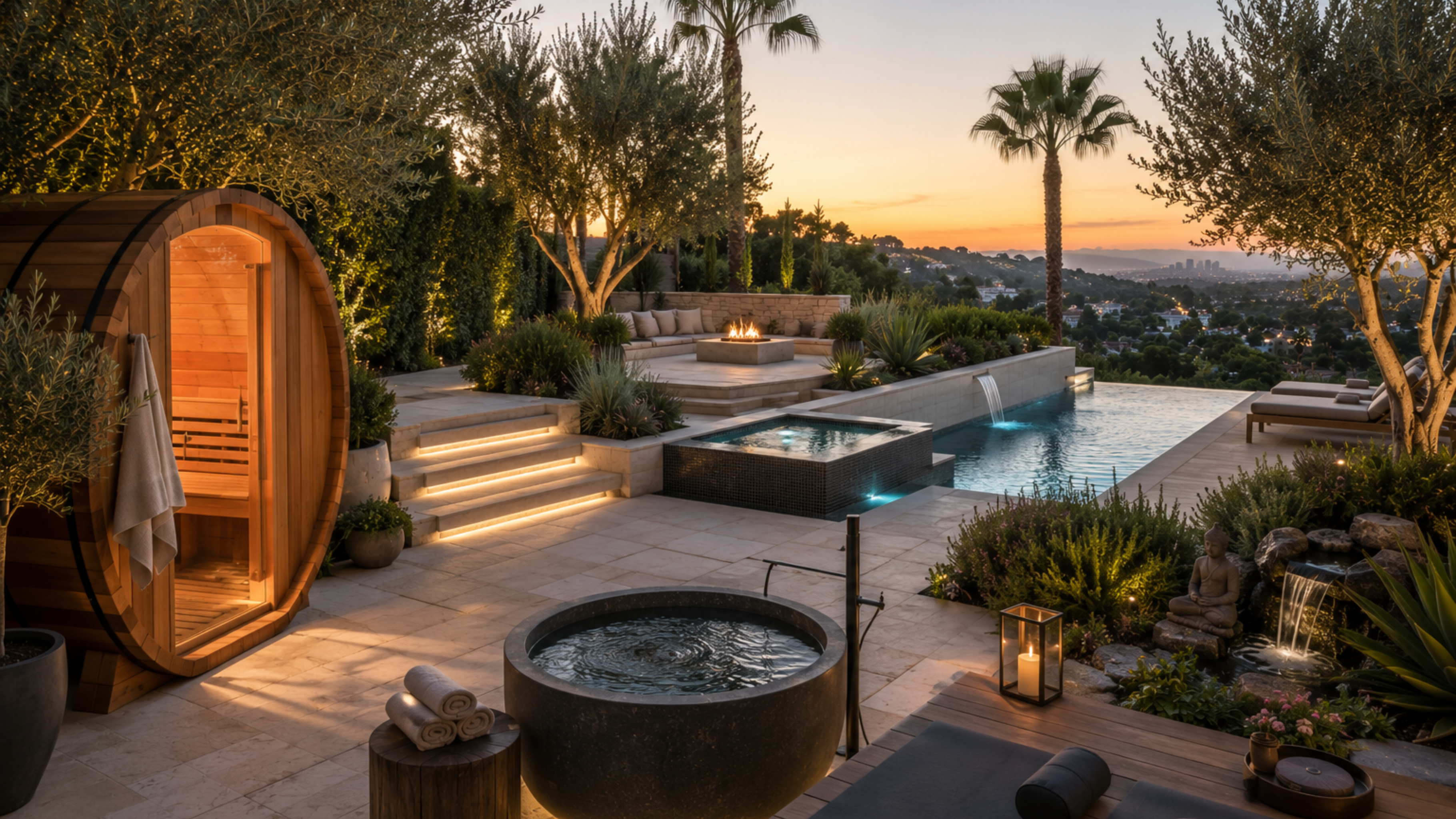
The modern homeowner treats their backyard as a personal sanctuary. Moving away from standard pools, the latest luxury additions to Southern California real estate focus heavily on health and wellness. Outdoor hydrotherapy features, including dedicated cold plunge pools and cedar barrel saunas, are becoming the new standard. Furthermore, tranquil meditation gardens with trickling water features, natural stone fire pits, and shaded yoga decks are incredibly popular. These holistic outdoor retreats provide a much-needed escape from the bustling city life of Los Angeles or San Diego.

4. High-Tech Alfresco Kitchens 
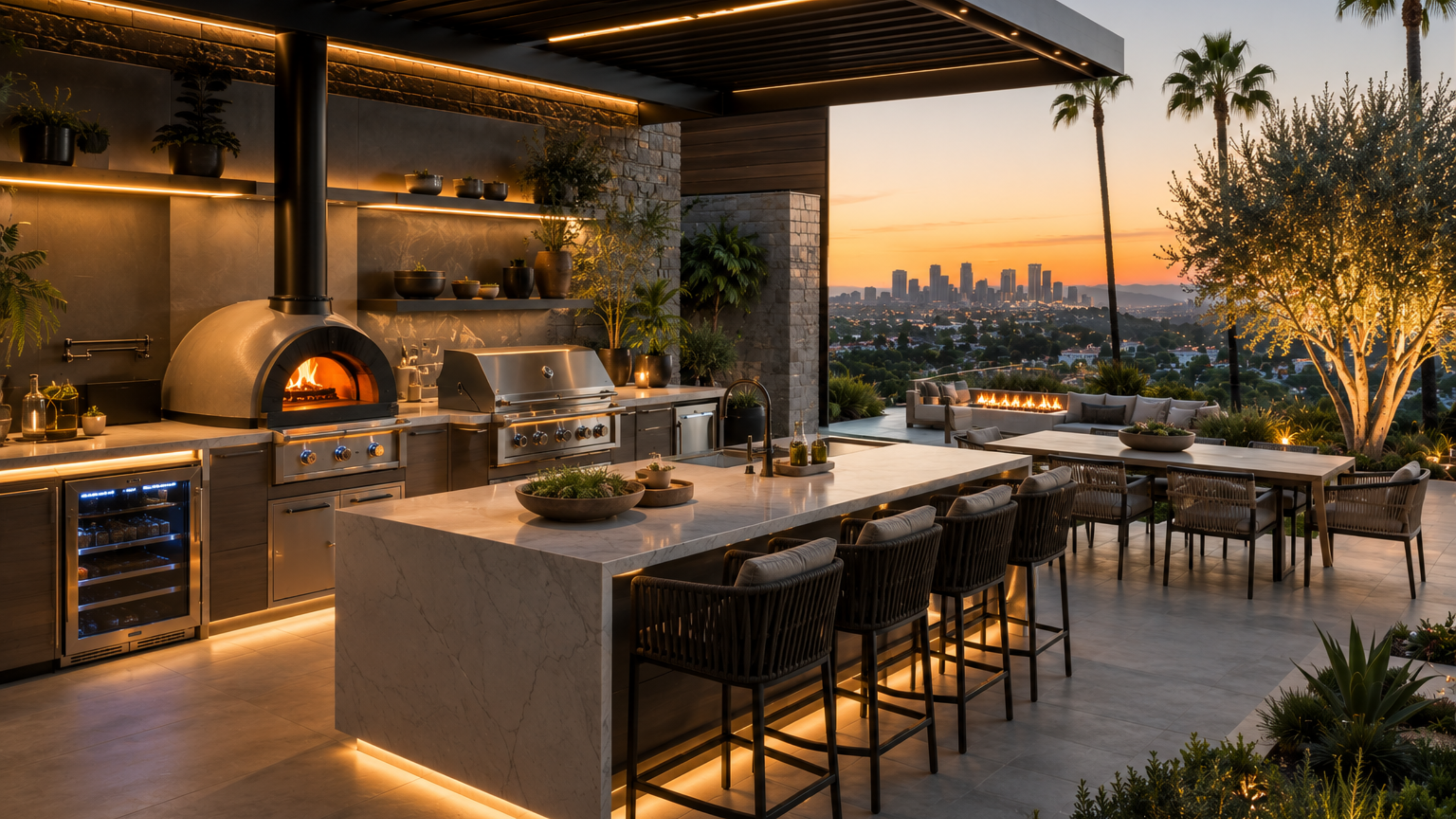
Outdoor dining has always been a staple, but 2026 is transforming the basic barbecue island into a full-scale culinary destination. To elevate your Southern California real estate, consider integrating weather-proof smart appliances, built-in artisanal pizza ovens, and hidden outdoor refrigeration. State-of-the-art motorized pergolas with integrated heating and lighting allow homeowners to host dinner parties comfortably, regardless of the season. Cooking outdoors is no longer a weekend novelty; it has become an integrated aspect of everyday luxury living.

Elevate Your Southern California Real Estate Potential Today 
Staying ahead of these outdoor design trends is essential for homeowners looking to build equity and attract premium buyers. Upgrading your exterior spaces not only enhances your daily life but also yields an exceptional return on investment. Whether you are preparing to list your property or simply searching for your next dream home, navigating the competitive housing market requires expert, localized guidance. Contact our Rodeo Realty team today to discover how these 2026 design trends can successfully elevate your Southern California real estate journey.
The Revival of the Arts and Crafts Movement | Home Tips

In an era dominated by mass production, fast furniture, and ever-changing trends, many homeowners are finding themselves drawn to something more enduring. Across the design world, there is a renewed appreciation for craftsmanship, authenticity, and thoughtfully made spaces. At the heart of this shift is the revival of the Arts and Crafts Movement, a design philosophy that feels just as relevant today as it did more than a century ago.

Originally emerging in the late 19th century as a response to industrialization, the Arts and Crafts Movement celebrated quality over quantity, championing handcrafted objects, natural materials, and the beauty of skilled workmanship. While today’s homes may look different from those of the movement’s founders, many of its core principles are making a welcome return.

A Return to Craftsmanship

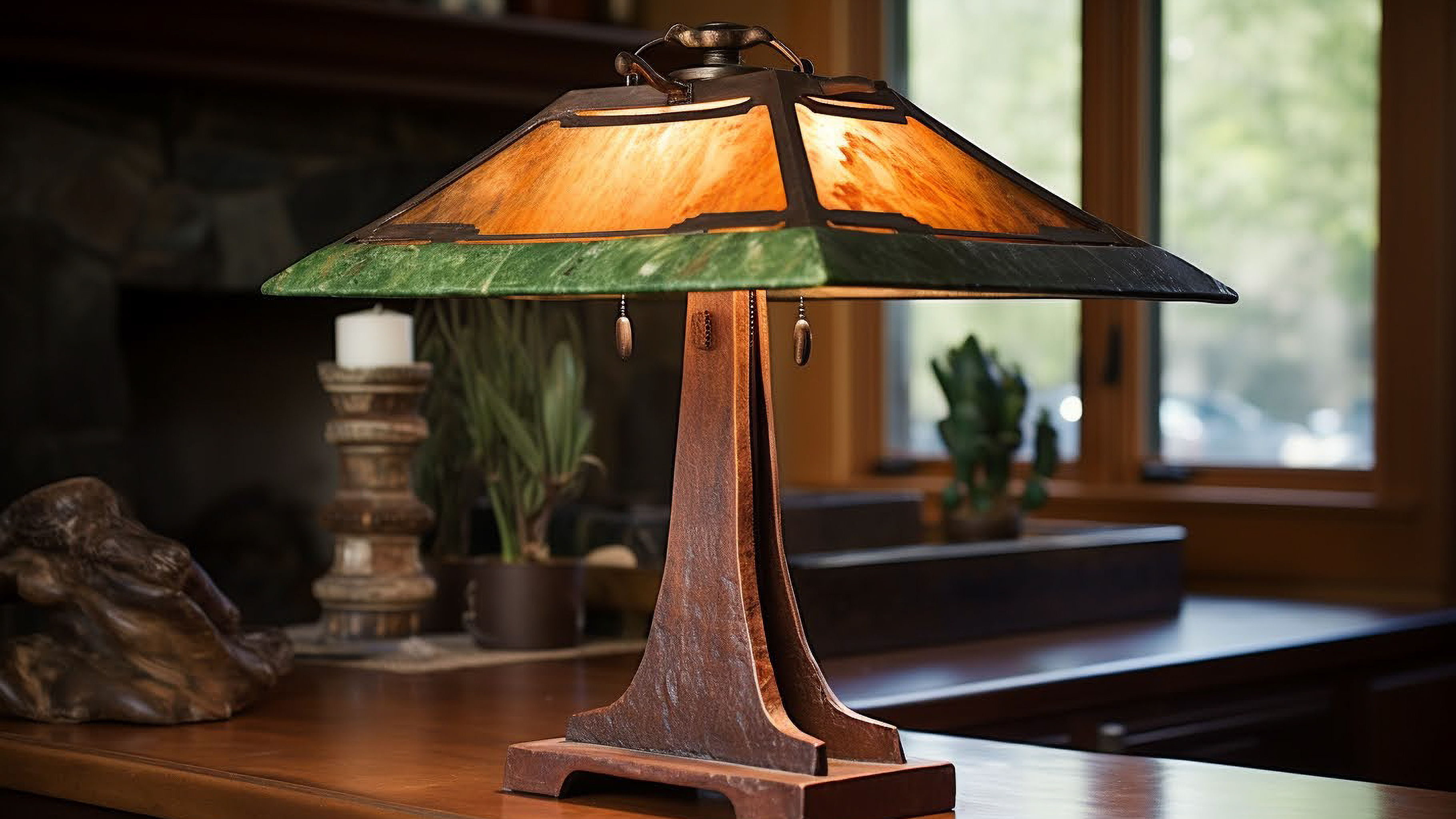
One of the defining characteristics of the Arts and Crafts Movement is its emphasis on craftsmanship. Rather than concealing how something is made, the movement highlights the maker’s hand and the materials themselves.

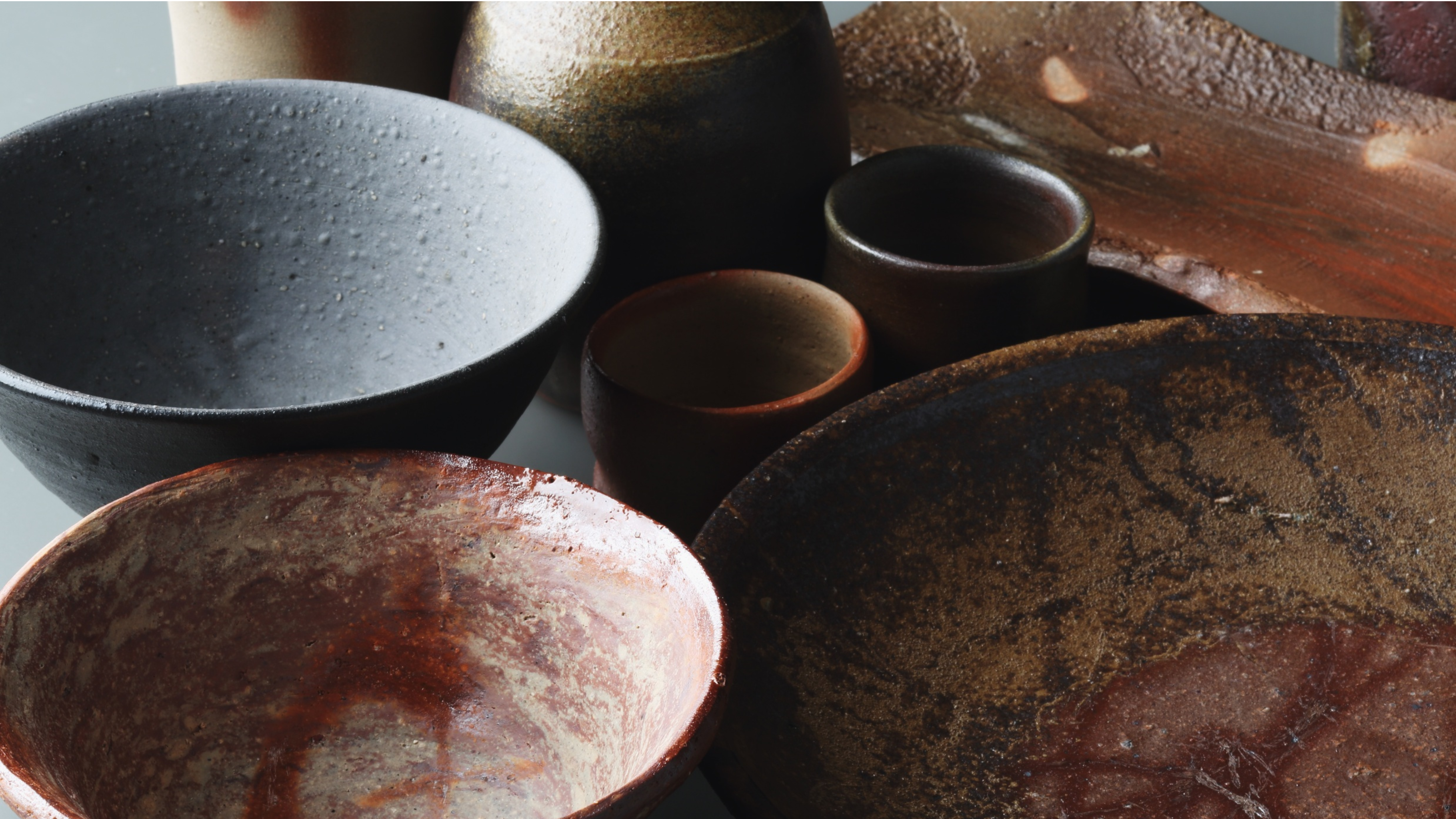
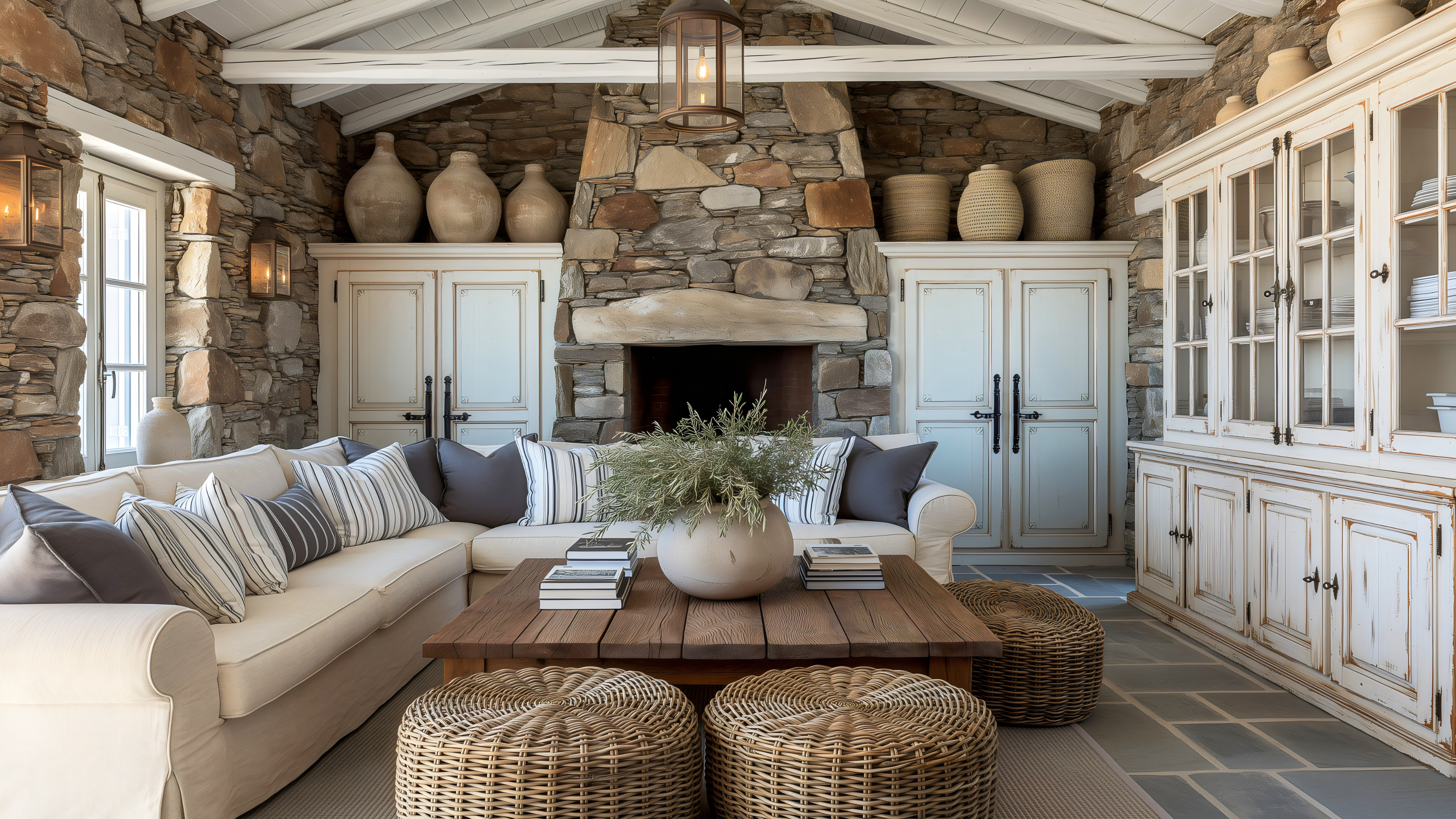
Today, homeowners are increasingly seeking pieces that tell a story. Handmade dining tables, artisan ceramics, custom millwork, and locally crafted furnishings are replacing disposable décor. These pieces often feature subtle imperfections that add character and warmth, creating interiors that feel personal rather than manufactured.

This appreciation for craftsmanship reflects a broader desire to invest in quality pieces that can be enjoyed for years rather than seasons.

Natural Materials Take Center Stage

The movement’s founders believed that homes should feel connected to nature, and that philosophy continues to resonate with modern designers.

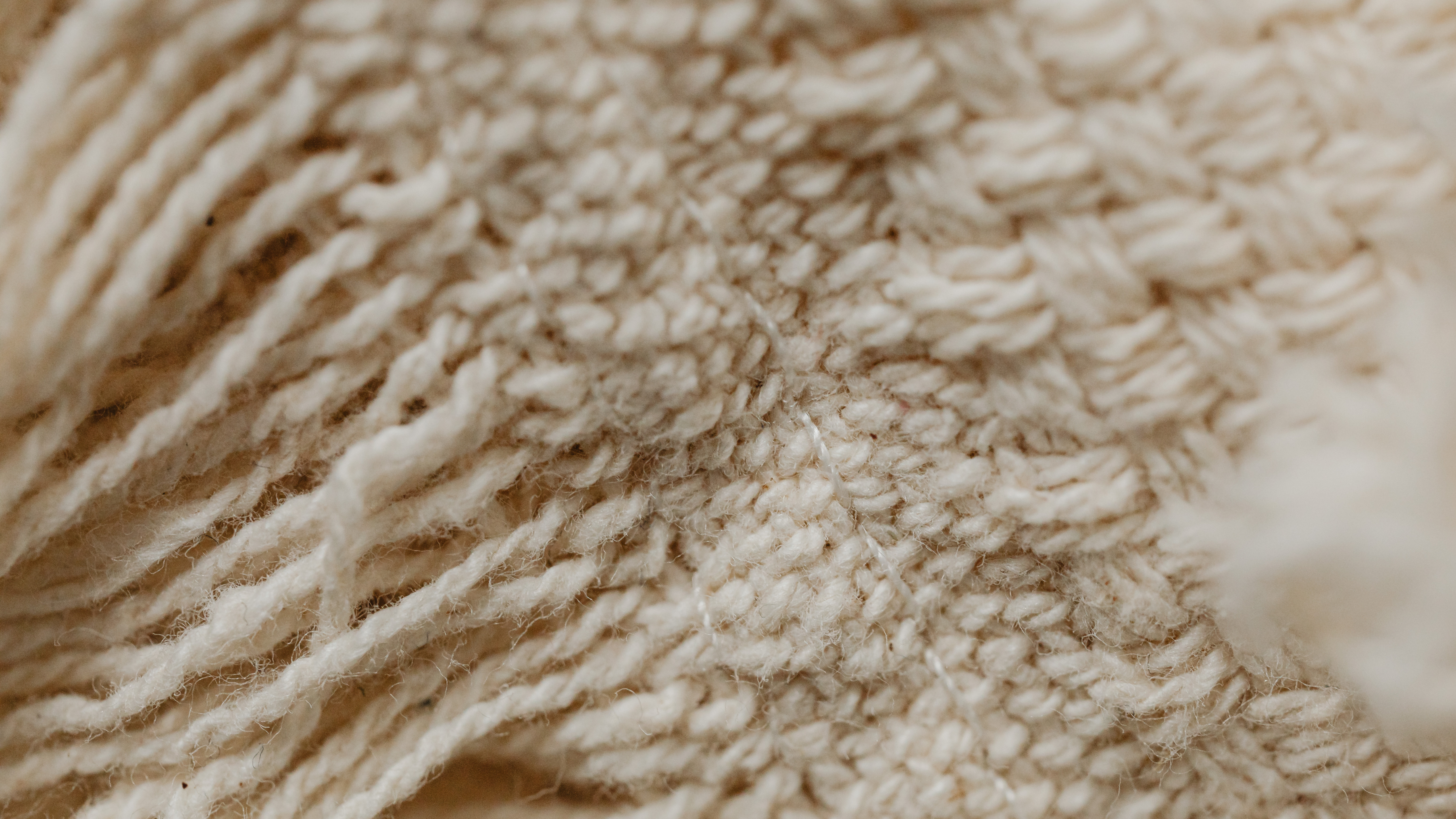
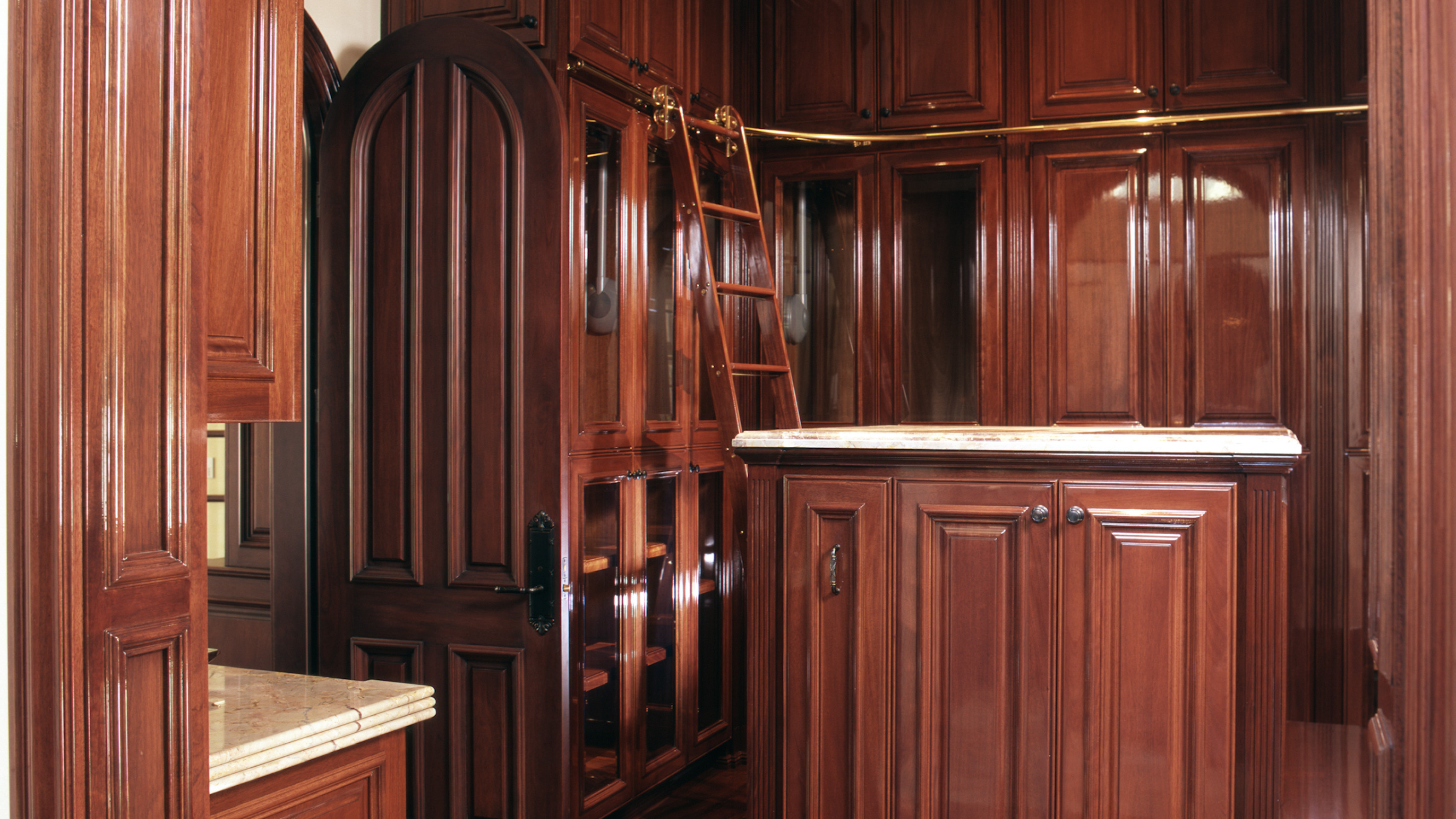
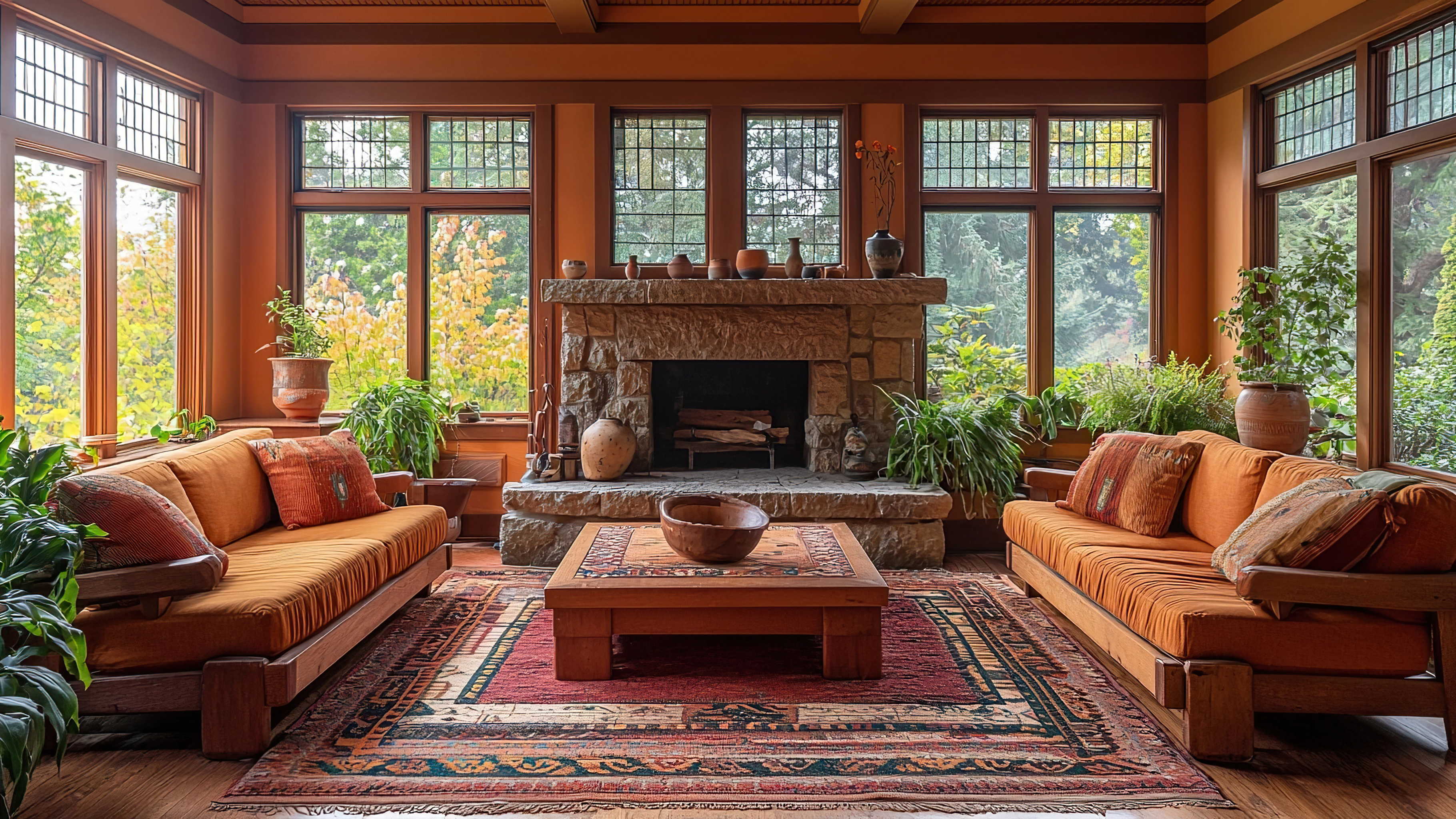
Wood remains one of the most recognizable elements associated with the Arts and Crafts Movement, but today’s interpretations extend far beyond traditional oak furnishings. Rich walnut, white oak, natural stone, linen, wool, and handwoven textiles are all finding their way into contemporary interiors.

These materials bring texture and depth to a space while creating a sense of comfort that feels timeless. Rather than relying on high-gloss finishes or synthetic materials, many homeowners are embracing surfaces that age gracefully and develop character over time.

Thoughtful Design Over Excess

Another reason the Arts and Crafts Movement feels particularly relevant today is its focus on intentional design. Rather than filling a room with decorative objects, the movement emphasizes functionality, simplicity, and purpose.

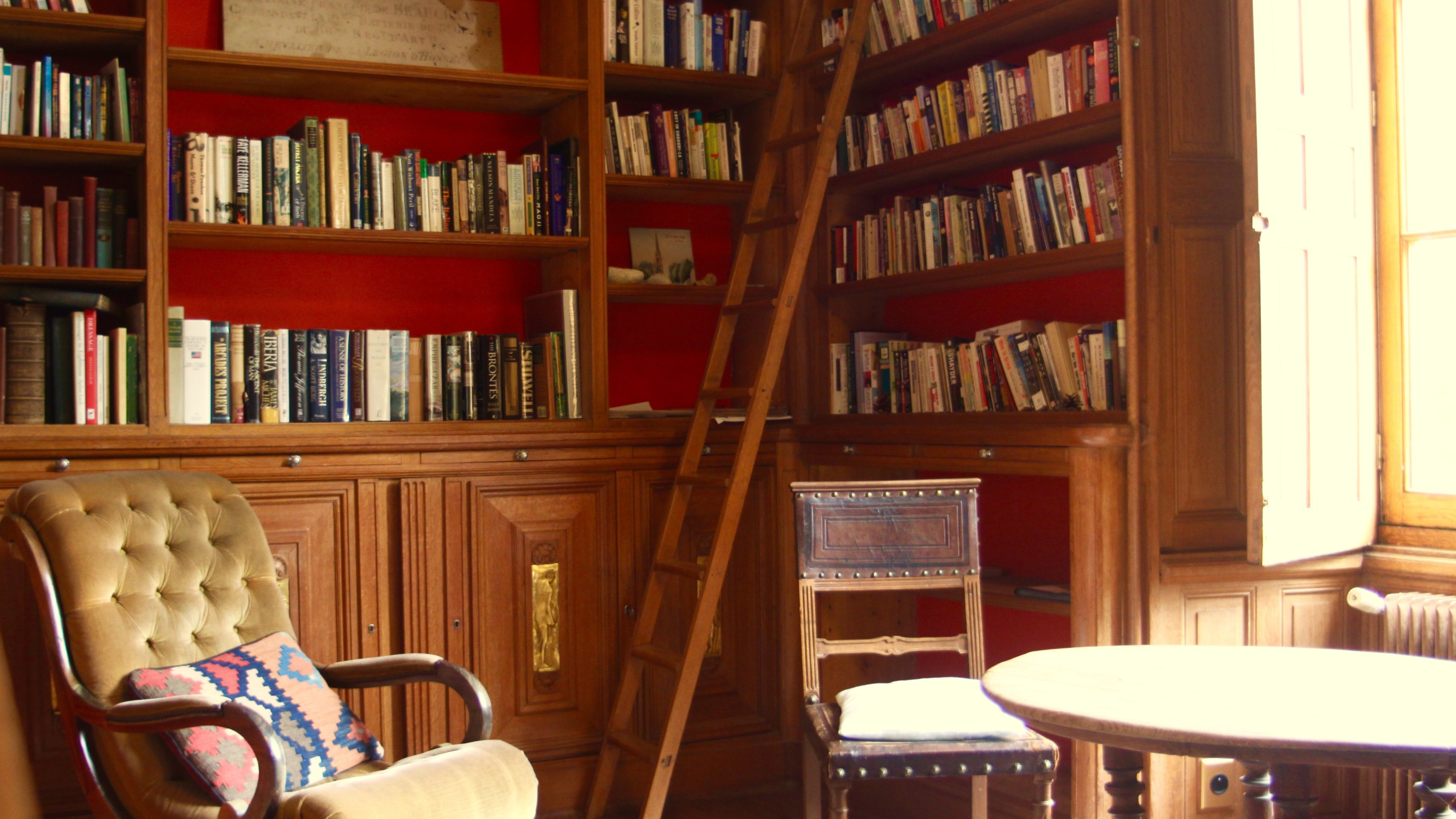
This philosophy aligns naturally with modern preferences for curated spaces that feel comfortable rather than cluttered. Built-in shelving, handcrafted lighting, and furniture designed for everyday use all reflect the movement’s belief that beauty and practicality should coexist.

The result is a home that feels collected and lived-in rather than overly styled.

Warmth in a Modern World

For years, many interiors leaned heavily toward stark minimalism. While clean lines remain popular, homeowners are increasingly looking for ways to make their spaces feel warmer and more inviting.

The revival of the Arts and Crafts Movement offers a natural solution. Earth-inspired color palettes, textured fabrics, handcrafted accessories, and architectural details help create rooms that feel welcoming and grounded.

Even in contemporary homes, incorporating just a few Arts and Crafts-inspired elements can soften a space and add a sense of authenticity.

Why the Arts and Crafts Movement Endures

Trends come and go, but the enduring appeal of the Arts and Crafts Movement lies in its values. It celebrates craftsmanship, respects natural materials, and prioritizes thoughtful design over fleeting fashion.

As homeowners continue to seek meaningful ways to personalize their spaces, it is easy to see why this historic design movement is experiencing a modern revival. In a world that often moves quickly, the Arts and Crafts philosophy reminds us that beauty is often found in the details, especially those made with care.

Exploring LACMA’s New David Geffen Gallery | Out & About

One minute you’re looking out at Wilshire traffic, and the next you realize you’ve drifted to the other side of the boulevard without ever having the mental jolt of “crossing the street.” That, more than any single artwork, may be the first real thrill of LACMA’s new wing.

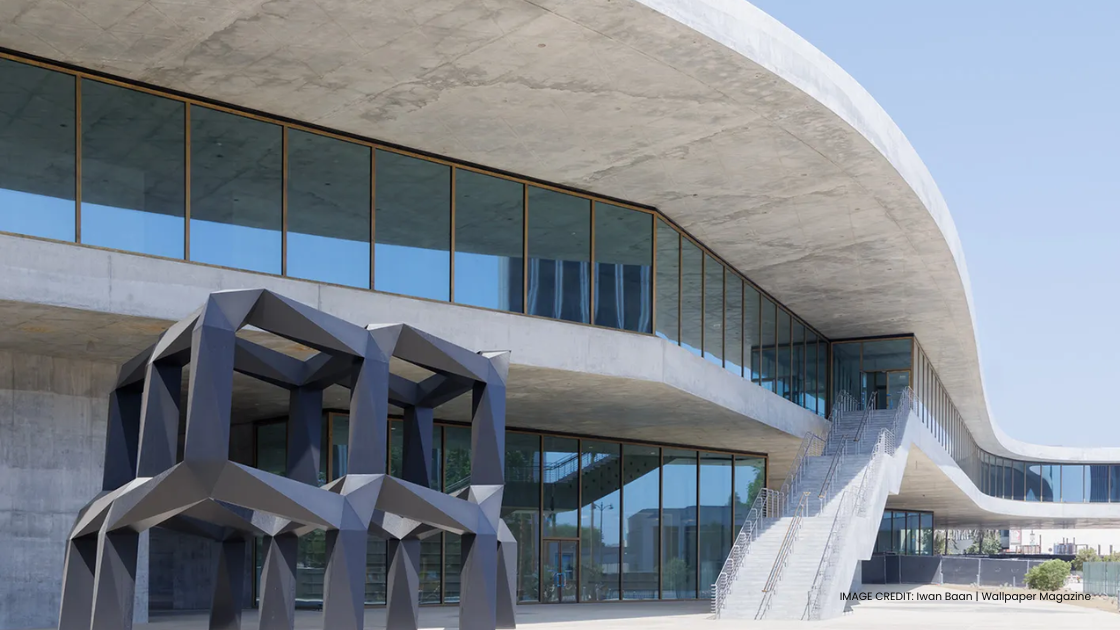
Officially called the David Geffen Galleries, the building opened in April 2026 and is now the museum’s new home for its permanent collection, all arranged on one elevated level in a way that feels distinctly Los Angeles: open, fluid, and a little bit cinematic. 

The First Surprise is Spatial

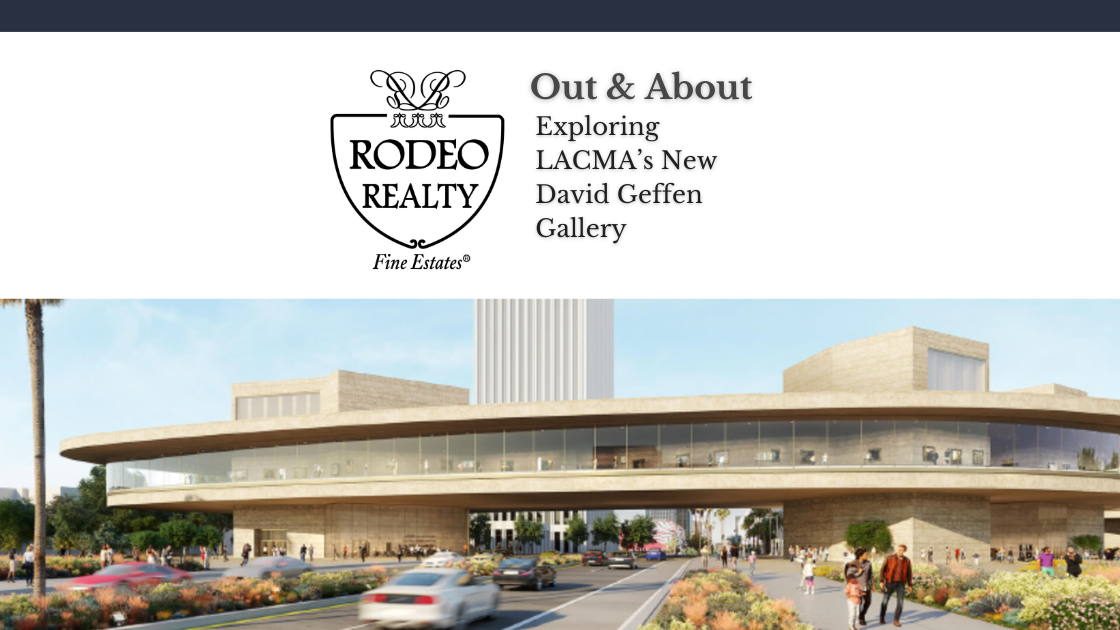
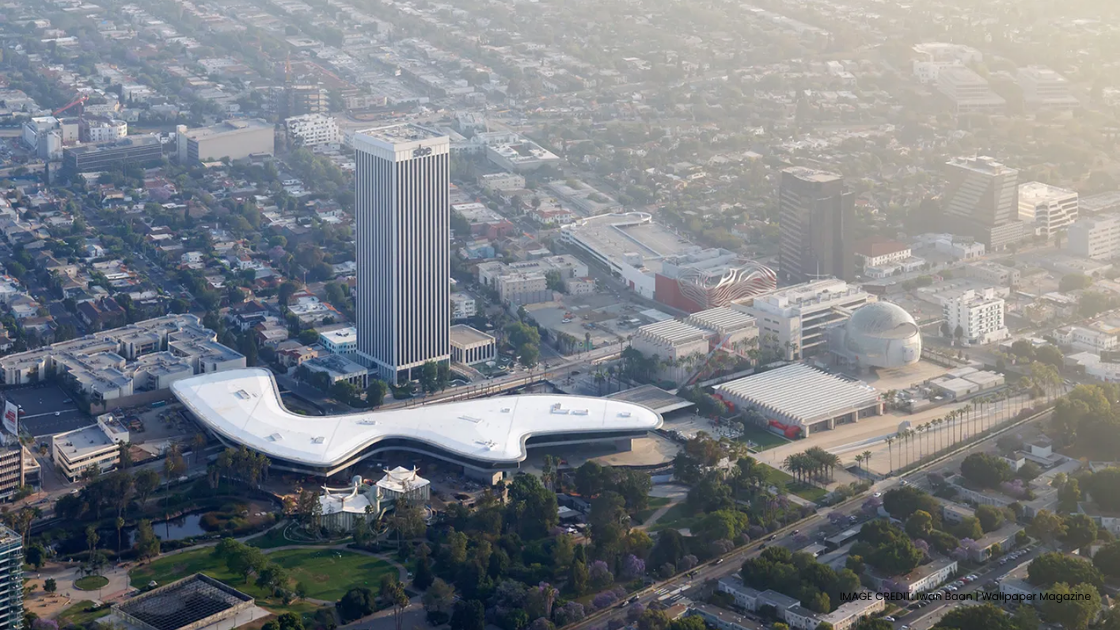
Designed by Peter Zumthor, the David Geffen Galleries stretch 900 feet and sit nearly 30 feet above street level, turning what could have been a straightforward expansion into something stranger and more memorable. Time Out put its finger on the building’s quiet magic trick: the portion that crosses Wilshire does not read like a bridge at all. It simply feels like more museum. That matters because it changes your whole relationship to the visit. Instead of moving room to room in the usual dutiful way, you meander. The city stays present at the edges. Art, architecture, and Los Angeles traffic all share the same frame. 

Wandering is Part of The Point

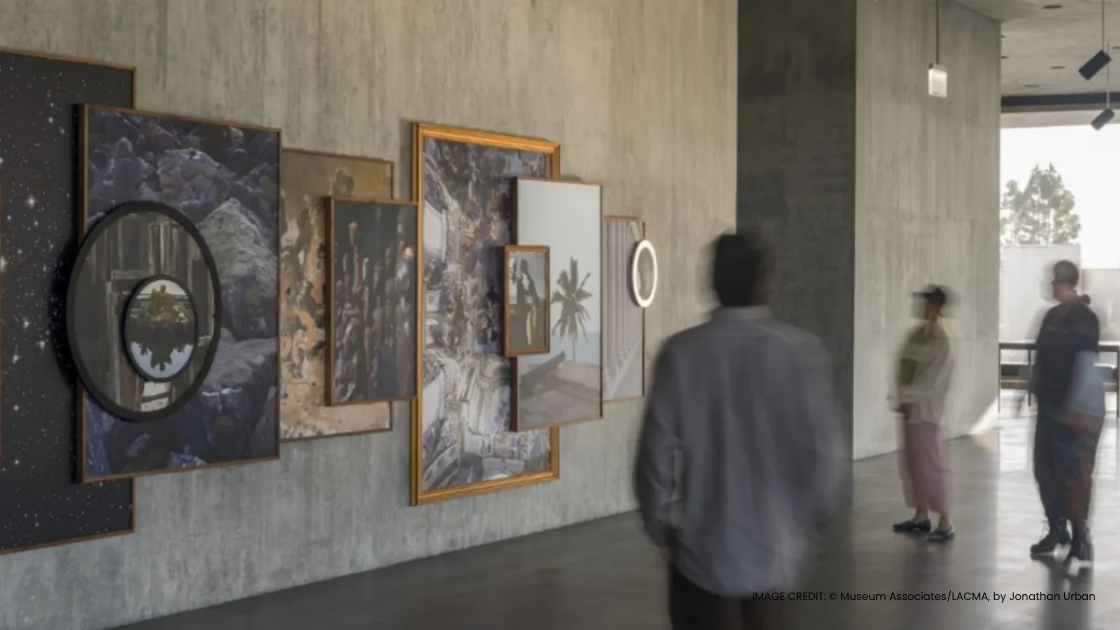
LACMA leans into that looseness. The David Geffen Galleries have no true front or back, and visitors can enter from either side before flowing into a nonhierarchical installation organized around oceans rather than strict timelines or departmental borders. Light is handled with unusual sensitivity: brighter terrace galleries open toward the city, deeper interior rooms protect more fragile works, and high-tech metallic curtains filter views of Wilshire without cutting them off completely. Even one of the most talked-about moments inside, a Matisse set against an ultrawide window at the western tip, works because the building allows Los Angeles itself to feel like part of the exhibition. 

Why It Lands So Well in Hancock Park and Nearby Beverly Hills

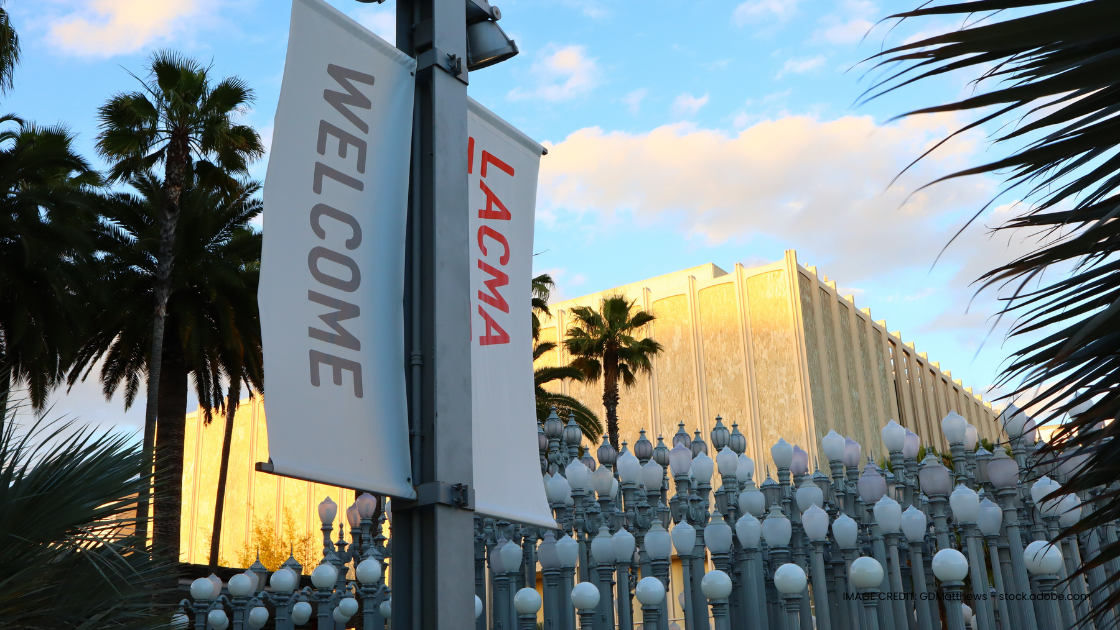
This is where the new wing becomes especially compelling for local readers. LACMA places itself squarely in Hancock Park on Miracle Mile, and the museum’s own neighborhood guide treats a visit as part of a broader day in the area, not an isolated cultural errand. For people in Hancock Park, Windsor Square, or nearby Beverly Hills, the David Geffen Galleries feel less like a tourist stop and more like a meaningful addition to the local rhythm, somewhere you could revisit after lunch, before dinner, or on a low-key Saturday when you want the city to feel a little more elevated. Beverly Hills hospitality guides already position LACMA among the area’s major art-and-culture destinations, which tells you plenty about its pull. 

A Major Wing with Staying Power

The name matters, too. David Geffen gave $150 million toward the project, the largest single cash gift from an individual in LACMA’s history, which is why the building carries his name. But what gives the David Geffen Galleries their staying power is not donor lore. It is the way the place actually works once you are inside it. There are 3.5 acres of shaded public space below, seven pavilions with visitor amenities, and a museum experience that feels less segmented and more alive to weather, time of day, and the city beyond the glass. In a part of Los Angeles already defined by beautiful homes, strong design culture, and a polished social circuit, the David Geffen Galleries add something more lasting: a reason to come back, wander again, and see the neighborhood with fresh eyes.

That’s so 2018! Design trends to ditch this year.

With only a couple weeks left in the first month of the year, there is no better time to ditch some of those 2018 home trends. While certain statement pieces will last through the seasons, the round-up below are so last year! So read below and start off fresh in 2019!!

1. Gallery walls

Photo by Tim Barber Ltd Architecture 

It’s time to cool it with nailing 20-piece photo collages onto our walls. Instead, make a bigger splash with one large piece that leaves an impression.

“I love family photos, but the stark black or blond wood frames—thank you, Ikea!—that we’ve put up on the wall are a little, well, not trending,” says Los Angeles home designer Kim Gordon.

A wall full of little frames, Gordon says, fails to make a statement and ends up being overlooked and ignored. Plus, those frames will just accumulate dust and fingerprints.

In the new year, Gordon says the tedious clutter will give way to “big, potentially colorful, and absolutely impactful” art that wows—think charcoal sketches or watercolors—“anything to relieve some of the monotony.”

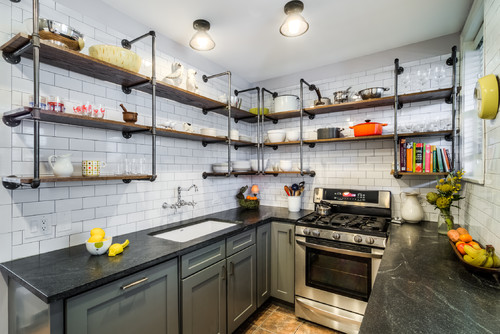
2. Industrial kitchens

Photo by PowerSmith Design 

Three years later, and we’re still ringing the closing bell on this exhausted look. It seems old habits (and Edison bulbs) die hard.

So, we’ll say it again for the people in the back: Industrial chic is played out. It’s time to flip the switch on cage lighting and aggressively exposed pipes and beams.

“More often than not, [this look] fails and lacks the authenticity the designer is ardently trying to create,” says David Shove-Brown of Washington, DC–based architecture and design firm //3877.

Industrial kitchens are “not the most inviting place to be the heart of your home—more like living in a Costco,” O’Neill adds. “So, unless you are a professional chef, let’s retire this trend.”

Make the swap for lush, opulent hues in the kitchen—deep (almost black) greens and blues, and dark woodwork—and lean on matte metallics for contrast, recommends Debbie Schamberger of Elite Kitchen & Bath.

“Gold is strong for hardware, faucets, and lighting fixtures—a soft gold, like Champagne,” she says.

3. Boho accessories

Photo by We Are In Our Element 

We can already hear the boos and hisses on this one, but Portland, OR, designer Justin Riordan isn’t having it.

“Boho has to die,” he says. “It’s totally flippin’ over.”

You know what we’re talking about: The macrame wall hangings, the waxy-fake succulents (“You’re not fooling anybody,” Riordan says), and your Moroccan lanterns all had a good run, but it’s time to rein it in.

“You can, of course, continue to buy $19 batik pillows at Target, but stuff like that is just fodder for your next garage sale,” Riordan says. “It comes on really fast and goes away really fast.”

If you just can’t tear yourself away from that gypsy-soul-world-citizen vibe, Riordan suggests channeling those feelings into an authentic piece that reflects a real ethnic tradition—say, a kilim rug—and building the room around that.

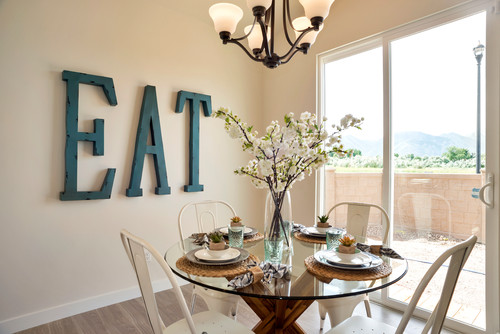
4. Word art

Photo by Bach Homes 

We know—we can’t believe it either, but the word art trend is still happening. In 2019, however, the pros are determined to make it finally stop. Even if you can live, laugh, and love with the best of them, those words don’t belong on your walls.

“Any text art hung in the home meant to be positive just comes across as cheesy and predictable,” says Jessica Boudreaux, an interior designer in Miami and New York City. “Stuart Smalley called, and he wants his signage back.”

Ana Cummings of Ana Interiors agrees: “It’s about as hokey as you can get.”

5. Kitchen islands

Photo by Havlicek Builders Inc. 

But isn’t the island sort of ultimate #kitchengoals? Diana Blaszkiewicz, an associate with TTR Sotheby’s International Realty in Washington, DC, doesn’t think so. Her clients increasingly want to ditch the kitchen island, and she’s happy to oblige.

“They’re bulky and often don’t provide adequate storage space; plus, they’re very easy to bump into in the middle of the night,” she says.

In lieu of an island, situate the dining table closer to the kitchen, Blaszkiewicz recommends, or use modular, moveable storage instead.

6. Gray everything

Photo by Creative House Zone 

Will 2019 be the year we do away with gray?

“From walls to napkins, from Florida to Maine, it has been all about gray for so long now, I can hardly remember when it snuck in,” O’Neill laments.

“Because we’ve concentrated on cool grays for so long, it just feels dated at this point,” Riordan adds. “Everything I see in that palette just feels really cold to me.”

Plus, gray has become the go-to neutral for home staging—and that means this hue often “screams ‘newly flipped,’” Blaszkiewicz notes.

That doesn’t mean neutrals are out, but designers are ready for a shift to warmer tones, like sandy taupes.

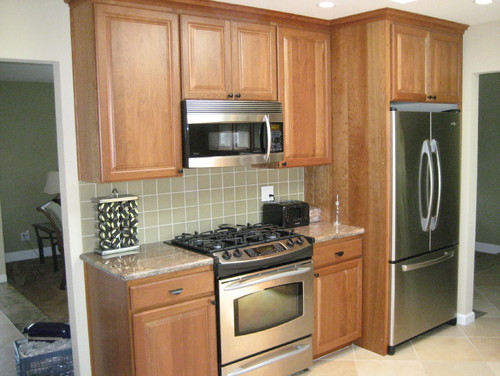
7. Over-the-stove microwaves

Photo by Mabry Construction, Inc. 

Certain residential features are the brainchildren of home builders—notinterior designers. Such is the story of microwaves situated above cooktops.

“It was never a good design choice,” Cummings says. “Microwaves are so ugly, to put it bluntly.”

The microwave-over-the-range setup is not even functional, says Doug Lewis, a kitchen and bath remodeler in Richmond, VA. The combo’s popularity is driven entirely by the need to economize space—and it sacrifices the ventilation capabilities of a full-size hood vent (as opposed to the scrawny item built into the bottom of over-range microwaves).

“With those, you’re maybe getting 25% venting function,” Lewis says. “Plus, it’s just an awkward height for younger or shorter people to use. Ever tried to reach over your head to get hot soup out of the microwave? Not good.”

So what’s a space-starved homeowner to do? Undercounter microwaves are gaining popularity, Lewis says, and a growing number of cabinet manufacturers offer designs that accommodate them. You can also mount your microwave under upper cabinets while still preserving that precious counter space.

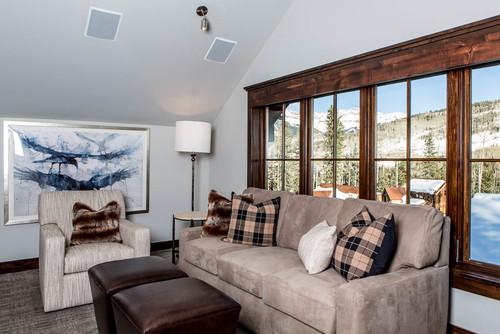
8. Microfiber upholstery

Photo by LuxWest Interiors 

For years now, microfiber has been the hero of home furniture—an affordable and practical choice for its durability. So durable, in fact, that this vaguely suede-like fabric is ready for a rest.

Why? Most microfiber furniture can make the overall design of a room appear dated and cheap, says Beverly Hills, CA–based designer Kita Williams. And while it’s not impossible to find a microfiber piece in a modern shape, aren’t you ready to try something new?

“Err on the side of caution, and stay away from microfiber,” Williams says. “Stick with linen, leather, pleather, tweed, and canvas-type fabrics.”

Courtesy of: Realtor.com