From Anthropic to the DJI Osmo Pocket 4 and More! | Tech News

This week’s round-up of major headlines highlights a compelling mix of innovation, from Anthropic’s AI expanding into everyday environments to new gadgets like the DJI Osmo Pocket 4 redefining content creation. Whether it’s smarter assistants, evolving platforms, or ambitious biotech experiments, the industry shows no signs of slowing down. Check out the latest news in this week’s blog!

DJI Osmo Pocket 4 Elevates Everyday Filmmaking
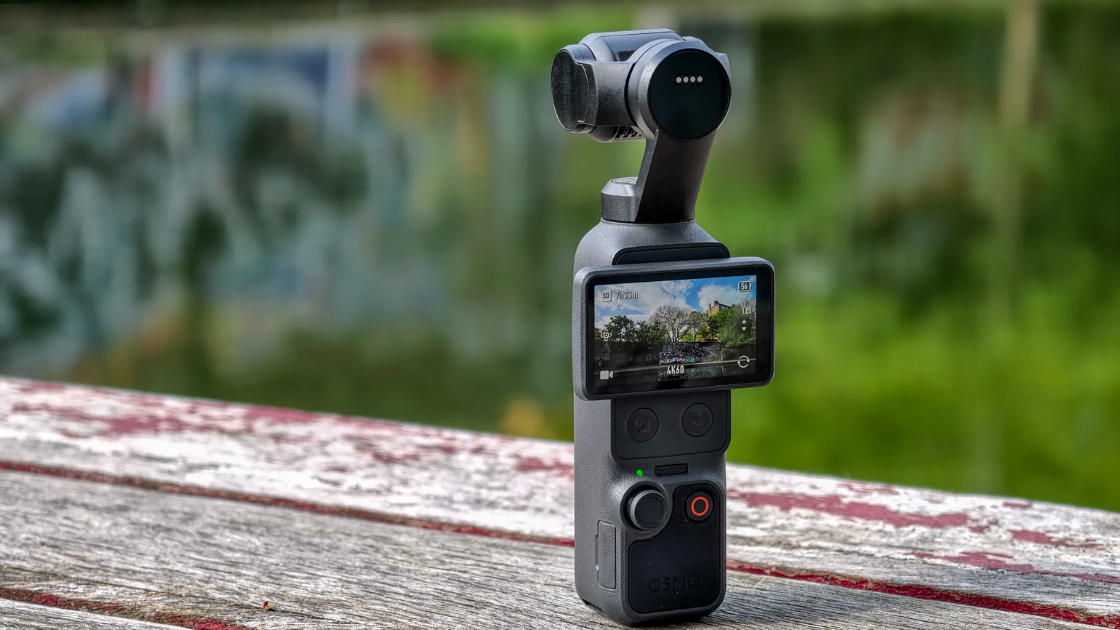
DJI’s latest release, the Osmo Pocket 4, refines the art of portable filmmaking. The new DJO Osmo Pocket 4 offers a sleek, handheld design that prioritizes ease and performance. Known for its built-in stabilization, the DJI device delivers smooth, cinematic footage without requiring bulky equipment. Enhanced low-light capabilities and improved image processing make the DJI more versatile for everyday use, appealing to both casual creators and experienced videographers. Rather than replacing professional cameras, it complements them by offering convenience and accessibility. As content creation continues to grow, tools like this highlight the increasing demand for high-quality results in compact form.

PlayStation 5 Hack Unlocks Linux Possibilities
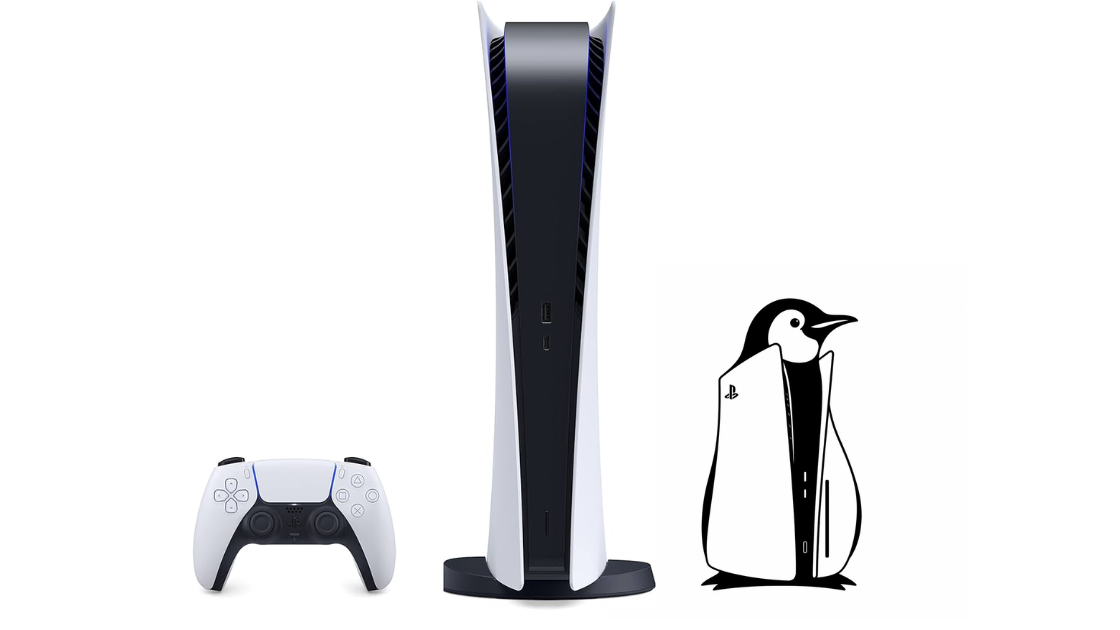
A newly discovered exploit has opened the door for users to install Linux on the PlayStation 5, giving enthusiasts access to the console’s powerful hardware beyond gaming. While not officially supported, the development has sparked interest within the modding community, where experimentation and customization are key. Running Linux on the PS5 could enable everything from software development to emulation projects. At the same time, it raises security concerns for Sony, which has historically worked to maintain tight control over its platform. This development underscores the ongoing tension between open experimentation and proprietary ecosystems.

Anthropic Introduces AI Code Security Tool

AI continues to evolve beyond content generation, with Anthropic launching a codebase scanning tool designed to help businesses identify vulnerabilities. Unlike traditional methods, the tool uses AI to analyze context, making it more effective at detecting complex or subtle issues within large systems. This approach is particularly valuable for enterprise environments where codebases can be vast and difficult to manage. By automating parts of the security review process, companies can improve efficiency while reducing risk. The release reflects a growing trend of AI taking on oversight roles within the development lifecycle.

Google Expands Personalized News Features
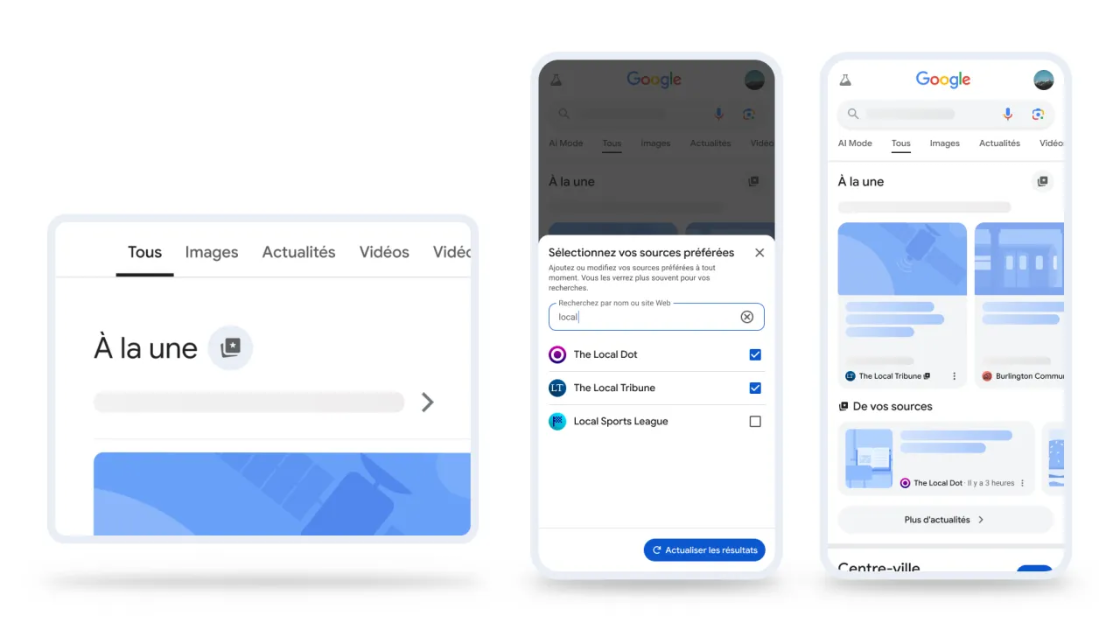
Google has broadened its “Preferred Sources” feature to support more languages, giving users greater control over the news content they see. This update allows individuals to prioritize trusted outlets, helping them tailor their information experience more effectively. As global audiences grow, expanding language support makes the feature more accessible across diverse regions. It also reflects increasing demand for transparency and personalization in how news is delivered online. While algorithms still play a role, user choice is becoming a more central part of the experience.

Gemini AI Enhances the In-Car Experience
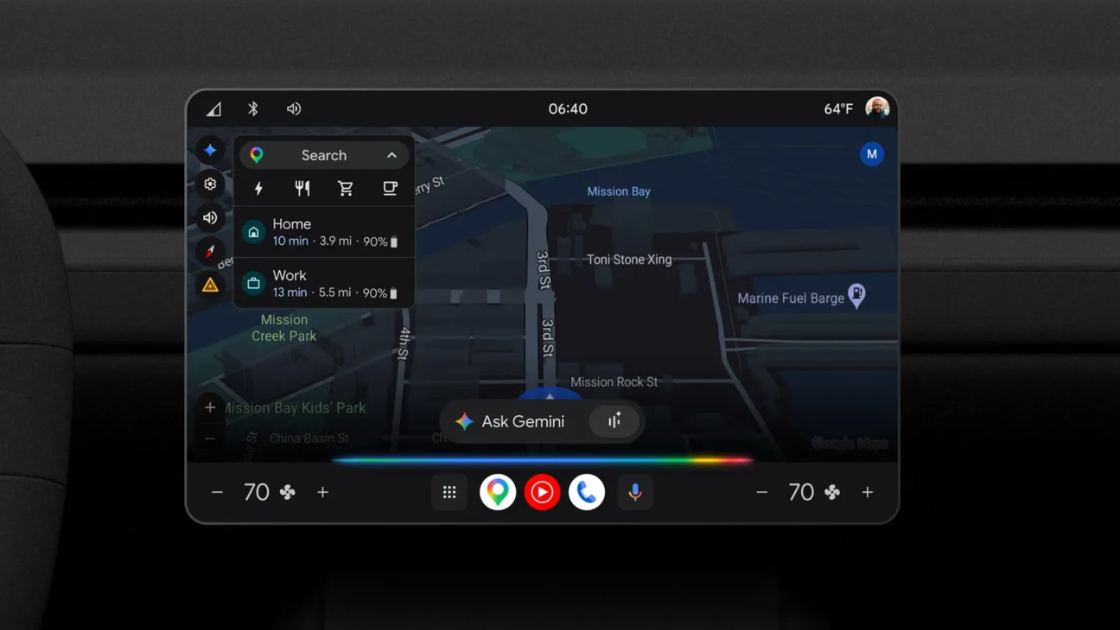
Google is bringing its Gemini AI assistant into vehicles, aiming to create a more conversational and intuitive driving experience. The upgraded system allows for natural dialogue, enabling drivers to manage navigation, messages, and other tasks more seamlessly. This shift moves away from rigid voice commands toward more fluid interaction. As cars become more connected, AI is positioned to act as a central interface for managing both information and entertainment. The development reflects a broader push to integrate AI into environments beyond phones and computers.

Spotify Rolls Out Verified Creator Badges
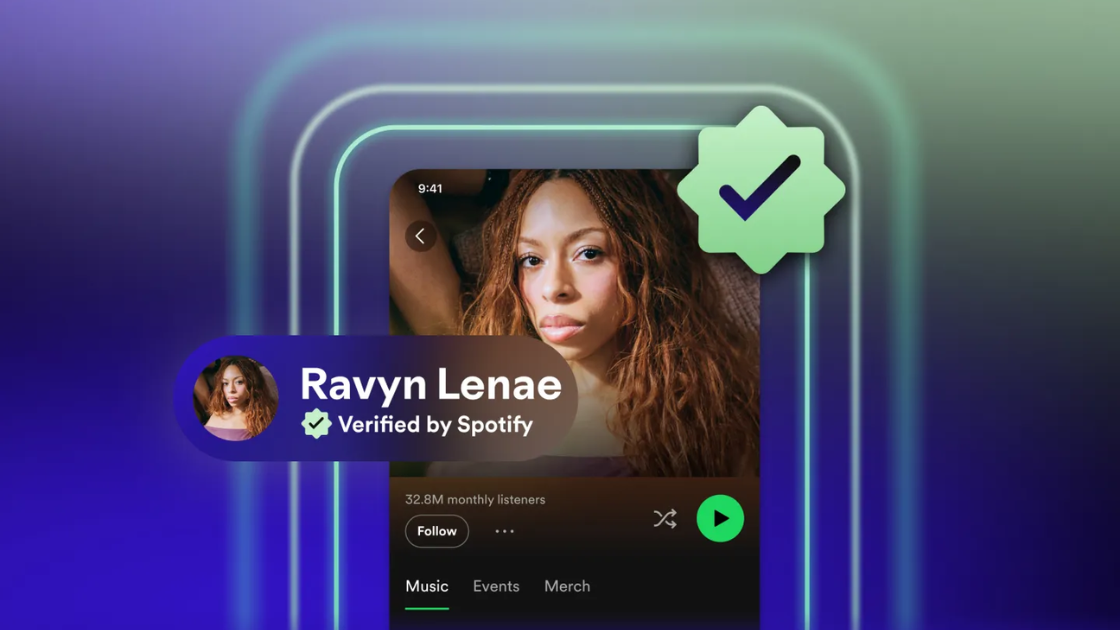
Spotify is introducing verified badges to help users identify official artist and creator profiles on its platform. The feature aims to build trust and reduce confusion in an increasingly crowded digital landscape. For creators, verification offers a clearer way to establish authenticity and stand out. For listeners, it provides reassurance that they are engaging with legitimate accounts. As platforms continue to expand, tools that reinforce credibility are becoming essential to the user experience.

De-Extinction Research Advances With Antelope Studies

Biotech research is making strides in de-extinction efforts, with scientists refining antelope reproduction techniques that could inform future projects. These advancements are part of a broader effort to understand how genetic science might one day revive extinct species. While still in early stages, the research highlights the intersection of conservation and cutting-edge biotechnology. It also raises important ethical and environmental questions about the role of humans in reshaping ecosystems. For now, the work represents a step forward in exploring what is scientifically possible.
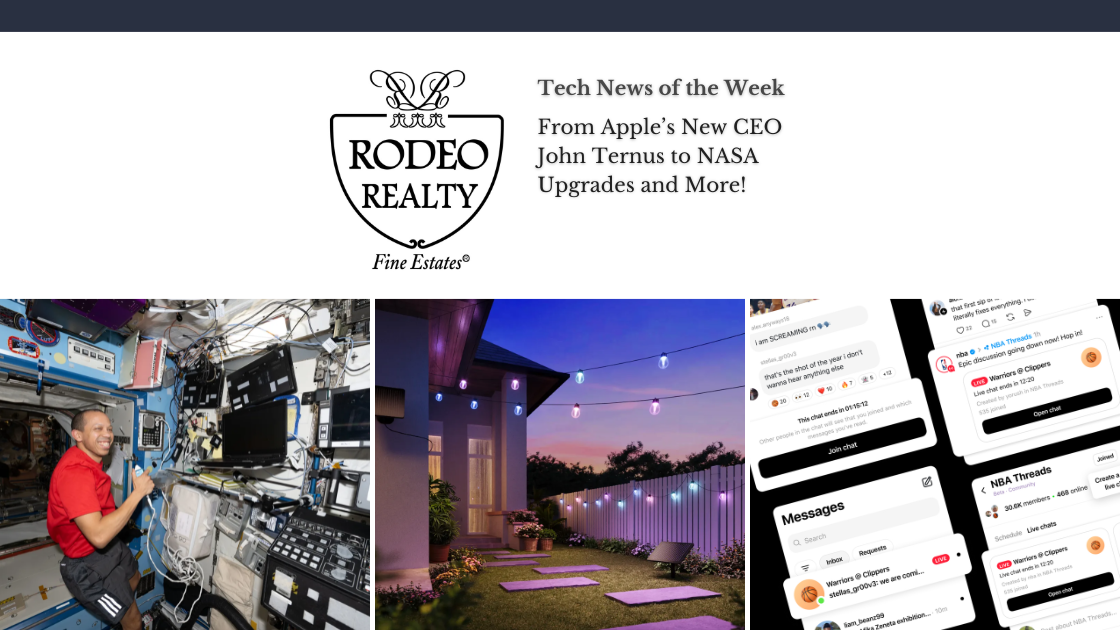
From Apple’s New CEO John Ternus to NASA Upgrades and More! | Tech News

Wind the week down with the latest major shifts in the world of tech and media. From Apple’s incoming new CEO, John Ternus, to upgrades at NASA and more, we have you covered. Check out the biggest news in the world of tech!

Dreame Tries to Become More Than a Vacuum Brand

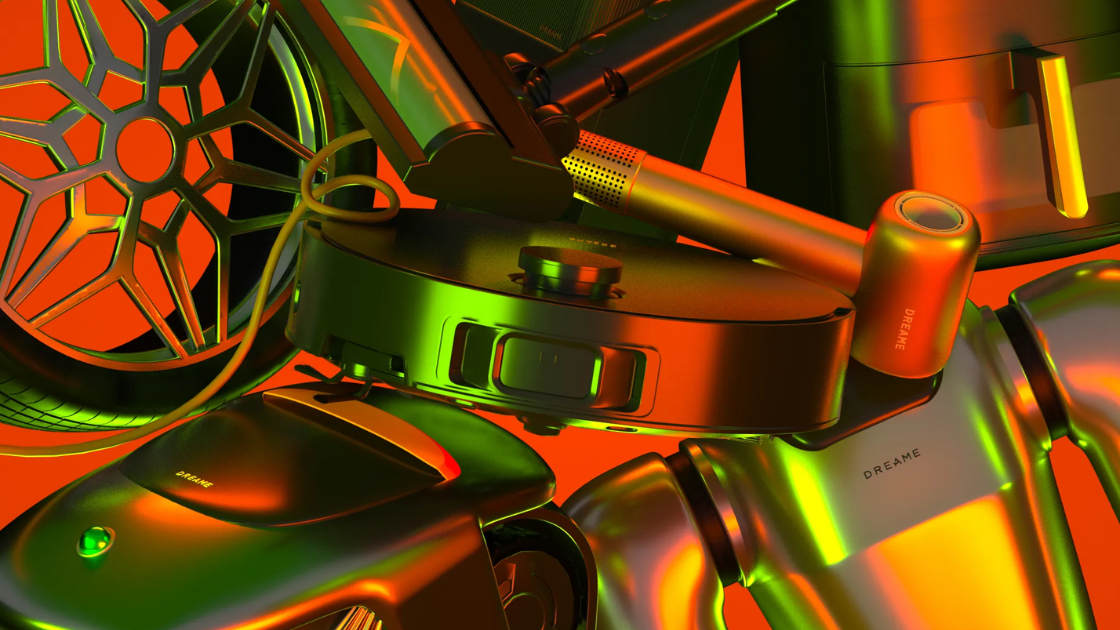
Dreame is making a very American-style push for attention, using a pricey Super Bowl ad and a splashy San Francisco launch on April 27 to introduce itself as something much bigger than a robot vacuum maker. The company’s stated ambition is to build a “people-home-car” ecosystem, with a roadmap that stretches from cleaning gadgets and appliances to cars, chips, and even satellites. That kind of leap is either visionary or wildly chaotic, which is honestly part of the intrigue. For North American consumers, the bigger story is that a relatively unknown smart home brand wants to compete across multiple product categories at once, all under one AI-heavy app and ecosystem. It is a reminder that the smart home race is no longer just about thermostats and speakers. It is becoming a battle over who gets to own the entire connected lifestyle.  


Apple’s Coming Leadership Shift Signals a New Chapter Under John Ternus

Apple is heading into a major transition, with The Verge reporting that Tim Cook will step down in September and current hardware chief John Ternus will take over as CEO. The article frames the moment as more than a leadership handoff between Cook and Ternus. This transition moves Apple further away from the era when its executive bench was closely shaped by Steve Jobs himself. That makes this less about one executive leaving and more about Apple entering a genuinely new phase of identity. For the broader tech industry, it raises familiar questions about what the next decade under Ternus, at Apple, will bring. Will the Ternus era be defined by operational steadiness, bold hardware bets, or a deeper push into AI and services? Even for a company built on polish and control, this is the kind of transition that can subtly change everything. Silicon Valley loves to call every shift “historic,” but the approaching Ternus era actually feels like it might earn the word.  


Govee Gives Outdoor Lighting a Solar-Powered Twist

Govee has introduced its first solar-powered outdoor string lights, bringing a small but smart upgrade to the backyard tech category. The lights use a 6W solar panel with an integrated 4,800mAh battery, and the company says a single full day of sunlight can recharge them. There is also a USB-C fallback for gloomier weather, which is a nice acknowledgment that the sun does, in fact, ghost people. The product is available now for $99.99 and includes eight color-changing bulbs stretched across a 34-foot cable. On paper, it is a modest product launch, but it fits a larger trend of everyday home tech getting more self-sufficient and energy-conscious. Not every innovation has to roar; sometimes it just glows on the patio.  


Microsoft Pushes Copilot Deeper Into Office Workflows

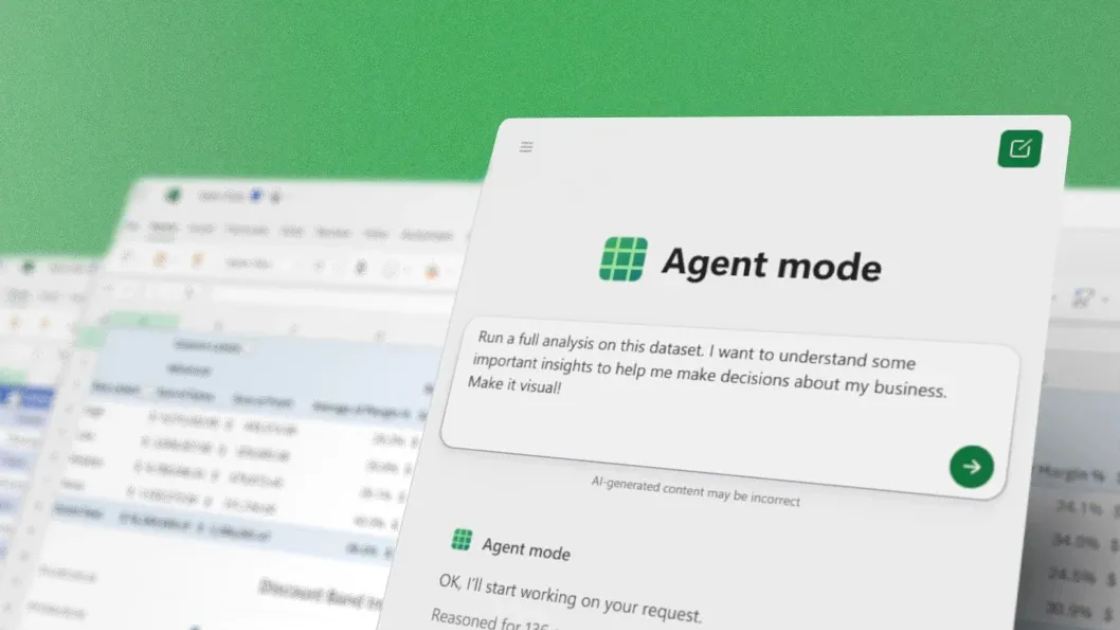
Microsoft is rolling out Copilot Agent Mode inside Word, Excel, and PowerPoint, making it the default experience for Microsoft 365 Copilot and Premium subscribers. The company had previously described this style of interaction as “vibe working,” but the practical point is that Copilot is becoming more active inside documents instead of simply hovering nearby as a suggestion box. Microsoft says the upgraded system is better at following instructions and handling multi-step edits without losing the user’s intent. A sidebar will show each action in real time, while Excel can add formulas and tables directly, and PowerPoint can update existing decks while preserving company templates. That is a meaningful shift from AI as assistant to AI as operator. Office work may still be office work, but Microsoft is clearly trying to make it feel less like drudgery and more like delegation. 


Threads Wants Live Conversation, Not Just Live Posting

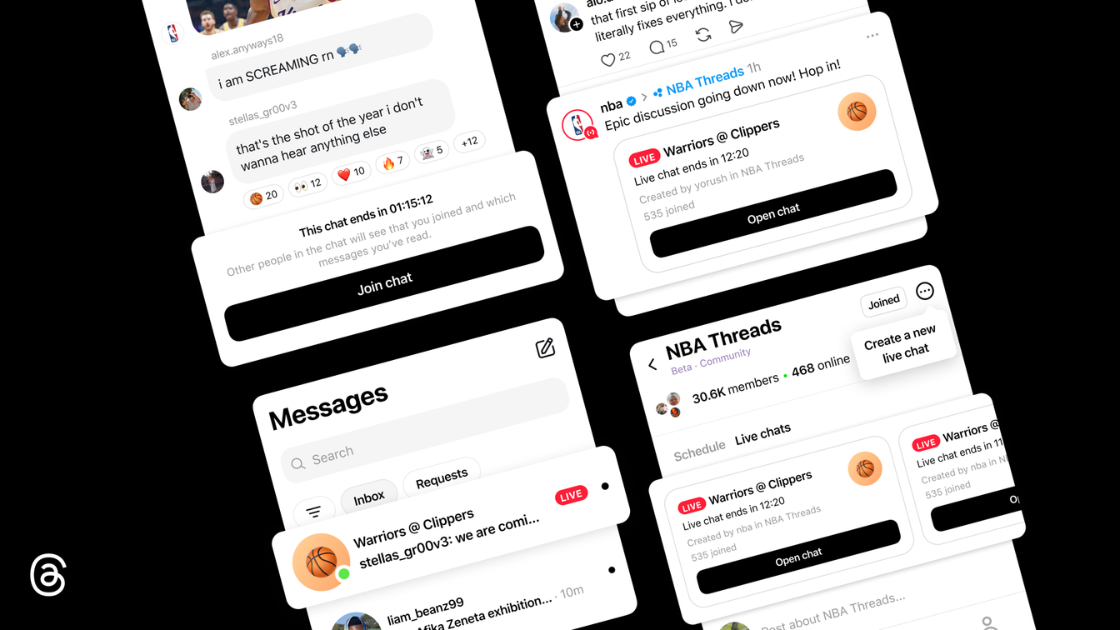
Meta is launching Live Chats on Threads as a way to let users join public group conversations. The new feature will let users stay connected during major cultural moments in real time. The feature is beginning in the NBAThreads Community during the Playoffs and Finals. Likewise, creators, media personalities, and league voices are helping drive the discussion. Meta says Live Chats will include profile rings to show when a conversation is live, along with real-time polls, countdowns, typing indicators, and live scores to keep chats synced with the action. More communities are expected to get the feature over the coming months, and Meta has already teased additions like co-hosting, play-by-play updates, lock screen widgets, and the ability to share chat messages to the main feed. The bigger idea here is obvious: social platforms are still chasing the electricity of live events. Threads wants to be where people watch the moment unfold and talk over it at the same time.  


NASA Is Upgrading the ISS With More Powerful Laptops

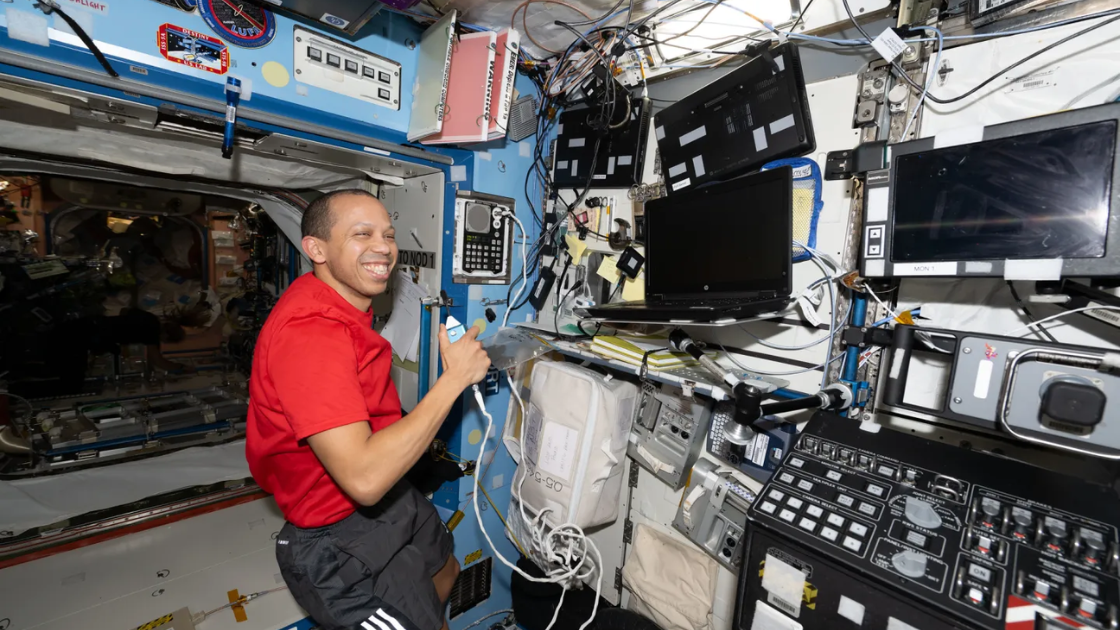
Astronauts aboard the International Space Station are getting new HP ZBook Fury G9 mobile workstations. The rades are part of a broader hardware refresh. NASA said the crew would first replace network servers and then activate the upgraded laptops. HP says the custom ISS configuration includes updated features like an Intel Core Ultra 9 vPro HX processor and among other additions. The machines also needed a NASA-specific power solution. The ISS primarily runs on DC power rather than the AC setup used in homes and offices on Earth. The station is now moving on from older HP ZBook Fury G2 systems. There is a little poetry in the fact that even space needs an IT refresh. With the ISS slated for de-orbit in 2030, these may be some of the station’s last major laptop upgrades.