
From iPhone Duo Apps to Insta360 Mics and More! | Tech News

It’s time to catch up on the top tech and media headlines from the week! From iPhone Duo focused apps to a cool new rollout of Intsa360 mics and more, we have you covered. Stay connected with our weekly technology round-up.

Apple Adds a “Made for iPhone Duo” Badge to the App Store
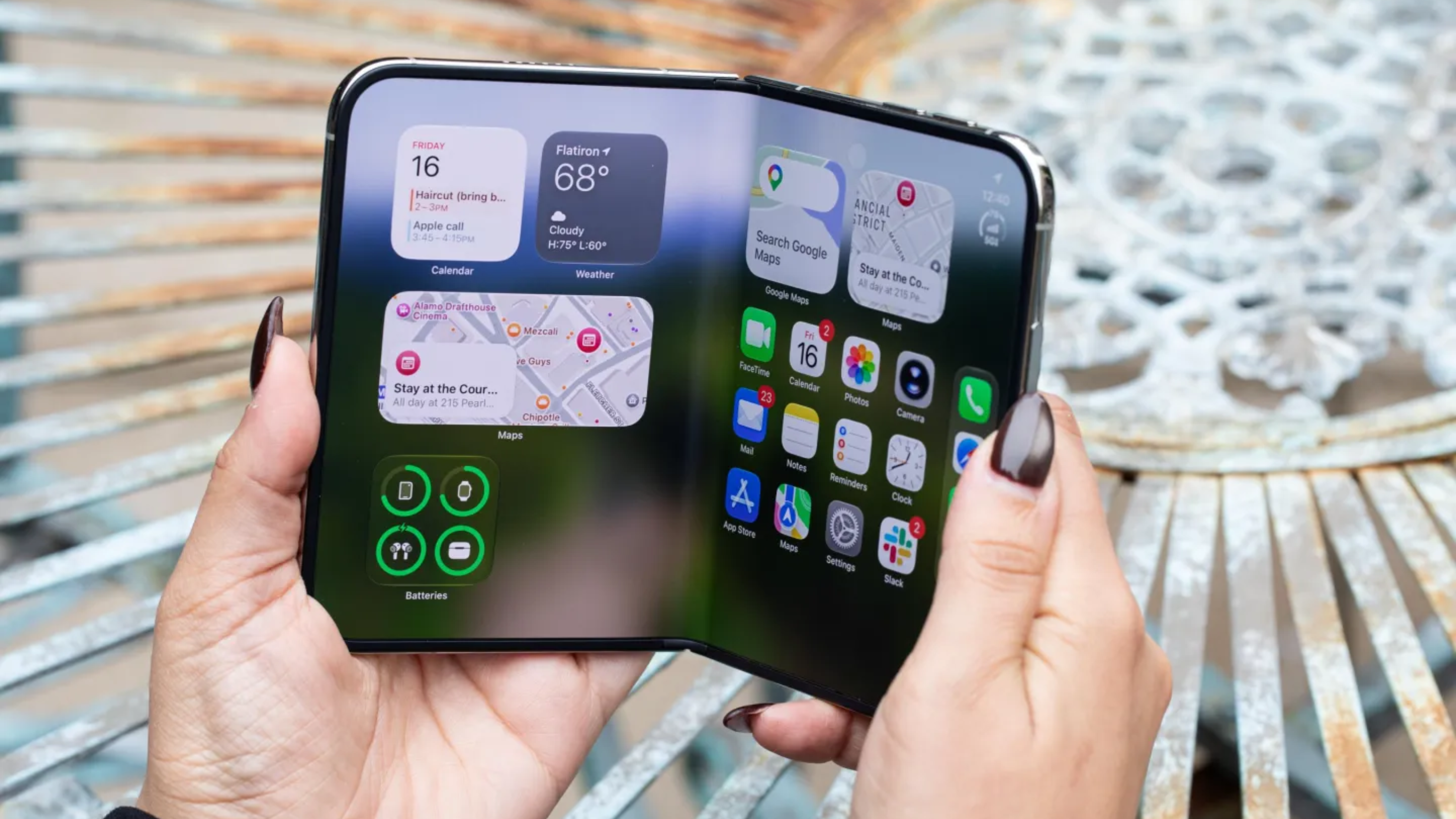
A new App Store label is underway for the iPhone Duo. Coming soon, iPhone Duo owners will find software designed specifically for Apple’s foldable phone. The “Made for iPhone Duo” badge will appear on apps and games built for the device. Likewise, the iPhone Duo apps will take advantage of the device’s larger inner display and secondary outer screen. Netflix, Prime Video, Microsoft Word, Zoom, Lyft, and United Airlines are among the apps already adapting their interfaces for the new form factor. Apple is also preparing editorial collections focused on iPhone Duo software. This will come as additional updates for the iPhone Duo roll out throughout the year. The badge arrives alongside the $1,999 iPhone Duo, which launches this week in limited quantities.

Birdbuddy Shrinks Its Smart Feeder for Smaller Spaces
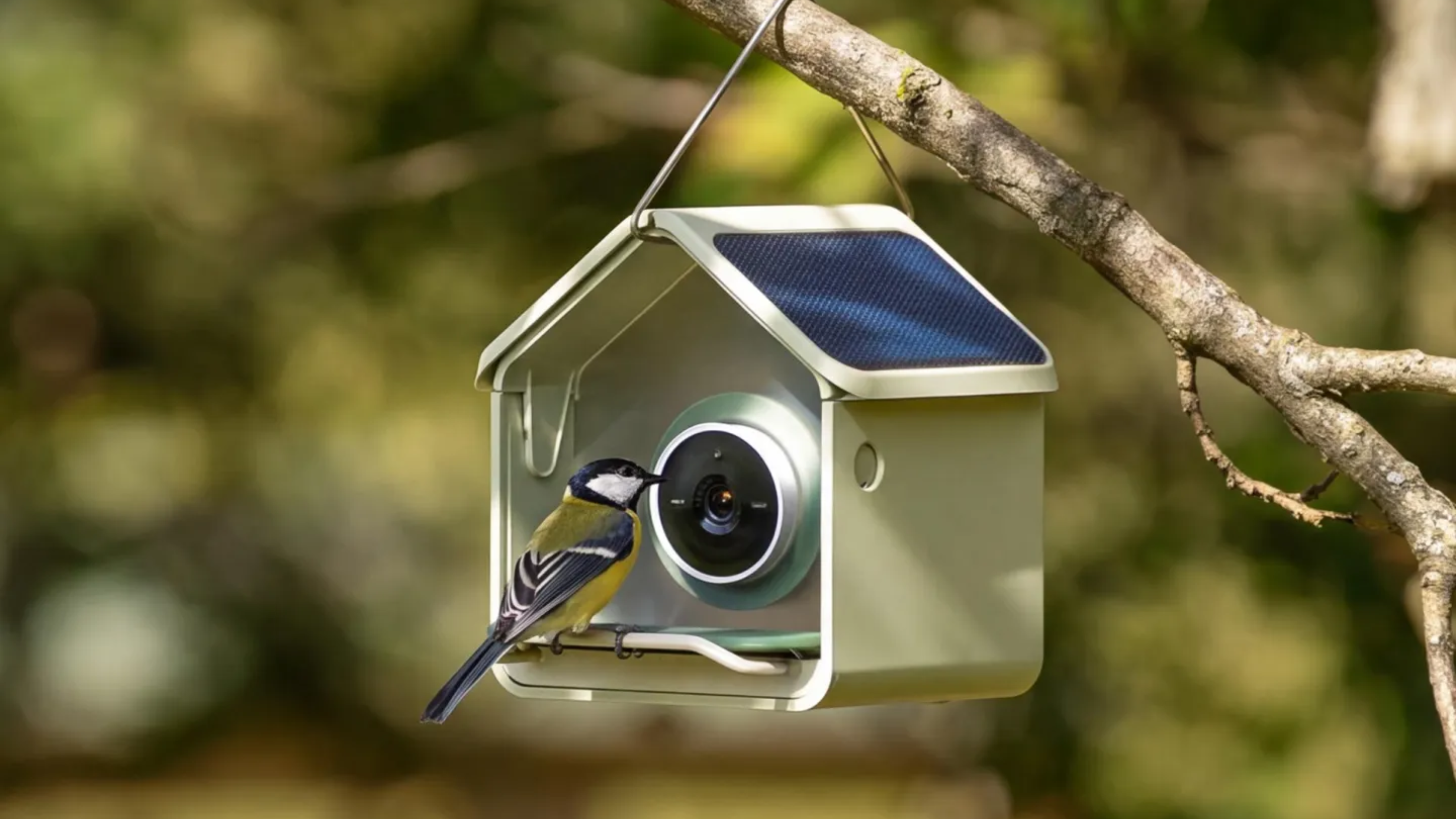
Birdbuddy is offering a more compact option for backyard birdwatching with its new Nook smart feeder. Starting at $99, the Nook uses a 2K HDR camera with a 135-degree field of view and automatically wakes when a bird lands nearby. The accompanying app uses AI to identify bird species, and the camera supports both portrait and landscape capture for easier social sharing. Upgraded configurations add solar charging and a larger perch, while Birdbuddy’s $219 Home model offers a bigger seed reservoir and additional features. The smaller design gives apartment dwellers and homeowners with limited outdoor space a more affordable way to experiment with connected wildlife cameras.

Insta360 Launches a More Affordable Wireless Mic System
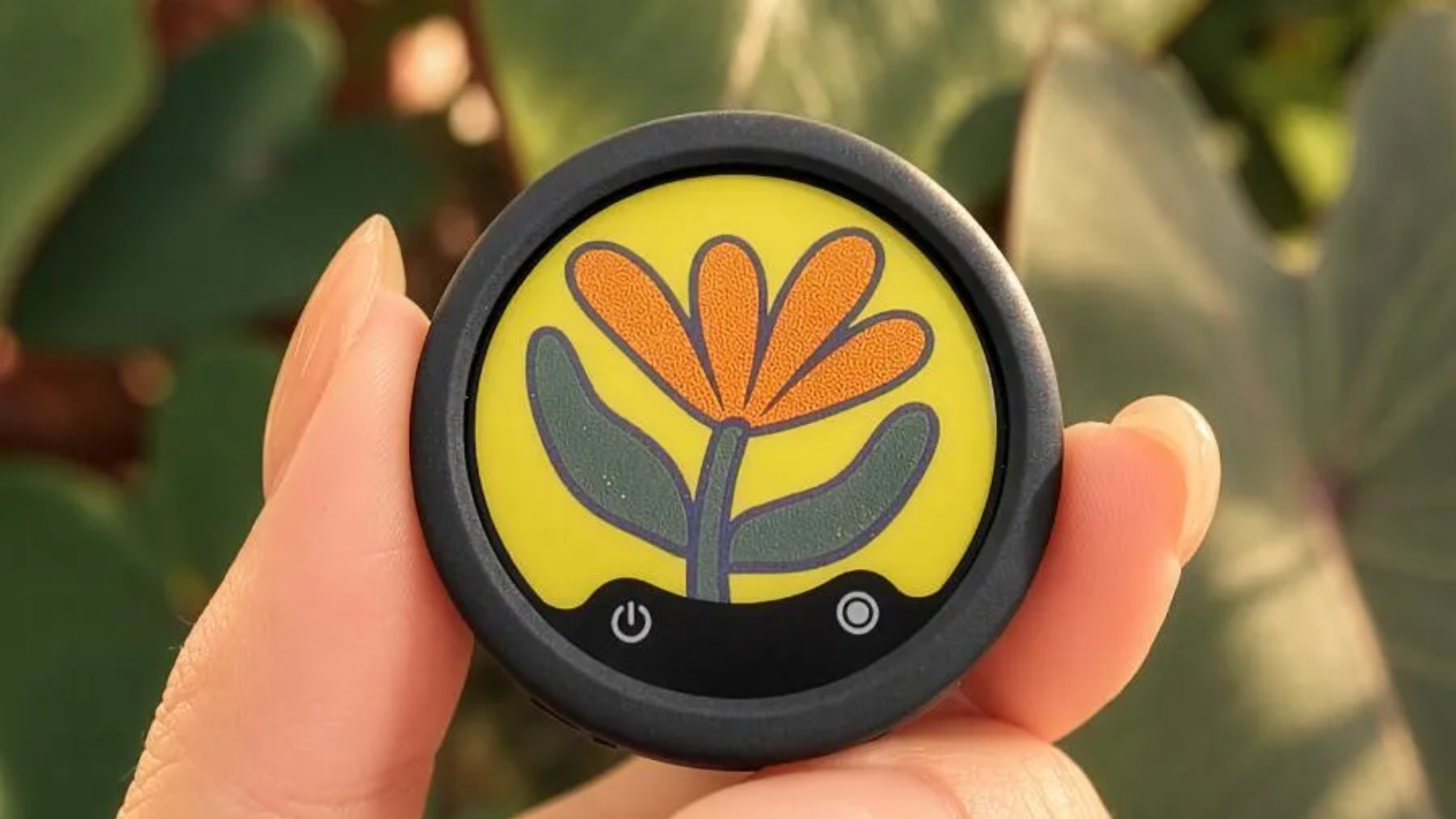
Content creators now have a lower-cost alternative to Insta360’s premium Mic Pro without losing many of its most distinctive features. The new Insta360 Mic costs $249.99 for a two-transmitter kit and keeps the customizable six-color E Ink displays found on the more expensive model. Each transmitter offers AI-powered noise cancellation, automatic gain control, and up to 13 hours of battery life, or 34 hours with the charging case. The tradeoff is a single omnidirectional microphone instead of the Mic Pro’s triple-mic array, although the transmitters are slightly lighter and support removable microSD cards for backup recording. Individual transmitters cost $79.99, making the system a more approachable option for podcasters, vloggers, and mobile creators.

Meta Creates a New Share Class to Finance Its AI Expansion

Billions in AI spending are pushing Meta to introduce a new class of non-voting shares designed to give the company more financing flexibility. The stock will help support artificial intelligence initiatives, potential acquisitions, and employee compensation, with trading expected to begin in 2027. Meta now expects capital expenditures of between $135 billion and $145 billion this year as it builds data centers, recruits AI talent, and develops new models and products. Recent launches include the Muse AI agent, which reached 10 million U.S. downloads shortly after its debut, along with the company’s newer Muse Wonder model. The move underscores how expensive the AI race has become as major technology companies invest heavily in infrastructure and software at the same time.

Bose Acquires Skullcandy to Reach a Broader Audience

A major deal in consumer audio is bringing Bose and Skullcandy under the same corporate umbrella. Bose says Skullcandy will remain a separate brand based in Park City, Utah, while joining its premium consumer audio business. The two companies had already worked together to bring Bose technologies such as spatial audio and active noise cancellation to select Skullcandy headphones and earbuds. Bose expects the acquisition to help its audio technology reach younger, more lifestyle-focused customers who may not traditionally buy its higher-end products. The purchase also continues Bose’s expansion strategy following earlier acquisitions in premium audio, engineering, and gaming sound technology.

Spotify Launches Its First Fully Native In-Car App
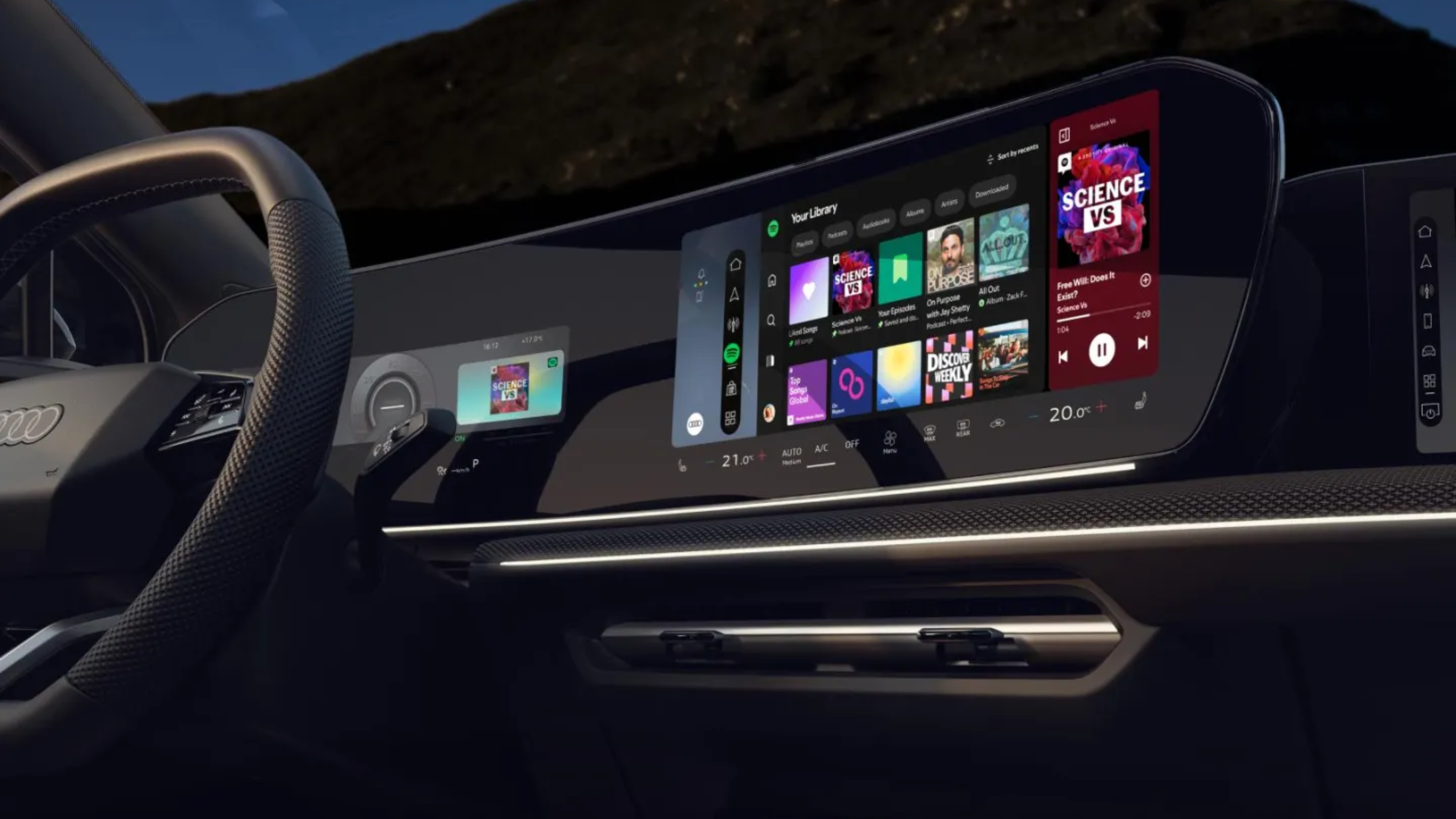
Listening on the road no longer requires a connected phone in select Audi vehicles thanks to Spotify’s new native automotive app. Built directly on Google’s Android Automotive operating system, the software runs through the car’s infotainment hardware instead of relying on CarPlay, Android Auto, Bluetooth, or an auxiliary cable. The initial rollout includes models such as the Audi A6 e-tron, Q6 e-tron, A5, Q5, and A6, with Spotify controlling the interface rather than using Google’s standard templates. Passengers can join Spotify Jam sessions by scanning a QR code, while supported secondary displays can show lyrics, browsing tools, and video content without distracting the driver. Spotify says it remains committed to CarPlay and Android Auto, but the new app gives the company greater control over the listening experience inside connected vehicles.

From the iPhone Duo to Suno Music and More! | Tech News

Dive into the week’s top headlines from across the web. We’re wrapping up the major stories you may have missed, from the iPhone Duo debut to Suno music’s record industry mash-up and more. Check out what’s happening in the world of technology and media in this week’s blog!

Apple Finally Enters the Foldable Phone Race

It’s official! Apple has unveiled the iPhone Duo. The iPhone Duo serves as its first foldable smartphone and one of the company’s biggest hardware changes in years. The $1,999 device features a 5.4-inch outer display that opens into a 7.6-inch screen. Likewise, this feature of the iPhone Duo gives users a larger workspace while remaining compact enough to carry like a traditional phone. Both displays on the iPhone Duo support ProMotion, always-on functionality, and up to 3,000 nits of brightness. Additionally, the iPhone Duo runs on Apple’s new A20 Pro chip. Foldable-specific software features include two-app multitasking and FaceTime support across both screens. The iPhone Duo also comes with the ability to use the outer display as a preview when taking photos with the rear cameras. Preorders begin October 16, with the iPhone Duo arriving in stores on October 23.

Snapchat Makes Group Plans Easier to Organize

Snapchat is adding a new suite of features called Plans that lets users organize real-world meetups without leaving the app. Friends can create events for everything from birthday celebrations and weekend outings to study sessions, then invite as many as 200 people. Dynamic Bitmoji invitations update as guests respond, while the app tracks RSVPs and automatically sends reminders before an event begins. A new My Plans section on user profiles also keeps upcoming and past gatherings organized in one place. The feature gives Snapchat another way to encourage people to use the platform for everyday coordination rather than relying solely on group messaging.

Suno Launches an AI Music Model Built With Record Industry Support

AI music company Suno is releasing v6, its first model trained with licensed material from major music industry partners. The company says the new training data includes content from Warner Music Group, BMG, Believe, and user-generated material, marking a notable shift from the legal uncertainty that has surrounded previous AI music systems. V6 comes in three versions, including a free, lightweight Mini model and a more experimental Wild option designed to introduce unexpected creative variations. Suno says the new generation is significantly better at understanding musical genres and producing songs that more accurately reflect a user’s prompt. The release signals a potential new direction for generative music as technology companies and rights holders experiment with more formal licensing arrangements.

Google Search Gets More Useful During Live NFL Games

Football fans can now follow games more closely without leaving Google Search thanks to a new Live Game Feed. Searching for an NFL matchup on mobile brings up play-by-play updates, video highlights, social commentary, game recaps, and AI-powered insights under a prominent Live button. Google is also adding a carousel for quickly checking scores from other games in progress, along with more detailed player statistics such as passing touchdowns, sacks, fumbles, and rushing yards. Fantasy players can connect Yahoo Fantasy or Sleeper accounts to receive personalized AI-generated lineup insights directly within Search. College football support and additional languages are expected to follow later this month.

Prime Video Uses AI to Make Dubbing Look More Natural

Amazon is introducing an AI-powered lip-syncing feature designed to make dubbed television shows and movies feel more convincing. The technology combines artificial intelligence with visual effects to adjust an actor’s mouth movements so they better match translated dialogue recorded by human voice performers. The feature is launching first with the English-language dub of the German series Maxton Hall, covering its first two seasons and the upcoming third season. Amazon says it plans to expand the technology to additional titles after the initial rollout. The experiment reflects a broader streaming industry push to use AI behind the scenes while still keeping human performers involved in translated voice work.

EcoFlow Shrinks Its Portable Power Stations Even Further

EcoFlow’s fourth-generation River power stations are packing more battery capacity into significantly smaller and lighter designs. The River 260 Gen4 carries a 256Wh battery, while the River 520 Gen4 doubles that to 512Wh and can reportedly keep a standard U.S. refrigerator running for roughly four hours during an outage. Both models use longer-lasting LFP battery chemistry, include high-speed USB-C charging, and can function as an emergency power supply for computers. Their unusually high energy density makes them especially appealing for camping, photography, mobile work setups, and other situations where portability matters. Pricing has not yet been announced, with the River 260 Gen4 expected to begin rolling out in late 2026 and the River 520 Gen4 following in early 2027.

Sony Brings Back Its Popular XM4 Headphones

Six years after the original WH-1000XM4 became a favorite among wireless headphone buyers, Sony is reviving the design as the WH-1000XM4C. The updated model keeps the same compact folding design, QN1 processor, and four-microphone noise cancellation system while adding Bluetooth 6, a larger 10-band equalizer, and a gaming audio preset. Sony has also adjusted the sound profile to better match its newer headphones and introduced a lavender color alongside black and white. Battery life is rated at up to 27 hours with active noise cancellation, slightly below the 30 hours offered by the original XM4. The WH-1000XM4C will arrive later this fall for $300, positioning it below Sony’s newer flagship XM6 while reviving one of the company’s most recognizable headphone designs.