The Best Mid-Summer Garden Plants for Your Home | Home Tips

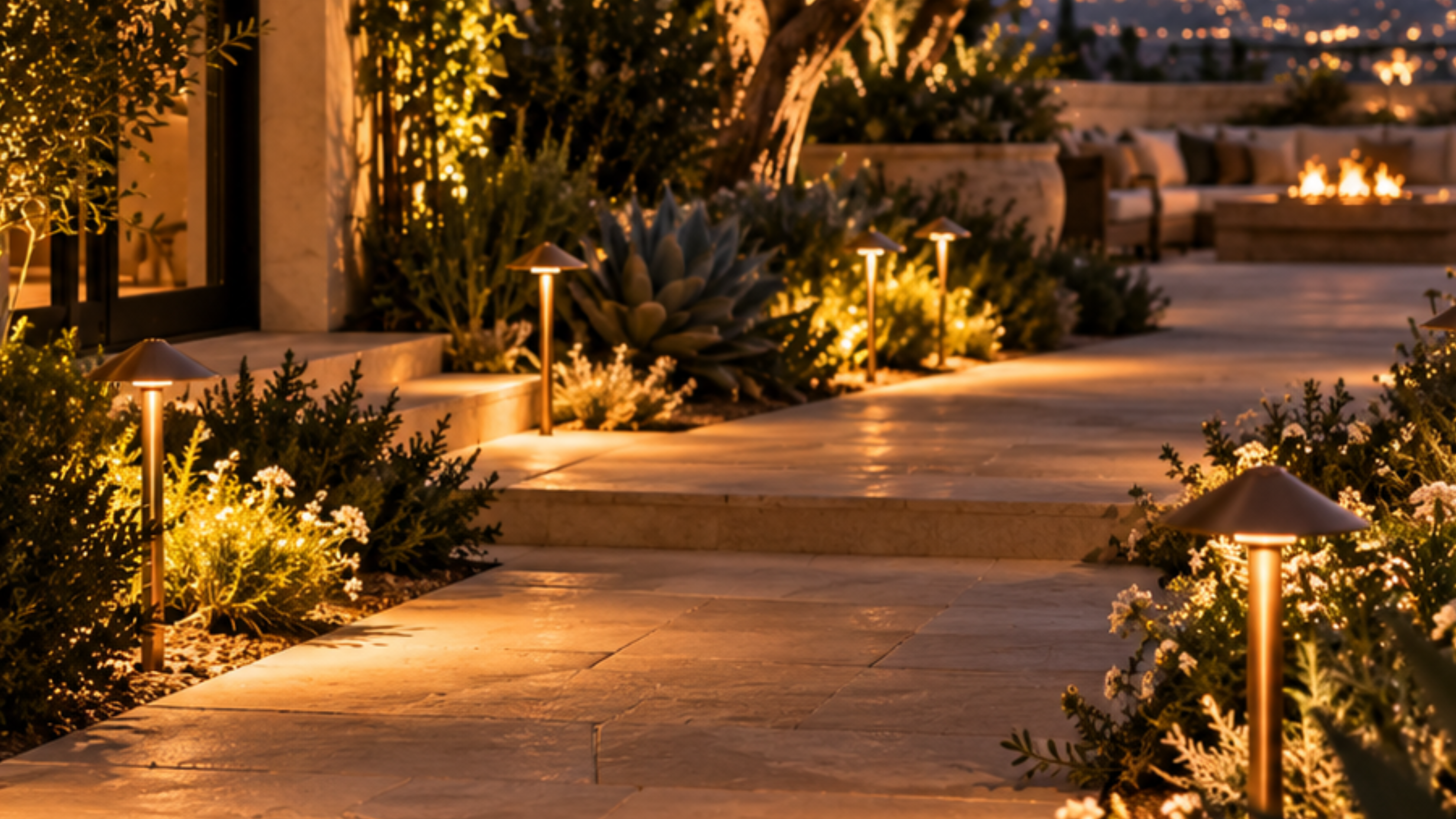
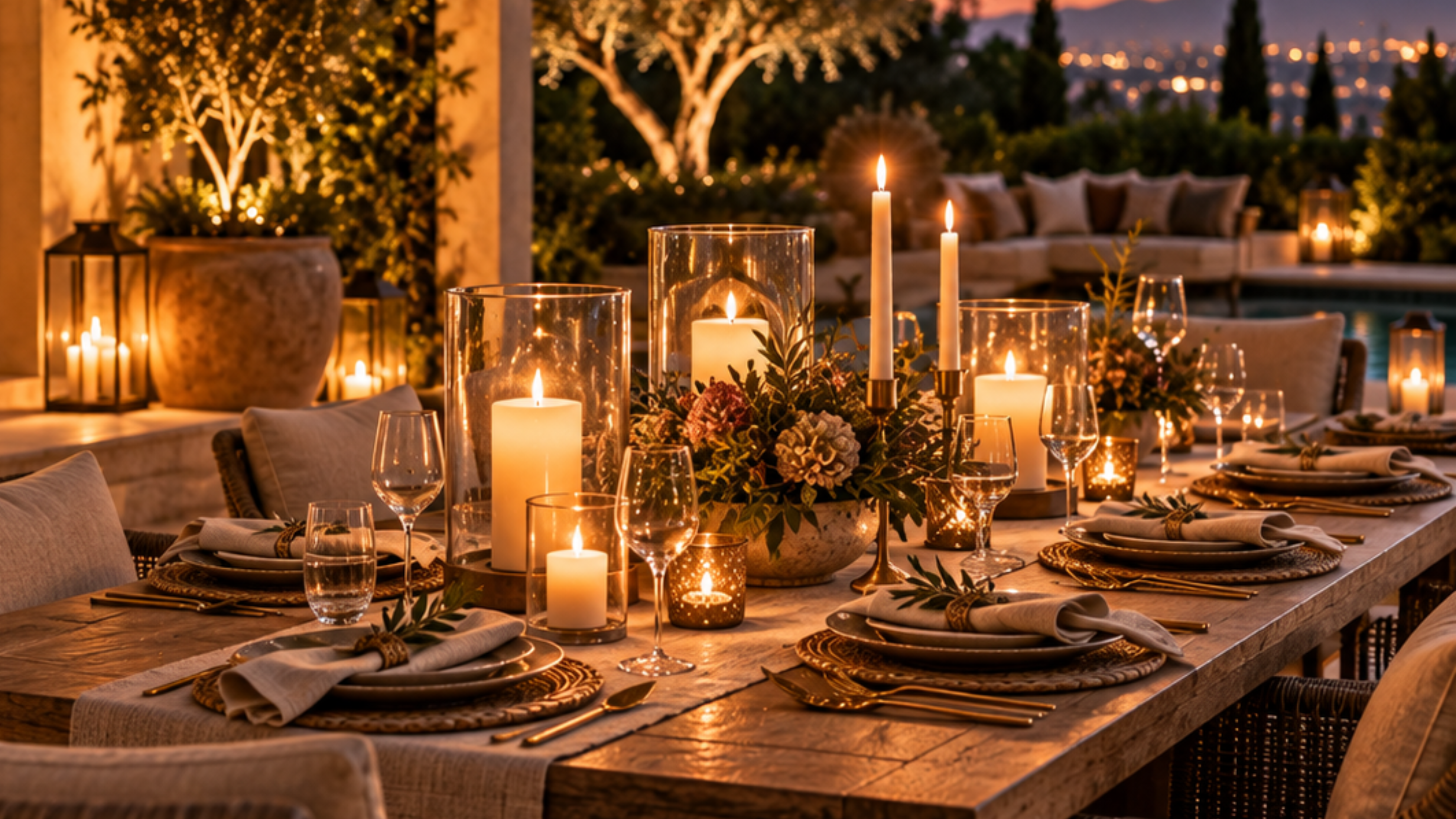
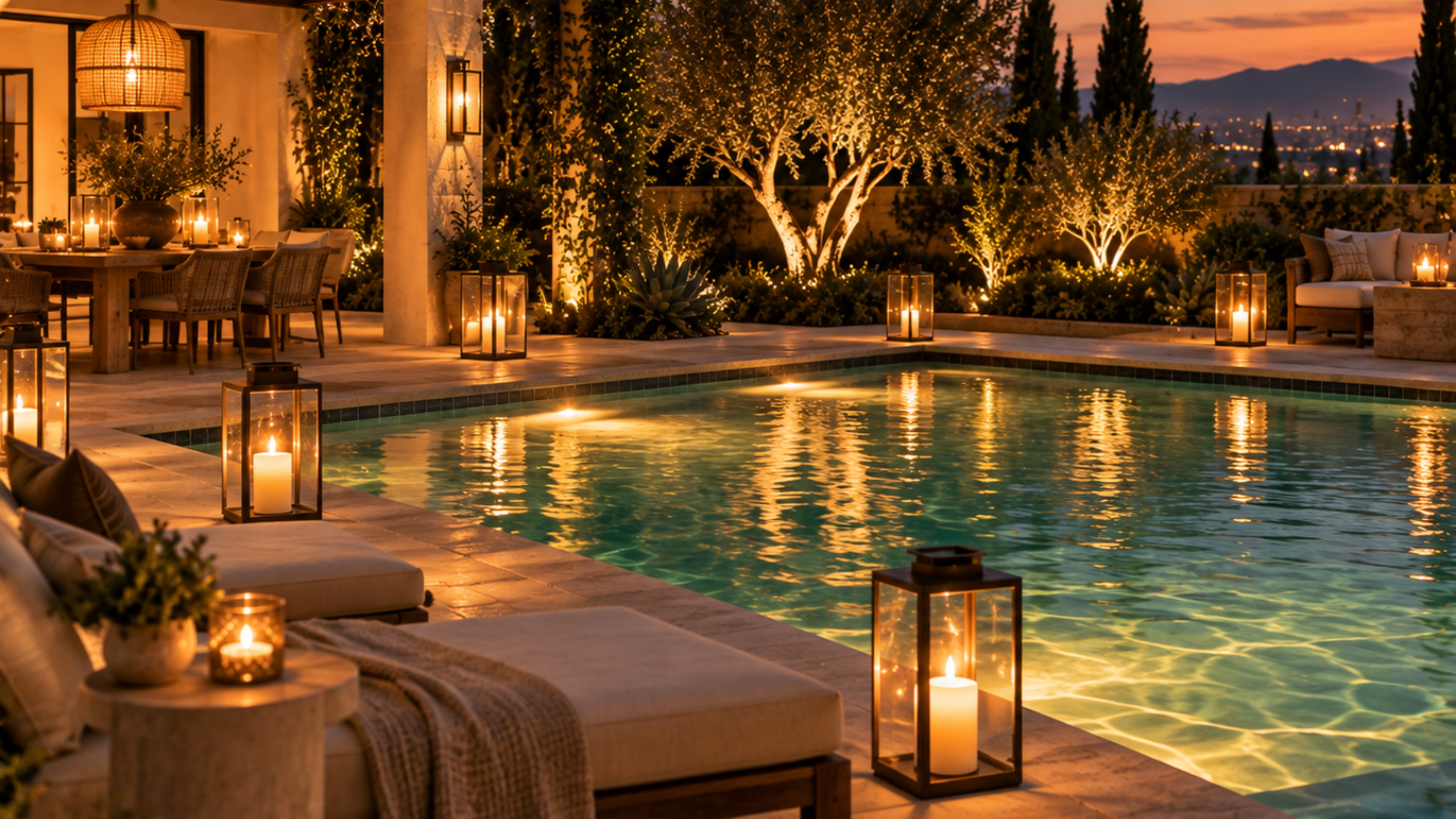
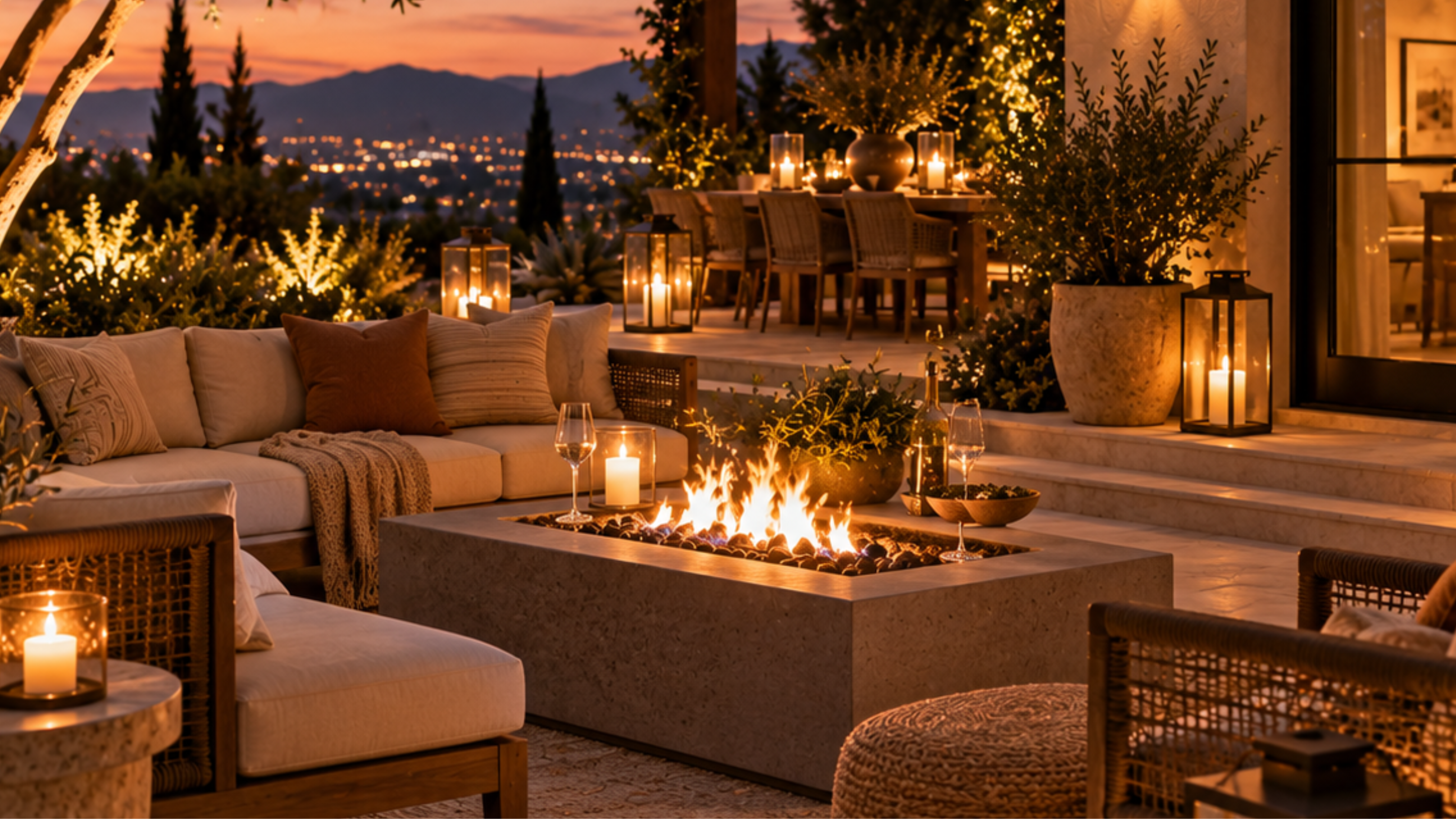
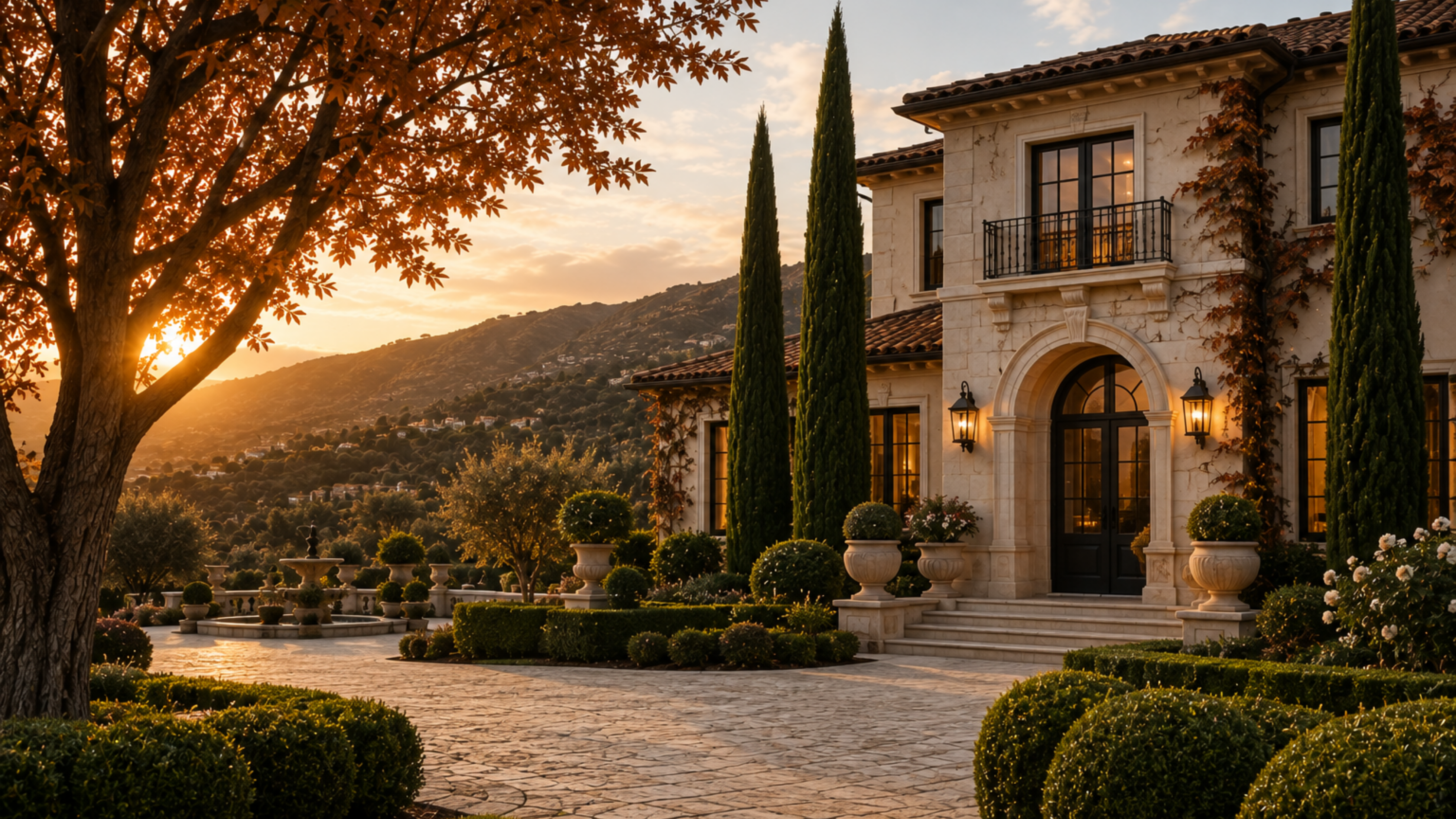
By the last week of July, Southern California gardens are fully settled into summer. The days are long, the sun is strong, and outdoor spaces need plants that can handle heat while still looking fresh, colorful, and refined. For homeowners who want their garden to feel lush without constant upkeep, choosing the right mid-summer garden plants makes all the difference.

The best plants for this time of year are those that can tolerate warm temperatures, conserve water, and bring texture or color to your landscape. Whether you have a sprawling backyard, a hillside property, or a polished patio garden, these summer-ready selections can help your outdoor space stay beautiful through the hottest part of the season.

Lavender

Lavender is a Southern California classic for good reason. It thrives in full sun, prefers well-drained soil, and brings a soft, romantic quality to garden beds, walkways, and borders. Its silvery-green foliage and purple blooms add color without feeling overly bright, making it ideal for homeowners who prefer a more understated landscape.

Lavender is also wonderfully practical. It is drought-tolerant once established and brings a calming fragrance to outdoor seating areas. For a luxury garden, plant it along pathways or near patios where guests can enjoy its scent as they pass by.

Salvia

Salvia is one of the most reliable mid-summer garden plants for Southern California. It comes in a range of colors, including purple, blue, red, and pink, and attracts pollinators such as hummingbirds and butterflies.

This plant works beautifully in garden beds that need height, movement, and seasonal interest. Salvia is also low-maintenance and heat-tolerant, making it a smart choice for homeowners who want a landscape that feels lively without requiring constant attention.

Bougainvillea

For bold color, few plants can compete with bougainvillea. Its vibrant blooms make a striking statement against stucco walls, garden gates, pergolas, and hillside terraces. In Los Angeles and throughout Southern California, bougainvillea is especially appealing because it loves heat and thrives in full sun.

To keep the look polished, consider training bougainvillea along a trellis or using it to frame an outdoor living area. Its dramatic color can feel both Mediterranean and distinctly Southern California.

Agave

Agave is perfect for homeowners who want structure and sculptural beauty in the garden. Its architectural shape adds a modern, high-end look to outdoor spaces, especially when paired with gravel, stone, or decomposed granite.

Because agave requires very little water once established, it is one of the most practical mid-summer garden plants for drought-conscious landscaping. Use it as a focal point in planters, along entryways, or in minimalist garden beds.

Rosemary

Rosemary is both beautiful and useful, making it a favorite for Southern California gardens. It handles heat well, requires minimal watering, and can be shaped into hedges, borders, or informal shrubs.

Its soft blue flowers and fragrant leaves make it especially appealing near outdoor kitchens or dining areas. For homeowners who love to entertain, rosemary adds a subtle culinary touch to the landscape.

Lantana

Lantana brings cheerful color to the garden through the heat of summer. Its clusters of small blooms come in shades of yellow, orange, pink, and purple, offering a relaxed yet vibrant look.

This plant is especially useful for slopes, borders, and sunny garden beds. It is heat-tolerant, drought-resistant, and attractive to butterflies, making it a beautiful choice for a garden that feels alive and seasonal.

Creating a Heat-Ready Summer Garden

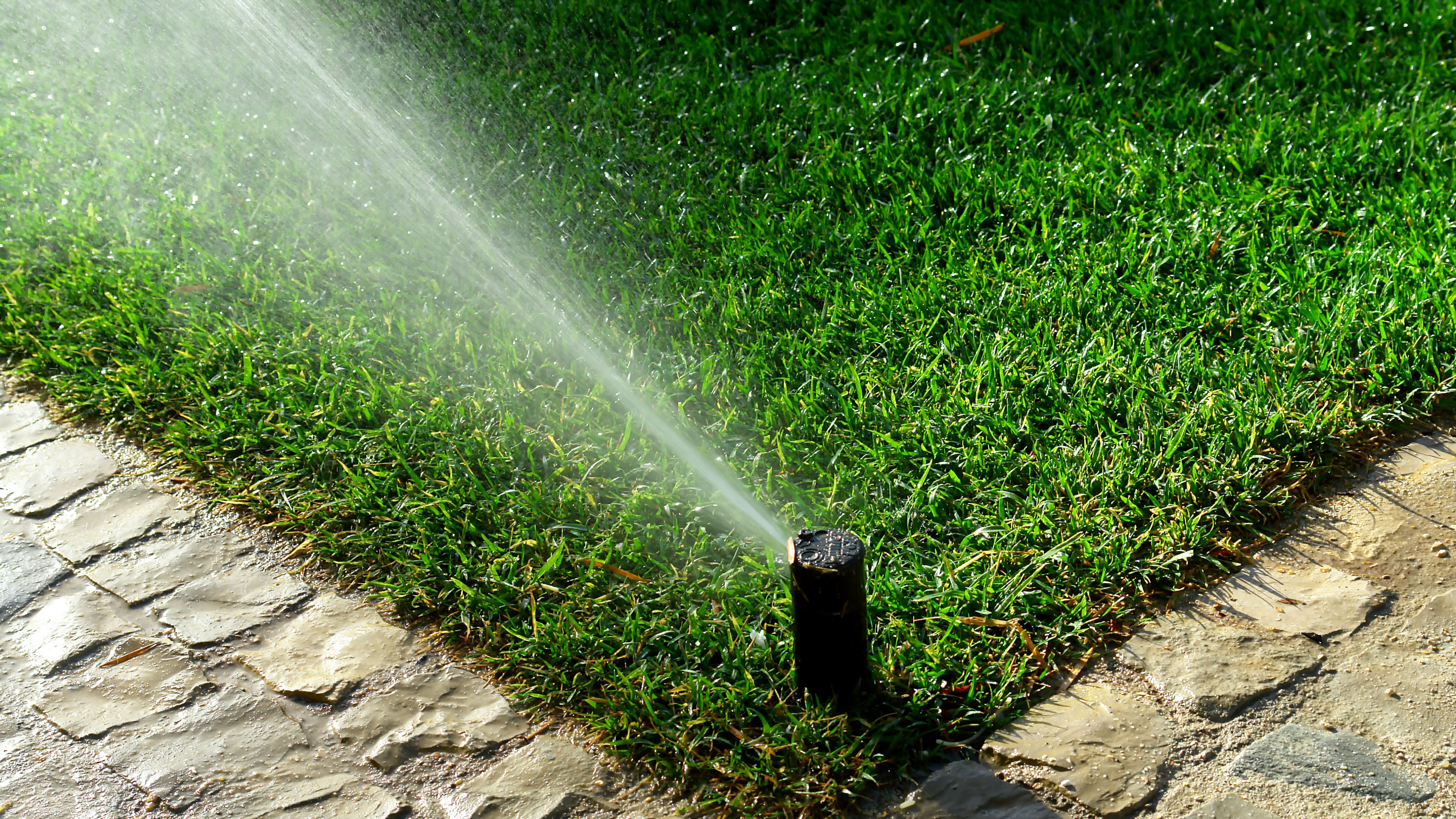
When selecting mid-summer garden plants, focus on varieties that can thrive in Southern California’s dry summer climate. Pair flowering plants with sculptural greenery, use mulch to help retain soil moisture, and consider drip irrigation for more efficient watering.

A well-designed summer garden does not need to feel overly manicured or high-maintenance. With plants like lavender, salvia, bougainvillea, agave, rosemary, and lantana, your outdoor space can remain colorful, elegant, and resilient through the final stretch of July and well into the season ahead.

The Million-Dollar Backyard: Why The LA Elite Are Obsessed with Luxury ADUs

The surging demand for LA luxury homes with ADUs isn’t merely a trend driven by a desire for extra square footage. Instead, it represents a fundamental pivot in how high-net-worth homeowners view privacy, spatial flexibility, and long-term asset preservation. Across neighborhoods like Beverly Hills, Brentwood, Bel Air, Hidden Hills, and the Pacific Palisades, these secondary residences have evolved far beyond their modest origins. They are no longer viewed as secondary structures; they are considered essential components of a modern luxury compound.

LA luxury homes with ADUs

In the upper echelons of the Los Angeles real estate market, the definition of a dream home is constantly shifting. A decade ago, securing a premier property meant chasing specific, predictable grand features: infinity-edge pools that blended into the Malibu coastline, subterranean garages built to showcase automobile collections, and sprawling indoor wellness centers. While those ultra-luxury amenities certainly haven’t lost their luster, a new structural feature has quietly climbed to the absolute top of elite wish lists. Today, the ultimate marker of a sophisticated estate is the architecturally significant, detached accessory dwelling unit (ADU).

These are a far cry from the utilitarian backyard cottages or converted garages that dominated early ADU conversations. Today’s high-end accessory dwelling units are custom-designed architectural showpieces. They feature soaring ceilings, floor-to-ceiling Fleetwood pocket doors, custom Italian cabinetry, and smart-home automation systems that mirror the primary mansion. In many instances, they rival boutique luxury hotel villas in both design execution and sheer functionality. As the priorities of affluent buyers continue to shift toward self-contained flexibility, the luxury ADU has cemented its place as one of the smartest additions an estate can feature.

From Guest House to High-Yield Luxury Asset

The core concept of detached guest quarters is woven into the history of Southern California’s historic estates. Classic properties from the Golden Age of Hollywood frequently featured detached quarters for caretakers, staff, or visiting dignitaries. However, what has changed dramatically in the current market is the sheer sophistication and intent behind these builds.
Modern buyers aren’t just looking for a place to put an occasional out-of-town guest; they want highly dynamic spaces that can seamlessly serve multiple distinct purposes over the lifespan of the property. A luxury ADU offers precisely that level of agility.

LA luxury homes with ADUs

In any given year, a single structure might shift through several identities. It may begin its life as a secure, high-tech executive office for a venture capitalist or entertainment executive. A few years later, it might transform into an ultra-private wellness pavilion, an independent residence for aging parents, or a sophisticated landing pad for adult children returning home after university. For creative professionals, it serves as an art studio, recording space, or screening room that feels completely removed from the daily rhythm and noise of the main household. This unmatched adaptability explains why the market for LA luxury homes with ADUs is seeing unprecedented competition among buyers who refuse to outgrow their properties.

Why Flexibility Is the New Luxury Currency

For generations, high-end real estate evaluation relied on static metrics: total square footage, the number of bedrooms, and the opulence of the finishes. Today’s affluent buyers are introducing a new metric into the equation: optionality. The ability to pivot a property’s footprint to meet unexpected lifestyle changes has become an incredibly powerful selling point.

Multi-generational living, once viewed through a purely practical lens, has re-emerged as a major lifestyle preference among ultra-high-net-worth families. Wealthy buyers are looking for elegant ways to keep their families close while maintaining completely non-negotiable boundaries of personal privacy.

A detached secondary residence solves this delicate equation beautifully. It allows parents to remain close to adult children or grandchildren without feeling like they are imposing on daily routines. Aging family members can enjoy complete autonomy, complete with their own private entrances and outdoor living spaces, while remaining just a short stroll away from the primary residence. Long-term visitors can stay for weeks or months at a time, entirely self-sufficient, preserving the natural flow of the main home.

Architectural Fluidity and Design Statements for LA luxury homes with ADUs

Perhaps the most outdated misconception about accessory dwelling units is that they are inherently secondary in visual appeal. In the luxury sector, that assumption has been entirely dismantled. Many of Los Angeles’ most visually striking new estates feature accessory units that are designed with the exact same architectural rigor as the main house. In fact, top-tier architects frequently use the ADU as an opportunity to introduce a compelling visual counterpoint to the estate’s main structure.

LA luxury homes with ADUsListing information: 22924 Erwin Street, Woodland Hills

For instance, a contemporary estate in the Hollywood Hills might feature a minimalist, glass-walled pavilion tucked into a hillside garden, offering sweeping views of the city basin while remaining hidden from the main house. Conversely, traditional estates in Brentwood or Pasadena often incorporate detached residences that mirror the classic architecture of the main home, utilizing matching slate roofs, custom brickwork, and identical trim details.

Rather than viewing the ADU as a boxy add-on, designers are treating these structures as integral elements of a property’s landscape design. The result is a seamless extension of the estate’s design language, where indoor-outdoor transitions are maximized via zero-edge dipping pools, private fire pits, and dedicated covered loggias built specifically for the accessory unit.

The Remote Executive and the Dedicated Workspace

The massive shift in how the global workforce operates has permanently altered the relationship between high-earning professionals and their homes. For corporate executives, fund managers, tech founders, and creative directors, the need for a highly functional, secure, and quiet workspace remains a permanent requirement. However, many homeowners quickly discovered that carving out an office inside the main house rarely provides true professional separation.

LA luxury homes with ADUs

A custom-built, detached ADU solves this modern dilemma with absolute precision. It allows a professional to start their workday with a brief walk across a beautifully landscaped courtyard or lawn, establishing a clear psychological and physical boundary between personal life and professional obligations.

These workspaces are frequently outfitted with commercial-grade Wi-Fi networks, dedicated server closets, soundproofing for confidential video calls, and private conference areas designed to welcome clients without introducing them into the main family home. This incredibly practical lifestyle advantage is a massive catalyst for the sustained interest in luxury homes with ADUs for sale in Los Angeles, which real estate agents are currently marketing.

Preserving the Structural Integrity of the Main Estate

One of the most overlooked benefits of acquiring a property with a pre-existing, detached ADU is that it expands the home’s overall utility without forcing a compromise on the architectural footprint of the main mansion.

Historically, when an affluent family required more space, their primary options were to embark on massive, invasive home additions or to look for a completely new property. Home additions are notoriously complex, often requiring homeowners to vacate the premises for months while risking the disruption of the original home’s architectural flow and balance.

LA luxury homes with ADUsListing Details: 5241 Twin Oaks, Hidden Hills

A beautifully executed ADU completely sidesteps this headache. Because it stands entirely separate from the main house, it adds immense square footage and functional capability while leaving the primary residence completely untouched. The main house maintains its original layout, light exposure, and structural integrity, while the broader property gains a massive boost in versatility. For buyers who possess a deep appreciation for architectural purism, this distinction is incredibly valuable.

Appraised Value and Financial Resilience

Sophisticated real estate investors recognize that a primary residence should always double as a highly resilient financial asset. Data from the Federal Housing Finance Agency (FHFA.gov) and local market reports consistently indicate that properties featuring legal, high-quality accessory units command a distinct premium in competitive markets.

While no singular feature can entirely insulate a property from macro-economic shifts, the sheer versatility of an ADU makes a luxury estate far more attractive to a wider pool of prospective buyers down the road. If market conditions shift, an estate that offers independent living spaces, private workspace options, and potential rental streams stands out significantly against traditional single-family homes. When evaluating LA luxury homes with ADUs, buyers recognize that they are purchasing built-in market resilience wrapped in a high-end package.

What Savvy Buyers Must Look For in LA luxury homes with ADUs

LA luxury homes with ADUsListing information: 5064 Encino Avenue, Encino

Not all accessory structures are built equally, and a poorly executed unit can actually detract from an estate’s overall marketability. When navigating the market for LA luxury homes with ADUs, discerning buyers must evaluate several critical technical and aesthetic markers:

  • Architectural Synergy: The secondary structure must not look like an afterthought. The materials, color palettes, and structural proportions should feel like an intentional continuation of the primary residence’s design narrative.
  • True Visual Privacy: A well-designed compound utilizes clever landscaping, strategic window placement, and distinct circulation pathways to ensure that occupants of both the main house and the ADU can enjoy their spaces without looking directly into each other’s living areas.
  • Independent Infrastructure: The finest luxury ADUs feature completely separate utility sub-meters, independent HVAC systems, and dedicated smart-home hubs. This ensures that a mechanical issue or internet outage in one structure does not impact the other.
  • Zoning and Permitting Compliance: Given California’s strict building codes, verifying that the ADU was constructed with full municipal permits and holds a valid Certificate of Occupancy is an absolute necessity during due diligence.

LA Luxury Homes with ADUs are the Future Blueprint of Elite Living

Ultimately, top-tier real estate is about creating an environment that elevates the daily human experience. The ongoing obsession with high-end ADUs among Los Angeles’ elite isn’t a passing real estate fad. It is a logical response to a modern world that demands greater privacy, better work-life boundaries, and homes that can seamlessly adapt to changing family dynamics.

By offering a perfect marriage of architectural elegance and immense day-to-day practicality, these properties represent the true future of estate design. The million-dollar backyard has officially arrived, and for the modern luxury buyer, it is an absolute necessity.

Frequently Asked Questions

What legal criteria define an ADU in Los Angeles?

An Accessory Dwelling Unit (ADU) is a secondary residential structure located on the same parcel of land as a primary single-family or multi-family home. To be classified as a legal ADU, the structure must feature entirely independent living facilities. In addition, it must include its own permanent provisions for sleeping, eating, cooking, and sanitation.

Do luxury properties with ADUs command a higher resale price?

Yes. While exact valuations depend on location and finishes, LA luxury homes with ADUs consistently command premium pricing. Appraisers and buyers value the independent square footage and the flexibility of use. Additionally, the substantial cost and time savings of avoiding the modern permitting and construction process in LA.

What are the most popular uses for a high-end ADU?

While traditionally used as a guest house, elite buyers frequently utilize these high-end spaces for so much more. Consider detached executive offices, private fitness and yoga sanctuaries, professional recording or art studios. Likewise, there is also the potential for independent multi-generational family suites, or dedicated housing for private security and estate staff.

Enjoying the 2026 Hollywood Bowl Summer Season | Out & About

Living in Los Angeles comes with unparalleled perks, and nothing captures the magic of the Southern California lifestyle quite like a warm summer night under the stars at the iconic Hollywood Bowl. Whether you are a lifelong LA resident or a potential homebuyer exploring our vibrant local neighborhoods, packing a picnic and catching a live concert here is a quintessential SoCal experience.

Running from June through September, the 2026 Hollywood Bowl summer season marks the 104th season for the Los Angeles Philharmonic, promising an unforgettable lineup of music, culture, and community gathering.

A Historic Summer at the Bowl

This year’s programming is particularly monumental. The 2026 Hollywood Bowl season celebrates the highly anticipated final season of Gustavo Dudamel as the LA Phil’s Music & Artistic Director. Bidding farewell to such a transformative local legend makes attending this summer an absolute must.

Additionally, concertgoers will be treated to the newly dedicated John Williams Stage, honoring the legendary film composer whose music has become synonymous with the Bowl. To elevate the experience even further, the venue has debuted a brand-new, state-of-the-art sound system by L-Acoustics. Whether you are seated in the coveted front garden boxes or enjoying the panoramic views from the scenic top benches, the audio quality will be pristine.

2026 Hollywood Bowl Concert Highlights You Can’t Miss

This historic lineup features an eclectic mix of classical, jazz, hip-hop, and pop, ensuring there is a perfect night out for every musical taste. Here are a few key summer highlights for the 2026 Hollywood Bowl season to add to your calendar:

  • Opening Night (June 20): Kick off the season with “The Best of Broadway,” featuring vocal powerhouses Halle Bailey, Darren Criss, Lea Salonga, and Renée Elise Goldsberry.
  • A Great Night in Hip-Hop (June 27): Curated by The Roots, this high-energy night brings Nas, Bun B, T.I., and De La Soul to the stage.
  • July 4th Fireworks Spectacular (July 2–4): Celebrate Independence Day with the legendary sounds of The Beach Boys paired with a dazzling fireworks display.

  • Smokey Robinson & Gladys Knight (July 24–25): Two music icons share the stage for the unmissable “Just the Two of Us” event.
  • Celebrating Dudamel (August): A landmark week of performances highlighted by Gustavo Dudamel conducting a brilliant collaborative set with rock legends, the Foo Fighters.
  • Smooth Summer Jazz (August 30): Groove the night away with world-class performances by The Commodores, Boney James, and Sheila E.

Upgraded Venue Experiences & Dining

Beyond the world-class entertainment, the Hollywood Bowl continues to elevate guest amenities. This season introduces the newly opened Terri and Jerry Kohl Artists Pavilion. Likewise, it serves as a beautiful space to host incredible talent. Additionally, the expanded Kohl Pavilion now operates as an on-site public restaurant. Features include an elevated dining option before the show.

If you are ready to secure your seats, general admission and single-show tickets for the entire summer are available directly at the Hollywood Bowl Box Office or through their official website.

Make the LA Lifestyle Your Everyday Reality

The Hollywood Bowl is just one of the many reasons why living in LA is an investment in a world-class lifestyle. Imagine owning a property just a short drive, or even a scenic walk, from these incredible cultural landmarks. Get ready to enjoy the ultimate 2026 Hollywood Bowl summer season!

The Revival of the Arts and Crafts Movement | Home Tips

In an era dominated by mass production, fast furniture, and ever-changing trends, many homeowners are finding themselves drawn to something more enduring. Across the design world, there is a renewed appreciation for craftsmanship, authenticity, and thoughtfully made spaces. At the heart of this shift is the revival of the Arts and Crafts Movement, a design philosophy that feels just as relevant today as it did more than a century ago.

Originally emerging in the late 19th century as a response to industrialization, the Arts and Crafts Movement celebrated quality over quantity, championing handcrafted objects, natural materials, and the beauty of skilled workmanship. While today’s homes may look different from those of the movement’s founders, many of its core principles are making a welcome return.

A Return to Craftsmanship

One of the defining characteristics of the Arts and Crafts Movement is its emphasis on craftsmanship. Rather than concealing how something is made, the movement highlights the maker’s hand and the materials themselves.

Today, homeowners are increasingly seeking pieces that tell a story. Handmade dining tables, artisan ceramics, custom millwork, and locally crafted furnishings are replacing disposable décor. These pieces often feature subtle imperfections that add character and warmth, creating interiors that feel personal rather than manufactured.

This appreciation for craftsmanship reflects a broader desire to invest in quality pieces that can be enjoyed for years rather than seasons.

Natural Materials Take Center Stage

The movement’s founders believed that homes should feel connected to nature, and that philosophy continues to resonate with modern designers.

Wood remains one of the most recognizable elements associated with the Arts and Crafts Movement, but today’s interpretations extend far beyond traditional oak furnishings. Rich walnut, white oak, natural stone, linen, wool, and handwoven textiles are all finding their way into contemporary interiors.

These materials bring texture and depth to a space while creating a sense of comfort that feels timeless. Rather than relying on high-gloss finishes or synthetic materials, many homeowners are embracing surfaces that age gracefully and develop character over time.

Thoughtful Design Over Excess

Another reason the Arts and Crafts Movement feels particularly relevant today is its focus on intentional design. Rather than filling a room with decorative objects, the movement emphasizes functionality, simplicity, and purpose.

This philosophy aligns naturally with modern preferences for curated spaces that feel comfortable rather than cluttered. Built-in shelving, handcrafted lighting, and furniture designed for everyday use all reflect the movement’s belief that beauty and practicality should coexist.

The result is a home that feels collected and lived-in rather than overly styled.

Warmth in a Modern World

For years, many interiors leaned heavily toward stark minimalism. While clean lines remain popular, homeowners are increasingly looking for ways to make their spaces feel warmer and more inviting.

The revival of the Arts and Crafts Movement offers a natural solution. Earth-inspired color palettes, textured fabrics, handcrafted accessories, and architectural details help create rooms that feel welcoming and grounded.

Even in contemporary homes, incorporating just a few Arts and Crafts-inspired elements can soften a space and add a sense of authenticity.

Why the Arts and Crafts Movement Endures

Trends come and go, but the enduring appeal of the Arts and Crafts Movement lies in its values. It celebrates craftsmanship, respects natural materials, and prioritizes thoughtful design over fleeting fashion.

As homeowners continue to seek meaningful ways to personalize their spaces, it is easy to see why this historic design movement is experiencing a modern revival. In a world that often moves quickly, the Arts and Crafts philosophy reminds us that beauty is often found in the details, especially those made with care.

Best Restaurants Near LA Music Venues | L.A Eats

Los Angeles knows how to make a night out feel cinematic. Between legendary concert halls, intimate jazz rooms, outdoor amphitheaters, and stadium-sized spectacles, the city’s music scene is as varied as its dining landscape. The good news? Some of the best restaurants near LA music venues are just steps or a short ride from the show.

Whether you’re planning a pre-concert dinner, a post-show cocktail, or a full evening built around food and music, these pairings hit the right note.

Laya | Blue Note LA

Location: 1430 North Cahuenga Boulevard, Los Angeles, California 90028

Before heading to Blue Note LA, make time for dinner at Laya, located just a short walk away. Chef Charbel Hayek’s Hollywood restaurant serves bright, elegant Mediterranean dishes like citrusy crudo, skewered chicken thighs, creamy hummus, and whole branzino. It’s polished enough for a special night out but close enough that you won’t risk missing the first set.

Sugarfish by Sushi Nozawa | Hollywood The Palladium 

Location: 6115 West Sunset Boulevard, STE 170, Los Angeles, California 90028

Sugarfish is a reliable pre-show choice before a night at the Palladium. The Hollywood location offers beautifully prepared sashimi, sushi, and hand rolls in a streamlined setting. When in doubt, order the Trust Me menu and let the kitchen handle the rest before crossing over to one of LA’s most historic venues.

Linden | The Hollywood Bowl 

Location: 5936 W. Sunset Boulevard, Los Angeles, CA, 90028, US

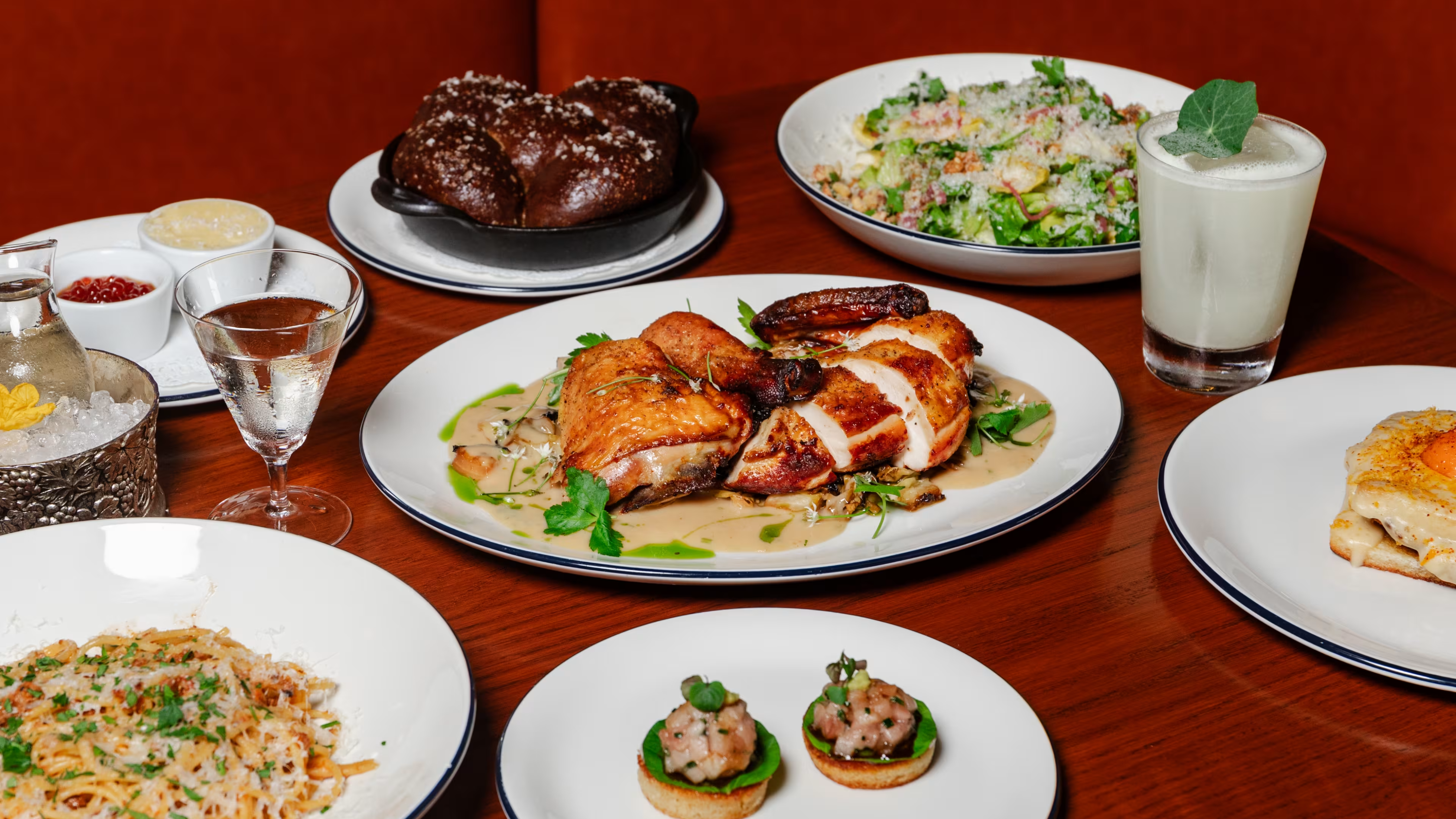
For a Hollywood Bowl evening, Linden makes a smart first stop. Chef Jonathan Harris’s Caribbean-influenced dining room offers dishes like prawns and polenta, smoked jerk duck, and bread service with schmaltzy cream cheese. Book an early reservation, enjoy a proper meal, then ride-share up to one of the city’s most beloved outdoor venues.

Kuya Lord | Hollywood Forever Cemetery 

Location: 5003 Melrose Avenue, Los Angeles, CA, 90038, US

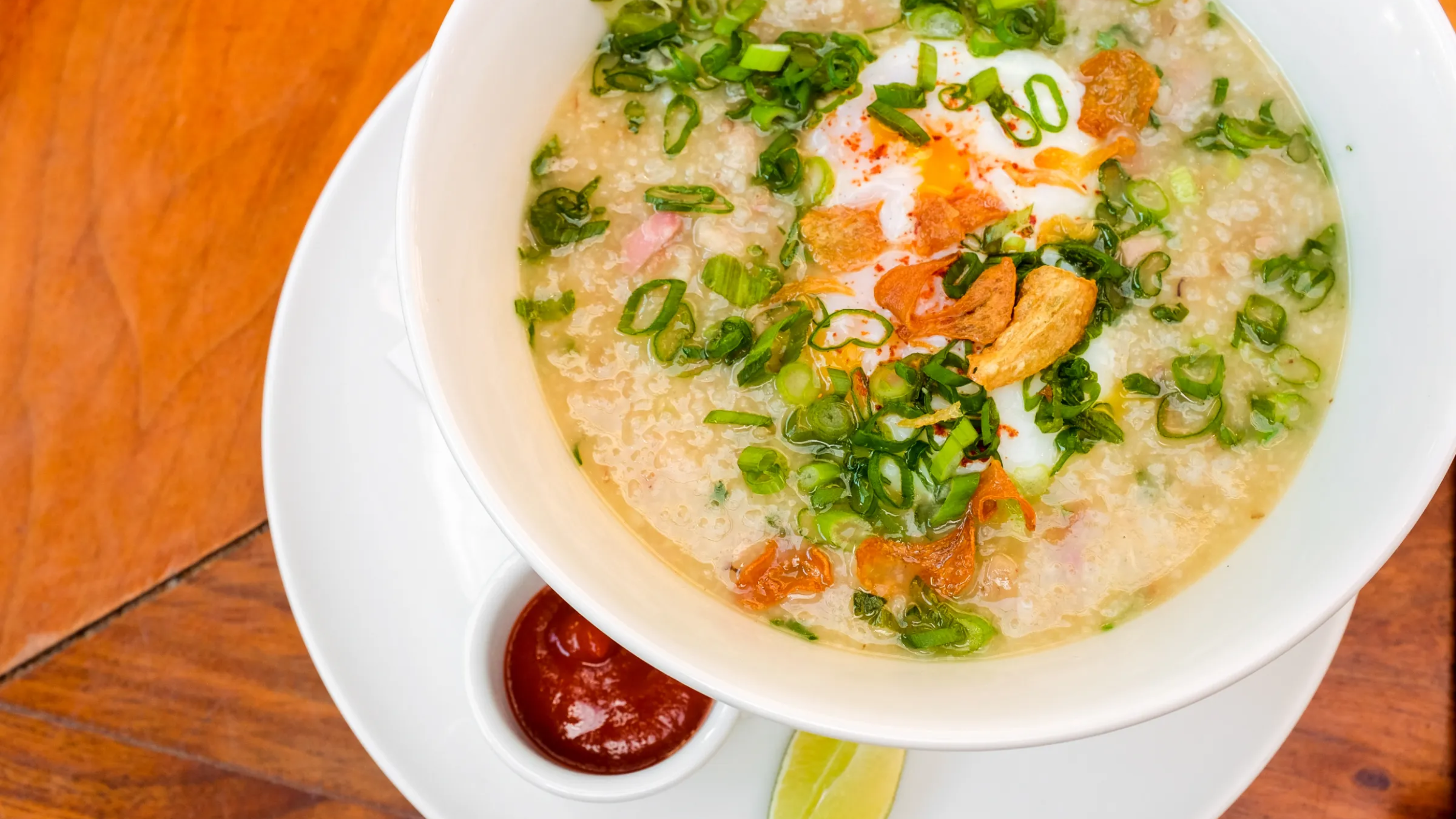
Kuya Lord is ideal for a Hollywood Forever concert or Cinespia picnic. Chef Maynard Llera’s Filipino restaurant offers transport-friendly trays filled with longganisa, short ribs, pancit chami, and slow-roasted pork belly. It’s flavorful, generous, and perfect for sharing under the stars.

Mírate | The Greek Theatre 

Location: 1712 N. Vermont Avenue, Los Angeles, CA, 90027, US

Mírate is a lively choice before or after a show at The Greek Theatre. The Los Feliz restaurant pairs award-winning cocktails from Max Reis with bold dishes like kanpachi aguachile negro, cochinita pibil, and roasted rainbow carrots with salsa macha. For concertgoers willing to walk or shuttle up Vermont, it’s one of the best restaurants near LA music venues.

Coucou West Hollywood | The Troubadour 

Location: 9045 Santa Monica Boulevard, West Hollywood, California 90069

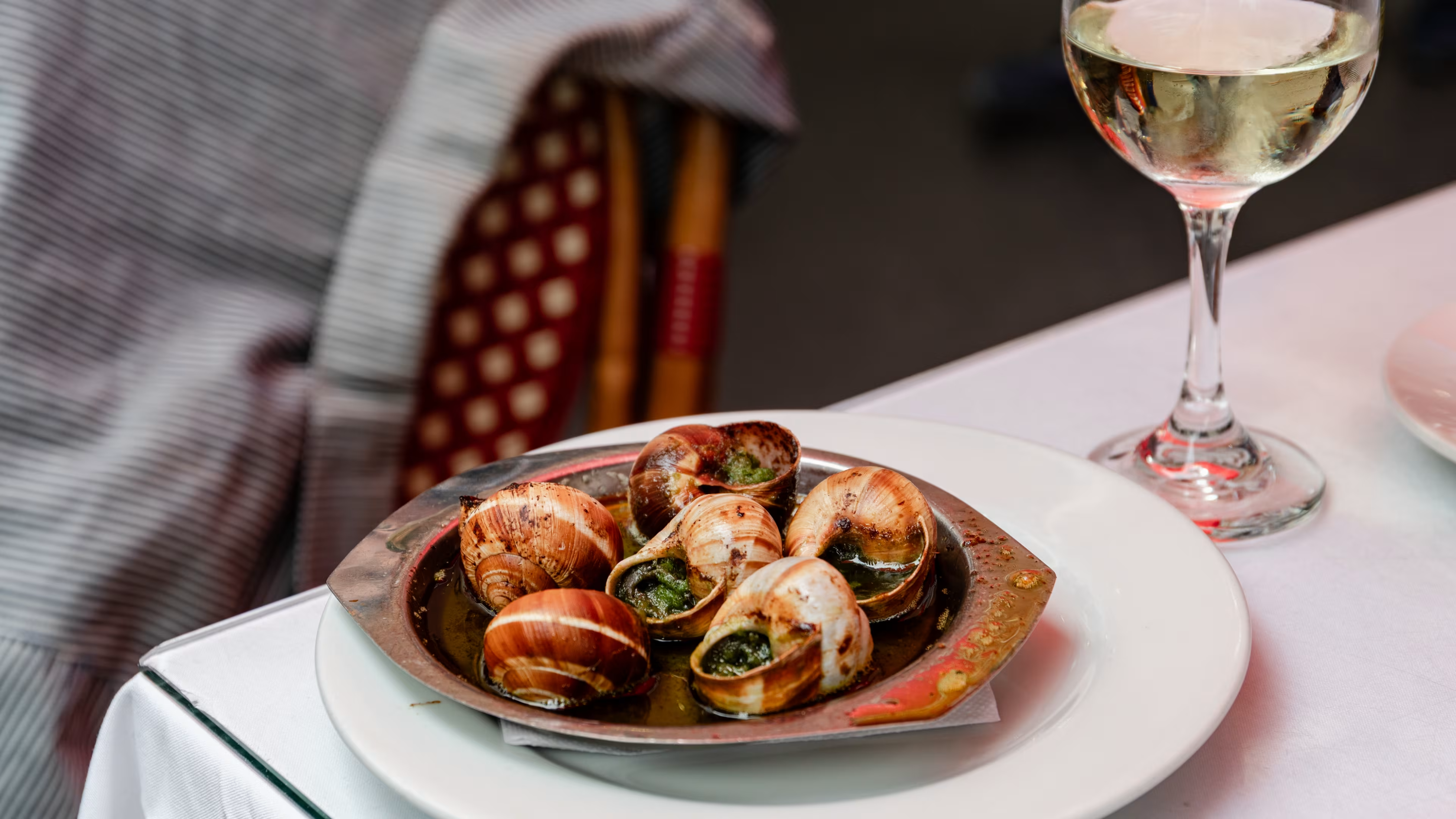
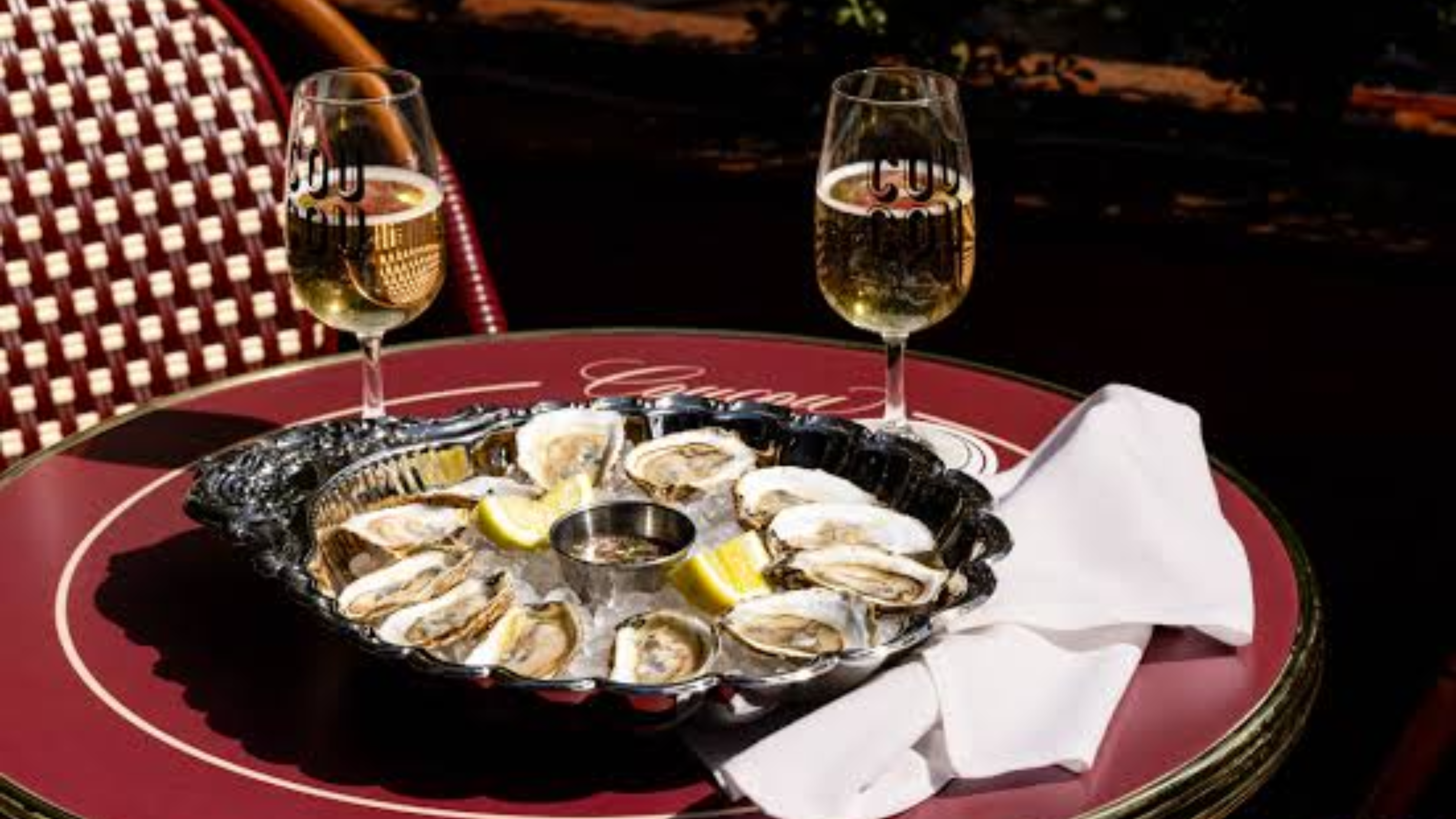
Just 400 feet from The Troubadour, Coucou West Hollywood is almost too convenient. The French bistro serves escargot, steak tartare, crispy potatoes, bone marrow, and other elegant comfort dishes. With late hours on weekends, it works beautifully before or after a show.

Shamshiri Grill | Royce Hall 

Location: 1712 Westwood Boulevard, Los Angeles, CA, 90024, US

For events at UCLA’s Royce Hall, Shamshiri Grill offers a warm, classic Westwood dining experience. The longtime Persian restaurant serves kebabs, lamb curry, tahchin, and other comforting dishes in a casual setting. It’s hearty, dependable, and close enough for an easy pre-performance meal.

San Laurel | The Music Center 

Location: 100 S. Grand Avenue, Los Angeles, CA, 90012, US

San Laurel makes any Music Center night feel elevated. Located inside Conrad Los Angeles, José Andrés’s Downtown restaurant serves a Spain-meets-California menu with hiramasa crudo, vermicelli mac and cheese, rack of lamb, and impressive wine pairings. For a splurge-worthy dinner before the curtain rises, this is a standout.

Bengara | Resident 

Location: 803 Traction Avenue, STE 140, Los Angeles, California 90013, United States

Before an underground jazz show at Resident, head to Bengara in the Arts District. The restaurant specializes in Japan’s binchotan charcoal cooking, with smoky dishes like A4 wagyu, lamb chops, and tama miso eggplant. It’s intimate, refined, and fitting for a music-filled night.

Sunday Gravy | SoFi Stadium 

Location: 1122 Centinela Avenue, Inglewood, CA, 90302, US

Sunday Gravy brings Italian American comfort to Inglewood before a major SoFi Stadium event. Expect Alfredo, Bolognese, rotating lasagna, mozzarella sticks, chicken wings, and indulgent Hawaiian bread pudding. It’s casual, satisfying, and built for fueling up before a big show.

Two Hommés | YouTube Theater 

Location: 902 North La Brea Avenue, CA 90302

Two Hommés is a soulful option near YouTube Theater and SoFi Stadium. The menu blends Los Angeles and West African flavors through dishes like jollof rice, garlic noodles, passionfruit shrimp ceviche, and Senegalese smoked lamb shoulder egg rolls. Add a cocktail, and you have a complete pre-show plan.

Bone Kettle | The Rose Bowl 

Location: 67 N. Raymond Avenue, Pasadena, CA, 91103, US

Before a Rose Bowl concert or event, Bone Kettle delivers comfort with depth. The Pasadena restaurant is known for its 36-hour bone broth ramen, Southeast Asian-inspired plates, and thoughtful cocktails. It’s relaxed, flavorful, and ideal before heading into a long night of music.

From intimate jazz clubs to open-air amphitheaters, the best restaurants near LA music venues help turn a concert into a complete night out. In a city that runs on rhythm, flavor, and a little bit of theatrical timing, dinner and a show never sounded better.

Your Malibu Neighborhood Guide | Out & About

For many, Malibu evokes images of 21 miles of pristine coastline, dramatic cliffs, and endless summer days. But behind the vacation-destination veneer lies a thriving, tight-knit neighborhood that offers an unparalleled quality of life. If you are considering living in Malibu, purchasing a home here means trading the hectic pace of Los Angeles for a slower, intentional lifestyle defined by nature, wellness, and community.

To help prospective buyers truly understand the local rhythm, here is the ultimate guide to spending a perfect day exploring your potential new neighborhood.

Fun and Sun: Exploring Malibu’s Iconic Coastline

One of the greatest benefits of living in the Malibu neighborhood is that no two beaches feel exactly the same. Depending on your mood, the coastline offers everything from high-energy surf breaks to tranquil, hidden coves.

World-Class Beaches for Every Vibe

  • Zuma Beach: If you have a family, Zuma is the local gold standard. Known for its wide sandy shores, excellent swimming conditions, and volleyball courts, it feels spacious even during peak summer months.
  • El Matador State Beach: For jaw-dropping views, El Matador wins every time. Famous for its sea caves, rugged rock formations, and golden sunsets, it is the perfect spot for a romantic evening stroll.
  • Surfrider Beach: Situated right next to the historic Malibu Pier, this legendary surf break is steeped in history. It is a fantastic spot to watch experienced surfers catch waves or to simply take in the sweeping oceanfront vistas.

Coastal Culinary: Where to Dine Like a Local

Malibu’s food scene seamlessly mirrors its relaxed yet sophisticated lifestyle. Dining here is all about fresh, locally sourced ingredients and panoramic ocean views.

For an iconic neighborhood experience, head to the Malibu Pier and grab a table at Malibu Farm. Their fresh, farm-to-table menu offers a true taste of California. If you are craving something casual after a beach day, Broad Street Oyster Co. is legendary among locals for its world-class lobster rolls. For upscale dining, Nobu Malibu offers unparalleled beachfront sushi, while Taverna Tony serves up lively, authentic Greek cuisine in a beautifully welcoming patio atmosphere.

Upscale & Relaxing: Shopping at Malibu Country Mart

Forget crowded, frantic indoor malls. Shopping in Malibu is an open-air, upscale experience. The Malibu Country Mart is the community’s premier retail and social destination. Featuring a highly curated mix of luxury boutiques, unique local shops, and art galleries set against a backdrop of green lawns and a children’s playground, it serves as a central neighborhood gathering space. It is the perfect place to grab an iced matcha, shop for home decor, and chat with neighbors.

Cross Creek Ranch: The Newest Malibu Neighborhood Lifestyle Destination

Elevating the neighborhood’s retail and culinary landscape even further is Cross Creek Ranch, a stunning new mixed-use development nestled in the heart of Malibu. Designed with a deep respect for the surrounding environment, this open-air lifestyle center blends rustic coastal architecture with world-class tenants, making it a major draw for design-forward homebuyers.

Chic Shopping & Sensory Spaces

At Cross Creek Ranch, retail therapy feels entirely bespoke. Trendsetters can browse the curated lifestyle and streetwear collections at Kith, while fragrance enthusiasts can step into the ultra-chic boutique of Le Labo to experience slow-formulated, hand-labeled perfumes and home scents that perfectly capture Malibu’s luxury-wellness vibe.

Sophisticated New Eateries

The culinary lineup here introduces a whole new level of chic, health-conscious dining to the local community. You can indulge in fresh, elevated seafood at the highly anticipated Clark’s Oyster Bar, or grab a vibrant, nutrient-dense bowl and an all-natural smoothie at Pura Vida Miami, the aesthetic-forward café taking the neighborhood breakfast and lunch scene by storm.

The Community Vibe: Summer Malibu Neighborhood Programs for Every Generation

What truly sets Malibu apart from other luxury coastal markets is its deep sense of civic community. The city actively invests in its residents, offering an impressive array of localized events. For those considering living in the Malibu neighborhood, the city’s summer schedule (running June through August) highlights just how welcoming and active this neighborhood is:

  • Family & Community Fun: Enjoy community bonding at the CineMalibu Outdoor Movies in the Park or explore local ecology with guided Night Hikes at Charmlee Wilderness Park.
  • Youth & Wellness: Keep the family active with Summer Day Camps, Learn to Swim Lessons (offering both group and private options), and Complimentary Wellness Workshops hosted in partnership with The Mindry.
  • Teens & Seniors: Specialized Teen Workshops cover everything from comedy, photography, and poetry to self-defense. Meanwhile, the active Senior Center hosts Chair Yoga, tech help, and curated monthly excursions.

Living in the Malibu neighborhood isn’t just a real estate investment; it’s a conscious lifestyle choice. With limited property inventory and strict coastal development rules, homes here hold incredible long-term value. If you value privacy, natural beauty, and a tight-knit coastal community, Malibu is ready to welcome you home.

Achieving The Chaos Gardening Trend Aesthetic | Home Tips

For years, the gold standard of Southern California curb appeal was a perfectly manicured green lawn, rigid geometric hedges, and neat rows of thirsty exotic flowers. Now, chaos gardening is gaining popularity as homeowners embrace a more natural and relaxed approach to landscaping. Across the region, people are moving away from highly structured, water-intensive yards in favor of outdoor spaces that feel organic, inviting, and full of character.

Rooted in the idea that nature does not need to be perfectly controlled to be beautiful, chaos gardening encourages a mix of plants, wildflowers, and greenery to grow together in a way that feels effortless. The result is a landscape that is colorful, vibrant, and uniquely personal, making it an appealing choice for Southern California homeowners looking to create a yard that stands out while working in harmony with the local environment.

Whether you are looking to spruce up your current yard or prep your home for a future sale, here is how to master this beautifully unstructured trend using our region’s stunning flora.

What is the Chaos Gardening Trend Aesthetic?

Despite the wild name, chaos gardening is not about abandoning your yard to the weeds. Instead, it is a low-maintenance, organic design philosophy where you blend a diverse mix of native seeds, like wildflowers, perennials, and herbs, and allow nature to take the driver’s seat.

As gardening experts note, the goal is to steer away from harsh, manmade geometric lines and instead lean into soft, organic shapes. The result is a romantic, ever-changing landscape that looks like a natural golden hillside or a coastal meadow. It is incredibly relaxing for homeowners, drastically reduces water bills, and acts as a massive haven for local pollinators like native bees, hummingbirds, and butterflies.

The Principles of “Guided Wildness”

If you want to achieve the chaos gardening trend aesthetic without frustrating your neighbors or your HOA, you need to practice what pros call “guided wildness.” It requires a bit of strategy up front so your yard looks intentionally romantic rather than neglected.

Prep Your Soil and Scatter Strategically

You cannot just throw a handful of seeds onto an unkept lawn and walk away; that just creates a buffet for birds and ants. To start, clear a designated plot of ground, remove existing turf, and loosen the soil. Mix a high-quality blend of native California seeds. Scatter the seeds evenly, rake them in lightly (aiming for just a quarter-inch of depth), and cover them with a thin layer of compost to protect them while they take root.

Build In Weathered Architecture

True chaos gardens rely on soft plants for structure rather than massive amounts of expensive, hard stone landscaping. To ground the space, use natural and aged accents. Stacking a simple log pile in a shady corner acts as a visual anchor while providing a sanctuary for local wildlife. Dotted groupings of classic terracotta pots, which naturally acquire a chalky, weathered patina over time, or a simple galvanized tub add an instantly cozy, timeless charm.

Soften Your Footpaths with Pea Gravel

If your yard needs pathways, skip the harsh concrete pavers. Loose, pale pea gravel underfoot softens a landscape beautifully. Because there are no rigid borders, native plants will naturally self-seed right into the edges of the gravel over time. This allows your pathways to seamlessly blend into the planting rather than dividing it.

Choosing the Best SoCal Native Wildflower Seeds

To pull off this aesthetic successfully in Southern California, your choice of seed matters immensely. The entire philosophy relies on choosing plants that are naturally adapted to our local microclimates so they can thrive, compete with local weeds, and self-seed year after year without heavy human intervention.

Using generic “wildflower mixes” from big box stores often introduces aggressive, non-native species that either die out quickly or become an invasive headache. Instead, matching your seeds to your specific SoCal zone ensures a resilient, self-sustaining ecosystem that looks effortlessly beautiful.

Here is a breakdown of the best native California seeds for your specific neighborhood:

SoCal Microclimate Landscape Traits Best Native Picks for Chaos Gardening
Coastal Zones (e.g., Santa Monica, Newport Beach, San Diego) Sandy soils, marine layer moisture, mild temperatures Coastal Tidytips (Layia platyglossa), California Poppy (Eschscholzia californica var. maritima), Dune Sunflower (Helianthus debilis)
Inland Valleys (e.g., Pasadena, Riverside, San Fernando Valley) Intense summer heat, low humidity, heavier soils California Bluebell (Phacelia campanularia), Sky Lupine (Lupinus nanus), Desert Marigold (Baileya multiradiata)
Foothills & Chaparral (e.g., Sierra Madre, Santa Monica Mtns, Temecula) Rocky, well-draining soils, hot, dry summers, cold winters Mountain Garland (Clarkia unguiculata), Common Yarrow (Achillea millefolium), Bird’s Eye Gilia (Gilia tricolor)

3 Pro-Tips for SoCal Chaos Seeding

Because our Mediterranean climate dictates how seeds behave, a few adjustments to the planting process will yield much better results:

  • Time It with the Winter Rains: In Southern California, the absolute best time to broadcast your chaos seed mix is between late autumn and early winter (November through January), right before an anticipated rainstorm. The natural precipitation presses the seeds into the dirt and kicks off the winter germination cycle needed for a spectacular spring bloom.
  • Anchor with Native Perennial Shrubs: A pure wildflower mix will look stunning in spring, but can dry out during our brutal late summers. To keep the yard looking structured and intentional year-round, scatter your seeds around established native “anchor” shrubs like California Sagebrush (Artemisia californica), White Sage (Salvia apiana), or California Buckwheat (Eriogonum fasciculatum).
  • Stop Deadheading to Allow Reseeding: The magic of the chaos garden is that it pays dividends next year. Once your spring flowers fade, resist the urge to trim them down. Allow the flower heads to dry out completely on the stem. They will naturally drop their seeds into the soil, creating a thicker, even more beautiful display when the rains return the following winter.

Why This Trend is Perfect for SoCal Homeowners

Beyond its undeniable beauty, embracing this aesthetic comes with major practical perks. For one, it is a massive time, water, and money saver. Because these plants are native and self-seeding, they require a fraction of the irrigation of a traditional lawn once they establish themselves.

Furthermore, today’s Southern California homebuyers are actively searching for sustainable, drought-tolerant, eco-conscious home features. A yard that actively supports local biodiversity while drastically reducing water waste is a fantastic selling point that adds unique, unforgettable character to your property. If you are prepping your home for the market, explicitly highlighting that the landscape features “certified Southern California native plants” is an excellent way to capture the attention of modern buyers who want maximum curb appeal with minimal weekend yard work.

From Cash App’s Wand to Microsoft Quantum Computing and More! | Tech News

The world of technology is ever-evolving, and this week brings no shortage of news in advancements and major shake-ups. From the Cash App Wand to Microsoft Quantum Computing and more, we have you covered on the leading headlines. Check out the latest in this week’s tech news round-up!

Google Gives Creators More Control Over Their Search Presence

This week, Google began rolling out customizable Search profiles that allow qualifying creators and publishers to manage how they appear in search results. Eligible users can showcase videos, articles, social links, pinned content, and aggregated posts from multiple platforms, essentially creating a personalized hub within Google Search. The feature is currently limited to creators with significant followings on YouTube, Instagram, X, or TikTok, highlighting Google’s growing focus on the creator economy. It also represents a direct challenge to link aggregation services by keeping users within Google’s ecosystem. As search becomes more personalized and creator-driven, platforms are increasingly competing to become the central destination for online identity.  

Cash App Turns Contactless Payments Into a Magic Trick

An unusual new payment accessory called the Cash App Wand was launched this week by Cash App. The NFC-enabled device allows users to make contactless payments with a wave of a star-topped wand. Inspired by a social media trend of creating whimsical payment devices, the wand pairs directly with a Cash App Card and works anywhere Visa tap-to-pay is accepted. The accessory includes security features such as instant locking, transaction alerts, and fraud monitoring through the app. While it may seem playful, the product reflects a broader trend of payment companies experimenting with new form factors and lifestyle-driven accessories. Financial technology is increasingly becoming as much about personalization and branding as convenience.  

Shokz Expands Its Open-Ear Audio Lineup

In the headphone world, Shokz has unveiled two new clip-on earbuds, the OpenDots 2 and OpenDots Air, continuing the company’s push into open-ear audio technology. Both models are designed to sit outside the ear canal while allowing users to remain aware of their surroundings, making them appealing for commuters, runners, and everyday wear. The OpenDots 2 adds Dolby Audio support, wireless charging, and enhanced call quality, while the lighter OpenDots Air focuses on comfort and affordability. Battery life has also improved, with up to 40 hours of listening available through the charging case on the premium model. The launch underscores the growing popularity of earbuds that prioritize situational awareness over complete isolation.  

WiiM Enters the Home Theater Market

Known for its audio streaming products, WiiM has officially entered the soundbar market with its first home theater offering. The new soundbar aims to bring the company’s reputation for affordable, high-quality audio into a category dominated by larger consumer electronics brands. By integrating with existing WiiM products and smart home ecosystems, the company hopes to offer a more connected entertainment experience. The move reflects a broader trend of audio brands expanding beyond their core products to build complete home entertainment ecosystems. As consumers continue seeking simplified setups with premium sound quality, competition in the soundbar category is becoming increasingly crowded.  

Quantum Computing Moves Forward With Microsoft Majorana 2

Microsoft has revealed new details about its Majorana 2 quantum chip, a key component of the company’s long-term quantum computing strategy. The Microsoft chip is built around topological qubits. Likewise, it’s a technology Microsoft believes could eventually provide greater stability and scalability than traditional quantum systems. While practical quantum computers remain years away, advancements like Majorana 2 are viewed as important milestones. Of course, the goal is to move toward making the technology commercially viable. Quantum computing has the potential to revolutionize fields ranging. With this advancement from Microsoft, the future bodes bright, from medicine to logistics and cybersecurity. The race to build reliable quantum hardware like the Microsoft chip continues to intensify as major technology companies invest heavily.  

Ableton Opens the Door to More Customized Music Production

Live music production just got an upgrade. Ableton has released a new Extensions SDK. The extension allows developers to create deeper integrations for its popular Live music production software. The toolkit enables third-party developers to build custom workflows, tools, and features that function directly within Ableton Live. For highly flexible producers, this could lead to more specialized creative tools tailored to specific genres, instruments, and production styles. The move strengthens Ableton’s position as a platform for both professional and amateur creators. As software becomes increasingly central to music production, companies are investing in ecosystems. Of course, the goal are systems that allow communities to expand and personalize their creative environments. 

The Top Restaurants in East Hollywood | L.A Eats

East Hollywood may be compact, but its dining scene stretches far beyond its borders. Set along the 101 and home to beloved pockets like Thai Town, Little Armenia, and Virgil Village, this neighborhood offers one of the most flavorful food landscapes in Los Angeles. From refined seafood bars to casual bagel counters and deeply rooted family-run institutions, Restaurants in East Hollywood prove that some of the city’s best meals are found in unexpected corners.

Whether you’re planning a relaxed dinner, a quick lunch, or a weekend outing with friends, these standout spots are worth adding to your list.

Saffy’s

Location: 4845 Fountain Ave., Los Angeles, CA 90029

Saffy’s brings a stylish, Middle Eastern-inspired dining experience to East Hollywood with the kind of energy that makes any meal feel like an occasion. The menu features standout dishes like creamy hummus, roasted vegetables, and wood-fired meats, including juicy kebabs perfect for sharing. For a more relaxed visit, the daytime café next door offers beautiful breakfast spreads and a sunny neighborhood feel.

Found Oyster

Location: 4880 Fountain Ave, Los Angeles, CA 90029

Found Oyster is a lively seafood bar that feels intimate, cool, and distinctly East Hollywood. Fresh oysters are the main attraction, but the menu also shines with crab dip, prawns, and beautifully prepared raw bar favorites. With its disco ball, chilled wine, and buzzing counter seats, it is one of the most memorable Restaurants in East Hollywood for a fun night out.

Jitlada

Location: 5233 W Sunset Blvd, Los Angeles, CA 90027

Jitlada is a Thai Town institution and one of the essential dining experiences in Los Angeles. The menu is famously massive, but adventurous diners should focus on signature dishes like crispy catfish salad, taepo curry, coco mango salad, and stir-fried crab with garlic. It is bold, spicy, colorful, and absolutely worth the hype.

Courage Bagels

Location: 777 N Virgil Ave, Los Angeles, CA 90029

Courage Bagels has become one of the city’s most talked-about breakfast destinations. The bagels are crisp, chewy, and generously topped with ingredients like cured salmon, vegetables, and cream cheese. Lines are common, but the reward is one of the best morning meals in the neighborhood.

Kuya Lord

Location: 5003 Melrose Ave., Los Angeles, CA 90038

Kuya Lord serves hearty Filipino comfort food with serious flavor. The counter-service spot is known for generous grilled meat platters, tapsilog trays, garlic rice, prawns, and its signature rolled pork belly. It is casual, satisfying, and ideal for both solo lunches and group meals.

Marouch

Location: 4905 Santa Monica Blvd, Los Angeles, CA 90029

Open since 1982, Marouch remains a cornerstone of East Hollywood’s Armenian and Lebanese dining scene. While the shawarma and kabab plates are reliable choices, the mezze is where the restaurant truly shines. Order hummus, muhammara, falafel, and crispy Armenian sausage for a table full of comforting, shareable dishes.

Little Fish

Location: 5035 Melrose Ave, Los Angeles, California 90038

Little Fish’s Melrose Hill location shifts effortlessly from daytime café to polished seafood restaurant. Lunch might mean a tuna melt or steak salad, while dinner brings dishes like scallop crudo, mussel sandwiches, and abalone rice-stuffed cabbage rolls. It is a versatile neighborhood spot that works for casual afternoons or date night.

Budonoki

Location: 654 N Virgil Ave, Los Angeles, California 90004

Budonoki brings high-energy izakaya vibes to Virgil Village. The menu includes dishes like fermented Thai sausage, wagyu yakisoba, and playful Japanese-inspired bar bites. With low lighting, great music, and shochu cocktails, it is one of the most fun Restaurants in East Hollywood for a night with friends.

Bridgetown Roti

Location: 850 N Vermont Ave, Los Angeles, CA 90029

Bridgetown Roti is a fast-casual Caribbean favorite near LACC. The goat roti wraps and turmeric patties are easy takeaway options, but the full spread is the move if you have time. Curried mac and cheese, fried plantains, rice and peas, crispy okra, and house hot sauces make for a deeply satisfying meal.

Bar Etoile

Location: 632 N Western Ave, Los Angeles, California 90004

Bar Etoile offers a cozy French-inspired experience with soft jazz, stylish interiors, and a menu that balances comfort with creativity. Dishes like chicory salad, gruyere tart, steak frites, and pickled mustard seeds feel both classic and fresh. It is a snug, polished choice for dinner when you want something intimate.

From Thai Town legends to seafood counters, bagel shops, and cozy neighborhood dining rooms, Restaurants in East Hollywood capture the cultural richness that makes this area so special. Come hungry, bring friends, and let the neighborhood surprise you one plate at a time.

Your Ultimate Guide to the FIFA World Cup in LA | Out & About

“The Beautiful Game” is officially taking over Southern California! From June 11 to July 19, 2026, global soccer fans will enjoy 39 days of elite soccer action and vibrant cultural festivities. With SoFi Stadium hosting eight marquee matches, including the highly anticipated U.S. Men’s National Team (USMNT) opening match, the city is the place to be.

Because the tournament features 48 teams for the first time in its 95-year history, this will be the most cosmopolitan World Cup ever. Thanks to LA’s famously diverse population, every qualifying nation will have a massive hometown fanbase. Plus, with games broadcasting at West Coast-convenient times, the energy across the city will be unmatched.

If you are wondering where and how to enjoy the FIFA World Cup in LA, here is your ultimate guide to the best fan zones, watch parties, and community events.

Kick Off at the FIFA Fan Festival™ Los Angeles

To start the tournament with a bang, head over to the historic Los Angeles Memorial Coliseum from June 11–14. The stadium will transform into the official FIFA Fan Festival™ Los Angeles, offering an unforgettable opening weekend celebration.

Global fans can come together to watch the FIFA World Cup in LA live match broadcasts on massive screens while enjoying live music, cultural programming, interactive experiences, and diverse local food. General Admission tickets are just $10 (including fees), and kids under 12 get in for free.

Explore the FIFA World Cup in LA 26 Fan Zones

The FIFA World Cup in LA celebration is moving all across the region! A series of county-wide Fan Zones will pop up at iconic landmarks, offering a mix of free and ticketed events. Catch the action at these locations:

  • The Original Farmers Market: June 18–21
  • City of Downey: June 20
  • Los Angeles Union Station: June 25–28
  • Hansen Dam Lake: July 2–5
  • Earvin “Magic” Johnson Park: July 4–5
  • Whittier Narrows: July 9–11
  • Venice Beach: July 10–11
  • Fairplex & West Harbor: July 14–15 & July 18–19
  • Downtown Burbank: July 18–19

“Kick It In The Park” Community Watch Parties

Want to enjoy the FIFA World Cup in LA matches for free, closer to your neighborhood? The Office of Mayor Karen Bass, City Council Districts, and Los Angeles Recreation and Parks have partnered to launch Kick It In the Park.

These free, family-friendly events require no tickets and have zero barriers to entry. Turning neighborhood parks from the San Fernando Valley to East LA into vibrant soccer hubs, each site features:

  • Live Match Screenings: Large mobile LED screens broadcasting every match in real-time.
  • PlayLA Soccer Clinics: Free youth soccer mini-clinics and skill activities for kids.
  • Family Fun Zones: Interactive games, arts, crafts, and cultural programming.
  • City Resources: Helpful tables connecting residents to local community organizations.

To find a park near you, visit the official Kick It In the Park website. Local libraries and Department of Cultural Affairs facilities will also host free public broadcasts.

Soak Up the Atmosphere at Themed Pubs and Restaurants

For a more intimate experience, LA’s eclectic culinary scene has you covered. Themed pubs and eateries catering to specific expat communities will serve as tournament hotspots. Whether you want to cheer alongside passionate European, South American, or African supporters, local soccer bars will offer an unmatched international atmosphere.

No matter where you choose to watch, the FIFA World Cup in LA promises to be a historic, city-wide celebration you won’t want to miss!