From the NASA X-70 to a Premium Motorola and More! | Tech News

Stay connected with the world of technology and media with our weekly roundup. From NASA’s X-70 aircraft to a premium Motorola smartphone and more, we have you covered. Check out what you may have missed in this week’s Tech News blog!

NASA Tests an Experimental X-70 Aircraft With a Radical Design

A futuristic aircraft concept is giving NASA a new way to explore how unconventional shapes could improve aviation efficiency. The experimental X-70 Fractal uses a distinctive wing design built from repeating geometric structures. Unlike most aircraft, the X-70 does not rely on a traditional wing-and-tail configuration. Researchers hope the X-70 could reduce weight, improve aerodynamic performance, and eventually support more fuel-efficient flight. For now, the X-70 remains an experimental platform designed to test new technologies and collect data. NASA’s work with the X-70 continues a long tradition of using X-planes to explore ideas that could influence the future of aircraft design.

Motorola’s Signature 27 Takes Aim at the Premium Smartphone Market
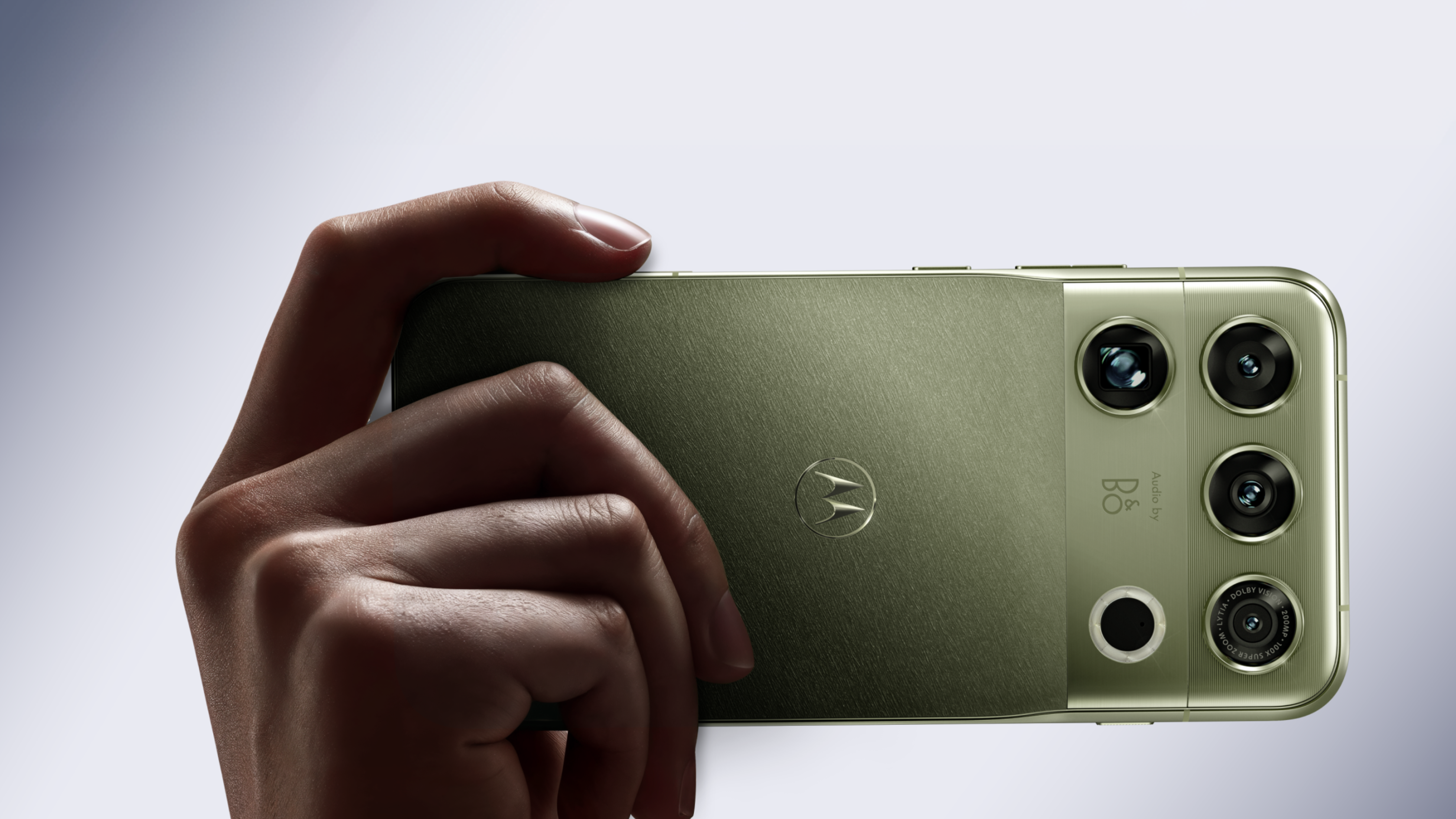
Luxury touches and high-end hardware are at the center of Motorola’s latest flagship smartphone. The Signature 27 features a 6.8-inch OLED display, Qualcomm’s latest premium processor, and a camera system designed to compete with top-tier devices from Apple, Samsung, and Google. Motorola is also emphasizing materials and design, positioning the handset as a more refined alternative within its increasingly broad smartphone portfolio. The device arrives as the company continues trying to strengthen its presence beyond the midrange and foldable categories where it has found recent success. Pricing and availability vary by market, with Motorola targeting consumers who want flagship specifications without automatically choosing one of the industry’s dominant smartphone brands. 

Discord Is Rebuilding Its Desktop App Without Electron
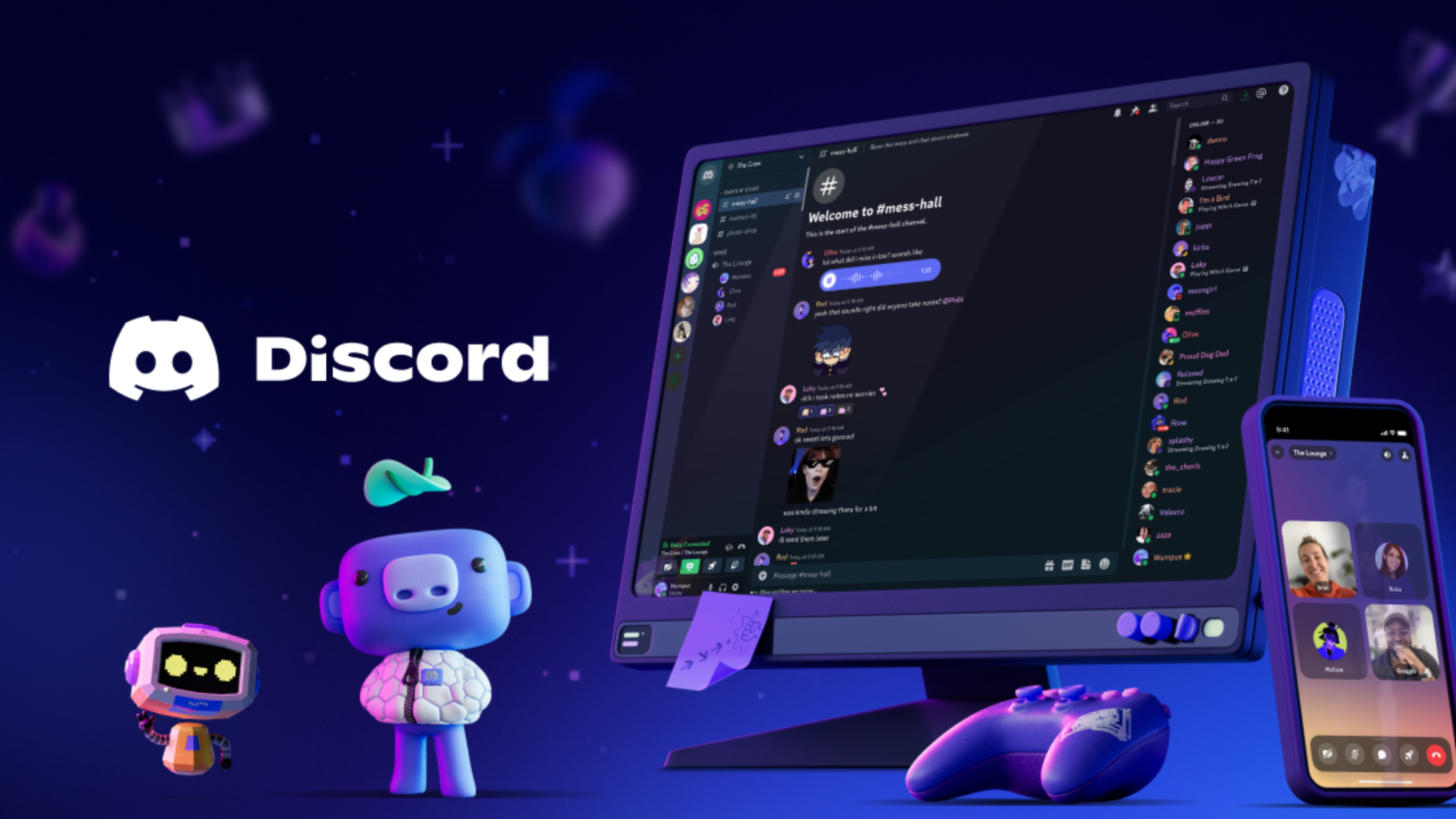
A major technical overhaul could make Discord faster and more efficient on desktop computers. The company is moving away from Electron, the framework that has long allowed it to package its web experience as a desktop application across Windows, macOS, and Linux. Discord plans to replace it with more native technologies that can better take advantage of each operating system while reducing memory consumption and improving responsiveness. Electron has made cross-platform development easier for many companies, but apps built with it have also developed a reputation for consuming significant system resources. Rebuilding Discord’s desktop experience represents a substantial engineering undertaking, but it could result in a lighter application for millions of users who leave the service running throughout the day.

Amazon Brings Uber Eats Restaurant Delivery to Prime Members

Ordering dinner is becoming another benefit inside Amazon’s growing Prime ecosystem through an expanded partnership with Uber Eats. Prime members can access restaurant delivery benefits through Amazon, creating a more direct connection between the retailer’s subscription service and Uber’s food delivery network. The partnership builds on the companies’ existing relationship and gives Amazon another way to add everyday value to Prime without building its own restaurant delivery operation from scratch. For Uber, exposure to Amazon’s enormous membership base could encourage more customers to use Uber Eats and potentially strengthen its position against DoorDash. The arrangement reflects a broader trend of subscription platforms bundling services from outside companies to make monthly memberships feel more indispensable. 

Nothing Is Developing a Screen-Free AI Device
Another technology company is betting that artificial intelligence could eventually live somewhere other than a smartphone screen. Nothing CEO Carl Pei has confirmed that the company is working on an AI-focused hardware product designed to operate without a traditional display. Details remain limited, but Pei has suggested that the device will offer capabilities that cannot simply be replicated through an app running on a phone. The project places Nothing alongside companies experimenting with wearable assistants, smart glasses, and other hardware built around conversational AI. Rather than predicting the immediate death of smartphones, Pei believes consumers may eventually use several specialized AI devices that work together throughout the day.

Eufy Puts a Security Camera Against the Window
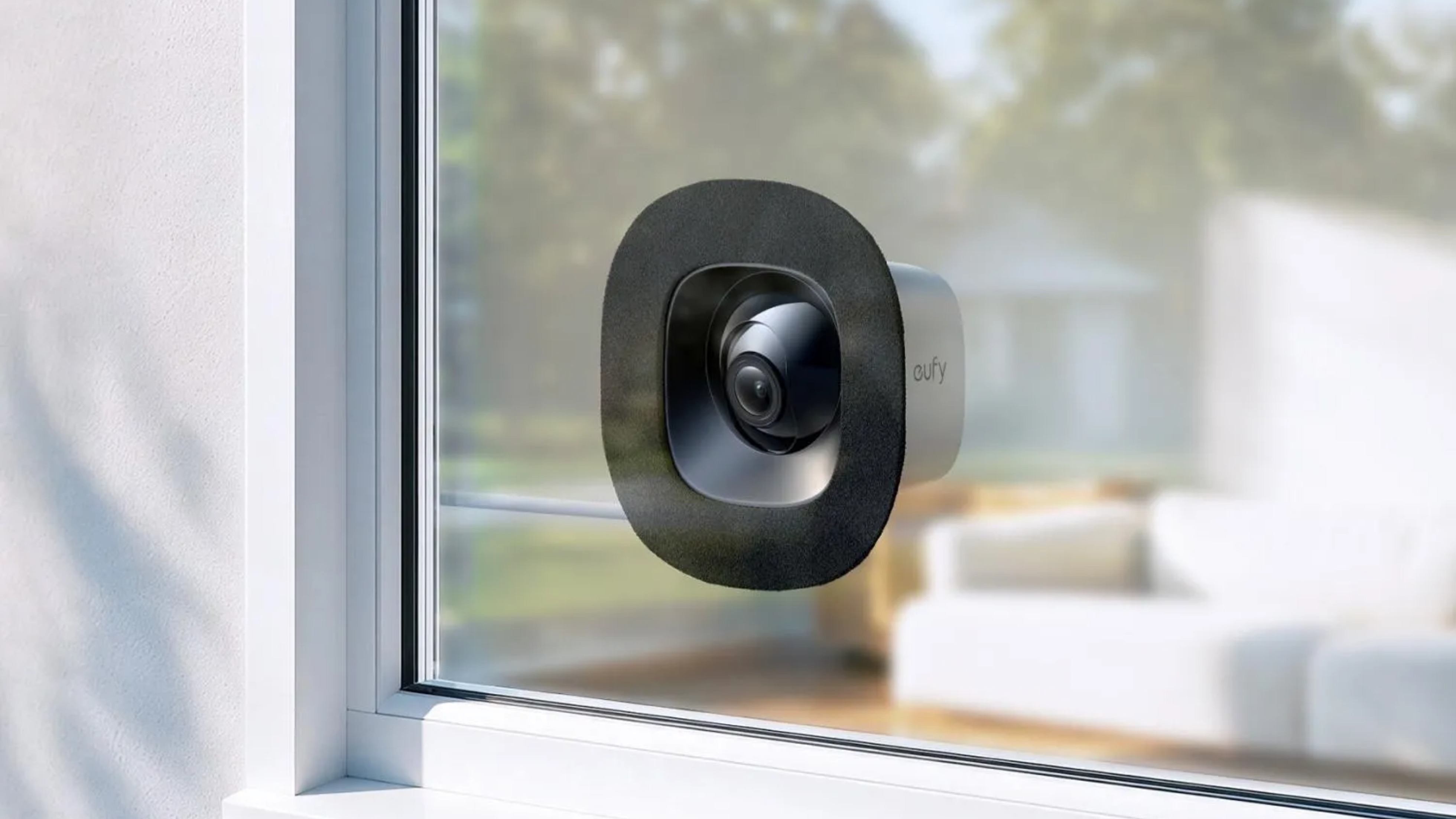
Renters and homeowners who cannot install an outdoor security camera have a new indoor alternative from Anker’s Eufy brand. The Window Camera E10 attaches to the inside of a window and records activity outdoors while using a design intended to minimize glare and reflections from the glass. Its camera offers color night vision and AI-powered detection capable of identifying people, vehicles, and other activity outside the home. Because the device remains indoors, users can monitor exterior spaces without drilling holes, running outdoor wiring, or exposing the camera itself to weather. The concept gives people in apartments and other installation-restricted homes a
From Apple’s New CEO John Ternus to NASA Upgrades and More! | Tech News

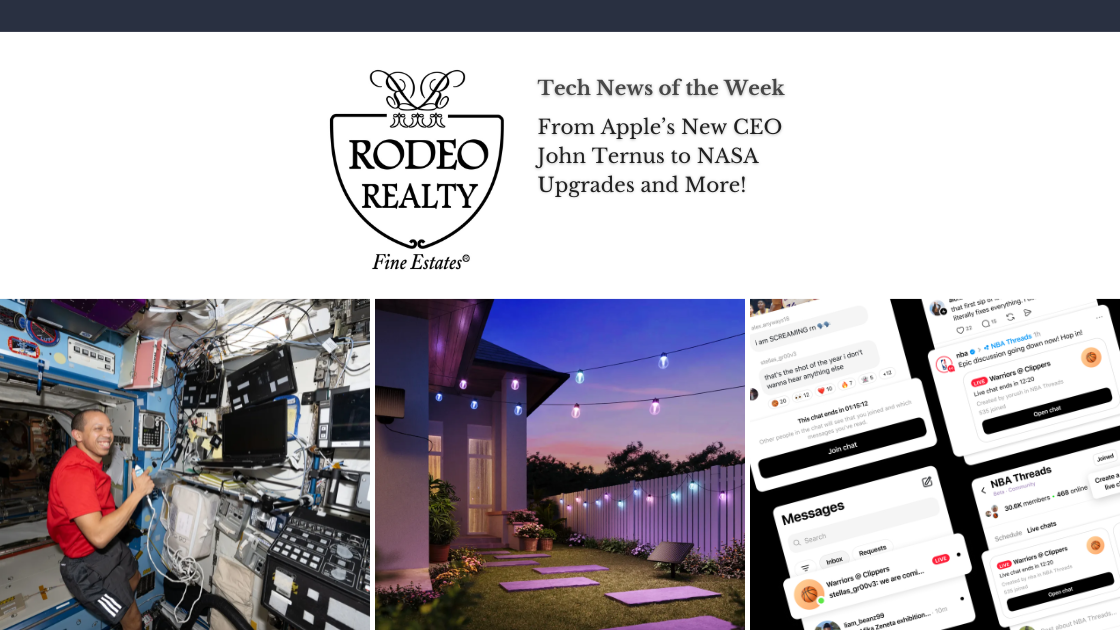
Wind the week down with the latest major shifts in the world of tech and media. From Apple’s incoming new CEO, John Ternus, to upgrades at NASA and more, we have you covered. Check out the biggest news in the world of tech!

Dreame Tries to Become More Than a Vacuum Brand

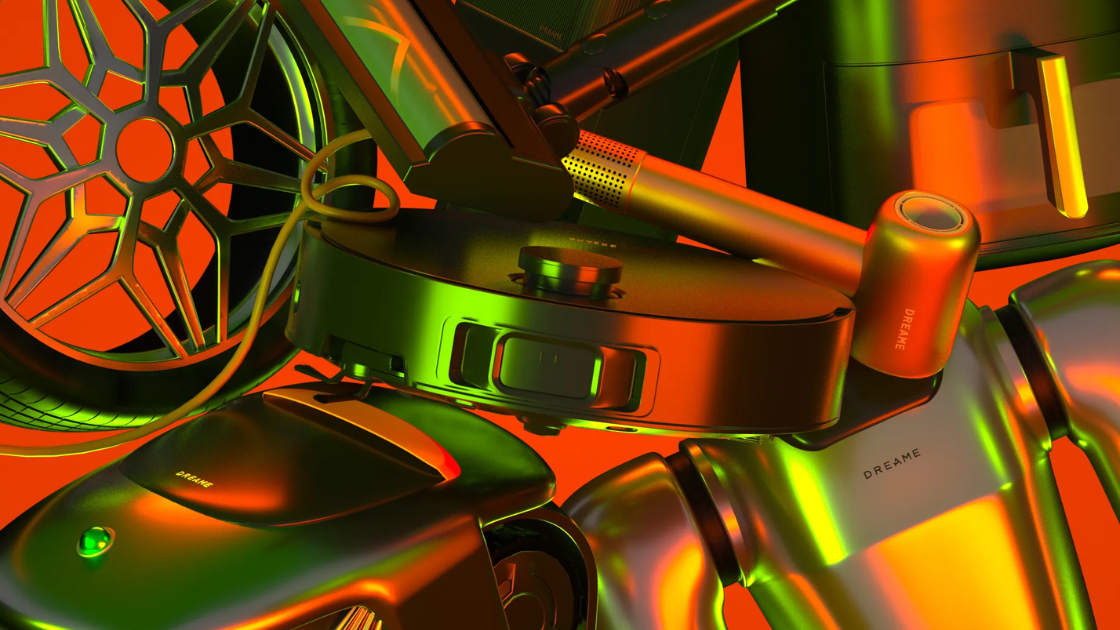
Dreame is making a very American-style push for attention, using a pricey Super Bowl ad and a splashy San Francisco launch on April 27 to introduce itself as something much bigger than a robot vacuum maker. The company’s stated ambition is to build a “people-home-car” ecosystem, with a roadmap that stretches from cleaning gadgets and appliances to cars, chips, and even satellites. That kind of leap is either visionary or wildly chaotic, which is honestly part of the intrigue. For North American consumers, the bigger story is that a relatively unknown smart home brand wants to compete across multiple product categories at once, all under one AI-heavy app and ecosystem. It is a reminder that the smart home race is no longer just about thermostats and speakers. It is becoming a battle over who gets to own the entire connected lifestyle.  


Apple’s Coming Leadership Shift Signals a New Chapter Under John Ternus

Apple is heading into a major transition, with The Verge reporting that Tim Cook will step down in September and current hardware chief John Ternus will take over as CEO. The article frames the moment as more than a leadership handoff between Cook and Ternus. This transition moves Apple further away from the era when its executive bench was closely shaped by Steve Jobs himself. That makes this less about one executive leaving and more about Apple entering a genuinely new phase of identity. For the broader tech industry, it raises familiar questions about what the next decade under Ternus, at Apple, will bring. Will the Ternus era be defined by operational steadiness, bold hardware bets, or a deeper push into AI and services? Even for a company built on polish and control, this is the kind of transition that can subtly change everything. Silicon Valley loves to call every shift “historic,” but the approaching Ternus era actually feels like it might earn the word.  


Govee Gives Outdoor Lighting a Solar-Powered Twist

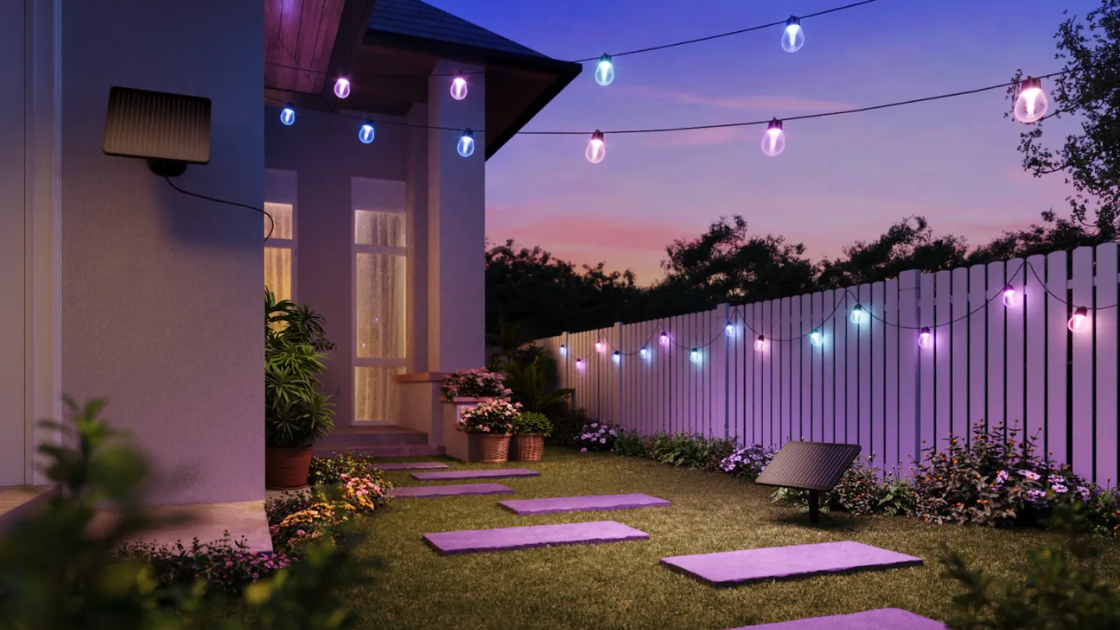
Govee has introduced its first solar-powered outdoor string lights, bringing a small but smart upgrade to the backyard tech category. The lights use a 6W solar panel with an integrated 4,800mAh battery, and the company says a single full day of sunlight can recharge them. There is also a USB-C fallback for gloomier weather, which is a nice acknowledgment that the sun does, in fact, ghost people. The product is available now for $99.99 and includes eight color-changing bulbs stretched across a 34-foot cable. On paper, it is a modest product launch, but it fits a larger trend of everyday home tech getting more self-sufficient and energy-conscious. Not every innovation has to roar; sometimes it just glows on the patio.  


Microsoft Pushes Copilot Deeper Into Office Workflows

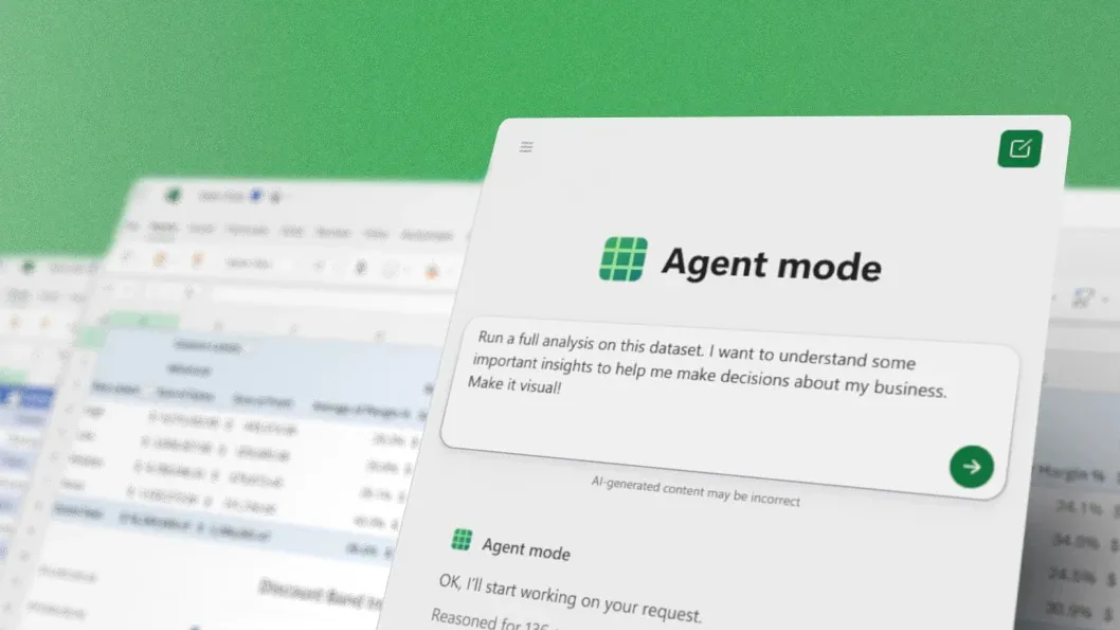
Microsoft is rolling out Copilot Agent Mode inside Word, Excel, and PowerPoint, making it the default experience for Microsoft 365 Copilot and Premium subscribers. The company had previously described this style of interaction as “vibe working,” but the practical point is that Copilot is becoming more active inside documents instead of simply hovering nearby as a suggestion box. Microsoft says the upgraded system is better at following instructions and handling multi-step edits without losing the user’s intent. A sidebar will show each action in real time, while Excel can add formulas and tables directly, and PowerPoint can update existing decks while preserving company templates. That is a meaningful shift from AI as assistant to AI as operator. Office work may still be office work, but Microsoft is clearly trying to make it feel less like drudgery and more like delegation. 


Threads Wants Live Conversation, Not Just Live Posting

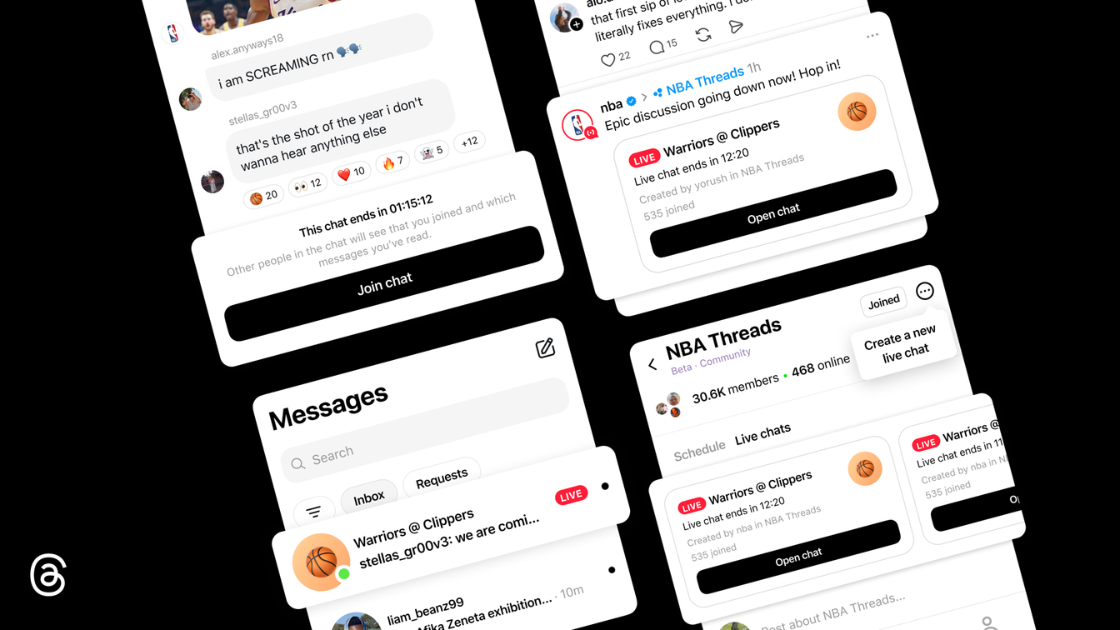
Meta is launching Live Chats on Threads as a way to let users join public group conversations. The new feature will let users stay connected during major cultural moments in real time. The feature is beginning in the NBAThreads Community during the Playoffs and Finals. Likewise, creators, media personalities, and league voices are helping drive the discussion. Meta says Live Chats will include profile rings to show when a conversation is live, along with real-time polls, countdowns, typing indicators, and live scores to keep chats synced with the action. More communities are expected to get the feature over the coming months, and Meta has already teased additions like co-hosting, play-by-play updates, lock screen widgets, and the ability to share chat messages to the main feed. The bigger idea here is obvious: social platforms are still chasing the electricity of live events. Threads wants to be where people watch the moment unfold and talk over it at the same time.  


NASA Is Upgrading the ISS With More Powerful Laptops

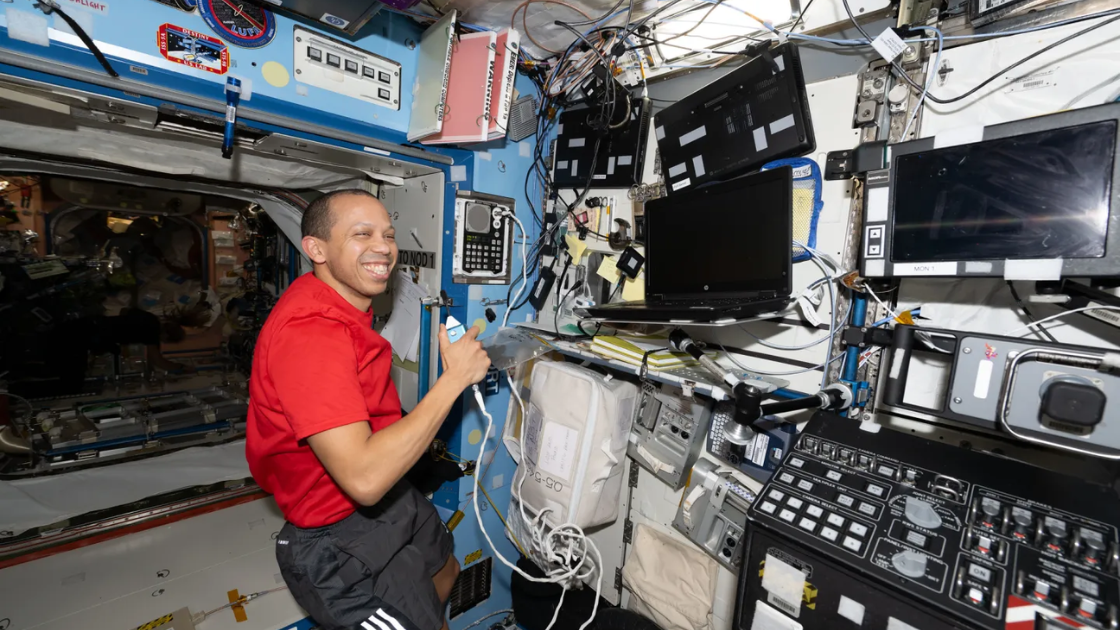
Astronauts aboard the International Space Station are getting new HP ZBook Fury G9 mobile workstations. The rades are part of a broader hardware refresh. NASA said the crew would first replace network servers and then activate the upgraded laptops. HP says the custom ISS configuration includes updated features like an Intel Core Ultra 9 vPro HX processor and among other additions. The machines also needed a NASA-specific power solution. The ISS primarily runs on DC power rather than the AC setup used in homes and offices on Earth. The station is now moving on from older HP ZBook Fury G2 systems. There is a little poetry in the fact that even space needs an IT refresh. With the ISS slated for de-orbit in 2030, these may be some of the station’s last major laptop upgrades.