From Xreal’s New AR Glasses to the Starlink Mini and More! | Tech News

From xReal’s New AR Glasses to the Starlink Mini and more, the world of tech is buzzing with major news and moves. Stay connected with what’s happening from across the web in our weekly round-up. This week’s tech news spotlights product drops, social media updates, and the ever-growing world of AI.

Halide Mark III Turns the iPhone Into a More Intentional Camera

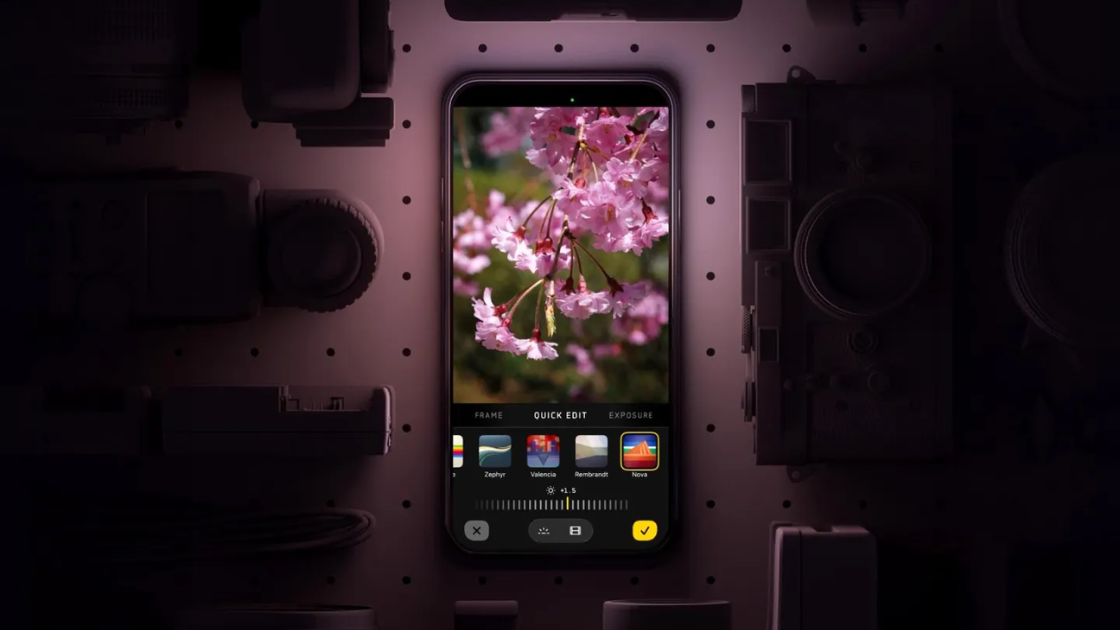
The latest version of the Halide camera app is leaning hard into a growing backlash against overly processed smartphone photography. Halide Mark III introduces new film-inspired “Looks,” upgraded RAW editing tools, and a redesigned interface aimed at photographers who want more natural and intentional images. The app now supports editing RAW files from cameras made by Sony, Nikon, Canon, Fujifilm, Leica, and more, expanding its role beyond mobile photography. Developers at Lux Optics say the goal is to make iPhone photography feel more tactile and less algorithmically polished. In a world saturated with AI-enhanced images, there is suddenly real demand for photos that feel imperfect, textured, and human again. The camera app race is no longer just about sharper pictures; it is about restoring personality to digital photography.

Meta Pushes Subscriptions Across Facebook, Instagram, and WhatsApp

Meta is expanding its subscription ambitions with new premium tiers across Facebook, Instagram, and WhatsApp. The plans offer enhanced story tools, expanded customization, premium stickers, and increased access to Meta AI features like image and video generation. The rollout signals a broader shift happening across social media platforms as companies search for revenue streams beyond advertising alone. Instead of relying entirely on mass audiences, platforms increasingly want paying users who subscribe to advanced tools and exclusive experiences. Meta is also experimenting with higher-tier AI subscriptions designed for creators and businesses that rely heavily on generative tools. Social media is gradually evolving from free public squares into layered ecosystems with premium digital memberships.

xTool Wants to Turn Home Crafting Into a Mini Manufacturing Studio

The new xTool M2 Color Craft Laser combines printing, laser cutting, and engraving into a single desktop machine aimed at hobbyists, creators, and small business owners. The device supports CMYK inkjet printing alongside precision laser cutting, allowing users to produce stickers, custom packaging, engraved products, and personalized crafts from home. AI-assisted material detection automatically adjusts settings based on what the machine identifies, lowering the learning curve for beginners. As creator-driven commerce continues growing, products like this blur the line between crafting and small-scale manufacturing. The rise of Etsy shops, custom merch brands, and home-based side businesses has created demand for tools that feel industrial but accessible. The modern creator economy increasingly looks like a distributed network of miniature production studios.

YouTube Expands AI Labels for Shorts Content

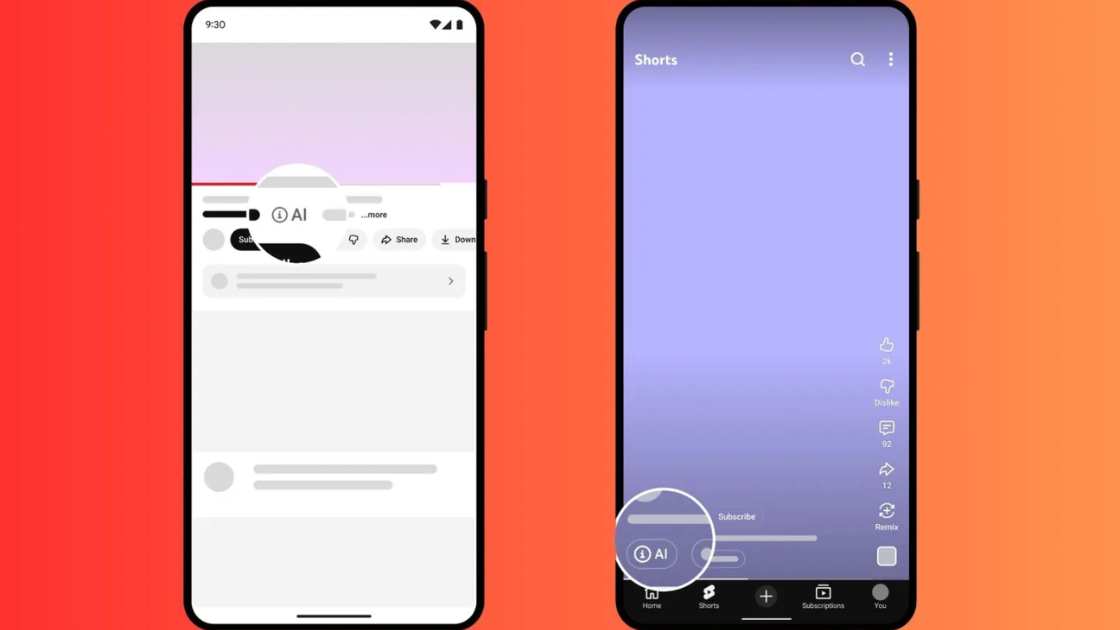
YouTube is expanding automatic AI labeling tools for Shorts videos in an effort to improve transparency around synthetic and altered media. The platform says labels will help users identify when generative AI tools have significantly modified content, particularly for realistic-looking videos. As AI-generated media becomes more sophisticated, platforms are under growing pressure to distinguish authentic footage from manipulated content. The challenge is balancing creative freedom with public trust, especially as short-form video continues dominating online attention. These labels represent one of the clearest signs that AI-generated content is becoming normalized enough to require its own disclosure infrastructure. The future internet may not divide content into “real” and “fake,” but rather into “human-made,” “AI-assisted,” and everything in between.

Xreal’s New AR Glasses Aim for Mainstream Wearable Appeal

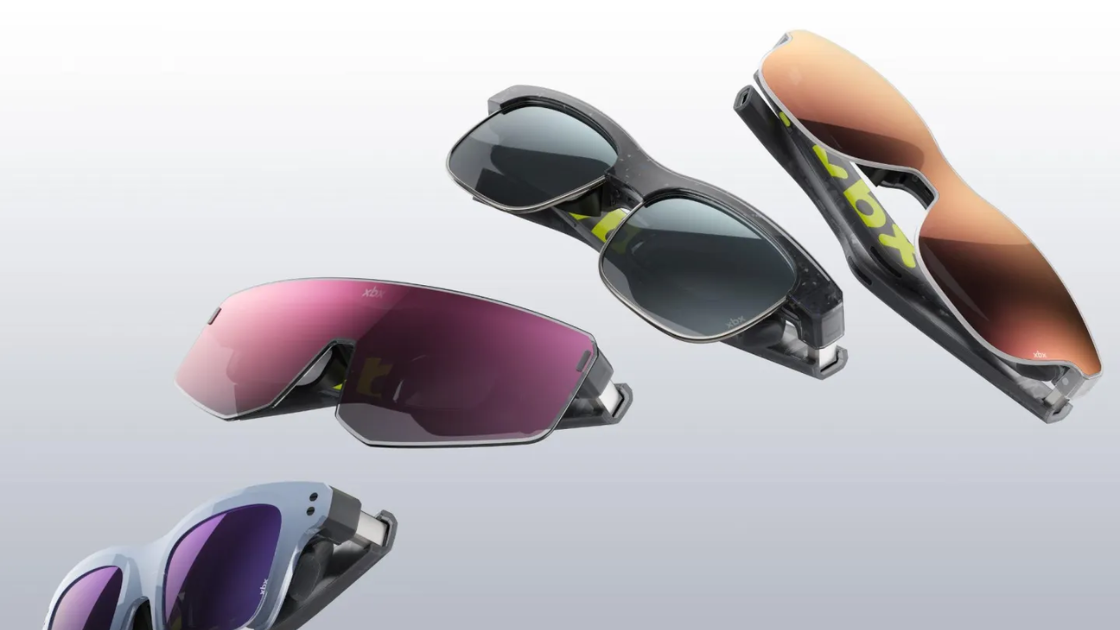
Xreal has introduced the A01 AR glasses through its new sub-brand “X by Xreal,” continuing the industry-wide push toward lighter and more consumer-friendly augmented reality wearables. The glasses are designed to project large virtual displays while maintaining a slimmer, more wearable design than earlier AR headsets. Companies across the tech industry increasingly believe the next major computing platform may live directly on the user’s face rather than in their pocket. Unlike previous generations of bulky experimental hardware, these newer devices prioritize comfort, aesthetics, and everyday usability. The AR market is still searching for its breakthrough mainstream moment, but products like this suggest the industry is steadily refining the formula. Smart glasses are beginning to look less like prototypes and more like future accessories.

Oppo Experiments With Bubble-Inspired Wireless Displays

Oppo is experimenting with a playful new concept device featuring a magnetic wireless screen remote inspired by floating bubbles. The portable display is designed to function as a detached selfie monitor and secondary interface, expanding how users interact with mobile photography and content creation. While still highly experimental, the concept reflects broader trends toward modular and flexible device ecosystems. Smartphone makers increasingly understand that future hardware innovation may come less from raw specs and more from entirely new interaction models. Detached displays, wearable screens, and spatial computing concepts are all part of the same larger movement toward fluid digital experiences. The smartphone era is starting to fragment into smaller, more adaptive pieces of technology.

SpaceX May Be Building a Battery-Powered Starlink Mini

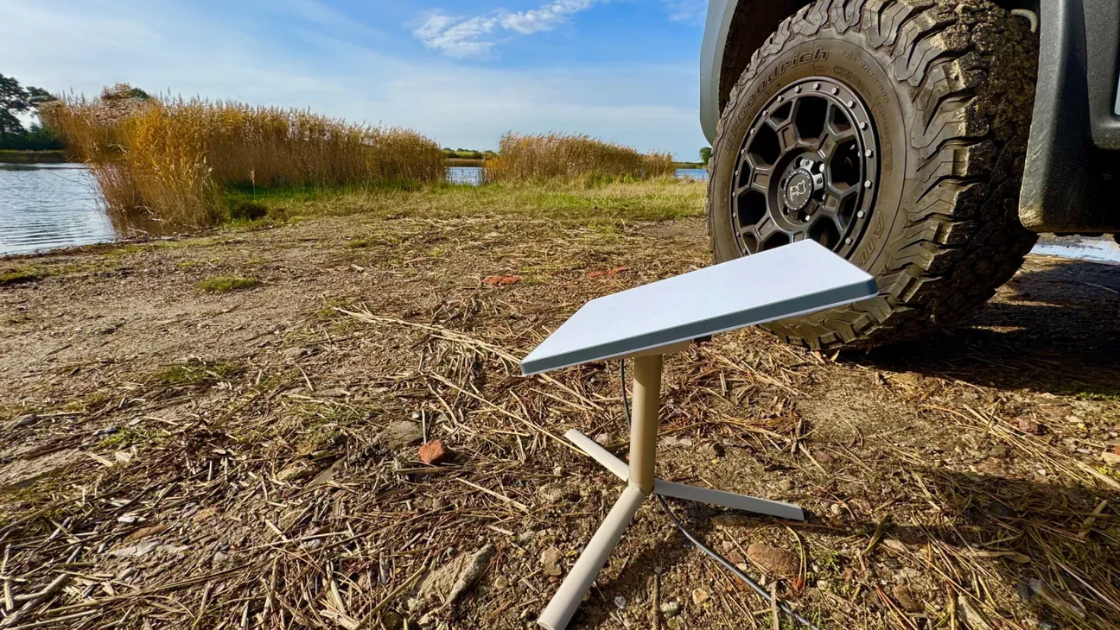
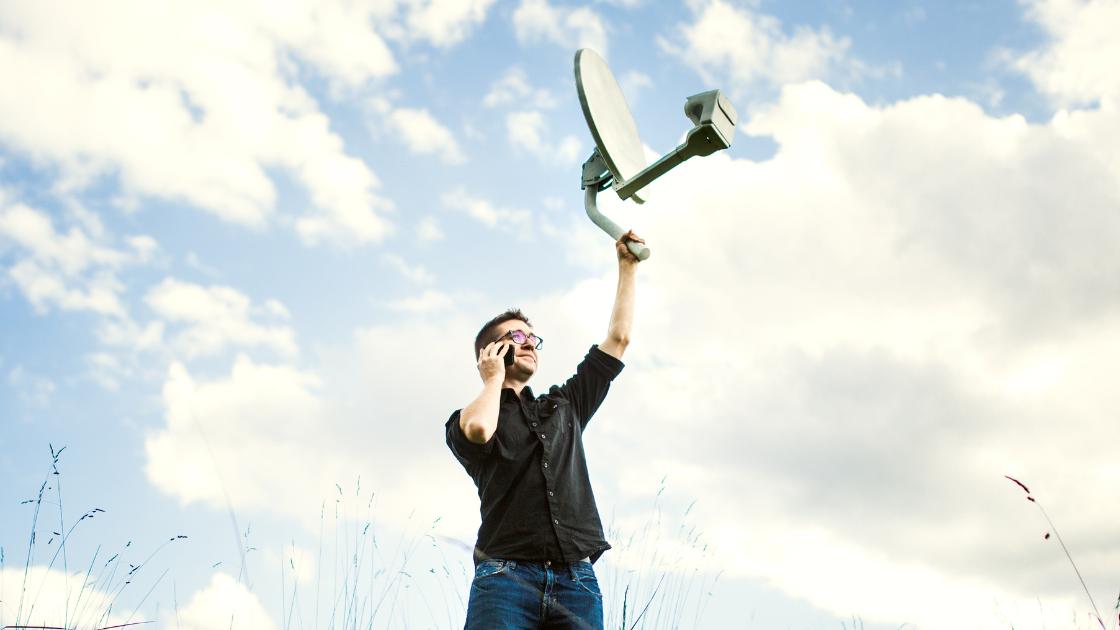
Rumors are swirling that SpaceX is developing a battery-powered version of its Starlink Mini satellite dish. Firmware discoveries suggest the compact Starlink Mini internet device could include an integrated battery system with multiple power modes. Additionally, the Starlink Mini would include USB-C charging and pass-through support. The biggest appeal of the Starlink Mini would be portability, especially for travelers, emergency responders, and remote workers who need reliable internet. Likewise, there is a lot of appeal for the Starlink Mini and its departure from traditional infrastructure. Right now, Starlink Mini users rely on external battery packs or wall outlets, making setups bulkier and less seamless. An all-in-one version of the Starlink Mini would push satellite internet closer to mainstream consumer convenience. Connectivity is increasingly becoming something users expect everywhere, even miles away from the nearest cell tower.

From the Wear OS 7 to SpaceX’s IPO and More! | Tech News

The world of tech and media is always abuzz, but it can be tricky to stay connected. That’s why we’re wrapping up the top headlines happening all across the web. From Google’s Wear OS 7 to SpaceX’s potentially massive IPO and more. Find out the latest tech news in this week’s blog!

SpaceX IPO Rumors Keep Wall Street Watching the Stars

Speculation surrounding a potential SpaceX IPO is once again heating up, reigniting interest across both Silicon Valley and Wall Street. While no formal public offering has been announced, investor appetite remains enormous as the company continues expanding its dominance in satellite internet, launch services, and space infrastructure. Analysts believe any future IPO would likely focus on Starlink rather than the rocket business itself, allowing investors direct exposure to the rapidly growing satellite communications market. The excitement highlights how space technology has evolved from a niche industry into a central pillar of the modern tech economy. Private aerospace companies are increasingly viewed less like science experiments and more like foundational infrastructure businesses. Space may still feel infinite, but investors clearly see it as very monetizable.

Google I/O 2026 Turns Android Into an AI-First Ecosystem

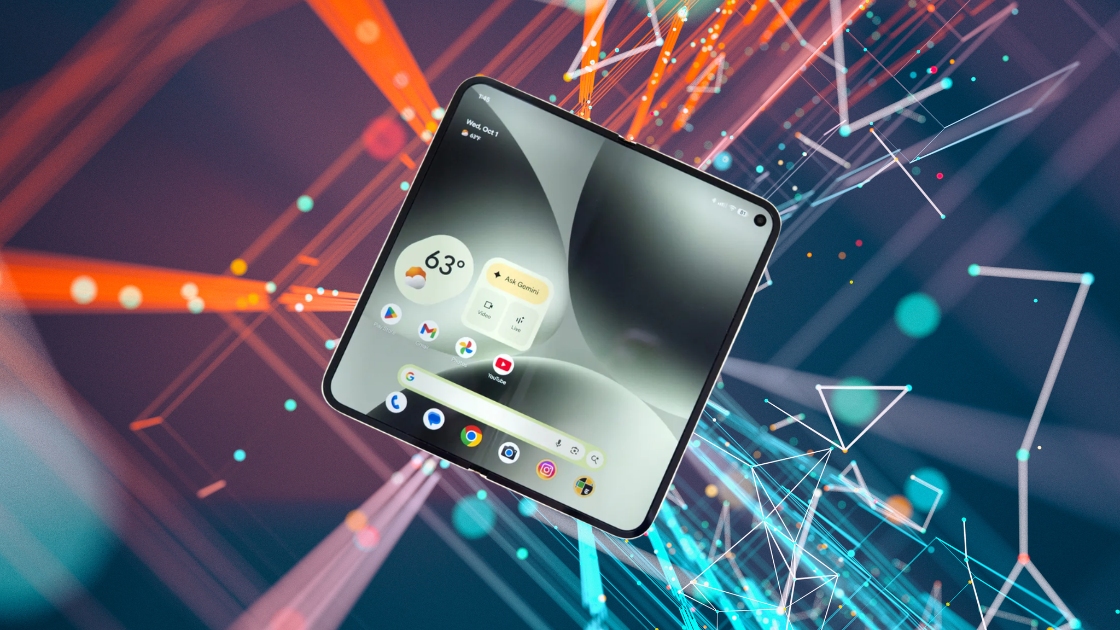
This year’s Google I/O conference made one thing abundantly clear: Android is no longer just a mobile operating system—it is becoming an AI-driven ecosystem. Google announced new AI-powered widgets, contextual shortcuts, and Studio tools designed to make Android devices more predictive and personalized. Instead of waiting for users to search or navigate manually, the platform increasingly attempts to anticipate needs in real time. Gemini AI is woven throughout the experience, quietly powering smarter interactions across apps and services. The broader strategy reflects a shift happening across consumer tech, where software aims to behave more like an assistant than a static interface. Smartphones are evolving into systems that attempt to think alongside their users.

Gemini AI Expands Into YouTube Shorts Remixing

Google is bringing Gemini AI directly into YouTube Shorts, allowing creators to remix and transform videos with generative AI tools. The new features let users alter visuals, experiment with styles, and create new content variations without requiring advanced editing skills. It is part of a broader effort to make AI-assisted creativity more accessible to mainstream users rather than limiting it to professionals. As short-form video platforms become increasingly competitive, AI is emerging as the next major battleground for creator tools. The distinction between editing and generating content continues to blur with every platform update. Social media feeds are beginning to feel less like captured reality and more like collaborative digital canvases.

Insta360 Introduces a Smarter Wireless Microphone System

Insta360 is expanding beyond cameras with the launch of the Mic Pro, a wireless microphone system designed for creators and mobile production workflows. The standout feature is its integrated E Ink display, which provides battery and connection information while conserving power. Insta360 also included a microphone array system aimed at improving voice clarity in unpredictable environments. As creator culture continues to dominate online media, audio quality is becoming just as important as video quality for influencers, podcasters, and streamers. Companies are increasingly building compact, creator-focused ecosystems rather than standalone devices. The modern creator toolkit is evolving into something highly portable, modular, and deeply optimized for constant content production.

Android 17 Brings Cross-Device “Continue On” Features

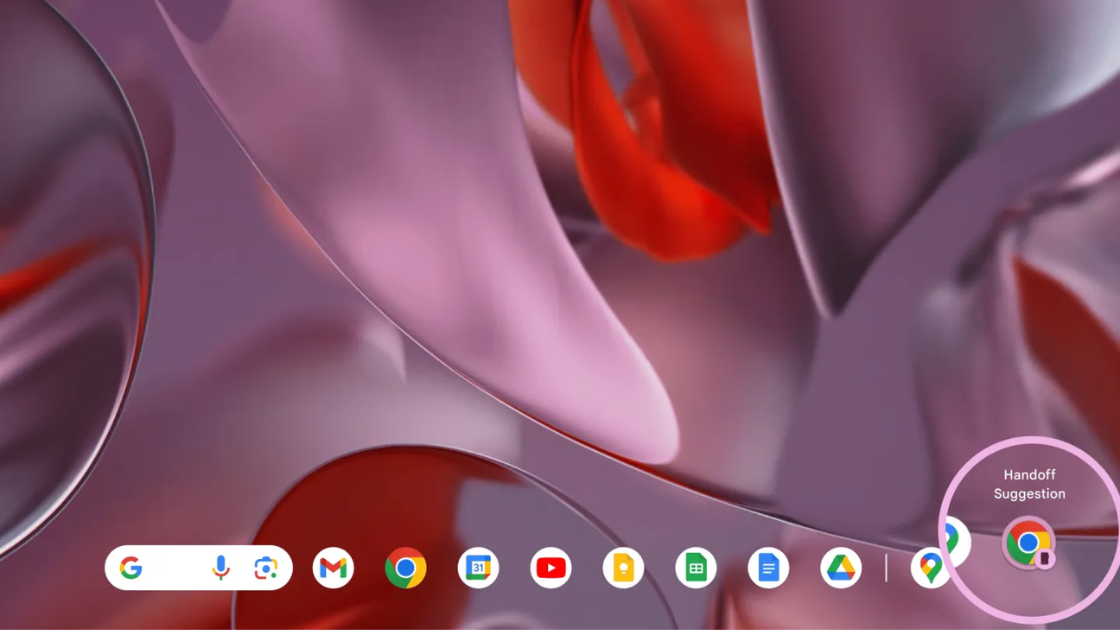
Android 17 is introducing a new “Continue On” feature designed to make switching between devices feel more seamless. Similar to handoff systems seen in competing ecosystems, the feature allows users to move apps, tasks, and workflows across phones, tablets, and other connected hardware without interruption. The update reflects Google’s broader effort to strengthen Android’s multi-device experience as users increasingly operate across several screens throughout the day. Ecosystem continuity has become one of the most important competitive areas in consumer technology. Tech companies no longer just sell individual gadgets—they sell how well those gadgets communicate with one another. The future of computing feels increasingly less tied to a single device and more tied to fluid digital movement.

Wear OS 7 Prioritizes Battery Life and Smarter Widgets

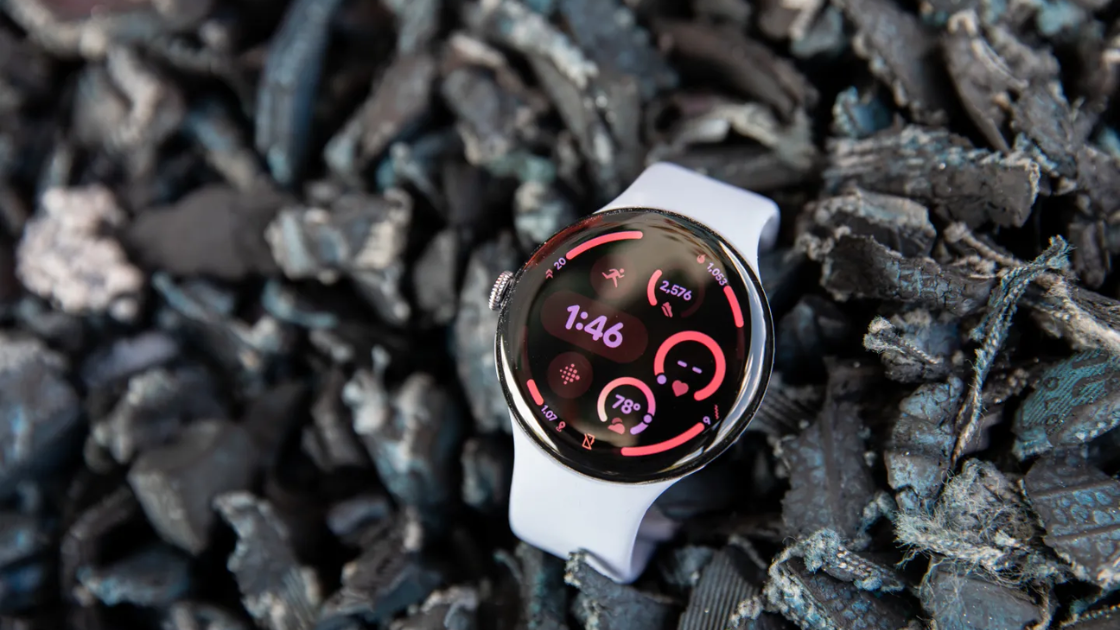
Google also used I/O 2026 to unveil Wear OS 7, focusing heavily on battery life improvements and smarter widget functionality. The Wear OS 7 update aims to make smartwatches feel less demanding and more practical for everyday use. Likewise, the updates to the Wear OS 7 improve power efficiency across background tasks and health tracking features. Enhanced widgets on the Wear OS 7 are designed to surface more contextual information without forcing users to constantly open apps. As wearables mature, the emphasis is shifting away from flashy novelty toward subtle convenience and long-term usability. Battery anxiety remains one of the biggest pain points in wearable tech. Of course, updates like that of Google’s Wear OS 7 showcase that companies are finally treating endurance as a core feature. The best wearable technology increasingly succeeds by quietly disappearing into daily life.

Volvo and Google Use AI to Rethink Driving Assistance

Volvo and Google showcased deeper AI integration for vehicles during Google I/O, including Gemini-powered driving and parking assistance features in the upcoming EX60. The system uses cameras and AI interpretation to assist with parking, navigation, and contextual in-car support. Rather than relying solely on rigid commands, Gemini is designed to support more conversational and adaptive interaction while driving. Automakers increasingly view AI as central to the next generation of vehicle experiences, especially as electric and software-defined cars continue evolving. Cars are steadily transforming from transportation tools into connected computing environments. The dashboard of the future may feel less like a control panel and more like a dialogue.

From Insta360’s Retro Revival to a Luxe Swatch Collab and More! | Tech News

Stay connected in the world of tech with the top headlines. From Insta360’s Retro Revival to a Luxe Swatch Collab and more, we have you covered! Check out this week’s blog for the latest shake-ups, upgrades, and remixes across tech and media.

Insta360 Gives Action Cameras a Retro Revival

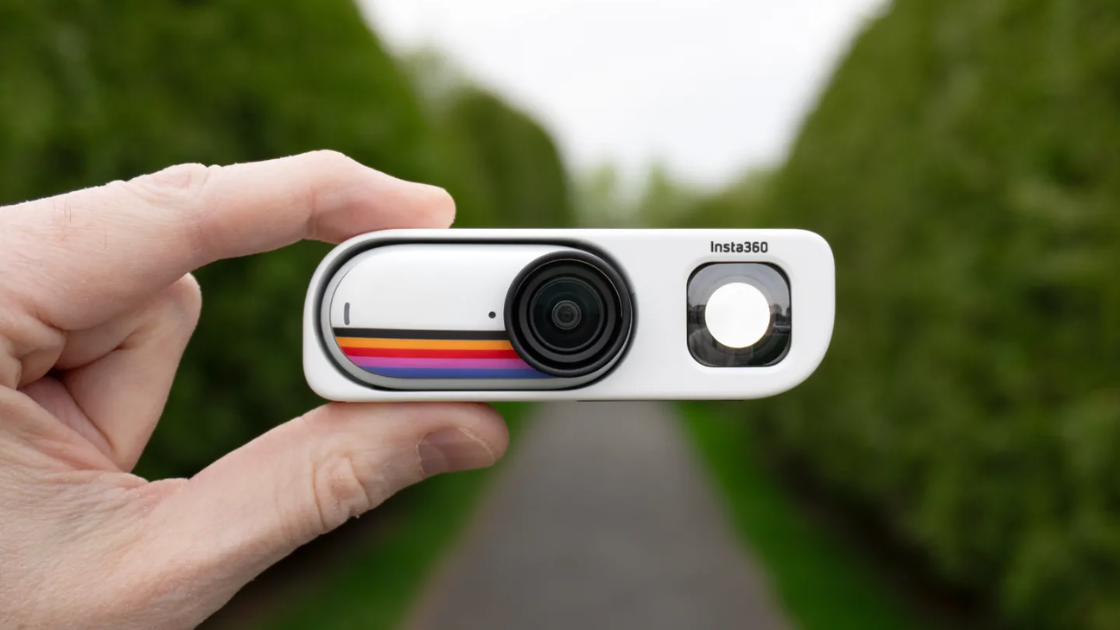
The nostalgia wave continues rolling through consumer tech, and this time it has landed on action cameras. Insta360 introduced a Retro Bundle for its Go 3S camera that adds an optical viewfinder and vintage-inspired shooting experience to the tiny 4K device. Instead of framing shots through a screen, users can compose images in a waist-level style, mimicking the feel of classic film photography. The launch leans into a growing trend where modern gadgets borrow tactile, analog-inspired design cues to stand out in an endless sea of sleek black rectangles. While the retro accessory may be more charming than practical, it taps into the desire for slower, more intentional content creation. In a culture built around instant uploads, tech companies are discovering there is real appeal in making devices feel emotional again.

Dyson’s New Air Purifier Literally Follows You Around

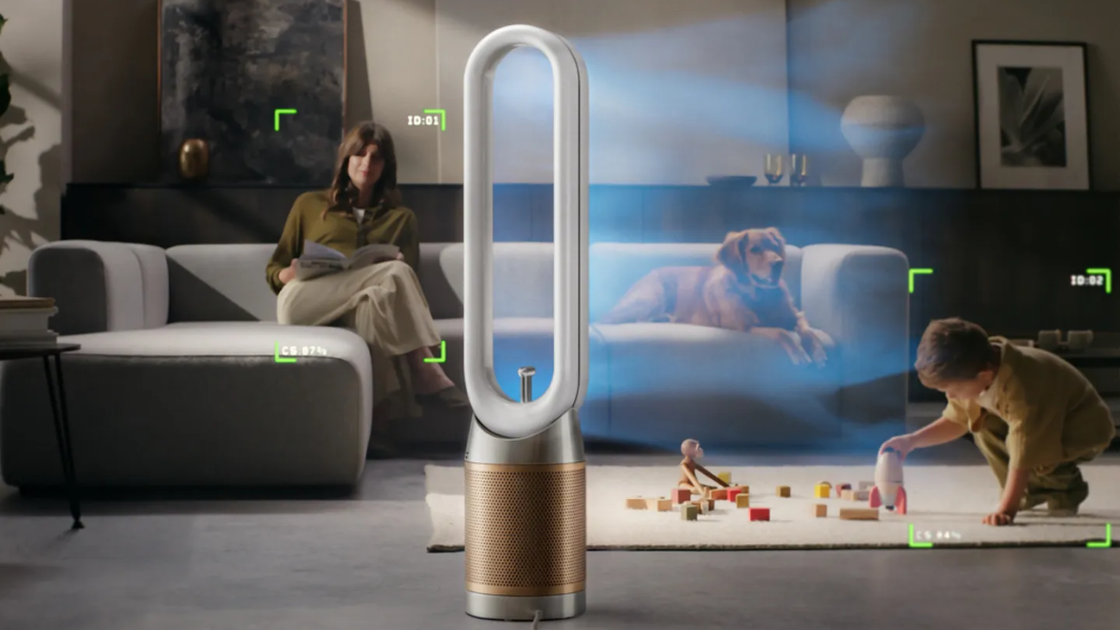
Dyson has unveiled a new air purifier with an AI-powered camera designed to track people around a room and direct airflow toward them automatically. The Find+Follow Purifier Cool uses computer vision and movement detection to identify where users are positioned, adjusting airflow dynamically instead of blasting the entire room nonstop. Dyson says all image processing happens locally on the device, with images deleted immediately after analysis to address privacy concerns. The purifier can also shut itself off when nobody is present, helping conserve energy while maintaining air quality. It is one of the clearest examples yet of AI quietly moving into home appliances in ways that feel both futuristic and slightly uncanny. The smart home is no longer just connected—it is starting to actively watch and respond.

Major U.S. Carriers Unite to End Wireless Dead Zones

In a rare moment of cooperation, AT&T, T-Mobile, and Verizon announced plans for a joint venture aimed at eliminating mobile dead zones across the United States. The initiative would combine satellite-based direct-to-device technology with shared spectrum resources to improve connectivity in rural and underserved regions. Rather than replacing traditional cell towers, satellite coverage would function as a supplemental layer designed for remote highways, wilderness areas, and emergency situations. The companies say the partnership could create more seamless service while accelerating innovation around satellite communication standards. For consumers, it points toward a future where “no service” becomes increasingly rare. America’s wireless infrastructure is beginning to stretch beyond the ground and into orbit.

Google Expands AI-Powered Contextual Suggestions on Android

Google is continuing its push toward more predictive and personalized smartphone experiences with expanded contextual suggestions on Android. The feature uses AI to surface recommendations and shortcuts based on what users are actively doing, making interactions feel more fluid and intuitive. Instead of manually searching through apps or menus, Android increasingly attempts to anticipate the next likely action. The rollout reflects a larger shift happening across the tech industry: software is becoming proactive instead of reactive. These systems are designed to quietly reduce friction, blending AI into daily habits until it becomes almost invisible. Smartphones are slowly evolving from tools people operate into systems that attempt to understand behavior in real time.

YouTube Wants Creators to Build the Next Streaming Empire

YouTube is making a stronger push into premium creator-led programming, encouraging influencers and digital personalities to develop larger-scale shows capable of attracting advertisers and streaming audiences. The strategy was highlighted during upfront presentations, where YouTube emphasized the growing power of creators to compete with traditional entertainment studios. As younger audiences continue shifting away from conventional television, creator-driven content is becoming increasingly central to the media business. The distinction between “internet creator” and “TV personality” keeps shrinking with every passing year. Platforms are no longer treating creators like side attractions—they are becoming the main event. Hollywood’s future may look less like studio lots and more like algorithm-driven production pipelines.

Instagram Experiments With More Temporary Social Sharing

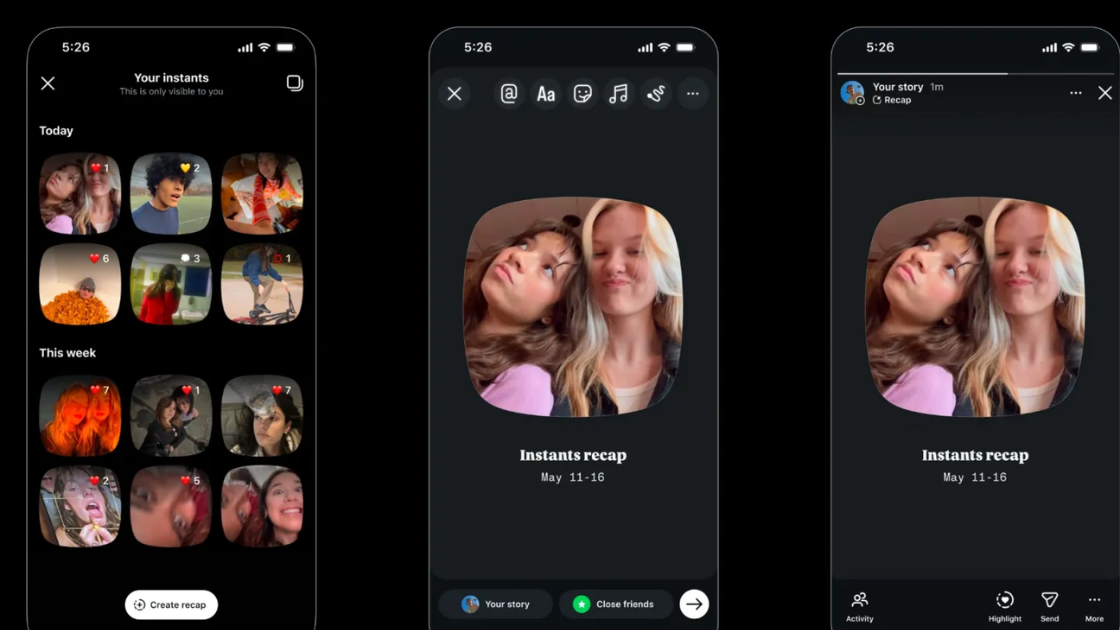
Instagram is reportedly testing a new feature focused on disappearing photos called Instants, leaning further into temporary and low-pressure social interaction. The idea mirrors a broader trend among younger users who increasingly favor casual, fleeting communication over highly curated permanent posts. Platforms have spent years rewarding polished content, but users now seem more interested in spontaneity and private sharing. Features like this attempt to recapture the intimacy that early social apps once had before feeds became hyper-commercialized. In many ways, social media is circling back toward impermanence after a decade obsessed with visibility and permanence. The future of online sharing may feel less like building a public archive and more like passing notes in class again.

Swatch and Audemars Piguet Turn Luxury Watches Into Pocket-Sized Pop Art

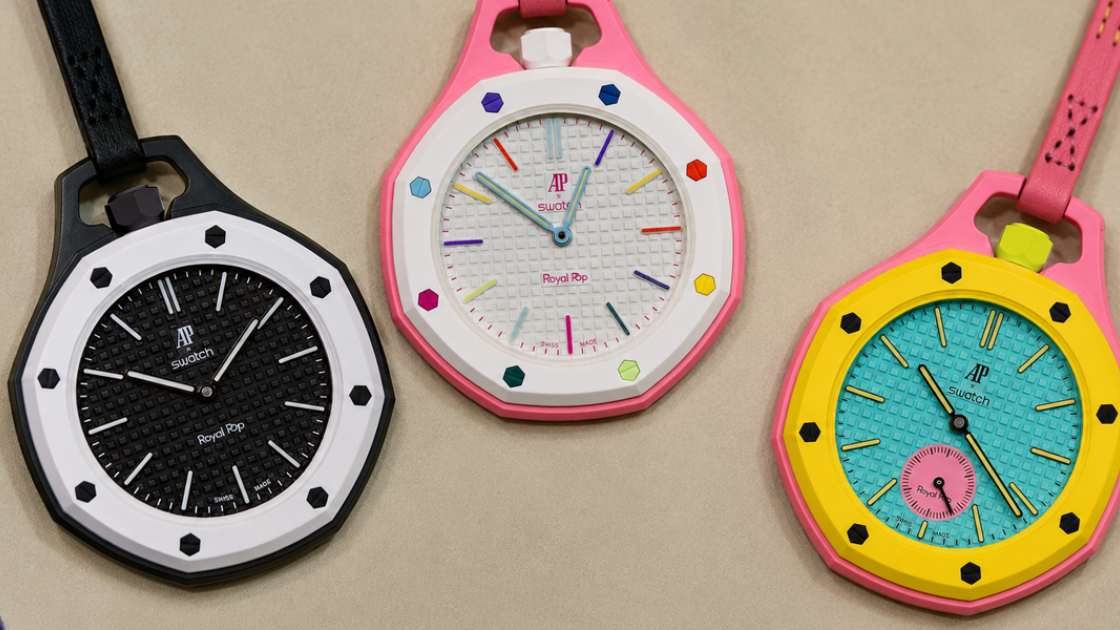
The luxury-tech crossover trend is alive and well. Swatch and Audemars Piguet have unveiled a bold new collaborative pocket watch design that has the internet by storm. The Swatch release blends playful, colorful styling with high-end watchmaking heritage. Likewise, the collaboration between Swatch and Audemars Piguet is transforming the traditionally old-fashioned pocket watch into something more fashion-forward and collectible. Rather than competing directly with smartwatches, luxury watchmakers are increasingly leaning into artistry, nostalgia, and cultural identity. Physical accessories, like the Swatch collab, are becoming statements of personality in response to increasingly digital lifestyles. In an era where phones already tell the time perfectly, watches now succeed by being expressive instead of functional. Sometimes the future of tech-adjacent culture looks surprisingly vintage. 

Water-Conscious Landscaping | Home Tips

In Southern California, luxury and sustainability are no longer separate conversations. As water conservation becomes an essential part of homeownership, outdoor spaces are evolving to reflect both environmental awareness and elevated design. For homeowners across Los Angeles County, the challenge is clear: how do you create a landscape that is water-wise without sacrificing beauty?

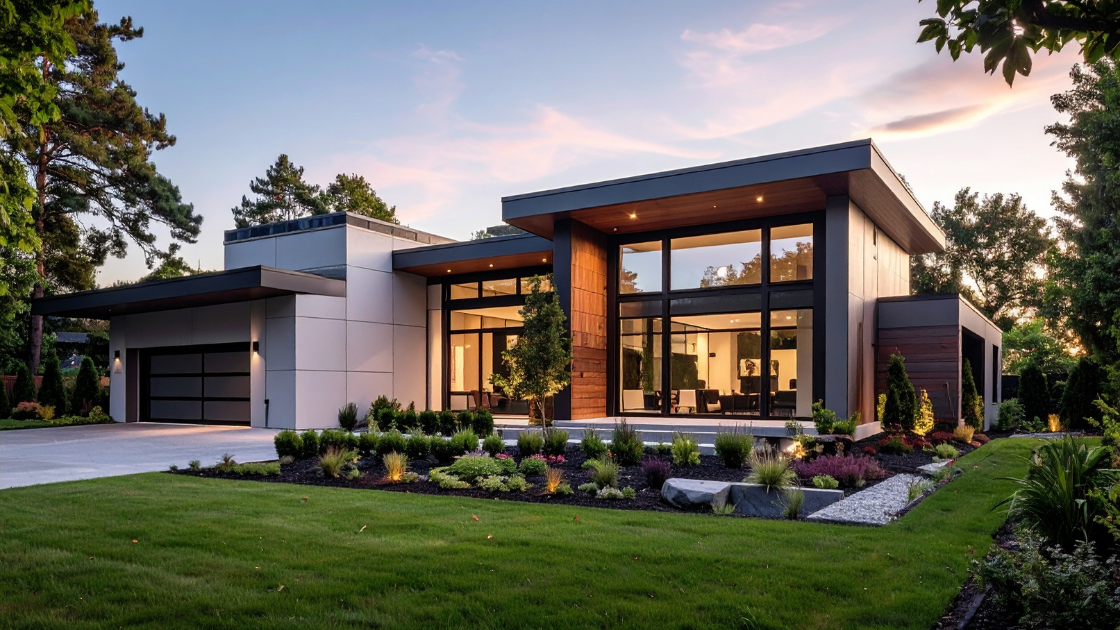
The answer lies in thoughtful, intentional design. Water-conscious landscaping for luxury homes blends native plantings, sculptural materials, and modern layouts to create outdoor spaces that feel both refined and effortlessly in tune with their surroundings.

Embrace Native and Climate-Adapted Plants

At the heart of drought-conscious design is plant selection. Native and climate-adapted plants thrive in Southern California’s environment, requiring significantly less water while maintaining visual impact.

Consider incorporating species such as California lavender, sage, agave, and olive trees. These plants offer texture, movement, and seasonal interest without the need for constant irrigation. Layering greenery at different heights creates depth, while a curated mix of soft and structured forms keeps the landscape visually engaging.

For luxury homes, the goal is not abundance for the sake of it, but balance. A well-edited garden with intentional plant groupings often feels more sophisticated than one that is overly dense.

Elevate the Look with Gravel and Hardscape Design  

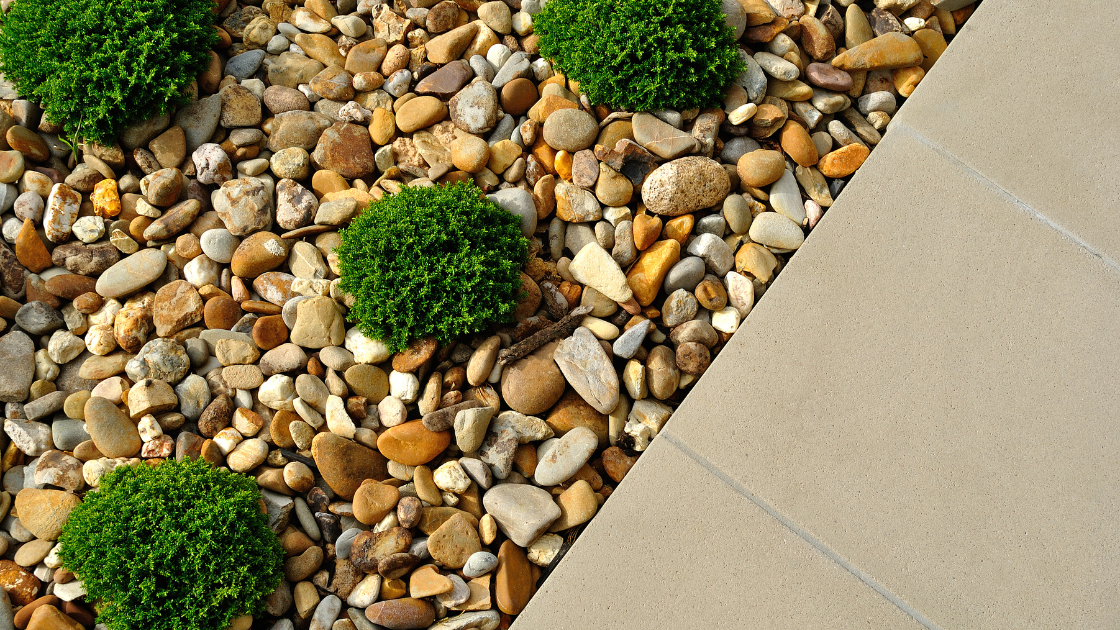
Gravel is no longer just a practical solution. In high-end landscapes, it becomes a design element in its own right.

Decomposed granite, crushed stone, and fine gravel can be used to define pathways, frame planting beds, or replace traditional lawns. These materials add texture and contrast while reducing water consumption. When paired with large-format pavers or natural stone, gravel creates a layered, architectural look that feels both modern and timeless.

In Los Angeles luxury properties, hardscaping often plays a central role. Clean lines, geometric layouts, and thoughtful spacing elevate the entire outdoor experience while minimizing maintenance.

Create Zones for Living and Entertaining

A luxurious landscape is not just about what you see. It is about how the space functions.

Design distinct areas for lounging, dining, and relaxation using a combination of hardscape, greenery, and outdoor furnishings. A gravel-lined fire pit area, a shaded dining terrace, or a quiet garden nook can each serve a purpose while contributing to the overall flow of the property.

By reducing large expanses of water-intensive lawn and replacing them with usable, well-designed zones, homeowners create spaces that feel both intentional and indulgent.

Incorporate Water-Wise Elegance

Water-conscious design does not mean eliminating luxury details. Instead, it invites a more curated approach.

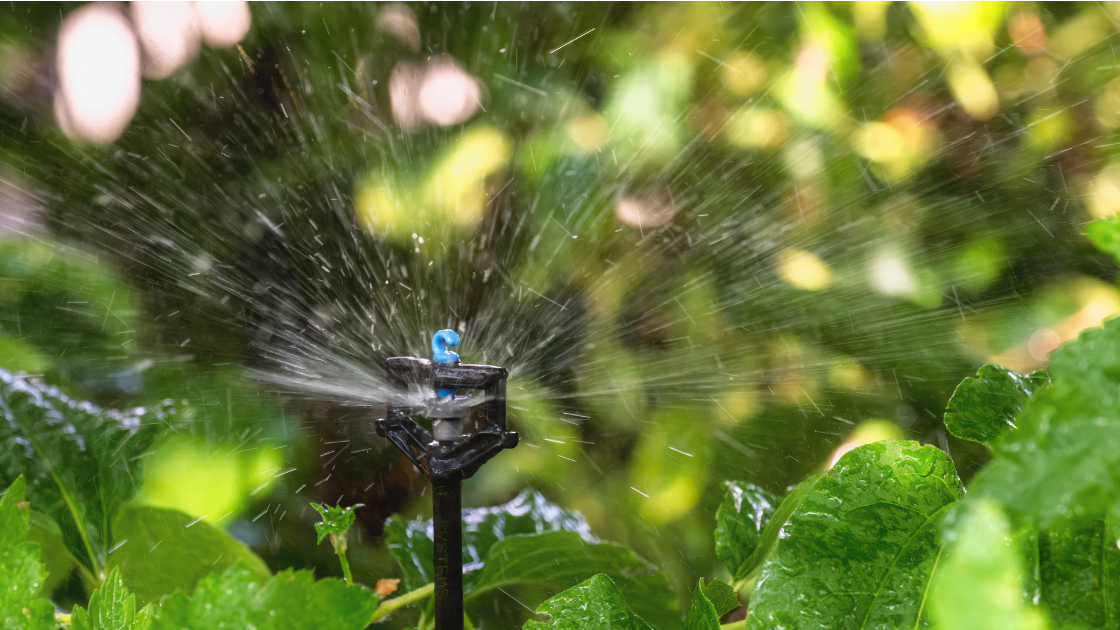
Drip irrigation systems deliver water directly to plant roots, maximizing efficiency while maintaining lush plantings. Strategic lighting enhances the landscape at night, highlighting textures and architectural elements. Sculptural planters, natural wood accents, and stone features add warmth and sophistication without increasing water demand.

Even small touches, like a minimalist fountain with recirculating water, can introduce movement and serenity without excess usage.

Redefining Luxury in Southern California

Today’s water-conscious landscaping for luxury homes reflects a shift in how beauty is defined. It is no longer about excess, but about harmony between design, environment, and lifestyle.

For Los Angeles homeowners, this approach offers the best of both worlds. A landscape that is sustainable, low-maintenance, and deeply connected to its surroundings, yet still undeniably elegant.

Because true luxury, especially in Southern California, is not just about how a space looks. It is about how intelligently it lives.

March 2026 Maintenance Checklist | Home Tips

As winter fades and longer days settle over Southern California, March becomes the ideal moment to refocus on protecting your investment. For luxury homeowners in Los Angeles County, seasonal upkeep is not simply about appearances. It is about preserving architectural integrity, safeguarding custom finishes, and ensuring your property continues to perform at the highest level.

From seasonal HVAC checks to outdoor drainage reviews, these proactive steps help maintain both value and comfort.

Schedule Seasonal HVAC Inspections

While Los Angeles winters are mild, fluctuating temperatures and recent rains can place strain on HVAC systems. Early spring is the perfect time to schedule a professional inspection before warmer days arrive.

Luxury homes often feature multi-zone climate systems, smart thermostats, and advanced air filtration. Ensuring filters are replaced, ductwork is inspected, and systems are calibrated protects both indoor air quality and long-term equipment performance. Preventative service now avoids costly emergency repairs during peak summer months.

Conduct Roof Inspections After Rain

Southern California rainstorms may be infrequent, but when they arrive, they can expose vulnerabilities. March is the time to inspect roofing materials for loose tiles, flashing damage, clogged gutters, or subtle leaks.

High-end properties frequently feature clay tile, slate, or custom metal roofing. Even minor issues can lead to water intrusion that affects insulation, ceilings, and bespoke interior finishes. A professional roof inspection ensures that small concerns are addressed before they escalate.

Review Outdoor Drainage and Landscaping

Drainage is particularly critical for hillside estates and properties with expansive outdoor living areas. After seasonal rain, evaluate:

  • Pool and patio drainage systems 
  • French drains and retaining walls 
  • Irrigation efficiency 
  • Soil erosion around foundations 

Improper drainage can compromise hardscaping, stain stone patios, or create structural concerns over time. Luxury landscaping requires intentional care, and spring adjustments to irrigation schedules help conserve water while preserving curb appeal.

Pressure Wash Patios and Hardscapes

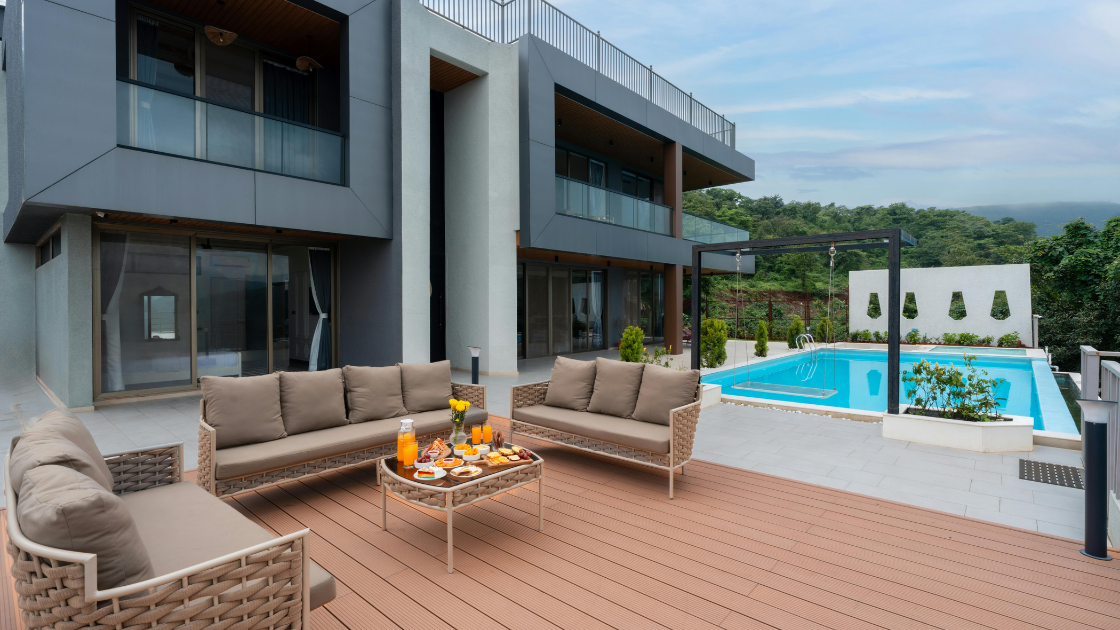
Outdoor entertaining is a hallmark of Southern California living. March is ideal for refreshing stone terraces, driveways, pool decks, and outdoor kitchens.

Professional pressure washing removes winter debris, mildew, and staining without damaging premium materials such as travertine, limestone, or custom pavers. Clean hardscapes instantly elevate the look of your property and prepares it for spring gatherings.

Repaint and Refresh Exterior Trim

Sun exposure, coastal air, and winter moisture can gradually wear down exterior trim and detailing. Inspect woodwork, window frames, gates, and fencing for peeling paint or early signs of rot.

A targeted refresh of exterior trim preserves architectural elegance and prevents more extensive repairs later. For luxury homeowners in Los Angeles County, these subtle aesthetic updates protect both beauty and resale value.

Protect Your Investment This Spring

Luxury homeownership in Southern California requires thoughtful, seasonal attention. This March 2026 maintenance checklist helps ensure that your property remains structurally sound, visually refined, and ready for the months ahead.

By addressing HVAC systems, roofing, drainage, hardscaping, and exterior detailing now, homeowners safeguard not only their immediate comfort but also the long-term value of their estate. In a competitive Los Angeles luxury market, proactive maintenance is not just practical. It is essential.

5 Smart-Home Tools That You Did Not Know You Needed

There’s this notion going around that everything needs to be “smart” for ease of lifestyle —  even your home.  Fortunately for you, the market is saturated with smart-home tools, with new ones added almost every day. Below is a list of a few smart-home tools for your home that you did not know you needed.

Voice Assistant

The most common way that homeowners get started with smart-home technology is by purchasing a voice assistant device such as an Amazon Echo (Alexa) or Google Home Assistant. These come in a variety of sizes. From the Google Mini or Echo Dot to the larger hubs such as the Google Hub or Echo Show (which offer touch screens and more robust speakers). You can place them in popular areas in the house, such as the kitchen or bedroom, to look up information, play music, and control other smart-home devices. From there, homeowners can choose other smart-home products that are compatible with their voice assistant.

Smart Thermostat

The next item that energy-conscious homeowners will want to purchase is a smart thermostat. Popular brands include Ecobee, Nest, and Honeywell. Nest has been acquired by Google, which is transitioning the “works with Nest” program to work with Google Assistant and offer additional products such as a video doorbell, a smart-lock, cameras, and a security system. Ecobee is our  personal favorite since it includes an additional occupancy and temperature sensor that can be placed in any room of the home. Both systems have scheduling and geofence features that will adjust settings based on whether the owner is home using their phone as a presence sensor.

Video Doorbell

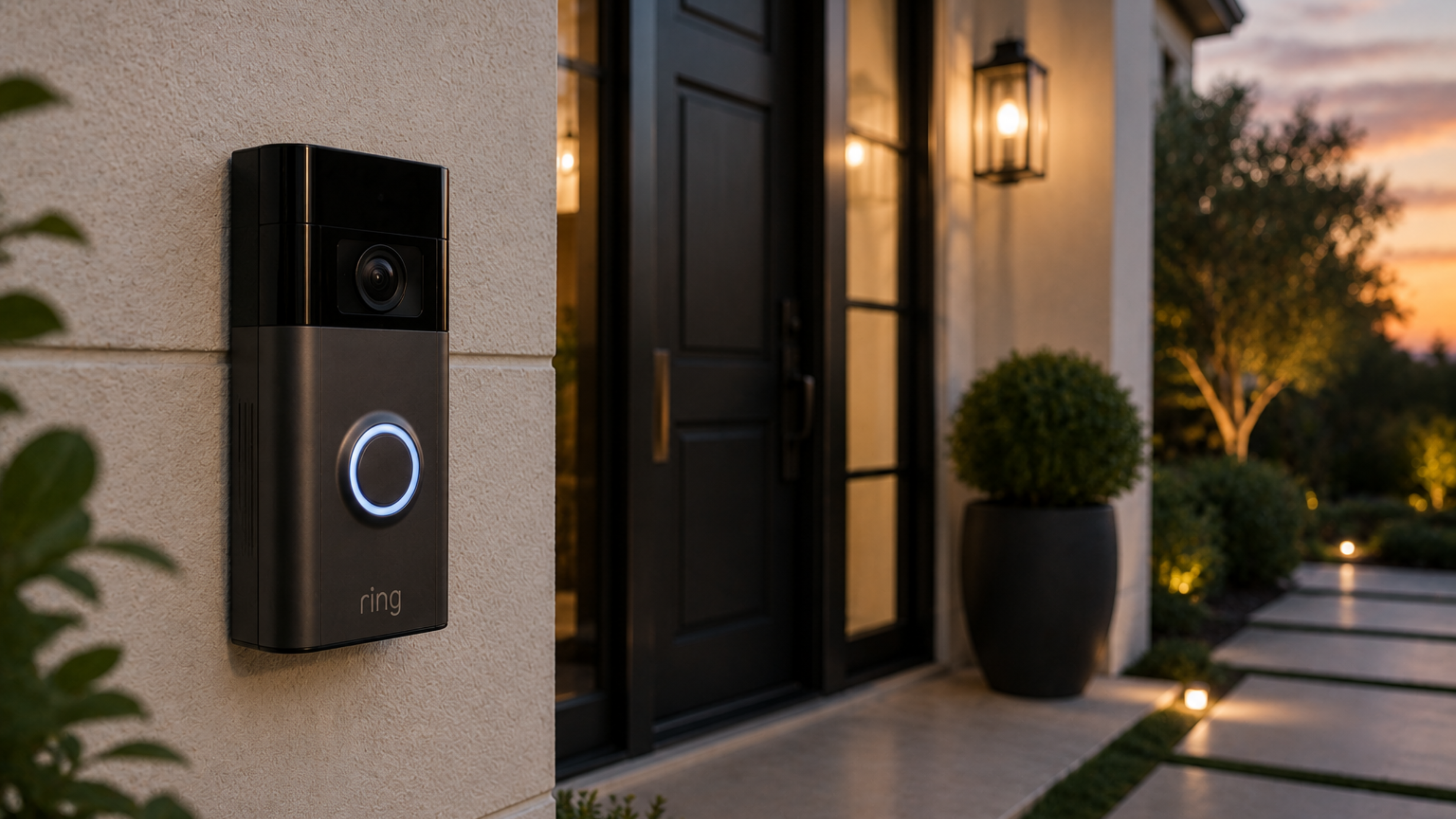
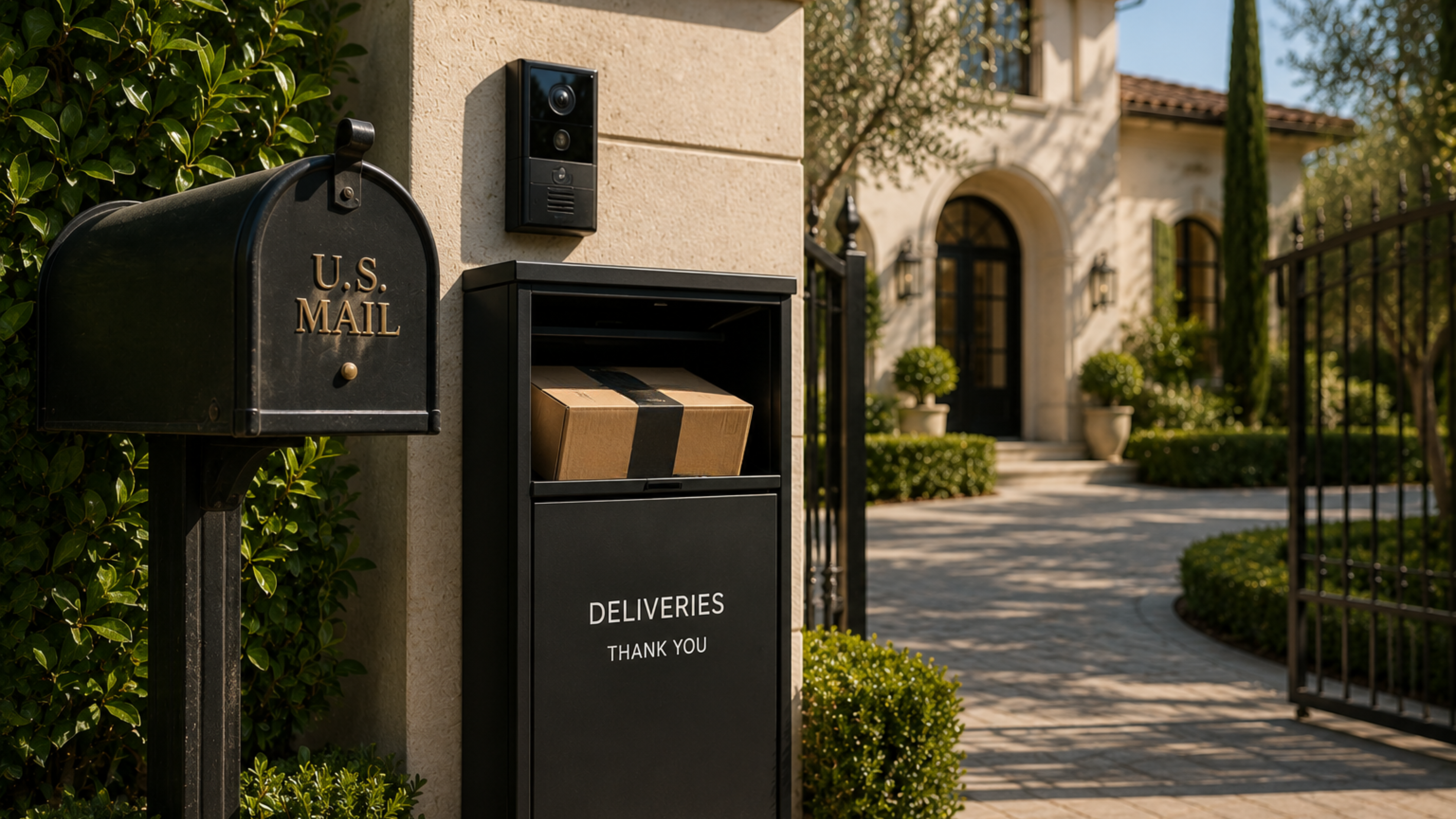
Ring has helped video doorbells gain popularity with their aggressive advertising on Nextdoor and Facebook. There are other great options from Google, Simplisafe, and Skybell. A video doorbell allows the homeowner to see who’s at the door, monitor when packages arrive, and avoid those pesky door-to-door salespeople. Beware: if you don’t have a strong Wi-Fi connection you’ll be disappointed with the video quality.

Smart Lighting

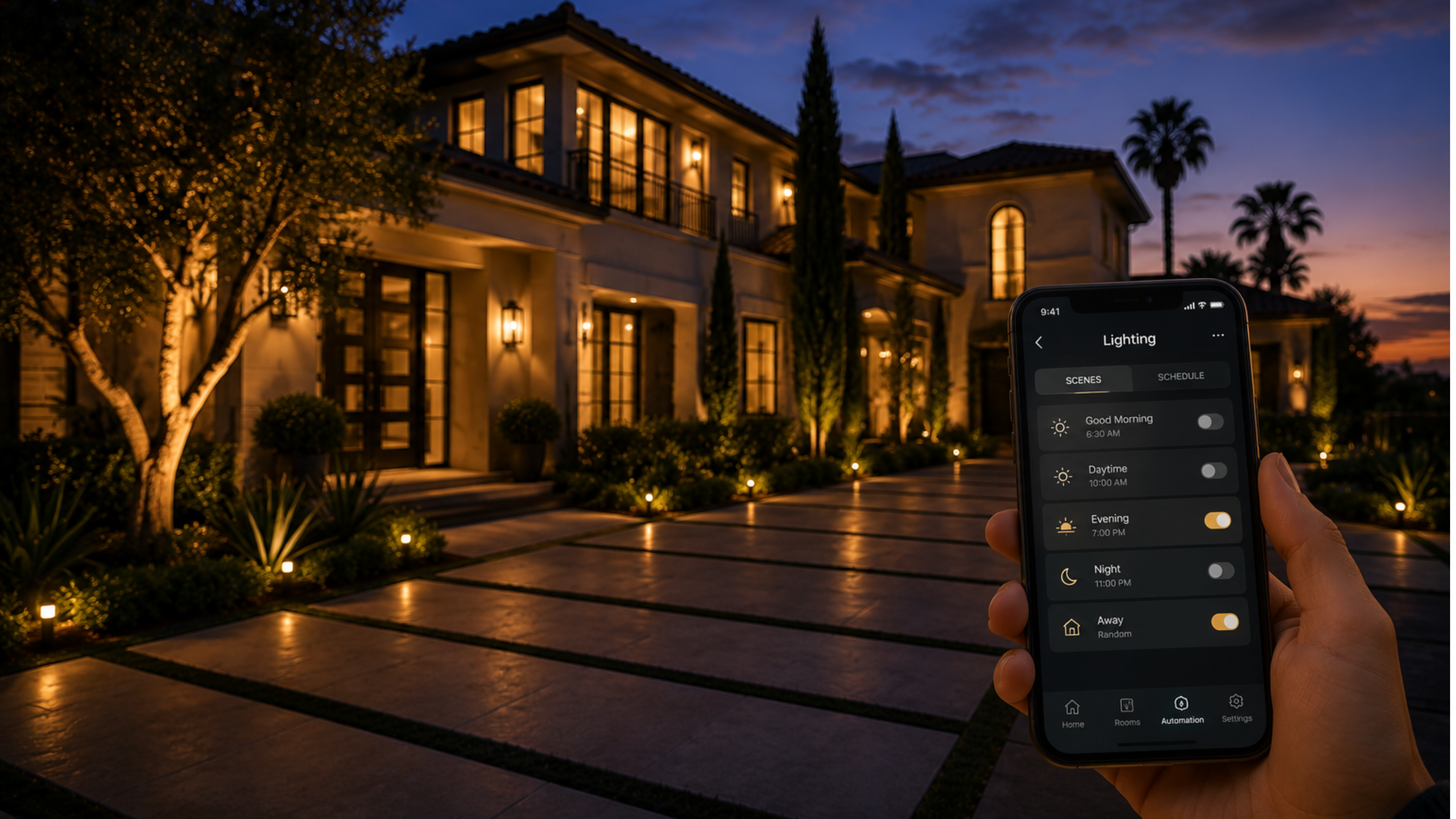
Whether you install a switch at the wall or just replace a few lightbulbs, smart lighting is a popular choice for convenience, security, and entertainment. We recommend going with a system such as Lutron, which does not require a neutral wire and can be controlled via voice or application with a smart bridge device. Philips Hue or LIFX bulbs are both great options for lighting up a room with color, and each includes a variety of scenes that can help set the mood. Smart lights and switches can also be integrated with a home hub such as Hubitat and connected to other devices such as door or motion sensors. Smart bulbs can also be compatible with Alexa and Google Devices.

Smart Plugs

Plugs are another cost-effective way to control dated devices such as lamps, fans, or holiday lights. This allows the homeowner to setup a variety of automations and use his or her smartphone or voice assistant to turn them on or off. Some versions also include energy monitoring, which can be used to trigger other automations or to simply let the owner know how much power they’re currently using. Perk: You can set these to go on or off on a timer so that your pets aren’t left in the dark when the sun sets.