From Cash App’s Wand to Microsoft Quantum Computing and More! | Tech News

The world of technology is ever-evolving, and this week brings no shortage of news in advancements and major shake-ups. From the Cash App Wand to Microsoft Quantum Computing and more, we have you covered on the leading headlines. Check out the latest in this week’s tech news round-up!

Google Gives Creators More Control Over Their Search Presence

This week, Google began rolling out customizable Search profiles that allow qualifying creators and publishers to manage how they appear in search results. Eligible users can showcase videos, articles, social links, pinned content, and aggregated posts from multiple platforms, essentially creating a personalized hub within Google Search. The feature is currently limited to creators with significant followings on YouTube, Instagram, X, or TikTok, highlighting Google’s growing focus on the creator economy. It also represents a direct challenge to link aggregation services by keeping users within Google’s ecosystem. As search becomes more personalized and creator-driven, platforms are increasingly competing to become the central destination for online identity.  

Cash App Turns Contactless Payments Into a Magic Trick

An unusual new payment accessory called the Cash App Wand was launched this week by Cash App. The NFC-enabled device allows users to make contactless payments with a wave of a star-topped wand. Inspired by a social media trend of creating whimsical payment devices, the wand pairs directly with a Cash App Card and works anywhere Visa tap-to-pay is accepted. The accessory includes security features such as instant locking, transaction alerts, and fraud monitoring through the app. While it may seem playful, the product reflects a broader trend of payment companies experimenting with new form factors and lifestyle-driven accessories. Financial technology is increasingly becoming as much about personalization and branding as convenience.  

Shokz Expands Its Open-Ear Audio Lineup

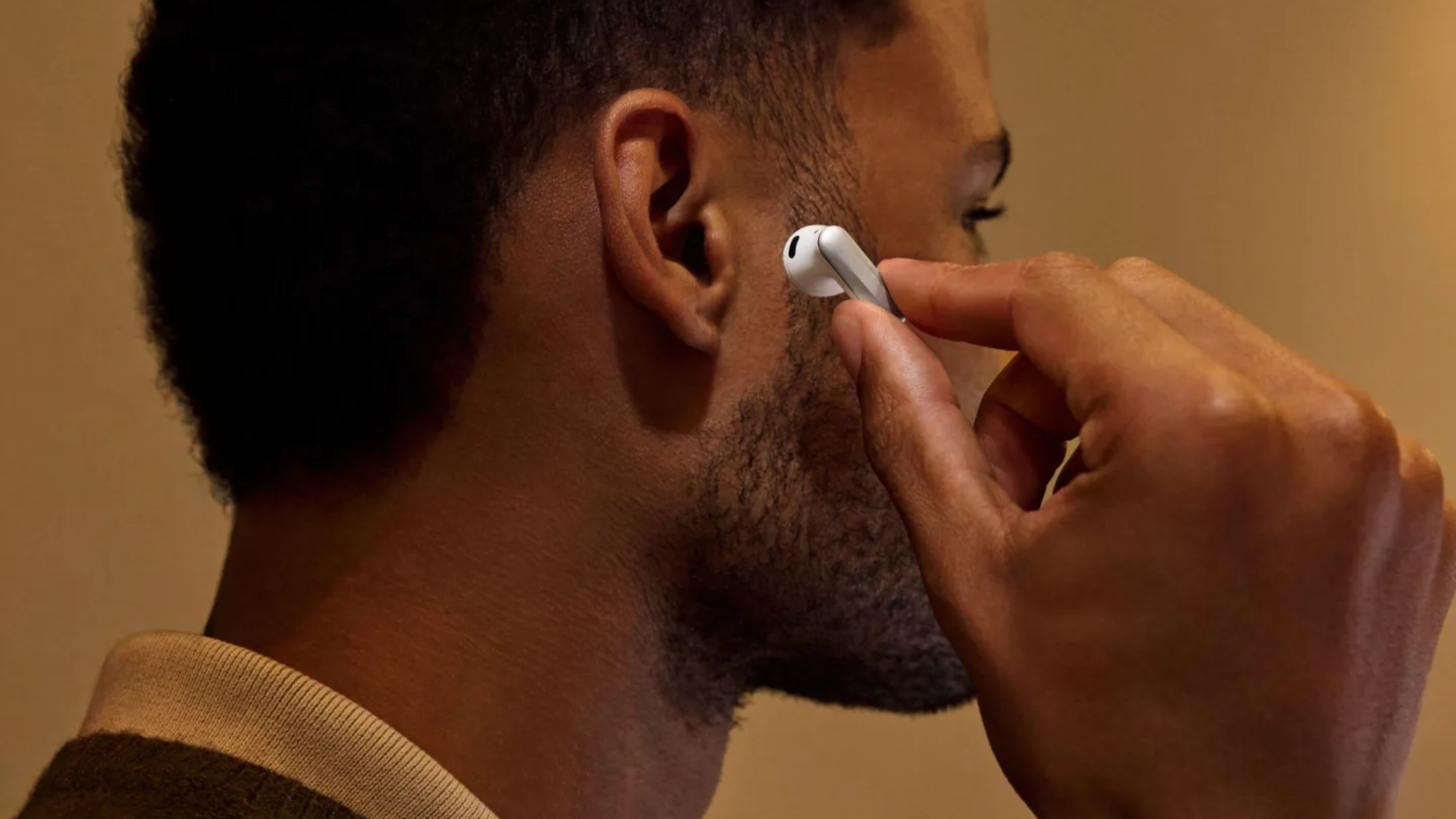
In the headphone world, Shokz has unveiled two new clip-on earbuds, the OpenDots 2 and OpenDots Air, continuing the company’s push into open-ear audio technology. Both models are designed to sit outside the ear canal while allowing users to remain aware of their surroundings, making them appealing for commuters, runners, and everyday wear. The OpenDots 2 adds Dolby Audio support, wireless charging, and enhanced call quality, while the lighter OpenDots Air focuses on comfort and affordability. Battery life has also improved, with up to 40 hours of listening available through the charging case on the premium model. The launch underscores the growing popularity of earbuds that prioritize situational awareness over complete isolation.  
WiiM Enters the Home Theater Market

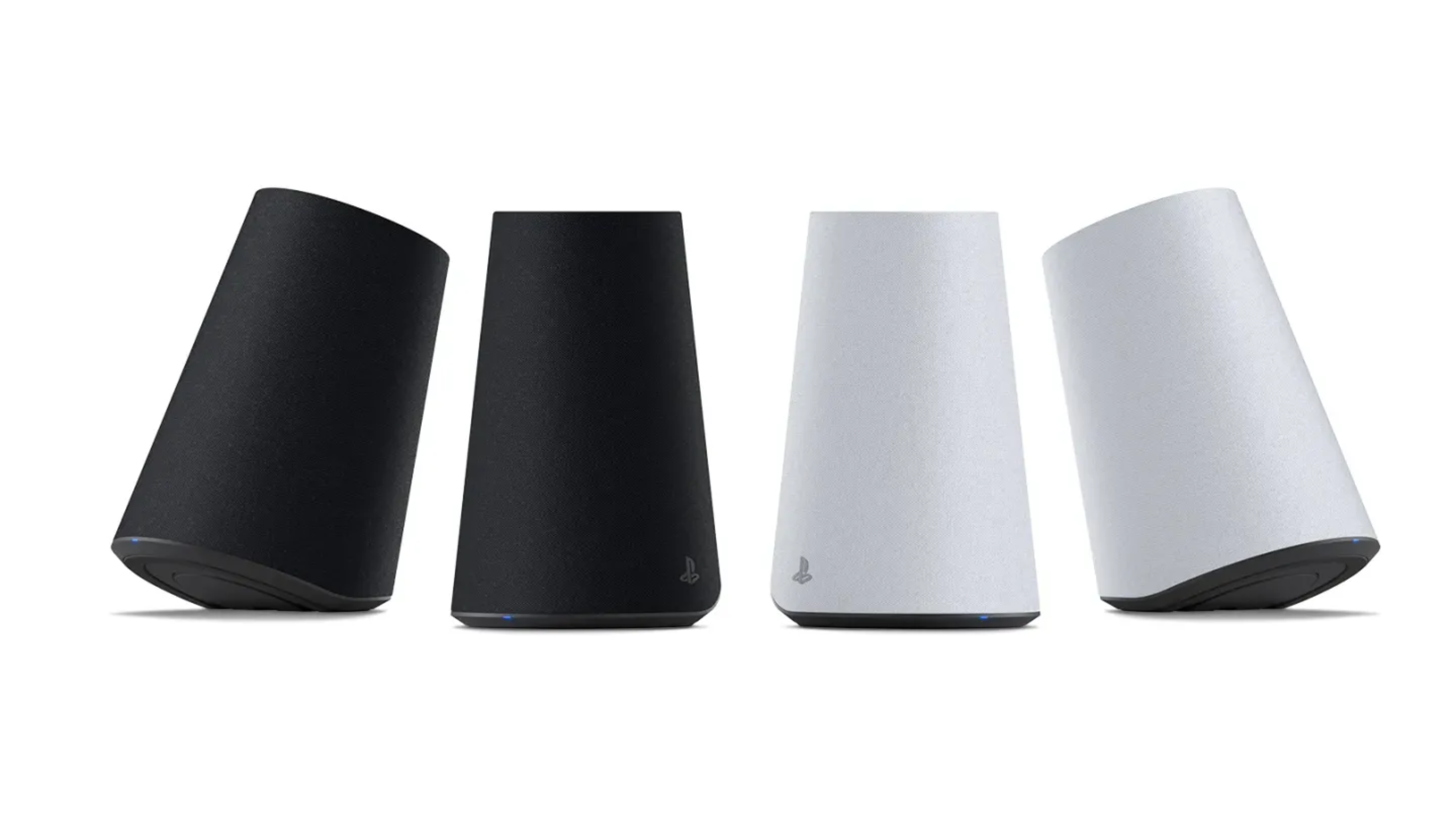
Known for its audio streaming products, WiiM has officially entered the soundbar market with its first home theater offering. The new soundbar aims to bring the company’s reputation for affordable, high-quality audio into a category dominated by larger consumer electronics brands. By integrating with existing WiiM products and smart home ecosystems, the company hopes to offer a more connected entertainment experience. The move reflects a broader trend of audio brands expanding beyond their core products to build complete home entertainment ecosystems. As consumers continue seeking simplified setups with premium sound quality, competition in the soundbar category is becoming increasingly crowded.  

Quantum Computing Moves Forward With Microsoft Majorana 2

Microsoft has revealed new details about its Majorana 2 quantum chip, a key component of the company’s long-term quantum computing strategy. The Microsoft chip is built around topological qubits. Likewise, it’s a technology Microsoft believes could eventually provide greater stability and scalability than traditional quantum systems. While practical quantum computers remain years away, advancements like Majorana 2 are viewed as important milestones. Of course, the goal is to move toward making the technology commercially viable. Quantum computing has the potential to revolutionize fields ranging. With this advancement from Microsoft, the future bodes bright, from medicine to logistics and cybersecurity. The race to build reliable quantum hardware like the Microsoft chip continues to intensify as major technology companies invest heavily.  

Ableton Opens the Door to More Customized Music Production

Live music production just got an upgrade. Ableton has released a new Extensions SDK. The extension allows developers to create deeper integrations for its popular Live music production software. The toolkit enables third-party developers to build custom workflows, tools, and features that function directly within Ableton Live. For highly flexible producers, this could lead to more specialized creative tools tailored to specific genres, instruments, and production styles. The move strengthens Ableton’s position as a platform for both professional and amateur creators. As software becomes increasingly central to music production, companies are investing in ecosystems. Of course, the goal are systems that allow communities to expand and personalize their creative environments. 

From Xreal’s New AR Glasses to the Starlink Mini and More! | Tech News

From xReal’s New AR Glasses to the Starlink Mini and more, the world of tech is buzzing with major news and moves. Stay connected with what’s happening from across the web in our weekly round-up. This week’s tech news spotlights product drops, social media updates, and the ever-growing world of AI.

Halide Mark III Turns the iPhone Into a More Intentional Camera

The latest version of the Halide camera app is leaning hard into a growing backlash against overly processed smartphone photography. Halide Mark III introduces new film-inspired “Looks,” upgraded RAW editing tools, and a redesigned interface aimed at photographers who want more natural and intentional images. The app now supports editing RAW files from cameras made by Sony, Nikon, Canon, Fujifilm, Leica, and more, expanding its role beyond mobile photography. Developers at Lux Optics say the goal is to make iPhone photography feel more tactile and less algorithmically polished. In a world saturated with AI-enhanced images, there is suddenly real demand for photos that feel imperfect, textured, and human again. The camera app race is no longer just about sharper pictures; it is about restoring personality to digital photography.

Meta Pushes Subscriptions Across Facebook, Instagram, and WhatsApp

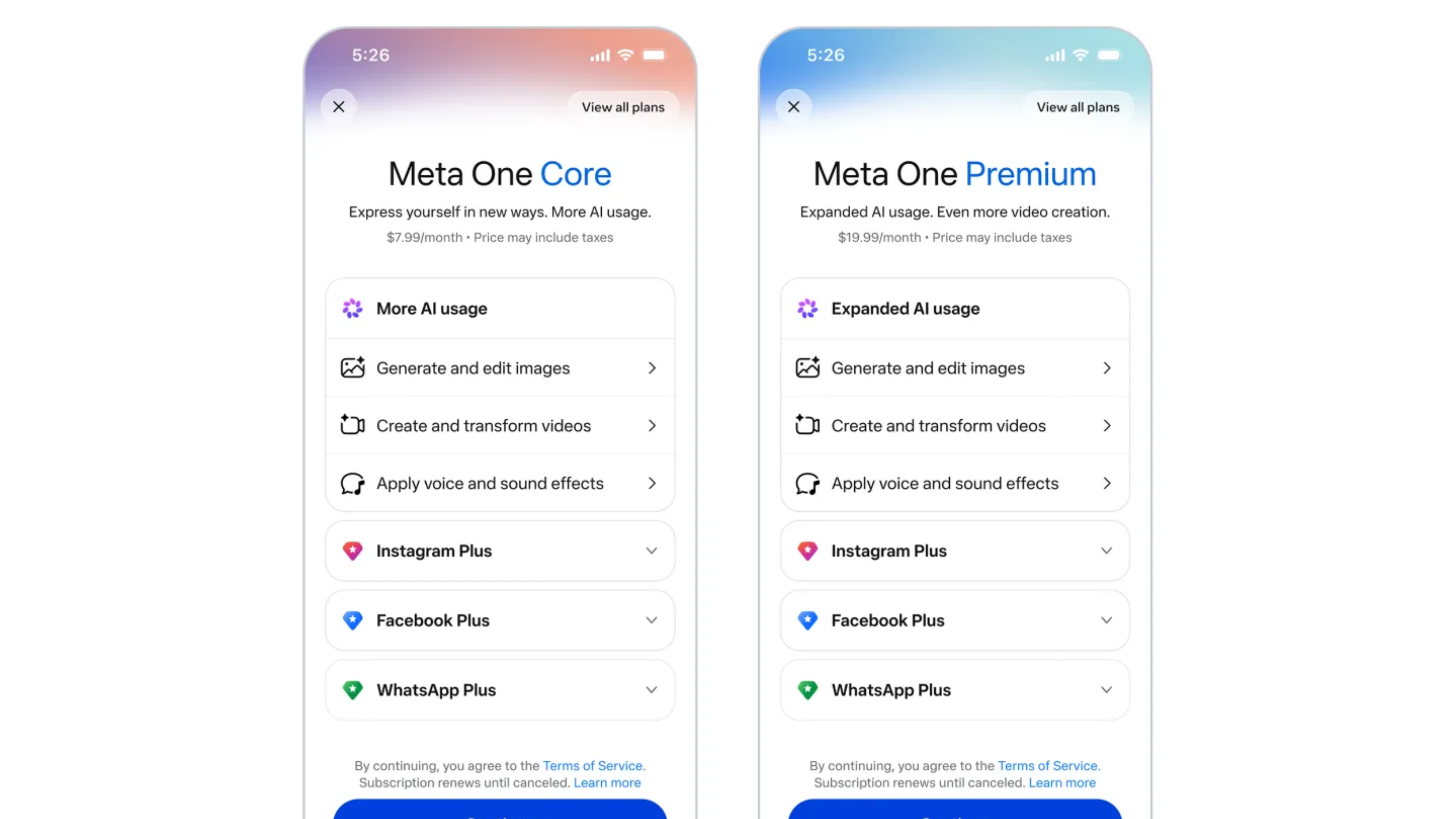
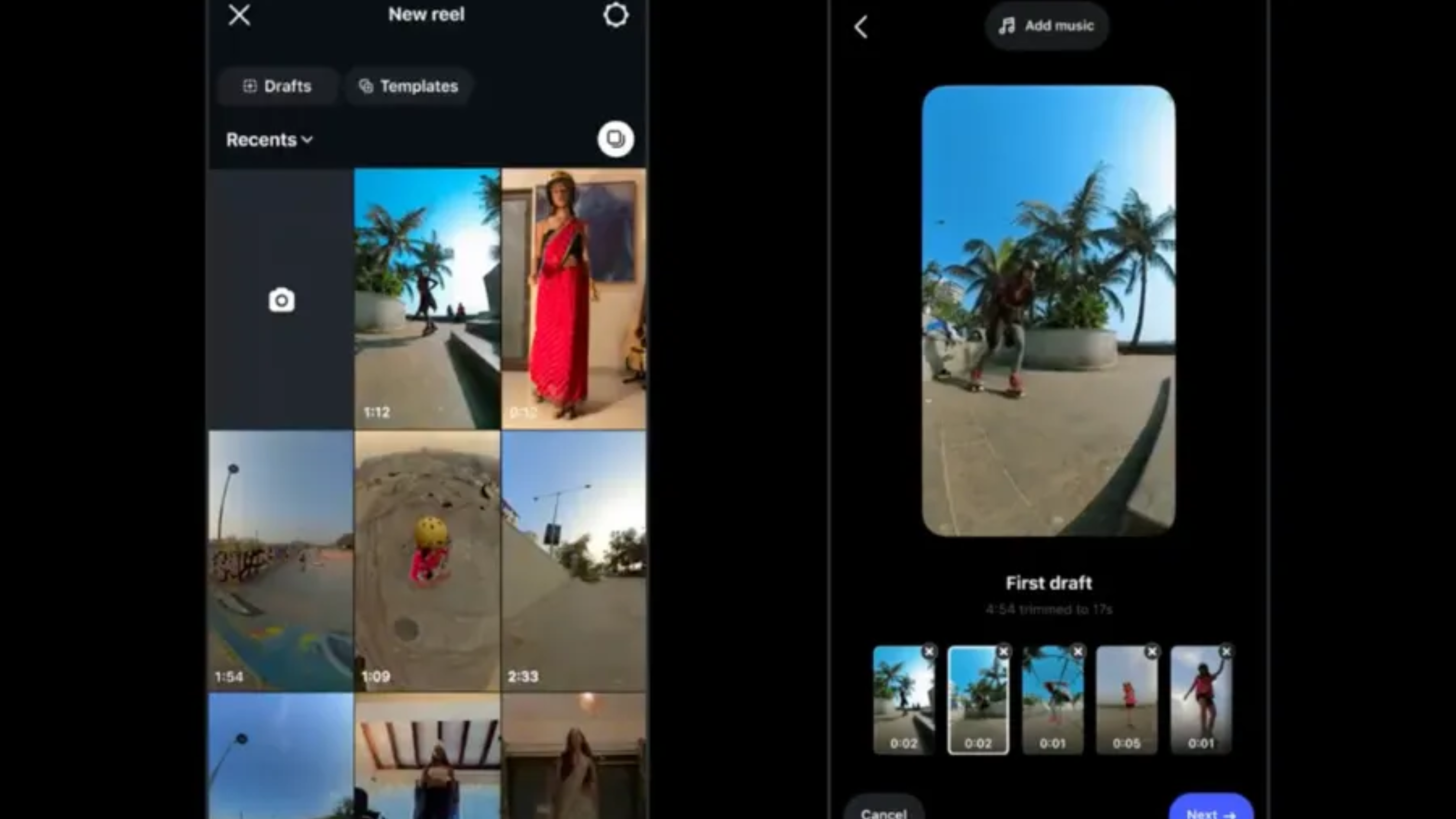
Meta is expanding its subscription ambitions with new premium tiers across Facebook, Instagram, and WhatsApp. The plans offer enhanced story tools, expanded customization, premium stickers, and increased access to Meta AI features like image and video generation. The rollout signals a broader shift happening across social media platforms as companies search for revenue streams beyond advertising alone. Instead of relying entirely on mass audiences, platforms increasingly want paying users who subscribe to advanced tools and exclusive experiences. Meta is also experimenting with higher-tier AI subscriptions designed for creators and businesses that rely heavily on generative tools. Social media is gradually evolving from free public squares into layered ecosystems with premium digital memberships.

xTool Wants to Turn Home Crafting Into a Mini Manufacturing Studio

The new xTool M2 Color Craft Laser combines printing, laser cutting, and engraving into a single desktop machine aimed at hobbyists, creators, and small business owners. The device supports CMYK inkjet printing alongside precision laser cutting, allowing users to produce stickers, custom packaging, engraved products, and personalized crafts from home. AI-assisted material detection automatically adjusts settings based on what the machine identifies, lowering the learning curve for beginners. As creator-driven commerce continues growing, products like this blur the line between crafting and small-scale manufacturing. The rise of Etsy shops, custom merch brands, and home-based side businesses has created demand for tools that feel industrial but accessible. The modern creator economy increasingly looks like a distributed network of miniature production studios.

YouTube Expands AI Labels for Shorts Content

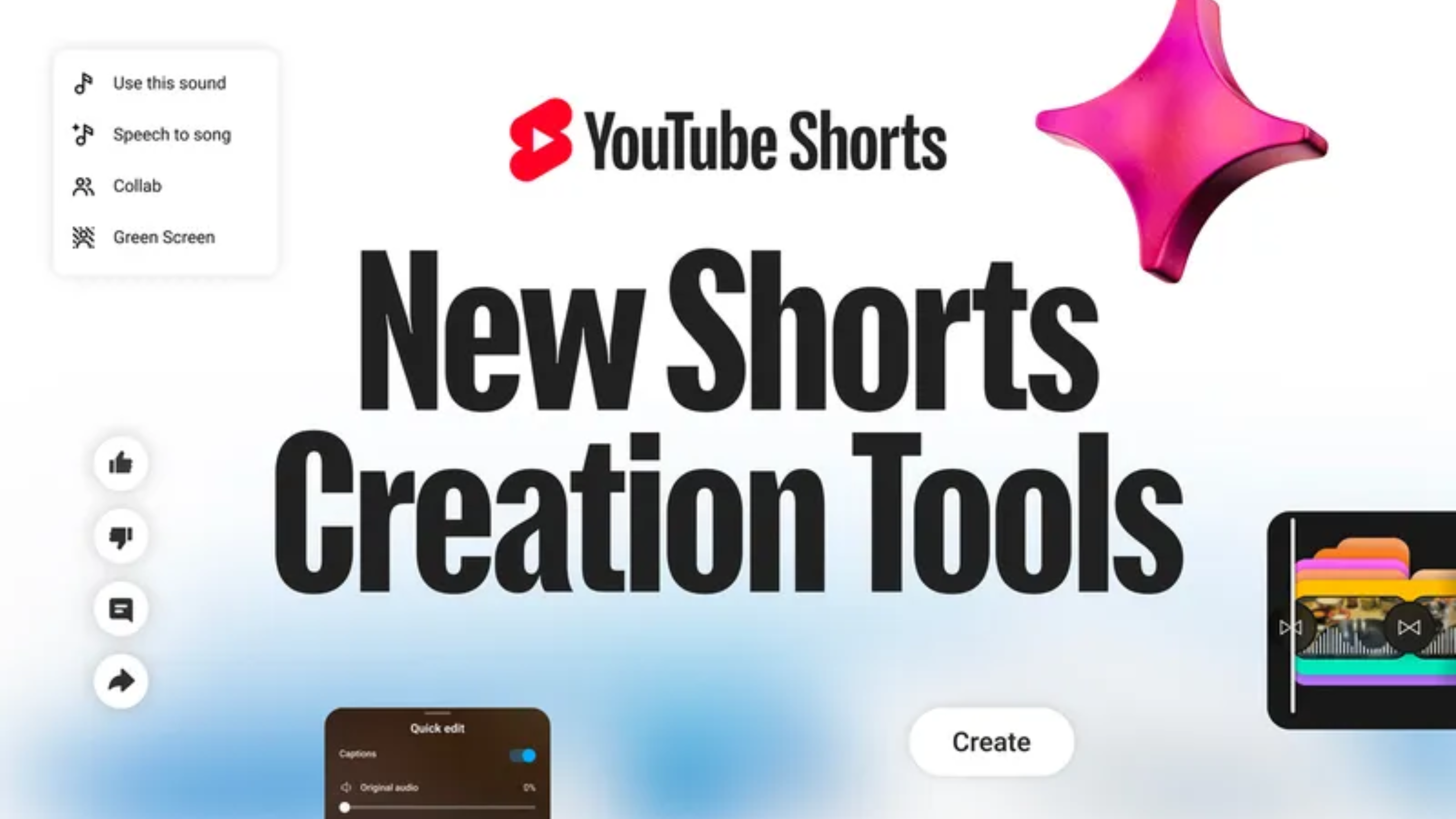
YouTube is expanding automatic AI labeling tools for Shorts videos in an effort to improve transparency around synthetic and altered media. The platform says labels will help users identify when generative AI tools have significantly modified content, particularly for realistic-looking videos. As AI-generated media becomes more sophisticated, platforms are under growing pressure to distinguish authentic footage from manipulated content. The challenge is balancing creative freedom with public trust, especially as short-form video continues dominating online attention. These labels represent one of the clearest signs that AI-generated content is becoming normalized enough to require its own disclosure infrastructure. The future internet may not divide content into “real” and “fake,” but rather into “human-made,” “AI-assisted,” and everything in between.

Xreal’s New AR Glasses Aim for Mainstream Wearable Appeal

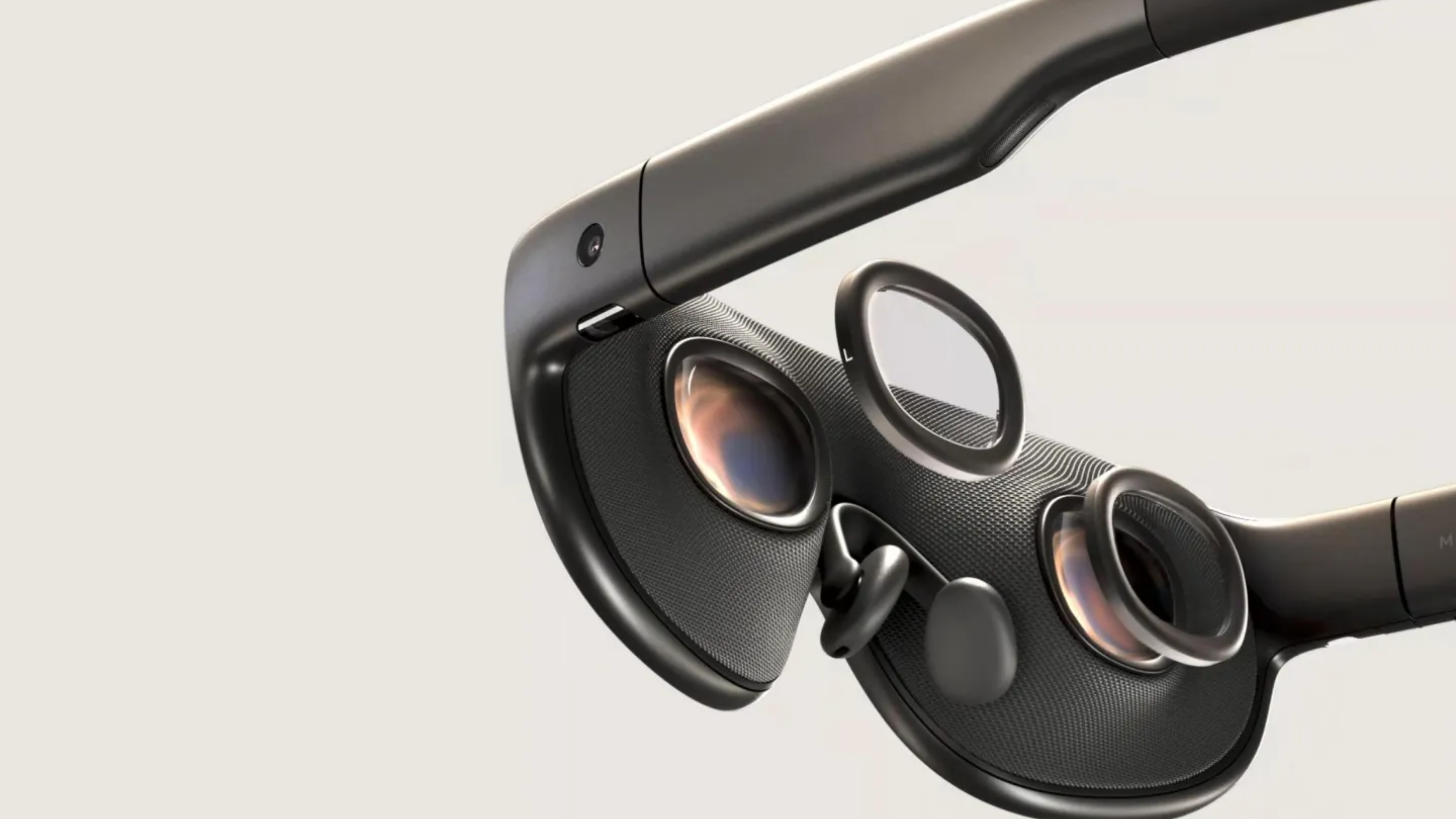
Xreal has introduced the A01 AR glasses through its new sub-brand “X by Xreal,” continuing the industry-wide push toward lighter and more consumer-friendly augmented reality wearables. The glasses are designed to project large virtual displays while maintaining a slimmer, more wearable design than earlier AR headsets. Companies across the tech industry increasingly believe the next major computing platform may live directly on the user’s face rather than in their pocket. Unlike previous generations of bulky experimental hardware, these newer devices prioritize comfort, aesthetics, and everyday usability. The AR market is still searching for its breakthrough mainstream moment, but products like this suggest the industry is steadily refining the formula. Smart glasses are beginning to look less like prototypes and more like future accessories.

Oppo Experiments With Bubble-Inspired Wireless Displays

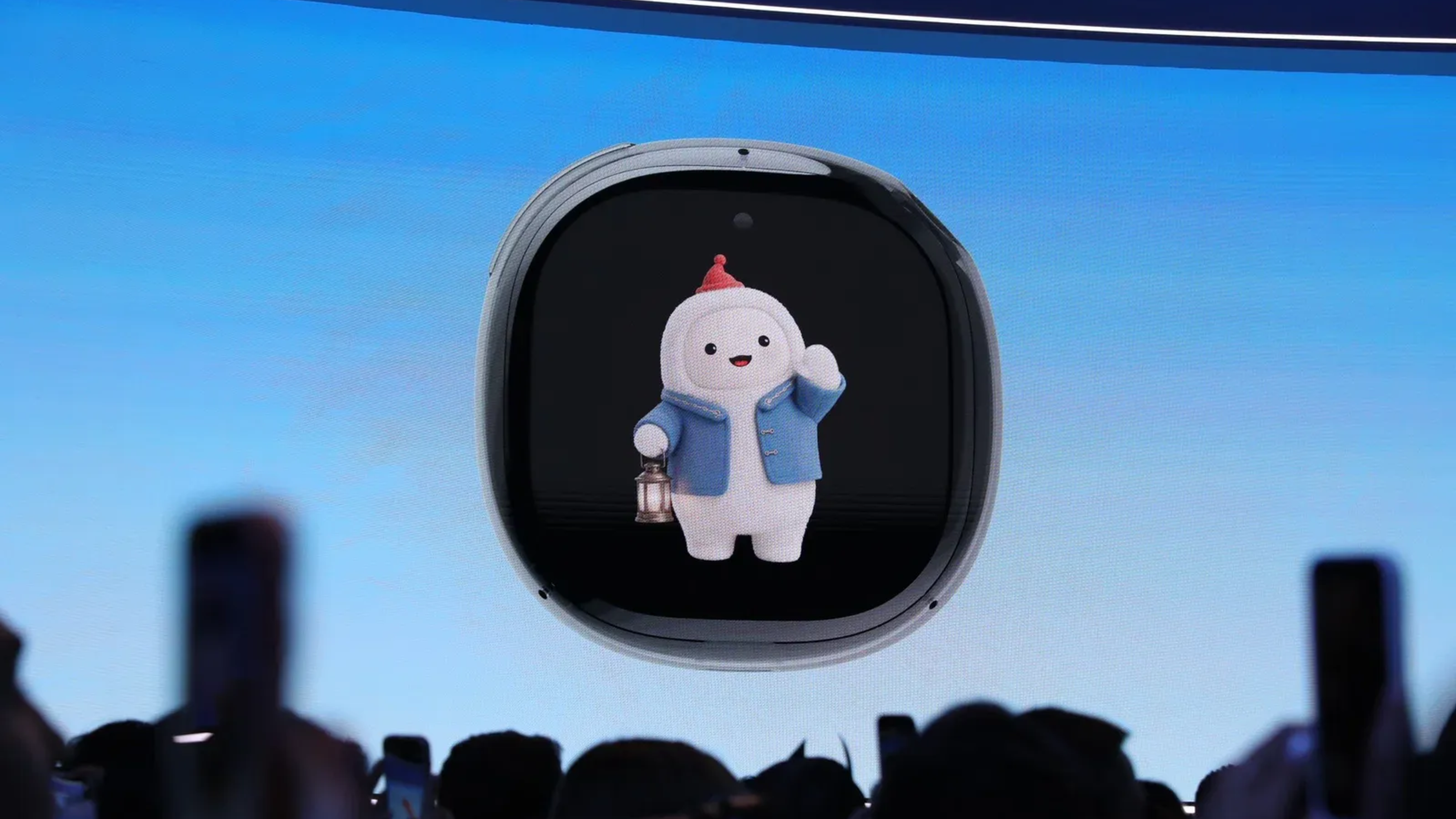
Oppo is experimenting with a playful new concept device featuring a magnetic wireless screen remote inspired by floating bubbles. The portable display is designed to function as a detached selfie monitor and secondary interface, expanding how users interact with mobile photography and content creation. While still highly experimental, the concept reflects broader trends toward modular and flexible device ecosystems. Smartphone makers increasingly understand that future hardware innovation may come less from raw specs and more from entirely new interaction models. Detached displays, wearable screens, and spatial computing concepts are all part of the same larger movement toward fluid digital experiences. The smartphone era is starting to fragment into smaller, more adaptive pieces of technology.

SpaceX May Be Building a Battery-Powered Starlink Mini

Rumors are swirling that SpaceX is developing a battery-powered version of its Starlink Mini satellite dish. Firmware discoveries suggest the compact Starlink Mini internet device could include an integrated battery system with multiple power modes. Additionally, the Starlink Mini would include USB-C charging and pass-through support. The biggest appeal of the Starlink Mini would be portability, especially for travelers, emergency responders, and remote workers who need reliable internet. Likewise, there is a lot of appeal for the Starlink Mini and its departure from traditional infrastructure. Right now, Starlink Mini users rely on external battery packs or wall outlets, making setups bulkier and less seamless. An all-in-one version of the Starlink Mini would push satellite internet closer to mainstream consumer convenience. Connectivity is increasingly becoming something users expect everywhere, even miles away from the nearest cell tower.