4 Ways to Compost

With spring not too far off, it is the perfect time to start some new at-home routines. With California leading the way in green initiatives, we’ve rounded up four simple composting tricks. These techniques will help you reduce waste and aide the environment. The bonus is with these DIY tips you don’t even need a yard to get started!

Composting is a great way to not only reduce how much you’re throwing in the garbage, but it can also keep your trash smell at bay, thanks to having less organic material in that bin. Not to mention how much your plants will love it; if you don’t have a full garden, your houseplants will be happy about it, too. Even city dwellers or anyone without a yard can do it—really!

Before you get started, think about the type of composting you want to do. Cold composting is easier: You simply take organic materials you’d normally throw away —coffee grounds, eggshells, fruit, and vegetable peels—and put them in a composting pile or bin (just don’t add meats, dairy, or fats). Over about a year, the materials will decompose. Hot composting is more complicated, and uses nitrogen and carbon-containing ingredients to speed up the process. Another option is vermicomposting, which is when you use special worms to help the process along.

Don’t let the fact that you don’t have much space hold you back from composting. With a little ingenuity, a proper compost bin can be created just about anywhere.

1. Make your own outdoor compost bin. 

If you’ve got a spare trash can and a drill, you can turn that can into a composting can. You can also build your ownwith welded wire mesh, concrete blocks, or wooden pallets, and you can hide basically any bin behind a simple lattice fence. If you’ve got an outdoor bin, you can also throw in dry leaves, wood bark chips, and grass and plant clippings while you’re taking care of your yard. Make sure to water and stir your pile thoroughly.

2. Make your own indoor compost bin. 

Much like how you hide your trash can in a pull-out cabinet or under your sink, you can hide a compost bin right in your own kitchen, too. Again, you’ll need a drill: Use it to drill holes in the bottom of a metal container with a lid, then place the container into a shallow tray with sides. Give this indoor bin a base layer of a little dirt, and top your food scraps with some damp shredded newspapers (the newspapers will help control smell!). Make sure to stir it every week or so, and keep it covered.

3. Make a worm bin system. 

If you’re composting indoors and still worried about odors, vermicomposting is a great idea. You can’t just use any worms—you’ll need to purchase redworms online or at a garden supplier (about one pound per square foot in your bin). A vermicompost bin should also be kept in a cool, dark place. Start with a base of shredded newspaper or leaves mixed with soil, and get it damp, then add your worms and your food scraps. Vermicomposting is also a great option for beginners—if things get messed up, just dump out your bin outside and start over.

4. Check for community composting. 

If you aren’t into making your own compost, or don’t have the space for it, check to see if your community has its own group composting area where you can drop off food waste. Your city hall might have details, or you can ask your neighbors or post your query on a community directory, like Nextdoor. Your community may even provide biodegradable bags to hold your scraps in between your visits to their composting center.

Your compost is ready when it’s not giving off any heat, and it’s become dry, brown, and crumbly. Use it to feed your garden or potted plants, and watch your plants live their best lives!

Courtesy of: Better Homes & Gardens

All-Natural Easy Home Cleaning Tips

If there is one thing we pride ourselves on in LA, it is clean and natural home living. Rather then perusing the household products of your local Whole Foods, we’ve listed below 10 easy ways to use Vinegar as your go-to cleaner.

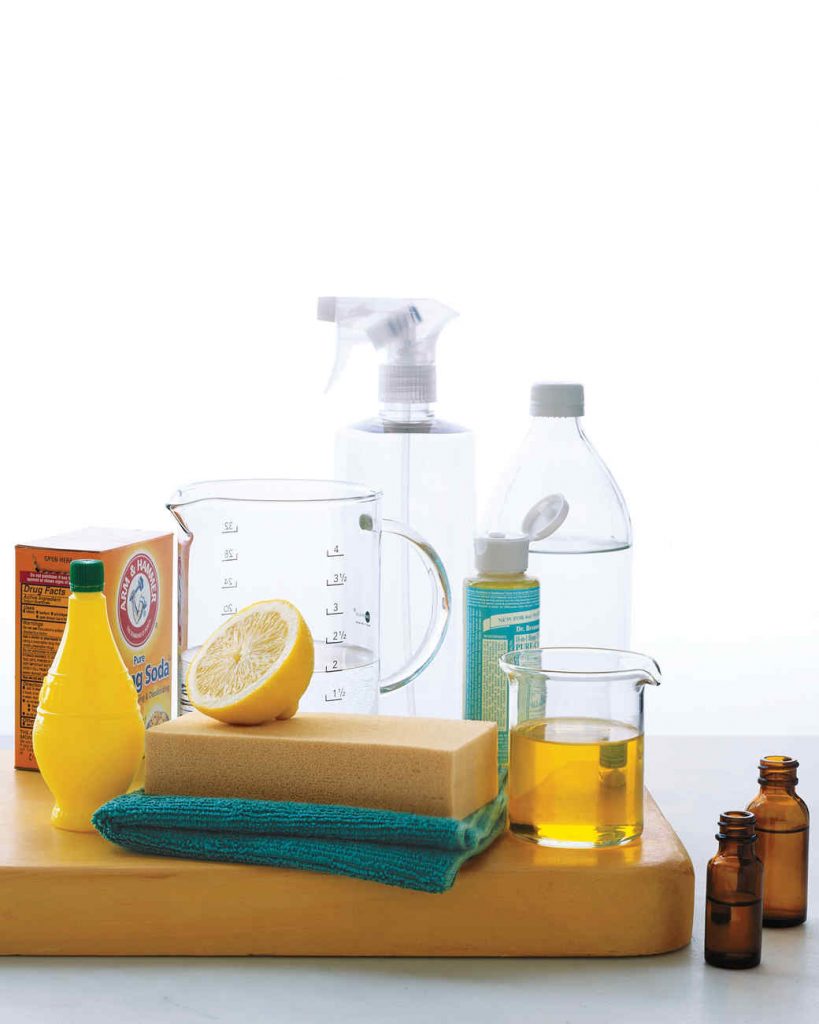
As an all-natural, all-in-one cleaner, white vinegar really does work wonders in terms of making your home look spic and span. In the kitchen, it cleans out your coffeemaker, removes hard water stains on your glassware, and rinses down your waste bins. In the laundry room, it keeps your colors bright and your whites whitened. Have a pest problem? You won’t for long with the help of white vinegar. It works as a repellent against ants in places where they like to crawl and hide (think: your patio, porch, or picnic table). Pick it up once, and it will become your new go-to cleanser.

-Martha Stewart

Deodorize the Room

Unpleasant odors lurk in the carpets, rugs, and upholstery. To remove these musty smells, fill a dish with half an inch of white vinegar and leave it out in the room until the smell dissipates.

Click here for the step-by step

Dissolve Rust

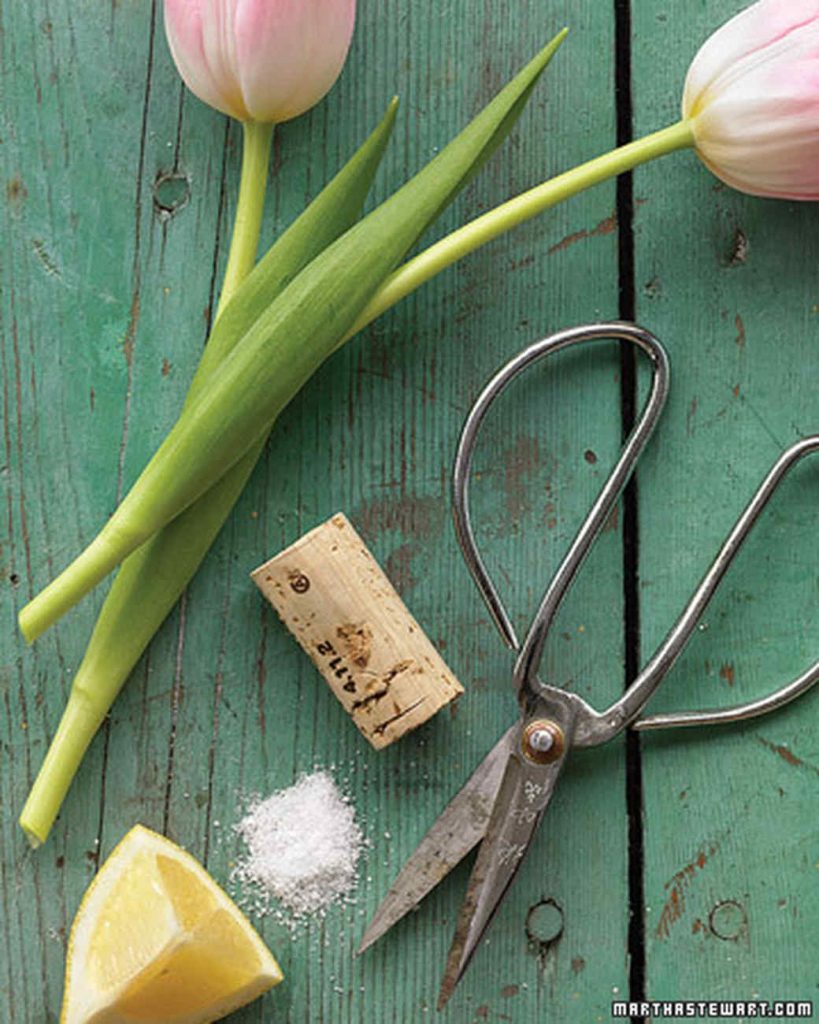
To clean sharp edges on a dirty knife or pair of shears without cutting yourself, pour white vinegar over the blade. Then sprinkle with coarse salt and rub with a cork. Rinse with water and wipe dry to prevent rusting.

Keep Colors Bright

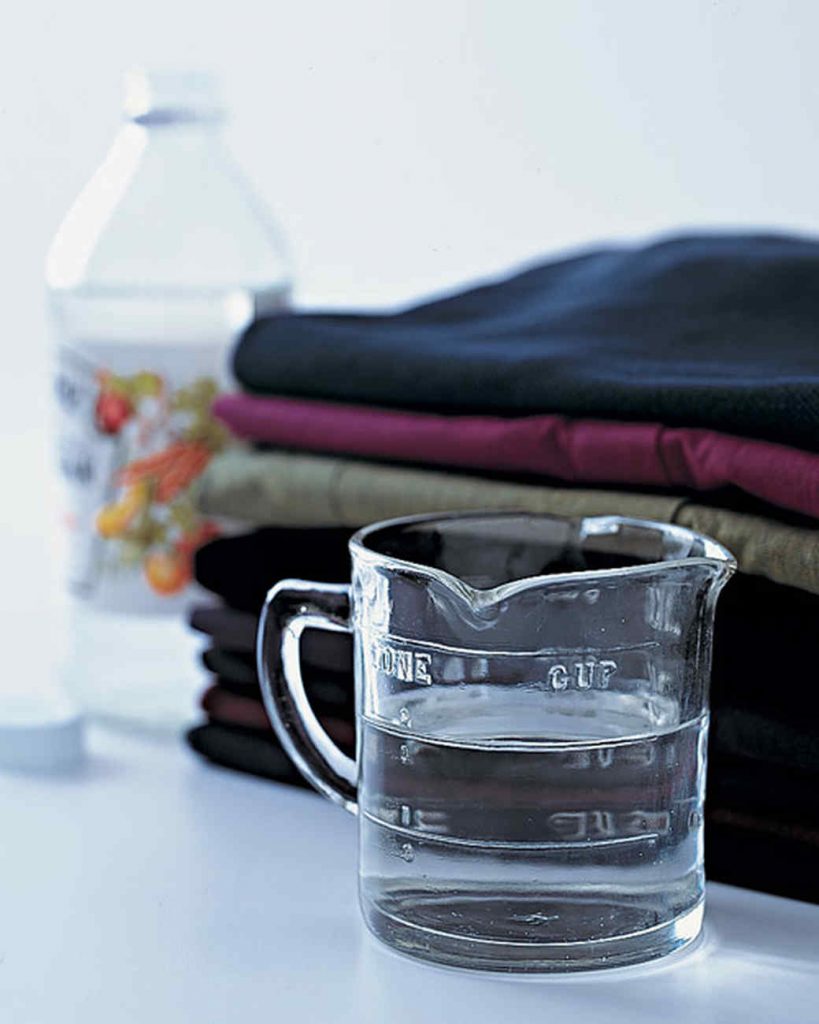
If you think that the colors of your clothing may run in the wash, try this time-honored treatment: Pre-rinse laundry in a solution of distilled white vinegar and cold water, using 2/3 cup vinegar for each gallon of water. Let the garments soak for up to 15 minutes, then wash and dry according to the manufacturer’s instructions.

Click here for a step-by-step

Clean the Faucet

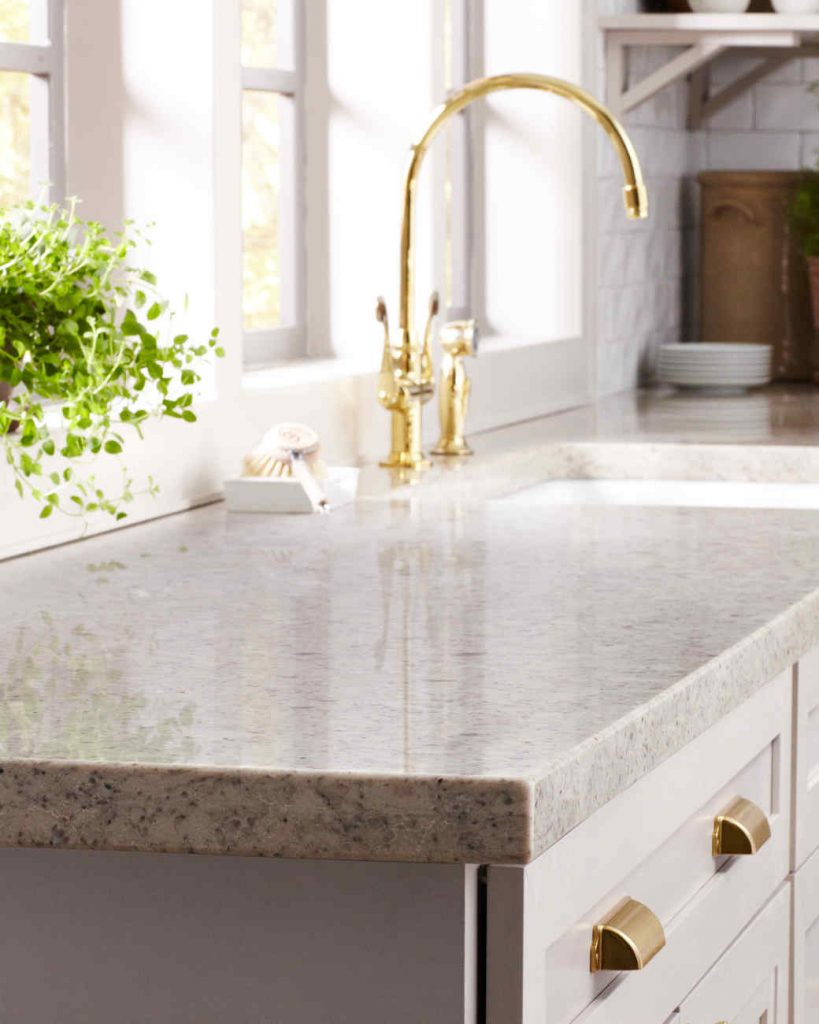
Cut through the crusty buildup of mineral deposits on your faucet with this trick: Soak a paper towel in full-strength white vinegar, then drape over the buildup. Leave for about an hour, then scrub scum away.

Wash Your Windows and Mirrors

Reflective surfaces such as these should have a streak-free shine. You can make your own cleaner by mixing one part vinegar and one part water.

Sanitize Your Garbage Disposal

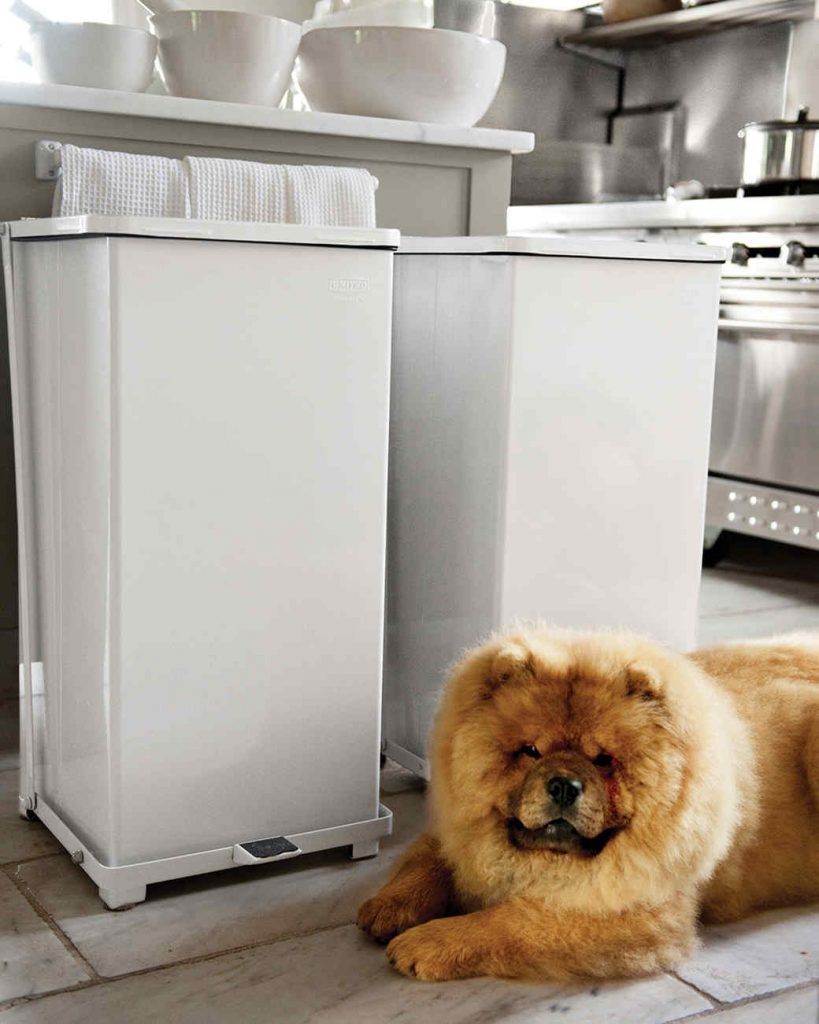
It’s no surprise that a trash bin can harbor the worst odors in your home. But a rinse-down doesn’t always do the trick. After rinsing with fresh water, use a long-handled brush to scrub the inside with a mixture of white vinegar and warm water. Rinse once more and let dry.

Remove Hard-Water Stains

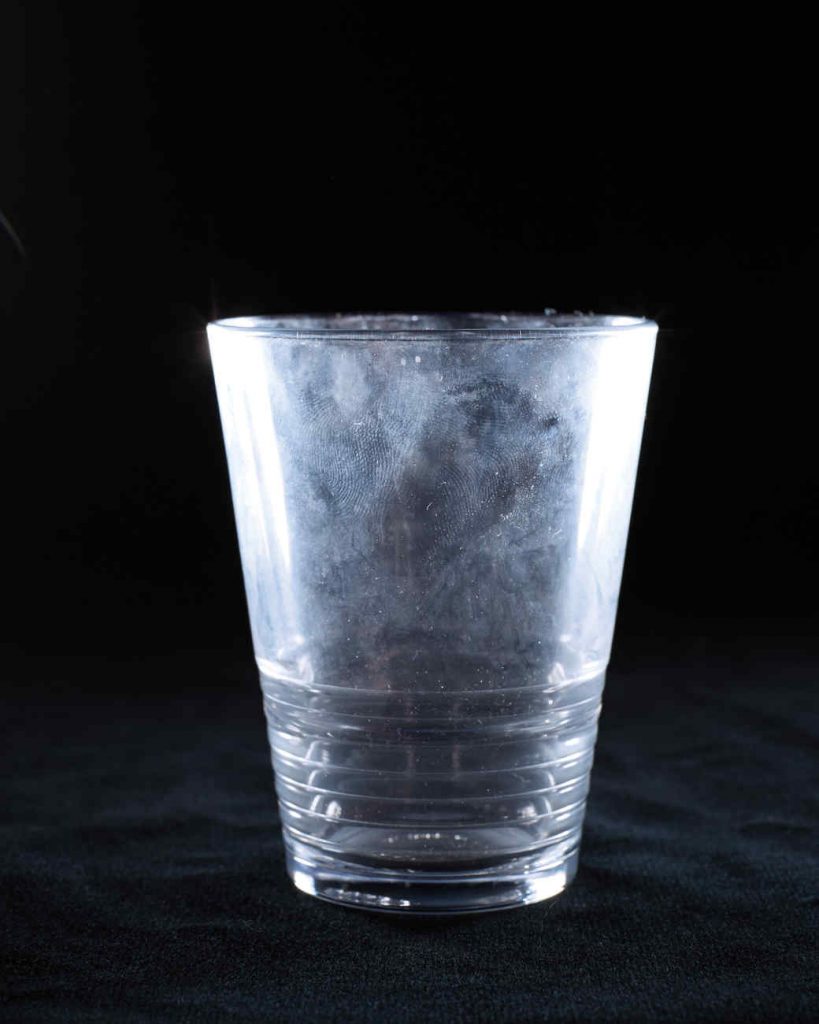
Use a clean rag to rub each piece with distilled white vinegar. This will remove the hard water’s calcium and magnesium buildup. (And don’t worry—the items won’t smell like vinegar once dried.)

Clean Bath Toys

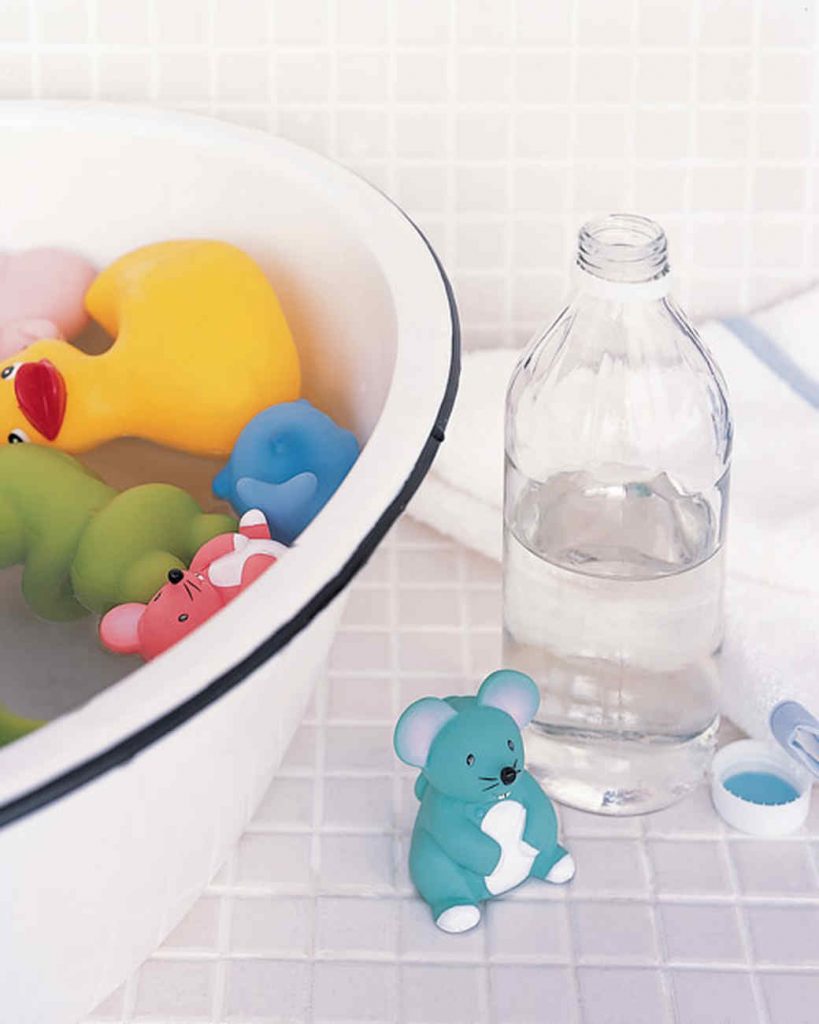
Wash bacteria and mildew from bath toys by giving them a bath of their own: Fill a bucket or large bowl with warm water, adding 1/2 cup white vinegar per gallon of water. Soak toys for 10 minutes, then rub gently with a sponge and allow to dry. The acetic acid in vinegar cuts through dirt buildup and works as a natural disinfectant.

Save Your Shoes

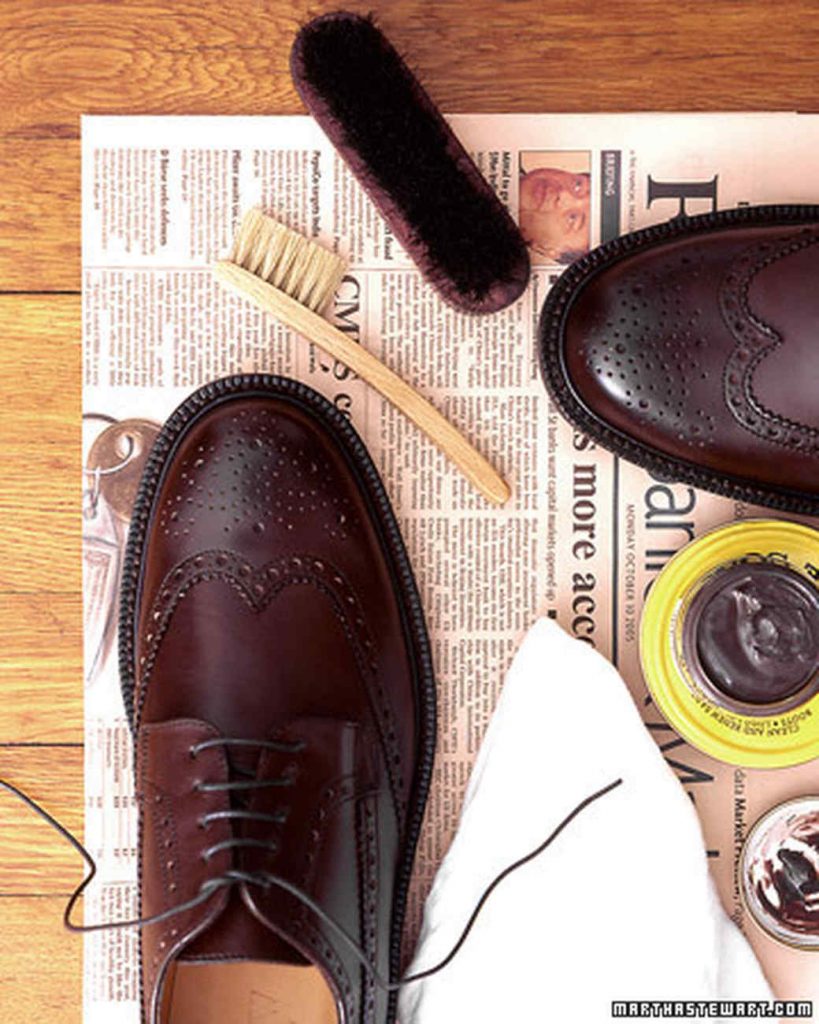
Leather and suede are some of the hardest materials to maintain. Stains can easily result when our shoes come in contact with rain or salt. To rid your shoes of unsightly salt spots, rub them down with a paper towel dampened with white vinegar, which dissolves the salt.

Shine the Silver

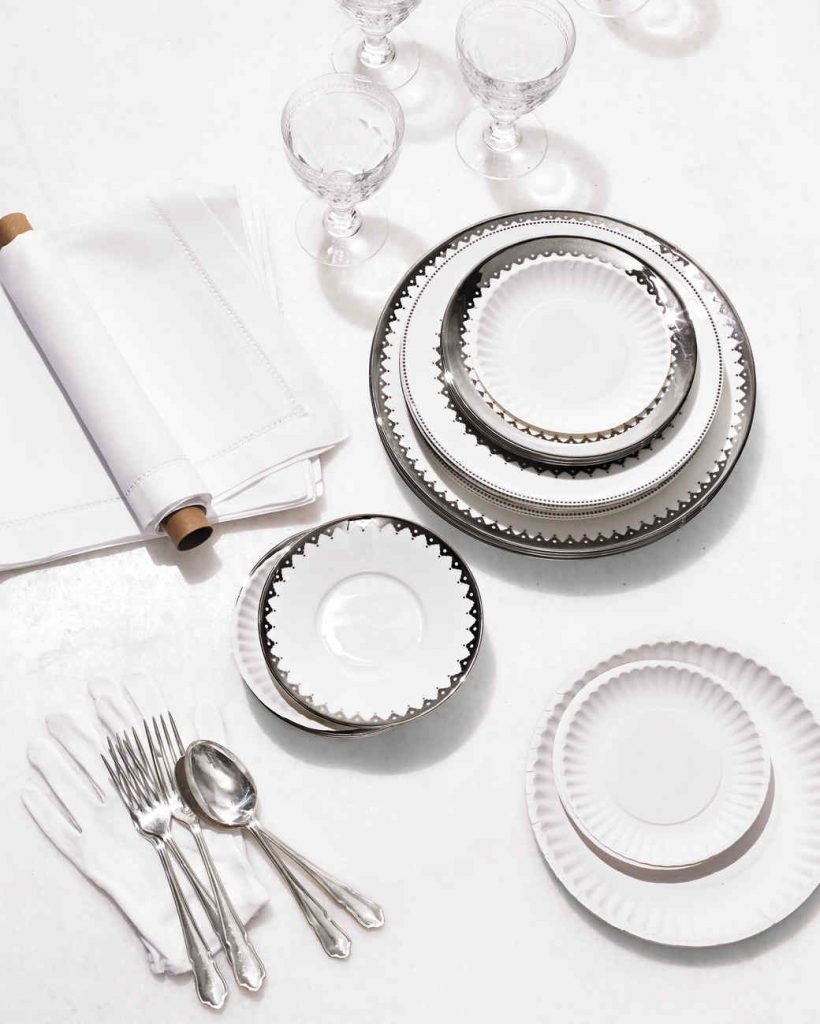
Silver is easily scratched and tarnished. Restore its sparkle by gently buffing your pieces with vinegar and a soft cotton cloth. Finish by rinsing and drying your silver with the cloth.

Courtesy of: Martha Stewart Home Living

Three Design Tips To Help Maximize Your Small Space

Looking for ways to get creative with a small space in your home? Low on square footage and just want to find ways to make your space feel big? Don’t worry, we have some solutions for you!

Here are three design tricks that will help maximize your space.

Choose the right paint color

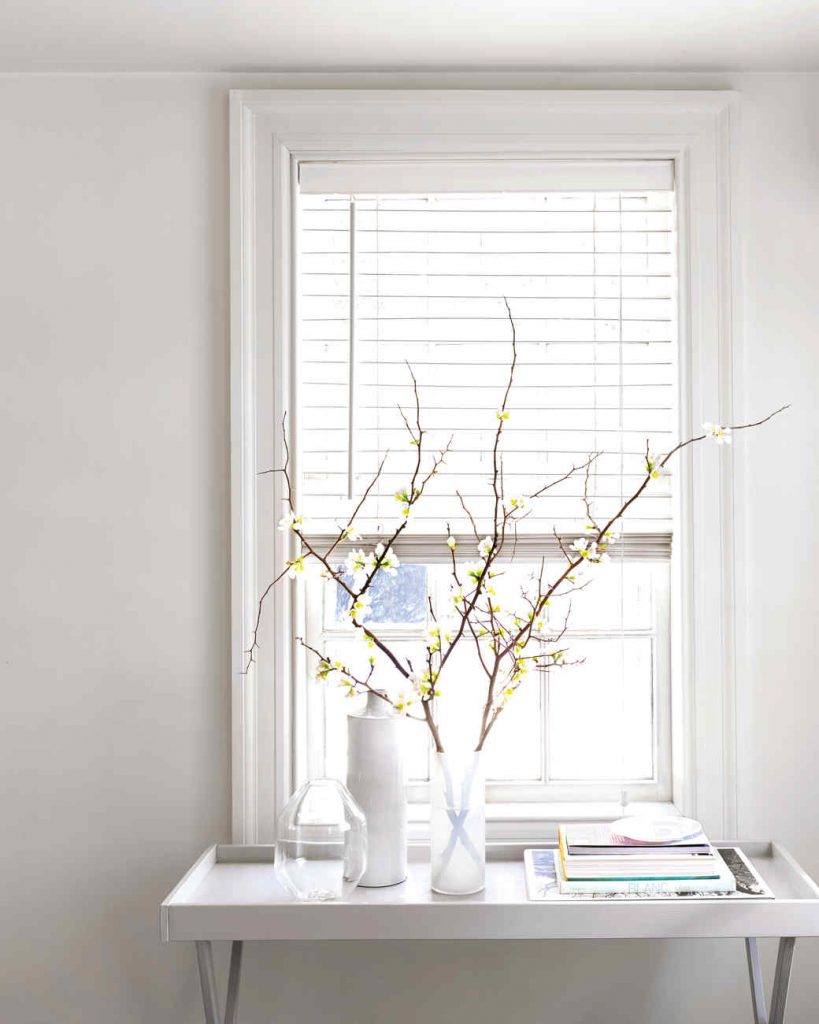
Being thoughtful in your paint choices is very important! Traditional colors like white, cream, and light gray are great choices and will instantly give the impression of more space. These colors will provide a clean look and will make your room feel more expansive.

You can also create a visual openness overhead by simply painting the ceiling white. You’ll have a welcoming space in no time!

In addition to the traditional colors, you can also go bold with dark colors. Highlight a small room by making a cozy-like environment with navy, black, and dark gray colors.

Get creative with storage

Small spaces hardly come with great storage. Creating clever storage solutions can help keep clutter out of sight.

The kitchen is one place you can get clever with when it comes to storage:

  • Hang wine glasses beneath your cupboards
  • Keep cleaning supplies out of sight by attaching holders to the backs of cabinet doors
  • Consider an adjustable cooking area with roll-away islands and pantries.

Also, don’t forget about the walls! This is a great place to add shelving and also hang big items like bicycles.

Consider multitasking furniture

When your floor space is limited, it’s important to choose furniture that have multiple functions. Consider pieces that have hidden storage or that you can store when not in use.

For example, if you can’t fit a dresser in your bedroom, try adding crates under the bed for clothing. An ottoman is also a great piece that can easily transition to a bench or even a coffee table.   Limited space doesn’t mean you have to sacrifice style. With creative solutions, you can go from a cramped space to an inviting space with room for all.