From NYT AI Recipes to Readwise Ebooks and More! | Tech News

Feel like you’ve missed all the tech news buzz this week! Don’t fret, we have you covered! From NYT AI Recipes to Readwise Ebooks and more, stay connected with our weekly wrap-up. Check out what you may have missed from across the web in this week’s blog below!

NYT Cooking Tests AI-Powered Recipe Modifications
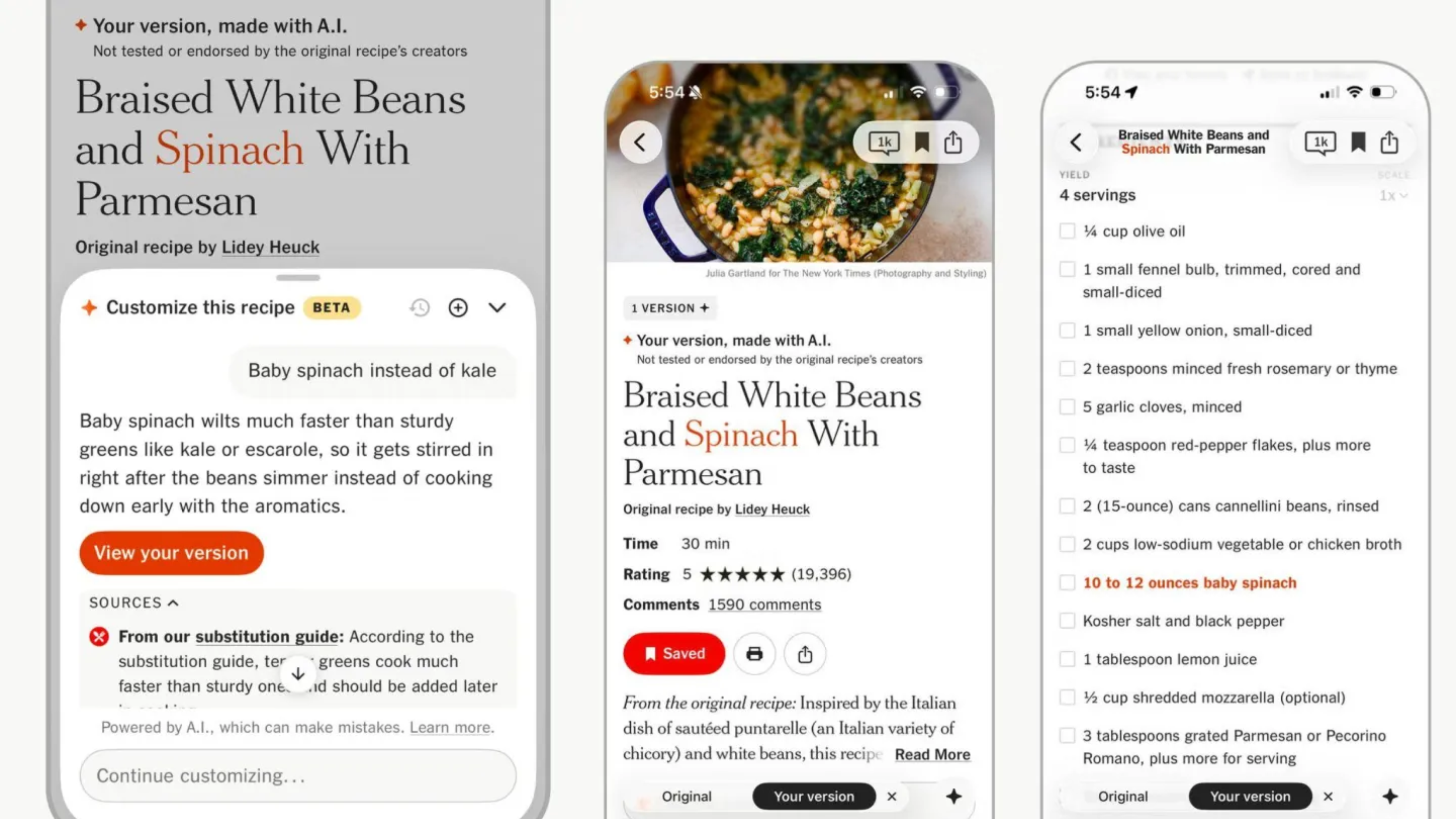
Home cooks now have a new way to personalize recipes in the NYT Cooking app. An AI-powered NYT feature can suggest ingredient substitutions, adjust serving sizes, recommend equipment changes, and tailor cooking instructions to a user’s needs. The system is designed to make practical adjustments rather than rewrite a NYT recipe from scratch. Likewise, this includes changing when a softer ingredient should be added during cooking. Customized versions remain private to the user and cannot be published or shared through the app. The feature is currently available to NYT Cooking subscribers on iOS. Of course, broader availability is planned as the Times continues testing how AI fits into its NYT recipe platform.

Amazon Expands Alexa Into a More Capable Shopping Assistant

Online shopping is becoming more hands-off as Amazon adds new list, registry, and customer-service features to Alexa for Shopping. Users can now create and edit grocery lists, manage gift registries, move items between lists, and check which products remain unpurchased. The assistant can also compare products, monitor prices, set alerts, and automatically buy eligible items when they fall below a chosen price. New service tools allow customers to update delivery instructions, review unfamiliar charges, track refunds, and modify recurring deliveries without navigating through several menus. The rollout gives Amazon a stronger first-party AI shopping experience as it continues limiting how outside agents interact with its marketplace.

Apple Finally Embraces the Touchscreen MacBook
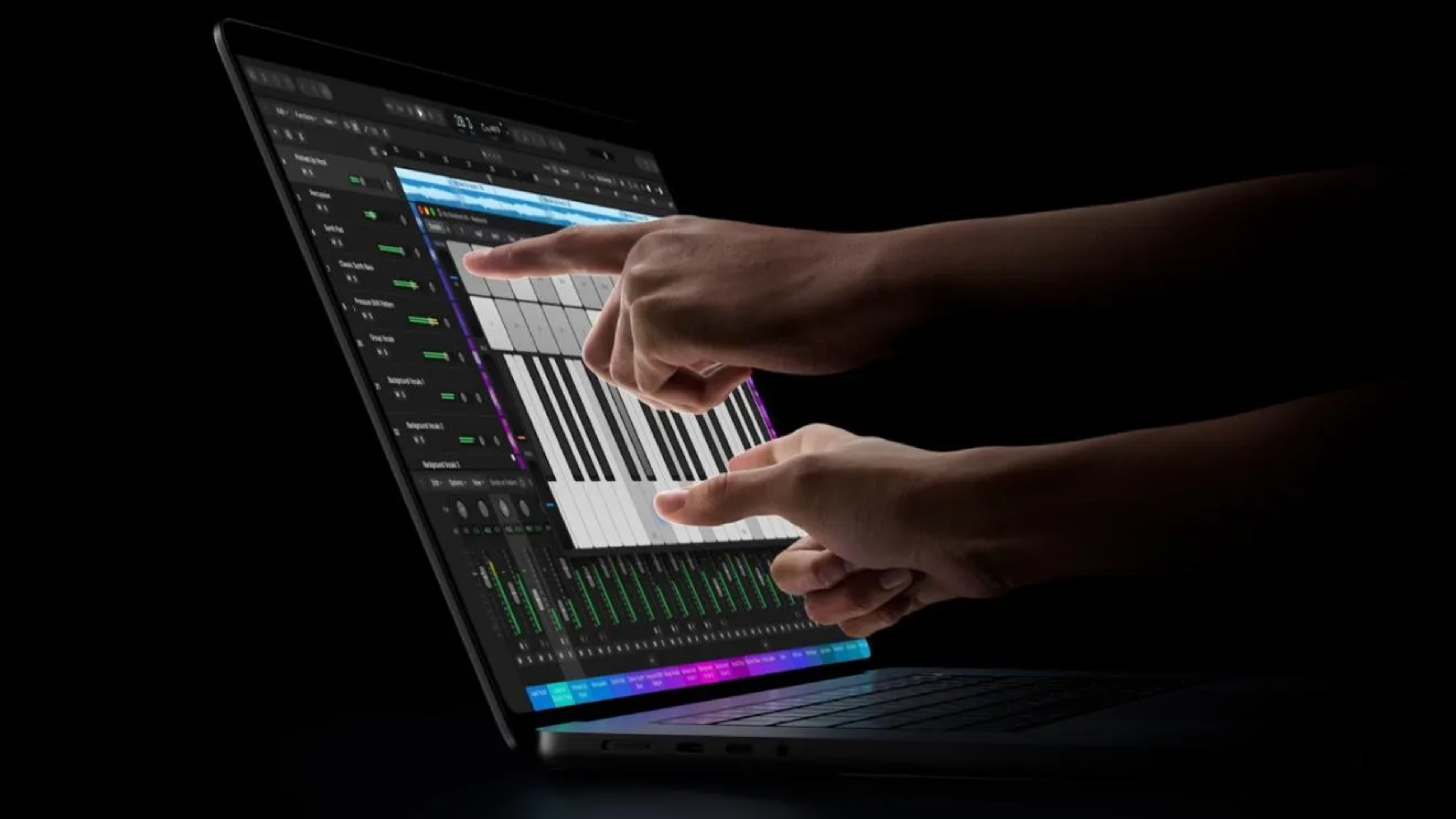
More than 15 years of resistance came to an end this week when Apple officially introduced its first touchscreen MacBook Pro. The new model features a tandem OLED display with a 120Hz refresh rate, up to 2,000 nits of brightness, and a touch sensor integrated directly into the screen. Apple also replaced the familiar notch with a hole-punch camera area and redesigned the chassis to weigh as little as three pounds. Prices start at $2,899 for the 14-inch model and $3,399 for the 16-inch version, with both powered by M5 Pro or M5 Max chips. The launch marks a notable reversal for a company whose executives spent years arguing that touchscreen laptops blurred the line between tablets and traditional computers.

Readwise Takes Aim at Kindle With Its Own Ebook Store
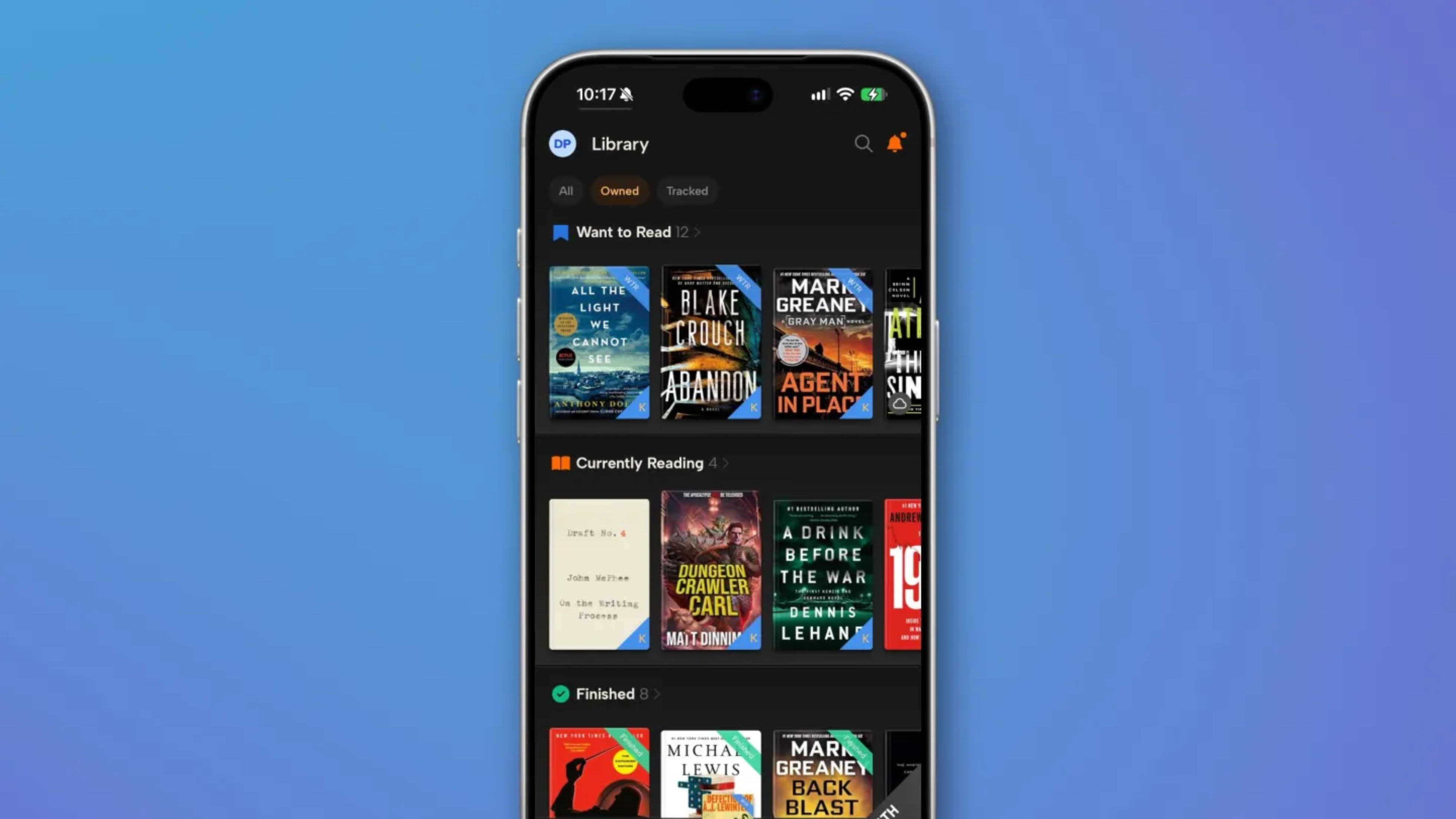
A new beta platform from Readwise is attempting to combine ebook reading, social discovery, and reading analytics in one place. Readwise Books lets users buy titles, track reading time and pace, share progress, write reviews, and discover recommendations through a social feed. The company has secured agreements with all five major U.S. publishers, giving it a broad catalog and the ability to compete more directly with Kindle and Kobo on price and availability. Limited Kindle integration allows users to bring some existing reading activity into the platform, although Readwise acknowledges that switching ecosystems will take time. The company hopes its stronger note syncing, social features, and customizable reading experience can attract readers looking for something more interactive than a traditional ebook store.

Meta Quietly Launches an AI Pet Journal

A cozy new experiment from Meta turns personal journaling into a conversation with a virtual pet. Waddle World is a free 16-bit app where users talk to an AI-powered creature. The creature can listen, remember details, respond to conversations, and create small doodles inspired by what it hears. The experience also includes low-pressure mini activities such as word games and grocery stacking. Additionally, there are no streaks or competitive scoring to maintain. Meta describes the app as a “daily journal disguised as a pet.” Of course, this positions the app as a more playful alternative to traditional diary apps. Waddle World is currently limited to select markets. Meta has not yet confirmed whether the app will expand to the United States.

Firefox’s Smart Window Can Fill Out Forms for You

Browser automation is getting more practical with an update to Mozilla’s AI-powered Smart Window experience. The new form-filling feature can pull relevant information from open tabs. This includes a LinkedIn profile or online portfolio and uses it to populate fields on another webpage. That could make tasks like job applications, account registrations, and other repetitive online forms considerably faster. Smart Window is also gaining broader monitoring capabilities. Current updates allow users to keep track of changes on webpages without repeatedly checking them manually. Mozilla’s approach shows how browser-based AI is shifting. Likewise, taking browsers from answering questions toward completing more of the tedious work people already do online.


From iPhone Duo Apps to Insta360 Mics and More! | Tech News

It’s time to catch up on the top tech and media headlines from the week! From iPhone Duo focused apps to a cool new rollout of Intsa360 mics and more, we have you covered. Stay connected with our weekly technology round-up.

Apple Adds a “Made for iPhone Duo” Badge to the App Store

A new App Store label is underway for the iPhone Duo. Coming soon, iPhone Duo owners will find software designed specifically for Apple’s foldable phone. The “Made for iPhone Duo” badge will appear on apps and games built for the device. Likewise, the iPhone Duo apps will take advantage of the device’s larger inner display and secondary outer screen. Netflix, Prime Video, Microsoft Word, Zoom, Lyft, and United Airlines are among the apps already adapting their interfaces for the new form factor. Apple is also preparing editorial collections focused on iPhone Duo software. This will come as additional updates for the iPhone Duo roll out throughout the year. The badge arrives alongside the $1,999 iPhone Duo, which launches this week in limited quantities.

Birdbuddy Shrinks Its Smart Feeder for Smaller Spaces

Birdbuddy is offering a more compact option for backyard birdwatching with its new Nook smart feeder. Starting at $99, the Nook uses a 2K HDR camera with a 135-degree field of view and automatically wakes when a bird lands nearby. The accompanying app uses AI to identify bird species, and the camera supports both portrait and landscape capture for easier social sharing. Upgraded configurations add solar charging and a larger perch, while Birdbuddy’s $219 Home model offers a bigger seed reservoir and additional features. The smaller design gives apartment dwellers and homeowners with limited outdoor space a more affordable way to experiment with connected wildlife cameras.

Insta360 Launches a More Affordable Wireless Mic System

Content creators now have a lower-cost alternative to Insta360’s premium Mic Pro without losing many of its most distinctive features. The new Insta360 Mic costs $249.99 for a two-transmitter kit and keeps the customizable six-color E Ink displays found on the more expensive model. Each transmitter offers AI-powered noise cancellation, automatic gain control, and up to 13 hours of battery life, or 34 hours with the charging case. The tradeoff is a single omnidirectional microphone instead of the Mic Pro’s triple-mic array, although the transmitters are slightly lighter and support removable microSD cards for backup recording. Individual transmitters cost $79.99, making the system a more approachable option for podcasters, vloggers, and mobile creators.

Meta Creates a New Share Class to Finance Its AI Expansion

Billions in AI spending are pushing Meta to introduce a new class of non-voting shares designed to give the company more financing flexibility. The stock will help support artificial intelligence initiatives, potential acquisitions, and employee compensation, with trading expected to begin in 2027. Meta now expects capital expenditures of between $135 billion and $145 billion this year as it builds data centers, recruits AI talent, and develops new models and products. Recent launches include the Muse AI agent, which reached 10 million U.S. downloads shortly after its debut, along with the company’s newer Muse Wonder model. The move underscores how expensive the AI race has become as major technology companies invest heavily in infrastructure and software at the same time.

Bose Acquires Skullcandy to Reach a Broader Audience

A major deal in consumer audio is bringing Bose and Skullcandy under the same corporate umbrella. Bose says Skullcandy will remain a separate brand based in Park City, Utah, while joining its premium consumer audio business. The two companies had already worked together to bring Bose technologies such as spatial audio and active noise cancellation to select Skullcandy headphones and earbuds. Bose expects the acquisition to help its audio technology reach younger, more lifestyle-focused customers who may not traditionally buy its higher-end products. The purchase also continues Bose’s expansion strategy following earlier acquisitions in premium audio, engineering, and gaming sound technology.

Spotify Launches Its First Fully Native In-Car App

Listening on the road no longer requires a connected phone in select Audi vehicles thanks to Spotify’s new native automotive app. Built directly on Google’s Android Automotive operating system, the software runs through the car’s infotainment hardware instead of relying on CarPlay, Android Auto, Bluetooth, or an auxiliary cable. The initial rollout includes models such as the Audi A6 e-tron, Q6 e-tron, A5, Q5, and A6, with Spotify controlling the interface rather than using Google’s standard templates. Passengers can join Spotify Jam sessions by scanning a QR code, while supported secondary displays can show lyrics, browsing tools, and video content without distracting the driver. Spotify says it remains committed to CarPlay and Android Auto, but the new app gives the company greater control over the listening experience inside connected vehicles.

From Slate Auto’s New EV to Leica’s SL3-P and More! | Tech News

Stay connected in the world of tech, with the headlines you need to know. From Slate Auto’s New EV to Leica’s SL3-P and more, this week’s top stories reveal a common theme across the technology industry. Companies are investing in complete ecosystems rather than standalone products. Slate is rethinking vehicle ownership through modular design, Meta is expanding support for creators and wearable accessories, and Google continues refining both its developer ecosystem and AI creative initiatives. Even Leica’s latest camera emphasizes trust alongside performance, reflecting new priorities in the age of AI-generated content. Across hardware, software, and entertainment, the focus is shifting toward experiences that are more flexible, connected, and creator-friendly. 

Slate Auto Reveals an Affordable Electric Pickup

Slate Auto is continuing to generate buzz around its minimalist electric pickup, a vehicle designed to make EV ownership more affordable. The truck focuses on simplicity over luxury, offering a modular design that allows owners to customize features over time rather than paying for everything up front. By keeping the base model inexpensive and encouraging upgrades through accessories, Slate hopes to attract first-time EV buyers and budget-conscious consumers. The approach stands in sharp contrast to many premium electric trucks currently on the market. As competition in the EV space grows, manufacturers are increasingly exploring ways to lower the cost of entry without sacrificing flexibility. The Slate truck highlights a broader trend toward practical, accessible electric transportation rather than high-priced flagship vehicles. 

Leica Introduces the SL3-P for Professional Creators

Leica has unveiled the SL3-P, a premium full-frame mirrorless camera. The SL3-P is built for photographers and filmmakers who demand top-tier performance. The SL3-P camera features a 44-megapixel sensor and 8K video recording. In addition, Leica’s signature minimalist industrial design is featured on the SL3-P. It also incorporates content authenticity technology designed to verify the origin and integrity of digital images. This spec on the SL3-P addresses growing concerns around AI-generated media. Likewise, its premium price places it firmly in the professional market. Of course, the SL3-P also reflects the increasing demand for cameras that combine cutting-edge performance with trust and transparency. As AI continues to reshape photography, manufacturers are placing greater emphasis on proving that images are genuine. 

Meta Relaunches Creator Studio With AI Tools

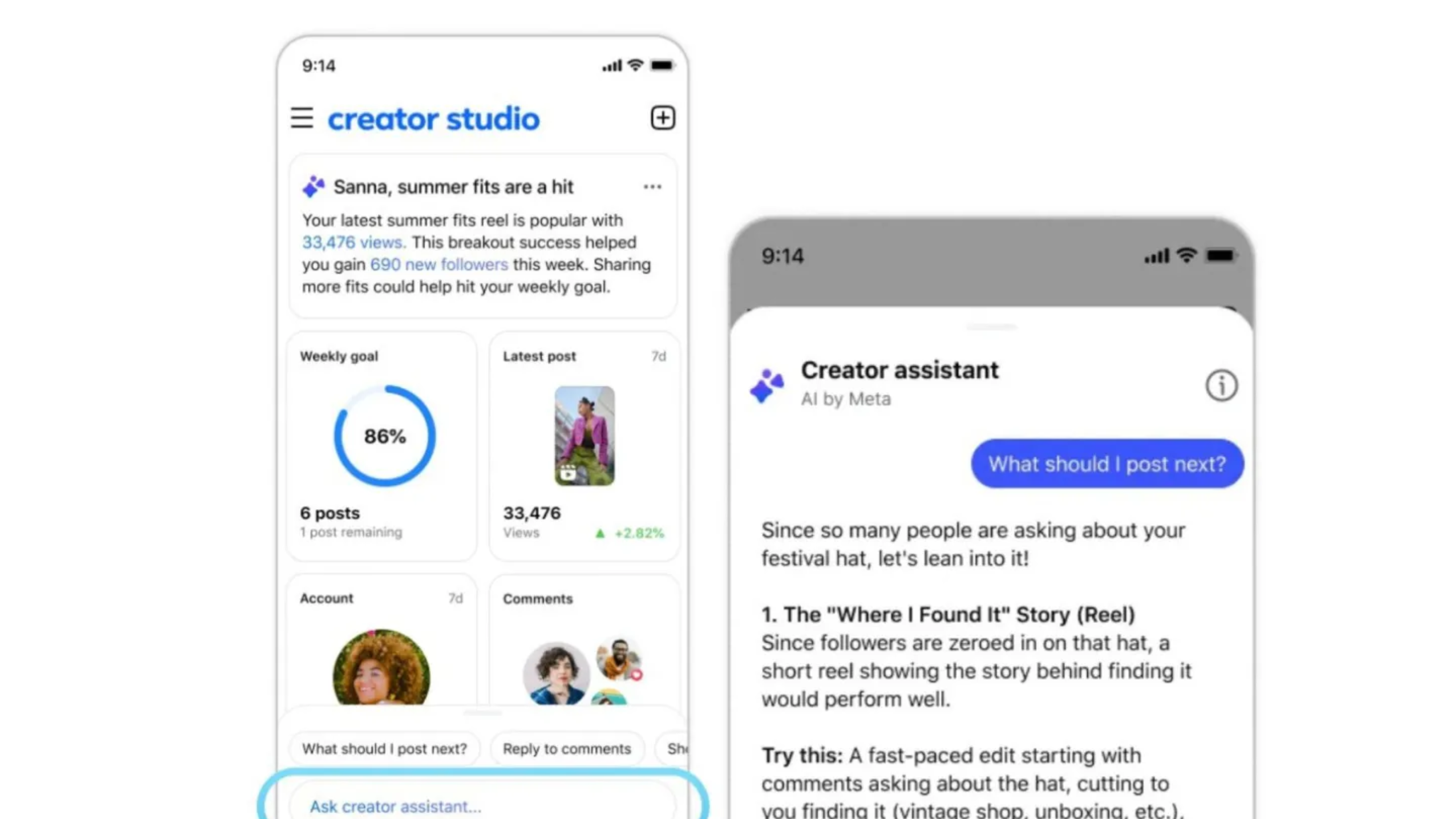
Meta has reintroduced Creator Studio with a stronger focus on artificial intelligence and content management across Facebook and Instagram. The updated platform includes AI-assisted editing, content recommendations, performance insights, and workflow improvements designed to help creators manage multiple accounts more efficiently. Meta says the goal is to simplify publishing while giving creators better tools to understand audience engagement. The relaunch underscores the company’s continued investment in the creator economy as competition with YouTube and TikTok intensifies. AI is increasingly becoming part of every stage of content production, from brainstorming ideas to analyzing performance after publishing. 

Google Lowers Play Store Fees for Alternative Billing

Google is reducing the service fee charged to developers who choose to use alternative payment systems outside of Google Play. By lowering fees, Google hopes to offer developers greater flexibility while responding to concerns about competition in mobile marketplaces. Developers will have more options when processing in-app purchases, potentially increasing revenue and giving consumers additional payment choices. The update represents another step in the evolving relationship between major app stores, developers, and regulators. 

Meta Releases a Dedicated Charging Stand for Smart Glasses

Meta has launched a new charging stand designed specifically for its Ray-Ban Meta smart glasses. The dock provides a convenient way to charge and display the glasses while keeping them readily accessible throughout the day. Although simple in concept, the accessory reflects Meta’s continued effort to build a broader ecosystem around its wearable devices. As smart glasses gain popularity, companies are increasingly introducing complementary accessories that make the products feel more integrated into everyday life. Small additions like charging docks can help normalize wearables as part of the modern home technology experience. 

Google DeepMind Partners With A24 on AI Storytelling

Google DeepMind has partnered with acclaimed film studio A24 to explore how artificial intelligence can support creative storytelling. The collaboration will focus on developing AI tools that assist filmmakers throughout the production process while maintaining human creative control. Rather than generating entire films, the technology is expected to help with tasks such as concept development, visual experimentation, and production workflows. The partnership reflects growing interest in using AI as a creative collaborator instead of a replacement for artists. As entertainment companies continue experimenting with artificial intelligence, the emphasis is shifting toward tools that enhance creativity while preserving the role of human storytellers.