
Stay connected in the world of tech, with the headlines you need to know. From Slate Auto’s New EV to Leica’s SL3-P and more, this week’s top stories reveal a common theme across the technology industry. Companies are investing in complete ecosystems rather than standalone products. Slate is rethinking vehicle ownership through modular design, Meta is expanding support for creators and wearable accessories, and Google continues refining both its developer ecosystem and AI creative initiatives. Even Leica’s latest camera emphasizes trust alongside performance, reflecting new priorities in the age of AI-generated content. Across hardware, software, and entertainment, the focus is shifting toward experiences that are more flexible, connected, and creator-friendly.
Slate Auto Reveals an Affordable Electric Pickup

Slate Auto is continuing to generate buzz around its minimalist electric pickup, a vehicle designed to make EV ownership more affordable. The truck focuses on simplicity over luxury, offering a modular design that allows owners to customize features over time rather than paying for everything up front. By keeping the base model inexpensive and encouraging upgrades through accessories, Slate hopes to attract first-time EV buyers and budget-conscious consumers. The approach stands in sharp contrast to many premium electric trucks currently on the market. As competition in the EV space grows, manufacturers are increasingly exploring ways to lower the cost of entry without sacrificing flexibility. The Slate truck highlights a broader trend toward practical, accessible electric transportation rather than high-priced flagship vehicles.
Leica Introduces the SL3-P for Professional Creators
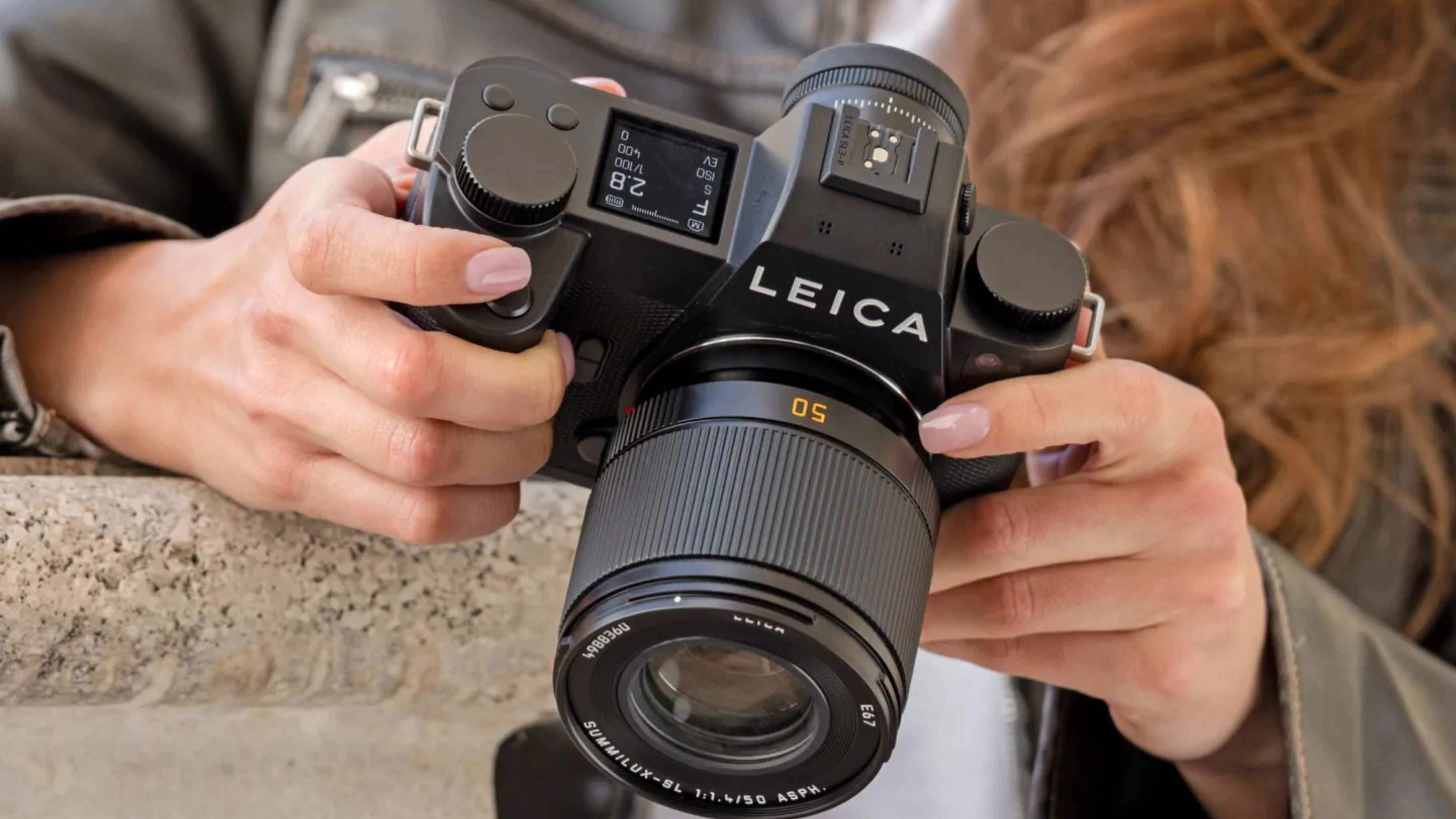
Leica has unveiled the SL3-P, a premium full-frame mirrorless camera. The SL3-P is built for photographers and filmmakers who demand top-tier performance. The SL3-P camera features a 44-megapixel sensor and 8K video recording. In addition, Leica’s signature minimalist industrial design is featured on the SL3-P. It also incorporates content authenticity technology designed to verify the origin and integrity of digital images. This spec on the SL3-P addresses growing concerns around AI-generated media. Likewise, its premium price places it firmly in the professional market. Of course, the SL3-P also reflects the increasing demand for cameras that combine cutting-edge performance with trust and transparency. As AI continues to reshape photography, manufacturers are placing greater emphasis on proving that images are genuine.
Meta Relaunches Creator Studio With AI Tools
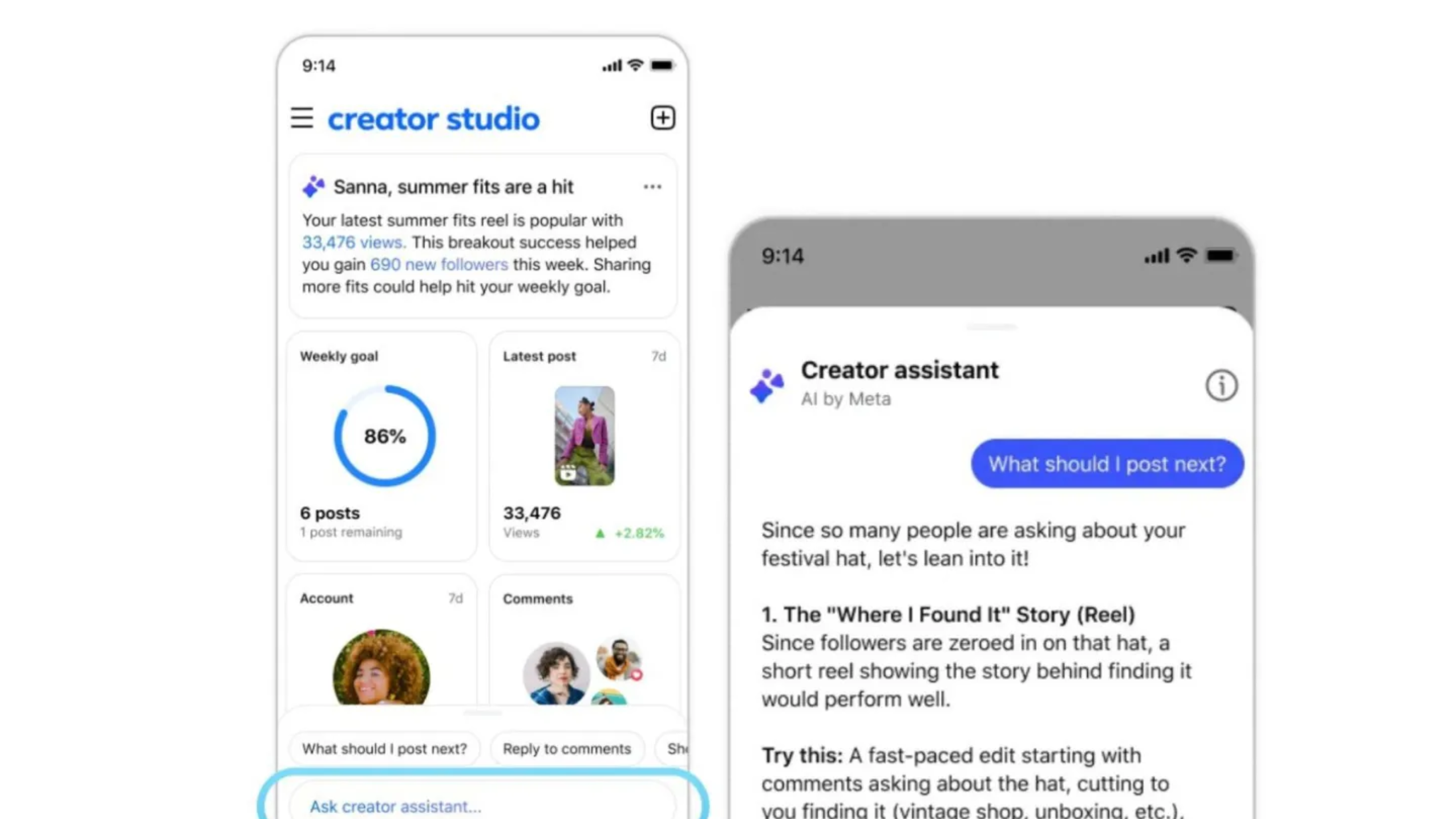
Meta has reintroduced Creator Studio with a stronger focus on artificial intelligence and content management across Facebook and Instagram. The updated platform includes AI-assisted editing, content recommendations, performance insights, and workflow improvements designed to help creators manage multiple accounts more efficiently. Meta says the goal is to simplify publishing while giving creators better tools to understand audience engagement. The relaunch underscores the company’s continued investment in the creator economy as competition with YouTube and TikTok intensifies. AI is increasingly becoming part of every stage of content production, from brainstorming ideas to analyzing performance after publishing.
Google Lowers Play Store Fees for Alternative Billing

Google is reducing the service fee charged to developers who choose to use alternative payment systems outside of Google Play. By lowering fees, Google hopes to offer developers greater flexibility while responding to concerns about competition in mobile marketplaces. Developers will have more options when processing in-app purchases, potentially increasing revenue and giving consumers additional payment choices. The update represents another step in the evolving relationship between major app stores, developers, and regulators.
Meta Releases a Dedicated Charging Stand for Smart Glasses
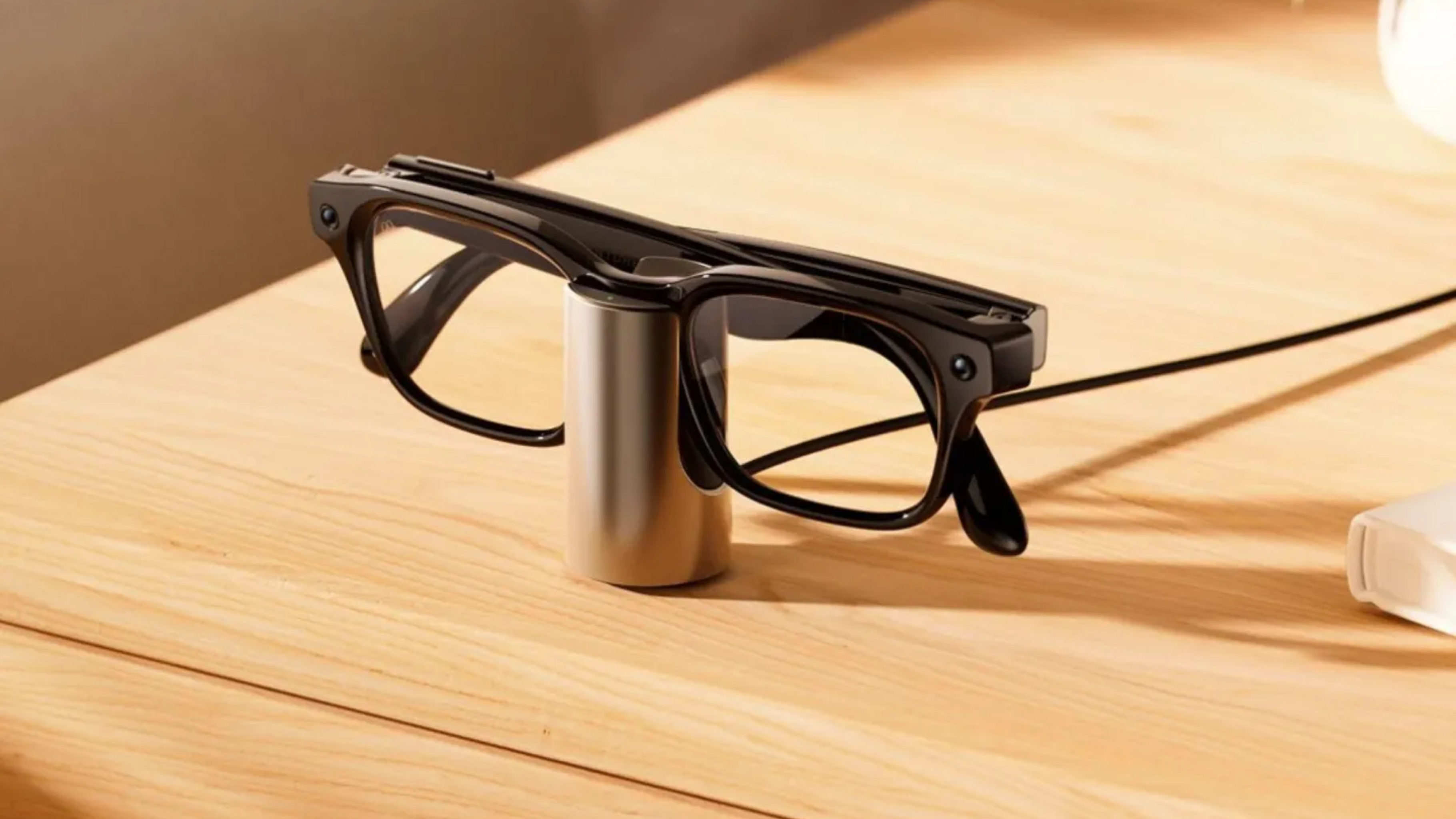
Meta has launched a new charging stand designed specifically for its Ray-Ban Meta smart glasses. The dock provides a convenient way to charge and display the glasses while keeping them readily accessible throughout the day. Although simple in concept, the accessory reflects Meta’s continued effort to build a broader ecosystem around its wearable devices. As smart glasses gain popularity, companies are increasingly introducing complementary accessories that make the products feel more integrated into everyday life. Small additions like charging docks can help normalize wearables as part of the modern home technology experience.
Google DeepMind Partners With A24 on AI Storytelling
Google DeepMind has partnered with acclaimed film studio A24 to explore how artificial intelligence can support creative storytelling. The collaboration will focus on developing AI tools that assist filmmakers throughout the production process while maintaining human creative control. Rather than generating entire films, the technology is expected to help with tasks such as concept development, visual experimentation, and production workflows. The partnership reflects growing interest in using AI as a creative collaborator instead of a replacement for artists. As entertainment companies continue experimenting with artificial intelligence, the emphasis is shifting toward tools that enhance creativity while preserving the role of human storytellers.