It’s time to catch up on the top tech and media headlines from the week! From iPhone Duo focused apps to a cool new rollout of Intsa360 mics and more, we have you covered. Stay connected with our weekly technology round-up.
Apple Adds a “Made for iPhone Duo” Badge to the App Store
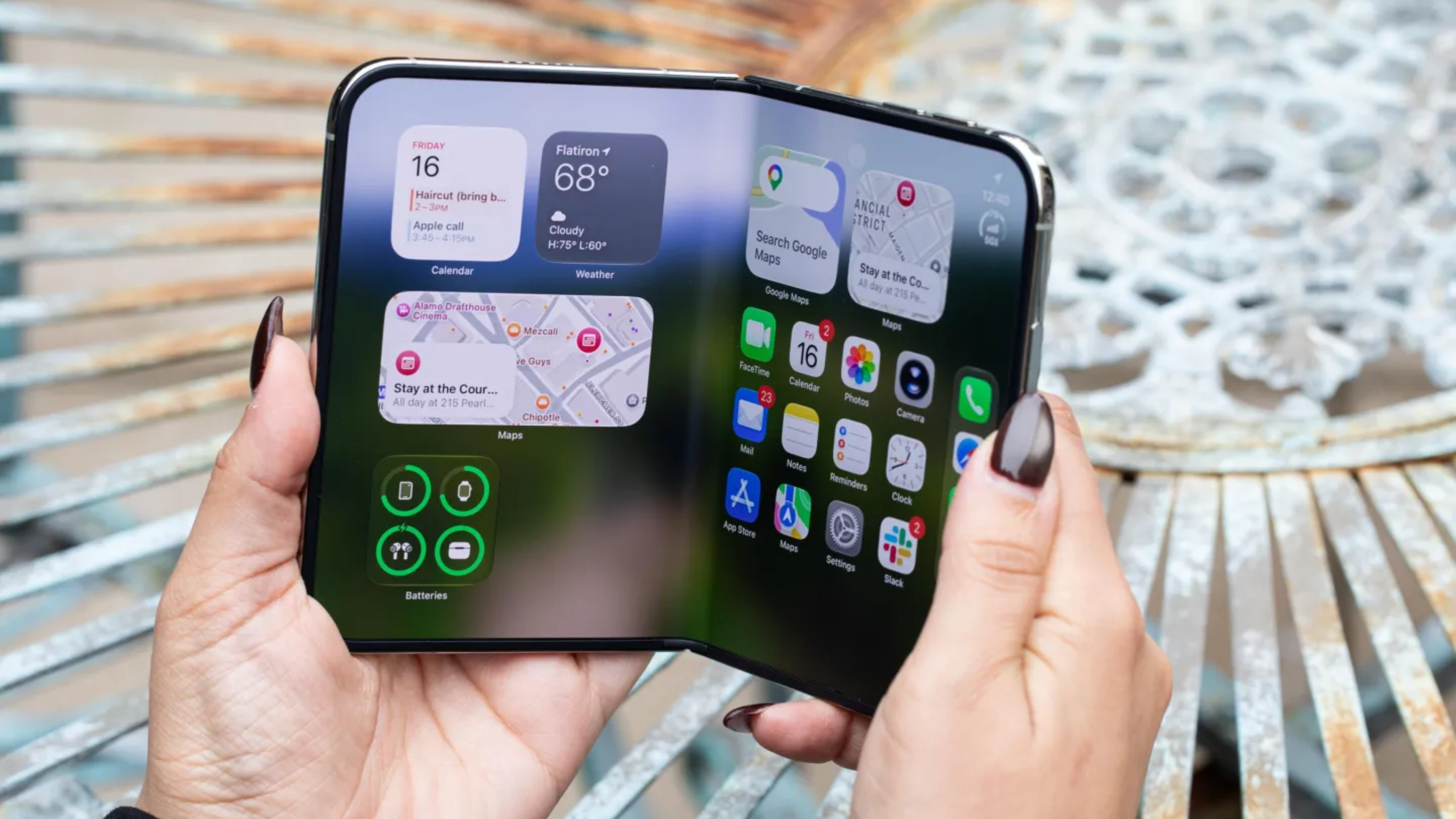
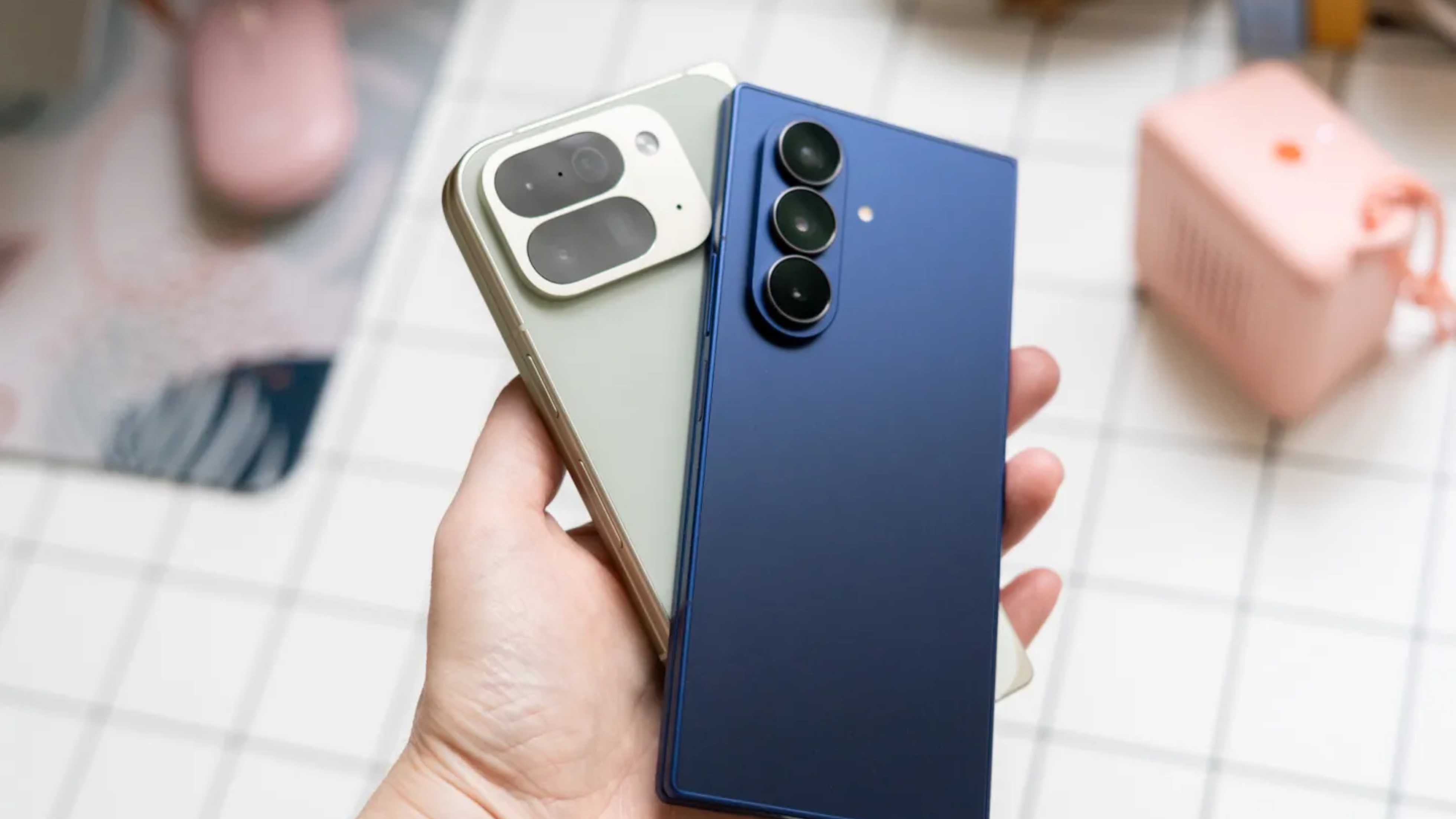
A new App Store label is underway for the iPhone Duo. Coming soon, iPhone Duo owners will find software designed specifically for Apple’s foldable phone. The “Made for iPhone Duo” badge will appear on apps and games built for the device. Likewise, the iPhone Duo apps will take advantage of the device’s larger inner display and secondary outer screen. Netflix, Prime Video, Microsoft Word, Zoom, Lyft, and United Airlines are among the apps already adapting their interfaces for the new form factor. Apple is also preparing editorial collections focused on iPhone Duo software. This will come as additional updates for the iPhone Duo roll out throughout the year. The badge arrives alongside the $1,999 iPhone Duo, which launches this week in limited quantities.
Birdbuddy Shrinks Its Smart Feeder for Smaller Spaces
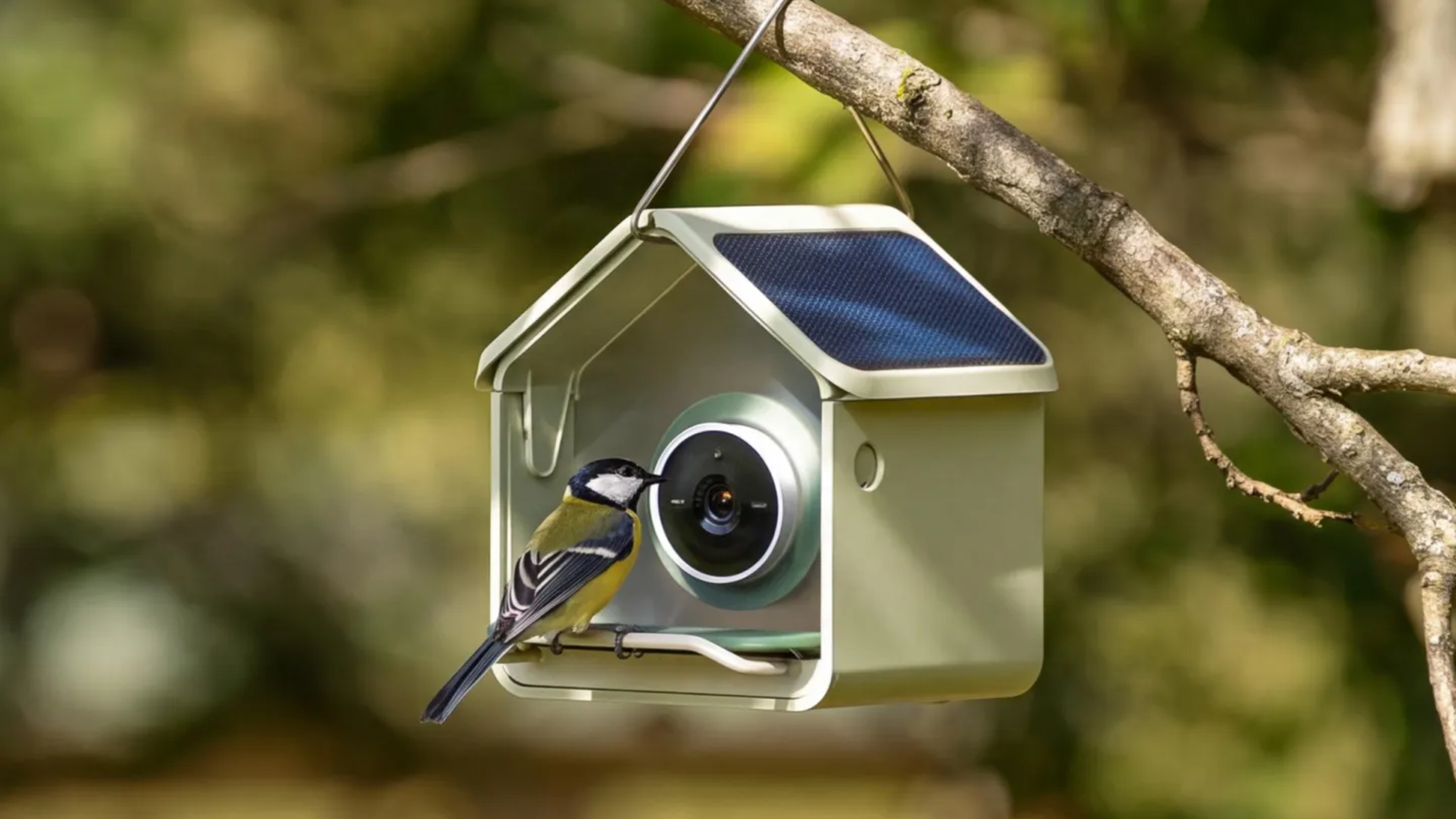
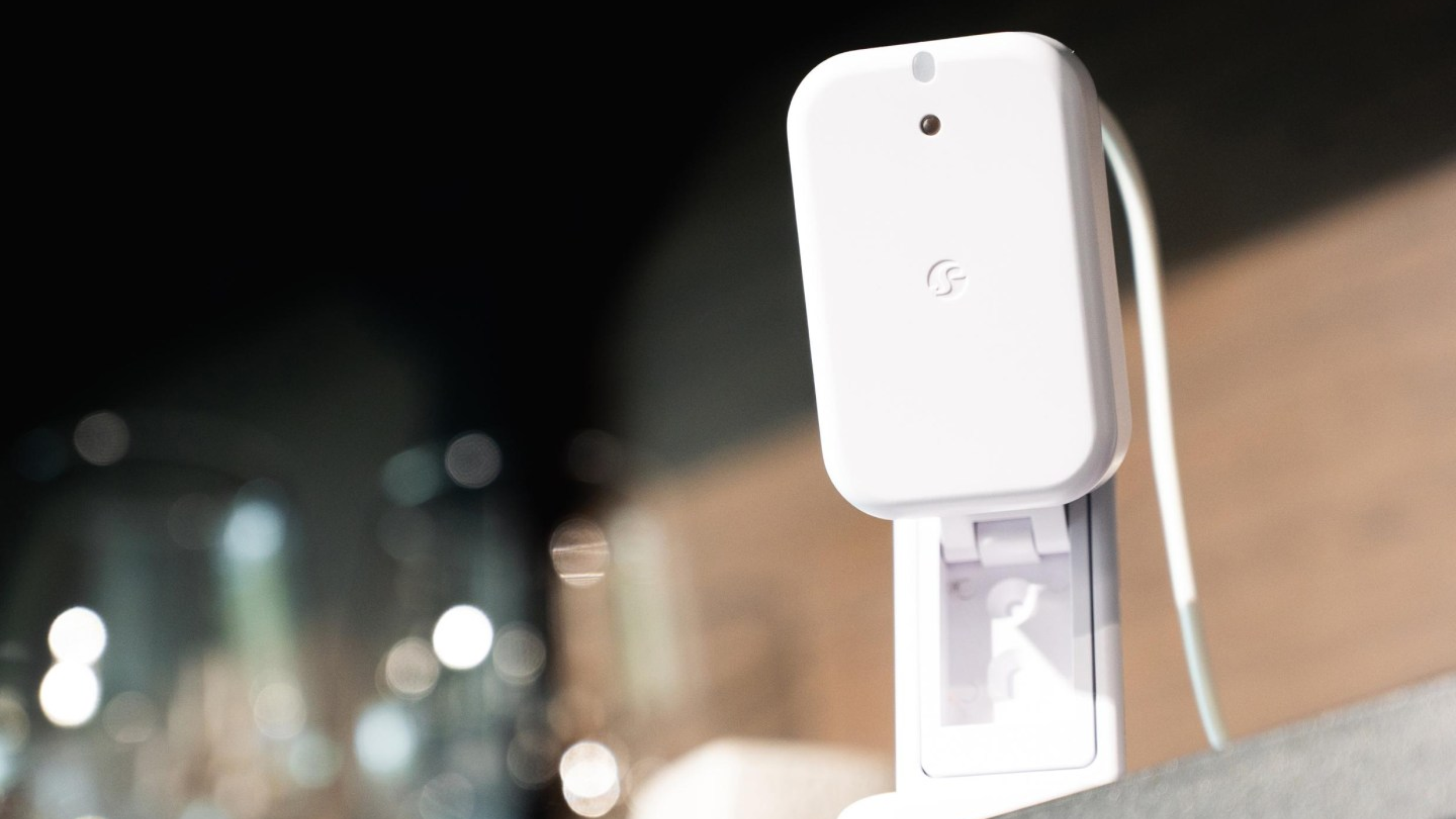
Birdbuddy is offering a more compact option for backyard birdwatching with its new Nook smart feeder. Starting at $99, the Nook uses a 2K HDR camera with a 135-degree field of view and automatically wakes when a bird lands nearby. The accompanying app uses AI to identify bird species, and the camera supports both portrait and landscape capture for easier social sharing. Upgraded configurations add solar charging and a larger perch, while Birdbuddy’s $219 Home model offers a bigger seed reservoir and additional features. The smaller design gives apartment dwellers and homeowners with limited outdoor space a more affordable way to experiment with connected wildlife cameras.
Insta360 Launches a More Affordable Wireless Mic System
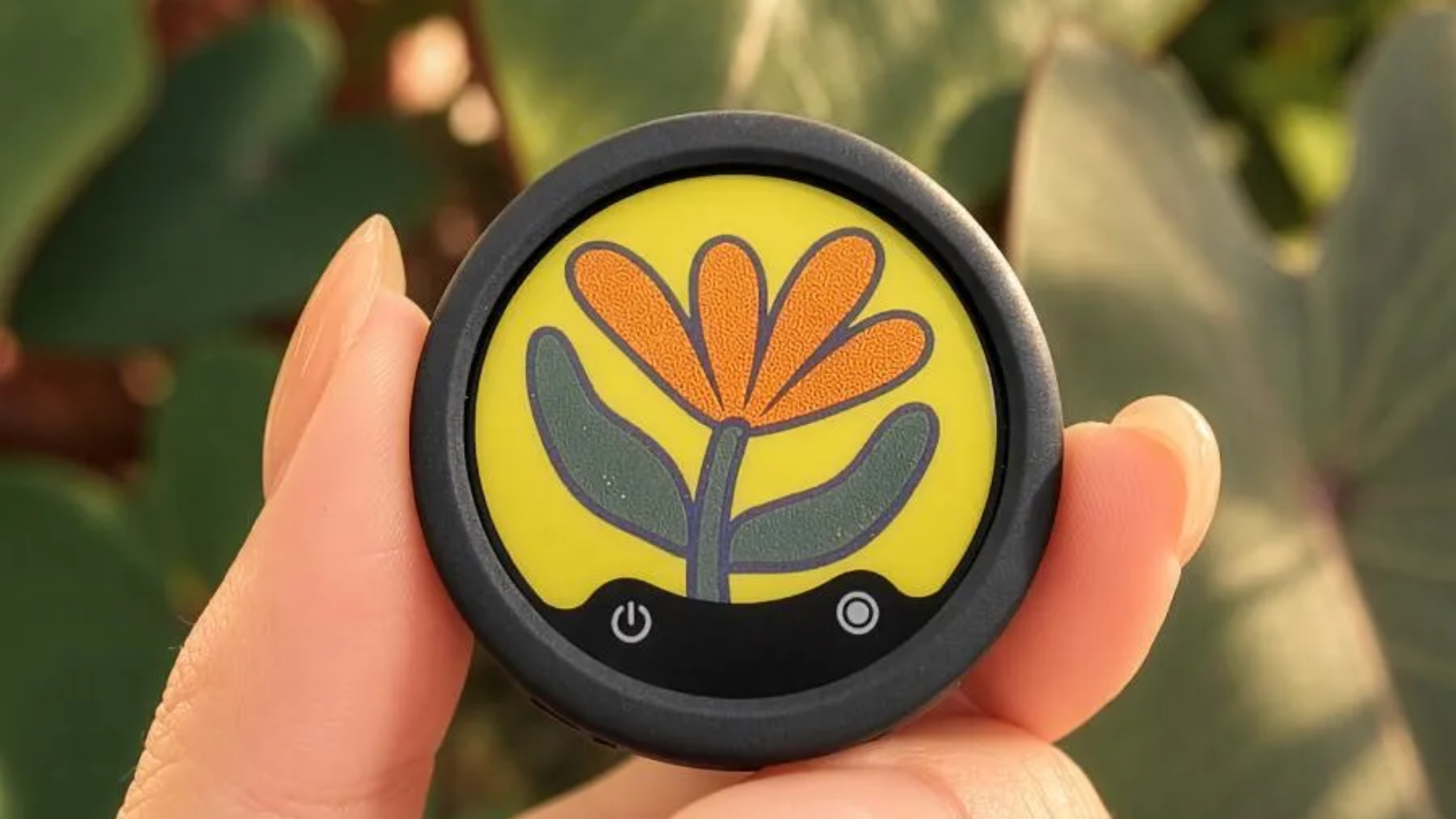
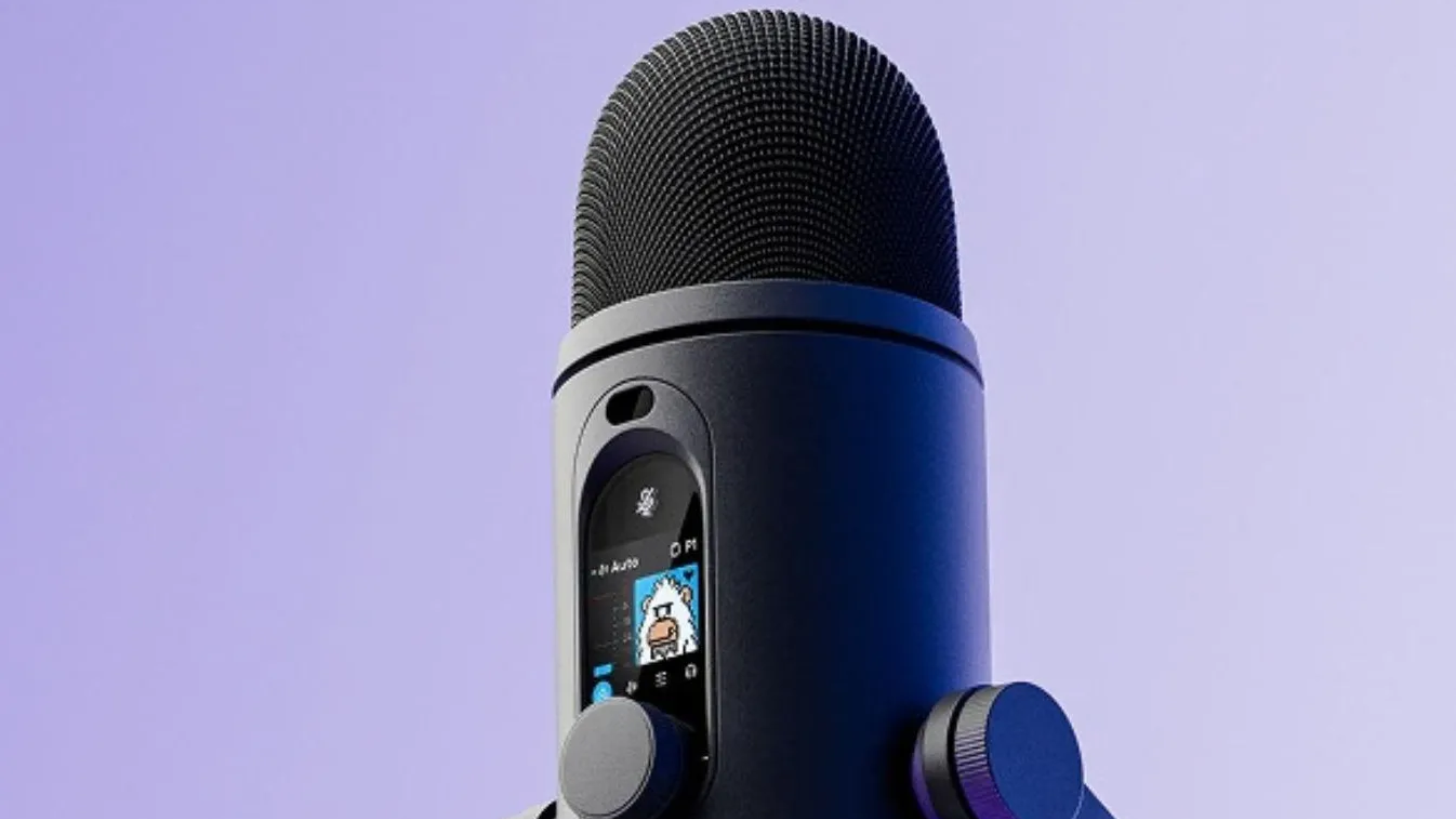
Content creators now have a lower-cost alternative to Insta360’s premium Mic Pro without losing many of its most distinctive features. The new Insta360 Mic costs $249.99 for a two-transmitter kit and keeps the customizable six-color E Ink displays found on the more expensive model. Each transmitter offers AI-powered noise cancellation, automatic gain control, and up to 13 hours of battery life, or 34 hours with the charging case. The tradeoff is a single omnidirectional microphone instead of the Mic Pro’s triple-mic array, although the transmitters are slightly lighter and support removable microSD cards for backup recording. Individual transmitters cost $79.99, making the system a more approachable option for podcasters, vloggers, and mobile creators.
Meta Creates a New Share Class to Finance Its AI Expansion

Billions in AI spending are pushing Meta to introduce a new class of non-voting shares designed to give the company more financing flexibility. The stock will help support artificial intelligence initiatives, potential acquisitions, and employee compensation, with trading expected to begin in 2027. Meta now expects capital expenditures of between $135 billion and $145 billion this year as it builds data centers, recruits AI talent, and develops new models and products. Recent launches include the Muse AI agent, which reached 10 million U.S. downloads shortly after its debut, along with the company’s newer Muse Wonder model. The move underscores how expensive the AI race has become as major technology companies invest heavily in infrastructure and software at the same time.
Bose Acquires Skullcandy to Reach a Broader Audience

A major deal in consumer audio is bringing Bose and Skullcandy under the same corporate umbrella. Bose says Skullcandy will remain a separate brand based in Park City, Utah, while joining its premium consumer audio business. The two companies had already worked together to bring Bose technologies such as spatial audio and active noise cancellation to select Skullcandy headphones and earbuds. Bose expects the acquisition to help its audio technology reach younger, more lifestyle-focused customers who may not traditionally buy its higher-end products. The purchase also continues Bose’s expansion strategy following earlier acquisitions in premium audio, engineering, and gaming sound technology.
Spotify Launches Its First Fully Native In-Car App
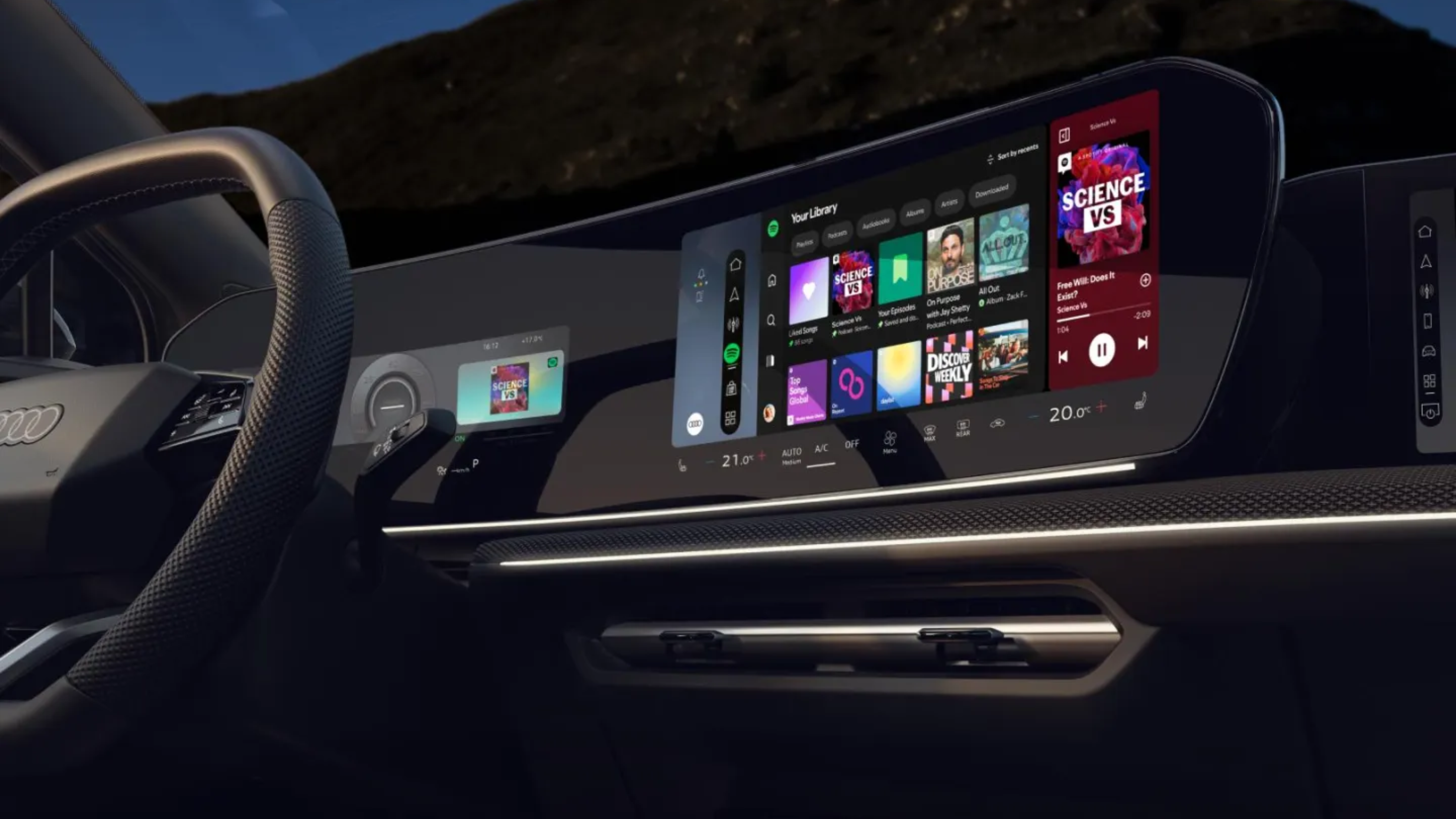
Listening on the road no longer requires a connected phone in select Audi vehicles thanks to Spotify’s new native automotive app. Built directly on Google’s Android Automotive operating system, the software runs through the car’s infotainment hardware instead of relying on CarPlay, Android Auto, Bluetooth, or an auxiliary cable. The initial rollout includes models such as the Audi A6 e-tron, Q6 e-tron, A5, Q5, and A6, with Spotify controlling the interface rather than using Google’s standard templates. Passengers can join Spotify Jam sessions by scanning a QR code, while supported secondary displays can show lyrics, browsing tools, and video content without distracting the driver. Spotify says it remains committed to CarPlay and Android Auto, but the new app gives the company greater control over the listening experience inside connected vehicles.