From the Insta360 X6 to Copilot Apps and More! | Tech News

This week is jam-packed with major tech news from across the web. With a new influencer-focused Insta360 X6 cam, upgrades to the Copilot apps, and more. Stay connected with what’s happening in the world of tech and media with our weekly wrap-up.

WhatsApp Adds On-Device AI Scam Detection

Meta is introducing a new WhatsApp feature designed to warn users when a conversation appears suspicious. The optional Scam Alert system uses on-device machine learning to analyze incoming messages. The feature does so without sending their contents to Meta for classification. From there, WhatsApp displays a private warning that gives the user the option to block, report, or continue the conversation. Users can also mark trusted chats to prevent future alerts, while an optional setting allows the last five received messages to be shared with WhatsApp to improve accuracy. With WhatsApp serving more than three billion users, the feature represents Meta’s latest attempt to curb increasingly sophisticated social engineering scams.

Microsoft Starts Merging Its Copilot Apps

Windows users will soon have fewer Copilot icons to navigate as Microsoft begins combining its consumer and workplace AI assistants into one experience. The updated Microsoft Copilot app will support both personal and work accounts while keeping data from each account type separate. Copilot chat, image creation, and Microsoft 365 features will increasingly live under the same interface, laying the groundwork for the broader “super app” Microsoft plans to launch later this year. Mobile and web versions begin rolling out globally in mid-August, followed by Windows and Mac updates in mid-September. Some existing features, including Podcasts and Deep Research, are being retired as part of the transition.

Android Quick Share Gets a Tap-to-Share Upgrade

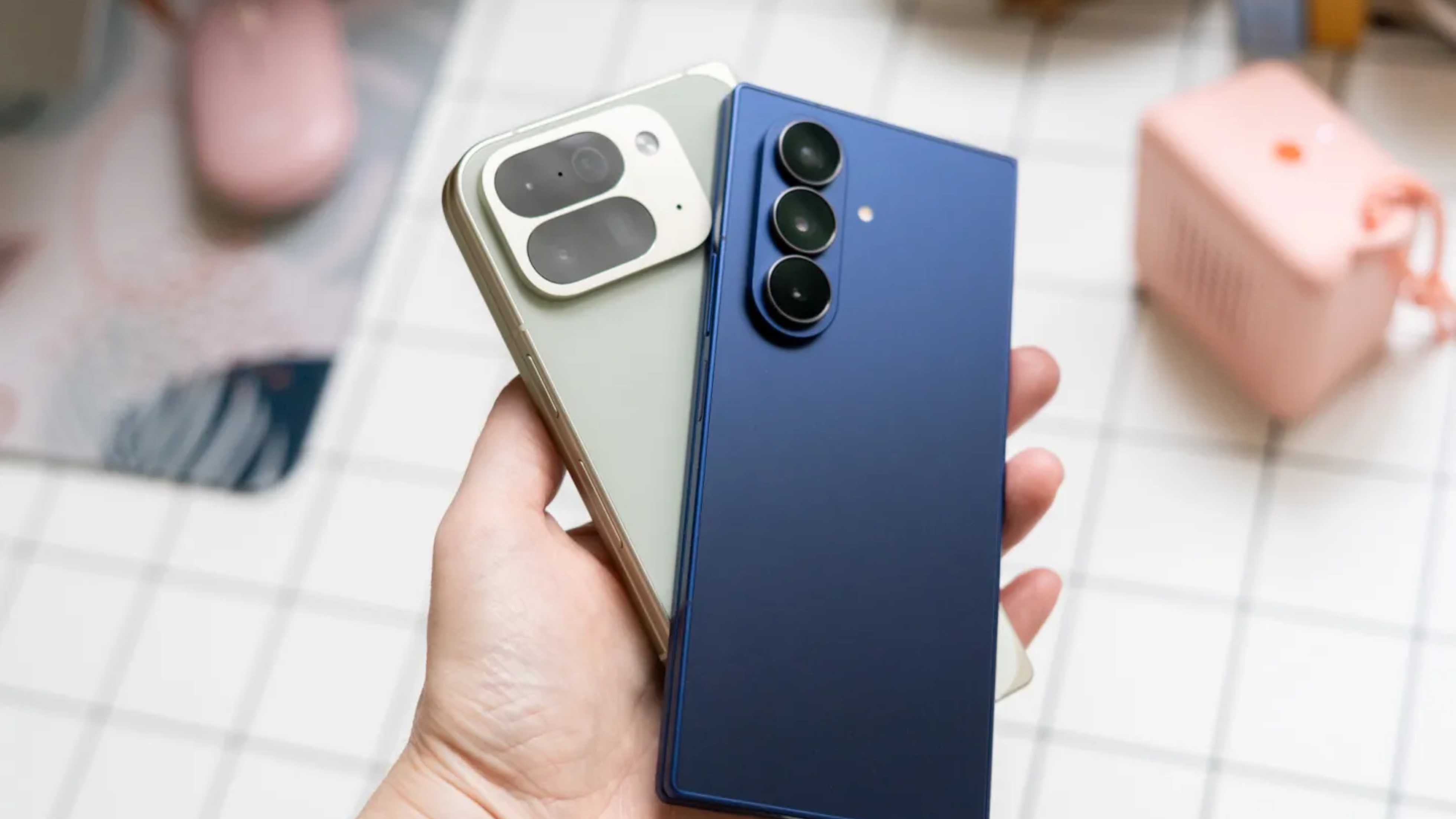
Sharing files between Android phones is getting simpler with a new tap-based update to Quick Share. Pixel 6 devices and newer models can now exchange contact information, photos, videos, and other files by bringing two phones close together after opening the share menu. The feature relies on NFC and proximity technology to create an experience that feels more immediate than selecting a nearby device from a list. Samsung’s Galaxy Z Fold 8 Ultra, Fold 8, and Flip 8 are expected to receive support soon. Google says the capability will expand to additional Android devices before the end of the year.

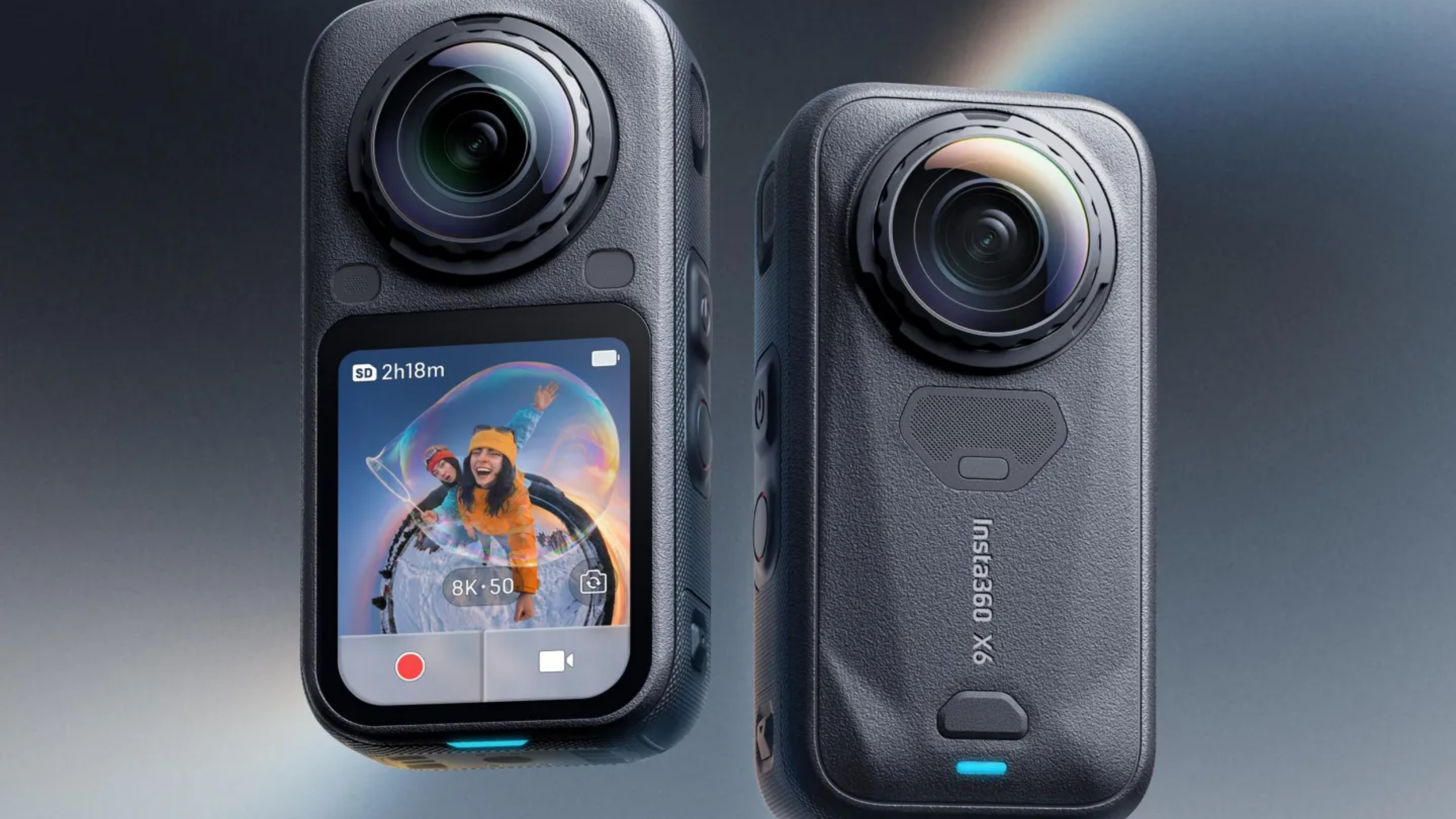
Insta360 X6 Packs Bigger Sensors Into a Smaller Camera

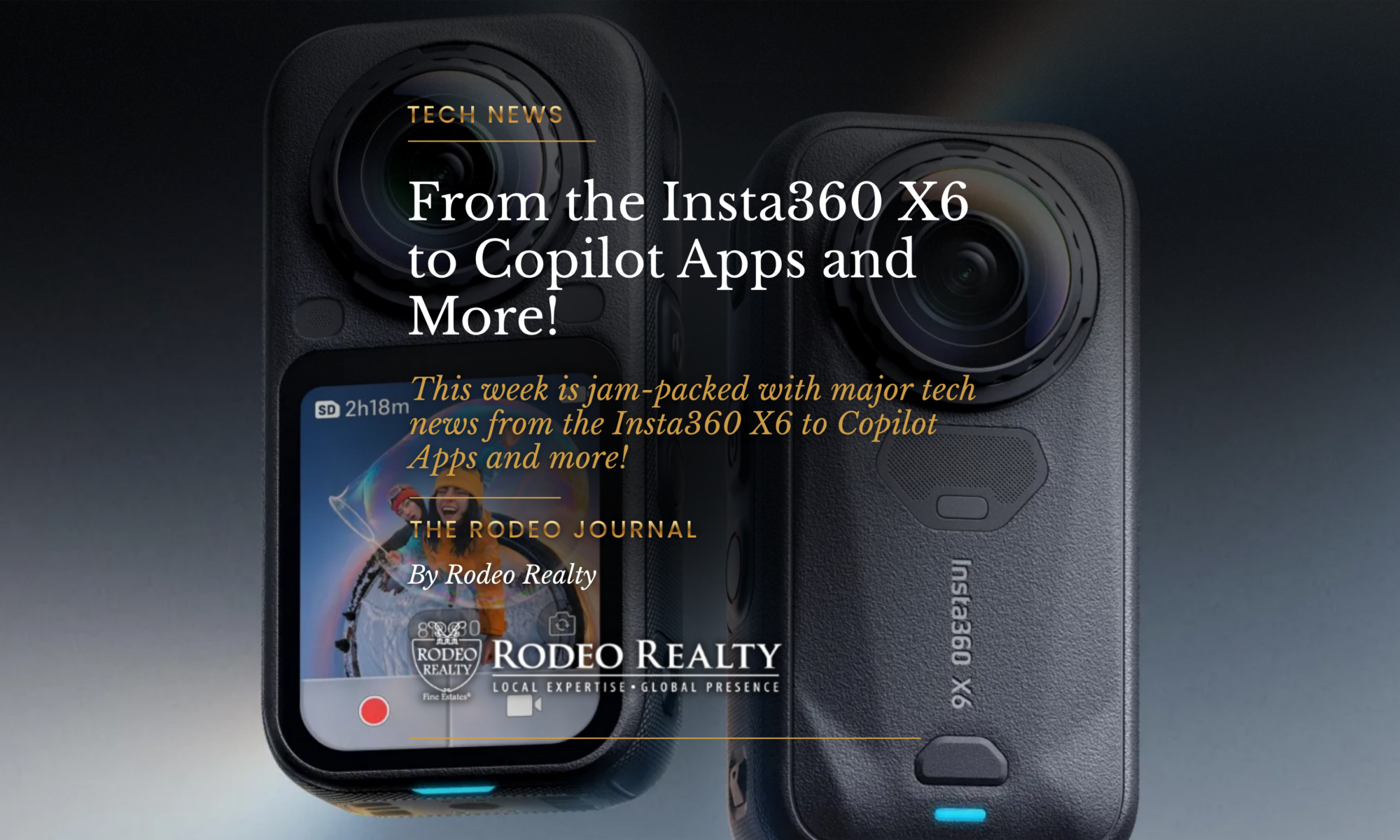
Content creators have a new 360-degree camera option with the arrival of Insta360’s X6. The compact Insta360 X6 action camera uses larger 1/1.1-inch Sony sensors. Additionally, the Insta360 X6 can capture 8K footage at up to 50 frames per second, an improvement over last year’s model. Insta360 also made the Insta360 X6 camera shorter and slightly lighter while replacing the rear LCD with an OLED display. The Insta360 X6 replaceable lenses are now more scratch-resistant and less expensive. Likewise, the Insta360 X6 improves low-light processing and adds in-camera Dolby Vision for demanding shoots. The Insta360 X6 is available now starting at $699.99, making it $150 more expensive than the previous X5.

Threads Makes the Jump to Meta Quest

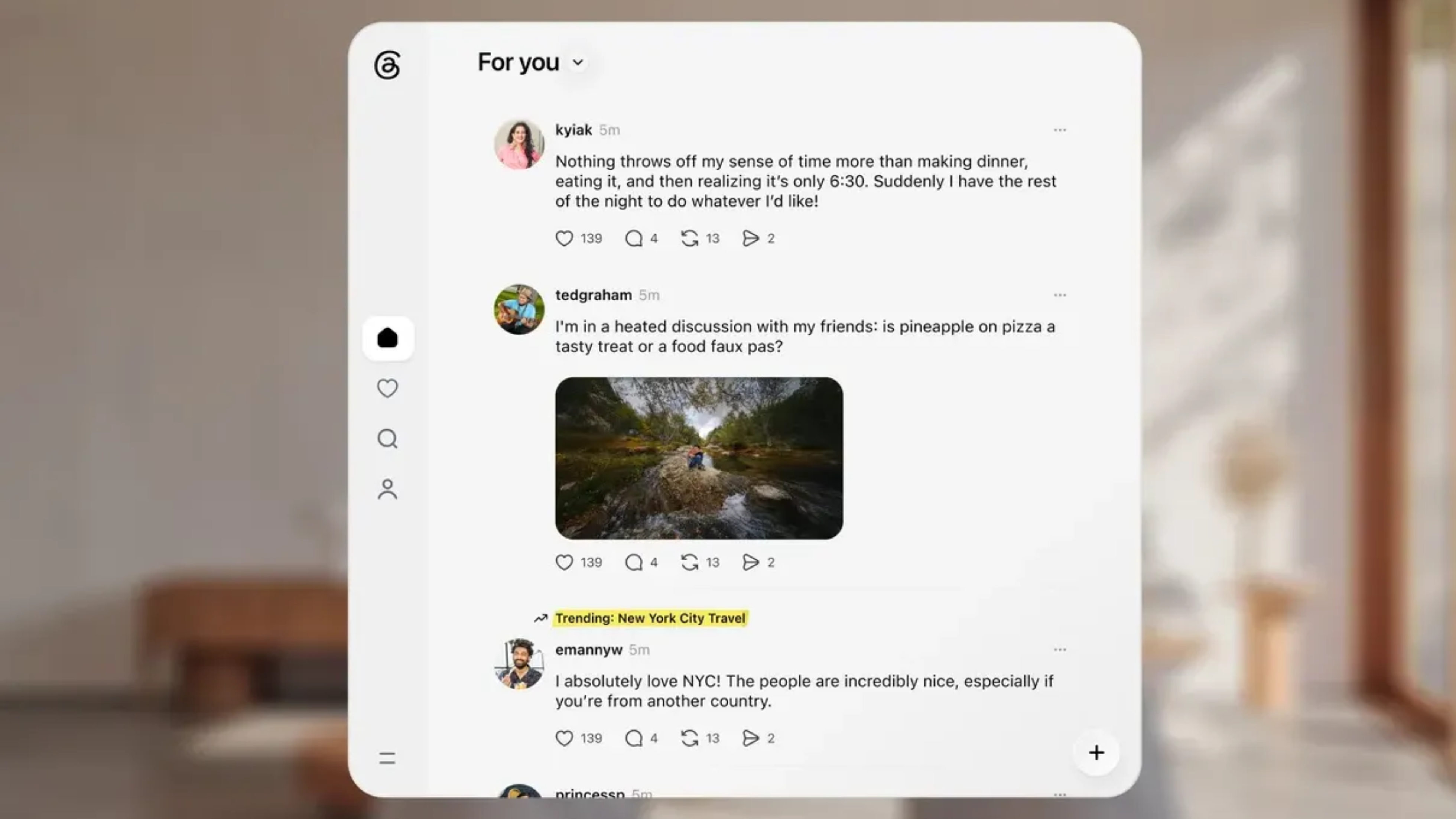
Scrolling through Threads no longer requires a phone or computer now that Meta has launched a dedicated version of the social network for Quest VR headsets. The app allows users to browse feeds, publish posts, respond to conversations, search profiles, and watch videos without leaving virtual reality. Meta says the goal is to make VR feel more social by allowing people to check conversations while gaming or moving between other headset activities. The launch follows Threads’ recent expansion onto Meta’s Ray-Ban Display glasses, further connecting the platform with the company’s hardware ecosystem. Threads now exceeds 500 million monthly active users. Likewise, Meta appears increasingly interested in making the service available across nearly every device category it controls.

From a Bose Refresh to Dolby Vision 2 and More! | Tech News

Stay connected in the world of tech with our weekly roundup. This week we’re covering top headlines from a Bose refresh to Dolby Vision 2, and more! For all things media and tech happening this week, read on below!

Apple Raises Trade-In Values Across Its Device Lineup

Customers looking to upgrade their tech can now get more money back for their old hardware across the board. Trade-in values have climbed for various iPhones, iPads, Macs, Apple Watches, and select Android smartphones. Desktop and laptop owners stand to gain the most, with the Mac Studio jumping by $260 and the MacBook Pro getting a $165 valuation boost. On the Android side, recent devices from Samsung, Google, and OnePlus are now officially accepted for credit toward new purchases. A Google Pixel 9 Pro XL fetches up to $315 today, while a trade-in for the OnePlus 13 yields as much as $250. These bumped-up figures come at a crucial moment for Apple, as the tech giant tries to ease the sting of high device prices for price-conscious shoppers.

Bose Refreshes Its QuietComfort Headphones

Audio giant Bose has unveiled a second-generation version of its standard QuietComfort wireless headphones. The new Bose headphones pack upgraded noise cancellation and spatial sound. Built-in TrueSpatial technology relies on head tracking to anchor sound in place or shift it fluidly as you move your head. Bose listeners will also notice a refined Aware mode. The Bose feature now dials ambient noise levels up or down far more smoothly during sudden environmental changes. Hardware tweaks include Bluetooth 5.4 support, multipoint pairing, lossless audio over USB-C connections, and restructured physical controls. The new Bose cans land at a $359 price point with up to 24 hours of playback on a single charge. Toggling on the immersive audio feature chops that battery runtime down slightly to 18 hours.

Dolby Vision 2 Arrives on Select Hisense TVs

High dynamic range imaging is taking a step forward as several 2026 Hisense television models adopt Dolby Vision 2. This updated format relies on a reworked image engine, broader metadata support, and refined tone mapping tuned for modern bright displays. Viewers eyeing top-tier sets can tap into Dolby Vision 2 Max, which adds ambient-light compensation alongside granular calibration tools. That premium tier also packs a feature dubbed Authentic Motion to handle action scenes without creating an artificial soap-opera effect. Hisense plans to update its UX, UR9, UR8, and U7 lines by late September, with TCL and Philips releasing compatible sets later this year. Owners of older displays are unfortunately out of luck, as the new standard depends on dedicated internal hardware.

Google Maps Can Now Help Order Dinner

Navigation utility is taking a back seat as new AI tools transform Google Maps into an active errand runner. Users across the United States can now ask the app’s Ask Maps assistant to locate specific meals along a driving route while respecting dietary restrictions. The tool even places selected items directly into a digital checkout cart without forcing you to switch applications. Ordering functionality launches through Square and Toast integrations, with Uber Eats compatibility slated for a future release. Beyond food, the updated feature scans Gmail for upcoming reservations, recommends nearby hotels or events, and surfaces real-time transit alerts. These shifts nudge the popular navigation platform far closer to becoming an all-in-one daily assistant.

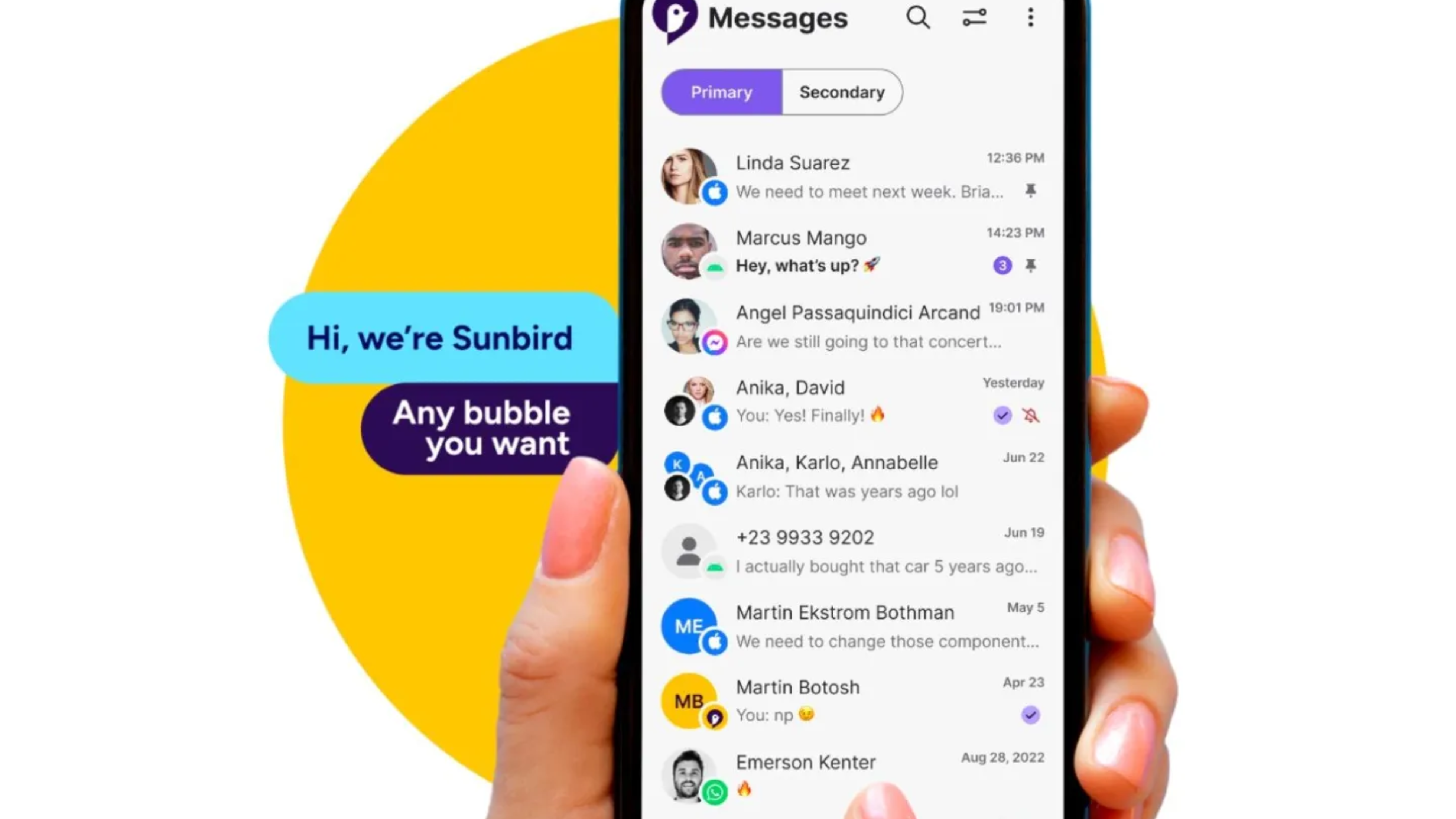
Sunbird Brings iMessage Back to Android

Android users seeking cross-platform messaging can once again download Sunbird from the Google Play Store following a long hiatus. Nearly three years after shutting down over major privacy vulnerabilities, the service offers iMessage features like blue bubbles, reactions, and uncompressed video for $2.99 a month. Sunbird claims to have overhauled its backend infrastructure with end-to-end encryption and third-party security audits. Under the revised framework, transferred media files are automatically wiped within 72 hours of delivery. Account credentials for Apple IDs are reportedly processed exclusively during setup rather than saved on remote servers. Upcoming patches aim to integrate WhatsApp and Facebook Messenger while adding an AI helper for quick summaries and context-aware replies.

Disney Brings Fan-Made TikTok Videos to Disney Plus

Short-form user content is officially arriving on Disney Plus thanks to a fresh collaboration with TikTok. Curated fan creations will populate the streaming service’s Verts feed alongside mainstream studio programming. Participating influencers get direct access to official assets spanning hundreds of films and shows, including Marvel, Pixar, and Star Wars franchises. Clips produced through the initiative will cross-post to both platforms, giving digital creators significantly broader exposure. Top performers stand to gain exclusive event invitations, featured spotlight placement, and potential career development guidance. The rollout begins as a limited pilot program in the United States before expanding to international subscriber bases later on.

From Zoox Robotaxis to DoorDash Air and More! | Tech News

Wrap up your week with the latest news buzzing in the world of tech! From Zoox Robotaxis to DoorDash Air and more, we have you covered with the top headlines. Check out what’s happening from across the web in this week’s tech news wrap-up!

Xiaomi Unveils an EV Designed Like a Living Space

The Chinese tech giant is expanding deeper into electric vehicles with the SkyNomad N90 Max, its first extended-range SUV. Boasting a range over 1,700 kilometers (roughly 1,059 miles), it will come in five- and seven-seat configurations. Inside, the cabin shifts between driving and lounging thanks to rotating front seats, reclining second-row chairs, footrests, and a sliding table. A dedicated Camping Edition dials up the outdoor utility with a pop-up roof, rooftop sleeping platform, tent connector, and detachable table.

Zoox Receives Approval to Charge for Robotaxi Rides

Federal regulators have granted Amazon’s autonomous vehicle subsidiary, Zoox, a temporary exemption that clears the way for paid passenger trips in its custom-built robotaxis. The landmark decision allows Zoox to deploy up to 5,000 of its purpose-built, steering-wheel-free vehicles across public roads over the next two years. Until now, Zoox had focused on offering free demonstration rides to refine its technology and accumulate real-world mileage in dense urban hubs like San Francisco and Las Vegas. With commercial authorization finally secured, Zoox plans to launch its paid fare service in Las Vegas next month, with aggressive expansions into Miami and Austin following close behind. By taking this major regulatory step, Zoox positions itself as a formidable competitor against established autonomous ride-hailing players like Waymo and Tesla.

Microsoft Confirms a Copilot Super App Is Coming

A unified “super app” bringing Microsoft’s scattered AI offerings under one roof is slated to arrive later this year. CEO Satya Nadella announced the platform will bundle Copilot chat, GitHub Copilot, coding tools, and autonomous agents into a single hub for both consumers and enterprise users. Instead of forcing people to jump between separate apps, the goal is to create one seamless interface for everyday tasks and workplace productivity.

Meta Prepares a Push Into Personal AI Agents

Mark Zuckerberg’s tech empire is building personal AI helpers meant to work continuously on behalf of everyday users. Likewise, this moves beyond developer-focused tools. Of course, specific product details remain under wraps. It is rumored that agents are being tailored to help manage personal organization, finances, relationships, and daily communication. Meta already sees heavy enterprise use with its WhatsApp and Messenger business bots, but these upcoming personal agents represent a key foundation for its consumer strategy.

Moving Beyond Delivery Partnerships, DoorDash Air Takes Flight

The food delivery giant has secured FAA air carrier certification to launch its own dedicated drone program, DoorDash Air. The company will not be relying strictly on partners like Alphabet’s Wing. Instead, the company’s internal Labs team will design and assemble its own aircraft. Additionally, DoorDash will be building out ground infrastructure for restaurant loading and flight routing. Bringing the hardware in-house gives DoorDash complete control over how aerial fulfillment fits into its broader network.

Apple’s Rumored HomePad Could Arrive This Fall

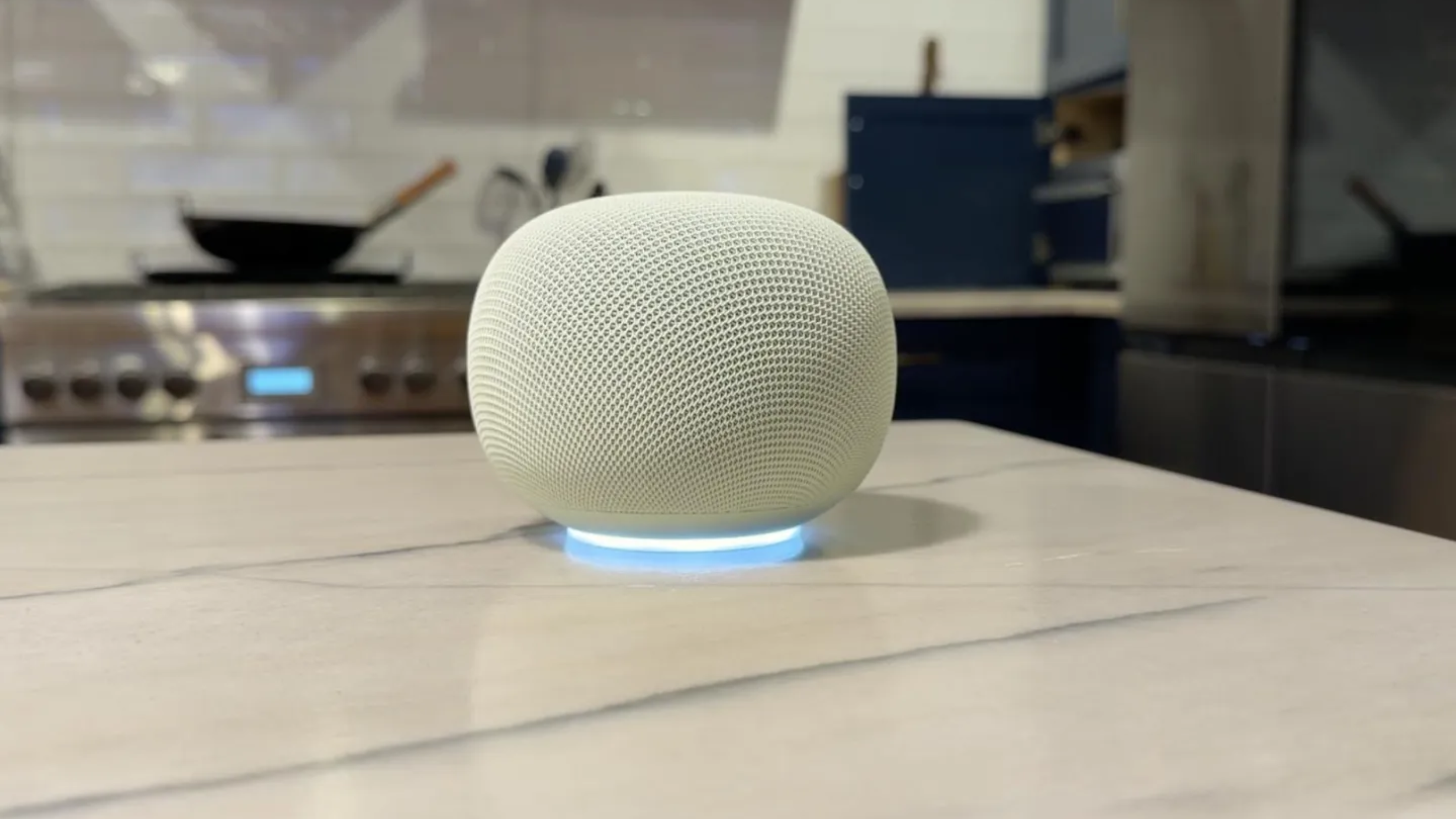
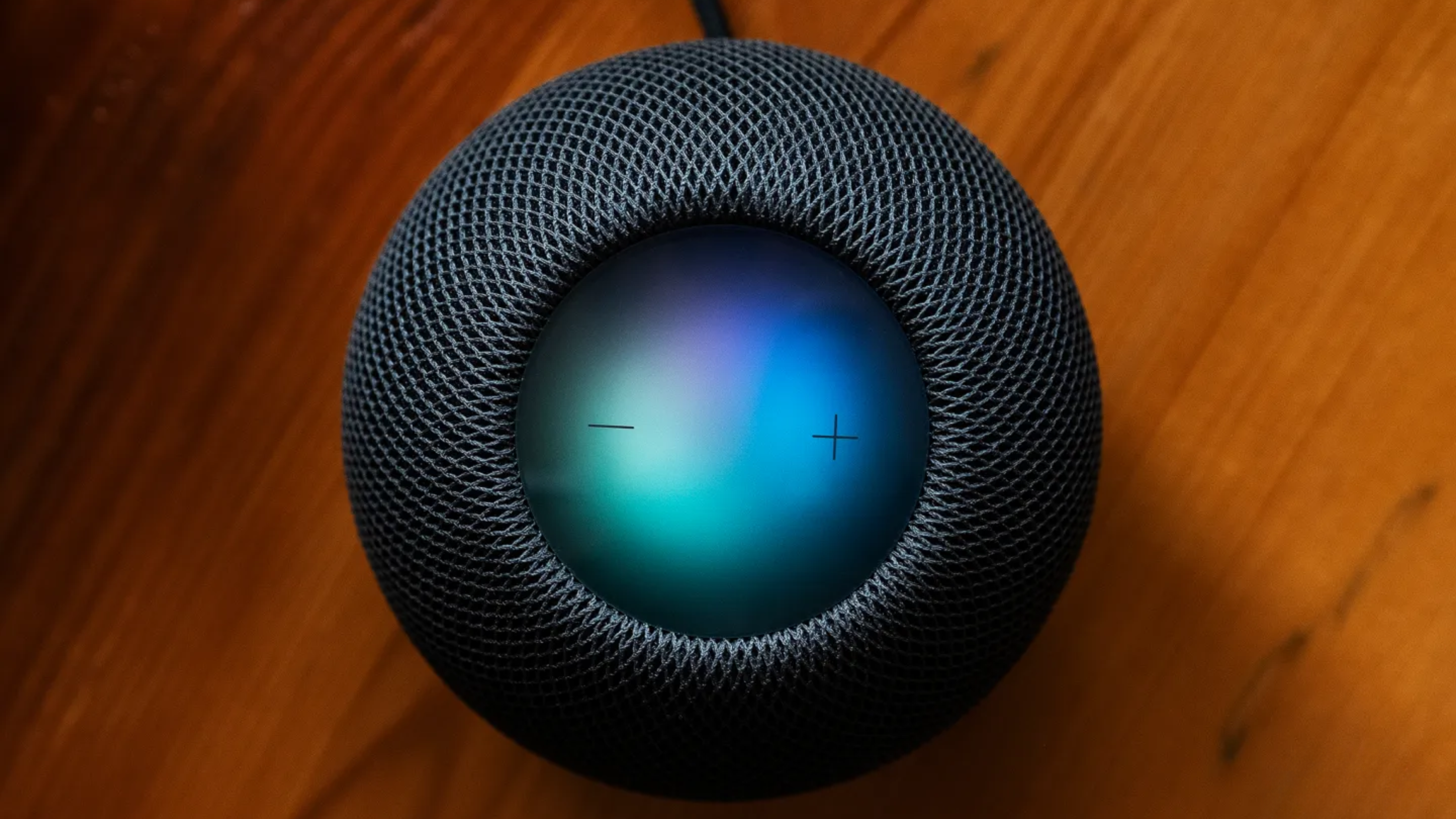
October could bring the debut of a dedicated smart home display from Apple. The potential HomePad product drop is rumored to feature a seven-inch square screen running a tailored version of tvOS. Likewise, it will be built around an upgraded Siri interface. Additionally, the device is expected to handle video calls, security monitoring, intercom chats, and personalized layouts for different users. The launch signals a direct push into territory long dominated by Amazon’s Echo Show and Google’s Nest Hub. Of course, this comes with rumor-milled updates to Apple’s broader home hardware lineup.

From Boston Dynamics to 1Password Updates and More! | Tech News

As the week winds down, it’s time to tune into what you may have missed in the tech news world. From Boston Dynamics robot dog on delivery duty to 1Passwords Claude team-up and more, we have you covered with major stories. Tune in and stay connected with this week’s tech news round-up!

1Password Teams Up With Claude for Smarter Browser Security

Password managers are becoming more intelligent as 1Password introduces a new browser integration with Anthropic’s Claude AI assistant. The feature allows Claude to securely access passwords, logins, and saved information, with user permission, to help complete online tasks without requiring users to constantly switch between apps. Rather than exposing sensitive information, the integration is designed to keep credentials protected while making AI assistants more useful during everyday browsing. The partnership reflects a growing trend of combining generative AI with productivity software to reduce repetitive digital tasks. As AI assistants become more capable, security companies are increasingly focused on balancing convenience with privacy. The result is an internet experience that feels more seamless without sacrificing user control.

Samsung Teases Its Next Galaxy Fold With a Superhero Twist

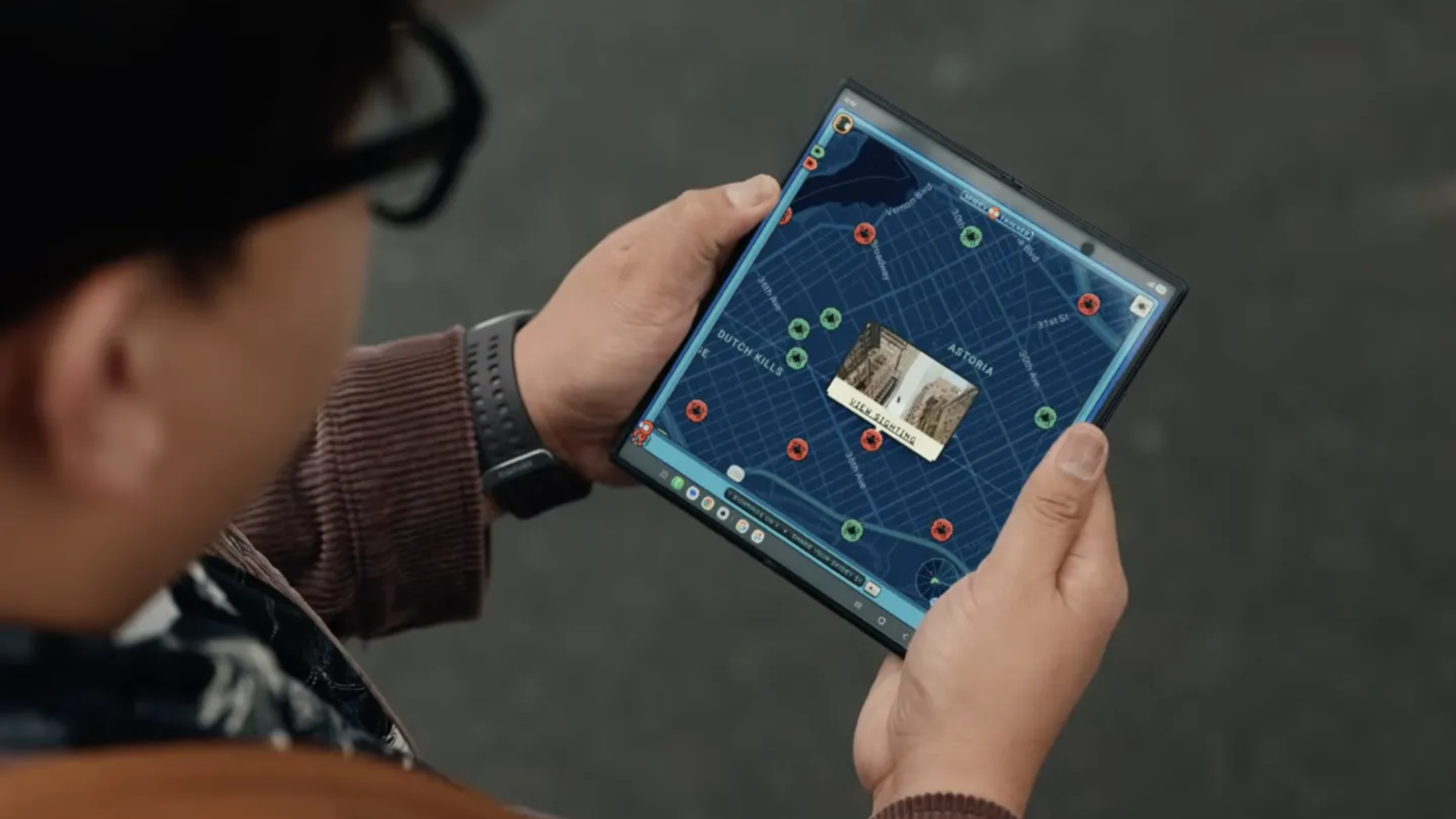
Samsung is building excitement for its upcoming Galaxy Unpacked event with a Spider-Man-inspired teaser for the Galaxy Z Fold 8. While the promotional campaign leans heavily into comic book imagery, it also hints at a slimmer foldable design and new AI-powered features expected to debut alongside the device. Samsung continues positioning foldables as the centerpiece of its premium smartphone strategy, betting that thinner hardware and improved durability will attract more mainstream buyers. The teaser also reinforces the growing role of pop culture collaborations in consumer technology marketing. As competition in foldable phones intensifies, companies are increasingly relying on storytelling as much as specifications to generate buzz.

Home Depot Gives Skelly a Smartphone Upgrade

Halloween’s favorite oversized decoration is getting smarter. Home Depot has introduced a companion mobile app for its iconic 12-foot Skelly skeleton, allowing owners to customize sounds, trigger animations, schedule effects, and control multiple decorations from a smartphone. The app transforms the seasonal decoration into a connected smart-home product, reflecting the growing trend of bringing app-based controls to unexpected household items. It also demonstrates how retailers are extending products beyond physical purchases through digital experiences. For Halloween enthusiasts, decorating the front yard is starting to feel a lot like programming a smart home.
OpenAI Continues Moving Toward AI Hardware

OpenAI is reportedly making significant progress on its first dedicated AI hardware device, marking another step beyond traditional chatbots and software. While details remain limited, reports suggest the product could take the form of a smart speaker or another voice-first device designed around conversational AI. The hardware is expected to emphasize natural interaction, allowing users to engage with ChatGPT without relying on a smartphone or computer. Industry observers see the project as part of a broader effort to redefine how people interact with artificial intelligence in everyday life. If successful, OpenAI could help usher in a new category of AI-first consumer electronics built around conversation rather than touchscreens.

Boston Dynamics Expands Spot’s Role Beyond Inspection

Boston Dynamics continues finding new jobs for its Spot robot dog. This time, Boston Dynamics is exploring its use as a delivery and logistics assistant. In recent demonstrations, Spot was shown transporting supplies and equipment across work sites. Likewise, this field test by Boston Dynamics helps in reducing the need for workers to carry heavy loads over long distances. The company believes robots like Spot can take over repetitive or physically demanding tasks. Of course, the goal is to allow people to focus on higher-value work. Rather than replacing employees, Boston Dynamics’ emphasis is on collaboration between humans and robots in industrial settings. As robotics technology becomes more practical and reliable, machines like Boston Dynamics’ Spot are steadily moving from research labs into everyday business operations.

Waze Makes Voice Navigation Simpler With Gemini AI

Google-owned Waze is integrating Gemini AI to create a more natural voice assistant that helps drivers without becoming overly conversational. The updated system is designed to understand everyday language. Likewise, keeping interactions brief and allowing drivers to report traffic conditions. Additionally, users can ask for navigation help or request route changes with minimal distraction. Waze is intentionally keeping Gemini focused on fast, practical responses suited for driving. The update reflects a growing recognition that in-car AI should enhance safety rather than compete for a driver’s attention.

From Slate Auto’s New EV to Leica’s SL3-P and More! | Tech News

Stay connected in the world of tech, with the headlines you need to know. From Slate Auto’s New EV to Leica’s SL3-P and more, this week’s top stories reveal a common theme across the technology industry. Companies are investing in complete ecosystems rather than standalone products. Slate is rethinking vehicle ownership through modular design, Meta is expanding support for creators and wearable accessories, and Google continues refining both its developer ecosystem and AI creative initiatives. Even Leica’s latest camera emphasizes trust alongside performance, reflecting new priorities in the age of AI-generated content. Across hardware, software, and entertainment, the focus is shifting toward experiences that are more flexible, connected, and creator-friendly. 

Slate Auto Reveals an Affordable Electric Pickup

Slate Auto is continuing to generate buzz around its minimalist electric pickup, a vehicle designed to make EV ownership more affordable. The truck focuses on simplicity over luxury, offering a modular design that allows owners to customize features over time rather than paying for everything up front. By keeping the base model inexpensive and encouraging upgrades through accessories, Slate hopes to attract first-time EV buyers and budget-conscious consumers. The approach stands in sharp contrast to many premium electric trucks currently on the market. As competition in the EV space grows, manufacturers are increasingly exploring ways to lower the cost of entry without sacrificing flexibility. The Slate truck highlights a broader trend toward practical, accessible electric transportation rather than high-priced flagship vehicles. 

Leica Introduces the SL3-P for Professional Creators

Leica has unveiled the SL3-P, a premium full-frame mirrorless camera. The SL3-P is built for photographers and filmmakers who demand top-tier performance. The SL3-P camera features a 44-megapixel sensor and 8K video recording. In addition, Leica’s signature minimalist industrial design is featured on the SL3-P. It also incorporates content authenticity technology designed to verify the origin and integrity of digital images. This spec on the SL3-P addresses growing concerns around AI-generated media. Likewise, its premium price places it firmly in the professional market. Of course, the SL3-P also reflects the increasing demand for cameras that combine cutting-edge performance with trust and transparency. As AI continues to reshape photography, manufacturers are placing greater emphasis on proving that images are genuine. 

Meta Relaunches Creator Studio With AI Tools

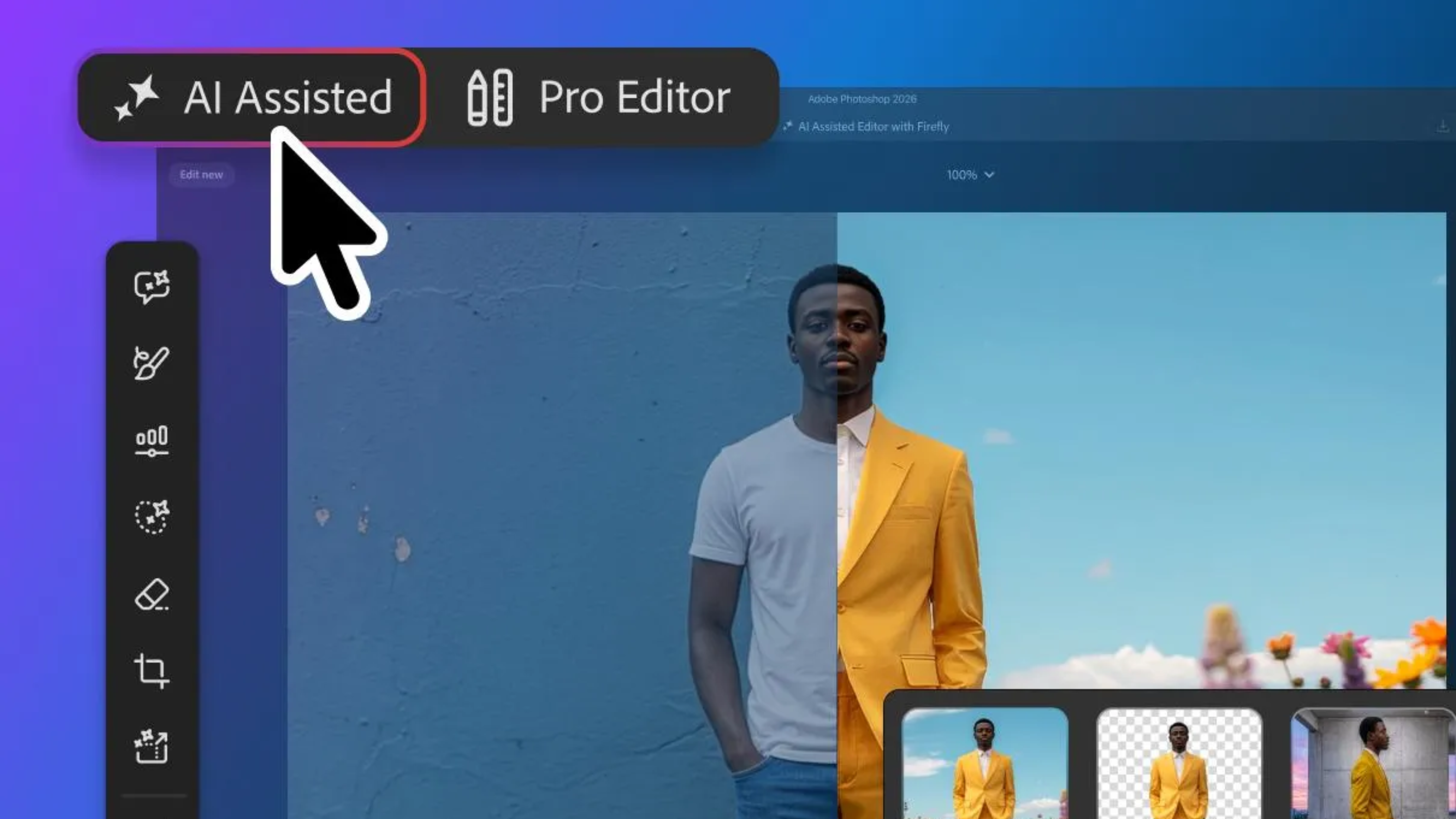
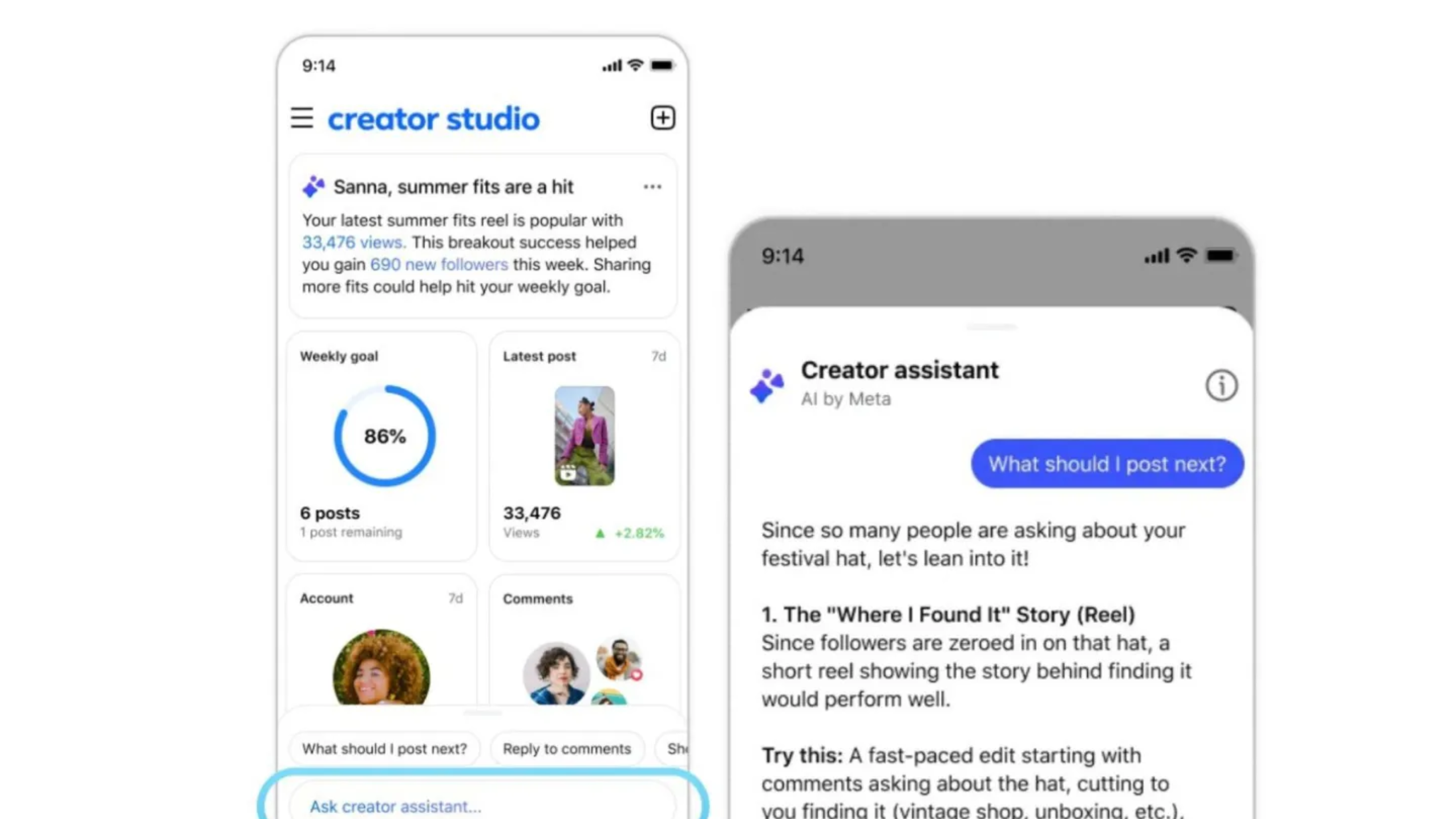
Meta has reintroduced Creator Studio with a stronger focus on artificial intelligence and content management across Facebook and Instagram. The updated platform includes AI-assisted editing, content recommendations, performance insights, and workflow improvements designed to help creators manage multiple accounts more efficiently. Meta says the goal is to simplify publishing while giving creators better tools to understand audience engagement. The relaunch underscores the company’s continued investment in the creator economy as competition with YouTube and TikTok intensifies. AI is increasingly becoming part of every stage of content production, from brainstorming ideas to analyzing performance after publishing. 

Google Lowers Play Store Fees for Alternative Billing

Google is reducing the service fee charged to developers who choose to use alternative payment systems outside of Google Play. By lowering fees, Google hopes to offer developers greater flexibility while responding to concerns about competition in mobile marketplaces. Developers will have more options when processing in-app purchases, potentially increasing revenue and giving consumers additional payment choices. The update represents another step in the evolving relationship between major app stores, developers, and regulators. 

Meta Releases a Dedicated Charging Stand for Smart Glasses

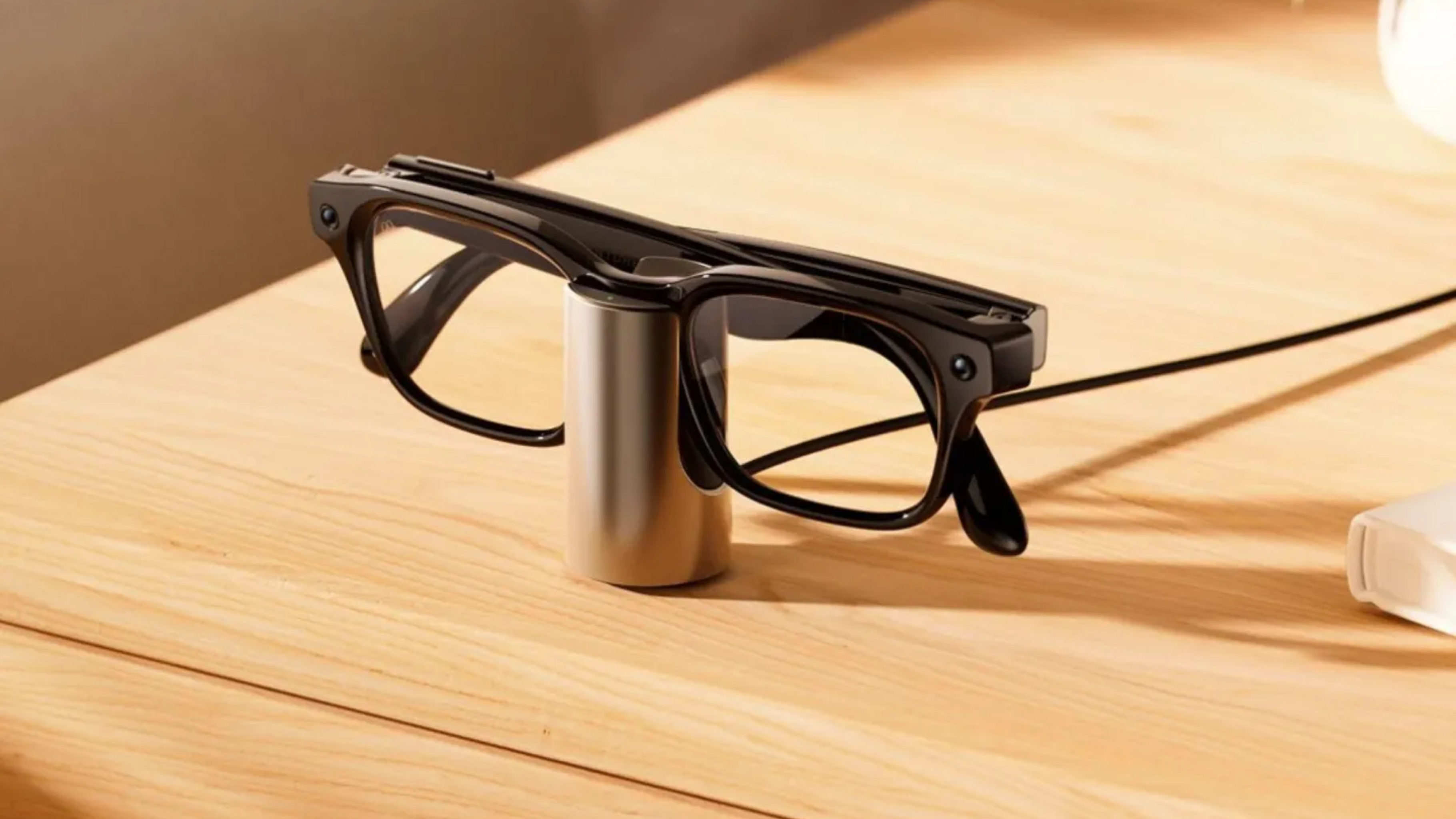
Meta has launched a new charging stand designed specifically for its Ray-Ban Meta smart glasses. The dock provides a convenient way to charge and display the glasses while keeping them readily accessible throughout the day. Although simple in concept, the accessory reflects Meta’s continued effort to build a broader ecosystem around its wearable devices. As smart glasses gain popularity, companies are increasingly introducing complementary accessories that make the products feel more integrated into everyday life. Small additions like charging docks can help normalize wearables as part of the modern home technology experience. 

Google DeepMind Partners With A24 on AI Storytelling

Google DeepMind has partnered with acclaimed film studio A24 to explore how artificial intelligence can support creative storytelling. The collaboration will focus on developing AI tools that assist filmmakers throughout the production process while maintaining human creative control. Rather than generating entire films, the technology is expected to help with tasks such as concept development, visual experimentation, and production workflows. The partnership reflects growing interest in using AI as a creative collaborator instead of a replacement for artists. As entertainment companies continue experimenting with artificial intelligence, the emphasis is shifting toward tools that enhance creativity while preserving the role of human storytellers. 

From YouTube DM’s to Bluesky Expansions and More! | Tech News

As the week winds down, there is no better time to plug into the top tech news headlines from across the web. Wrap up your week with major moves, updates, and expansions happening in the world of tech and media. From YouTube DM’s to Bluesky Expansions and more, we have you covered.

The Weather Channel Adds Advanced Pollen Forecasting

Seasonal allergy sufferers may soon have a new tool in their pocket. The Weather Channel has updated its mobile app for iOS and Android with enhanced pollen forecasting features that provide more detailed information on allergy conditions. Users can now track specific pollen types, view daily and long-range forecasts, and receive insights tailored to local environmental conditions. The update reflects a growing trend toward hyper-personalized weather and health information delivered through mobile apps. As consumers increasingly expect technology to anticipate everyday needs, weather platforms are evolving into broader wellness tools. For millions of allergy sufferers, checking pollen levels may become just as routine as checking the temperature.

Cash App Continues Its Evolution Beyond Payments

Cash App is expanding its role as more than a simple peer-to-peer payment platform. Recent updates highlight the company’s continued efforts to build a broader financial ecosystem that includes banking tools, investing features, savings options, and personalized money management services. The strategy mirrors a larger fintech trend where companies aim to become all-in-one financial hubs rather than single-purpose applications. By keeping more financial activities within one platform, companies hope to strengthen user engagement and loyalty. As competition intensifies among digital finance providers, convenience and ecosystem integration are becoming major differentiators. The future of personal finance may increasingly revolve around a handful of multifunctional mobile apps.

Boox Refreshes Its Popular Android E-Reader

Boox has introduced the Go 6 Gen II, an updated e-reader that combines a traditional E Ink display with the flexibility of Android. Unlike many dedicated e-readers, the device supports Google Play, allowing users to access a wide range of reading, productivity, and note-taking applications. The compact design and paper-like display are intended to appeal to readers seeking a distraction-free experience without sacrificing app compatibility. The launch highlights growing demand for devices that balance focused functionality with software flexibility. As digital reading habits continue to evolve, manufacturers are exploring ways to bridge the gap between tablets and dedicated reading devices. The result is a category that feels increasingly versatile while preserving the simplicity readers appreciate.

YouTube Revives Private Messaging Features

YouTube is bringing back private messaging capabilities, giving users a way to share videos and communicate directly within the platform. The move comes after years of experimentation with social features aimed at increasing engagement beyond video viewing alone. By allowing users to discuss content and share recommendations privately, YouTube hopes to strengthen community interactions and keep conversations within its ecosystem. The update reflects a broader trend among digital platforms to blend content consumption with social communication tools. As competition for user attention grows, companies are looking for ways to make platforms feel more interactive and community-driven. Video platforms increasingly want to be social networks as well.

Bluesky Expands Community Features

Bluesky is continuing to develop community-focused tools with new initiatives designed to make conversations more organized and interest-based. The platform is exploring Bluesky community structures that resemble forums or subreddit-style groups. Likewise, Bluesky aims to maintain its decentralized approach. These spaces allow Bluesky users to gather around shared interests and participate in more focused discussions. The Bluesky update highlights a growing demand for smaller, topic-specific online communities rather than broad public feeds. As social media users seek more meaningful interactions, platforms are investing in features that foster connection around common interests. The future of social networking may look less like a single global conversation and more like a collection of specialized digital neighborhoods.

Amazon Uses Smart Speakers to Promote Better Sleep

Amazon is expanding the wellness capabilities of its Echo Kids smart speakers through a new Sleep Studio experience. The feature incorporates content from partners, including Calm, Moshi, and Headspace, to help children establish healthier bedtime routines. Families can access guided meditations, relaxing stories, calming sounds, and sleep-focused content directly through compatible Alexa-enabled devices. The initiative reflects a growing trend of technology companies integrating health and wellness experiences into everyday products. Smart speakers are increasingly being positioned as lifestyle tools that support routines beyond entertainment and productivity. As wellness technology continues to expand, devices throughout the home are taking on new roles in supporting healthier habits.

From Cash App’s Wand to Microsoft Quantum Computing and More! | Tech News

The world of technology is ever-evolving, and this week brings no shortage of news in advancements and major shake-ups. From the Cash App Wand to Microsoft Quantum Computing and more, we have you covered on the leading headlines. Check out the latest in this week’s tech news round-up!

Google Gives Creators More Control Over Their Search Presence

This week, Google began rolling out customizable Search profiles that allow qualifying creators and publishers to manage how they appear in search results. Eligible users can showcase videos, articles, social links, pinned content, and aggregated posts from multiple platforms, essentially creating a personalized hub within Google Search. The feature is currently limited to creators with significant followings on YouTube, Instagram, X, or TikTok, highlighting Google’s growing focus on the creator economy. It also represents a direct challenge to link aggregation services by keeping users within Google’s ecosystem. As search becomes more personalized and creator-driven, platforms are increasingly competing to become the central destination for online identity.  

Cash App Turns Contactless Payments Into a Magic Trick

An unusual new payment accessory called the Cash App Wand was launched this week by Cash App. The NFC-enabled device allows users to make contactless payments with a wave of a star-topped wand. Inspired by a social media trend of creating whimsical payment devices, the wand pairs directly with a Cash App Card and works anywhere Visa tap-to-pay is accepted. The accessory includes security features such as instant locking, transaction alerts, and fraud monitoring through the app. While it may seem playful, the product reflects a broader trend of payment companies experimenting with new form factors and lifestyle-driven accessories. Financial technology is increasingly becoming as much about personalization and branding as convenience.  

Shokz Expands Its Open-Ear Audio Lineup

In the headphone world, Shokz has unveiled two new clip-on earbuds, the OpenDots 2 and OpenDots Air, continuing the company’s push into open-ear audio technology. Both models are designed to sit outside the ear canal while allowing users to remain aware of their surroundings, making them appealing for commuters, runners, and everyday wear. The OpenDots 2 adds Dolby Audio support, wireless charging, and enhanced call quality, while the lighter OpenDots Air focuses on comfort and affordability. Battery life has also improved, with up to 40 hours of listening available through the charging case on the premium model. The launch underscores the growing popularity of earbuds that prioritize situational awareness over complete isolation.  

WiiM Enters the Home Theater Market

Known for its audio streaming products, WiiM has officially entered the soundbar market with its first home theater offering. The new soundbar aims to bring the company’s reputation for affordable, high-quality audio into a category dominated by larger consumer electronics brands. By integrating with existing WiiM products and smart home ecosystems, the company hopes to offer a more connected entertainment experience. The move reflects a broader trend of audio brands expanding beyond their core products to build complete home entertainment ecosystems. As consumers continue seeking simplified setups with premium sound quality, competition in the soundbar category is becoming increasingly crowded.  

Quantum Computing Moves Forward With Microsoft Majorana 2

Microsoft has revealed new details about its Majorana 2 quantum chip, a key component of the company’s long-term quantum computing strategy. The Microsoft chip is built around topological qubits. Likewise, it’s a technology Microsoft believes could eventually provide greater stability and scalability than traditional quantum systems. While practical quantum computers remain years away, advancements like Majorana 2 are viewed as important milestones. Of course, the goal is to move toward making the technology commercially viable. Quantum computing has the potential to revolutionize fields ranging. With this advancement from Microsoft, the future bodes bright, from medicine to logistics and cybersecurity. The race to build reliable quantum hardware like the Microsoft chip continues to intensify as major technology companies invest heavily.  

Ableton Opens the Door to More Customized Music Production

Live music production just got an upgrade. Ableton has released a new Extensions SDK. The extension allows developers to create deeper integrations for its popular Live music production software. The toolkit enables third-party developers to build custom workflows, tools, and features that function directly within Ableton Live. For highly flexible producers, this could lead to more specialized creative tools tailored to specific genres, instruments, and production styles. The move strengthens Ableton’s position as a platform for both professional and amateur creators. As software becomes increasingly central to music production, companies are investing in ecosystems. Of course, the goal are systems that allow communities to expand and personalize their creative environments. 

From Xreal’s New AR Glasses to the Starlink Mini and More! | Tech News

From xReal’s New AR Glasses to the Starlink Mini and more, the world of tech is buzzing with major news and moves. Stay connected with what’s happening from across the web in our weekly round-up. This week’s tech news spotlights product drops, social media updates, and the ever-growing world of AI.

Halide Mark III Turns the iPhone Into a More Intentional Camera

The latest version of the Halide camera app is leaning hard into a growing backlash against overly processed smartphone photography. Halide Mark III introduces new film-inspired “Looks,” upgraded RAW editing tools, and a redesigned interface aimed at photographers who want more natural and intentional images. The app now supports editing RAW files from cameras made by Sony, Nikon, Canon, Fujifilm, Leica, and more, expanding its role beyond mobile photography. Developers at Lux Optics say the goal is to make iPhone photography feel more tactile and less algorithmically polished. In a world saturated with AI-enhanced images, there is suddenly real demand for photos that feel imperfect, textured, and human again. The camera app race is no longer just about sharper pictures; it is about restoring personality to digital photography.

Meta Pushes Subscriptions Across Facebook, Instagram, and WhatsApp

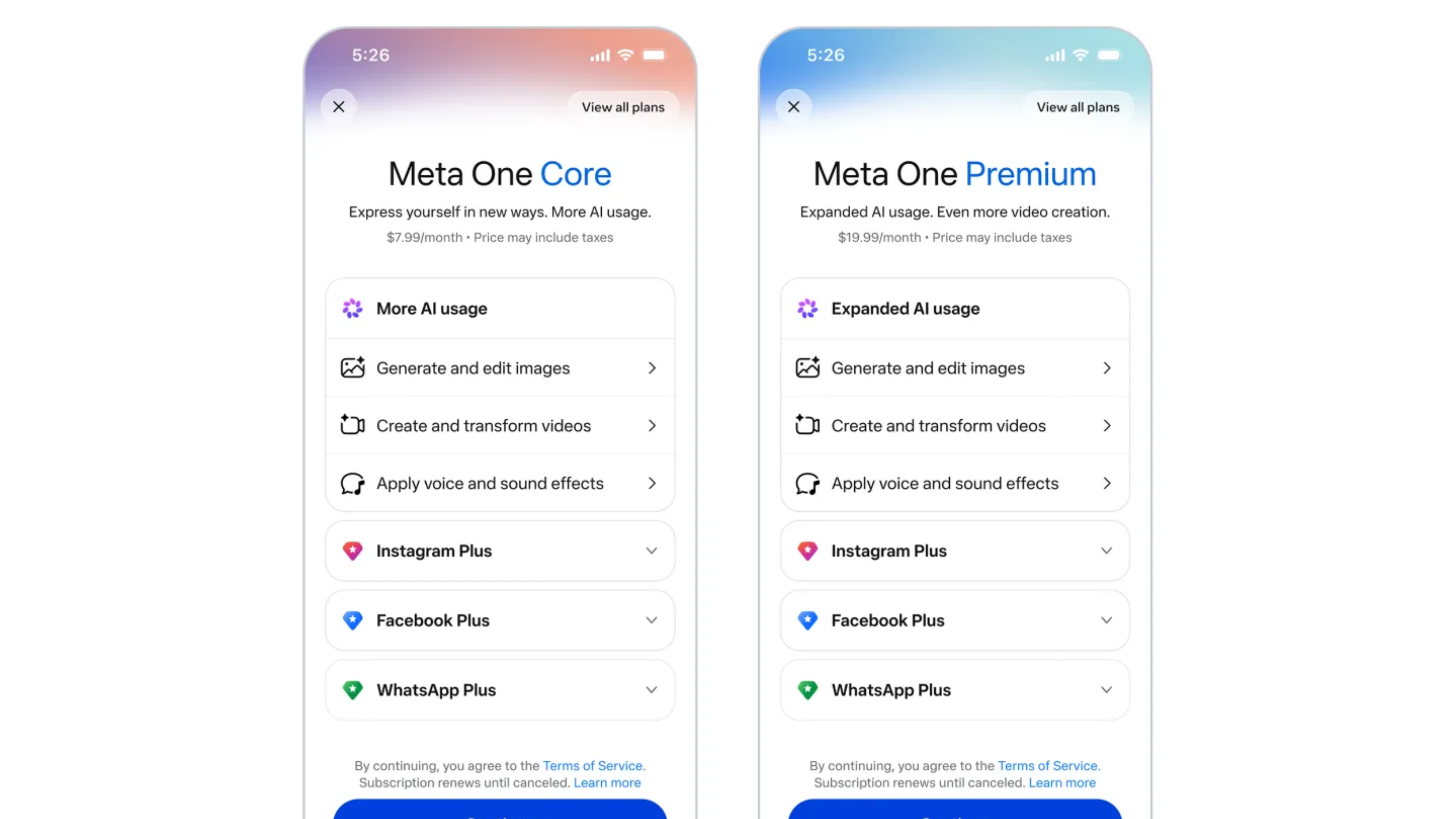
Meta is expanding its subscription ambitions with new premium tiers across Facebook, Instagram, and WhatsApp. The plans offer enhanced story tools, expanded customization, premium stickers, and increased access to Meta AI features like image and video generation. The rollout signals a broader shift happening across social media platforms as companies search for revenue streams beyond advertising alone. Instead of relying entirely on mass audiences, platforms increasingly want paying users who subscribe to advanced tools and exclusive experiences. Meta is also experimenting with higher-tier AI subscriptions designed for creators and businesses that rely heavily on generative tools. Social media is gradually evolving from free public squares into layered ecosystems with premium digital memberships.

xTool Wants to Turn Home Crafting Into a Mini Manufacturing Studio

The new xTool M2 Color Craft Laser combines printing, laser cutting, and engraving into a single desktop machine aimed at hobbyists, creators, and small business owners. The device supports CMYK inkjet printing alongside precision laser cutting, allowing users to produce stickers, custom packaging, engraved products, and personalized crafts from home. AI-assisted material detection automatically adjusts settings based on what the machine identifies, lowering the learning curve for beginners. As creator-driven commerce continues growing, products like this blur the line between crafting and small-scale manufacturing. The rise of Etsy shops, custom merch brands, and home-based side businesses has created demand for tools that feel industrial but accessible. The modern creator economy increasingly looks like a distributed network of miniature production studios.

YouTube Expands AI Labels for Shorts Content

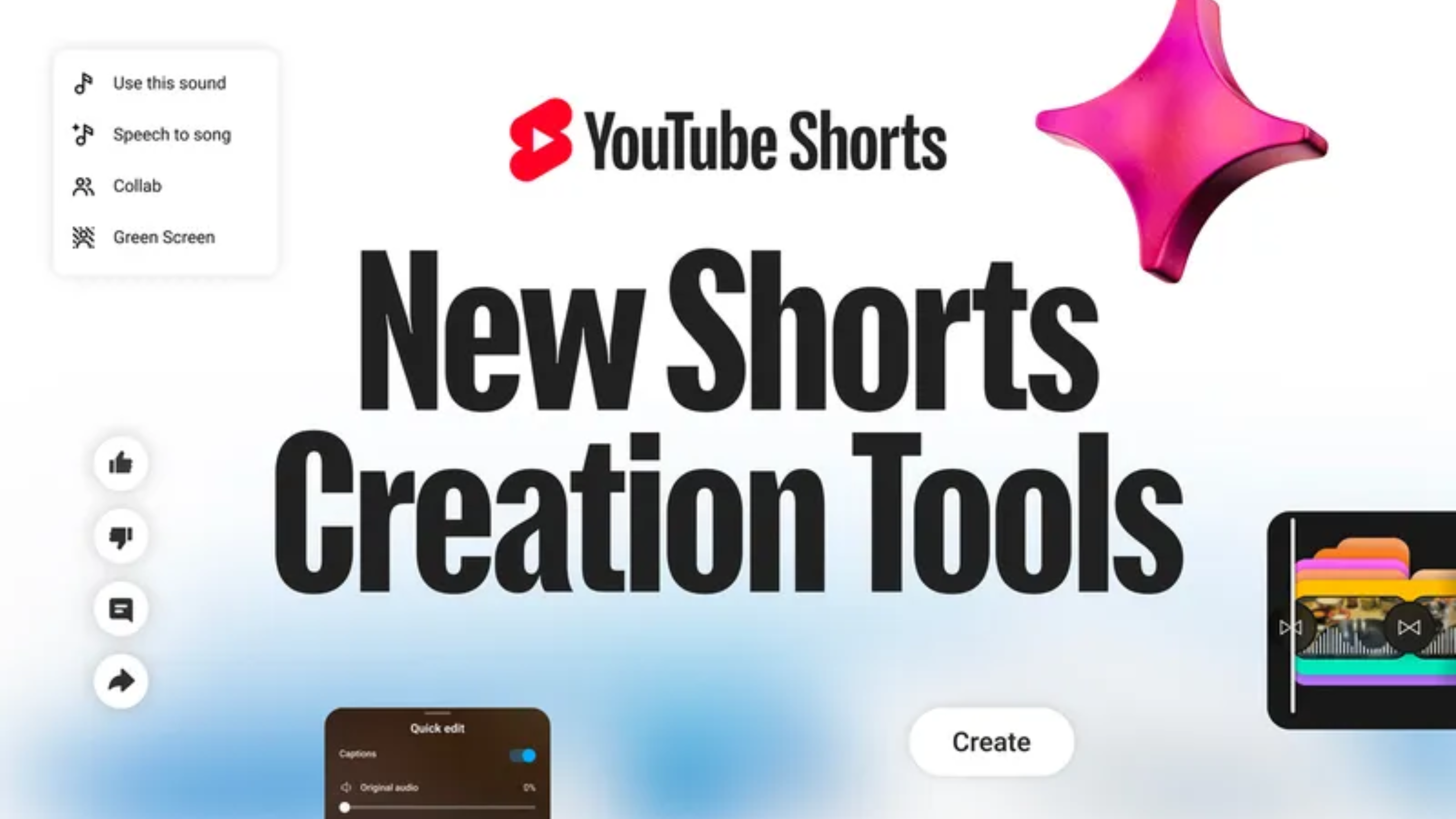
YouTube is expanding automatic AI labeling tools for Shorts videos in an effort to improve transparency around synthetic and altered media. The platform says labels will help users identify when generative AI tools have significantly modified content, particularly for realistic-looking videos. As AI-generated media becomes more sophisticated, platforms are under growing pressure to distinguish authentic footage from manipulated content. The challenge is balancing creative freedom with public trust, especially as short-form video continues dominating online attention. These labels represent one of the clearest signs that AI-generated content is becoming normalized enough to require its own disclosure infrastructure. The future internet may not divide content into “real” and “fake,” but rather into “human-made,” “AI-assisted,” and everything in between.

Xreal’s New AR Glasses Aim for Mainstream Wearable Appeal

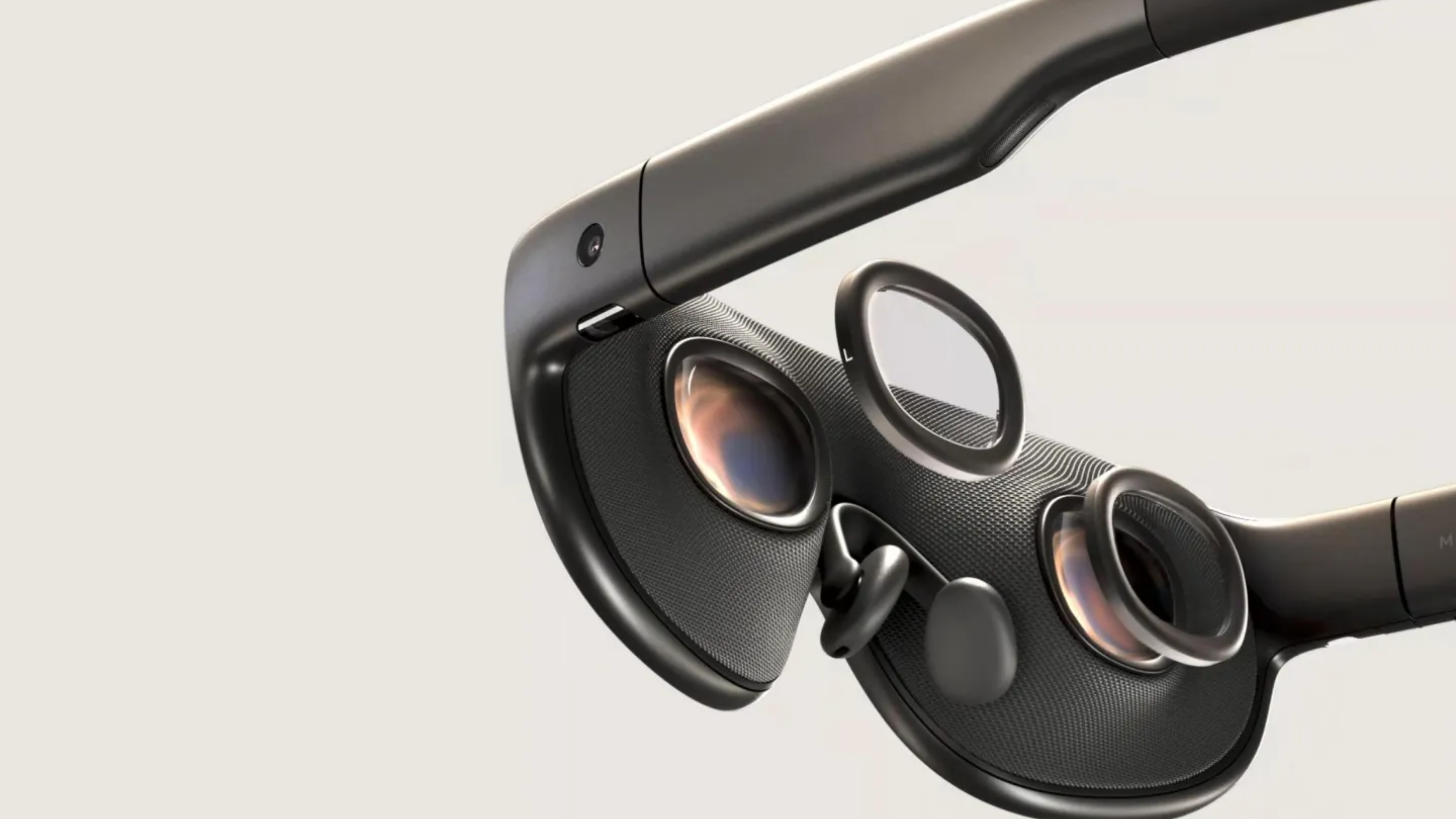
Xreal has introduced the A01 AR glasses through its new sub-brand “X by Xreal,” continuing the industry-wide push toward lighter and more consumer-friendly augmented reality wearables. The glasses are designed to project large virtual displays while maintaining a slimmer, more wearable design than earlier AR headsets. Companies across the tech industry increasingly believe the next major computing platform may live directly on the user’s face rather than in their pocket. Unlike previous generations of bulky experimental hardware, these newer devices prioritize comfort, aesthetics, and everyday usability. The AR market is still searching for its breakthrough mainstream moment, but products like this suggest the industry is steadily refining the formula. Smart glasses are beginning to look less like prototypes and more like future accessories.

Oppo Experiments With Bubble-Inspired Wireless Displays

Oppo is experimenting with a playful new concept device featuring a magnetic wireless screen remote inspired by floating bubbles. The portable display is designed to function as a detached selfie monitor and secondary interface, expanding how users interact with mobile photography and content creation. While still highly experimental, the concept reflects broader trends toward modular and flexible device ecosystems. Smartphone makers increasingly understand that future hardware innovation may come less from raw specs and more from entirely new interaction models. Detached displays, wearable screens, and spatial computing concepts are all part of the same larger movement toward fluid digital experiences. The smartphone era is starting to fragment into smaller, more adaptive pieces of technology.

SpaceX May Be Building a Battery-Powered Starlink Mini

Rumors are swirling that SpaceX is developing a battery-powered version of its Starlink Mini satellite dish. Firmware discoveries suggest the compact Starlink Mini internet device could include an integrated battery system with multiple power modes. Additionally, the Starlink Mini would include USB-C charging and pass-through support. The biggest appeal of the Starlink Mini would be portability, especially for travelers, emergency responders, and remote workers who need reliable internet. Likewise, there is a lot of appeal for the Starlink Mini and its departure from traditional infrastructure. Right now, Starlink Mini users rely on external battery packs or wall outlets, making setups bulkier and less seamless. An all-in-one version of the Starlink Mini would push satellite internet closer to mainstream consumer convenience. Connectivity is increasingly becoming something users expect everywhere, even miles away from the nearest cell tower.

From Insta360’s Retro Revival to a Luxe Swatch Collab and More! | Tech News

Stay connected in the world of tech with the top headlines. From Insta360’s Retro Revival to a Luxe Swatch Collab and more, we have you covered! Check out this week’s blog for the latest shake-ups, upgrades, and remixes across tech and media.

Insta360 Gives Action Cameras a Retro Revival

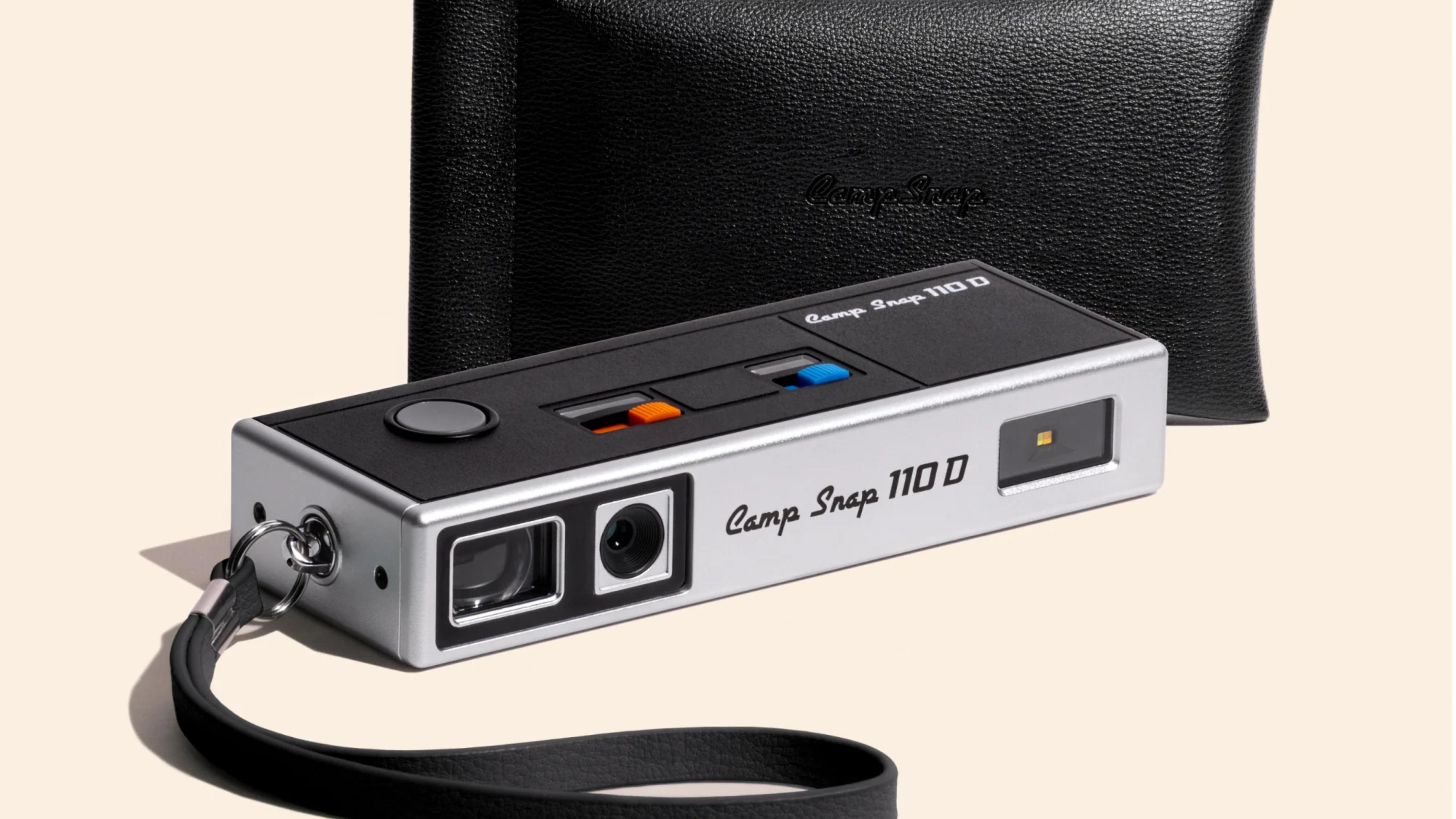
The nostalgia wave continues rolling through consumer tech, and this time it has landed on action cameras. Insta360 introduced a Retro Bundle for its Go 3S camera that adds an optical viewfinder and vintage-inspired shooting experience to the tiny 4K device. Instead of framing shots through a screen, users can compose images in a waist-level style, mimicking the feel of classic film photography. The launch leans into a growing trend where modern gadgets borrow tactile, analog-inspired design cues to stand out in an endless sea of sleek black rectangles. While the retro accessory may be more charming than practical, it taps into the desire for slower, more intentional content creation. In a culture built around instant uploads, tech companies are discovering there is real appeal in making devices feel emotional again.

Dyson’s New Air Purifier Literally Follows You Around

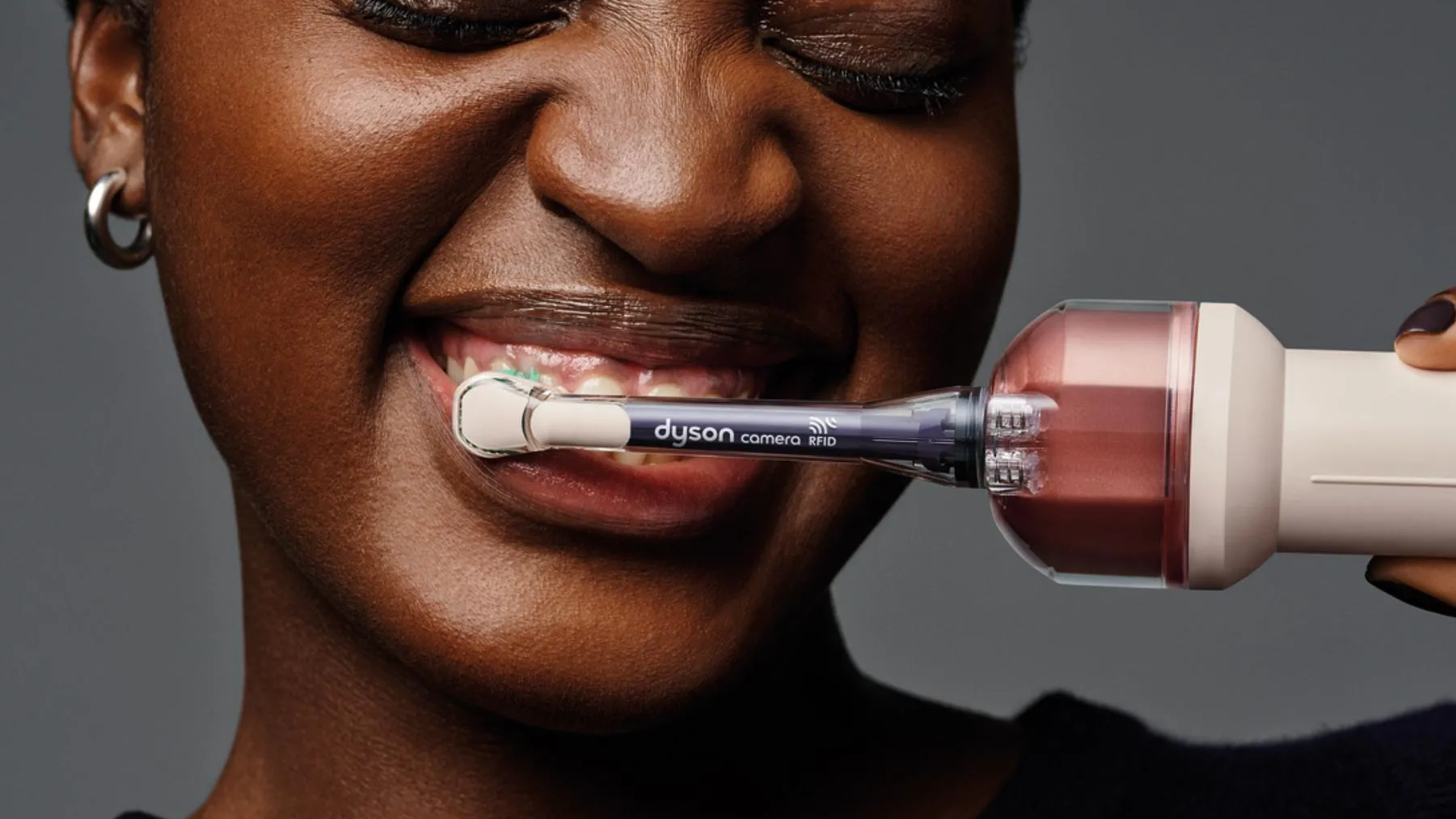
Dyson has unveiled a new air purifier with an AI-powered camera designed to track people around a room and direct airflow toward them automatically. The Find+Follow Purifier Cool uses computer vision and movement detection to identify where users are positioned, adjusting airflow dynamically instead of blasting the entire room nonstop. Dyson says all image processing happens locally on the device, with images deleted immediately after analysis to address privacy concerns. The purifier can also shut itself off when nobody is present, helping conserve energy while maintaining air quality. It is one of the clearest examples yet of AI quietly moving into home appliances in ways that feel both futuristic and slightly uncanny. The smart home is no longer just connected—it is starting to actively watch and respond.

Major U.S. Carriers Unite to End Wireless Dead Zones

In a rare moment of cooperation, AT&T, T-Mobile, and Verizon announced plans for a joint venture aimed at eliminating mobile dead zones across the United States. The initiative would combine satellite-based direct-to-device technology with shared spectrum resources to improve connectivity in rural and underserved regions. Rather than replacing traditional cell towers, satellite coverage would function as a supplemental layer designed for remote highways, wilderness areas, and emergency situations. The companies say the partnership could create more seamless service while accelerating innovation around satellite communication standards. For consumers, it points toward a future where “no service” becomes increasingly rare. America’s wireless infrastructure is beginning to stretch beyond the ground and into orbit.

Google Expands AI-Powered Contextual Suggestions on Android

Google is continuing its push toward more predictive and personalized smartphone experiences with expanded contextual suggestions on Android. The feature uses AI to surface recommendations and shortcuts based on what users are actively doing, making interactions feel more fluid and intuitive. Instead of manually searching through apps or menus, Android increasingly attempts to anticipate the next likely action. The rollout reflects a larger shift happening across the tech industry: software is becoming proactive instead of reactive. These systems are designed to quietly reduce friction, blending AI into daily habits until it becomes almost invisible. Smartphones are slowly evolving from tools people operate into systems that attempt to understand behavior in real time.

YouTube Wants Creators to Build the Next Streaming Empire

YouTube is making a stronger push into premium creator-led programming, encouraging influencers and digital personalities to develop larger-scale shows capable of attracting advertisers and streaming audiences. The strategy was highlighted during upfront presentations, where YouTube emphasized the growing power of creators to compete with traditional entertainment studios. As younger audiences continue shifting away from conventional television, creator-driven content is becoming increasingly central to the media business. The distinction between “internet creator” and “TV personality” keeps shrinking with every passing year. Platforms are no longer treating creators like side attractions—they are becoming the main event. Hollywood’s future may look less like studio lots and more like algorithm-driven production pipelines.

Instagram Experiments With More Temporary Social Sharing

Instagram is reportedly testing a new feature focused on disappearing photos called Instants, leaning further into temporary and low-pressure social interaction. The idea mirrors a broader trend among younger users who increasingly favor casual, fleeting communication over highly curated permanent posts. Platforms have spent years rewarding polished content, but users now seem more interested in spontaneity and private sharing. Features like this attempt to recapture the intimacy that early social apps once had before feeds became hyper-commercialized. In many ways, social media is circling back toward impermanence after a decade obsessed with visibility and permanence. The future of online sharing may feel less like building a public archive and more like passing notes in class again.

Swatch and Audemars Piguet Turn Luxury Watches Into Pocket-Sized Pop Art

The luxury-tech crossover trend is alive and well. Swatch and Audemars Piguet have unveiled a bold new collaborative pocket watch design that has the internet by storm. The Swatch release blends playful, colorful styling with high-end watchmaking heritage. Likewise, the collaboration between Swatch and Audemars Piguet is transforming the traditionally old-fashioned pocket watch into something more fashion-forward and collectible. Rather than competing directly with smartwatches, luxury watchmakers are increasingly leaning into artistry, nostalgia, and cultural identity. Physical accessories, like the Swatch collab, are becoming statements of personality in response to increasingly digital lifestyles. In an era where phones already tell the time perfectly, watches now succeed by being expressive instead of functional. Sometimes the future of tech-adjacent culture looks surprisingly vintage. 

From The DualShot Recorder to Roomba’s New Robot and More! | Tech News

Stay connected in the world of tech. From The DualShot Recorder to Roomba’s New Robot and more, we have you covered on the top stories. Read this week’s tech news wrap-up to be in the know about what’s happening across the web.

Google’s AI Search Summaries Will Now Quote Reddit

Search is getting a little more conversational as Google updates its AI Search features to include perspectives from firsthand sources like Reddit, social media, and web forums. The update is designed to surface more human-centered feedback within AI Mode and AI Overviews, helping users find the type of real-world advice they often search for manually. Google will also add more context around these sources, including community names, creator names, or handles, so users can better understand where information is coming from. The move reflects a broader shift in search, where people increasingly want direct answers paired with lived experience and community insight.

Remarkable Introduces a New Black-and-White Paper Tablet

Remarkable is returning to its minimalist roots with the new Remarkable Paper Pure, an E Ink digital notepad that skips the color screen in favor of a refined black-and-white writing experience. The tablet replaces the Remarkable 2 and features an upgraded display, improved speed, and the same $399 price point. According to the company, Paper Pure is twice as fast as its predecessor when navigating, zooming, and turning pages. For users who want a distraction-free writing tool instead of another glowing screen demanding their attention like a tiny rectangle-shaped manager, this update keeps the focus on simplicity.

Apple Could Let Users Choose Their Preferred AI Model

Apple may be preparing to give users more control over which AI model powers Apple Intelligence. According to reporting cited by The Verge, Apple is planning third-party chatbot “Extensions” that could let compatible AI models run system-wide features in iOS 27, iPadOS 27, and macOS 27. These integrations could support tools like Siri, Writing Tools, and Image Playground, rather than limiting users to Apple’s own AI or ChatGPT. The update would mark a major shift toward a more flexible AI ecosystem, where users can choose the model that best fits their needs.

Threads Is Finally Bringing DMs to the Web

Meta is expanding Threads messaging by testing direct messages on the web. Nearly a year after DMs became available on mobile, the browser version will allow users to access their inbox and message requests from desktop. The update also includes familiar privacy controls, letting users decide whether anyone can message them or only people they follow. Meta says group chats on the web are also being tested, which could make Threads more useful for creators, social teams, and anyone who prefers managing conversations from an actual keyboard.

OpenAI Is Reportedly Working on a ChatGPT Phone

OpenAI’s first major hardware product may be a phone, according to analyst Ming-Chi Kuo. The rumored device is reportedly being fast-tracked for mass production in early 2027 and may use a customized version of MediaTek’s upcoming Dimensity 9600 chip. The phone could include enhanced visual sensing capabilities, advanced memory and storage, and a dual-NPU architecture designed to handle different AI tasks at the same time. While still unconfirmed, the report hints at a future where AI is not just an app on a device, but the organizing logic behind the device itself.

The Creator of Roomba Returns With a Robot Companion

Robotics pioneer Colin Angle, best known for creating the Roomba, is back with a very different kind of home robot. His new company, Familiar Machines & Magic, has introduced a dog-sized robotic companion called a Familiar, designed for emotional connection rather than chores. The robot uses on-device generative AI and nonverbal communication, including expressive movement, sounds, and body language, to interact with people in the home. While the concept is ambitious, it points to a growing interest in robots that are less about vacuuming the crumbs of our lives and more about companionship, wellness, and long-term engagement.

DualShot Recorder Becomes a Hit Creator App

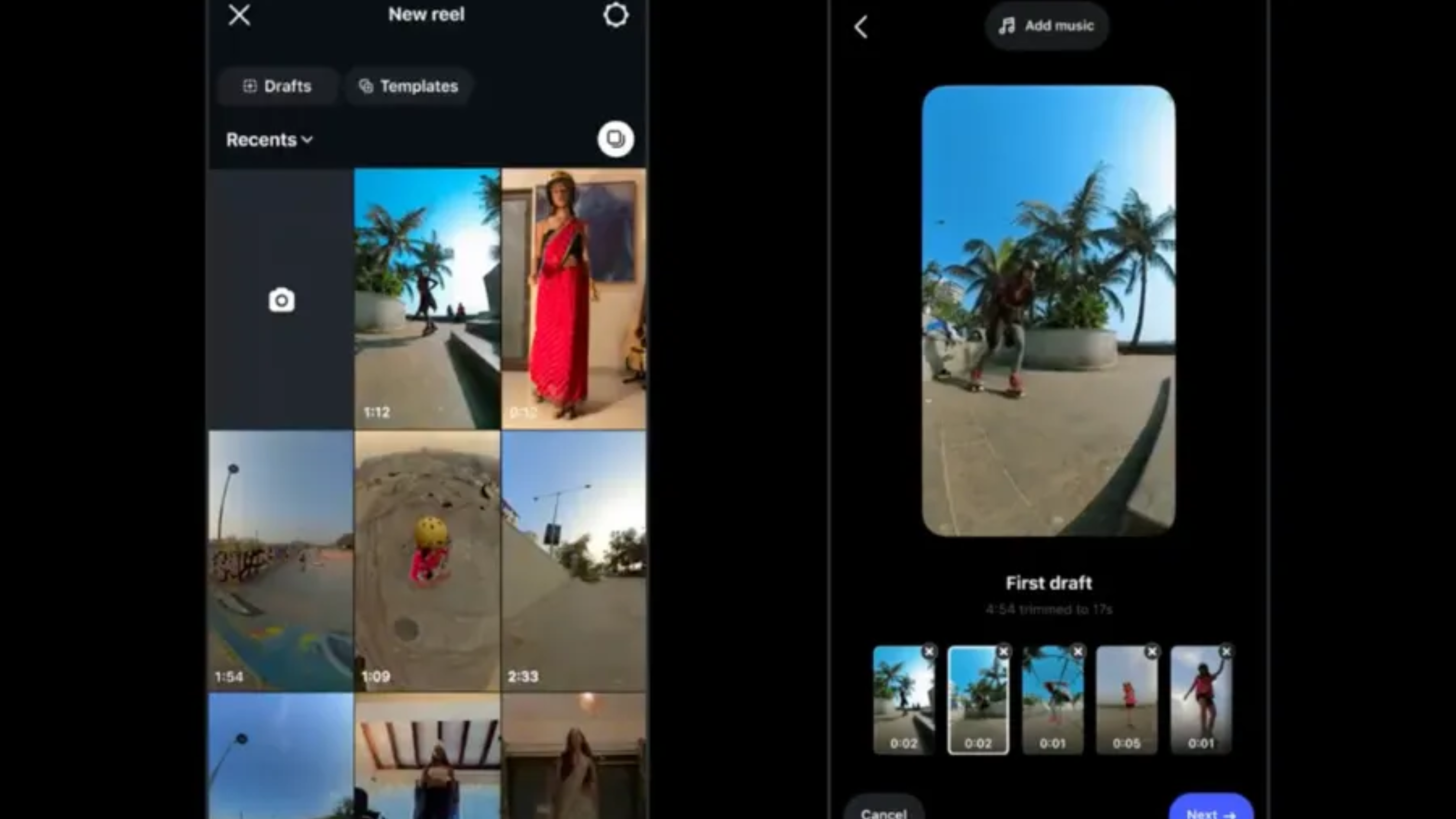
DualShot Recorder has become an unexpected App Store success after launching. The iPhone camera app was created by viral wildlife creator Derrick Downey Jr. The DualShot app was designed to help creators capture vertical and horizontal footage at the same time. Likewise, this solves a common content production headache for those posting across multiple platforms. Downey built a devoted following through videos of the squirrels that visit his Los Angeles patio. Originally, Downey wanted a better way to film for both short-form and YouTube content without relying on extra rigs or heavy editing. The app’s success shows how creator-led problem-solving can turn a niche workflow issue into a widely useful product.