Sleep’sThe tech and media world is buzzing this week with the latest drops, upgrades, and mergers. From Meta Muse getting a standalone device to a new Blue Yeti mic, we have you covered on the major headlines you might have missed. Stay connected and check out this week’s tech news!
Meta Is Turning Muse Into a Standalone AI Gadget
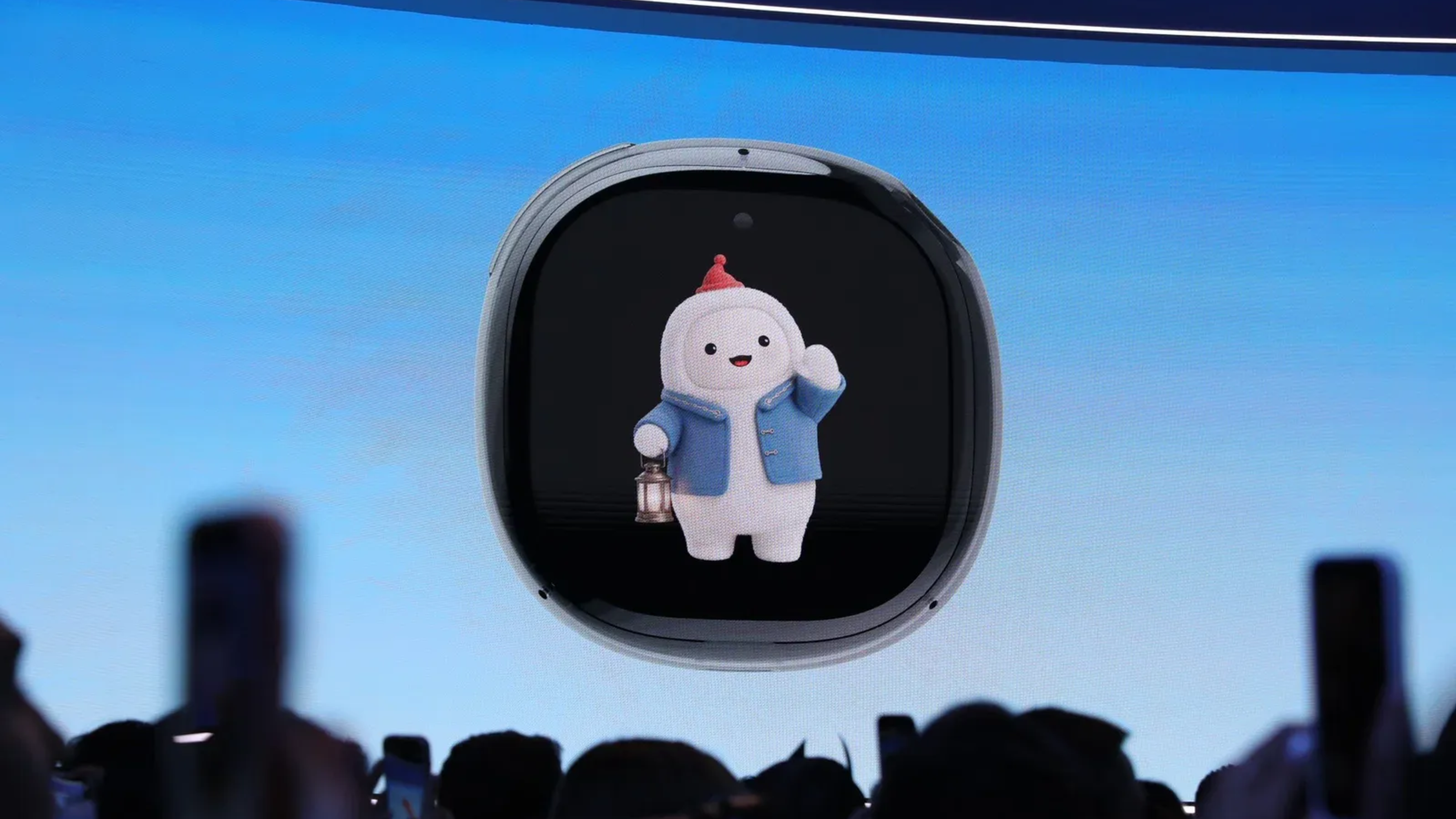
Muse, the new Meta AI agent, is getting a dedicated hardware device. Likewise, this would give the assistant a home beyond phones and computers. Called the Muse Charm, the compact device resembles a chunky smartwatch without a band. The device features a screen, fingerprint sensor, camera, microphones, and a small lanyard for carrying it around. Users will be able to press the fingerprint sensor and immediately speak to Muse without unlocking a phone or opening an app. Meta says only a few prototypes currently exist, but the company hopes to ship the device in time for the December holiday season. The Charm gives Meta another entry into the still-experimental AI hardware market as companies search for a device that can make always-available assistants genuinely useful.
Logitech Gives the Blue Yeti Its First Major Sequel
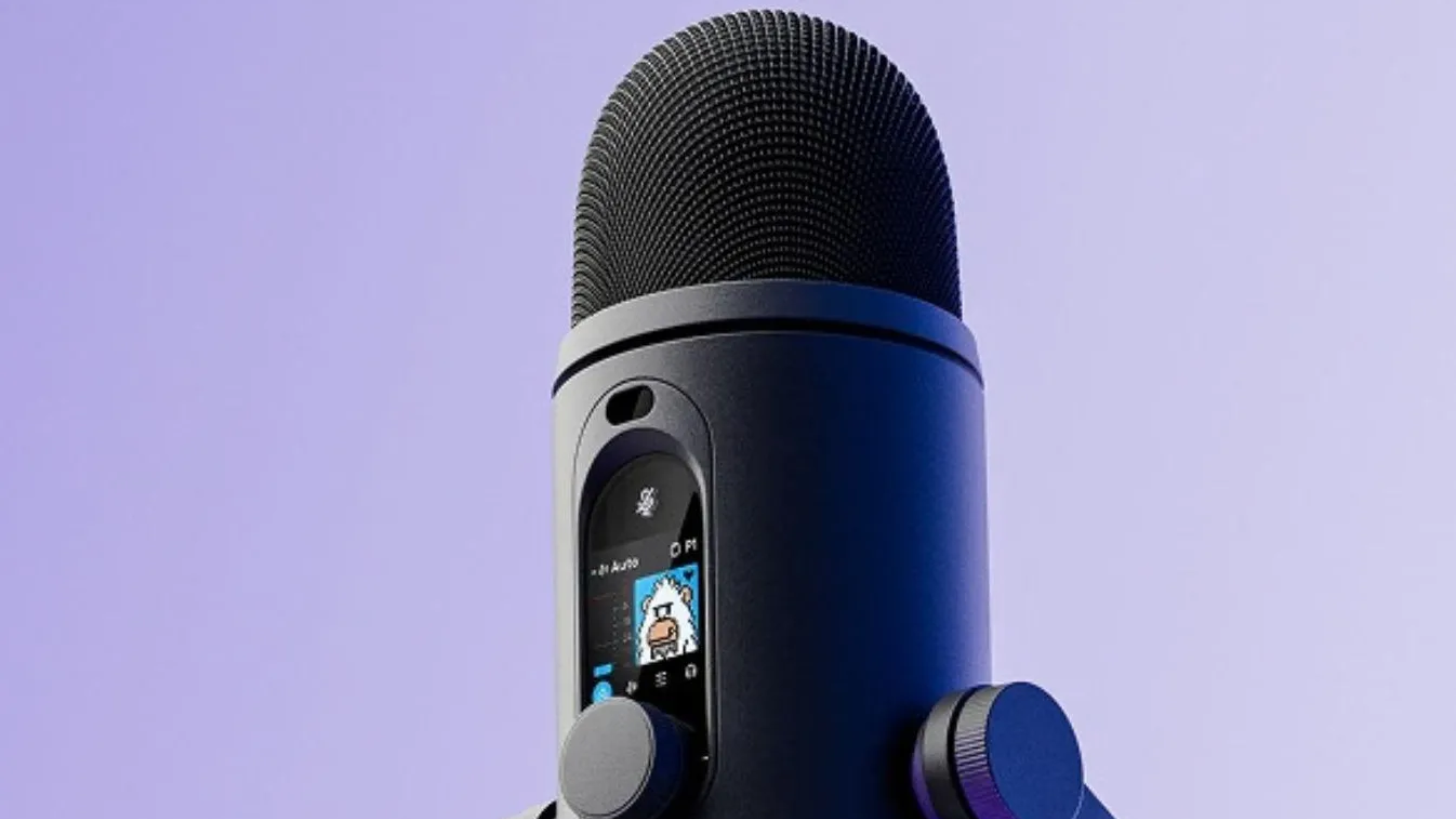
One of the internet’s most recognizable microphones is finally getting a successor with Logitech’s new Blue Yeti 2. The $159.99 USB microphone adds AI-powered noise reduction, an interactive LED display, and a proximity sensor that can detect where a speaker is positioned in relation to the mic. That sensor automatically adjusts gain, equalization, and pickup patterns as someone moves around, helping beginners maintain consistent recording quality without constantly changing settings. Logitech has kept the familiar silhouette of the original Blue Yeti while modernizing the technology for podcasters, streamers, YouTubers, and other creators. Available in black and white, the Yeti 2 offers a more automated alternative for users who want polished audio without becoming an expert in microphone settings.
Creators are getting an AI boost on YouTube to Optimize Almost Everything

YouTube is expanding its AI-powered creator tools with an agent designed to monitor channels and recommend ways to improve performance. The system can review older videos that suddenly become relevant again and suggest new thumbnails or titles that could help them capitalize on renewed interest. Creators will also be able to generate complete thumbnails and titles, request feedback on their own designs, and have the AI assemble audience data into pitches for potential brand partners. A new testing feature can show different thumbnails or slightly different video edits to small audience groups before selecting the version that produces the strongest watch time. The updates move YouTube further into the creative process, giving creators increasingly sophisticated tools for deciding not only what to publish but how to package it for the algorithm.
Eight Sleep Makes Its Smart Bed System Smaller and Smarter
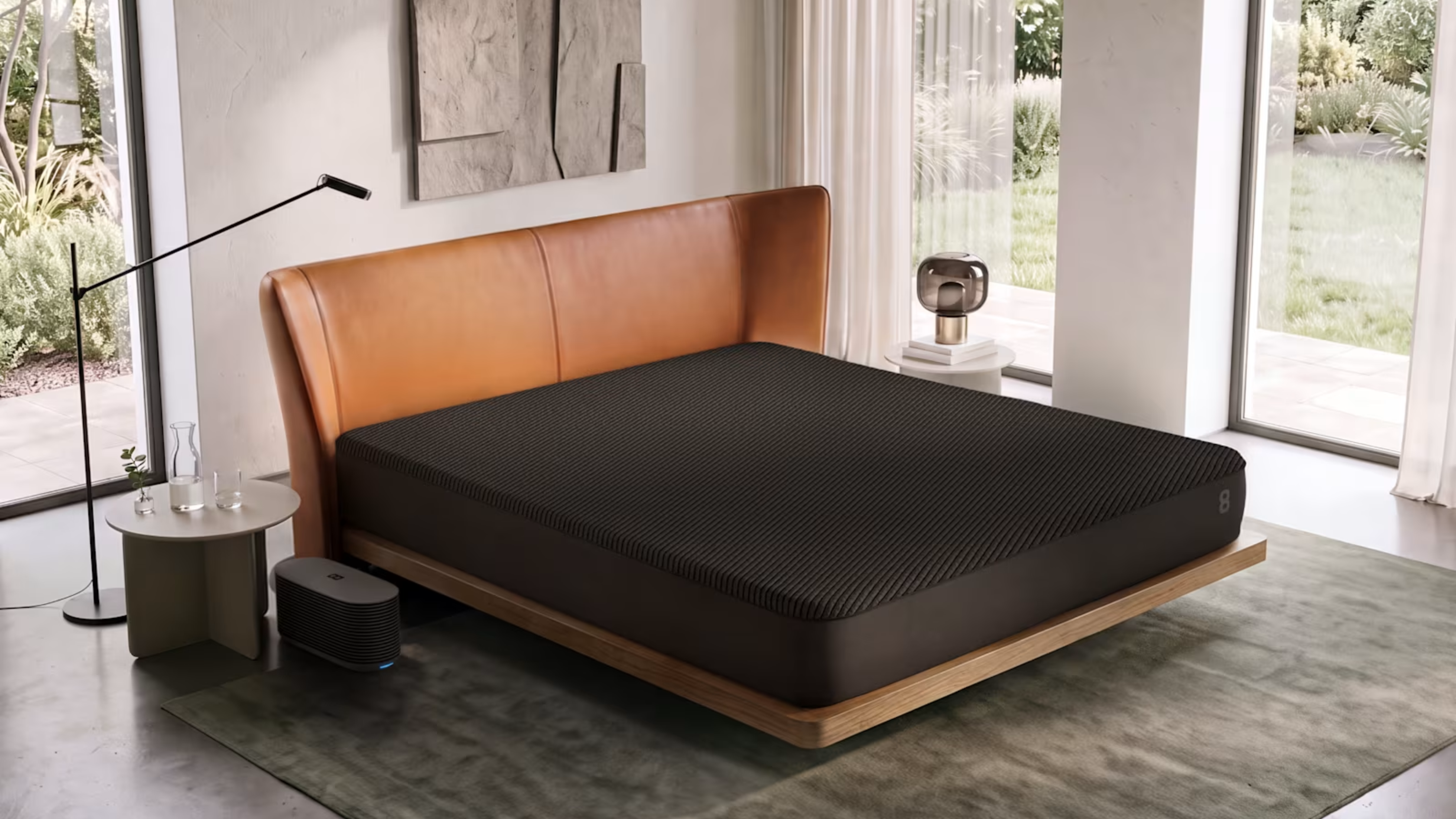
The Pod 6 is a redesigned version of Eight Sleep’s temperature-controlled sleep system. The new version features more sensors and a much smaller cooling hub. The new hub is half the size of its predecessor and can adjust bed temperature 20 percent faster. Additionally, it circulates heated or cooled water through the mattress cover. Health tracking has expanded from two biometric sensors to 18. Of course, this allows the system to monitor metrics including heart rate, breathing, sleep stages, snoring, and heart rate variability. Eight Sleep says the Pod can distinguish between adults, children, and pets before using its AI-powered Autopilot system to make automatic adjustments throughout the night. Prices start at $1,999 for a new Solo version that covers half of a mattress, although access to Autopilot still requires an annual subscription.
Apple Opens Its First Dedicated Live Music Venue
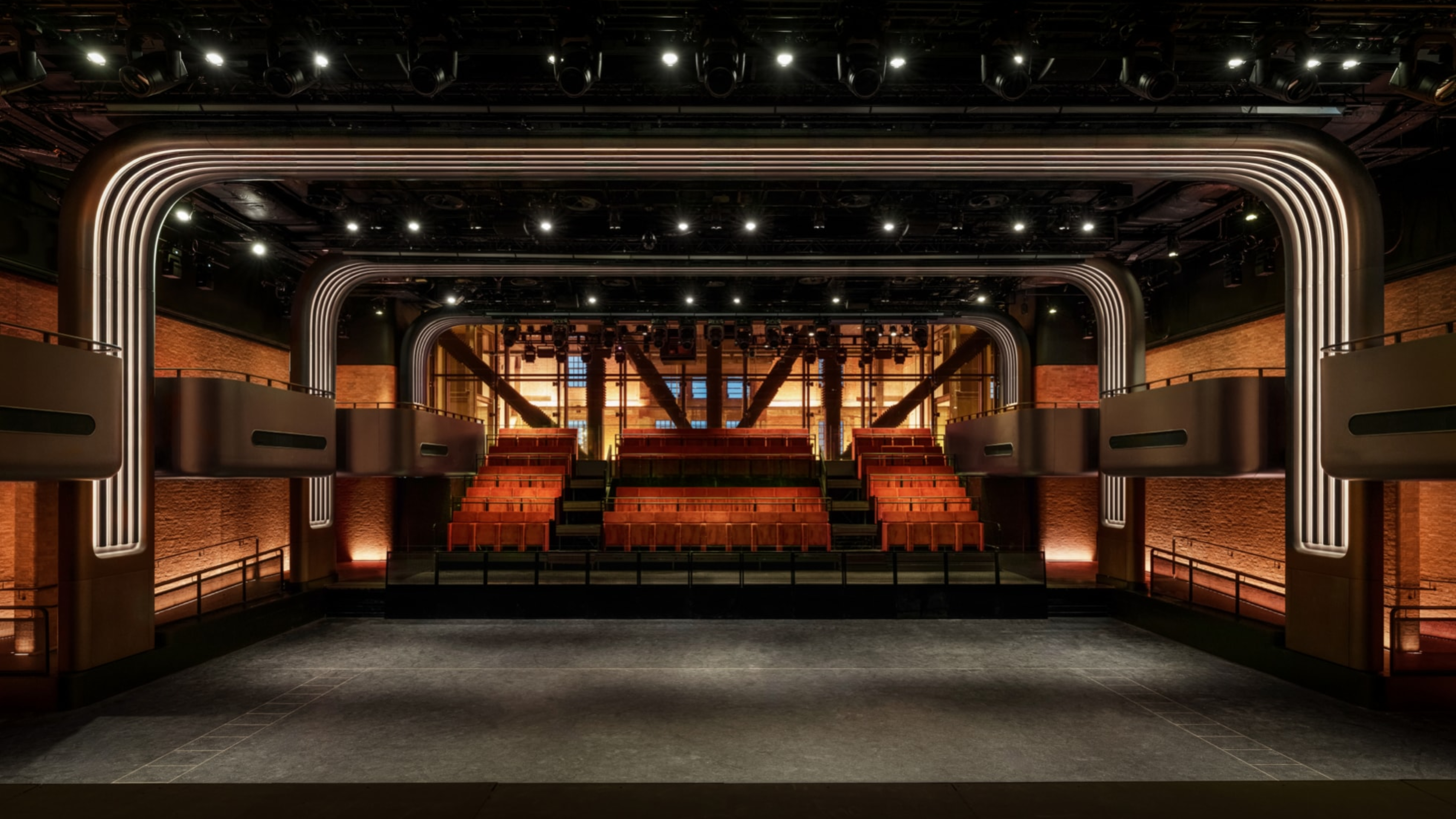
Across the pond, Apple is expanding its connection to the music industry with Apple Music Hall. A new 600-person performance venue beneath its European headquarters at London’s Battersea Power Station. Opening September 28, the space is designed for intimate concerts, recording sessions, and professionally produced video broadcasts. A 48-speaker spatial audio system surrounds the audience. The venue also includes infrastructure for at least 16 broadcast cameras and two recording and mixing studios. Likewise, this turns the venue into a complete production facility. Apple is also relocating its London-based Apple Music radio hosts and shows to new studios inside the Battersea complex. The project brings Apple back into London’s live music scene nearly a decade after the company ended its long-running iTunes Music Festival.
The Retro Camera gets a Digital Makeover with Camp Snap
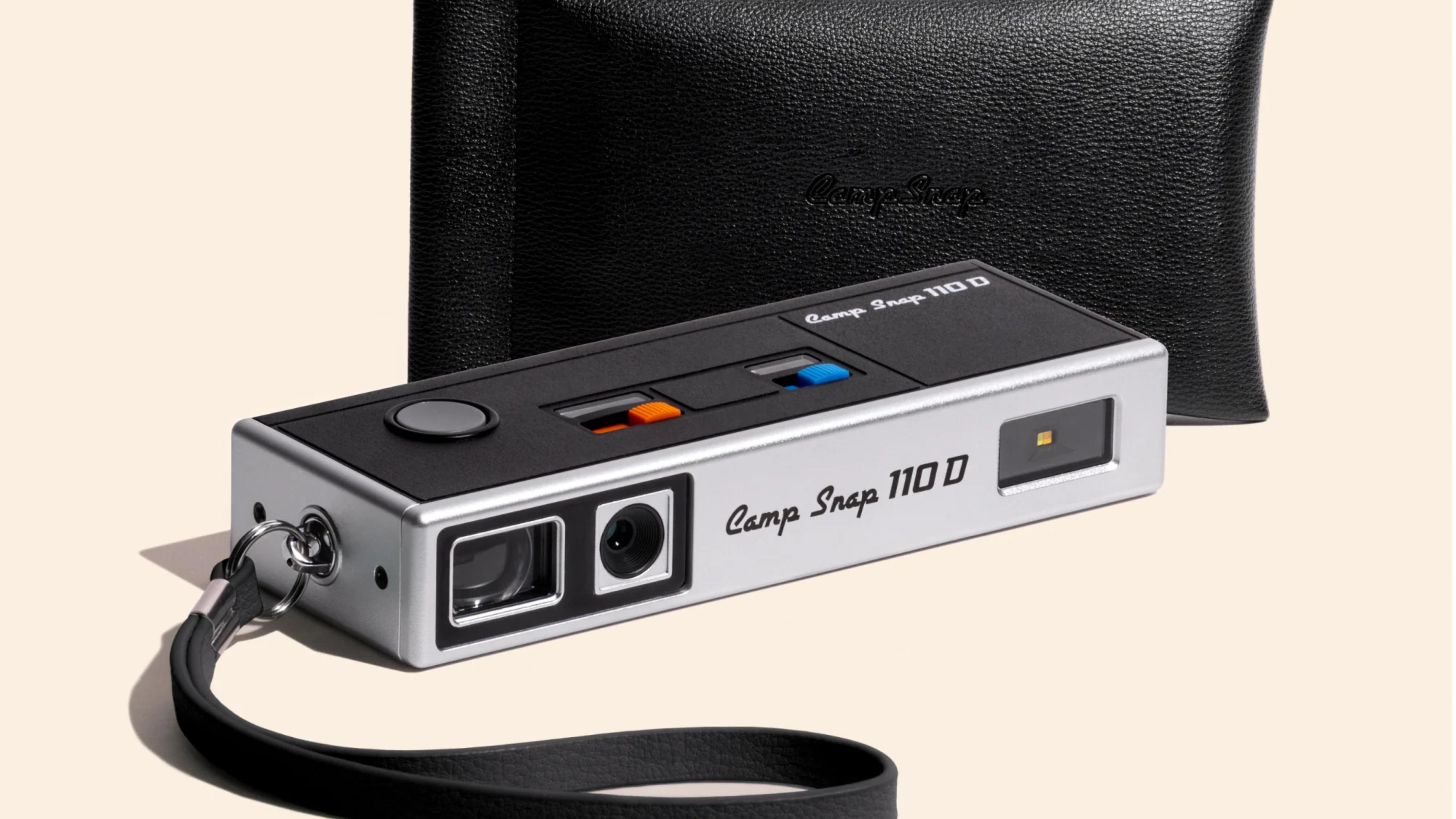
Camp Snap is leaning further into nostalgia with the 110D. The screenless digital camera is inspired by the slim Kodak 110 film cameras popularized in the 1970s. Priced at $74.95, the pocket-sized camera combines an 8-megapixel Sony sensor with an optical viewfinder. Additionally, it features five built-in filters designed to recreate vintage, analog, and black-and-white looks. There is no screen for reviewing photos, so users have to wait until images are transferred to a phone or computer. Likewise, this creates some of the anticipation associated with film photography. A bundled 4GB microSD card can hold roughly 2,000 images. Camp Snap is tapping into renewed interest in cameras that encourage people to photograph first and review later.