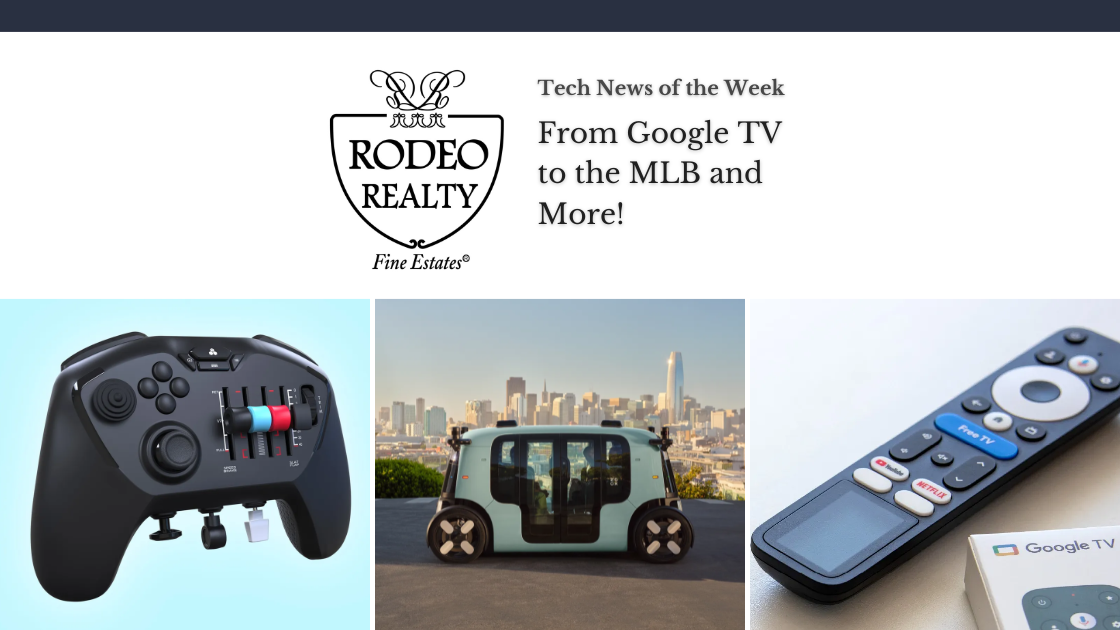
As the week winds down, it’s time to wrap up the leading headlines in the world of tech. From Google TV and its rumored sustainability ambitions to the MLB Netflix partnership and more, we have you covered. Check out what’s happening from across the web in this week’s blog!
Honeycomb’s Echo puts a flight-sim cockpit in your hands
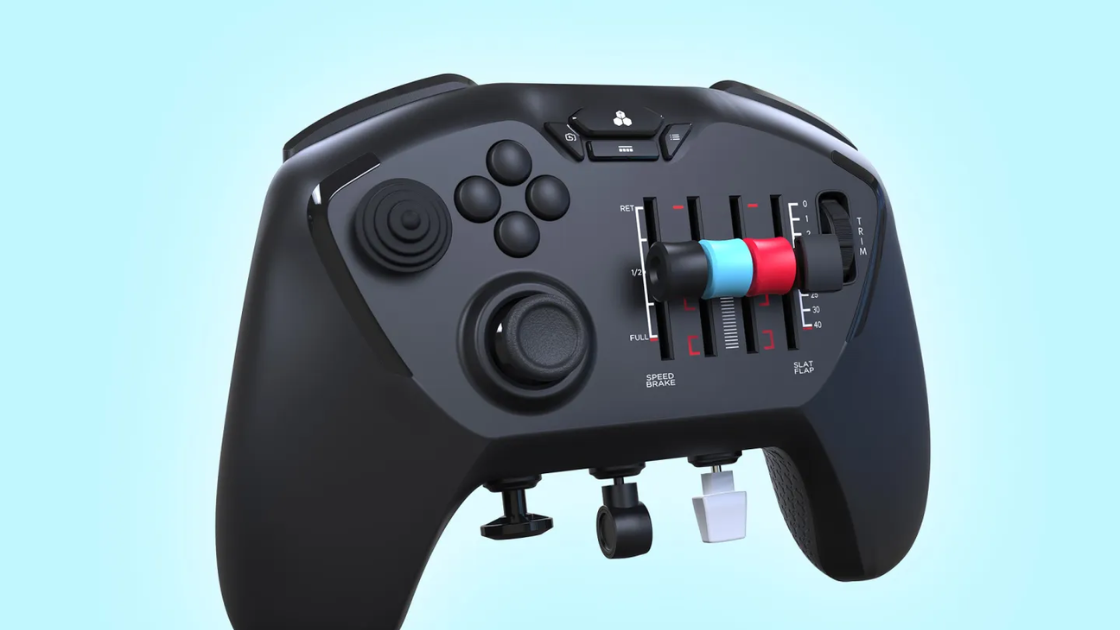
Honeycomb Aeronautical surprised desk-punters with the Echo Aviation Controller. The new device is a compact gamepad sized for tight setups but packed with flight-specific controls. Likewise, it includes throttle levers, trim wheel, rudder paddles, and even a parking brake. The Echo aims to bridge the gap between full-blown yokes and cramped desks. Honeycomb intended to give accessible physical controls that map cleanly to Microsoft Flight Simulator and similar titles. It’s a neat productization moment: niche hardware that makes complex simulation feel more tactile and less fiddly. For creators and streamers, the Echo simplifies on-camera control while hobby pilots get a small-footprint solution that still feels serious. If your home desk doubles as a cockpit, this is the kind of ergonomic polish that actually improves sessions.
MLB’s streaming map just got busier — Netflix joins the live-game mix

The live-sports streaming landscape has shifted again as MLB signed new carriage deals, adding Netflix into the rotation. Likewise, the news is a sign that premium sports rights remain a core battleground for attention. For fans, the short-term impact is more windows to watch marquee matchups across services. Networks and streamers aim to monetize through ads, blackouts, and exclusive packages. For marketers and local advertisers, these deals reframe audience planning. This means live sports still deliver appointment viewing and valuable reach. Of course, expect more churn and creative bundle offers as services jockey for both audience loyalty and ad dollars.
Google TV remotes could sip sunlight — a reference remote points to solar power
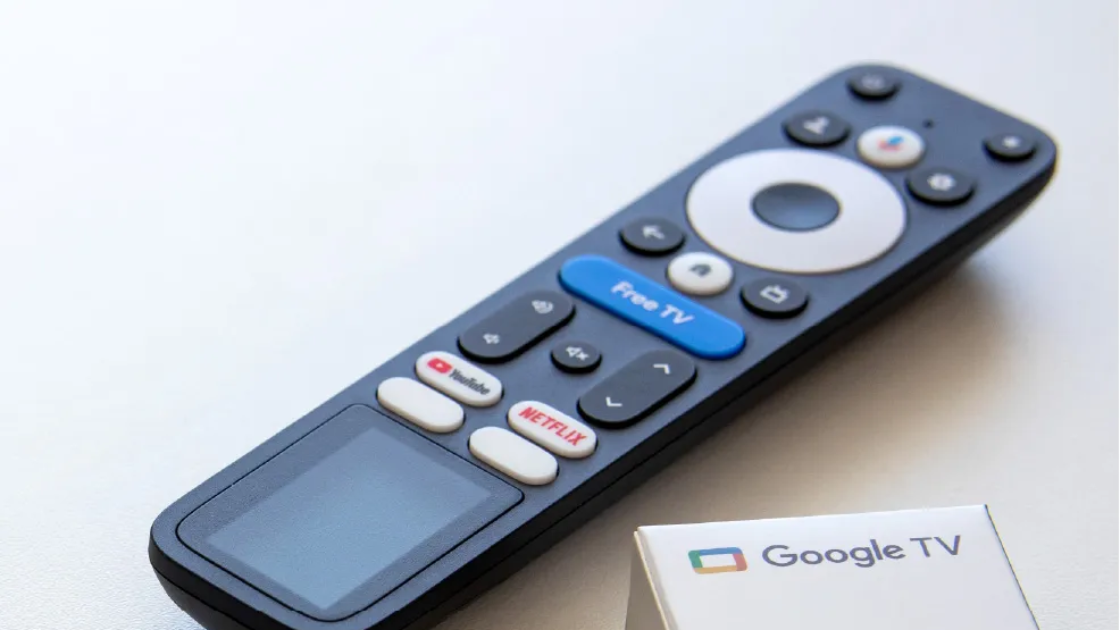
A recently leaked reference remote design for future Google TV devices has hinted at solar-recharging capabilities. The leak also suggests new low-power hardware from makers like Epishine and Ohsung Electronics. Likewise, this Google TV news suggests next-gen remotes may need fewer battery swaps and more ambient harvesting. The move from Google TV follows a trend toward greener, lower-maintenance accessories that keep basic controls alive without AA batteries. For consumers, it’s a subtle quality-of-life win: fewer dead-remote moments during movie night. For manufacturers and accessory partners, it’s an opportunity to rethink industrial design around permanence and sustainability. If the Google TV concept lands broadly, the living-room experience gets just a little more frictionless.
Adobe to acquire Semrush — marketing tools meet Creative Cloud
Adobe announced plans to buy Semrush for about $1.9 billion. The announcement from Adobe folds a leading digital-marketing and SEO analytics platform into Adobe’s creative and experience stack. Of course, with this shift comes a tighter signal between content creation and discoverability. The Adobe acquisition also signals the company’s strategy to move beyond creative tooling into the operational plumbing that drives distribution. Likewise, this references keywords, competitor intel, and campaign analytics, so creatives and marketers can work from the same data playbook. For agencies and brand teams, the combination promises shorter loops from ideation to optimized performance. Of course, expect tighter linkages between content creation flows and SEO/SEM workflow automation over the coming releases. Strategically, this is Adobe leaning into the full content lifecycle rather than just the canvas.
Windows becomes more “agentic” — AI agents land in the taskbar
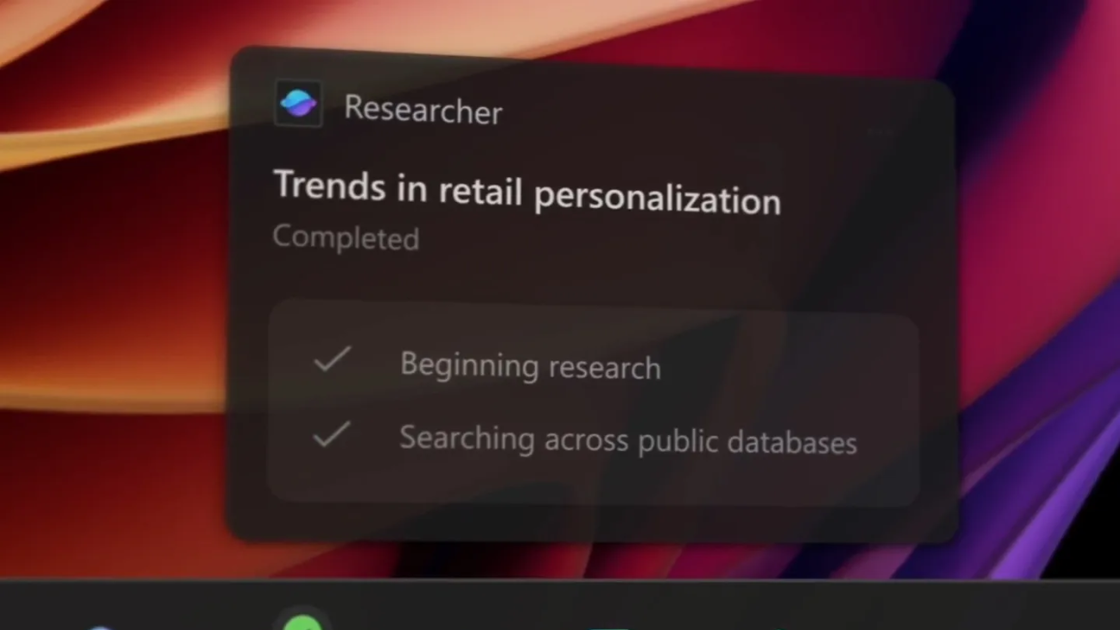
Microsoft pushed forward on making Windows an “agentic OS,” starting with integrating AI agents into the taskbar so users can summon assistants that perform multi-step tasks, summarize content, and automate routine workflows from the desktop. The change rethinks the OS as an environment where lightweight agents help with research, email triage, and scheduling without forcing users to constantly context-switch between apps. For IT and product leaders, the integration raises both productivity promise and governance questions: how do you audit agent actions and ensure enterprise policies are respected? For end users, the appeal is immediate — faster completions of repetitive tasks — but successful adoption depends on transparency, control, and good human-in-the-loop design. This is Microsoft’s vision of ambient productivity: smarter desktop helpers, not replacement copilots.
Google Scholar Labs brings AI search to academic discovery

Google introduced Scholar Labs, an experimental AI search that helps researchers find relevant studies by surfacing summaries, related methods, and contextual links, aiming to make literature review less of a scavenger hunt and more of a guided tour. The tool uses models to highlight important snippets and connect papers across citations, which could speed hypothesis testing and reduce hours spent chasing down related work. Google frames Scholar Labs as a research assistant that augments — not replaces — human judgment, with emphasis on provenance so scholars can verify claims and sources. For academics and science-adjacent product teams, it’s a promising step toward faster literature triage and reproducibility support. As with any AI-assisted research tool, adoption will be driven by fidelity, explainability, and integration with citation workflows.
Zoox opens a San Francisco waitlist as robotaxi rides go public
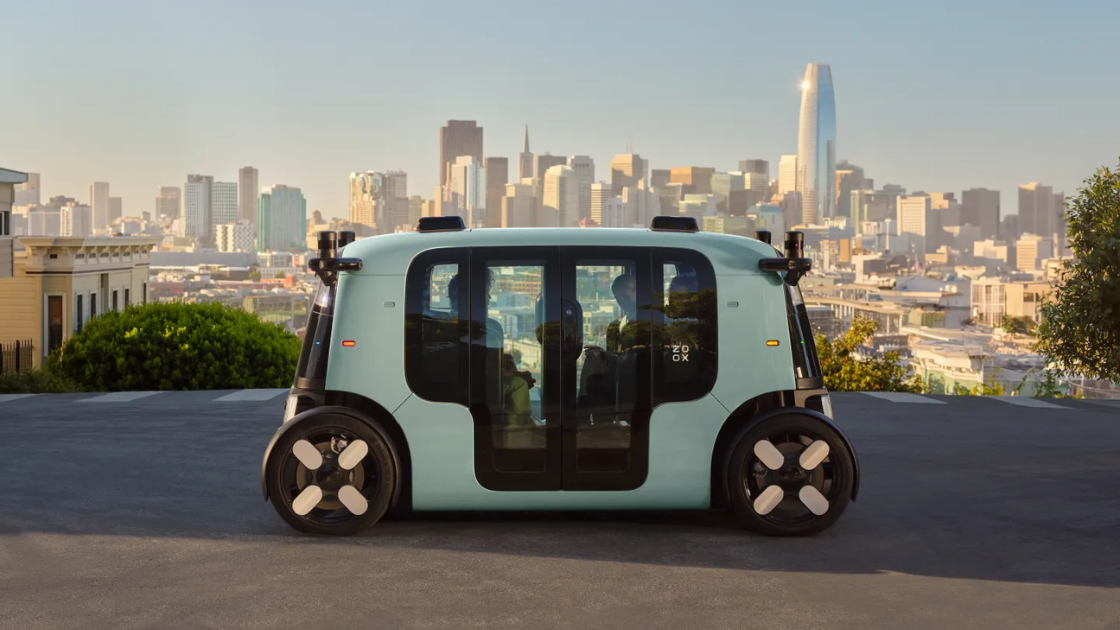
Zoox expanded the availability of its purpose-built robotaxis in San Francisco by launching a public waitlist and limited ride offerings, moving the company from closed pilots toward a consumer-facing autonomous service in a real city environment. The rollout shows how robotaxi firms are balancing safety, public acceptance, and operational learning by letting residents experience rides while the companies gather data and iterate. For city officials and transit planners, these pilots are living experiments in curb management, insurance frameworks, and how AVs interact with human drivers and pedestrians. For riders, it’s a chance to test the convenience (and costs) of no-driver mobility firsthand. The bigger test will be scaling beyond controlled pockets while maintaining safety and predictable service.