
As we head into the Thanksgiving holiday weekend, it is time to wrap up this week’s major tech headlines. From Perplexity’s AI Shopper to Amazon’s Leo Satellite and more, we have you covered with the top trending news. Read on below for this week’s round-up!
Perplexity’s personal shopper adds PayPal “Instant Buy” for smoother holiday buys

Perplexity rolled out an AI shopping assistant that remembers your preferences (say, commute-ready jackets for foggy ferry rides) and surfaces curated product cards with specs, reviews, and a checkout path that uses PayPal’s Instant Buy. The feature aims to move discovery and purchase into one conversational flow so recommendations convert without sending shoppers hopping between tabs. Perplexity says the agent remembers prior context to refine later suggestions and frames the service as more exploratory than a bare search bar. Merchants that support the integration can keep direct customer relationships while benefiting from Perplexity’s discovery layer. It’s another example of assistants moving from advice into action as companies stitch payments and preferences into chat.
Wyze’s Window Cam watches the yard from indoors with improved night vision
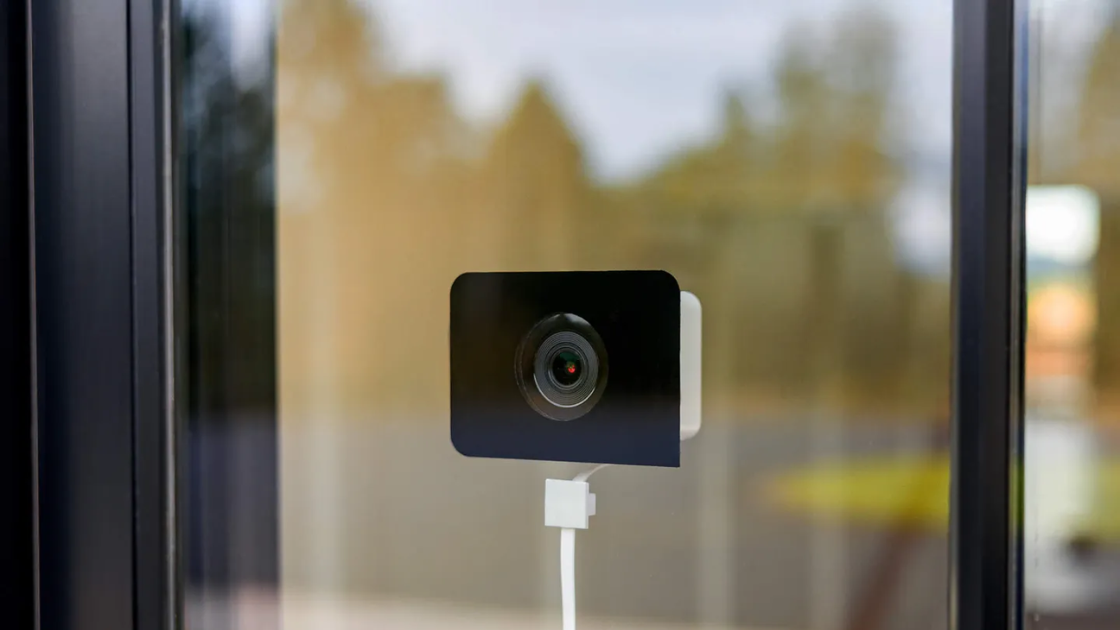
Wyze introduced a Window Cam that mounts on the inside of a window and looks outward, offering HD video and enhanced night-vision modes so you can monitor a yard without exterior hardware. The indoor mount avoids weather and wiring issues while still letting owners keep tabs on deliveries, activity at the curb, or wildlife—useful in rentals or where outdoor installation is restricted. Wyze says the design preserves privacy by keeping the camera inside and adds easy setup for people who don’t want an outdoor rig. Image quality and night performance are notable upgrades versus many previous window-facing options, making it a practical choice for low-friction home monitoring. If you want a discreet, renter-friendly cam that still captures usable footage after dark, this one aims to hit that sweet spot.
Meta’s trade-in credits make Ray-Ban and Oakley smart glasses cheaper to try
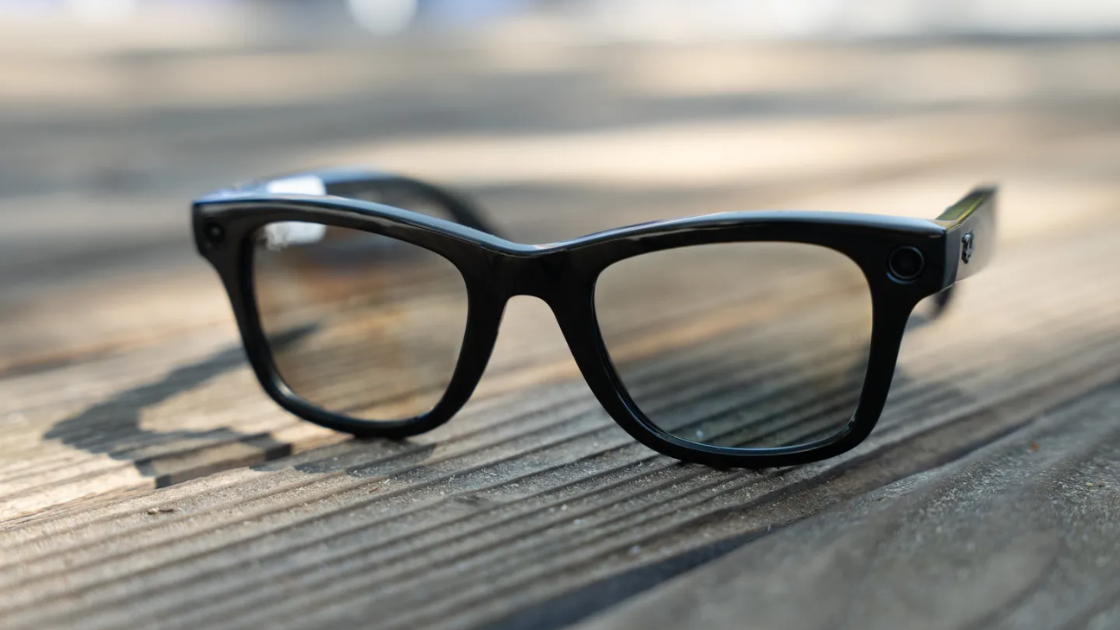
Meta launched a wearables trade-in program that gives credits toward Ray-Ban and Oakley smart glasses when customers trade in eligible older devices, softening the upgrade cost for curious buyers. The program is part of Meta’s broader push to expand its wearable ecosystem and lower a practical barrier to adoption: price. Trade-in credits can help convert hesitant users into testers of on-face computing by reducing sticker shock and making comparative upgrades feel less risky. Meta positions the program as both sustainability (device reuse) and customer-friendly pricing, though credit values and eligible models will determine real-world appeal. For anyone on the fence about smart glasses, trade-in offers make it easier to experiment without fully committing.
Amazon previews the Leo Ultra antenna for enterprise satellite internet use
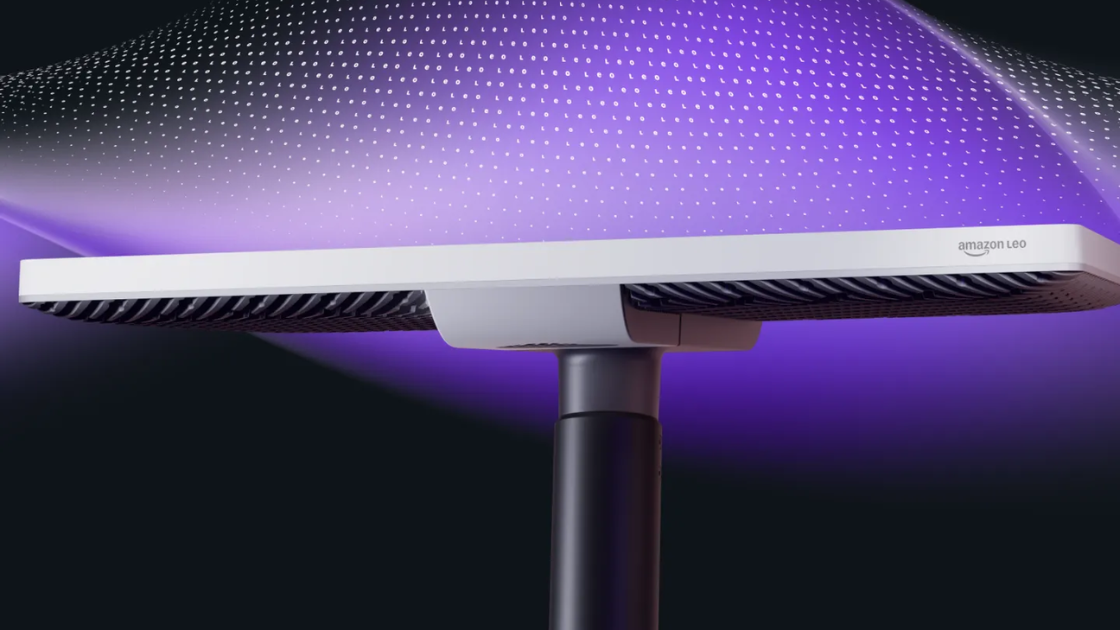
Amazon showcased a high-performance satellite antenna aimed at enterprise customers. The Leo Ultra aligns with the company’s push on satellite internet offerings that compete with established players. Likewise, the Leo Ultra Satellite emphasizes faster transfer rates and rugged deployment options. The new Leo antenna is geared toward business and remote-site use cases where terrestrial connectivity is thin and reliability matters. This means think emergency response, remote offices, and industrial sites. Amazon frames the Leo Ultra product as part of a broader, multi-layer connectivity play that pairs antenna hardware with managed service options. For organizations evaluating last-mile redundancy or global connectivity, the preview signals that more competitive hardware options are arriving. Expect pilots first, with pricing and carrier integrations to follow as Amazon moves from a demo of the Leo Ultra to commercial availability.
Spotify makes playlist imports painless — bring your mixes from other services
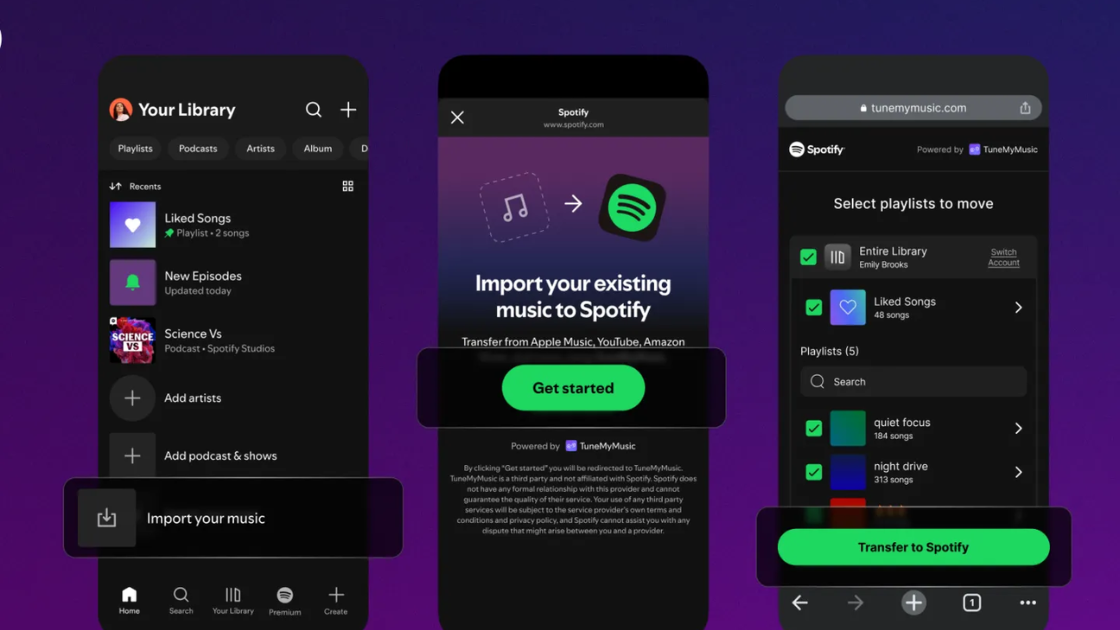
Spotify simplified importing playlists from other streaming platforms, so listeners can move their curated mixes without manual copying and preserve playlists when switching or experimenting with hybrid services. The update is a subtle but important quality-of-life improvement: it reduces the friction that keeps people locked into a single service for the hassle of rebuilding a library. For creators and curators, easier imports mean broader reach and fewer excuses for listeners to leave. From a business perspective, it’s part of a retention play—make it simple to stay, even if the user is trying other apps. Expect similar cross-service conveniences to keep turning up as streaming companies compete on user experience rather than exclusive catalogs alone.