Wind down the week with the latest news from the world of tech and media. We’re covering the top headlines from Windows 11 to Optimus Gen 3 and more in this week’s blog. Check it out and stay connected!
Spotify expands group chats so you can share music with a crew
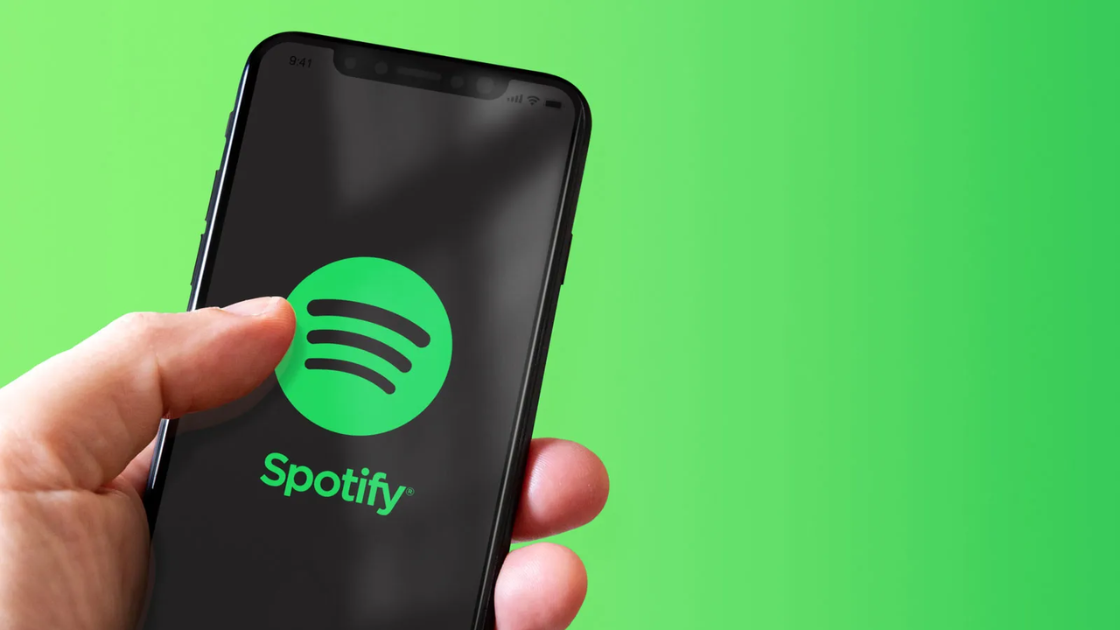
Spotify rolled out group chats that let up to 10 friends and family members talk about songs, podcasts, and playlists inside the app, extending the direct-message feature it launched last year. The group experience ties into Spotify activity signals — you can only add people you’ve interacted with through features like Collaborative Playlists or Jam sessions — which keeps the chats focused on actual listening relationships rather than random DMs. Messaging remains available to free and premium users, which should help social discovery without putting a paywall around conversation. For music marketers and creators, group threads create a cozy place to seed releases and fan moments without leaving the streaming context. Expect more social glue-like listening activity and shared queue tools as Spotify leans into in-app connection rather than external chat.
ROGBid’s Fusion 2-in-1 slips a ring and a watch into one fitness gadget
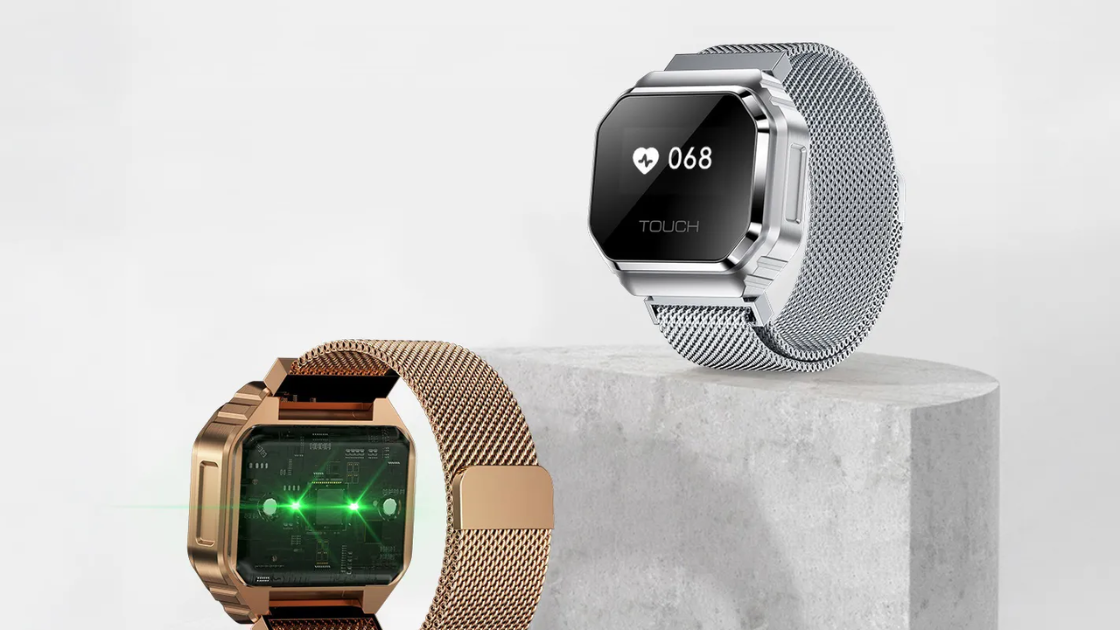
ROGBid unveiled the Fusion, a hybrid that doubles as a smart ring and a wristwatch, packing heart-rate monitoring, activity, and sleep tracking into a modular form factor aimed at people who want both subtle wearables and glanceable displays. The novelty here is the multi-form approach — you can wear the ring for discreet biometric sensing or snap it into a wrist module for a more traditional watch UI and notifications. Early hands-on notes call out decent sensor performance for the category, though battery and durability under continuous wear are always the practical tests. If the Fusion nails user comfort and seamless mode switching, it could appeal to folks who oscillate between jewelry-style discretion and smartwatch practicality. It’s a reminder that the wearables category still has room for playful engineering, not just iterative screens.
PopSockets folds a wallet into its kickstand — MagSafe ready and slim
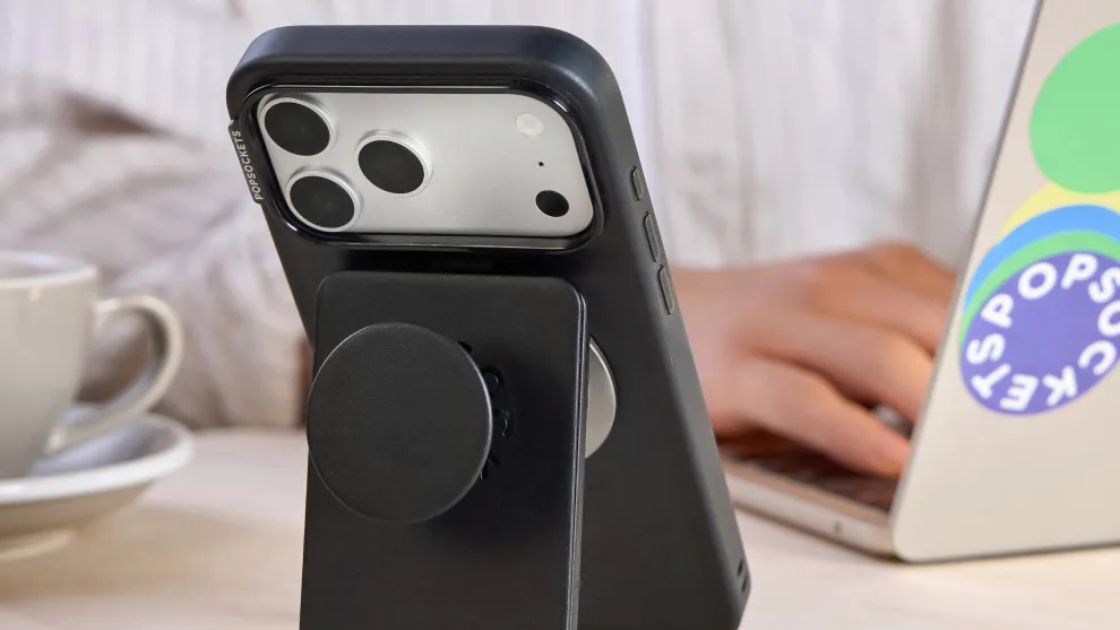
PopSockets added the Kick Out PopWallet Grip, a folding wallet built into its signature stand, with MagSafe compatibility and a slimmer profile for people who want one less accessory bulking up their pocket. The new design balances everyday convenience — card storage plus a stable phone prop — with compatibility for modern magnetic ecosystems, and it’s clearly targeted at practical flat-lay and influencer photo moments. It’s not trying to be luggage-grade security; it’s about low-friction carry and neat staging for social content. For product teams, it’s a quiet reminder that simple hardware combos still find demand when they solve a minor but persistent friction (pocket bulk, shaky TikTok filming). Expect the usual seasonal color drops and collabs that keep conversion windows lively.
Windows 11 hits 1 billion users faster than Windows 10 — platform momentum matters
Microsoft announced that Windows 11 has reached roughly 1 billion users, hitting the milestone faster than Windows 10 did and underscoring the OS’s steady enterprise and consumer traction since launch. The figure bundles active devices across consumer PCs, enterprise installs, and various OEM deployments — a reminder that platform adoption still moves markets for software, security, and peripheral makers. For IT teams, the milestone solidifies Windows 11 as the de facto baseline for new deployments, driving tooling and app compatibility decisions. Investors and partners read this as validation of Microsoft’s cadence: regular feature updates, Copilot integration, and enterprise tooling have kept the upgrade cycle alive. While milestones don’t erase fragmentation, they do shape where developers and vendors prioritize support.
Tesla says production-ready Optimus Gen 3 is arriving — robot ambitions accelerate
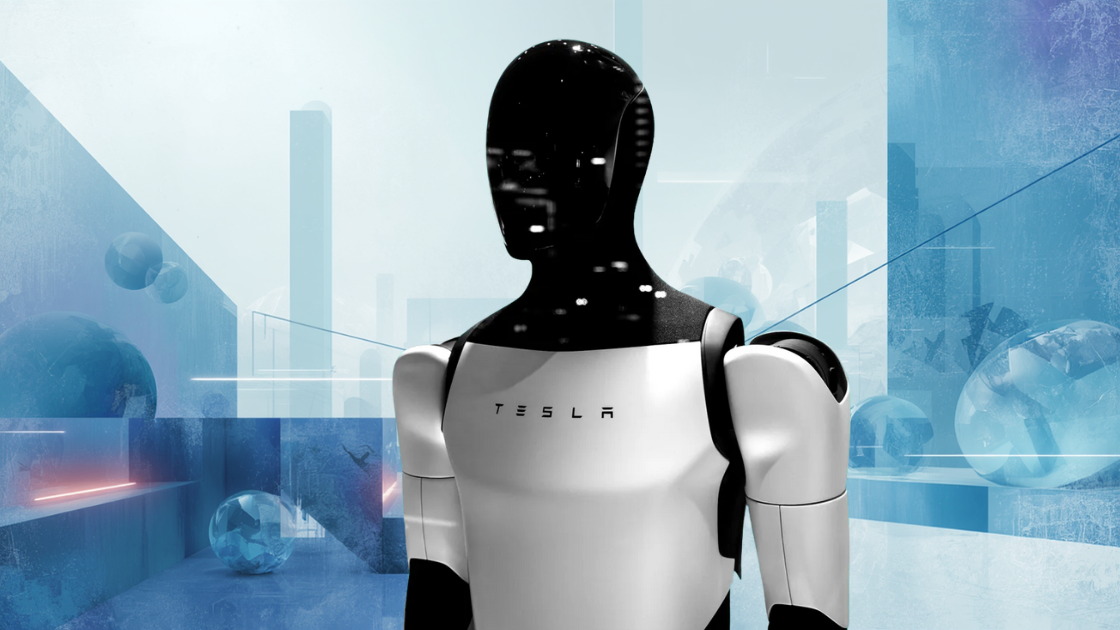
Tesla confirmed that Optimus Gen 3 hardware is nearing production readiness. Likewise, the news on Optimus Gen 3 signals an aggressive push to scale humanoid-robot capabilities next year. Of course, the news from Tesla ties its Optimus Gen 3 robot progress to its broader automation roadmap. The update underscores Tesla’s shift from proof-of-concept demos to engineering cadence aimed at manufacturability and cost reduction. Tesla’s Optimus Gen 3 angle is familiar: iterate fast, move into constrained, high-value deployments, and then broaden. For logistics and manufacturing teams, even early, reliable robot helpers like the Optimus could change workflows. Additionally, for the public, Optimus still sits at the intersection of hype and real engineering. Watch the next quarterly updates for concrete fleet and customer pilots that prove robustness beyond staged demos.
Snap spins off its smart-glasses group into a separate company to move faster
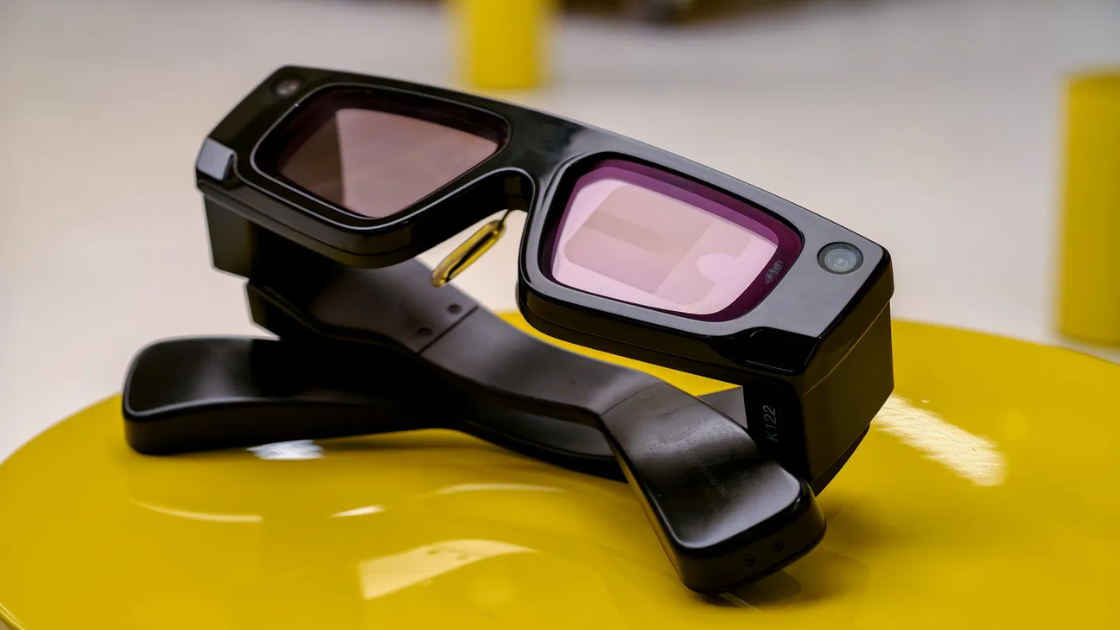
Snap announced it’s turning its AR/Specs team into a standalone subsidiary, a structural move intended to give the group a startup-like focus while keeping strategic alignment with Snap’s broader ecosystem. The subsidiary model aims to accelerate product cycles and partnerships for smart glasses, signaling Snap wants to operate the unit with distinct commercial strategies and potential external collaborations or investments. For AR developers and hardware partners, an independent entity could mean clearer APIs, dedicated roadmaps, and bespoke integration deals. The shift also reflects how major platforms are experimenting with organizational forms to keep hardware innovation nimble without dragging legacy product teams into long cycles. If execution is clean, the split could yield faster iterations and clearer go-to-market plays for on-face computing.
Bluesky teases a 2026 roadmap of live features, richer feeds, and events
Bluesky laid out a 2026 roadmap that includes “live” features, enhanced feed mechanics, and event integrations designed to make the network feel more immediate and discovery-driven. The plan focuses on reducing friction for creators and communities to host live interactions and to surface timely content without mimicking other platforms’ exact formulas. For users, the proposal promises better ways to follow conversations and attend virtual events inside the app; for developers, it hints at new primitives for real-time publishing and moderation. Bluesky’s approach emphasizes privacy and decentralization while still chasing the engagement patterns that make social apps sticky. The year ahead will test whether these features can scale while preserving the network’s core ethos and governance guardrails.