The world of tech and media is abuzz with the latest innovations, major moves, and product debuts. From VSCO Studio Pro to Genesis AI and more, we have you covered on this week’s major headlines. Stay connected and check out our round-up of the top tech news you need to know!
Google Calendar Finally Gets More Color Options
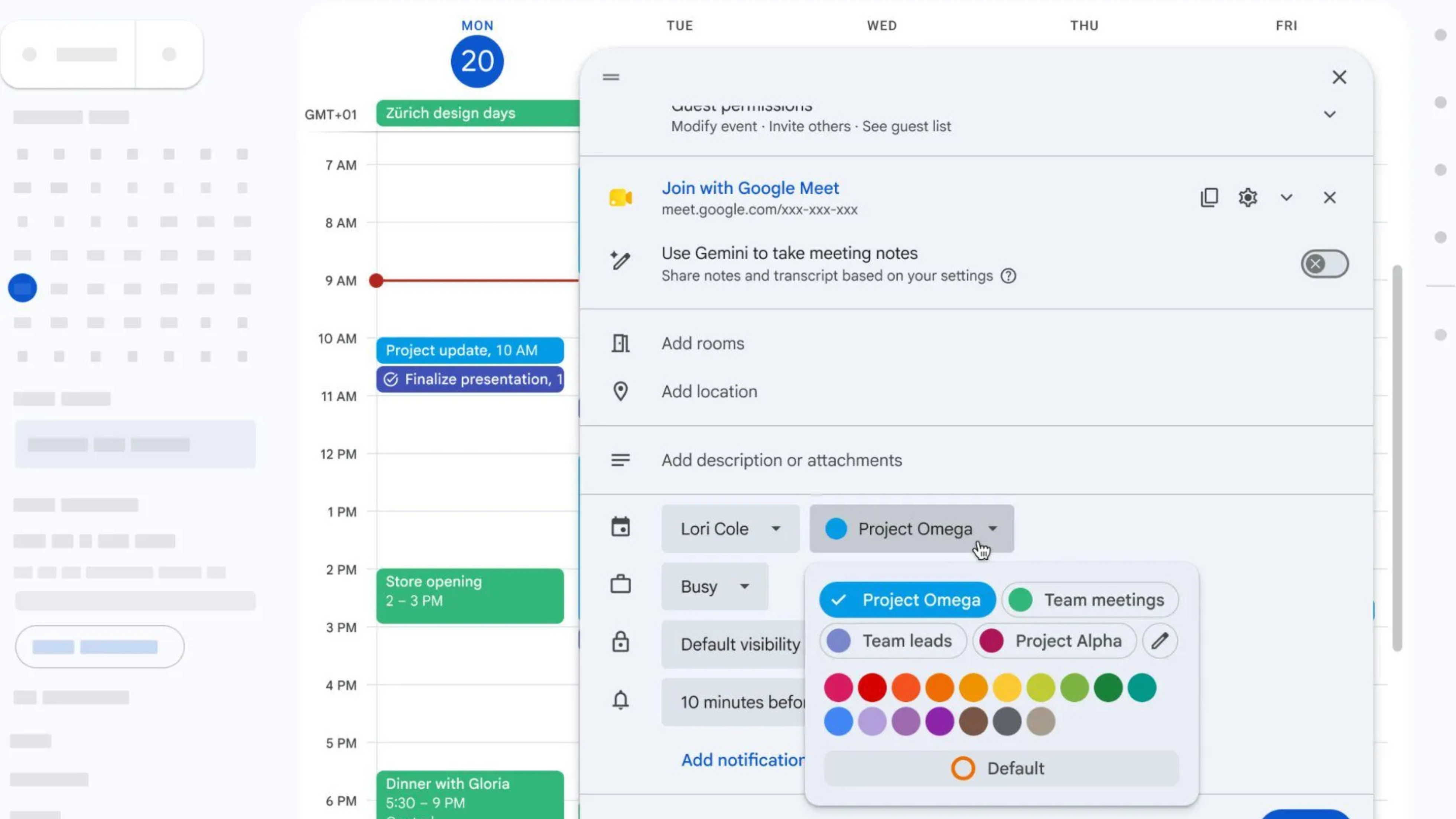
For years, Google Calendar users have worked with a limited palette of event colors, often running out of options when trying to organize busy schedules. Google is now addressing that long-standing complaint by expanding event customization to include up to 200 colors across Google Calendar on the web, mobile apps, and the Calendar API. Users can choose from 24 new preset colors or create custom shades using an RGB color picker. The update makes it easier to separate work meetings, personal appointments, family events, and projects at a glance. It may seem like a small change, but for anyone who lives by their calendar, better visual organization can make a noticeable difference in day-to-day productivity.
Adobe Reimagines Firefly as an AI Creative Studio
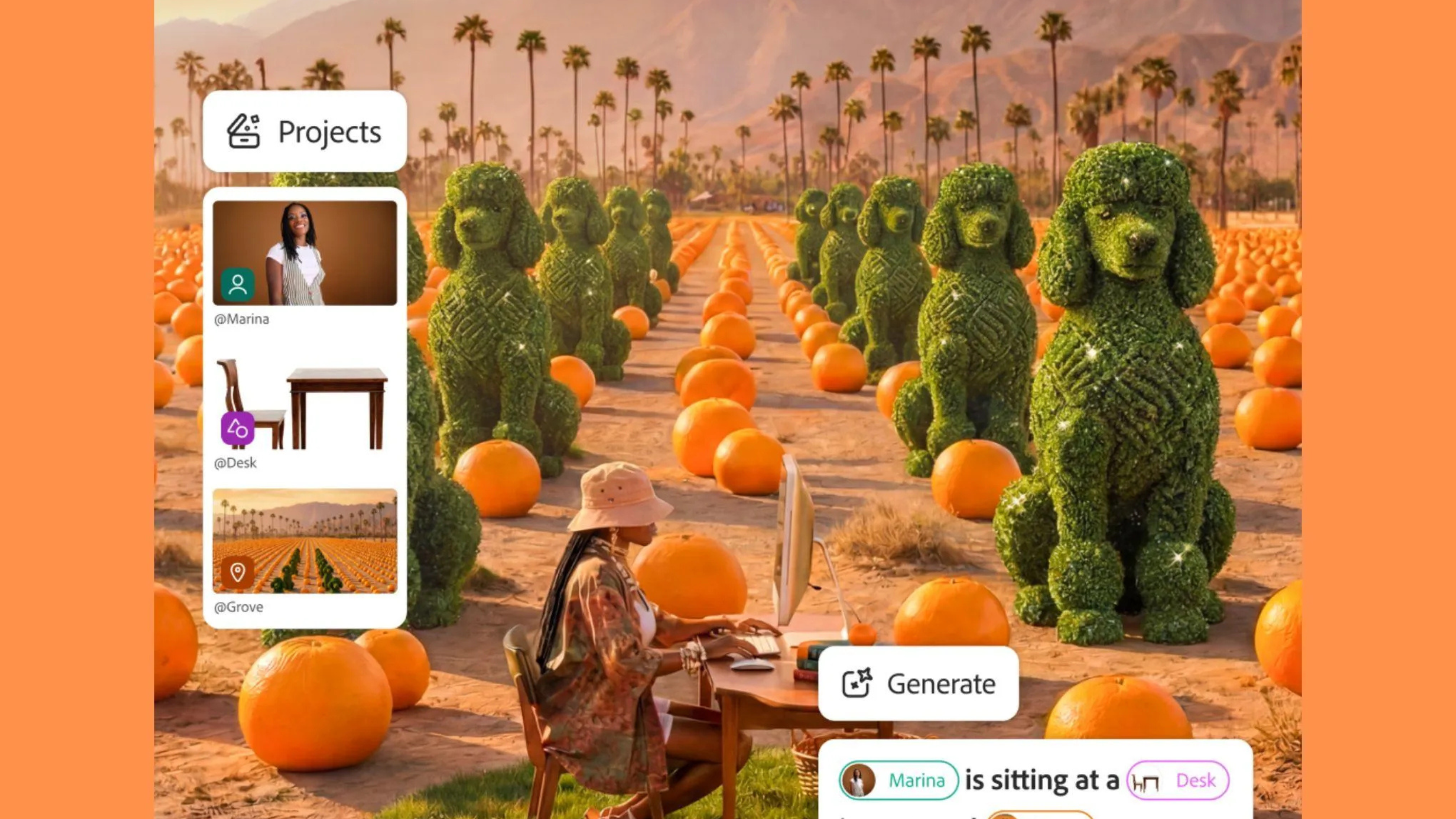
Adobe is taking another major step into AI-powered creativity with a redesigned Firefly platform that aims to function more like a creative partner than a standalone tool. The updated experience introduces “Elements,” which lets users save characters, objects, and locations for reuse across projects, and “Projects,” which organizes assets and creative context into a unified workspace. Adobe is also expanding Firefly’s AI capabilities with tools that can generate brand kits, create storyboards, and assist with video editing workflows. The goal is to maintain consistency across campaigns while reducing repetitive production tasks. Rather than replacing designers, Adobe says Firefly is designed to help creators move from concept to finished product more efficiently. The company continues to position AI as an assistant that handles execution while humans remain in control of creative direction.
VSCO Targets Professional Photographers With Studio Pro
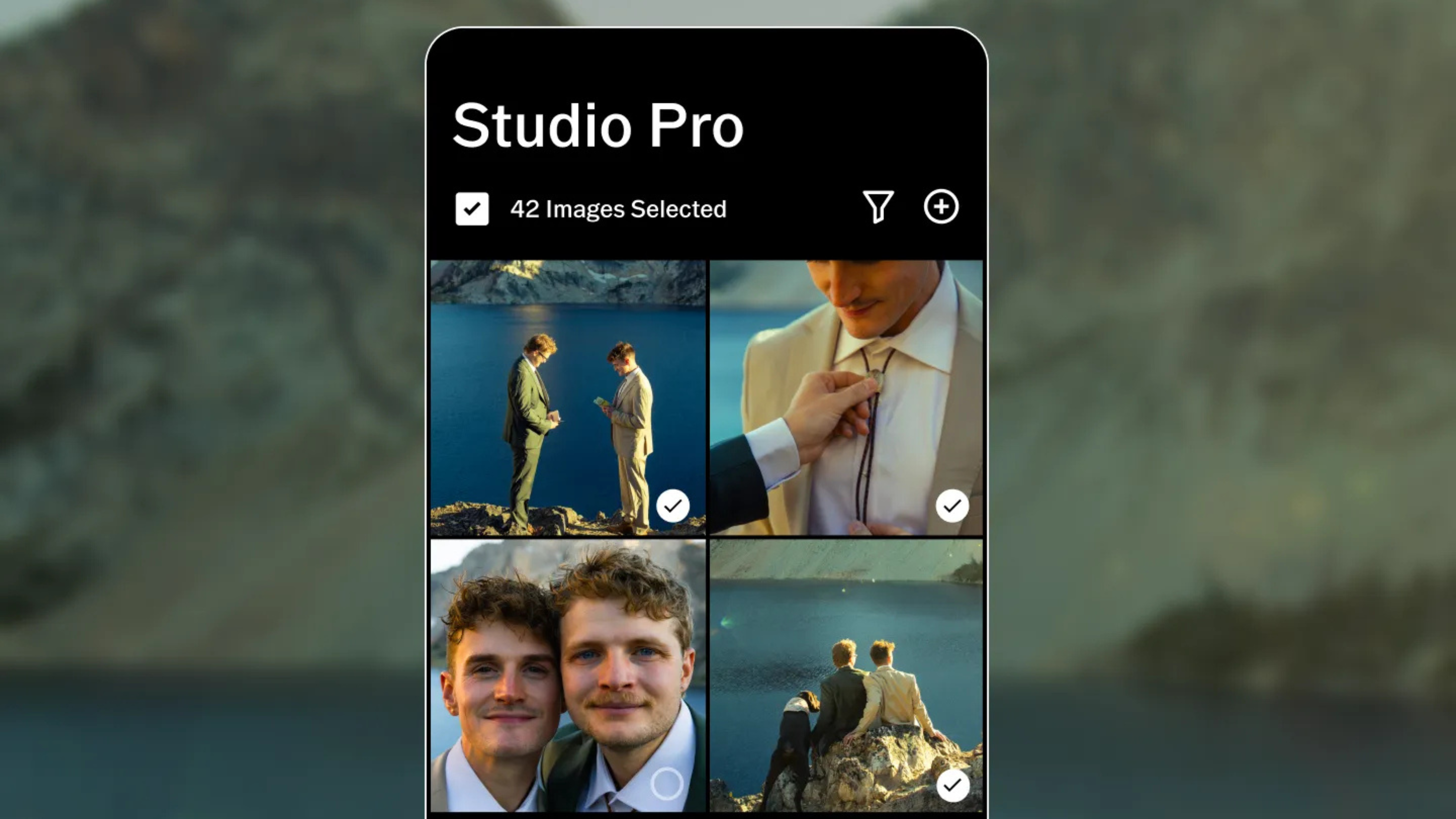
VSCO is moving further into the professional photography market with the launch of Studio Pro, a new mobile editing app designed for high-volume workflows. The app includes batch editing tools, AI-powered style matching, and gallery-sharing features that allow photographers to process large projects more efficiently. Alongside the launch, VSCO announced a new subscription package called VSCO One, priced at $500 per year, which bundles editing tools, portfolio features, business resources, and mentorship programs. The offering positions VSCO as a more direct competitor to Adobe’s professional ecosystem. As content creation continues to evolve into a full-time business for many photographers, companies are increasingly building platforms that combine creative tools with business support services.
Jackery Introduces a Battery Backup for Refrigerators

Power outages can quickly turn into expensive problems when refrigerators lose power, and Jackery thinks it has a solution. The company has unveiled the FridgeGuard, a slim battery backup system designed specifically to keep refrigerators running during outages. Unlike traditional generators or large backup batteries, the FridgeGuard focuses on a single appliance and fits into a compact form factor. The product reflects a growing trend toward specialized home energy solutions that address specific needs rather than powering an entire house. As extreme weather events and grid reliability concerns continue to make headlines, consumers are showing increasing interest in practical backup power options. Small, targeted energy products may become just as important as large-scale home battery systems in the years ahead.
Genesis AI Unveils Its Humanoid Robot ENO
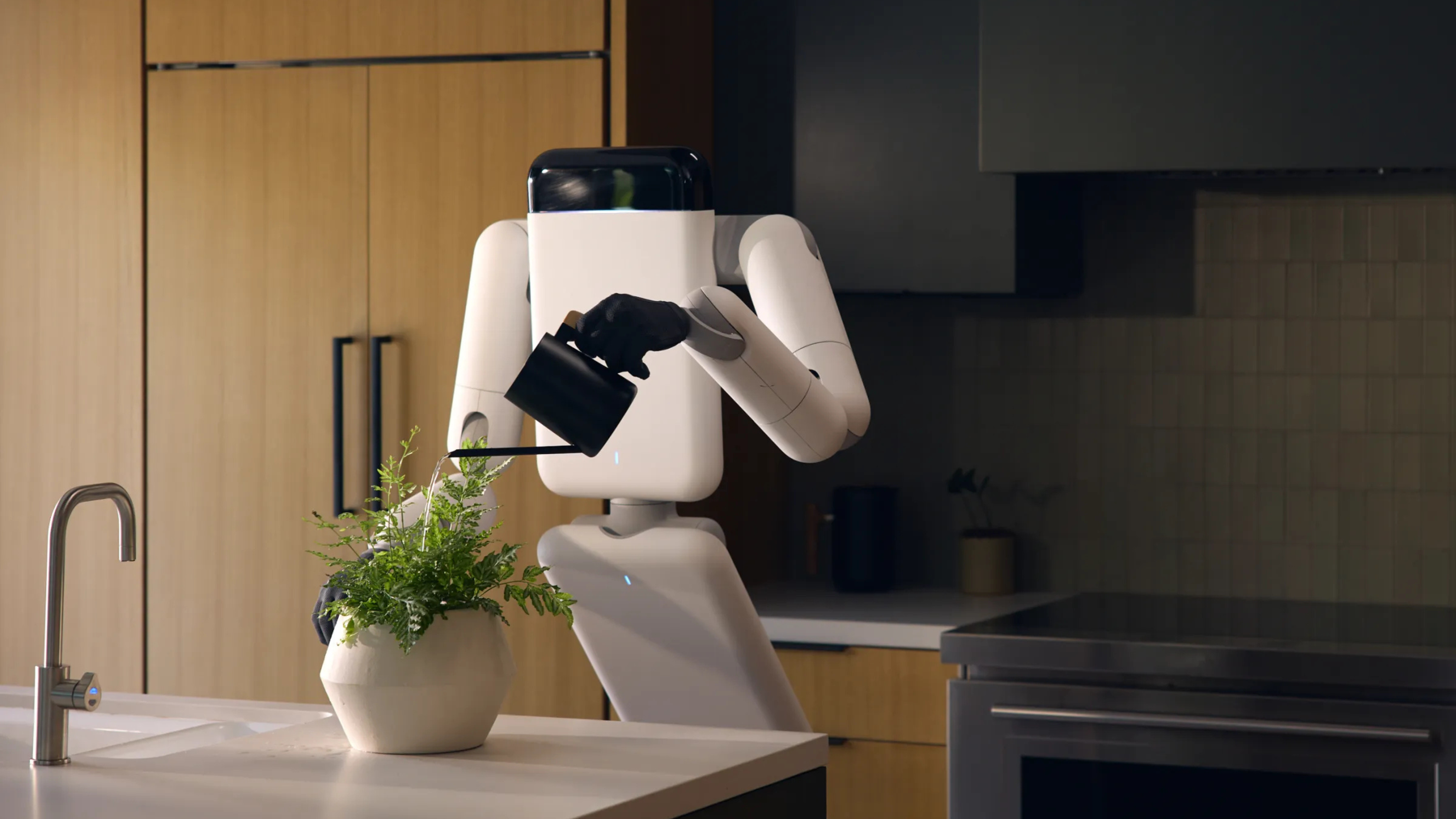
The race to build useful humanoid robots continues, with Genesis AI introducing a new platform called ENO. The robot is designed to perform physical tasks while leveraging advanced AI models to understand and respond to its environment. Companies working in robotics increasingly believe the next breakthrough will come from systems that can learn from experience and adapt to changing situations rather than relying solely on pre-programmed instructions. While humanoid robots are still far from mainstream adoption, investment and innovation in the sector continue to accelerate. Researchers see potential applications across manufacturing, logistics, healthcare, and household assistance. The long-term goal remains creating machines that can operate in human environments with minimal modification or supervision.
Microsoft Refreshes Surface Hardware With Snapdragon X2
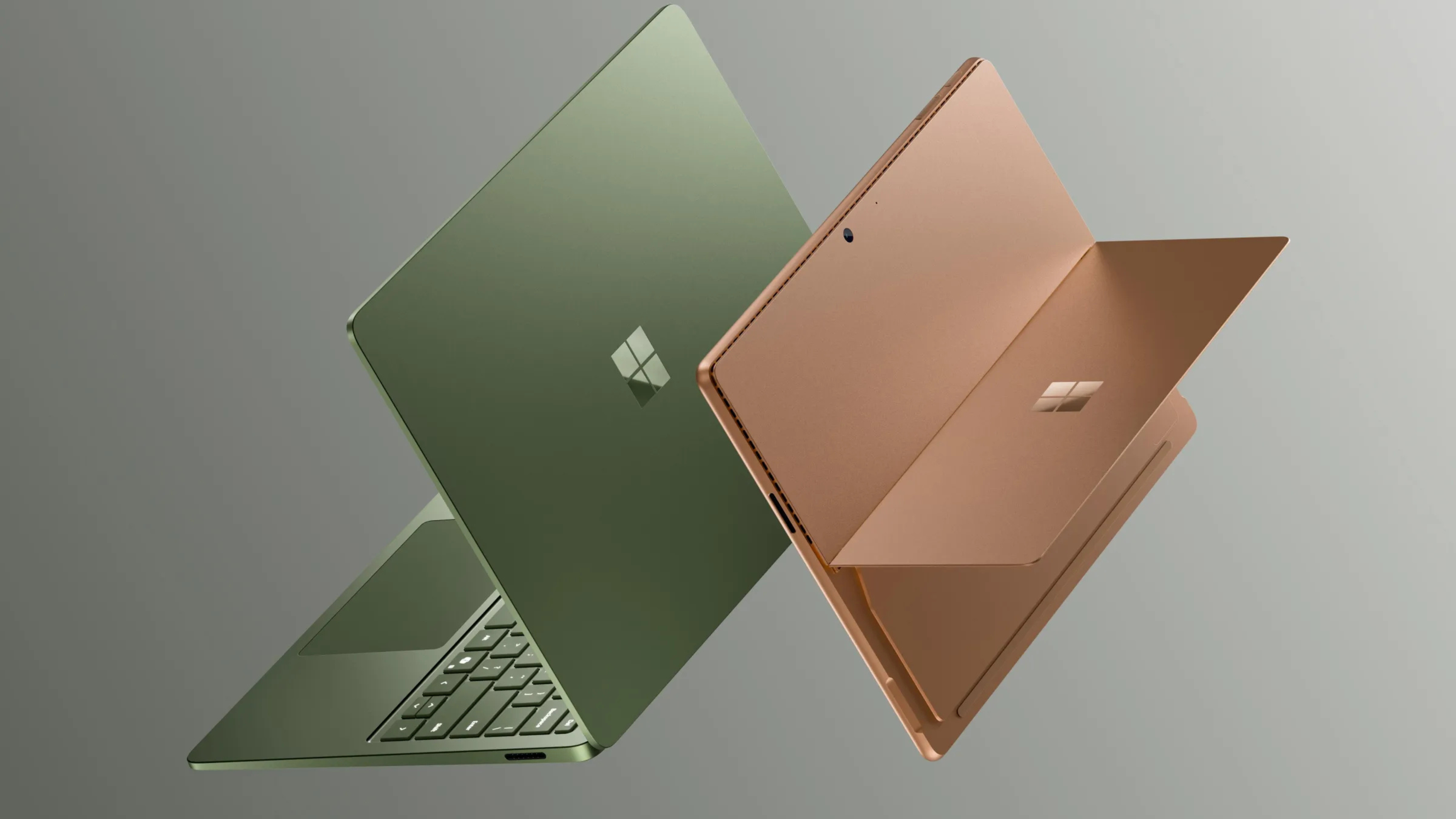
Microsoft has unveiled updated versions of the Surface Laptop and Surface Pro, powered by Qualcomm’s next-generation Snapdragon X2 processors. The new devices focus heavily on AI performance, battery efficiency, and on-device processing capabilities. Microsoft continues to position its Surface lineup as a showcase for the future of Windows PCs, particularly as AI-powered features become more integrated into everyday workflows. Improved neural processing hardware allows more AI tasks to run locally without relying on cloud services. The refresh reflects a broader industry movement toward AI-first personal computing, where intelligent assistance is built directly into the hardware experience. As competition intensifies among PC makers, AI capabilities are quickly becoming a core selling point rather than a bonus feature.
Kodak Leans Into Nostalgia With a Millennium Edition Camera

Kodak is tapping into nostalgia with the release of its Charmera Millennium Edition digital camera, a collectible device inspired by turn-of-the-century design aesthetics. The camera blends retro styling with modern digital functionality, appealing to consumers who want technology that feels distinctive and personal. The launch fits into a larger trend across consumer electronics where brands are embracing vintage-inspired designs to stand out in a crowded market. Cameras, music players, and even smartphones are increasingly borrowing visual cues from earlier eras. For many consumers, the appeal lies in combining modern convenience with a sense of familiarity and character. In an age of identical black rectangles, nostalgia has become a powerful design strategy.