Spring in Los Angeles is a season of reinvention. The city stretches open, sunlight lingers a little longer, and its museums and galleries unveil some of the most exciting programming of the year. From deeply personal retrospectives to immersive, tech-driven installations, this season’s lineup of spring art exhibits in Los Angeles offers something for every kind of cultural explorer.
Whether you’re wandering through world-class institutions or discovering new creative spaces, these are the exhibitions defining the city’s art scene this spring.
“Sublime: Straight From Long Beach” – GRAMMY Museum
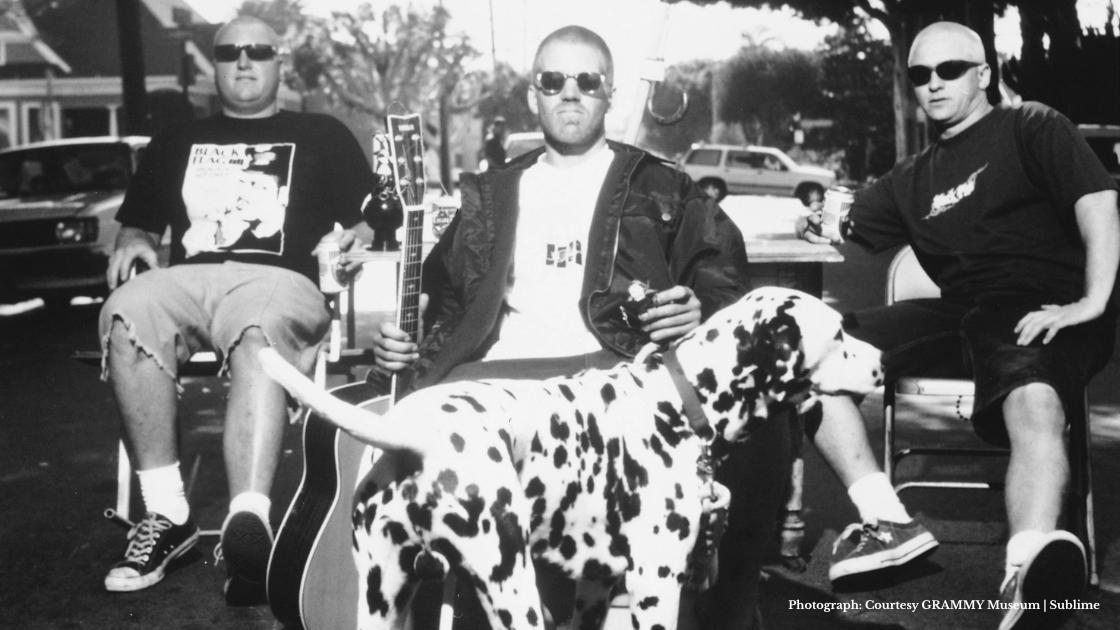
A love letter to one of Southern California’s most iconic bands, this exhibition dives into the legacy of Sublime and the Long Beach culture that shaped their sound. Expect handwritten lyrics, instruments, and personal artifacts from the band’s rise in the 1990s.
It’s a nostalgic yet thoughtful look at music as both identity and place, making it one of the most engaging spring art exhibits in Los Angeles for fans of pop culture and music history.
“Guillermo Bert: Techno-Empathy” – Museum of Latin American Art
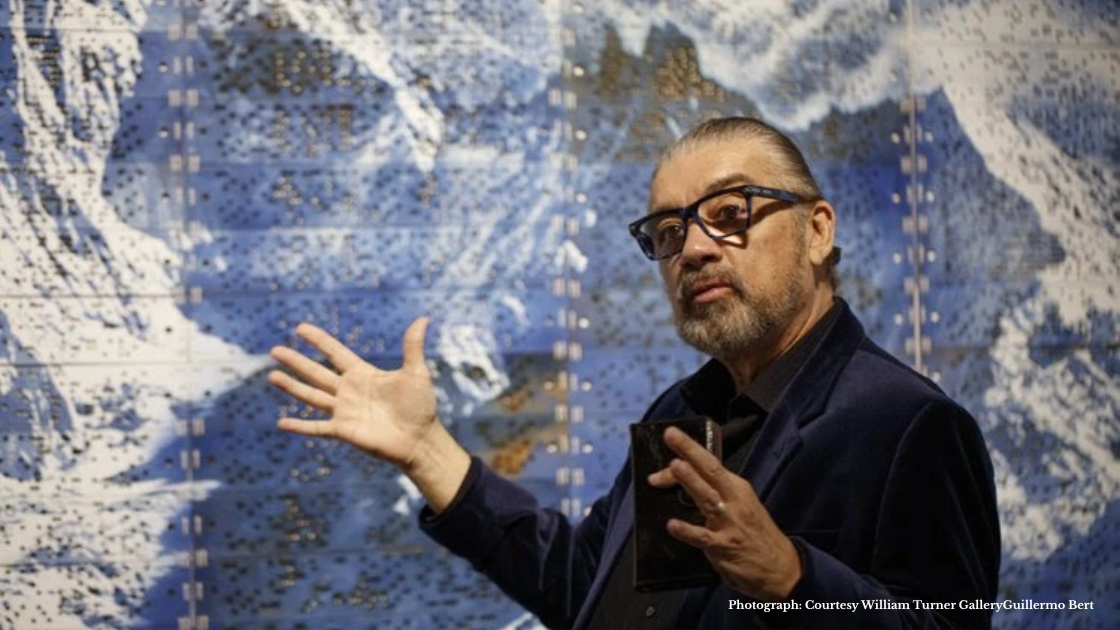
Blurring the lines between technology and humanity, Guillermo Bert’s work is both visually striking and emotionally resonant. His woven textiles incorporate QR codes that unlock digital stories, creating a layered experience that bridges past and present.
This exhibition invites visitors to think about migration, labor, and storytelling in a modern context, making it a standout among spring art exhibits in Los Angeles.
“Several Eternities in a Day” – Hammer Museum
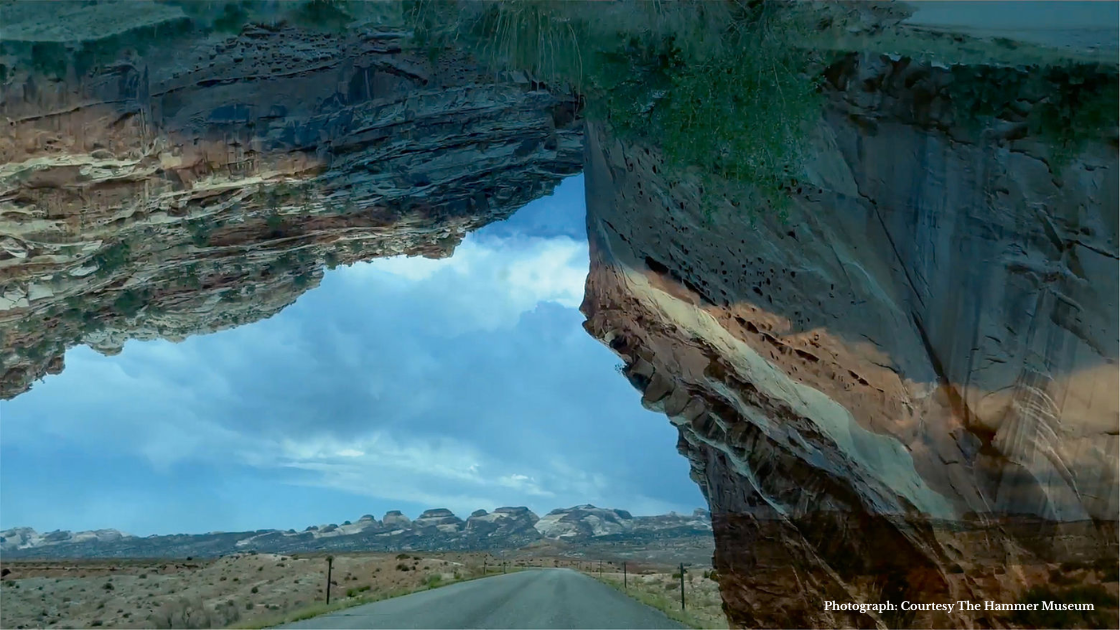
At the Hammer Museum, art becomes a fully sensory experience. This expansive exhibition explores the relationship between contemporary art and living materials, using elements like clay, cacao, and natural dyes.
Through installations, sculpture, sound, and video, the show encourages visitors to engage not just visually, but physically and emotionally. It’s immersive, unexpected, and deeply reflective of where art is headed next.
“Free and Queer: Black Californian Roots of Gay Liberation” – California African American Museum
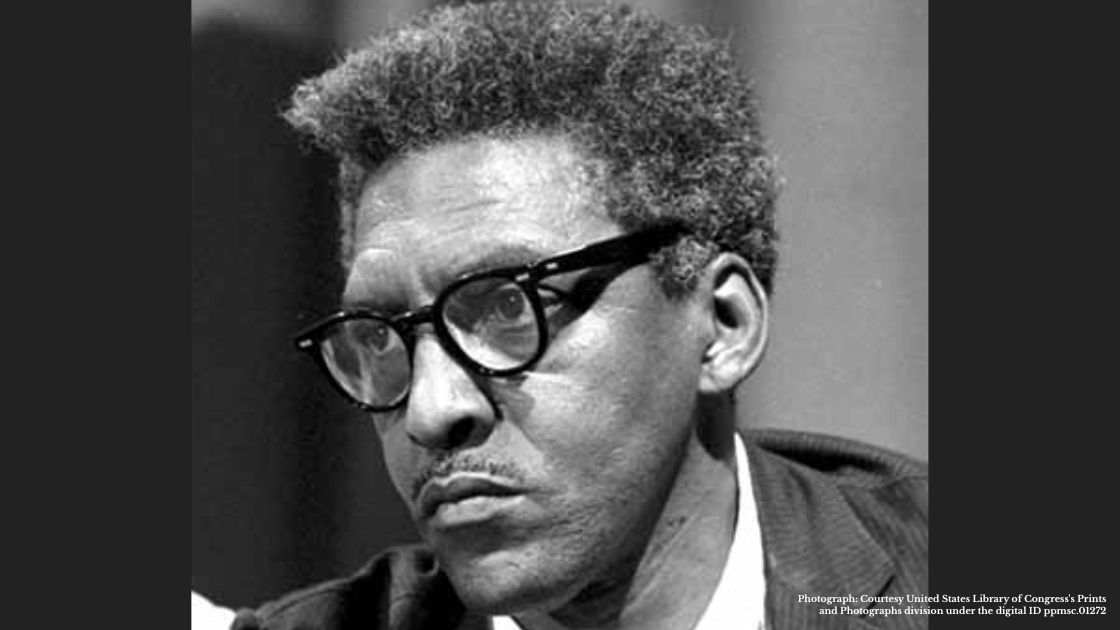
This powerful exhibition brings long-overlooked histories into focus, highlighting the contributions of Black queer communities to California’s LGBTQ+ movement. Through archival materials, photography, and film, it tells a story of resilience, activism, and cultural influence.
It’s one of the most meaningful spring art exhibits in Los Angeles, offering both education and inspiration in equal measure.
David Geffen Galleries – LACMA
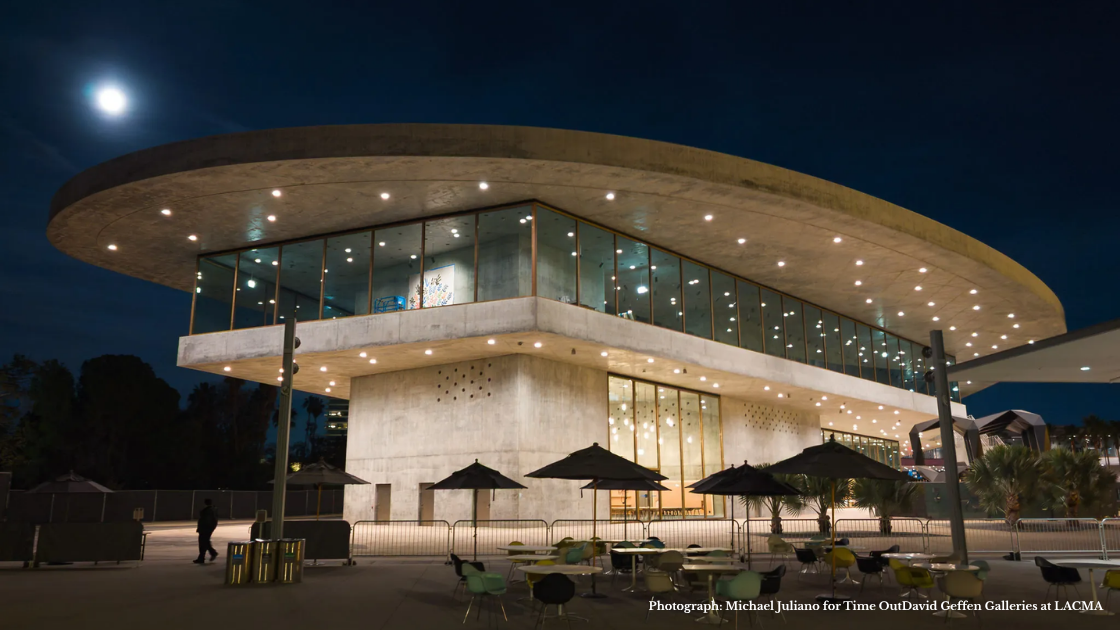
After years of anticipation, LACMA’s new David Geffen Galleries will finally open this spring. The sweeping, architectural space reimagines how art is displayed by organizing works geographically rather than chronologically.
Spanning centuries and continents, the inaugural exhibition emphasizes cultural exchange and shared human experience. Beyond the art itself, the building is a destination, signaling a bold new chapter for Los Angeles’ museum landscape.
“Orcas: Our Shared Future” – Natural History Museum
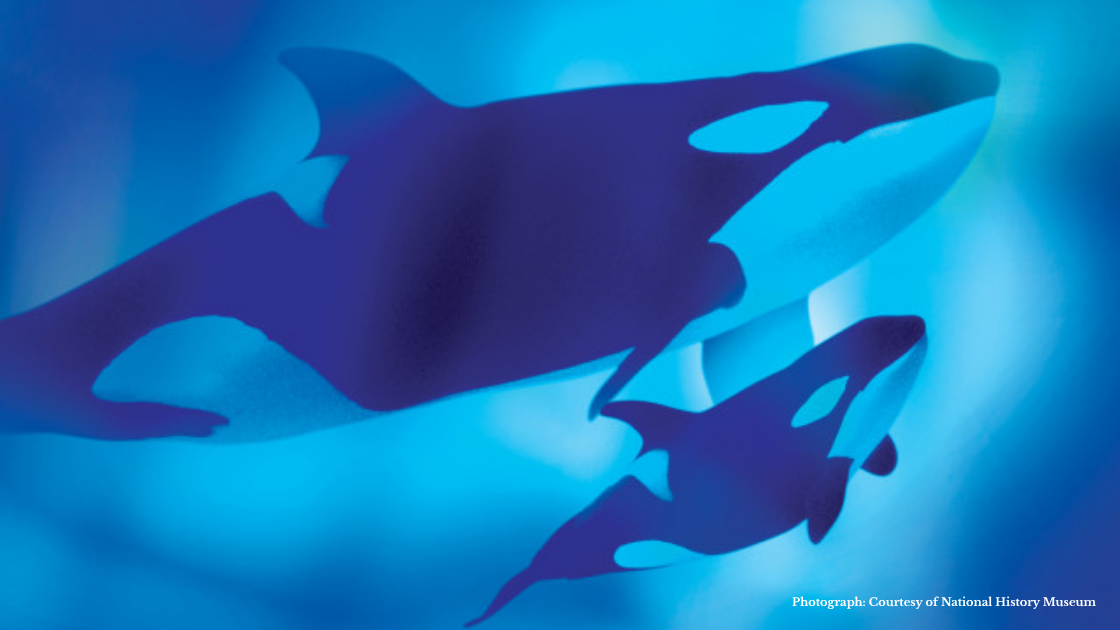
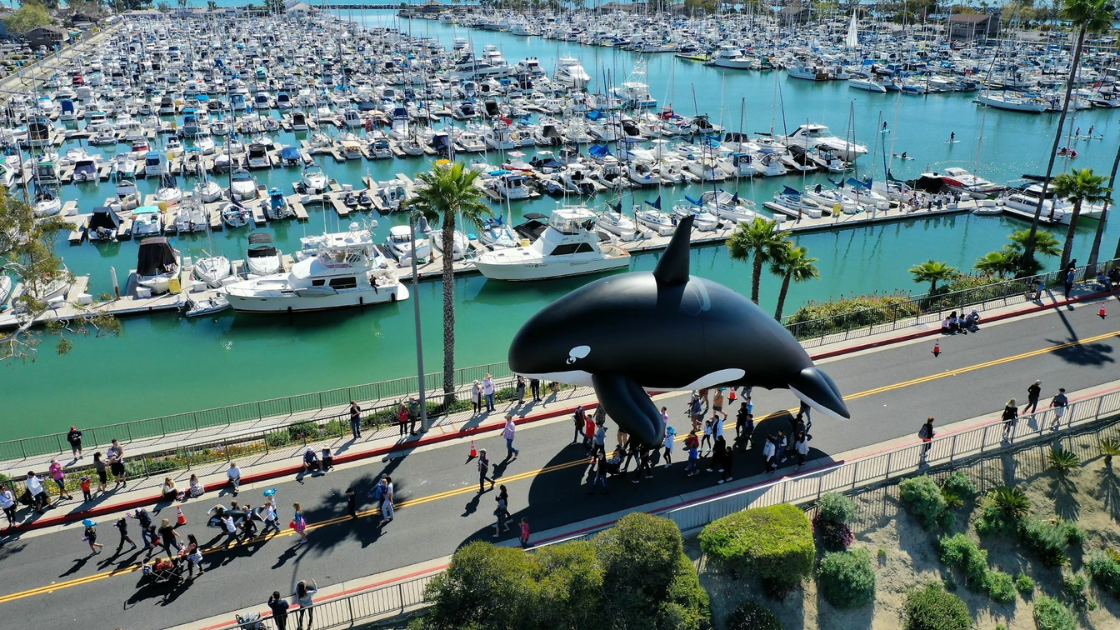
Art meets science in this immersive exhibition exploring the cultural and ecological significance of orcas. Featuring life-size replicas and works by Indigenous artists, the show blends storytelling with education.
It’s a thoughtful, visually compelling addition to this season’s spring art exhibits in Los Angeles, especially for those drawn to environmental themes.
“Inventing America: The Comic Book Revolution” – Skirball Cultural Center
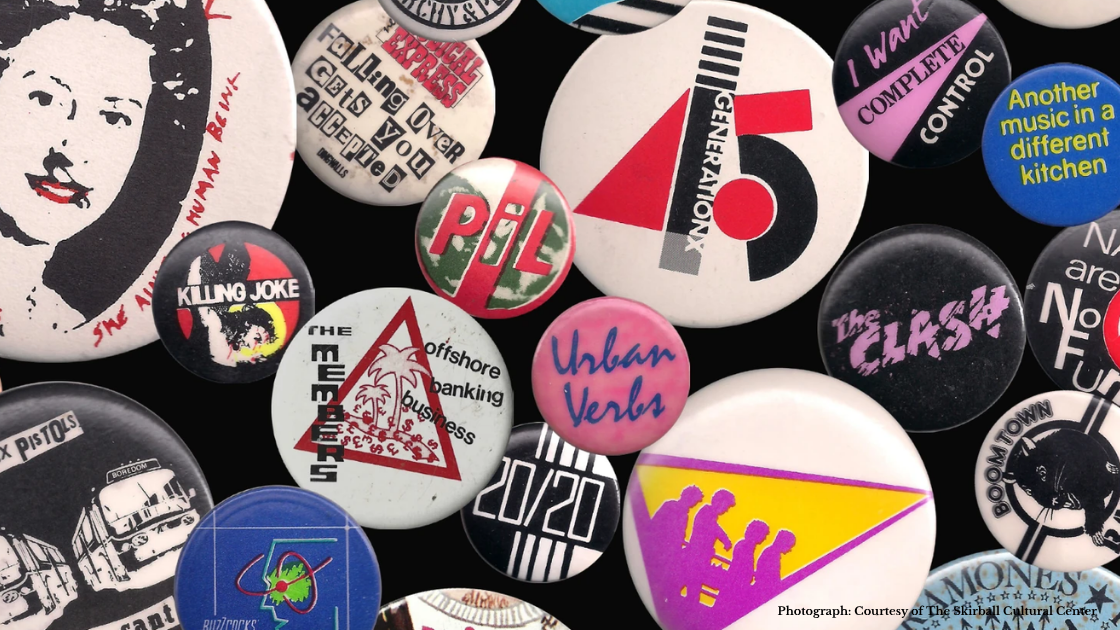
From superhero origins to cultural commentary, this exhibition traces how comic books have shaped American identity. Original artwork and rare artifacts bring beloved characters to life while highlighting the diverse creators behind them.
It’s both playful and insightful, offering a fresh perspective on a medium often underestimated as art.
“Yoko Ono: Music of the Mind” – The Broad
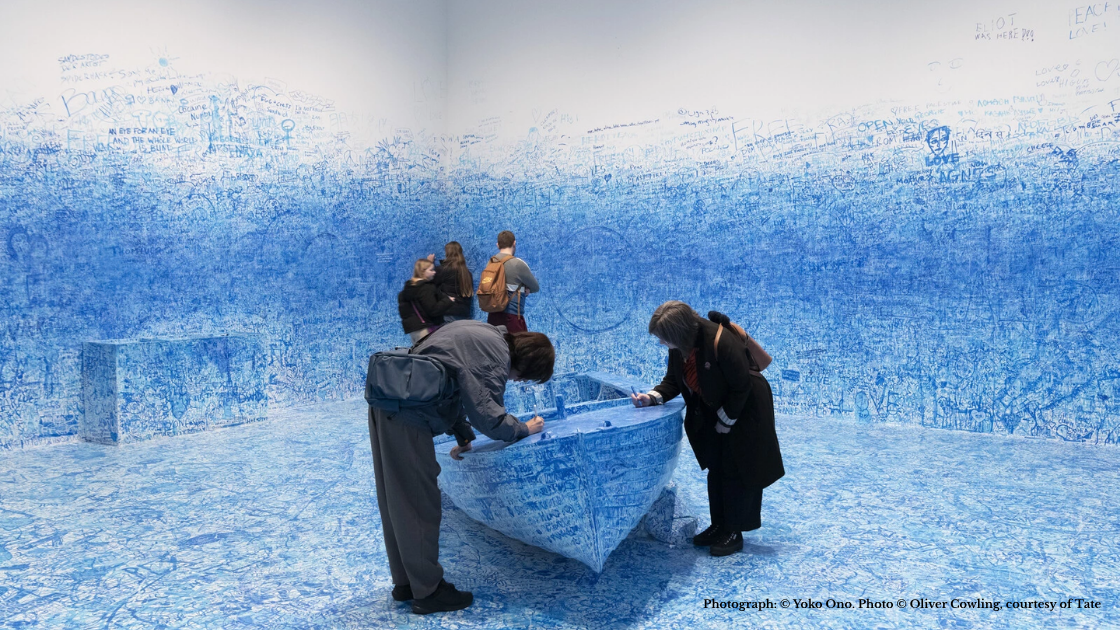
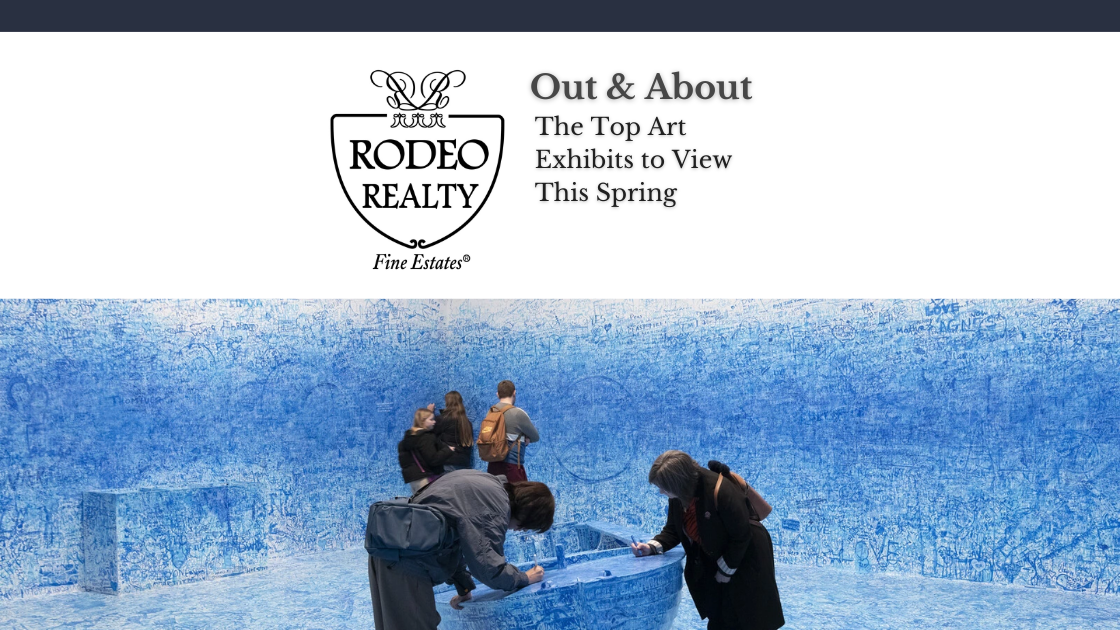
One of the most anticipated shows of the year, this marks Yoko Ono’s first solo museum exhibition in Southern California. Spanning seven decades, the exhibition invites visitors to interact with her work, blurring the boundaries between artist and audience.
From wish trees to conceptual installations, the experience centers on peace, connection, and imagination. It’s a defining highlight of spring art exhibits in Los Angeles.
Dataland – Downtown Los Angeles
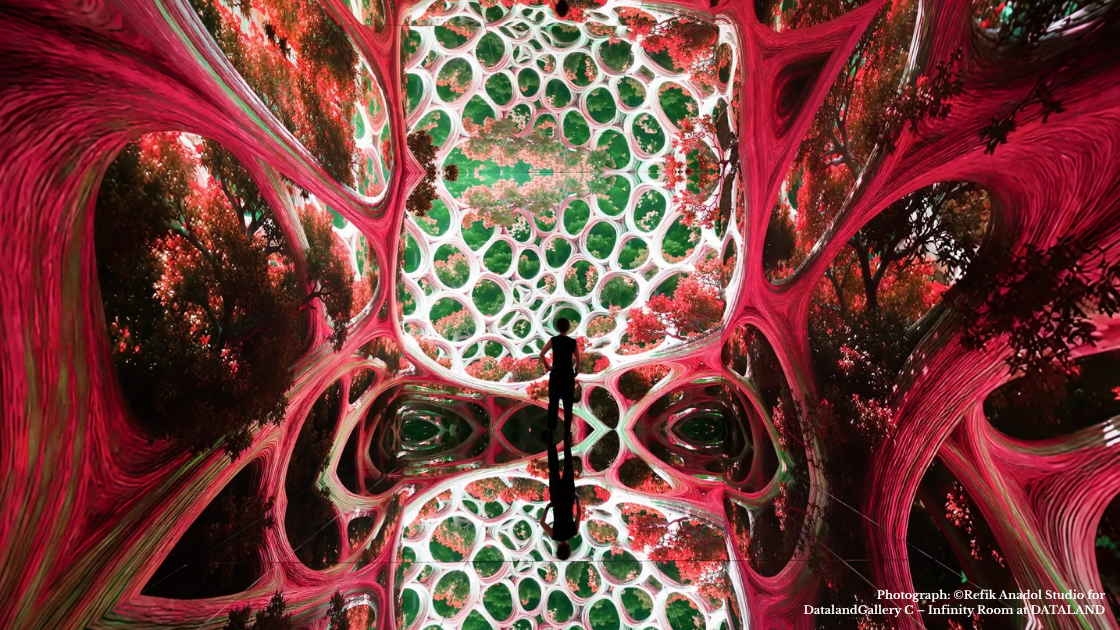
Opening this spring, Dataland introduces a new frontier in art as the world’s first museum dedicated to AI-generated works. Created by Refik Anadol Studio, the space features immersive environments with projections, data-driven visuals, and even AI-generated scents.
It’s futuristic, controversial, and undeniably captivating—a glimpse into what art might become.
From intimate storytelling to large-scale innovation, this season’s spring art exhibits capture the city’s creative pulse at its most dynamic. Whether you’re drawn to history, technology, or pure visual beauty, there’s no better time to step inside and experience it all.