From Google Home to Meta One and More! | Tech News

Wrap up the week with the latest tech and media news from across the web. This week, we are serving up the major headlines keeping the internet abuzz, from third-party AI Agents on Google Home to Meta One and more. Check out what you might have missed in this week’s tech news blog!

Google Home Opens the Door to Third-Party AI Agents
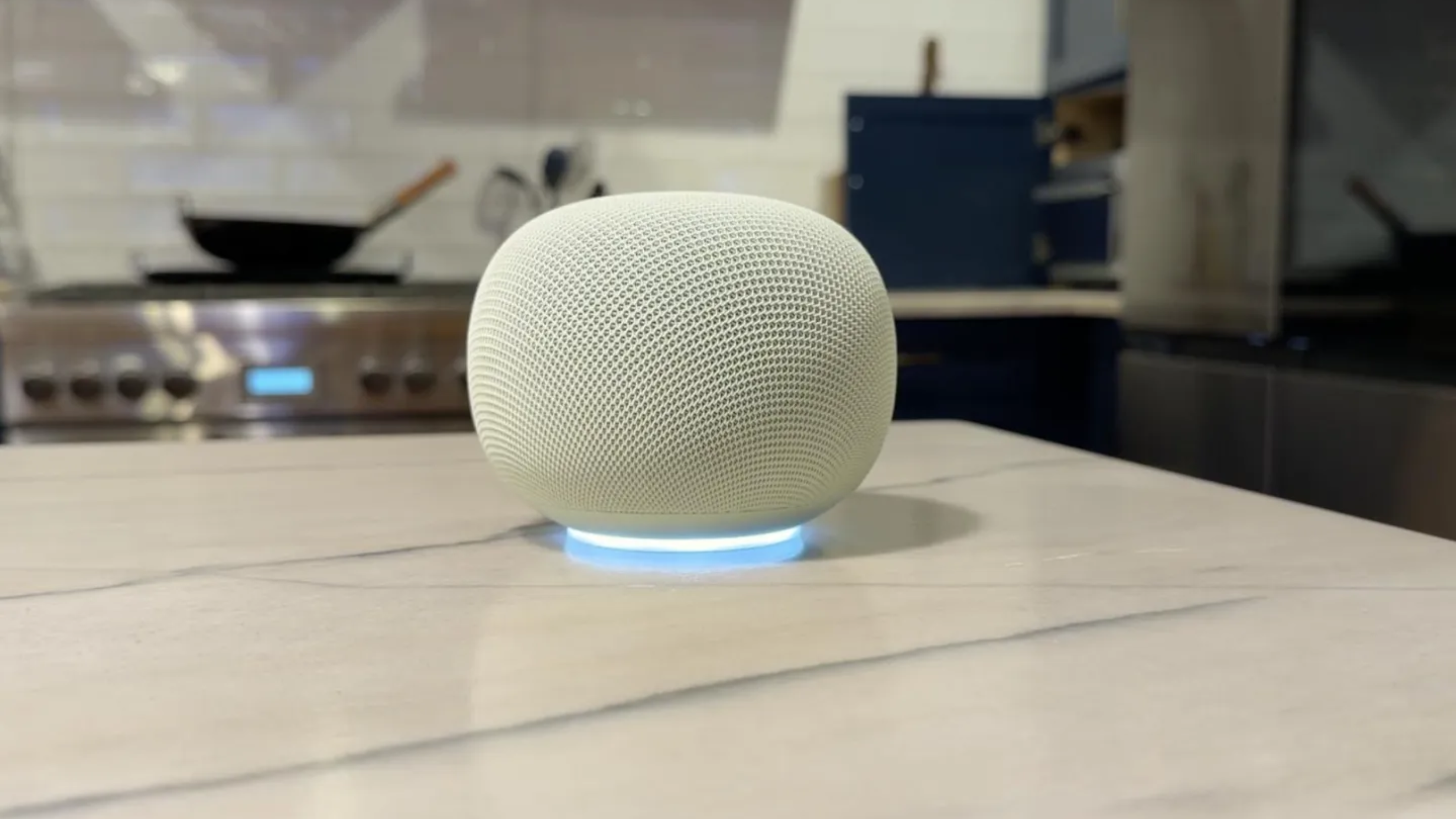
The smart home platform for Google will expand with support for the Model Context Protocol. Google Home will allow third-party AI agents such as Claude to interact with connected devices and household data. The new Google Home MCP can analyze event history, monitor device activity, and build custom dashboards. In addition, Google Home devices can even complete certain smart home tasks on a user’s behalf. Gemini for Home will remain the primary assistant for Google Home. Likewise, the MCP support creates another layer for people who want to use other AI tools with their connected Google Home devices. Access will initially be limited to U.S. Google Home Premium Advanced subscribers. Cost for the premium tier begins at $20 per month or $200 annually. 

Meta Bundles Social Media and AI Into New Subscriptions
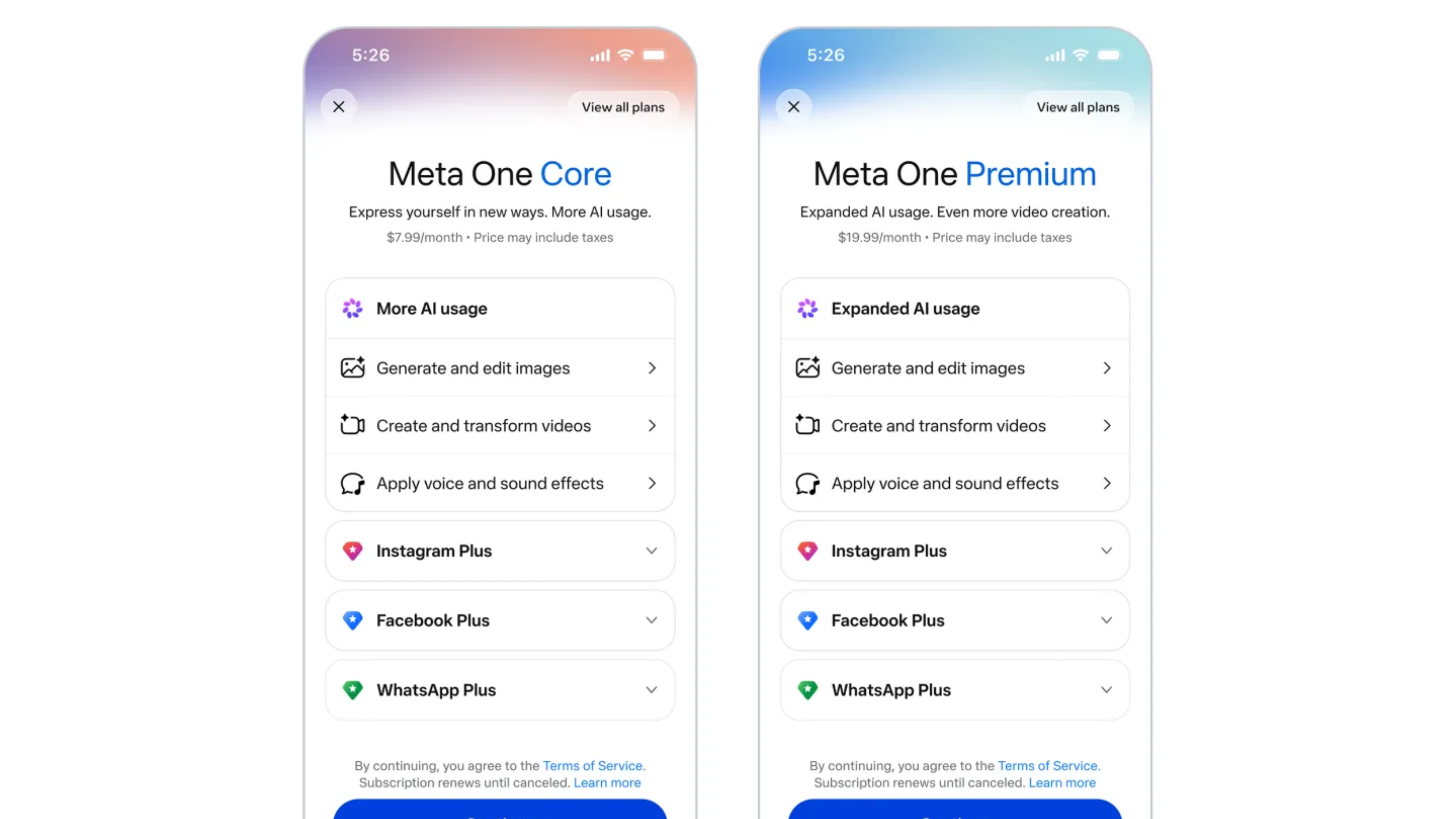
Meta is launching Meta One, a collection of subscription bundles that combine premium features across Facebook, Instagram, WhatsApp, and Meta AI. Individual plans start at $7.99 per month for Core and $19.99 for Premium, offering perks such as longer Instagram Stories and increased access to Meta’s AI-powered image and content tools. Separate packages for creators and businesses range from $14.99 to $499 per month and add features including verified badges, advanced analytics, scheduling tools, impersonation monitoring, and expanded AI business assistance. Meta says the core versions of its social platforms and AI products will remain free, while subscribers gain additional capabilities and higher usage limits. The rollout signals a broader effort to generate recurring revenue from users who want more sophisticated social media, creator, and AI features.

SimpliSafe Lets a Human Guard Watch Your Front Door
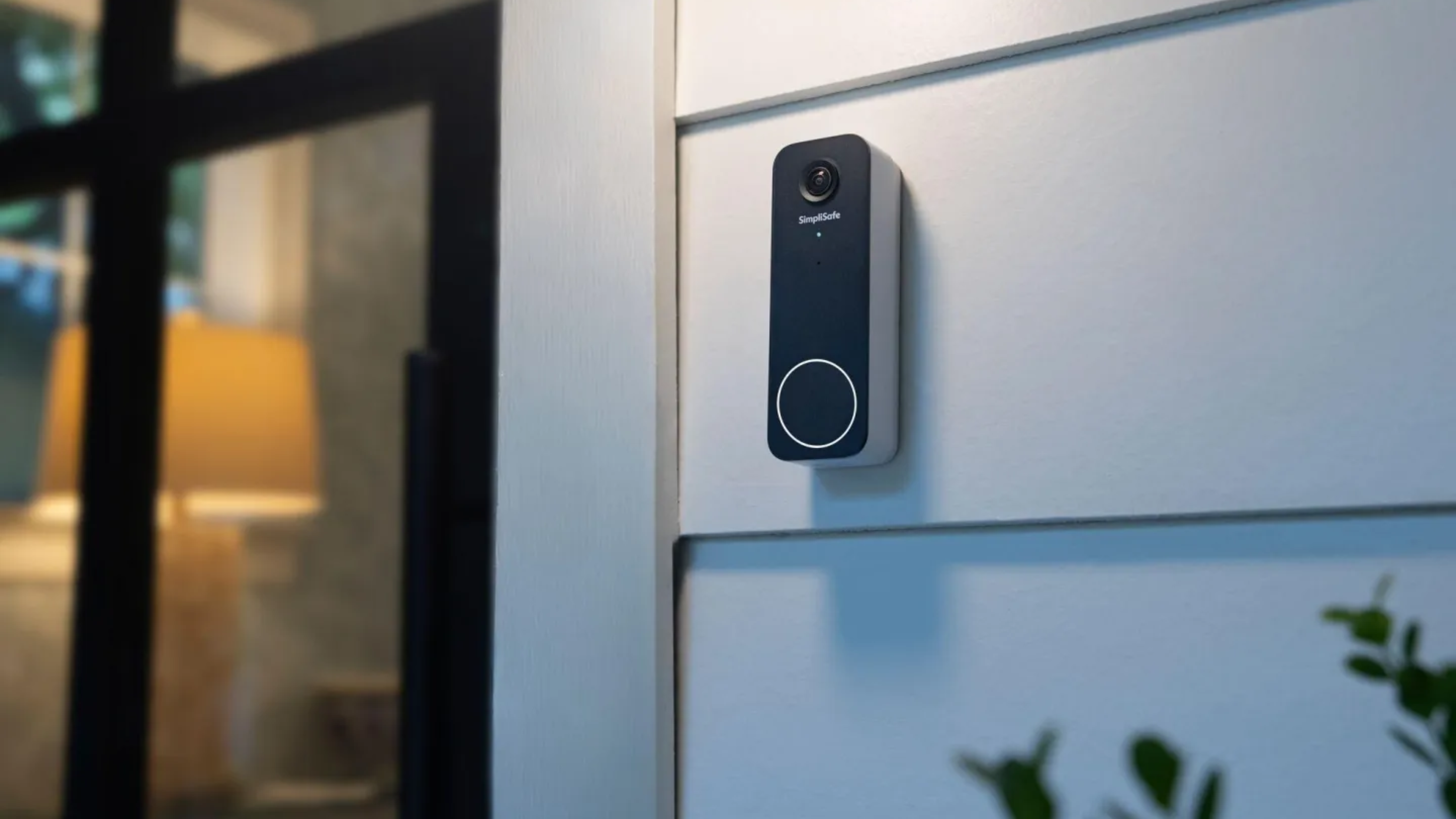
SimpliSafe’s new Video Doorbell Series 2 combines artificial intelligence with live human monitoring. This update allows the device to respond to suspicious activity outside a home. The $199.99 wired doorbell features 2K video, 10x zoom, and a 150-degree head-to-toe view. In addition, it includes two-way audio, package alerts, and a built-in siren. When Active Guard detects potentially concerning behavior, a monitoring agent can access the live feed, speak through the camera, and attempt to deter intruders or package thieves. The service is optional and requires a qualifying monitoring plan starting at $49.99 per month, with color-coded lights showing when either the homeowner or an agent is viewing the camera. By bringing live monitoring directly to the front door, SimpliSafe is pushing smart home security beyond passive notifications and toward real-time intervention.

Voicemod Brings Real-Time Voice Changing to Smartphones
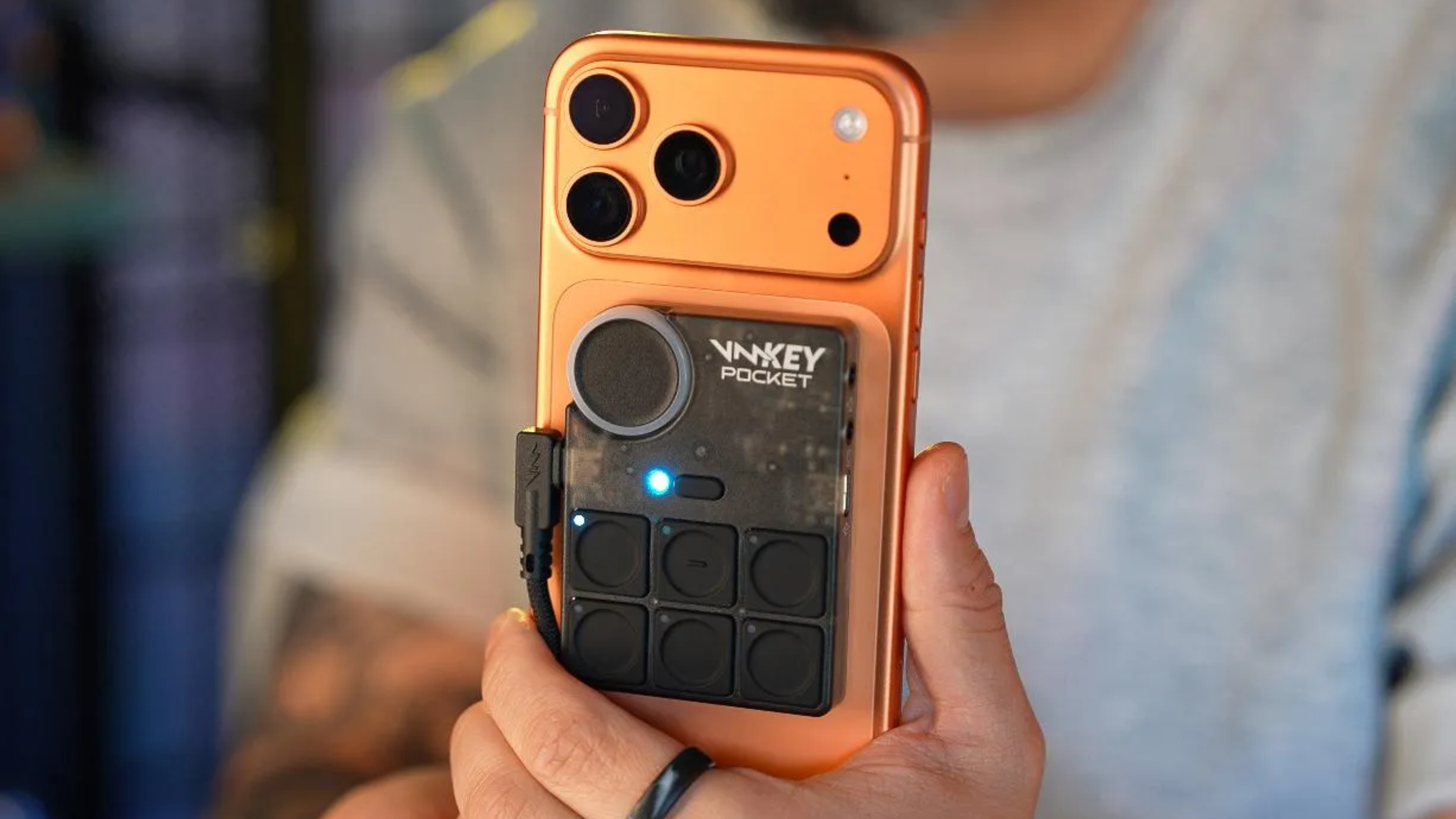
Voicemod is expanding beyond PCs and consoles with the Key Pocket, a compact accessory that lets users alter their voices during mobile games, livestreams, and phone or video calls. The device acts as an external audio bridge, processing sound from a wired or Bluetooth microphone through Voicemod’s mobile app before passing it along to other apps. Six programmable buttons allow users to quickly switch between voice effects or trigger soundboard clips, while a customizable LED dial handles volume and additional controls. The Key Pocket works with USB-C-equipped Android, iOS, and iPadOS devices and is available for $99.90, or $129.90 bundled with a lifetime Voicemod Pro license. That Pro tier unlocks hundreds of official voices, thousands of community-created options, custom voice tools, and cross-platform cloud syncing without an ongoing subscription.

Apple May Be Developing Its Own iPhone Game Controllers
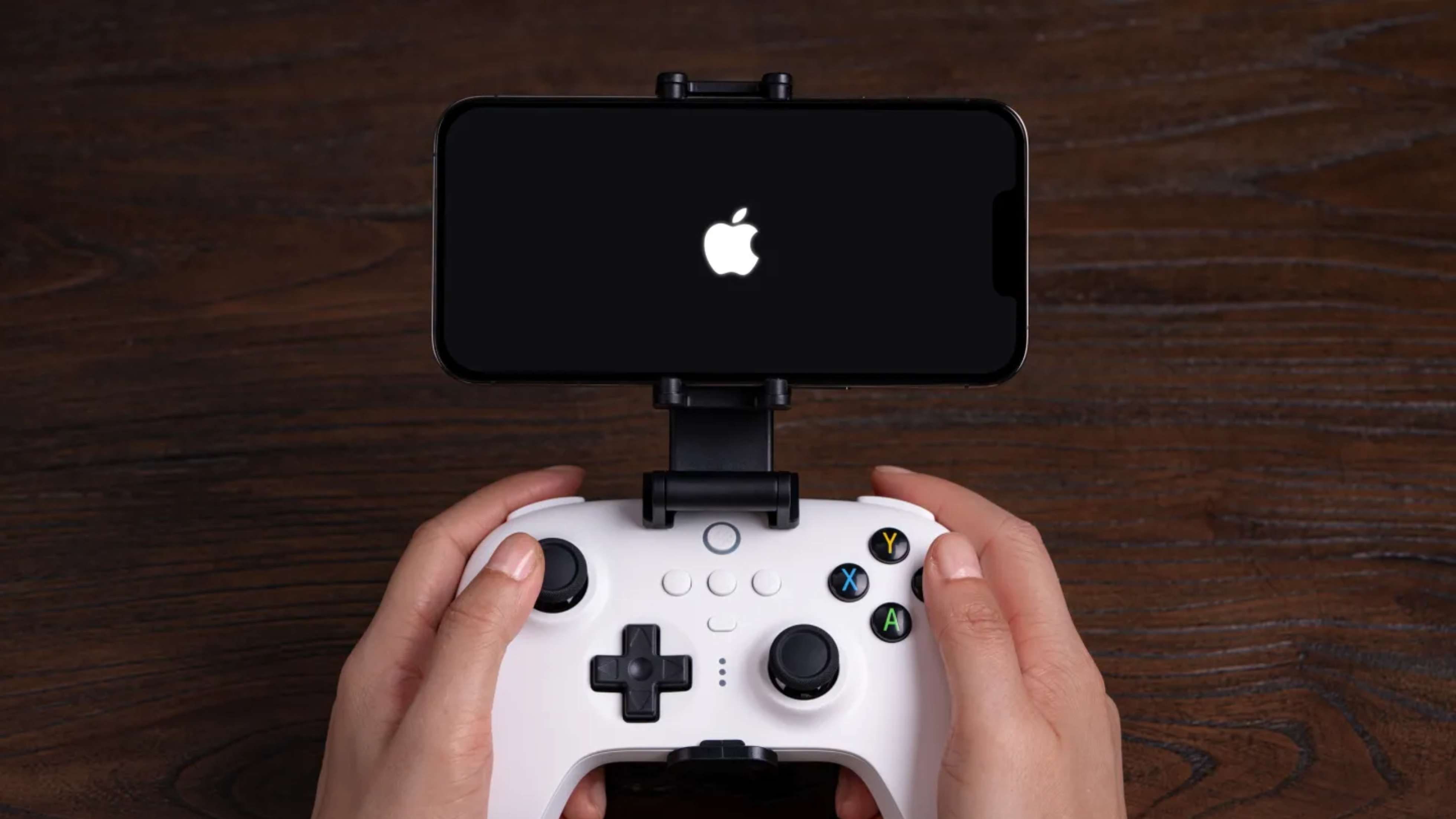
Apple is reportedly working on two game controllers designed specifically for the iPhone. The news potentially gives the company a bigger role in mobile gaming hardware. References to two first-party controllers were recently discovered in macOS code. Bloomberg reports that the accessories are being developed for iPhones rather than Macs. The products are expected to be led by Apple’s Beats division. This development could allow the company to experiment with more affordable gaming accessories without positioning them as premium Apple-branded hardware. Beats has already expanded into categories such as iPhone cases and cables. Likewise, making a controller would be a logical extension of the brand’s accessory lineup. If released, the devices could strengthen Apple’s gaming ecosystem.

Meta’s Project Phoenix Could Blur the Line Between Glasses and VR
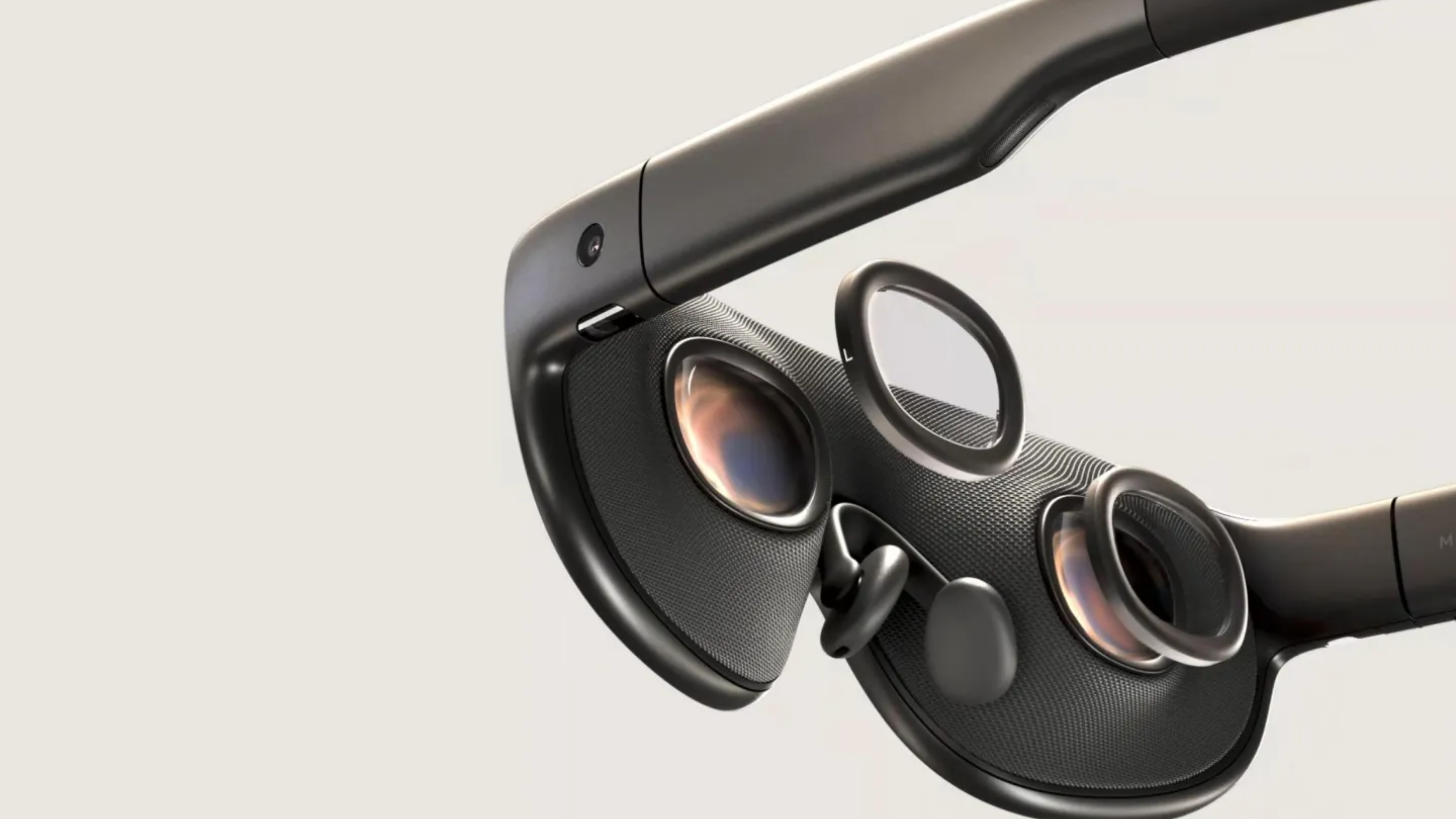
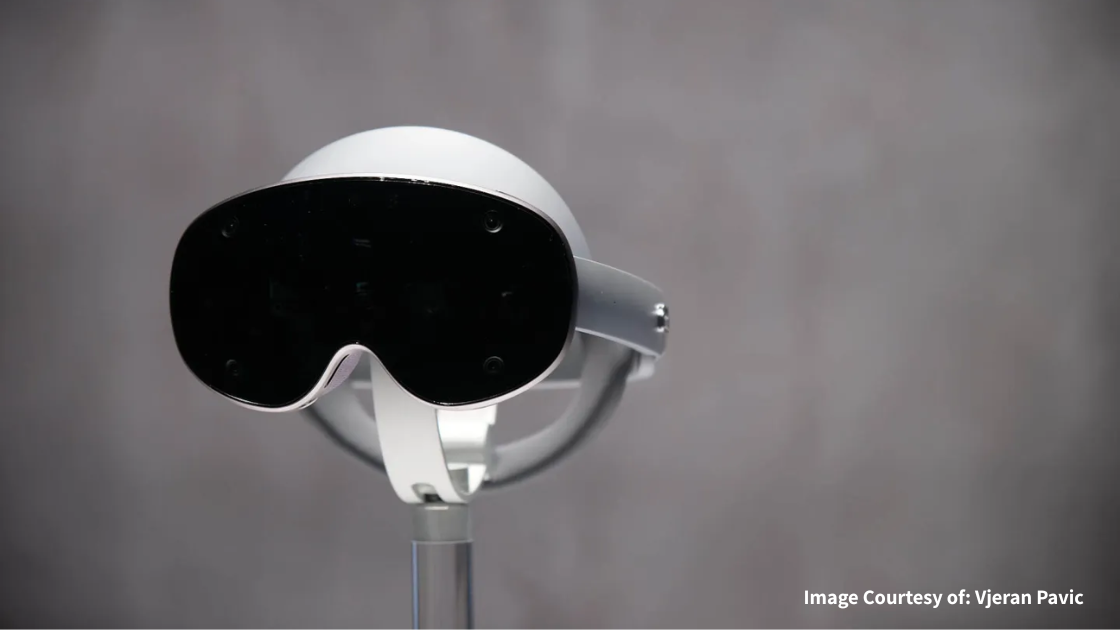
A possible leak is offering an early look at Meta’s Project Phoenix. The slimmer mixed reality headset is expected to launch next year. Images reportedly discovered inside Meta software show a device with a glasses-style frame. The device is considerably smaller than a Quest headset but more substantial than the company’s Ray-Ban smart glasses. The design appears to include outward- and downward-facing cameras. In addition, it includes a cable that may connect the glasses to an external battery or computing unit. That approach would place Project Phoenix closer to lightweight XR devices. Of course, companies such as Xreal and Viture already offer this change from traditional virtual reality headsets. Meta Connect is scheduled for September 23. Of course, the leak provides another clue about how the company may be trying to make immersive computing easier to integrate into everyday life.

From an LCD Timex to the Metaverse and More! | Tech News

From an LCD Timex to the Metaverse and more, we have you covered on the top stories in the world of tech. Stay connected to what’s happening this week from across the web with our round-up. Check out this week’s tech news blog!

Timex Reissues Its First LCD Watch — Retro, Simple, and Water-Ready

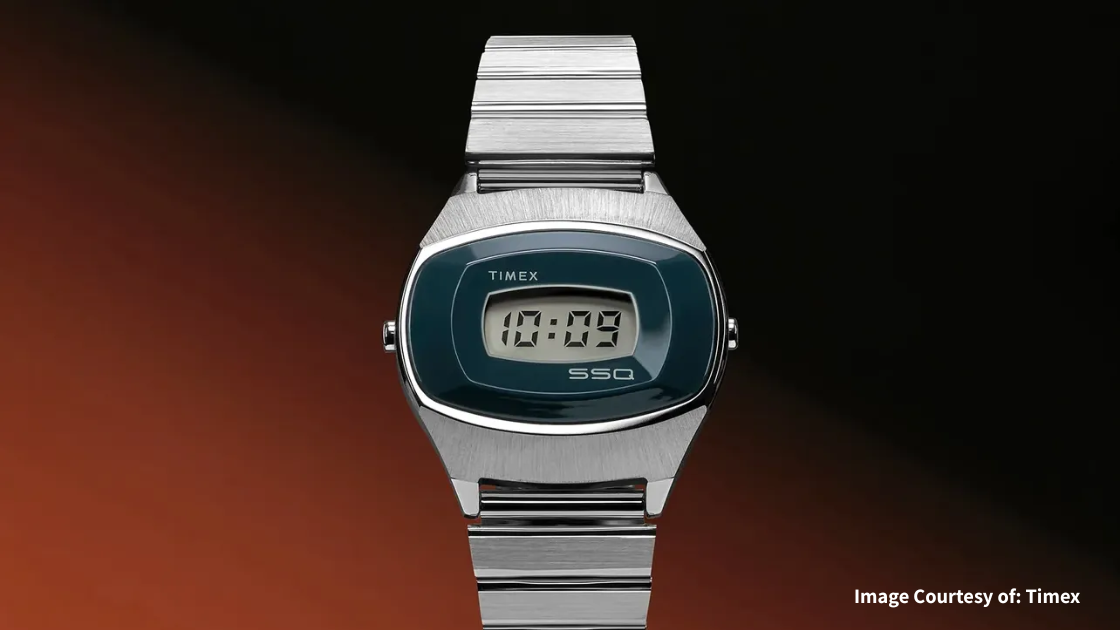
Timex brought back the SSQ Digital Reissue, a modern take on the brand’s first low-power LCD watch from 1975. The beloved Timex timepiece combines retro styling with updated materials and slightly modernized controls. The reissue keeps the minimalist functionality that made the Timex original practical. Likewise, there are updates, like adding a recycled stainless-steel case. In addition, the watch features water resistance to 50 meters and a revised button layout for an easier time setting. Price positioning and limited availability mean it’s targeting Timex collectors and design fans. It’s a neat reminder that nostalgia can be productized thoughtfully when designers respect the original’s charm. For anyone who values analog simplicity more than smartwatch bells and whistles, the “new” Timex is a handsome, affordable collectible. 

Meta’s Metaverse Push: Horizon Worlds, Mobile, and Social Experiments

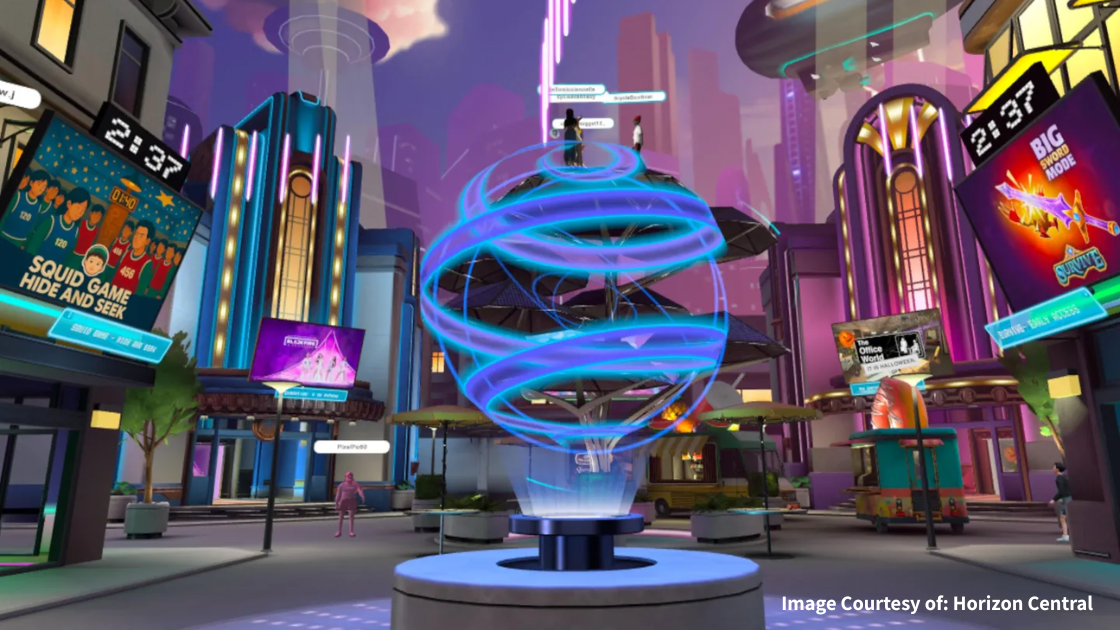
Meta continues pushing Horizon Worlds and related metaverse experiments toward more social and mobile use cases, rethinking how virtual spaces fit into everyday social apps and casual discovery. The company is testing lighter experiences that can live on phones as well as headsets, aiming to lower the barrier to entry and let more people experience “virtual” social moments without heavy hardware. Meta frames these experiments as iterative user research—pop-ups, mobile pilots, and creator incentives—to learn what people actually find meaningful in shared virtual spaces. Critics still note that mainstream adoption remains a long haul, but Meta’s strategy is shifting from a monolithic vision to a collection of smaller, testable products. The takeaway: Meta wants the metaverse to be more social and less sci-fi-exclusive, at least in its roadmap. 

Samsung Leak Teases Android XR Headset “Project Moohan” Ahead of Launch

Leaks suggest Samsung’s upcoming Android XR headset—codenamed Project Moohan—will appear soon with a focus on mobile-grade optics, improved comfort, and system-level integration with Android XR APIs. The prototype details indicate Samsung is targeting a balance between consumer comfort and developer accessibility, likely emphasizing lightweight design and compatibility with broader Android ecosystems. If true, Moohan could accelerate XR app development by offering another mainstream, Android-compatible headset that’s easier for creators to target. Of course, leaks are provisional—official specs and launch timing will determine whether Samsung’s entry reshapes the market or lands as another iterative headset. For developers and XR fans, it’s a promising sign that major OEMs are still investing in spatial computing. 

OneDrive’s New Windows App Brings an AI Photo Agent and Copilot Features

Microsoft updated OneDrive for Windows with a refreshed app shell and an AI photo agent that helps surface moments, auto-tag images, and offer Copilot-style photo edit suggestions directly inside the file experience. The revamp aims to make OneDrive less of a passive backup and more of an assistant that organizes, summarizes, and helps you act on your files—particularly photos and videos—without leaving Windows. Integration with Copilot features means you can ask natural-language questions about your library and get curated results or edits, speeding common tasks like creating albums or finding a specific screenshot. Microsoft also emphasized privacy controls and local indexing to keep the experience responsive and secure. For Windows users who already rely on OneDrive, the update turns storage into a more proactive productivity tool. 

Dia Browser Leaves the Invite Queue — Now Available on Mac

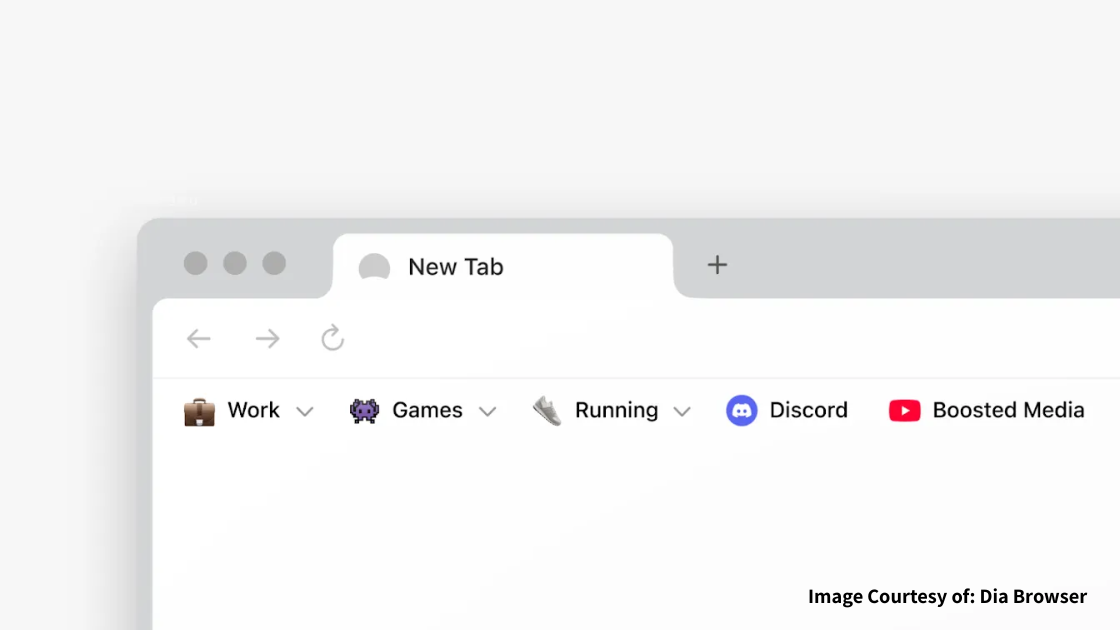
The Browser Company released Dia for macOS without an invite requirement, letting more users test its spatial, note-centric browsing model that treats links, tabs, and notes as parts of a single workspace. Dia aims to reframe browsing from a linear tab list into a visual canvas where research, writing, and tab triage are more naturally organized and searchable. The Mac release broadens access for creators and knowledge workers who want an alternative to traditional tab chaos, and it includes collaborative features that map to group research workflows. While still early-stage, Dia’s approach is resonating with users who juggle complex projects and need a less fragmented window-management model. Expect further feature polishing as the team learns from broader usage patterns. 

Verizon Acquires Starry to Expand Fixed Wireless and mmWave Reach

Verizon agreed to buy Starry in a deal that layers Starry’s fixed-wireless assets and local broadband operations into Verizon’s broader home and wireless strategy—especially as mmWave and fixed wireless access remain important parts of last-mile competition. The acquisition gives Verizon localized network reach and customer relationships in markets where Starry already had a footing, and it signals continued interest in blended wired/wireless broadband models. For consumers, the deal could mean more options for last-mile connectivity in dense urban pockets and faster rollouts of higher-speed plans. Regulators and competitors will watch how Verizon integrates Starry’s assets, but strategically it’s a clear push to broaden retail broadband offerings without relying solely on fiber builds. 

iOS 26 Adds a Setting to Keep AirPods Connected During CarPlay Sessions

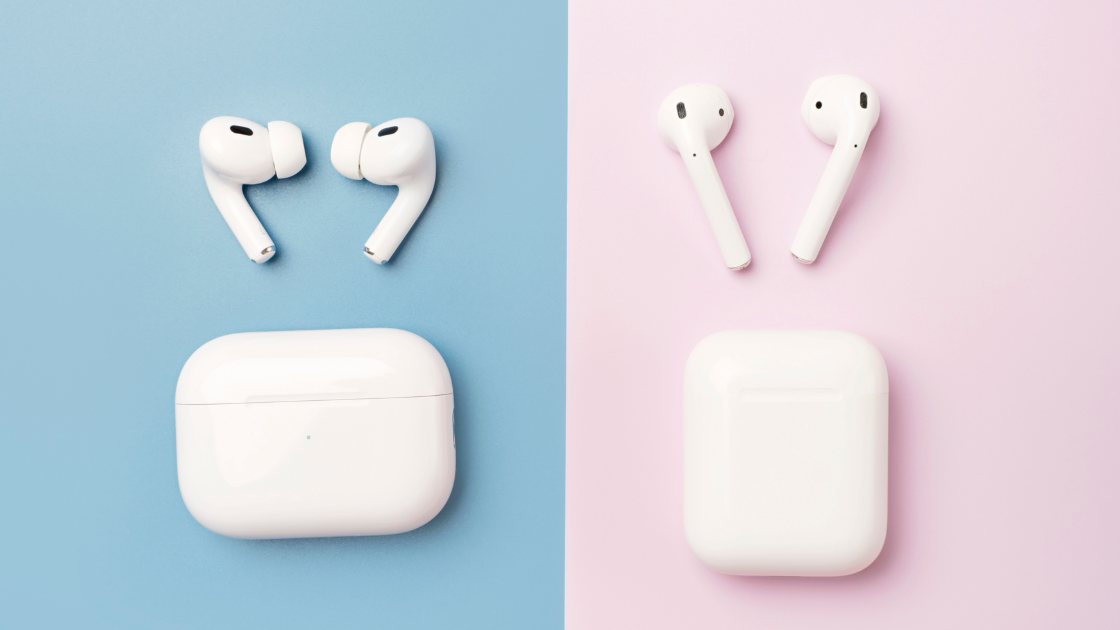
Apple’s iOS 26 introduces a new option that prevents CarPlay from taking over audio output and disconnecting AirPods or other wireless headphones when you connect to a vehicle’s infotainment system. The toggle is a small but meaningful quality-of-life fix for users who frequently move between phone and car audio and prefer to keep private listening during calls or navigation. Apple’s update shows continued attention to subtle cross-device interactions—areas where tiny UX choices make daily device use much less frustrating. It’s one of those fixes that will quietly please commuters and families who juggle multiple audio devices. Expect the setting to appear in the next public iOS release and for CarPlay behavior to become more predictable as a result.

From DALL-E to Oura Updates and More! | Tech News

In the fast-paced world of tech and media, keeping up with the latest trends is essential. Stay connected on the latest from DALL-E to Oura Updates and more. Whether you’re a tech lover, a media expert, or just curious about the latest news, join us. We’ll dive into the innovations and challenges shaping technology and media today.

White House Orders NASA to Establish Time Standard for Lunar Operations

On Tuesday, the White House tasked NASA with developing a unified time standard for the moon and beyond, a move seen as the U.S. seeking to establish international space norms amidst intensifying global and corporate lunar exploration efforts. The directive from the White House Office of Science and Technology Policy (OSTP) aims for NASA to collaborate with U.S. governmental entities to outline a plan for a Coordinated Lunar Time (LTC) by the end of 2026. This initiative responds to the unique temporal dynamics on the moon, influenced by its different gravitational forces, necessitating precision for lunar missions. OSTP highlighted the need for a lunar time standard due to the significant time drift experienced by Earth-based clocks on the moon, underlining the importance of synchronization for future lunar exploration and the potential establishment of a lunar base under NASA’s Artemis program. 

ChatGPT Now Integrates DALL-E for Image Editing Capabilities

OpenAI has introduced new features to its third-generation DALL-E, enhancing its AI-generated image creation capabilities within ChatGPT for both web and mobile users. The update includes image editing tools and preset style suggestions, such as woodcut, gothic, synthwave, and hand-drawn, to spark creativity and assist users in starting their projects. This integration simplifies the process by allowing users to verbally describe their desired image to ChatGPT, which then utilizes DALL-E to generate and refine the output directly within the interface. Additionally, OpenAI is addressing concerns about trust in AI-generated images by implementing visible watermarks and metadata to indicate AI authorship, although challenges remain with the potential removal of these markers. These updates aim to make DALL-E more accessible and user-friendly, encouraging even those with minimal experience to explore their creativity while also tackling the important issue of trust in AI-generated content.

Google Introduces Keyboard Shortcuts and Customizable Mouse Buttons in ChromeOS

Google has released an update for ChromeOS, known as M123, enhancing its functionality with customizable keyboard shortcuts and mouse buttons, along with hotspot connectivity for cellular-enabled Chromebooks. This update, part of Google’s April enhancements, also includes improvements and fixes for Pixel Watches and Pixel phones from model 5A onwards. Users can now reassign keyboard keys and mouse buttons for more personalized or one-handed navigation, mirroring the flexibility found in other operating systems like macOS. Additionally, ChromeOS now supports per-app language settings for Android applications and boasts improved natural-sounding offline text-to-speech voices. These features are being gradually rolled out to users. For Pixel Watch users, Google introduced a feature similar to Apple’s Taptic Time, allowing time indication through vibration, and improved the auto-brightness adjustment clarity. The Pixel phone update resolved several issues, including camera stability and exposure reset problems, as well as a biometrics bug causing a black screen upon unlocking.

Oura Tests New Feature for Early Detection of Health Changes

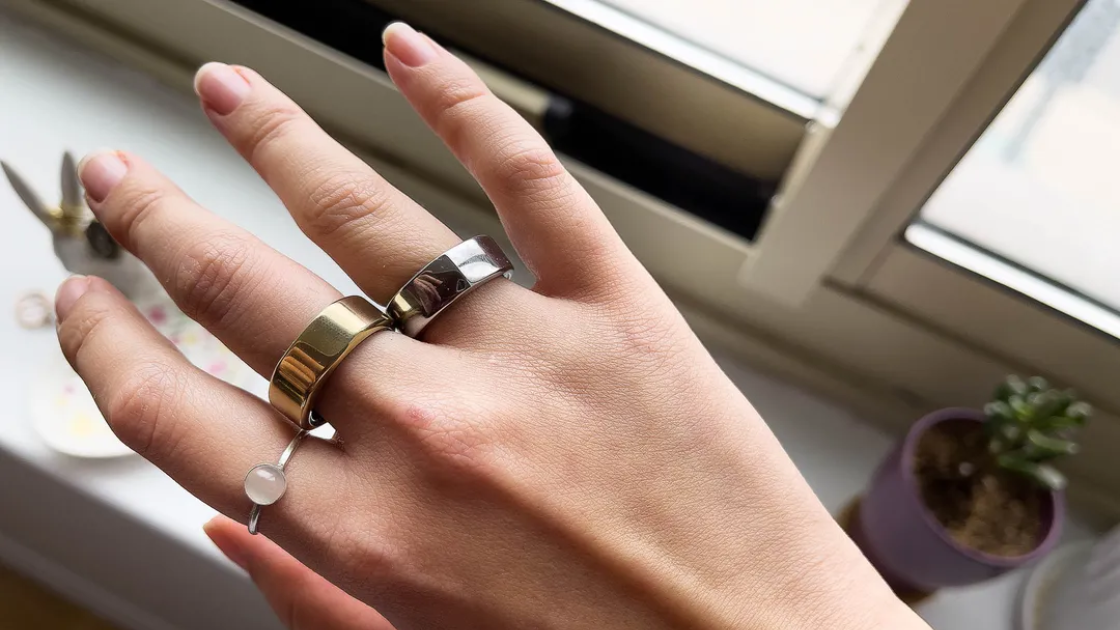
The Oura Ring introduces an innovative addition, Oura Labs. The feature offers users the chance to engage with experimental functionalities. The first of these is dubbed Symptom Radar. This feature is designed to identify early indicators of physiological stress, tracking anomalies in biometric data such as temperature and heart rate variability, rather than directly diagnosing illnesses. Symptom Radar’s alerts prompt users to consider reducing their daily activity or engaging Rest Mode to facilitate recovery from various stressors, ranging from intense exercise to inadequate sleep. Oura emphasizes that while Symptom Radar aids in interpreting bodily signals for wellness enhancement, it does not serve as a medical diagnostic tool. This likewise helps in avoiding the need for FDA approval. 

Negotiations Intensify Between Paramount and Skydance

In an evolving media landscape, Paramount is seeking new opportunities amid shifts towards ad-supported streaming. The company is engaging in talks with major players like Warner Bros. Discovery, Skydance Media, Apollo Global Management, and Byron Allen. These discussions, including a potential partnership with Comcast’s Peacock, showcase Paramount’s ambition to grow and innovate. The interest in collaborations hints at Paramount’s strategy to enhance its assets. These assets of course being Paramount Plus, Pluto TV, and CBS stations. Skydance, led by David Ellison, is interested in a significant stake in National Amusements, Paramount’s parent company. This interest underlines the value and potential growth of Paramount’s portfolio. 

Tech News: Autonomous Delivery Vehicles

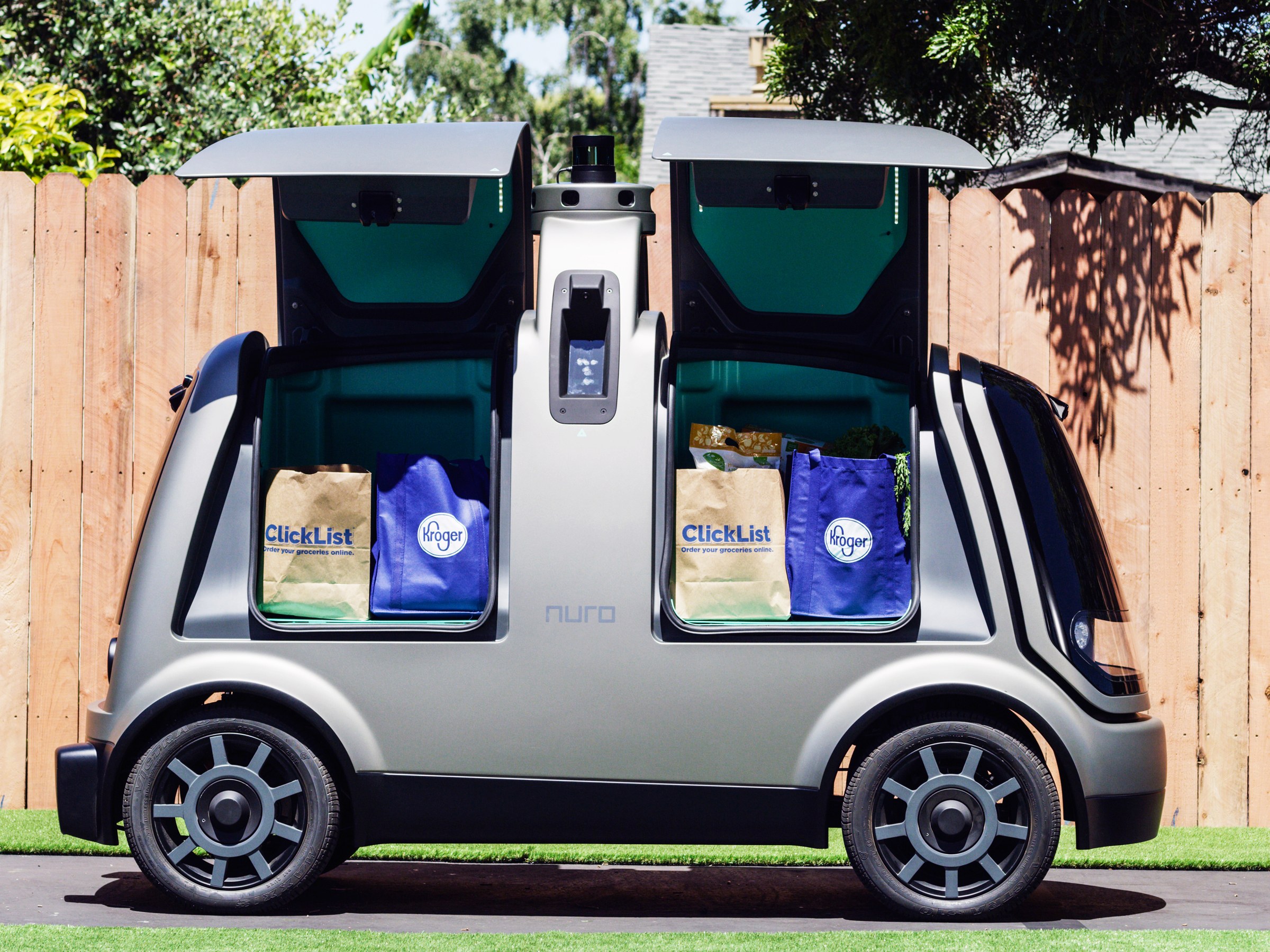
Autonomous Delivery Vehicles Authorized For Commercial Use In California

Are you ready to be stuck in traffic behind armies of autonomous delivery robots? If you live in California, you can have all your online orders delivered by autonomous delivery robots. Starting January 17, California’s Department of Motor Vehicles will start approving permits for self-driving delivery vehicles. These permits allow for testing and commercial use. There are separate permits for vehicles with and without backup drivers.

“The adoption of these regulations means Californians soon could receive deliveries from an autonomous vehicle provided the company fulfills the requirements” DMV Director Steve Gordon said.

The requirements for testing with a driver include certifying that the vehicles have been tested in controlled conditions, maintaining a training program for test drivers, and ensuring that the drivers have a clean record and are capable of taking over manual control.

Requirements for driverless testing include certifying Level 4 or 5 autonomous capability, having a remote operator, and having a “law enforcement interaction plan” among other things.

This comes after Waymo and other AV companies urged the state’s DMV to allow autonomous delivery vehicles at a hearing earlier this year. Just over a year ago, Waymo got the first permit from the state to test driverless vehicles without a backup driver.

What happens if you get into a wreck with an autonomous delivery vehicle? Do you just sharpie your insurance information on the damaged part of the vehicle? No word yet, but the delivery company should have all the video data they need to protect themselves.

Real Estate Technology Today

New technology is churned out constantly all over the world. When owning a business, you want to be sure to stay on top of understanding all of the new technology as it releases. This helps your business remain innovative, and run efficiently. The term used to describe any technology in the real estate space is PropTech.  PropTech encompasses the application of information technology and platform economics to real estate markets. Check out our tech list below to stay up to date with all the new cutting-edge real estate technology and software.

  • Blockchain

Blockchain technology now allows transactions to be made securely and transparently. A growing list of records, called blocs, are linked using cryptography. Each block contains a cryptographic hash of the previous bloc, a timestamp and transaction date. Blockchain is resistant to modification of the data. This technology is catalyzing real estate! A large number of software is available to help you grow your real estate business, including Mata Capital, TruSet and Imbrex.

  • HomLov

Launched last summer, this site has marketed itself as “Pinterest Meets Houzz” and uses AI to help people find newly built homes around the country based on their preferred design features.  Shoppers can view videos, photos and floor plans and from there can add whatever entices them to their collection. Once shoppers choose their favorite features, HomLov creates a profile and then marches shoppers with a growing network of home builders.

  • Virtual and Augmented Reality

Through virtual reality, realtors and agents can now provide virtual tours that offer 360-degree views of the exteriors and interiors of properties. AR technology can allow you to virtually stage listings so you can make changes to the look and feel of a home on the spot by superimposing computer-generated images on a virtual simulation of the space. Apps like Magicplan, Home Design 3D, and IKEA Place are changing the way buyers interact with properties.

  • Big Data and Predictive Analytics

If you want a competitive advantage within the industry, begin incorporating data and analytics into your business. Buyers don’t always know what they want until they see it, which is why relying on client’s search criteria isn’t necessarily the most effective way to find their dream home. Realtors and agents can optimize searches, so results are based on clients’ needs instead of their assumptions, by using predictive analysis. Companies like SmartZip, RealAgile, and Revaluate obtain from a large quantity of public and private data to help you tailor your marketing campaigns to individuals who have the highest probability of selling or buying.

  • Artificial Intelligence and Chatbots

Chatbots or virtual assistants can answer queries and ask relevant questions that will help you get to know customers (and their needs) ahead of time. By using virtual assistants, you can take the stress out of qualifying and following up with leads. In turn, this leaves you time to focus on additional important tasks for growing your business!


Tesla Unveils New Version of Their Solar Panel Roof

Tesla Unveils New Version of Their Solar Panel Roof

For the past three years, Elon Musk’s vision for a fully-integrated solar panel roof has been delayed repeatedly. Tesla encountered some production issues at the beginning. Then, of course, aesthetic issues came into the play. Now, Tesla is unveiling a third iteration of its solar roof tiles, and this time the company believes it has a winner.

The new Tesla Solar Roof features dark tempered glass shingles. These innovative shingles are bigger, cheaper to produce & install, have fewer parts, and can capture more energy than previous versions. “We changed some of the materials in use, changed some of the methods, and the technology we are using to something that is more scalable” Musk explained on a recent conference call, as reported by PV Magazine.

The aesthetics remain more or less similar to that of their competitors—steely gray rectangles that sit flush with the roof. The upside, Musk claims, is that the install time has been vastly reduced by the tiles’ increased simplicity. The goal is to complete a roof install in just eight hours. The tiles will come with a 25-year warranty.

For now, Tesla is exclusively offering the dark gray version of the solar roof. However, Musk announced the company is aiming to roll out new and improved versions of the other roof styles they have teased. This includes a Mediterranean Clay roof in six to nine months! The website estimates that a 10kW solar roof for a 2,000-square-foot house will cost $33,950 when factoring in federal tax credits.

“We can make roofs come alive” Musk stated on the call, as reported by PV Magazine. “There are all these roofs out there just gathering sunlight, but not doing anything with it. In the future it will be odd for roofs to be dormant, or dead, or not gathering energy.”

The company expects to start rolling these new roofs out in the coming weeks. Stay tuned!