From Xreal’s New AR Glasses to the Starlink Mini and More! | Tech News

From xReal’s New AR Glasses to the Starlink Mini and more, the world of tech is buzzing with major news and moves. Stay connected with what’s happening from across the web in our weekly round-up. This week’s tech news spotlights product drops, social media updates, and the ever-growing world of AI.

Halide Mark III Turns the iPhone Into a More Intentional Camera
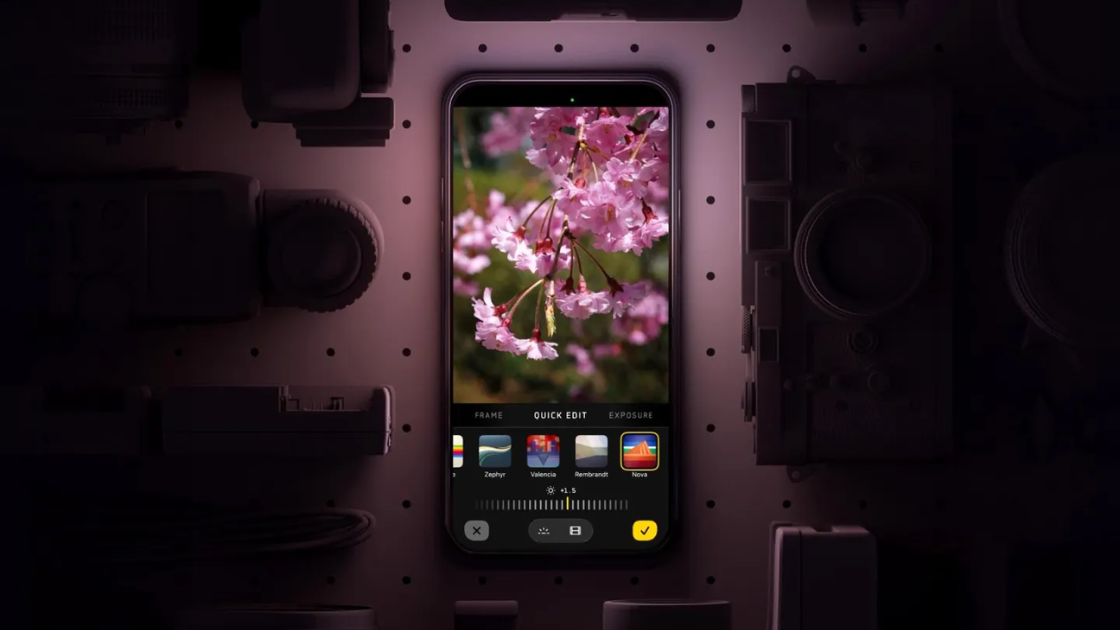
The latest version of the Halide camera app is leaning hard into a growing backlash against overly processed smartphone photography. Halide Mark III introduces new film-inspired “Looks,” upgraded RAW editing tools, and a redesigned interface aimed at photographers who want more natural and intentional images. The app now supports editing RAW files from cameras made by Sony, Nikon, Canon, Fujifilm, Leica, and more, expanding its role beyond mobile photography. Developers at Lux Optics say the goal is to make iPhone photography feel more tactile and less algorithmically polished. In a world saturated with AI-enhanced images, there is suddenly real demand for photos that feel imperfect, textured, and human again. The camera app race is no longer just about sharper pictures; it is about restoring personality to digital photography.

Meta Pushes Subscriptions Across Facebook, Instagram, and WhatsApp

Meta is expanding its subscription ambitions with new premium tiers across Facebook, Instagram, and WhatsApp. The plans offer enhanced story tools, expanded customization, premium stickers, and increased access to Meta AI features like image and video generation. The rollout signals a broader shift happening across social media platforms as companies search for revenue streams beyond advertising alone. Instead of relying entirely on mass audiences, platforms increasingly want paying users who subscribe to advanced tools and exclusive experiences. Meta is also experimenting with higher-tier AI subscriptions designed for creators and businesses that rely heavily on generative tools. Social media is gradually evolving from free public squares into layered ecosystems with premium digital memberships.

xTool Wants to Turn Home Crafting Into a Mini Manufacturing Studio
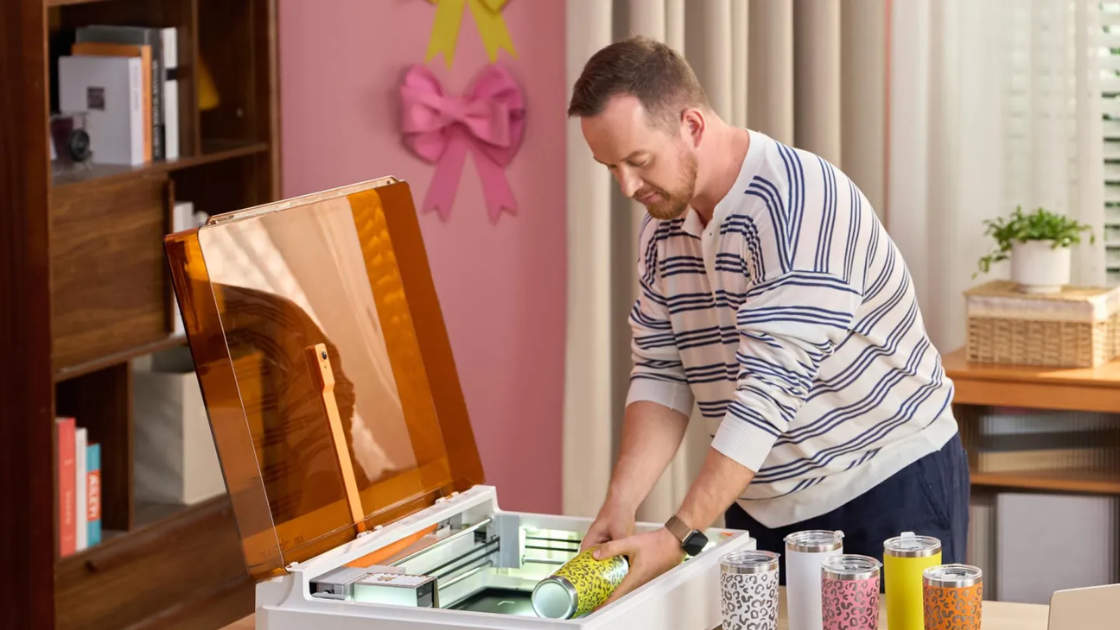
The new xTool M2 Color Craft Laser combines printing, laser cutting, and engraving into a single desktop machine aimed at hobbyists, creators, and small business owners. The device supports CMYK inkjet printing alongside precision laser cutting, allowing users to produce stickers, custom packaging, engraved products, and personalized crafts from home. AI-assisted material detection automatically adjusts settings based on what the machine identifies, lowering the learning curve for beginners. As creator-driven commerce continues growing, products like this blur the line between crafting and small-scale manufacturing. The rise of Etsy shops, custom merch brands, and home-based side businesses has created demand for tools that feel industrial but accessible. The modern creator economy increasingly looks like a distributed network of miniature production studios.

YouTube Expands AI Labels for Shorts Content
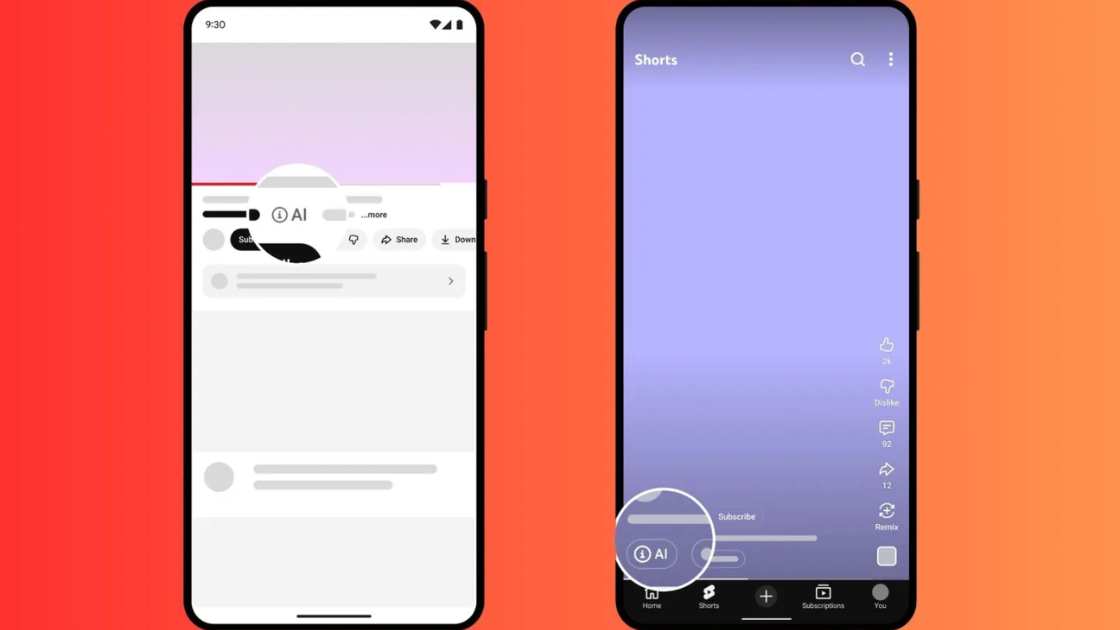
YouTube is expanding automatic AI labeling tools for Shorts videos in an effort to improve transparency around synthetic and altered media. The platform says labels will help users identify when generative AI tools have significantly modified content, particularly for realistic-looking videos. As AI-generated media becomes more sophisticated, platforms are under growing pressure to distinguish authentic footage from manipulated content. The challenge is balancing creative freedom with public trust, especially as short-form video continues dominating online attention. These labels represent one of the clearest signs that AI-generated content is becoming normalized enough to require its own disclosure infrastructure. The future internet may not divide content into “real” and “fake,” but rather into “human-made,” “AI-assisted,” and everything in between.

Xreal’s New AR Glasses Aim for Mainstream Wearable Appeal
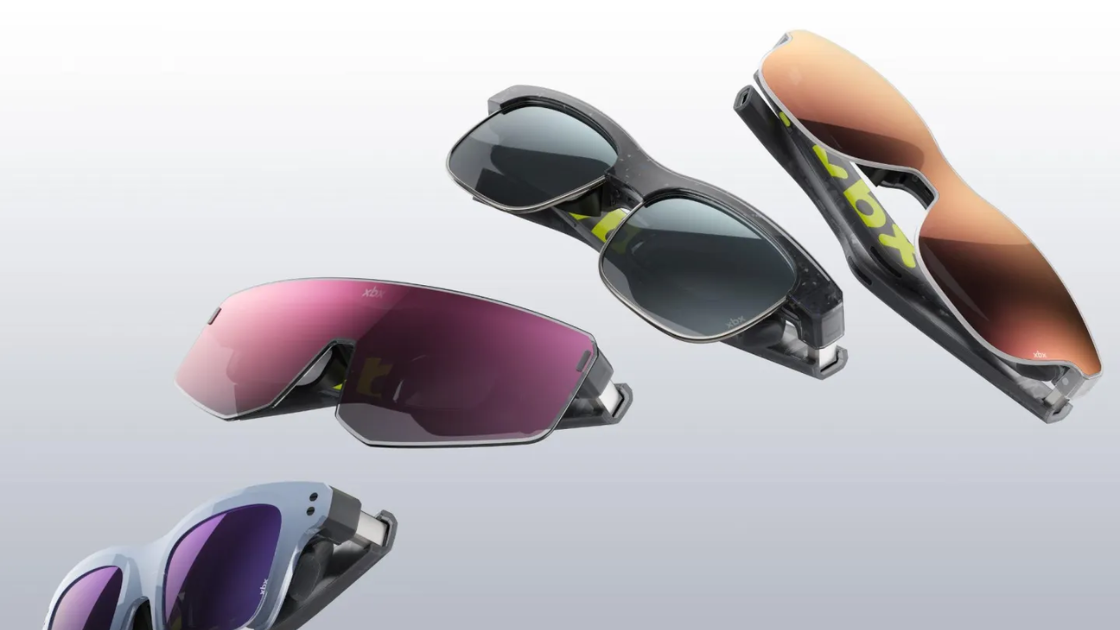
Xreal has introduced the A01 AR glasses through its new sub-brand “X by Xreal,” continuing the industry-wide push toward lighter and more consumer-friendly augmented reality wearables. The glasses are designed to project large virtual displays while maintaining a slimmer, more wearable design than earlier AR headsets. Companies across the tech industry increasingly believe the next major computing platform may live directly on the user’s face rather than in their pocket. Unlike previous generations of bulky experimental hardware, these newer devices prioritize comfort, aesthetics, and everyday usability. The AR market is still searching for its breakthrough mainstream moment, but products like this suggest the industry is steadily refining the formula. Smart glasses are beginning to look less like prototypes and more like future accessories.

Oppo Experiments With Bubble-Inspired Wireless Displays
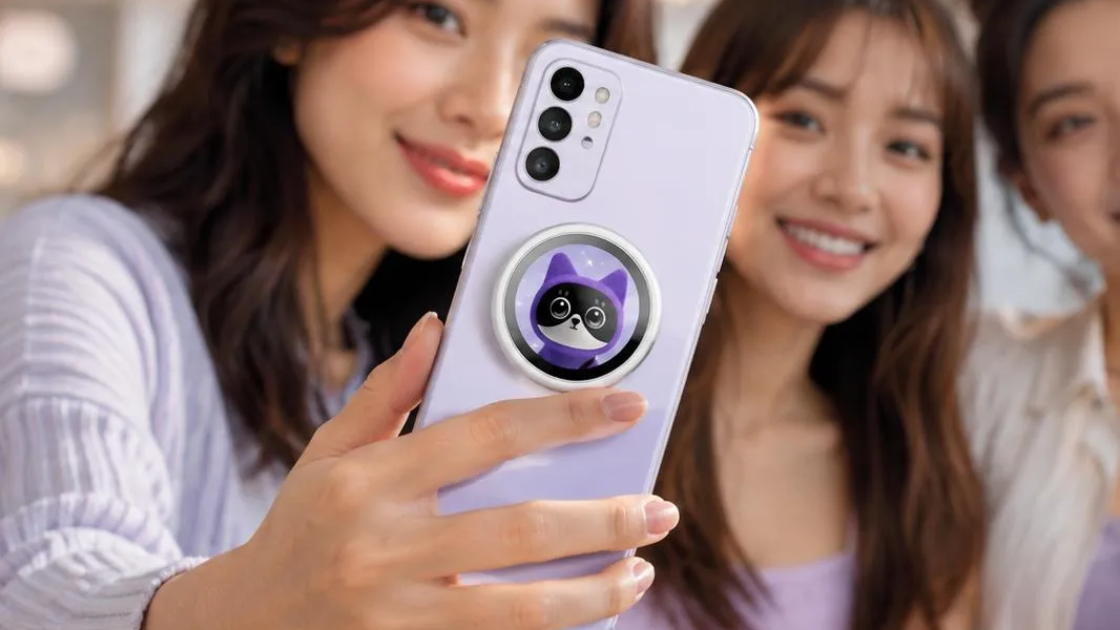
Oppo is experimenting with a playful new concept device featuring a magnetic wireless screen remote inspired by floating bubbles. The portable display is designed to function as a detached selfie monitor and secondary interface, expanding how users interact with mobile photography and content creation. While still highly experimental, the concept reflects broader trends toward modular and flexible device ecosystems. Smartphone makers increasingly understand that future hardware innovation may come less from raw specs and more from entirely new interaction models. Detached displays, wearable screens, and spatial computing concepts are all part of the same larger movement toward fluid digital experiences. The smartphone era is starting to fragment into smaller, more adaptive pieces of technology.

SpaceX May Be Building a Battery-Powered Starlink Mini
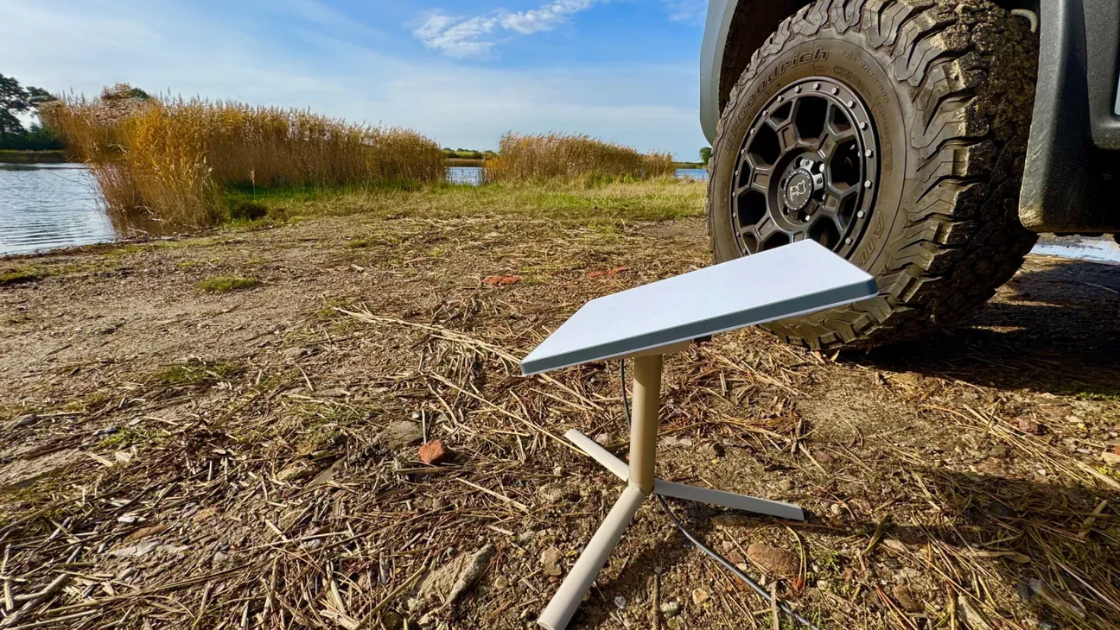
Rumors are swirling that SpaceX is developing a battery-powered version of its Starlink Mini satellite dish. Firmware discoveries suggest the compact Starlink Mini internet device could include an integrated battery system with multiple power modes. Additionally, the Starlink Mini would include USB-C charging and pass-through support. The biggest appeal of the Starlink Mini would be portability, especially for travelers, emergency responders, and remote workers who need reliable internet. Likewise, there is a lot of appeal for the Starlink Mini and its departure from traditional infrastructure. Right now, Starlink Mini users rely on external battery packs or wall outlets, making setups bulkier and less seamless. An all-in-one version of the Starlink Mini would push satellite internet closer to mainstream consumer convenience. Connectivity is increasingly becoming something users expect everywhere, even miles away from the nearest cell tower.


10 Ways to Usher In Local Summer Fun | Out & About

There’s a certain shift that happens in Los Angeles around Memorial Day weekend. Suddenly, the city feels lighter, and the local summer fun feels truly endless. Beach parking lots start filling up before noon, iced coffees become mandatory, and every patio in town somehow feels like the place to be. Even though summer technically hasn’t arrived yet, Memorial Day weekend has always been the unofficial kickoff to the season, and honestly, Southern California knows how to lean into it better than anywhere else.

If you’re ready to welcome longer days and warmer nights, here are 10 ways to dive into summer fun in Los Angeles this season.

1. Spend the Day at the Beach

This one almost goes without saying, but Memorial Day weekend and beach days are basically inseparable. Whether you head to Malibu, Manhattan Beach, Laguna, or Santa Monica, there’s something about the first real beach day of the season that resets your mood instantly.

Bring a cooler, stay through sunset, and enjoy the California go-to for local summer fun.

2. Explore an Outdoor Farmers Market

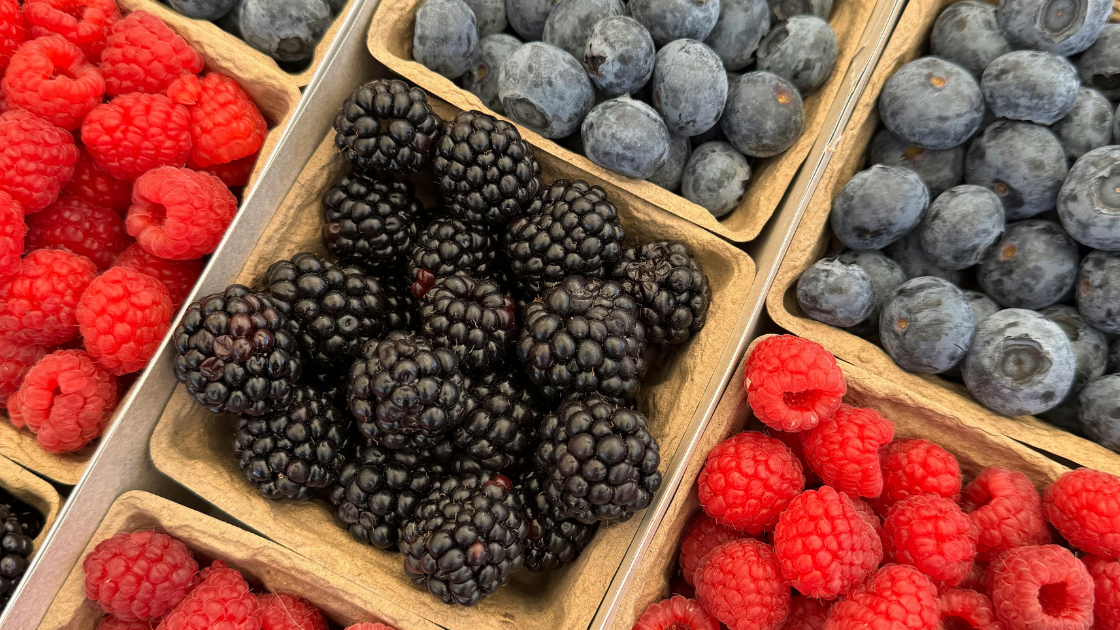
Spring produce is still thriving in May, and farmers’ markets around Los Angeles feel especially lively this time of year. Pick up fresh berries, flowers, pastries, or just wander with an overpriced iced matcha pretending you’re in a Nancy Meyers movie.

The markets in Santa Monica, Studio City, and Brentwood are especially worth the stop for local summer fun and your organic food fix.

3. Plan a Scenic Coastal Drive

One of the simplest forms of summer fun in Los Angeles is, honestly, just rolling the windows down and driving along Pacific Coast Highway. Start in Santa Monica and make your way toward Malibu, stopping at beach overlooks, seafood spots, or roadside cafés along the way.

It’s low effort, high reward, which is exactly the kind of energy Memorial Day weekend should have.

4. Have a Sunset Picnic

There’s no reason dinner always needs to happen indoors. Grab takeout, a blanket, and head to a scenic overlook or park for golden hour.

Places like Griffith Park, Palisades Park, and Point Dume feel especially cinematic this time of year for local summer fun.

5. Visit a Rooftop Bar or Restaurant

Rooftop season officially returns in late May. Across Los Angeles, rooftops start buzzing again with DJs, string lights, and skyline views that somehow make a random Tuesday feel important.

It’s one of the easiest ways to lean into the social side of summer fun in Los Angeles.

6. Catch an Outdoor Movie or Concert

Outdoor movie nights start popping up all over the city around Memorial Day weekend. From Street Food Cinema to Rooftop Cinema and all the drive-ins in between, there are plenty of ways to catch a flick outdoors. And the best part is, there’s something undeniably nostalgic about watching a film outside under the stars. 

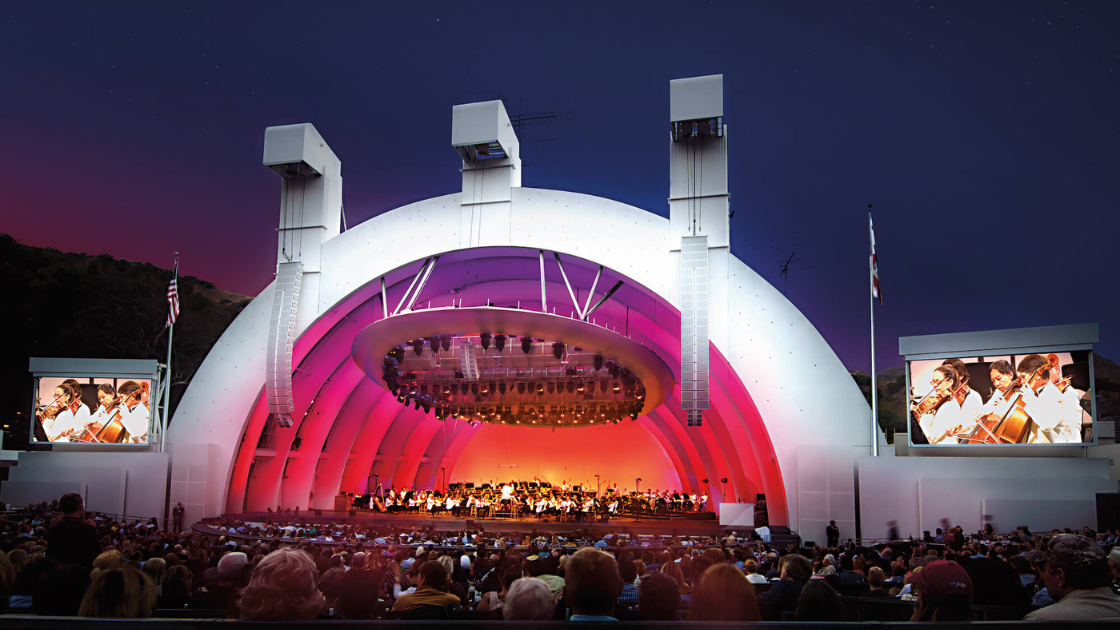
If the standard film experience isn’t your cup of tea, the summer season at the Hollywood Bowl is an ideal way to spend a warm night under the stars. With a live orchestra and a bevy of all-star talent slated for the 2026 season, where else would you want to be?

7. Take a Day Trip

One of the best parts about living in Southern California is how easy it is to escape for the day and enjoy some local summer fun. Ojai, Santa Barbara, Palm Springs, and Temecula all make perfect pre-summer getaways without needing a full vacation itinerary.

Sometimes all you need is a good playlist and a change of scenery.

8. Book a Spa Afternoon

Before summer calendars get chaotic, take advantage of a slower weekend with a spa day. Coastal spas in Santa Monica or Rancho Palos Verdes feel especially relaxing heading into the holiday weekend.

Think of it as spring’s final exhale before summer officially arrives.

9. Try a New Patio Restaurant

Patio dining practically becomes a personality trait in Los Angeles once Memorial Day weekend hits. This is the perfect time to finally try that restaurant you’ve been saving on Instagram for months. And if you need any other recommendations, you know our LA Eats have you covered!

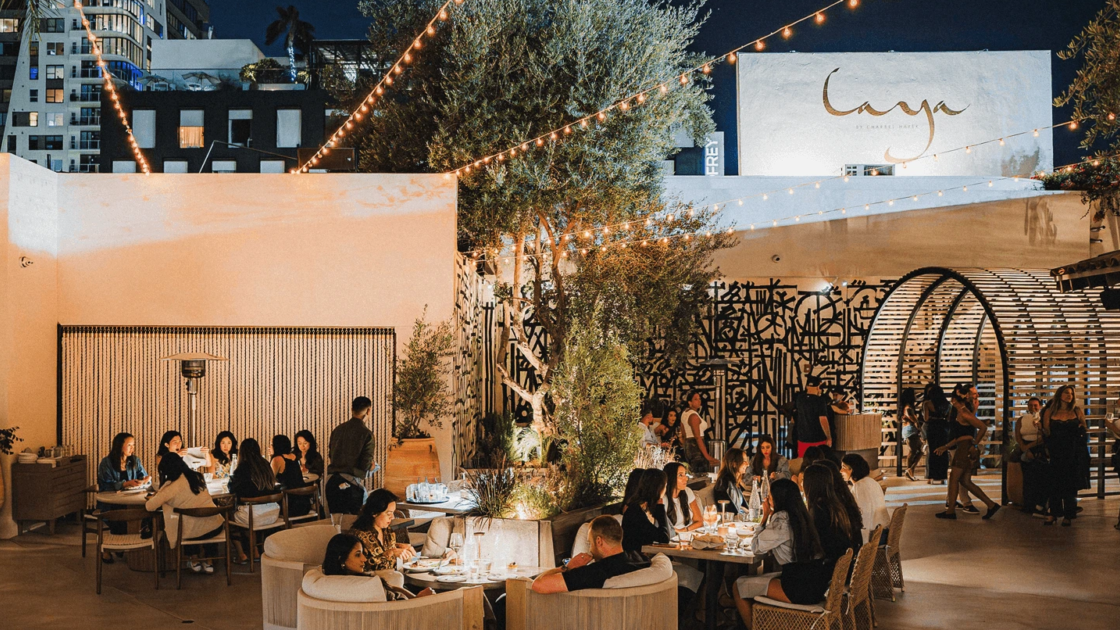
So choose a breezy spot, make the reservation, and put your phone on DND. Preferably somewhere with twinkle lights and spicy margaritas.

10. Stay Out for Golden Hour

If there’s one thing Los Angeles consistently gets right, it’s golden hour. The city glows differently in late May, especially right before sunset when everything turns soft and cinematic.

And maybe that’s the real secret to summer fun in Los Angeles. Not overplanning every second, but letting yourself slow down enough to enjoy every minute of the local summer fun that’s all around.

From The DualShot Recorder to Roomba’s New Robot and More! | Tech News

Stay connected in the world of tech. From The DualShot Recorder to Roomba’s New Robot and more, we have you covered on the top stories. Read this week’s tech news wrap-up to be in the know about what’s happening across the web.

Google’s AI Search Summaries Will Now Quote Reddit

Search is getting a little more conversational as Google updates its AI Search features to include perspectives from firsthand sources like Reddit, social media, and web forums. The update is designed to surface more human-centered feedback within AI Mode and AI Overviews, helping users find the type of real-world advice they often search for manually. Google will also add more context around these sources, including community names, creator names, or handles, so users can better understand where information is coming from. The move reflects a broader shift in search, where people increasingly want direct answers paired with lived experience and community insight.

Remarkable Introduces a New Black-and-White Paper Tablet

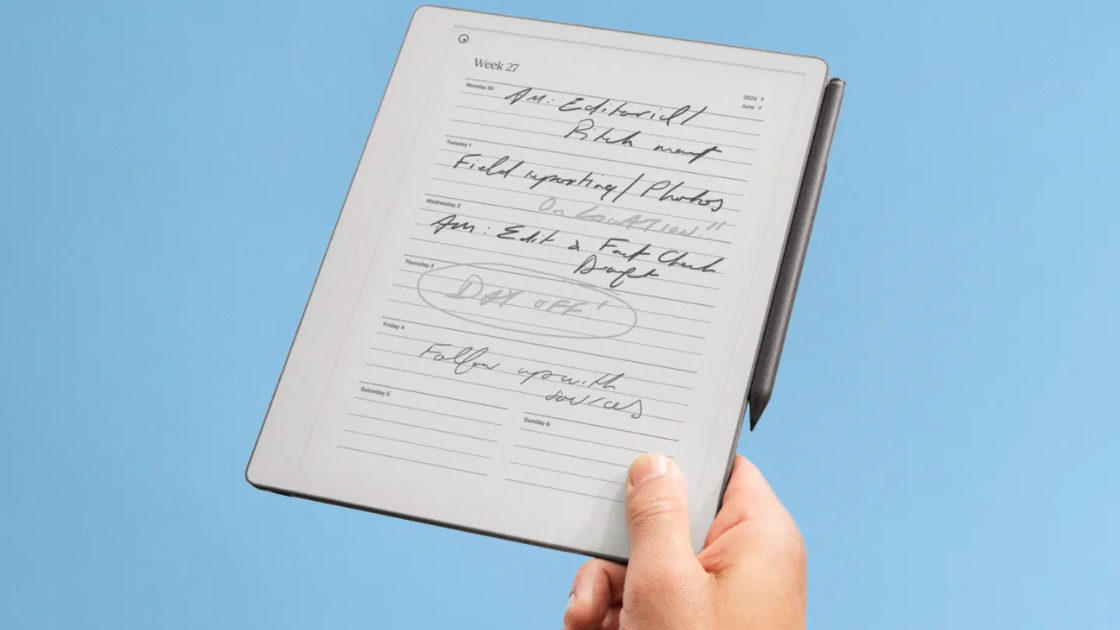
Remarkable is returning to its minimalist roots with the new Remarkable Paper Pure, an E Ink digital notepad that skips the color screen in favor of a refined black-and-white writing experience. The tablet replaces the Remarkable 2 and features an upgraded display, improved speed, and the same $399 price point. According to the company, Paper Pure is twice as fast as its predecessor when navigating, zooming, and turning pages. For users who want a distraction-free writing tool instead of another glowing screen demanding their attention like a tiny rectangle-shaped manager, this update keeps the focus on simplicity.

Apple Could Let Users Choose Their Preferred AI Model

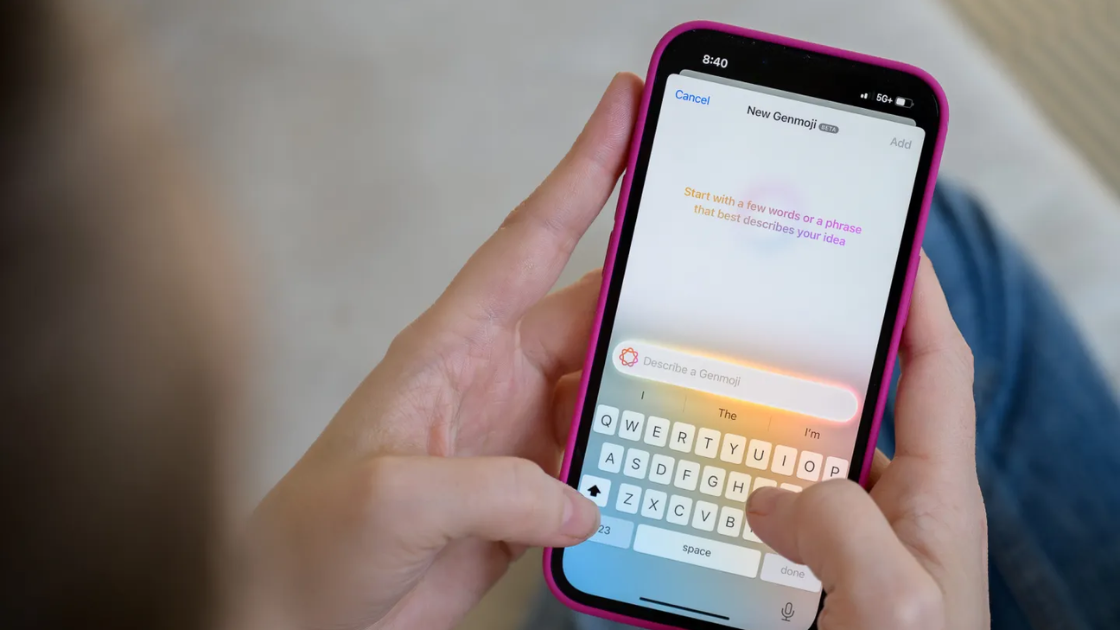
Apple may be preparing to give users more control over which AI model powers Apple Intelligence. According to reporting cited by The Verge, Apple is planning third-party chatbot “Extensions” that could let compatible AI models run system-wide features in iOS 27, iPadOS 27, and macOS 27. These integrations could support tools like Siri, Writing Tools, and Image Playground, rather than limiting users to Apple’s own AI or ChatGPT. The update would mark a major shift toward a more flexible AI ecosystem, where users can choose the model that best fits their needs.

Threads Is Finally Bringing DMs to the Web

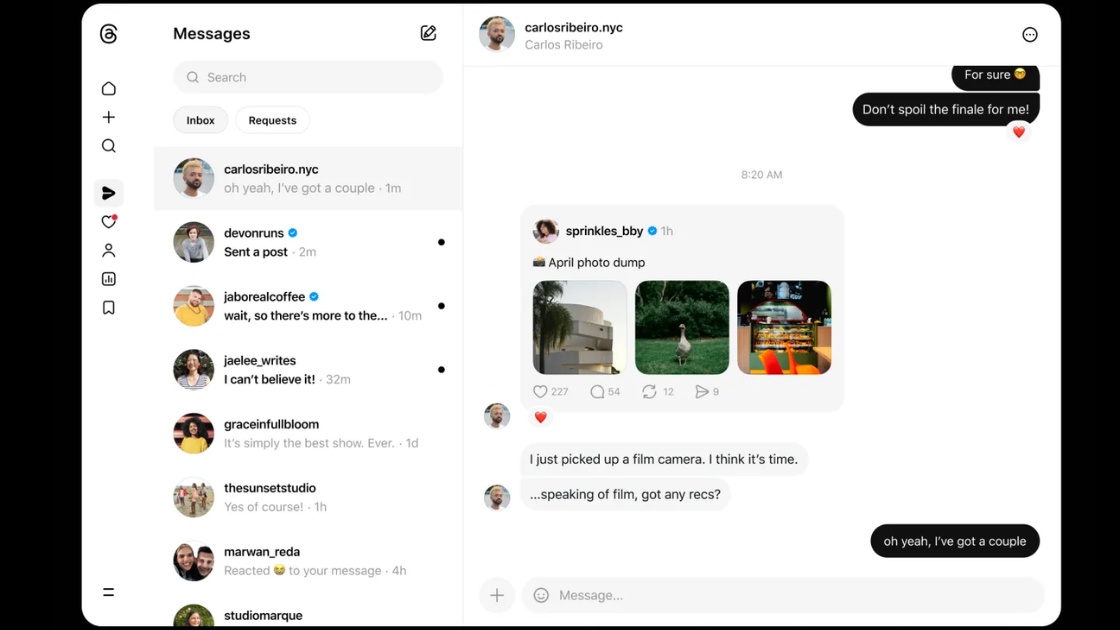
Meta is expanding Threads messaging by testing direct messages on the web. Nearly a year after DMs became available on mobile, the browser version will allow users to access their inbox and message requests from desktop. The update also includes familiar privacy controls, letting users decide whether anyone can message them or only people they follow. Meta says group chats on the web are also being tested, which could make Threads more useful for creators, social teams, and anyone who prefers managing conversations from an actual keyboard.

OpenAI Is Reportedly Working on a ChatGPT Phone

OpenAI’s first major hardware product may be a phone, according to analyst Ming-Chi Kuo. The rumored device is reportedly being fast-tracked for mass production in early 2027 and may use a customized version of MediaTek’s upcoming Dimensity 9600 chip. The phone could include enhanced visual sensing capabilities, advanced memory and storage, and a dual-NPU architecture designed to handle different AI tasks at the same time. While still unconfirmed, the report hints at a future where AI is not just an app on a device, but the organizing logic behind the device itself.

The Creator of Roomba Returns With a Robot Companion

Robotics pioneer Colin Angle, best known for creating the Roomba, is back with a very different kind of home robot. His new company, Familiar Machines & Magic, has introduced a dog-sized robotic companion called a Familiar, designed for emotional connection rather than chores. The robot uses on-device generative AI and nonverbal communication, including expressive movement, sounds, and body language, to interact with people in the home. While the concept is ambitious, it points to a growing interest in robots that are less about vacuuming the crumbs of our lives and more about companionship, wellness, and long-term engagement.

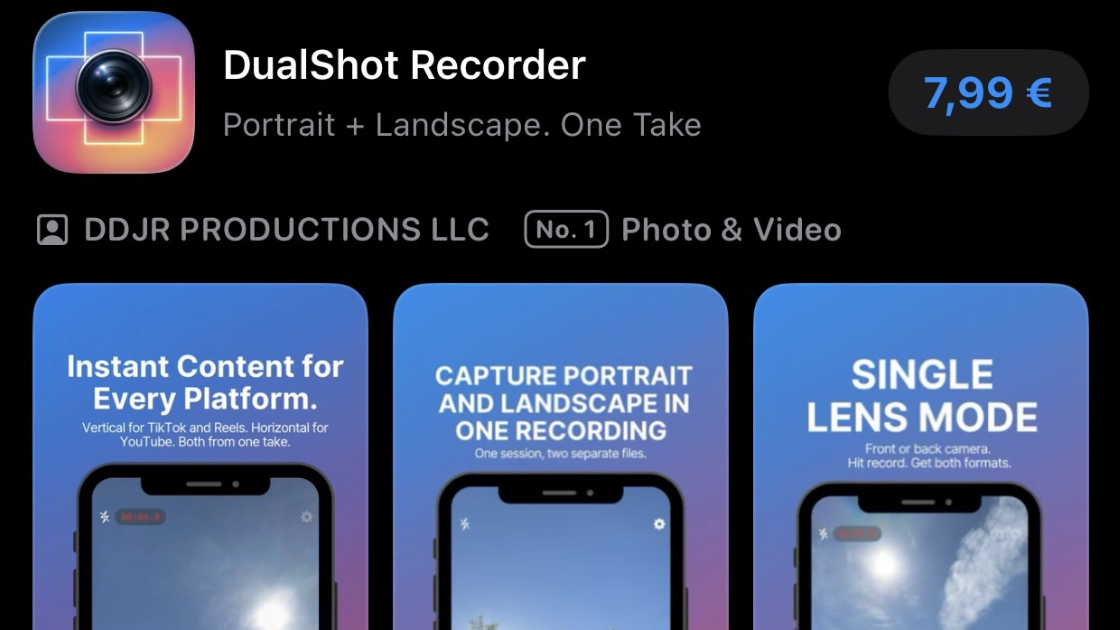
DualShot Recorder Becomes a Hit Creator App

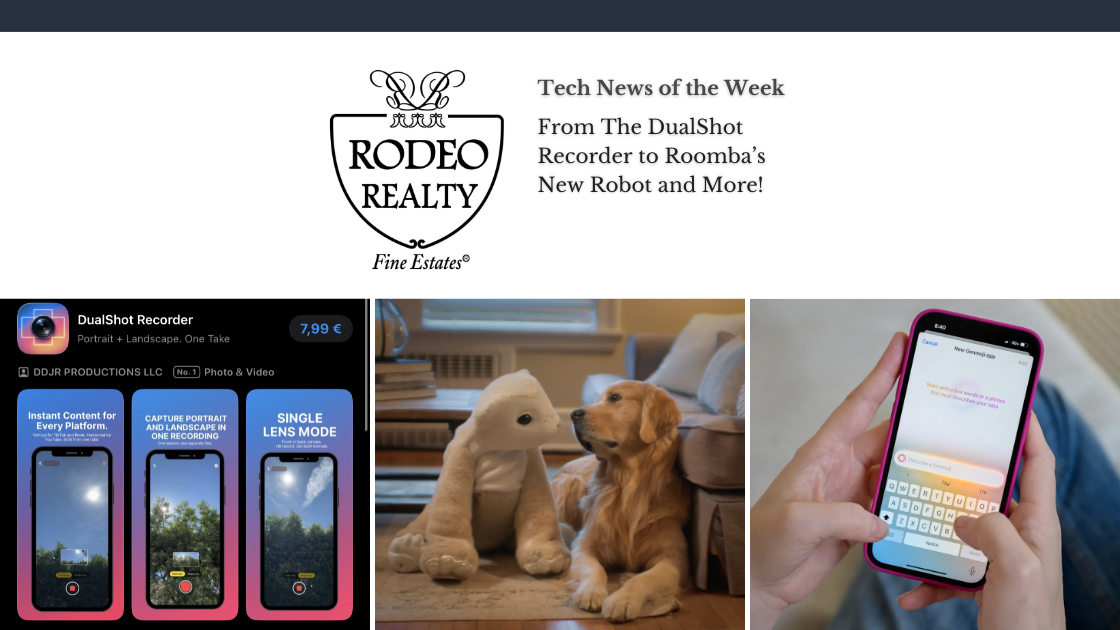
DualShot Recorder has become an unexpected App Store success after launching. The iPhone camera app was created by viral wildlife creator Derrick Downey Jr. The DualShot app was designed to help creators capture vertical and horizontal footage at the same time. Likewise, this solves a common content production headache for those posting across multiple platforms. Downey built a devoted following through videos of the squirrels that visit his Los Angeles patio. Originally, Downey wanted a better way to film for both short-form and YouTube content without relying on extra rigs or heavy editing. The app’s success shows how creator-led problem-solving can turn a niche workflow issue into a widely useful product.

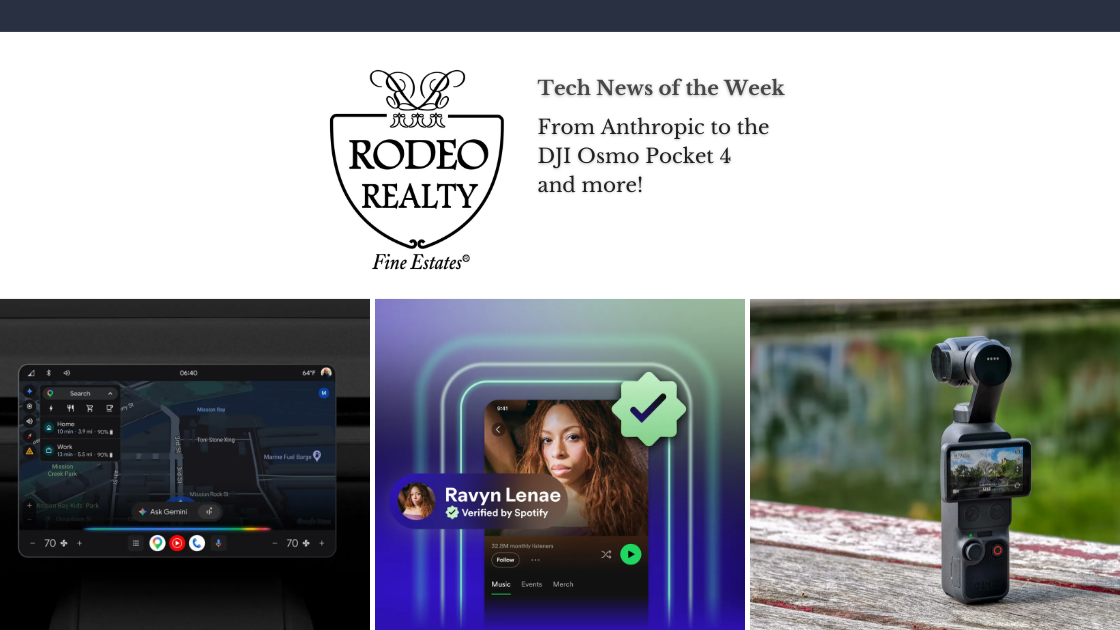
From Anthropic to the DJI Osmo Pocket 4 and More! | Tech News

This week’s round-up of major headlines highlights a compelling mix of innovation, from Anthropic’s AI expanding into everyday environments to new gadgets like the DJI Osmo Pocket 4 redefining content creation. Whether it’s smarter assistants, evolving platforms, or ambitious biotech experiments, the industry shows no signs of slowing down. Check out the latest news in this week’s blog!

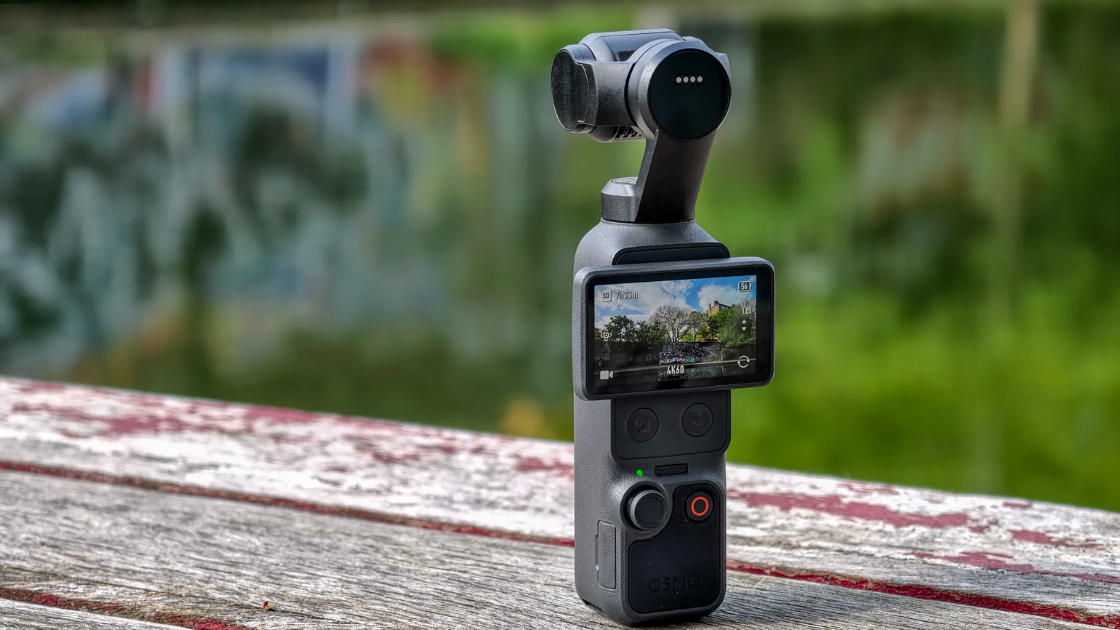
DJI Osmo Pocket 4 Elevates Everyday Filmmaking

DJI’s latest release, the Osmo Pocket 4, refines the art of portable filmmaking. The new DJO Osmo Pocket 4 offers a sleek, handheld design that prioritizes ease and performance. Known for its built-in stabilization, the DJI device delivers smooth, cinematic footage without requiring bulky equipment. Enhanced low-light capabilities and improved image processing make the DJI more versatile for everyday use, appealing to both casual creators and experienced videographers. Rather than replacing professional cameras, it complements them by offering convenience and accessibility. As content creation continues to grow, tools like this highlight the increasing demand for high-quality results in compact form.

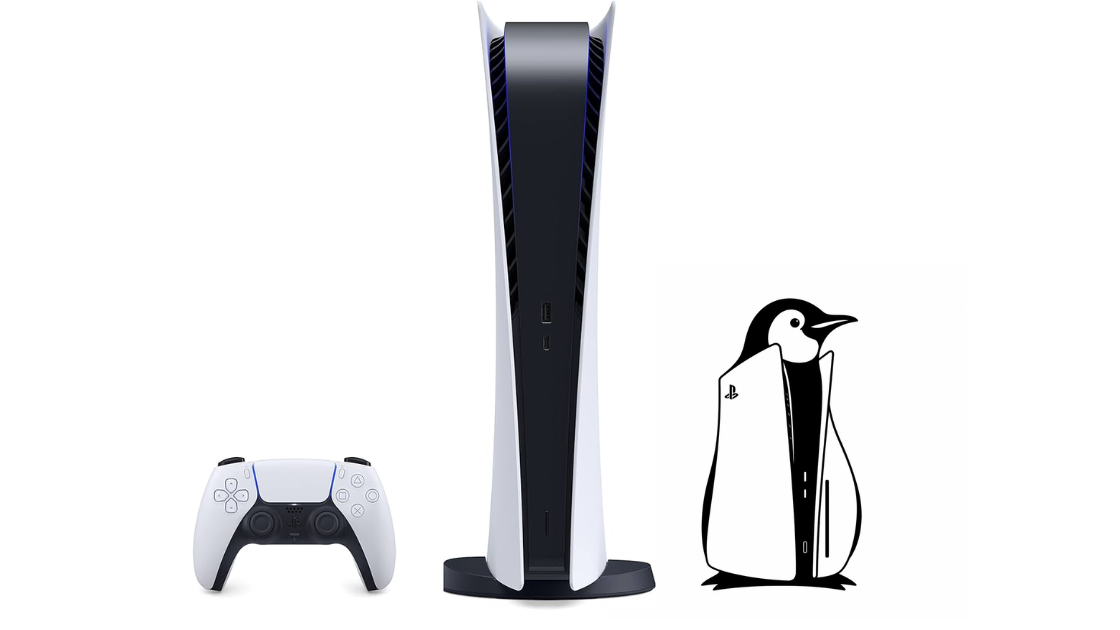
PlayStation 5 Hack Unlocks Linux Possibilities

A newly discovered exploit has opened the door for users to install Linux on the PlayStation 5, giving enthusiasts access to the console’s powerful hardware beyond gaming. While not officially supported, the development has sparked interest within the modding community, where experimentation and customization are key. Running Linux on the PS5 could enable everything from software development to emulation projects. At the same time, it raises security concerns for Sony, which has historically worked to maintain tight control over its platform. This development underscores the ongoing tension between open experimentation and proprietary ecosystems.

Anthropic Introduces AI Code Security Tool

AI continues to evolve beyond content generation, with Anthropic launching a codebase scanning tool designed to help businesses identify vulnerabilities. Unlike traditional methods, the tool uses AI to analyze context, making it more effective at detecting complex or subtle issues within large systems. This approach is particularly valuable for enterprise environments where codebases can be vast and difficult to manage. By automating parts of the security review process, companies can improve efficiency while reducing risk. The release reflects a growing trend of AI taking on oversight roles within the development lifecycle.

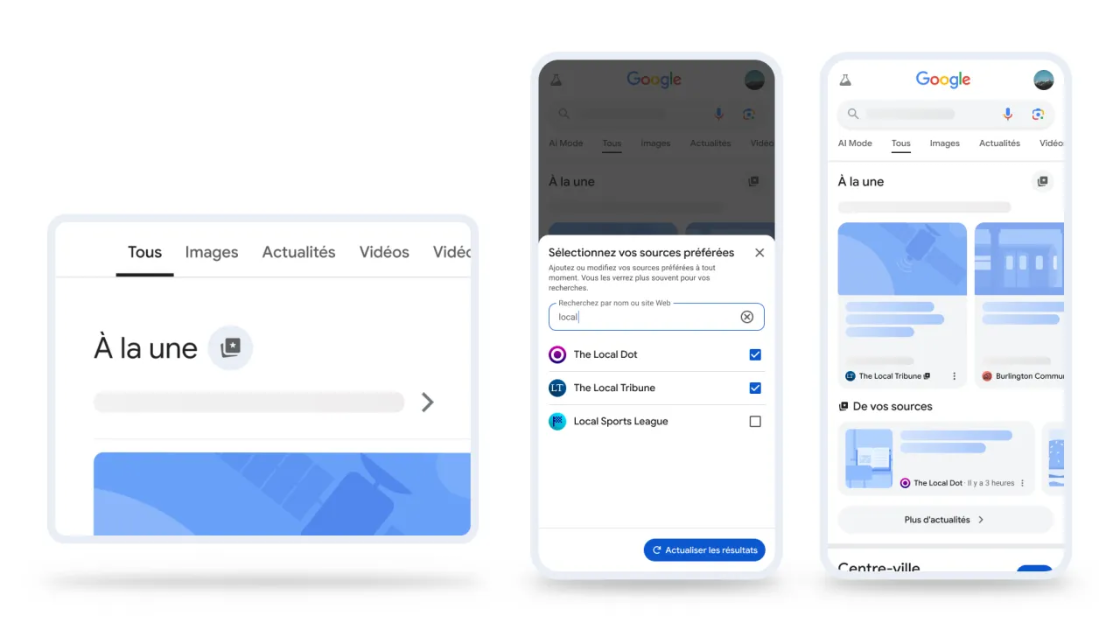
Google Expands Personalized News Features

Google has broadened its “Preferred Sources” feature to support more languages, giving users greater control over the news content they see. This update allows individuals to prioritize trusted outlets, helping them tailor their information experience more effectively. As global audiences grow, expanding language support makes the feature more accessible across diverse regions. It also reflects increasing demand for transparency and personalization in how news is delivered online. While algorithms still play a role, user choice is becoming a more central part of the experience.

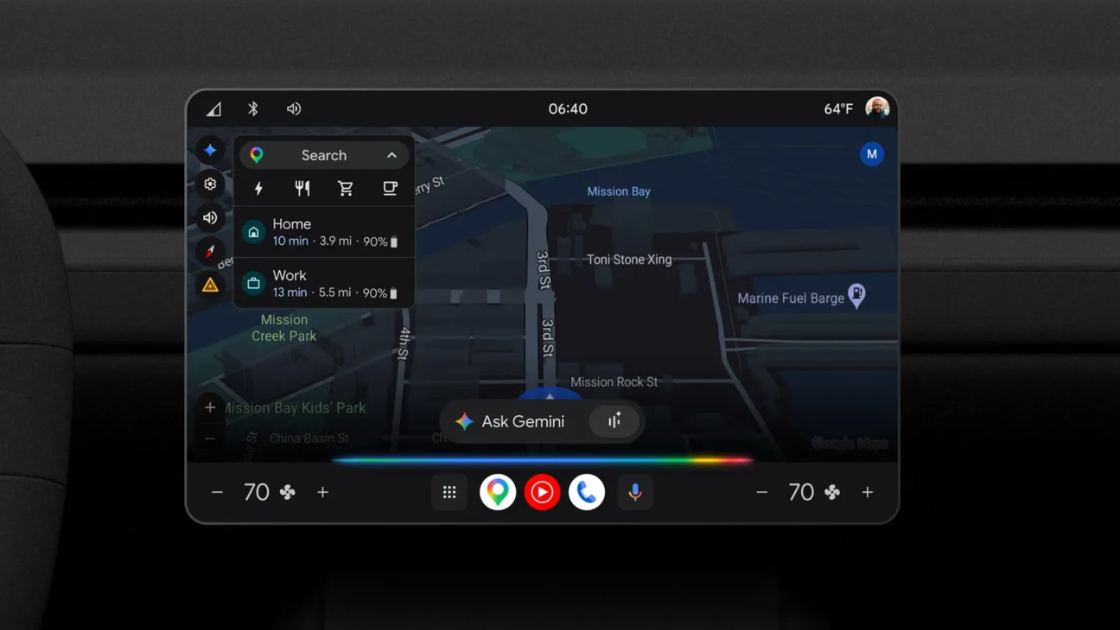
Gemini AI Enhances the In-Car Experience

Google is bringing its Gemini AI assistant into vehicles, aiming to create a more conversational and intuitive driving experience. The upgraded system allows for natural dialogue, enabling drivers to manage navigation, messages, and other tasks more seamlessly. This shift moves away from rigid voice commands toward more fluid interaction. As cars become more connected, AI is positioned to act as a central interface for managing both information and entertainment. The development reflects a broader push to integrate AI into environments beyond phones and computers.

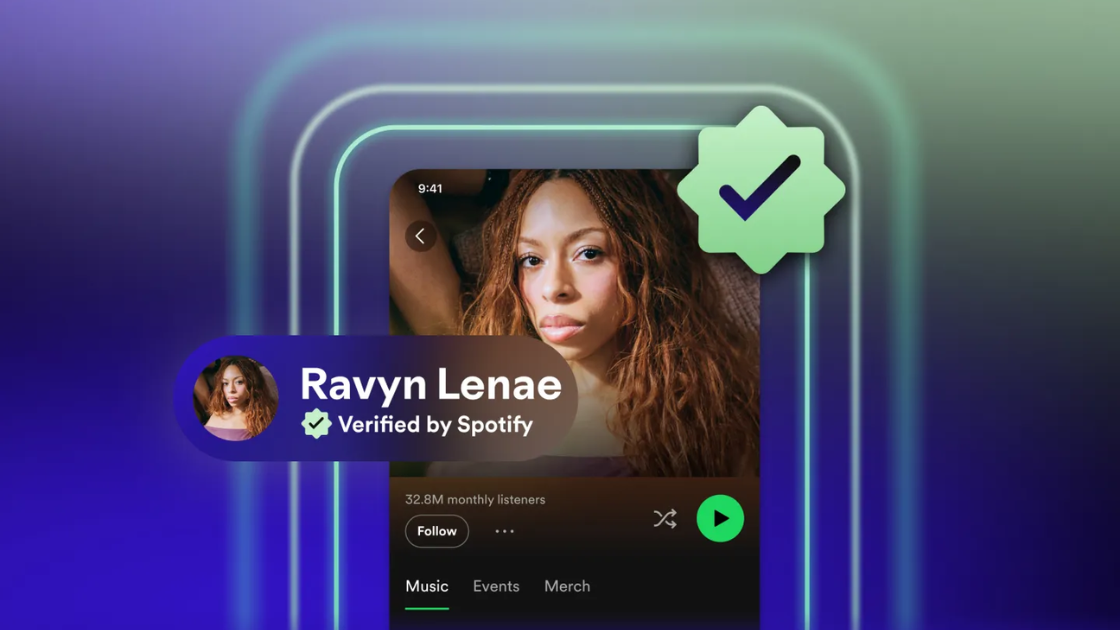
Spotify Rolls Out Verified Creator Badges

Spotify is introducing verified badges to help users identify official artist and creator profiles on its platform. The feature aims to build trust and reduce confusion in an increasingly crowded digital landscape. For creators, verification offers a clearer way to establish authenticity and stand out. For listeners, it provides reassurance that they are engaging with legitimate accounts. As platforms continue to expand, tools that reinforce credibility are becoming essential to the user experience.

De-Extinction Research Advances With Antelope Studies

Biotech research is making strides in de-extinction efforts, with scientists refining antelope reproduction techniques that could inform future projects. These advancements are part of a broader effort to understand how genetic science might one day revive extinct species. While still in early stages, the research highlights the intersection of conservation and cutting-edge biotechnology. It also raises important ethical and environmental questions about the role of humans in reshaping ecosystems. For now, the work represents a step forward in exploring what is scientifically possible.

From Apple’s New CEO John Ternus to NASA Upgrades and More! | Tech News

Wind the week down with the latest major shifts in the world of tech and media. From Apple’s incoming new CEO, John Ternus, to upgrades at NASA and more, we have you covered. Check out the biggest news in the world of tech!

Dreame Tries to Become More Than a Vacuum Brand

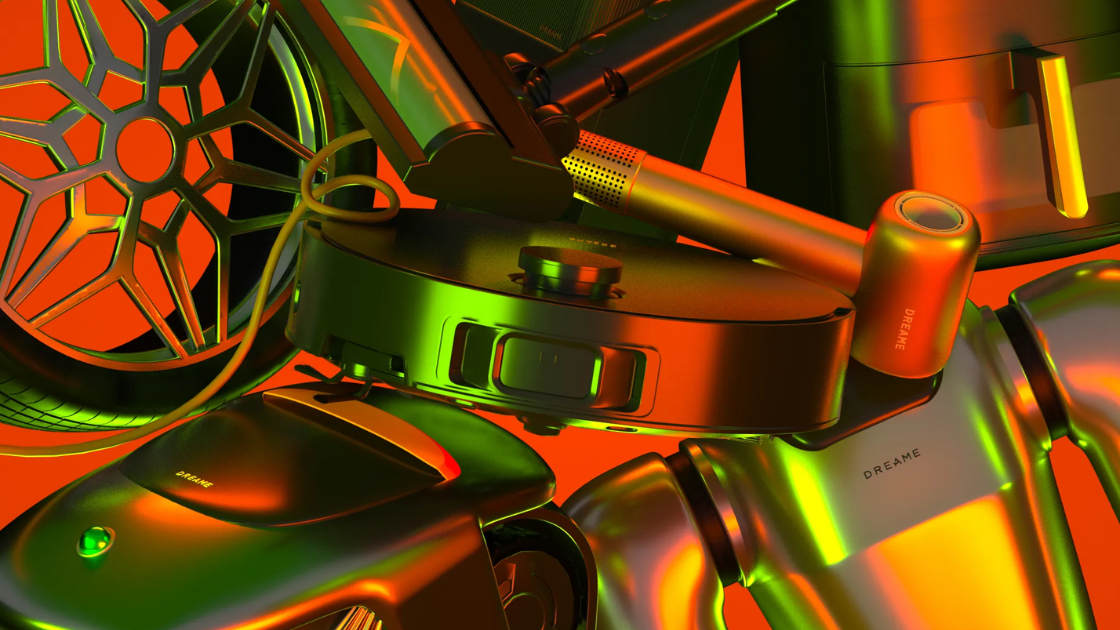
Dreame is making a very American-style push for attention, using a pricey Super Bowl ad and a splashy San Francisco launch on April 27 to introduce itself as something much bigger than a robot vacuum maker. The company’s stated ambition is to build a “people-home-car” ecosystem, with a roadmap that stretches from cleaning gadgets and appliances to cars, chips, and even satellites. That kind of leap is either visionary or wildly chaotic, which is honestly part of the intrigue. For North American consumers, the bigger story is that a relatively unknown smart home brand wants to compete across multiple product categories at once, all under one AI-heavy app and ecosystem. It is a reminder that the smart home race is no longer just about thermostats and speakers. It is becoming a battle over who gets to own the entire connected lifestyle.  


Apple’s Coming Leadership Shift Signals a New Chapter Under John Ternus

Apple is heading into a major transition, with The Verge reporting that Tim Cook will step down in September and current hardware chief John Ternus will take over as CEO. The article frames the moment as more than a leadership handoff between Cook and Ternus. This transition moves Apple further away from the era when its executive bench was closely shaped by Steve Jobs himself. That makes this less about one executive leaving and more about Apple entering a genuinely new phase of identity. For the broader tech industry, it raises familiar questions about what the next decade under Ternus, at Apple, will bring. Will the Ternus era be defined by operational steadiness, bold hardware bets, or a deeper push into AI and services? Even for a company built on polish and control, this is the kind of transition that can subtly change everything. Silicon Valley loves to call every shift “historic,” but the approaching Ternus era actually feels like it might earn the word.  


Govee Gives Outdoor Lighting a Solar-Powered Twist

Govee has introduced its first solar-powered outdoor string lights, bringing a small but smart upgrade to the backyard tech category. The lights use a 6W solar panel with an integrated 4,800mAh battery, and the company says a single full day of sunlight can recharge them. There is also a USB-C fallback for gloomier weather, which is a nice acknowledgment that the sun does, in fact, ghost people. The product is available now for $99.99 and includes eight color-changing bulbs stretched across a 34-foot cable. On paper, it is a modest product launch, but it fits a larger trend of everyday home tech getting more self-sufficient and energy-conscious. Not every innovation has to roar; sometimes it just glows on the patio.  


Microsoft Pushes Copilot Deeper Into Office Workflows

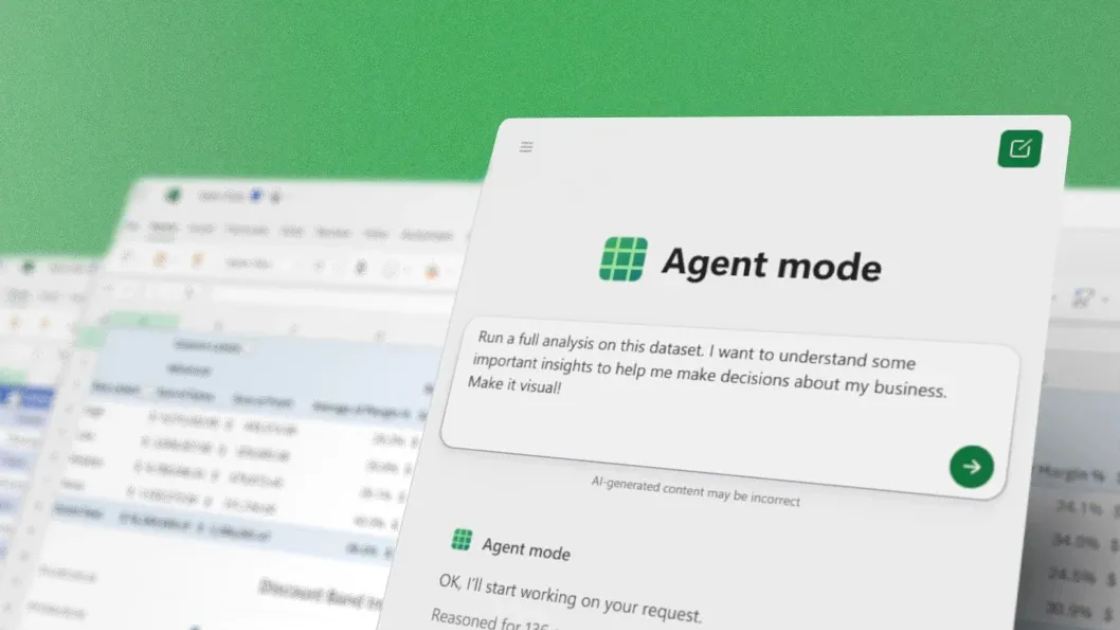
Microsoft is rolling out Copilot Agent Mode inside Word, Excel, and PowerPoint, making it the default experience for Microsoft 365 Copilot and Premium subscribers. The company had previously described this style of interaction as “vibe working,” but the practical point is that Copilot is becoming more active inside documents instead of simply hovering nearby as a suggestion box. Microsoft says the upgraded system is better at following instructions and handling multi-step edits without losing the user’s intent. A sidebar will show each action in real time, while Excel can add formulas and tables directly, and PowerPoint can update existing decks while preserving company templates. That is a meaningful shift from AI as assistant to AI as operator. Office work may still be office work, but Microsoft is clearly trying to make it feel less like drudgery and more like delegation. 


Threads Wants Live Conversation, Not Just Live Posting

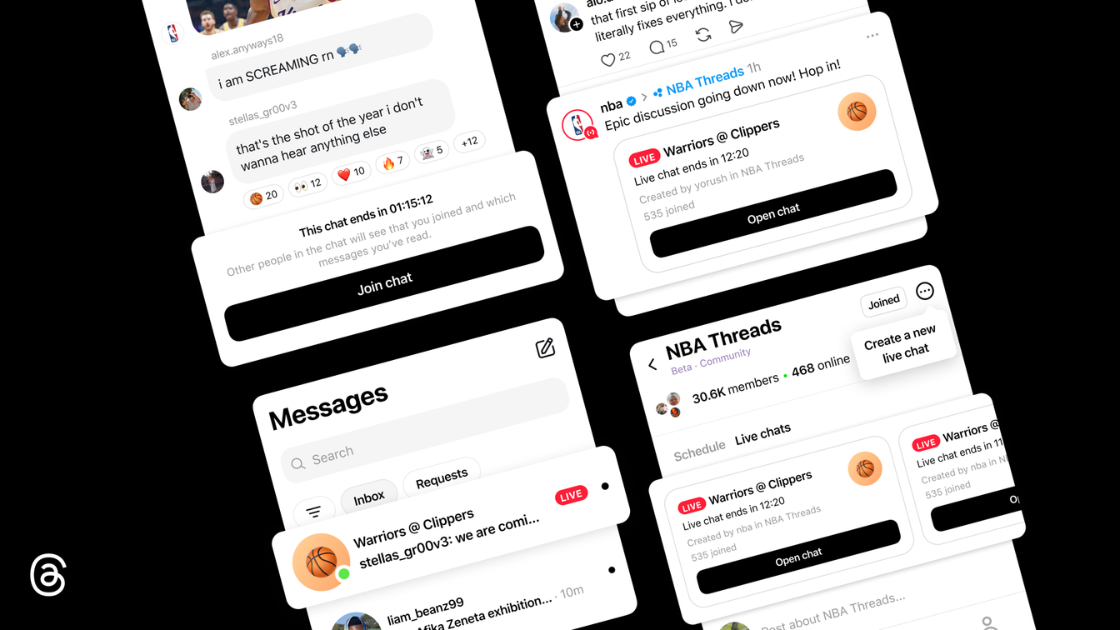
Meta is launching Live Chats on Threads as a way to let users join public group conversations. The new feature will let users stay connected during major cultural moments in real time. The feature is beginning in the NBAThreads Community during the Playoffs and Finals. Likewise, creators, media personalities, and league voices are helping drive the discussion. Meta says Live Chats will include profile rings to show when a conversation is live, along with real-time polls, countdowns, typing indicators, and live scores to keep chats synced with the action. More communities are expected to get the feature over the coming months, and Meta has already teased additions like co-hosting, play-by-play updates, lock screen widgets, and the ability to share chat messages to the main feed. The bigger idea here is obvious: social platforms are still chasing the electricity of live events. Threads wants to be where people watch the moment unfold and talk over it at the same time.  


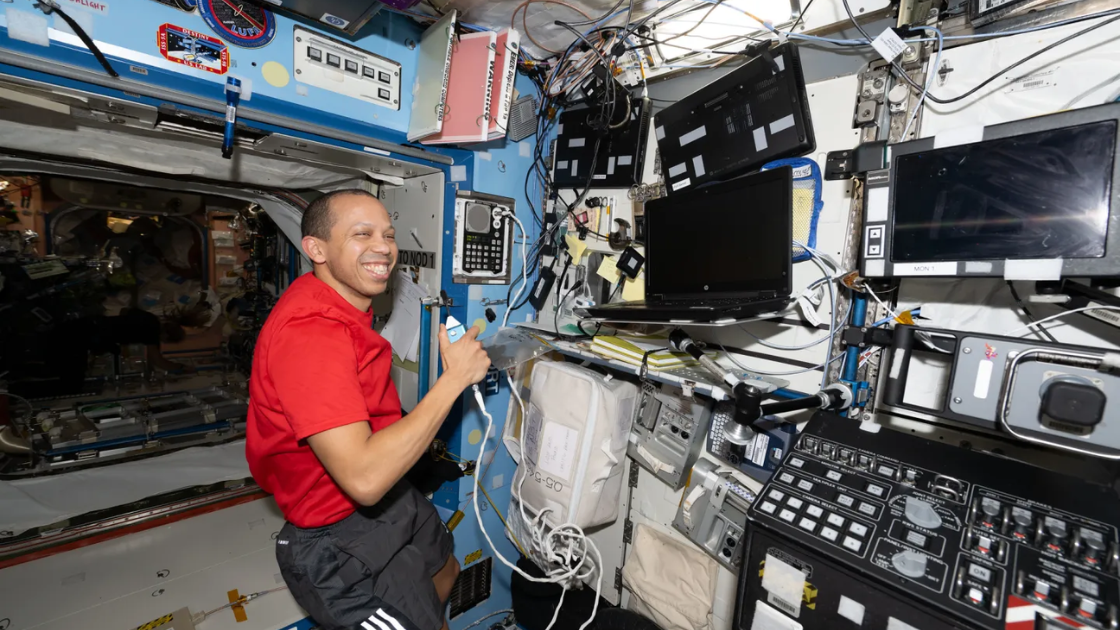
NASA Is Upgrading the ISS With More Powerful Laptops

Astronauts aboard the International Space Station are getting new HP ZBook Fury G9 mobile workstations. The rades are part of a broader hardware refresh. NASA said the crew would first replace network servers and then activate the upgraded laptops. HP says the custom ISS configuration includes updated features like an Intel Core Ultra 9 vPro HX processor and among other additions. The machines also needed a NASA-specific power solution. The ISS primarily runs on DC power rather than the AC setup used in homes and offices on Earth. The station is now moving on from older HP ZBook Fury G2 systems. There is a little poetry in the fact that even space needs an IT refresh. With the ISS slated for de-orbit in 2030, these may be some of the station’s last major laptop upgrades.  

Gucci’s Grand Opening: A New Chapter in Luxury Shopping at The Grove

Gucci Store opening at The Grove

The Grove: Los Angeles’ Luxury Shopping Destination

In the heart of Los Angeles, where the charm of Main Street USA meets the elegance of Rome’s Via del Corso, a new luxury shopping experience is about to unfold. The Grove, a renowned shopping center developed by former L.A. mayoral candidate Rick Caruso, is set to welcome a new Gucci store opening in the spring/summer of 2024.

New Gucci Store Opening in 2024

The Italian luxury label’s new store will be located in the former two-story J. Crew flagship, a prime spot that is sure to attract the attention of the diverse and affluent community that frequents The Grove. The addition of Gucci to the shopping center’s lineup of luxury brands is a testament to the center’s commitment to providing an unparalleled shopping experience.

Diverse Range of Luxury Brands

The Grove is no stranger to luxury. Anchored by Nordstrom, the shopping center is home to a variety of high-end brands. From the timeless elegance of Coach and Michael Kors to the contemporary chic of Lululemon and Frame, The Grove offers a diverse range of luxury shopping options. Other notable tenants include Banana Republic, Gap, Barnes & Noble, Paige, Backcountry, Vince, Sephora, Apple, and Nike.

The Grove is more than just a shopping mall. It’s a place that embodies the spirit of Los Angeles, offering a unique blend of shopping, dining, and entertainment experiences. The attention to detail in its design, the vintage streetcar that weaves through its roads, and the dancing fountain at its heart, all contribute to its charm and allure.

One of the most visited parts of The Grove is The Original Farmers Market, which has been a staple of the area since 1934. The market features specialty food stores, bakers, butchers, and prepared food stalls, offering a taste of history and a sense of community.

The arrival of Gucci at The Grove is not just the opening of a new store; it’s the beginning of a new chapter in L.A.’s luxury retail story. As we anticipate the grand opening in 2024, one thing is certain: the luxury ante at The Grove is about to be upped, and we can’t wait to see what’s in store.