The world of tech and media is always abuzz, but it can be tricky to stay connected. That’s why we’re wrapping up the top headlines happening all across the web. From Google’s Wear OS 7 to SpaceX’s potentially massive IPO and more. Find out the latest tech news in this week’s blog!
SpaceX IPO Rumors Keep Wall Street Watching the Stars

Speculation surrounding a potential SpaceX IPO is once again heating up, reigniting interest across both Silicon Valley and Wall Street. While no formal public offering has been announced, investor appetite remains enormous as the company continues expanding its dominance in satellite internet, launch services, and space infrastructure. Analysts believe any future IPO would likely focus on Starlink rather than the rocket business itself, allowing investors direct exposure to the rapidly growing satellite communications market. The excitement highlights how space technology has evolved from a niche industry into a central pillar of the modern tech economy. Private aerospace companies are increasingly viewed less like science experiments and more like foundational infrastructure businesses. Space may still feel infinite, but investors clearly see it as very monetizable.
Google I/O 2026 Turns Android Into an AI-First Ecosystem
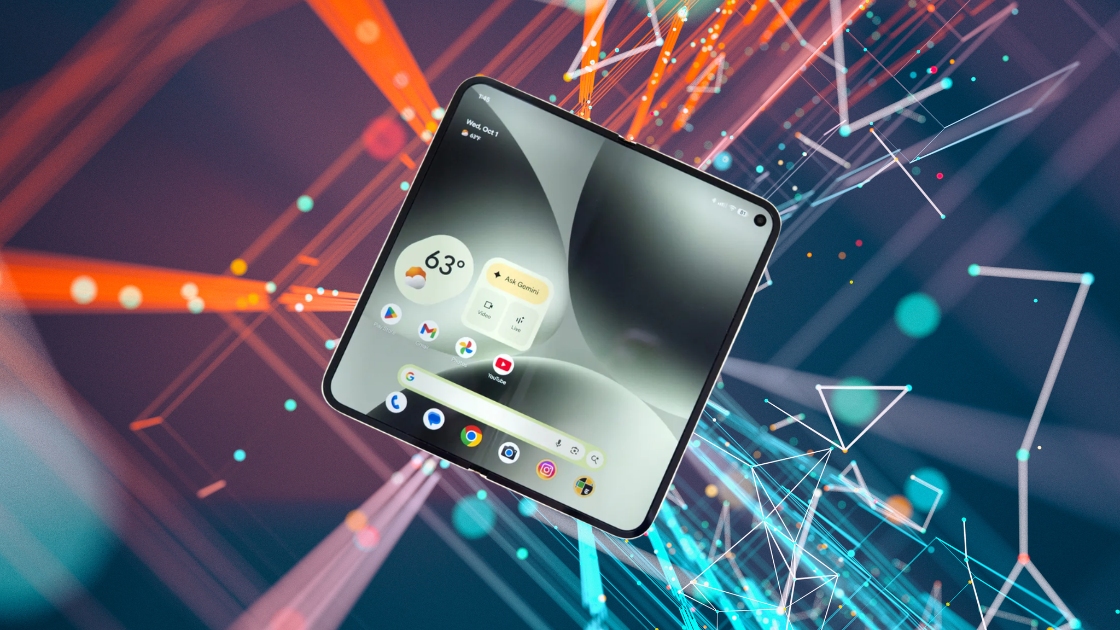
This year’s Google I/O conference made one thing abundantly clear: Android is no longer just a mobile operating system—it is becoming an AI-driven ecosystem. Google announced new AI-powered widgets, contextual shortcuts, and Studio tools designed to make Android devices more predictive and personalized. Instead of waiting for users to search or navigate manually, the platform increasingly attempts to anticipate needs in real time. Gemini AI is woven throughout the experience, quietly powering smarter interactions across apps and services. The broader strategy reflects a shift happening across consumer tech, where software aims to behave more like an assistant than a static interface. Smartphones are evolving into systems that attempt to think alongside their users.
Gemini AI Expands Into YouTube Shorts Remixing

Google is bringing Gemini AI directly into YouTube Shorts, allowing creators to remix and transform videos with generative AI tools. The new features let users alter visuals, experiment with styles, and create new content variations without requiring advanced editing skills. It is part of a broader effort to make AI-assisted creativity more accessible to mainstream users rather than limiting it to professionals. As short-form video platforms become increasingly competitive, AI is emerging as the next major battleground for creator tools. The distinction between editing and generating content continues to blur with every platform update. Social media feeds are beginning to feel less like captured reality and more like collaborative digital canvases.
Insta360 Introduces a Smarter Wireless Microphone System
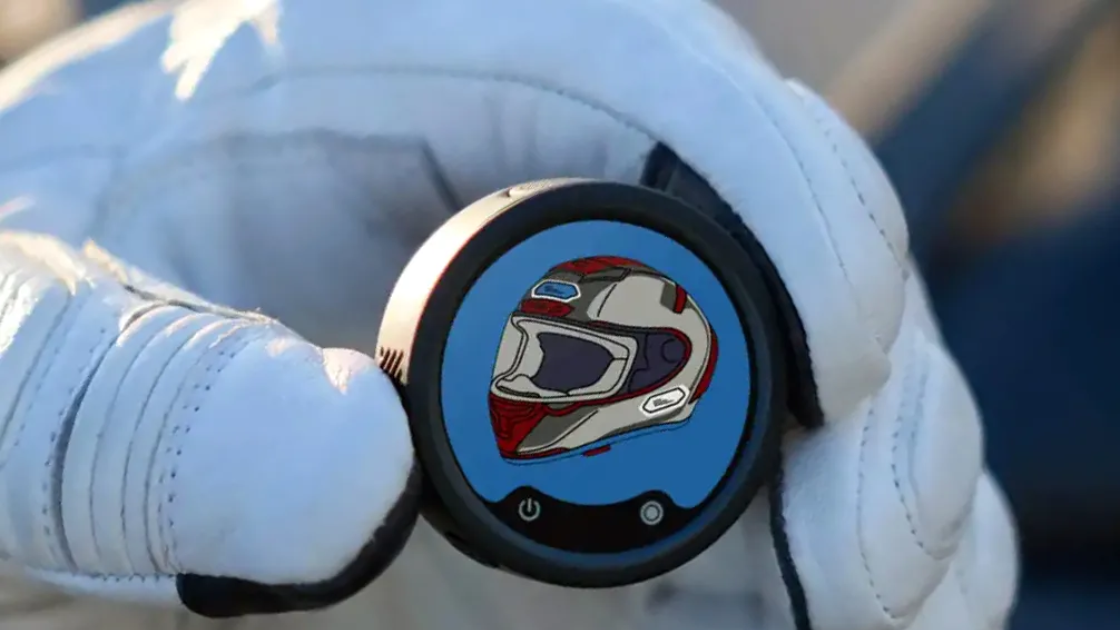
Insta360 is expanding beyond cameras with the launch of the Mic Pro, a wireless microphone system designed for creators and mobile production workflows. The standout feature is its integrated E Ink display, which provides battery and connection information while conserving power. Insta360 also included a microphone array system aimed at improving voice clarity in unpredictable environments. As creator culture continues to dominate online media, audio quality is becoming just as important as video quality for influencers, podcasters, and streamers. Companies are increasingly building compact, creator-focused ecosystems rather than standalone devices. The modern creator toolkit is evolving into something highly portable, modular, and deeply optimized for constant content production.
Android 17 Brings Cross-Device “Continue On” Features
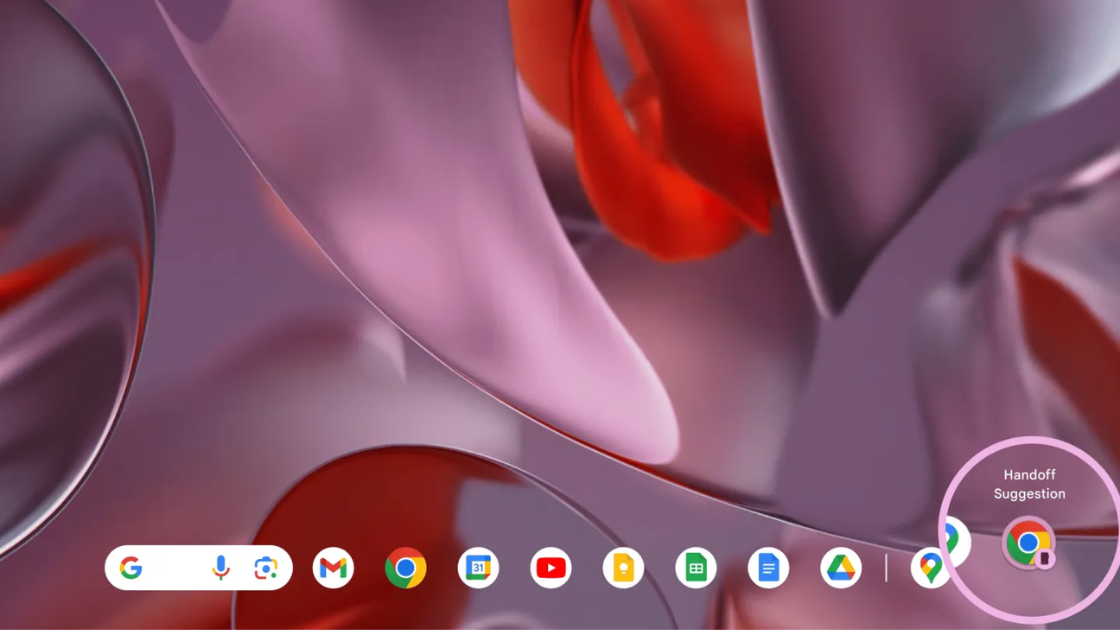
Android 17 is introducing a new “Continue On” feature designed to make switching between devices feel more seamless. Similar to handoff systems seen in competing ecosystems, the feature allows users to move apps, tasks, and workflows across phones, tablets, and other connected hardware without interruption. The update reflects Google’s broader effort to strengthen Android’s multi-device experience as users increasingly operate across several screens throughout the day. Ecosystem continuity has become one of the most important competitive areas in consumer technology. Tech companies no longer just sell individual gadgets—they sell how well those gadgets communicate with one another. The future of computing feels increasingly less tied to a single device and more tied to fluid digital movement.
Wear OS 7 Prioritizes Battery Life and Smarter Widgets
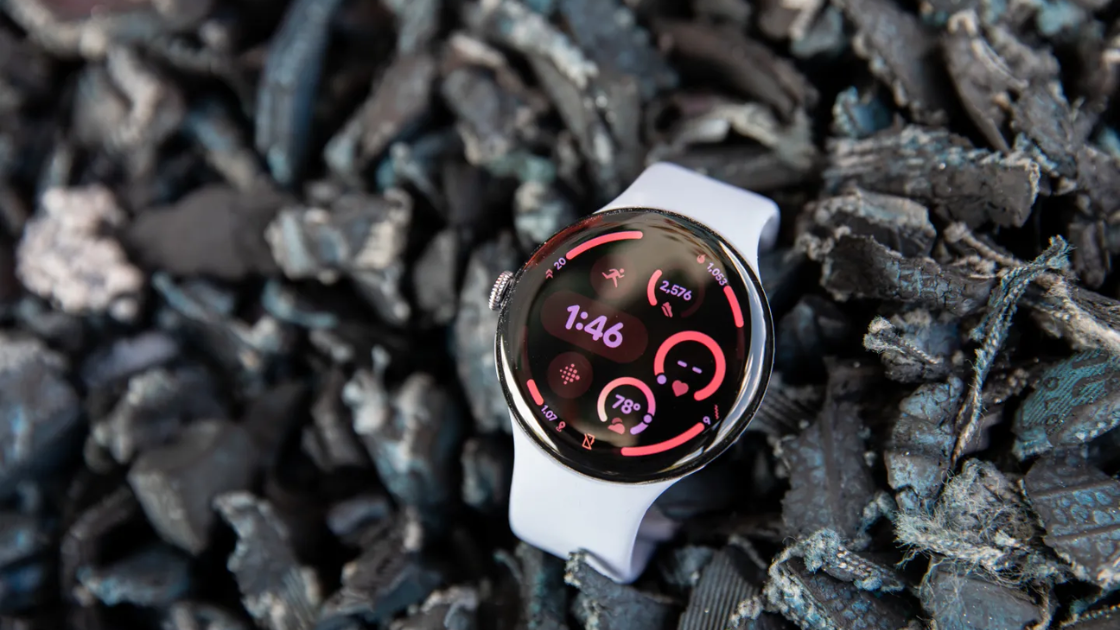
Google also used I/O 2026 to unveil Wear OS 7, focusing heavily on battery life improvements and smarter widget functionality. The Wear OS 7 update aims to make smartwatches feel less demanding and more practical for everyday use. Likewise, the updates to the Wear OS 7 improve power efficiency across background tasks and health tracking features. Enhanced widgets on the Wear OS 7 are designed to surface more contextual information without forcing users to constantly open apps. As wearables mature, the emphasis is shifting away from flashy novelty toward subtle convenience and long-term usability. Battery anxiety remains one of the biggest pain points in wearable tech. Of course, updates like that of Google’s Wear OS 7 showcase that companies are finally treating endurance as a core feature. The best wearable technology increasingly succeeds by quietly disappearing into daily life.
Volvo and Google Use AI to Rethink Driving Assistance
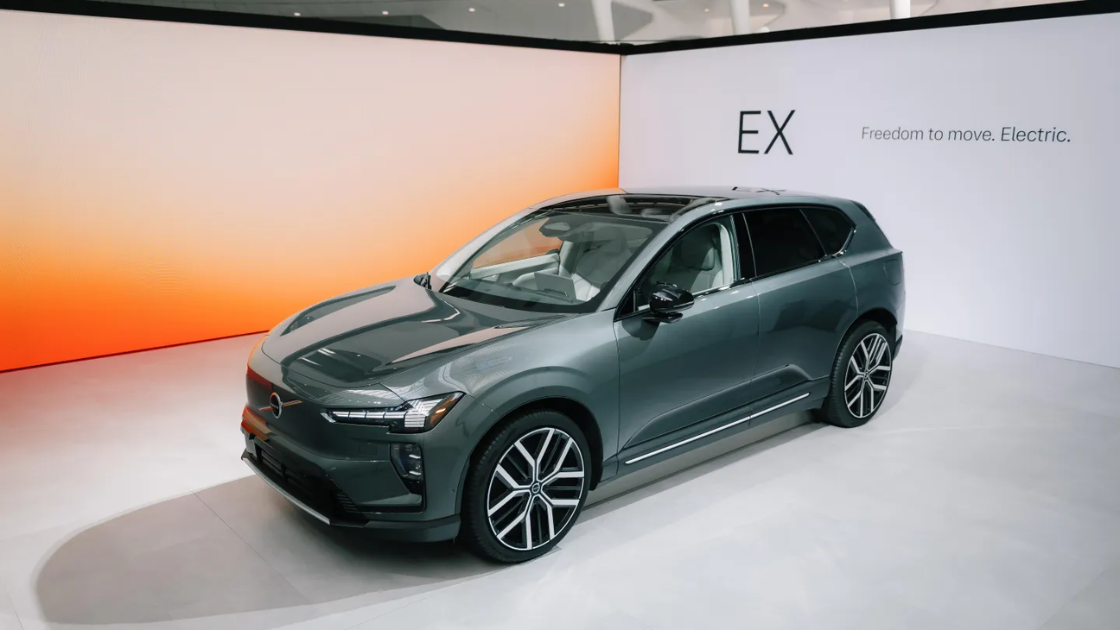
Volvo and Google showcased deeper AI integration for vehicles during Google I/O, including Gemini-powered driving and parking assistance features in the upcoming EX60. The system uses cameras and AI interpretation to assist with parking, navigation, and contextual in-car support. Rather than relying solely on rigid commands, Gemini is designed to support more conversational and adaptive interaction while driving. Automakers increasingly view AI as central to the next generation of vehicle experiences, especially as electric and software-defined cars continue evolving. Cars are steadily transforming from transportation tools into connected computing environments. The dashboard of the future may feel less like a control panel and more like a dialogue.