
Stay connected with what’s happening in the world of technology. From the iPad’s M5 Chip Upgrade to Google Veo and more, we have you covered on the headlining tech news of the week. Check out the major news of the week below!
Apple’s iPad Pro gains an M5 chip and faster internals
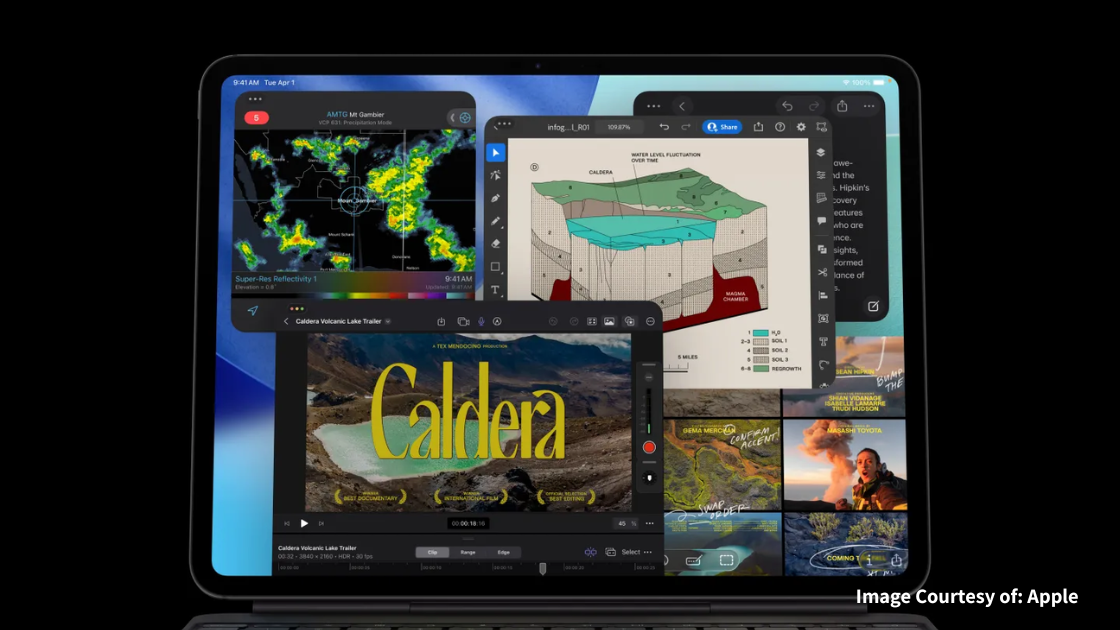
Apple updated the iPad Pro with the new M5 chip. Likewise, the addition of the M5 chip positions the tablet as an even stronger laptop alternative for creatives and pros. The M5 chip, will, of course, help those who need heavy AI and video work. Apple claims the M5 brings up to ~3.5× AI performance versus last year’s chip. Storage and memory throughput were bumped, and the device supports faster charging. These additions are helpful for power users who rely on quick top-ups between sessions. Pricing for the iPad Pro with the M5 chip starts at $999 for the 11-inch and $1,299 for the 13-inch. Units will become available for preorder and shipping in late October. For users on older iPads, the M5 is a meaningful upgrade; owners of last year’s M4 models will see more incremental gains.
Google’s Veo 3.1 improves image-to-video editing and audio controls

Google’s Veo 3.1 update tightens image-to-video generation with smarter editing tools and new audio features that make short motion clips far easier to produce from a phone’s camera roll. The update adds Flow audio controls that help sync motion with sound and gives creators more explicit handles for timing, transitions, and trimming inside the generated clips. It’s aimed at rapid prototyping and social clips rather than feature-film work, so the convenience tradeoff is clear: speed and accessibility over studio polish. For marketers and casual creators, Veo 3.1 significantly shortens the path from idea to shareable motion. Expect continued iteration as Google refines artifacts and extends quota limits for pro users.
Threads introduces group chats to broaden conversation styles
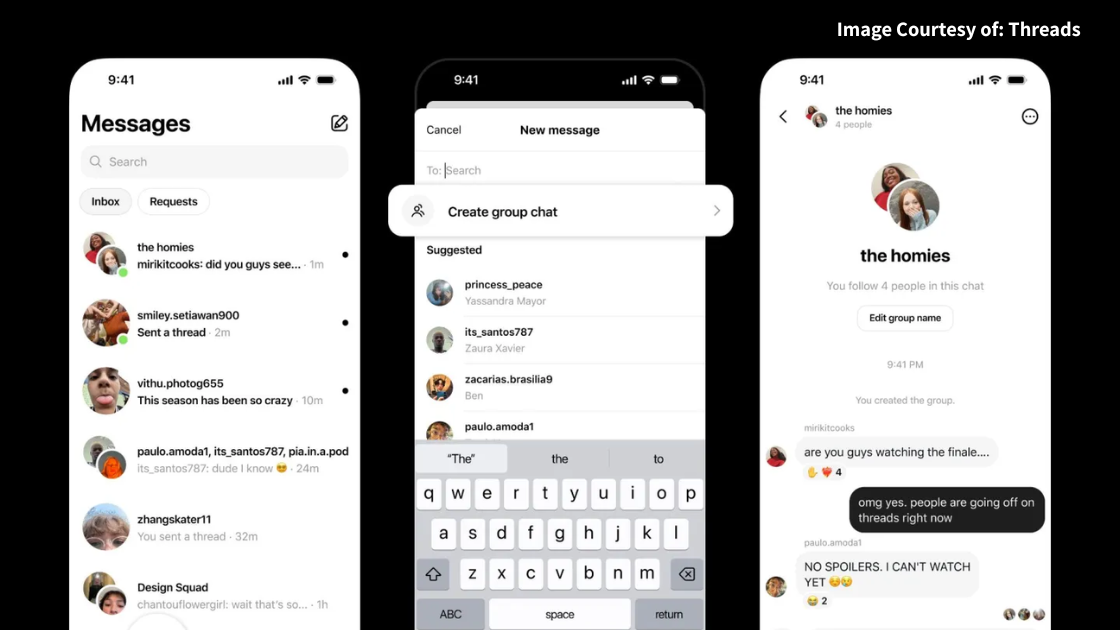
Threads expanded from broadcast-style posts to include group chats, letting people form persistent, private conversations inside the app and share posts, links, and media without switching platforms. The feature brings core messaging affordances — threaded replies, member invites, and moderation controls — that make Threads more useful for close-knit communities and real-time coordination. For creators and small groups, it reduces context switching and keeps discussion where the audience already lives; for Meta, it’s another push to blend public posting with private messaging. The rollout is gradual, and we’ll likely see added admin tools and integrations as Threads matures into a hybrid social/messaging hub. Overall, group chats make Threads a more complete social product.
Honor teases a “robot phone” with a fold-out camera arm
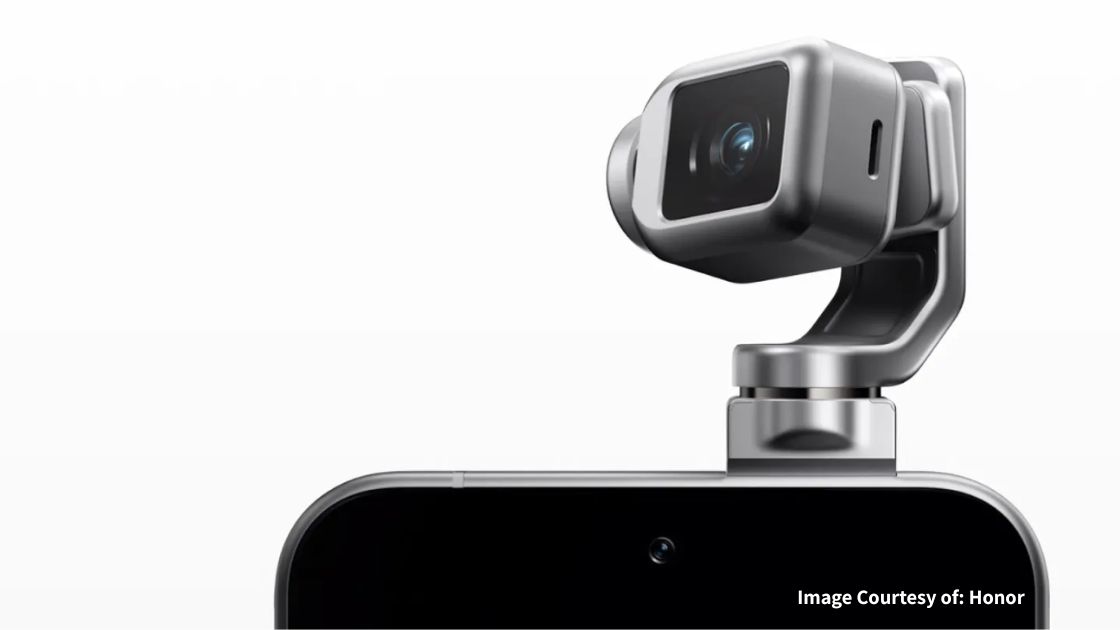
Honor teased a striking robot-phone concept that unfolds a mechanical camera arm from the chassis, hinting at new photo/video form factors that mix mobility with articulated imaging hardware. The reveal is mostly a design concept for now, but it showcases how manufacturers are experimenting with mechanical modules to unlock fresh creative possibilities—selfie rigs, cinematic gimbals, or extended optical arrays without massive thickness. Honor’s teaser positions the device as a bridge between handheld phones and dedicated imaging tools, though practical concerns—durability, battery drain, and software polish—will be decisive if it ships. For photographers and creators, the idea is exciting; for mainstream users, it will depend on execution and price. Expect more details at Honor’s upcoming announcement.
Samsung teases Project Moohan and an Android XR launch window

Samsung officially teased its Project Moohan Android XR headset with a launch event on the horizon, signaling another major OEM pushing into spatial computing with Android XR compatibility. Early hints emphasize comfortable wear, mobile-grade optics, and close integration with Android tools—features meant to attract developers and lower the barrier for XR app targets. If Samsung hits the mark on comfort and platform parity, Moohan could broaden the XR ecosystem and make it easier for creators to build once and deploy across more headsets. Real-world success will hinge on battery life, developer support, and whether Samsung can differentiate on ergonomics and price. The event next week should clarify specs and availability.
Nvidia’s Spark personal AI supercomputer aims at desktop-scale model work
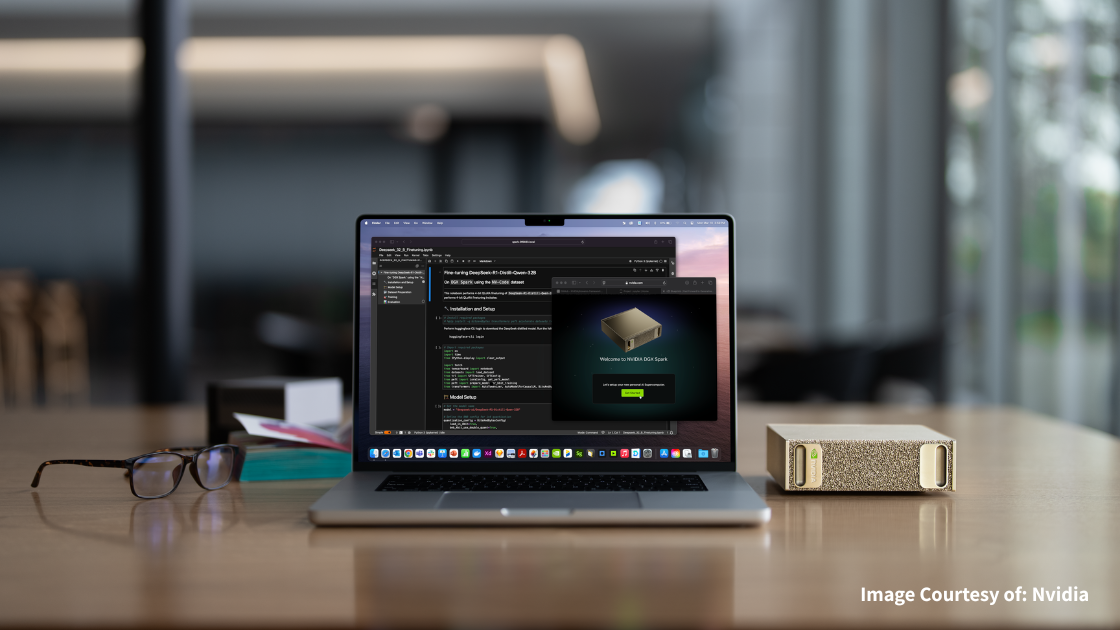
Nvidia launched Spark, a “personal AI supercomputer” designed to bring heavy local model training and inference into prosumer and small-team setups, with availability starting mid-October. Spark packages dense acceleration and memory bandwidth in a compact form so creators, researchers, and studios can prototype large models or run demanding multimodal workloads without constant cloud bills. The product represents Nvidia’s bet that at least some AI workflows will live on-premise for latency, privacy, or cost reasons—complementing cloud offerings rather than replacing them. For buyers, Spark offers impressive local horsepower, but it also requires planning for power, cooling, and model ops that enterprises typically shoulder. Expect Spark to appeal to teams that need repeatable, low-latency experimentation outside of cloud constraints.