December’s rolling by, so tune into this week’s tech headlines. From Alexa Plus to Atlas Obscura and beyond, we’ve gathered the top stories in today’s blog. Dive in below and stay connected!
Atlas Obscura’s Obscura Society brings a friendly 3D lounge to the web

Atlas Obscura is building the Obscura Society, a WebXR-based social lounge that embeds directly into articles so people can hop from reading about a place into a shared 3D space with friends or strangers. The lounge is device-agnostic by design — desktop and mobile visitors can join alongside headset users — and it’s built on HTC’s Viverse to lower friction for entry. Atlas Obscura positions the environment as a “third place,” where people hang out, explore curated portals to real-world sites, and even lean into playful features like a virtual bartender who dishes up facts about locations. For publishers and communities, it’s a neat experiment in turning passive reading into live social exploration without forcing everyone into a headset. Expect the Obscura Society to surface how 3D web experiences can be social, accessible, and anchored to existing editorial catalogs.
LG’s Dolby FlexConnect speakers hint at a more modular, connected CES 2026
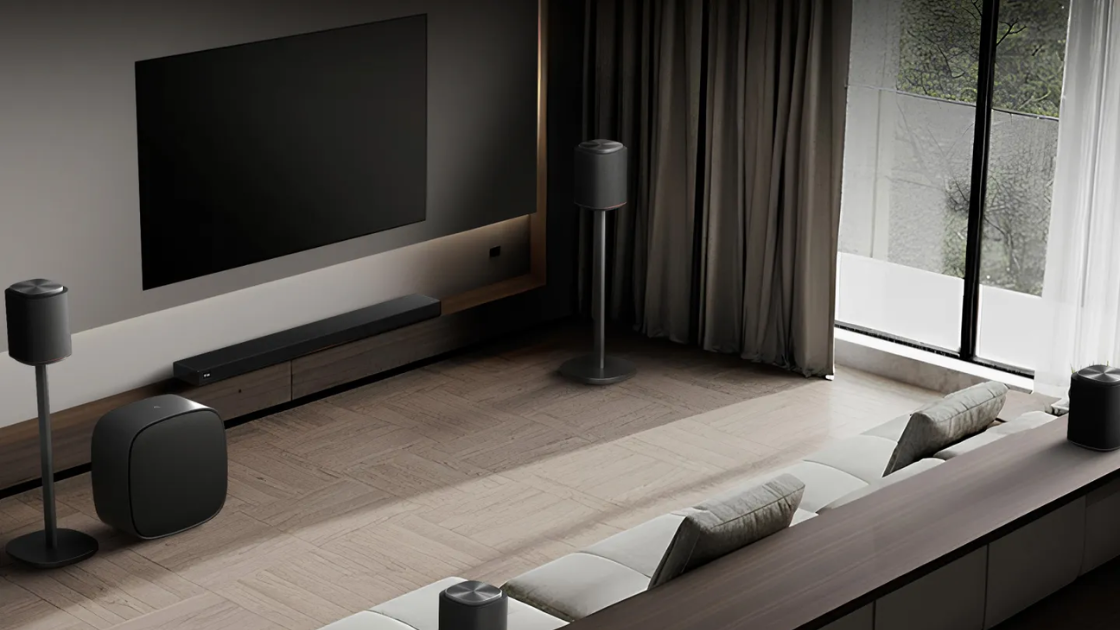
LG is showing Dolby FlexConnect speaker prototypes for CES that emphasize modular setups and richer room-aware audio, a sign that living-room audio is moving toward adaptable, room-filling systems rather than single static bars. The FlexConnect concept leans into Dolby processing and wireless pairing, letting users start with a core unit and expand to satellites that intelligently distribute channels and ambiance. For designers and marketers, modular audio is an opportunity: campaigns can focus on scalable sound experiences for small apartments up to big living rooms. It’s also a reminder that CES remains the place to surface hardware concepts that marry premium audio codecs with consumer convenience. If LG ships FlexConnect in consumer form, expect easier upgrades for people who want better sound without redoing an AV rack.
Snapchat’s Quick Cut stitches footage into a polished video without the fuss

Snapchat launched Quick Cut, an in-app editor that automatically trims, sequences, and scores video clips so casual creators can get a share-ready reel in seconds rather than minutes. The tool analyzes clip pacing and selects highlights, then offers one-tap stylistic options — a helpful shortcut for users who want fast polish without learning timelines or keyframes. For social marketers and influencers, Quick Cut shortens production loops and reduces the friction of daily posting schedules. While power editors will still rely on dedicated apps for fine control, Quick Cut demonstrates how smart defaults and good UX can make short-form video production accessible to everyone. Expect more builders to bake similar auto-edit flows into mobile apps as short video remains the lingua franca of social discovery.
Bluesky’s “Find Your Friends” aims to be privacy-first while helping you connect
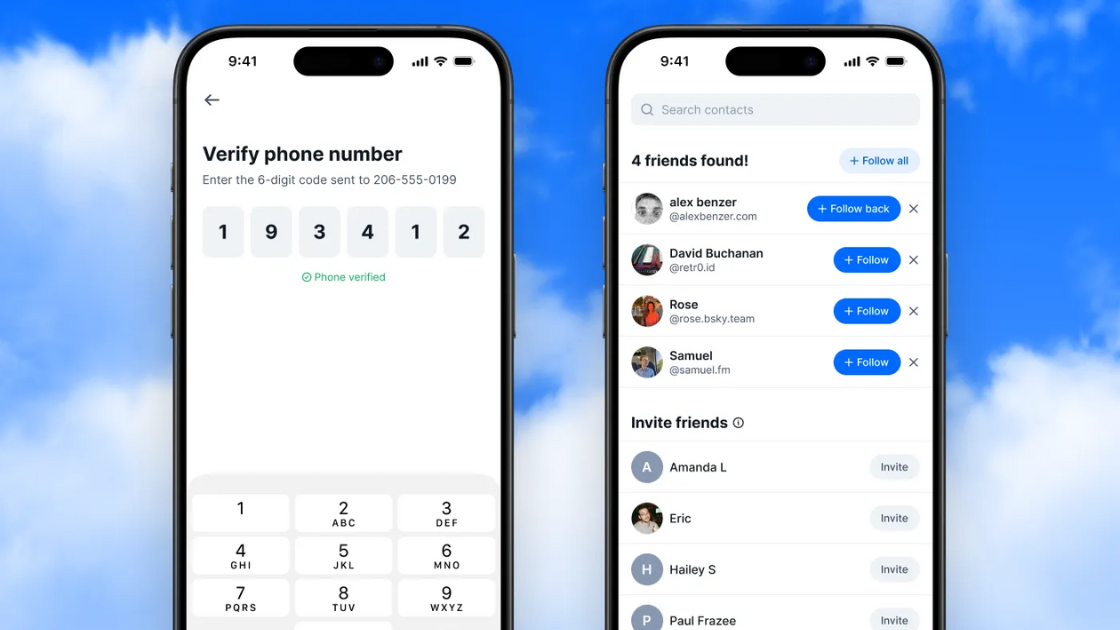
Bluesky introduced a contacts-import feature designed to help users find friends while preserving privacy by hashing and matching contacts locally rather than uploading raw address books to a central server. The company frames the feature as a middle path: fewer onboarding headaches without giving away contact lists for scraping. For smaller networks and creators, the result is less friction getting your existing community onto a new app — which matters when adoption depends on friends being present. Privacy advocates will still press on details (how matches are stored, opt-outs, and retention), but Bluesky’s design shows an attention to minimizing data exposure by default. If it balances utility and safeguards, the feature could help social apps compete on both convenience and trust.
Alexa Plus goes public with alexa.com as Amazon builds a paid hub for power users
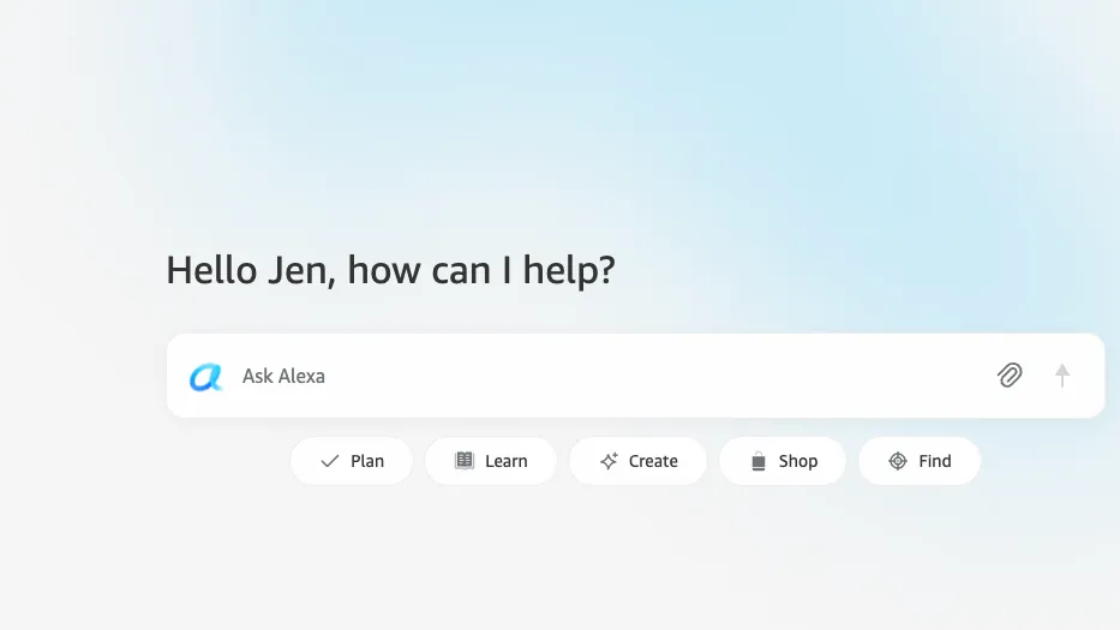
Amazon flipped the switch on alexa.com for some users, surfacing documentation and sign-up flows for Alexa Plus. The new premium option, Alexa Plus, has a paid tier that bundles advanced automations, better integrations, and device-level perks. The site lays out perks for Alexa Plus power users who want more from voice and living-room assistants. Likewise, this is the clearest sign yet that Alexa is moving beyond a free utility into a subscription product with richer surface area. For product teams, Alexa Plus is a reminder that platform features can be tiered. The Alexa Plus rollout will be a live test of how many households see value in upgraded voice convenience. Additionally, it will gauge whether developers build Alexa Plus exclusive skills. Watch how Amazon balances gated features with ecosystem openness so the platform remains attractive to creators and partners.
Meta’s AI glasses sharpen conversation focus and integrate music cues from Spotify

Meta pushed an update to its AI glasses that helps the device surface conversational context. The updates include boosting transcriptions and focusing on the person speaking. In addition, they have added tighter Spotify integrations to surface music cues and playback controls while staying hands-free. The improvements aim to make on-face computing less distracting and more helpful in live social settings. Of course, this means better audio focus, clearer captions, and quick music controls. For early adopters, the update makes wearables feel more companionable and less gimmicky. Likewise, for product designers, it’s a case study in reducing friction for ambient computing. The real test will be how reliably the glasses separate overlapping voices and respect privacy in public settings. Overall, the update is a practical forward step for conversation-first wearables.