Dive into this week’s leading tech news headlines. From Nintendo My Mario Merch to Microsoft CoPilot and more, we have you covered on the latest news. Check out what’s happening from across the web!
Microsoft’s Copilot now lets you buy without leaving chat

Microsoft unveiled Copilot Checkout, a new in-chat purchase flow that surfaces “Buy” buttons inside Copilot so you can choose a product, enter shipping and payment details, and complete checkout without opening a retailer’s site. The feature is rolling out with select partners (think Urban Outfitters, Anthropologie, and some Etsy sellers) and taps payment providers like PayPal, Stripe, and Shopify to power transactions. It’s part of a larger trend—agents moving from suggestion to action—so expect more assistants to blur discovery and commerce into one conversational loop. For shoppers, the convenience is obvious; for merchants, it’s a new placement to win conversions (and a new place to think about brand control and data). Keep an eye on how receipts, returns, and post-purchase service get handled when the cart never actually leaves the chat.
Nintendo brings My Mario merch to the U.S. Market
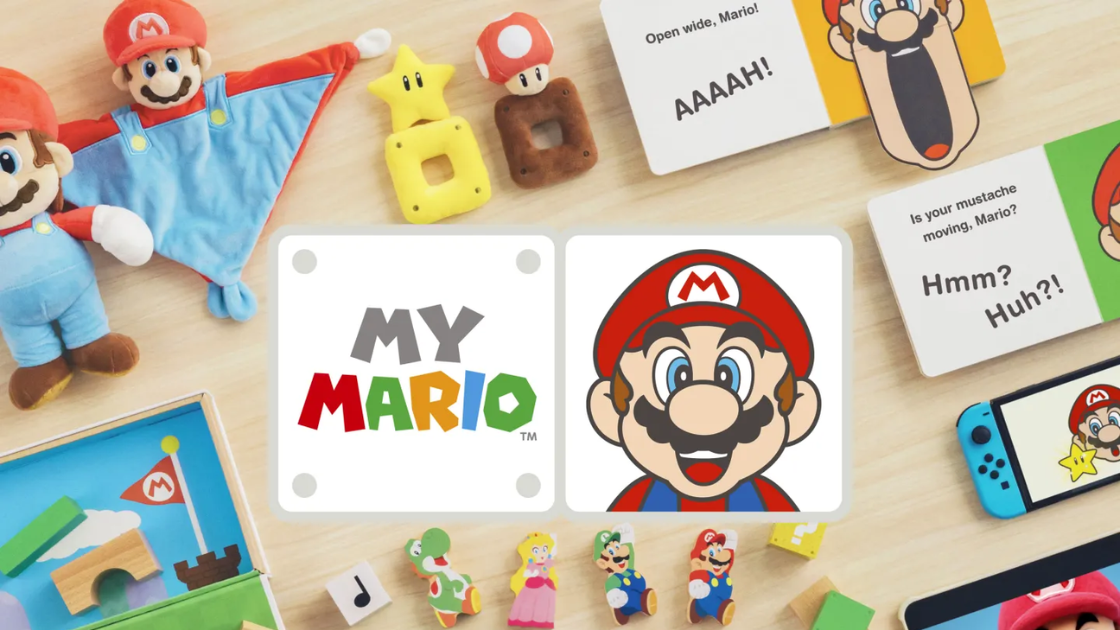
Nintendo is expanding its My Mario line in the U.S. next month with apparel, toys, books, and a mobile app. Likewise, this debut from Nintendo packages the brand’s cozy, character-driven merch into an owned-brand moment. The Nintendo initiative feels designed to turn fandom into low-friction, everyday touchpoints. Of course, think soft hoodies you actually want to wear and small toys that make for shareable social posts. For brand teams, it’s a reminder that IP monetization now lives across product, content, and companion apps rather than just game sales. The move by Nintendo also taps into nostalgia and collectible culture. If you’re curating lifestyle content, expect a new wave of Nintendo Mario-themed flatlays and influencer fits.
Bose open-sources old SoundTouch smart speakers
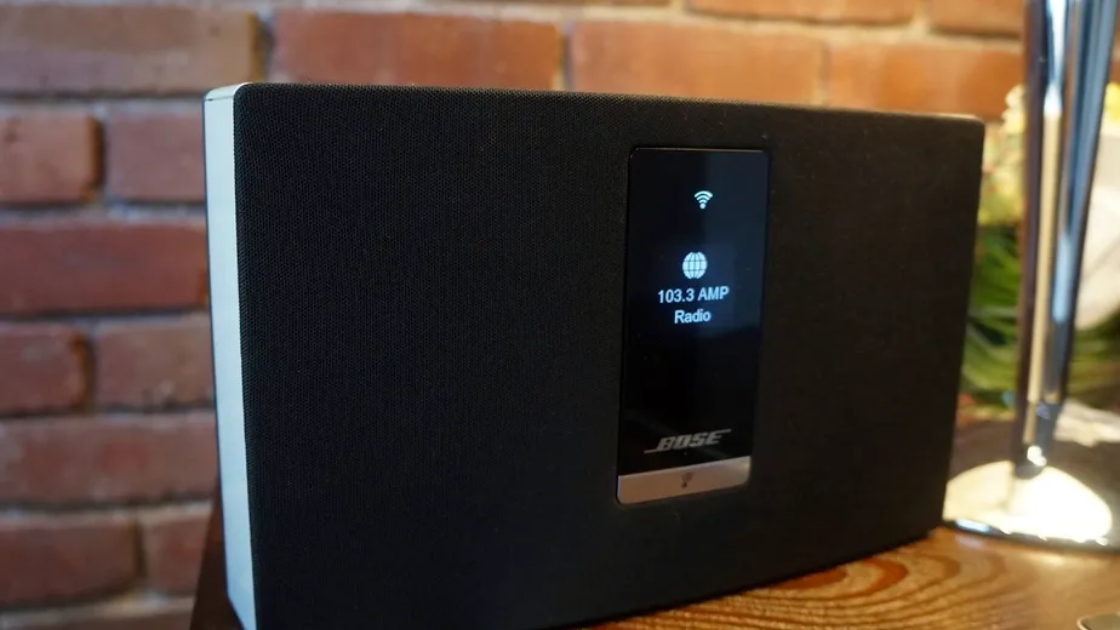
Bose surprised many by choosing to open-source the software for older SoundTouch smart speakers that were losing official cloud support, giving owners and hobbyist devs a route to keep devices useful rather than forcing e-waste. The code release lets community maintainers run local or self-hosted services, effectively turning obsolescence into an opportunity for DIY longevity. It’s a rare corporate move that respects customer hardware investments and empowers privacy-minded users to retain features without vendor lock. For the sustainability crowd, this is an encouraging precedent: when companies can’t or won’t keep cloud hooks live, handing control back to users is a practical, less-wasteful path. Watch whether other audio and smart-home brands follow Bose’s example when clouds fade.
Disney Plus tests vertical video to meet the short-form moment

Disney Plus is experimenting with vertical video formats — a nod to short-form viewing habits — so that bite-sized, portrait-first clips can live inside the streaming app alongside traditional widescreen fare. This is about more than orientation: it’s a play to surface snackable moments from franchises and to keep eyeballs inside Disney’s ecosystem when users are in a scroll mindset. Creators and social teams will appreciate another official home for repurposed clips and discovery loops that feed back into long-form viewing. For viewers, the experience should feel more native for mobile-first browsing, though the challenge is preserving cinematic intent while slicing content into portrait frames. Expect creative teams to test repackaged scenes, micro-edits, and vertical trailers as the format matures.
Bluetti lets you fast-charge power stations from your car at up to 1,200W
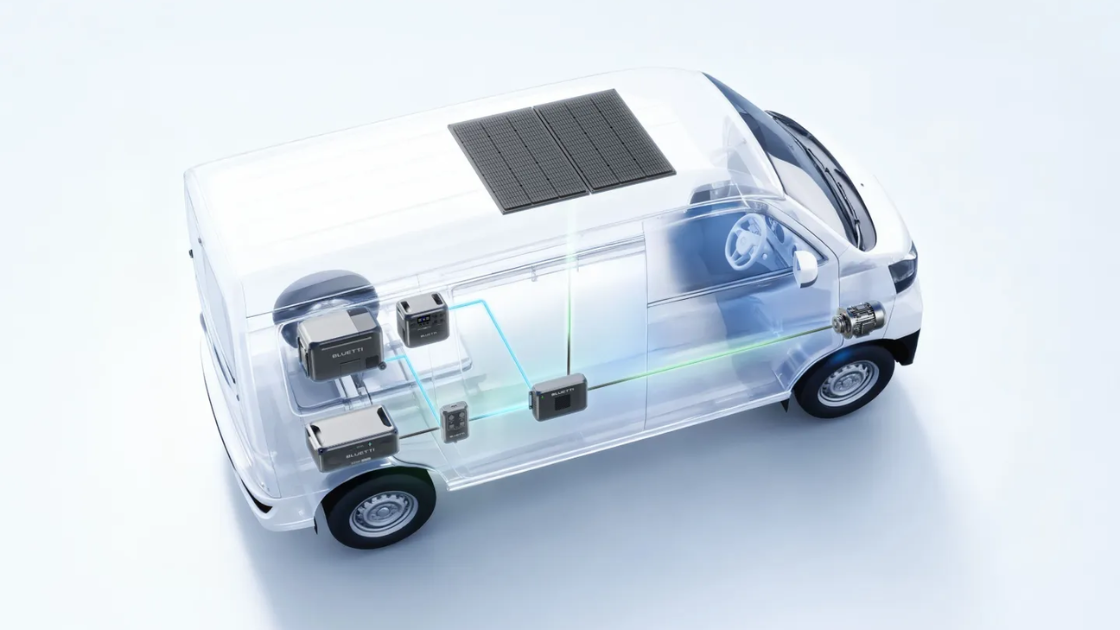
Bluetti updated its car-charging support so compatible power stations can now accept up to 1,200W from a vehicle’s inverter, dramatically cutting refill times on road trips and emergency runs. That change turns a car into a far more useful mobile charging hub for large batteries, making portable power stations actually practical for overnight uses or power interruptions while traveling. The tradeoffs are about vehicle wiring and inverter quality—this kind of throughput demands robust electrical systems and safe cabling—so installers and users should proceed with care. For overlanders, vanlifers, and emergency planners, the feature meaningfully shrinks the “refill” pain point and makes off-grid power more usable without long wait times. It’s another small step toward making portable energy feel less like camping gear and more like dependable mobile infrastructure.
L’Oréal’s Light Straight uses infrared to speed hairstyling
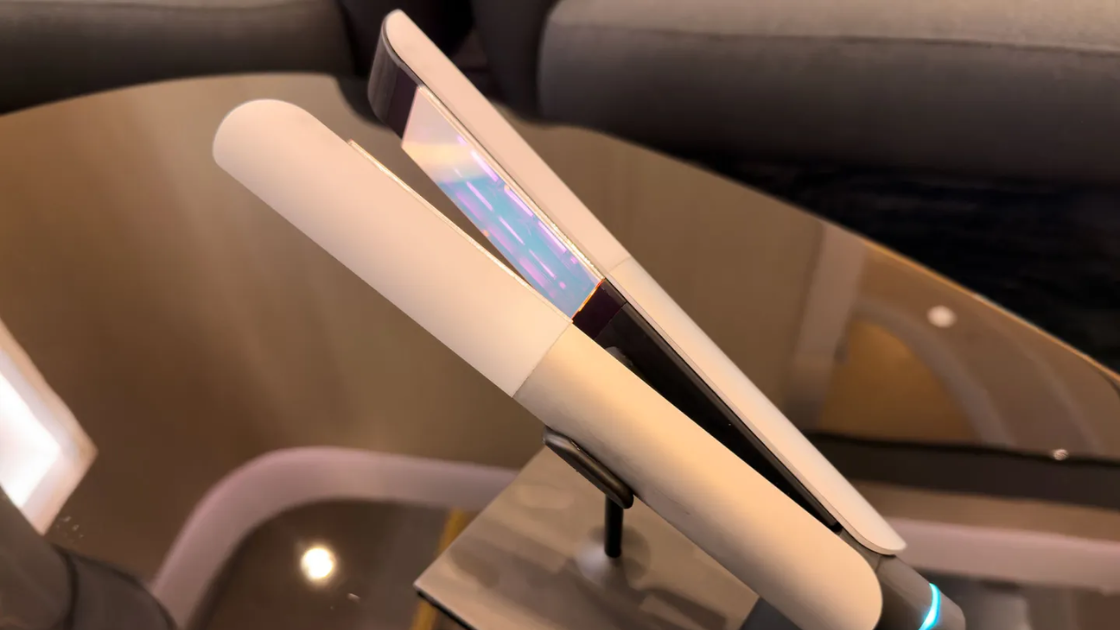
At CES, L’Oréal demoed Light Straight, a handheld styler that leverages targeted infrared heat to smooth hair faster with less thermal exposure than traditional flat irons. Early hands-on notes highlight quicker styling passes and a gentler feel on brittle hair, suggesting that light-based thermal strategies might be a real haircare innovation rather than a gimmick. For beauty tech product teams, the gadget is proof that category incumbents can meaningfully reengineer everyday rituals with science-backed heating methods. Consumers should expect premium pricing at first, but if the tech proves kinder to hair over time, adoption could spread beyond early adopters. Regulatory and safety testing will be important to watch as the category shifts from brute-force heat to smarter thermal delivery.
Amazon refreshes the Dash Cart for Whole Foods
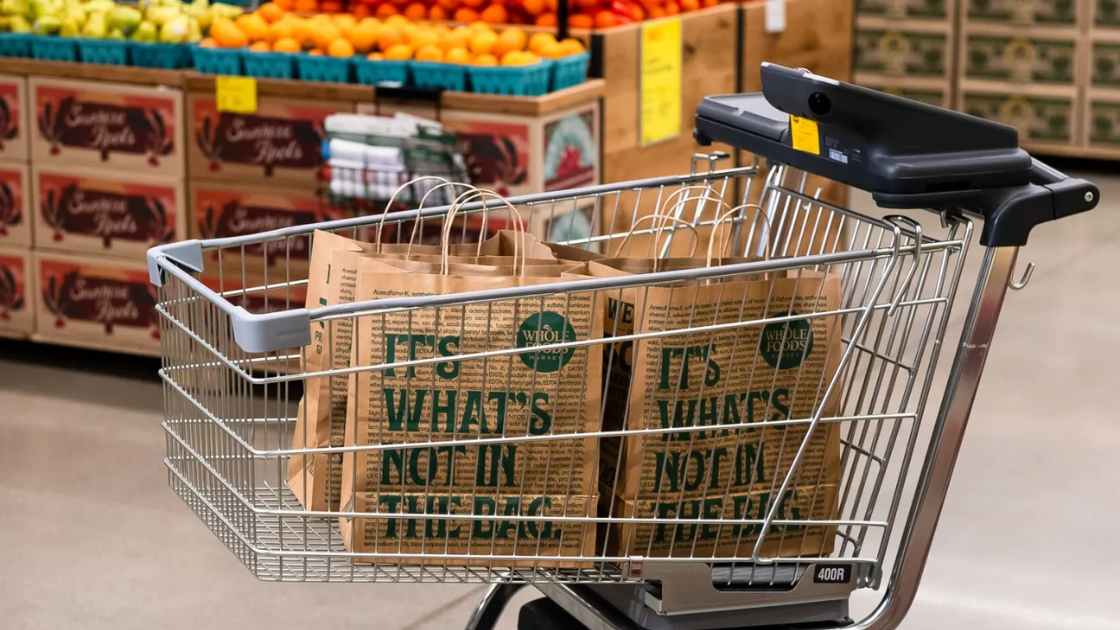
Amazon unveiled a redesigned Dash Cart for Whole Foods that’s lighter, carries more, and includes tap-to-pay so shoppers can breeze through checkout even more smoothly than before. The cart’s iteration leans into convenience: improved sensors, better ergonomics, and a payment flow that reduces friction for fresh grocery runs. For retailers and in-store marketers, the cart remains an experiment in blending physical retail with digital ease—data from instrumented carts can inform aisle layout, promotions, and inventory. Privacy questions linger about in-store tracking, but the value proposition for a frictionless grab-and-go experience is undeniable for busy shoppers. Expect Amazon to keep iterating on the hardware and software interplay as it learns usage patterns at scale.