Stay in sync with what’s happening in the world of tech! From NBC Sports AI to Google’s Veo 3.1 and more, we have you covered on this week’s headlines. Check out what’s happening from across the web below!
YouTube adds teen time limits for Shorts to parental controls

YouTube now lets parents set explicit time limits for kids’ and teens’ Shorts viewing, with presets from 15 minutes up to two hours and an option to set zero minutes soon — kids and teens won’t be able to disable those limits on their end. The feature extends YouTube’s broader effort to classify and restrict under-18 accounts, letting parents also set Bedtime and Take-a-Break reminders and manually choose the account’s age category during signup. It’s a familiar move in platform safety land — aligning YouTube with Instagram and TikTok’s earlier nudges toward under-18 restrictions — and it’s designed to reduce endless scrolling without requiring new hardware or extra apps. For families, the change is straightforward: more parental control over how long Shorts can be a background habit. Expect rollout to be gradual as YouTube tightens age estimation and account classification.
NBC Sports and Nippon TV lean on AI tracking to follow favorite players live
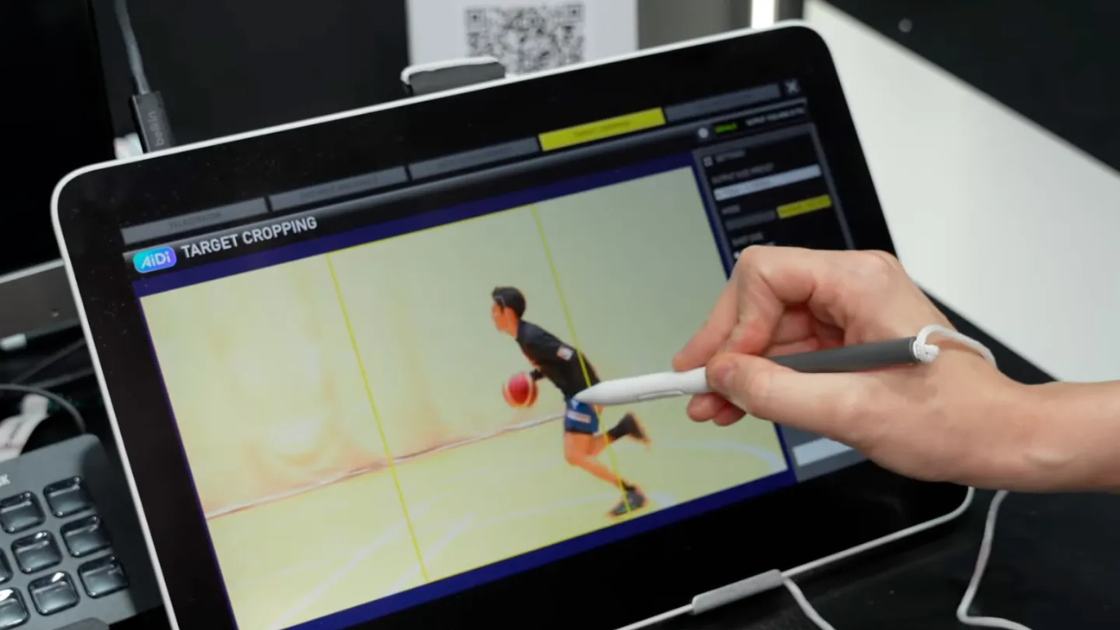
NBC Sports and Nippon Television are piloting AI-driven player tracking that lets viewers follow specific athletes in real time. Offering personalized camera feeds and mobile experiences, the NBC Sports tracking spotlights chosen players’ motion and statistics. The NBC Sports system combines computer vision and telemetry to identify and isolate athletes on the field. Likewise, this delivers view layers that can show replays, positional overlays, and player-centric angles. The new development from NBC Sports is great for fans who want a single-player focus. For rights holders and broadcasters, the tech opens new engagement windows and targeted ad opportunities. The approach by NBC Sports also highlights how augmented broadcast tooling can make linear sports feel more like a choose-your-own-camera experience. Privacy and data-use guardrails will matter as broadcasters refine how much personal tracking and derived metadata live inside viewer apps.
Fujifilm’s Instax Mini Evo Cinema Link Plus blends instant prints with cinema tricks
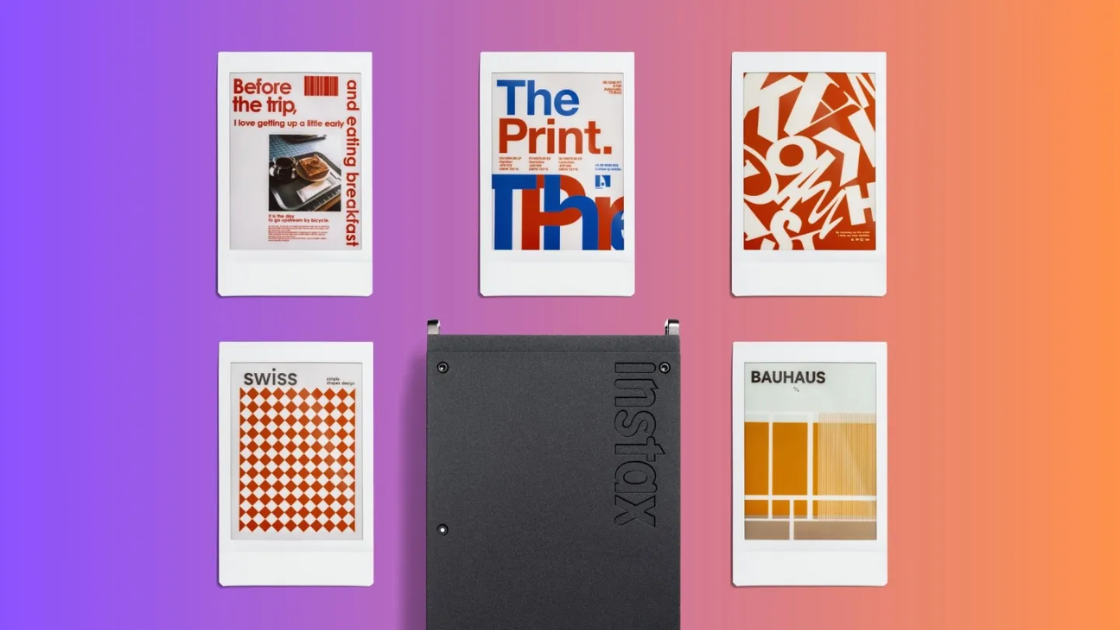
Fujifilm updated its Instax Mini Evo line with the Cinema Link Plus, a printer and companion workflow that leans into short video and cinematic stills — letting users pull clips, capture high-speed moments, and pair them with Instax prints for tactile keepsakes. The product keeps the charm of instant film while adding features aimed at creators who want shareable physical artifacts from their mobile video moments. It’s a reminder that analog formats still have cultural value when married to clever digital features that boost storytelling and shareability. For creators who love tangible content, the Evo Cinema Link Plus is a neat bridge between moving images and printed nostalgia. Pricing and availability put it squarely in the impulse-buy/gift category for makers who want to mix analog and digital play.
Google’s Veo 3.1 makes vertical AI videos out of portrait images
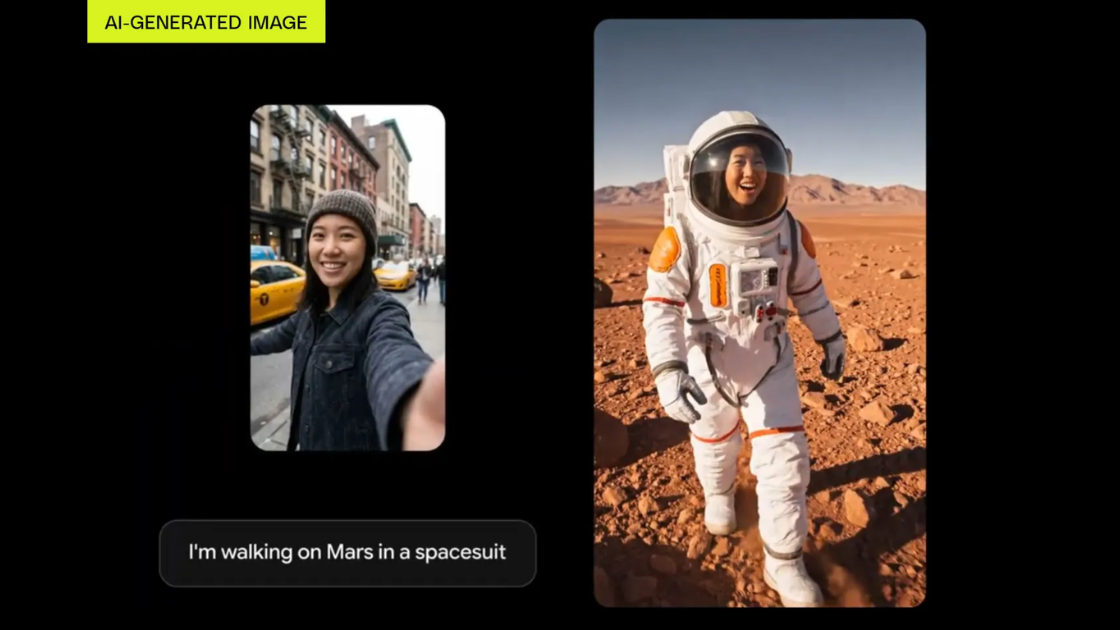
Google updated Veo to version 3.1, expanding its AI “video ingredients” toolkit to convert portrait photos into vertical, scroll-ready video clips and to provide creators with faster, more native outputs for short-form platforms. The update improves framing, motion synthesis, and audio-linked transitions so a still portrait can become a dynamic, mobile-ready clip without heavy manual editing. For social creators and publishers, it cuts production time by turning existing image assets into vertical-first content that fits modern discovery surfaces. As platforms prioritize short vertical formats, Veo’s enhancements underscore how image→video pipelines will be a central productivity lever for small teams and solo creators. Expect iterative quality improvements as Google refines motion realism and context preservation.
Apple’s Creator Studio apps aim to compete with Adobe for in-house creatives
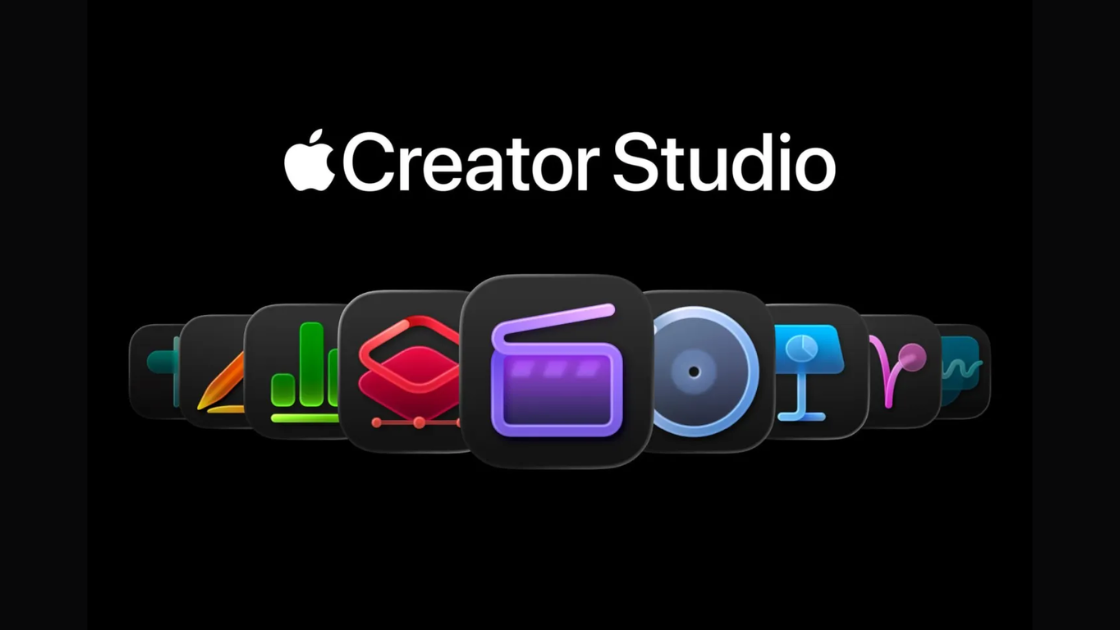
Apple debuted a Creator Studio suite — apps and subscription tooling that help creators edit photos and videos, design assets, and publish across Apple platforms — positioning itself as a more integrated alternative to third-party suites like Adobe’s. The apps are built to take advantage of on-device silicon and Apple’s media frameworks, promising smooth performance and tight OS integration for iPhone, iPad, and Mac workflows. Apple pitches the suite as a simpler, cohesive home for creators who want fewer app handoffs and native optimization rather than plugin-driven workflows. For pro teams, the new tools won’t replace high-end packages overnight, but for many creators, the convenience of a unified Apple stack could be enough to justify a subscription. Watch how Adobe responds and whether the ecosystem shift nudges creators toward Apple’s vertical convenience.
Anker’s new whole-home backup system scales portable power into true home redundancy

Anker revealed a whole-home backup system that links modular battery units with power distribution so households can run essential circuits during outages without paying enterprise prices for full home batteries. The system is designed for easier installation and scalability — add modules to increase capacity and route critical loads through a simple interface — making emergency power more accessible to renters and homeowners who need temporary resilience. For people prepping for storms or relying on at-home healthcare devices, this lowers the barrier to dependable backup power without major remodeling. The tradeoffs remain cost, space, and the need for safe electrical installation, but as portable energy tech matures, product-fit and service integration get closer to mainstream adoption. Expect these systems to appeal to the growing market of pragmatic resilience buyers rather than luxury off-grid enthusiasts.