As the week winds down, it’s time to dial into what’s happening in the world of tech and media. From Ferrari’s first EV to Fitbit on iOS, we have you covered on the major headlines. Check out what’s happening in this week’s tech news blog!
OpenAI adds a full-screen research viewer to ChatGPT’s Deep Research
OpenAI’s Deep Research got a practical upgrade: a built-in, full-screen report viewer that shows a table of contents, source list, and lets you open reports separately from the chat, so long investigations feel more like reading a report and less like scrolling a thread. The viewer also supports narrowing the research scope to specific websites and connected apps while generation runs, and you can export finished reports as Markdown, Word, or PDF for sharing. OpenAI is rolling this out first for Plus and Pro users, with other tiers and the free tier getting updates in the coming days. It’s a clear push to make long-form, model-assisted research usable for workflows that need citations, structure, and exportable deliverables. Expect teams using ChatGPT for research and content work to appreciate the smoother handoff from draft to deliverable.
Apple’s iOS 26.3 smooths switching to Android

Apple’s iOS 26.3 release includes a notable quality-of-life tweak: an easier Transfer to Android flow that simplifies moving data off an iPhone and onto an Android handset, plus other bug fixes and stability updates. The update reduces friction around platform switching by guiding users through account and data migration in a more automated way than prior manual steps. While this won’t convert longtime platform loyalties overnight, it does lower the barrier for people who need to switch devices for work, travel, or personal reasons. For product and support teams, the change is another reminder that cross-platform UX matters and that companies are quietly improving the escape hatch. It’s a small but meaningful move toward more user-centric device portability.
Meta’s Threads launches “Dear Algo” so users can tell the algorithm what they want
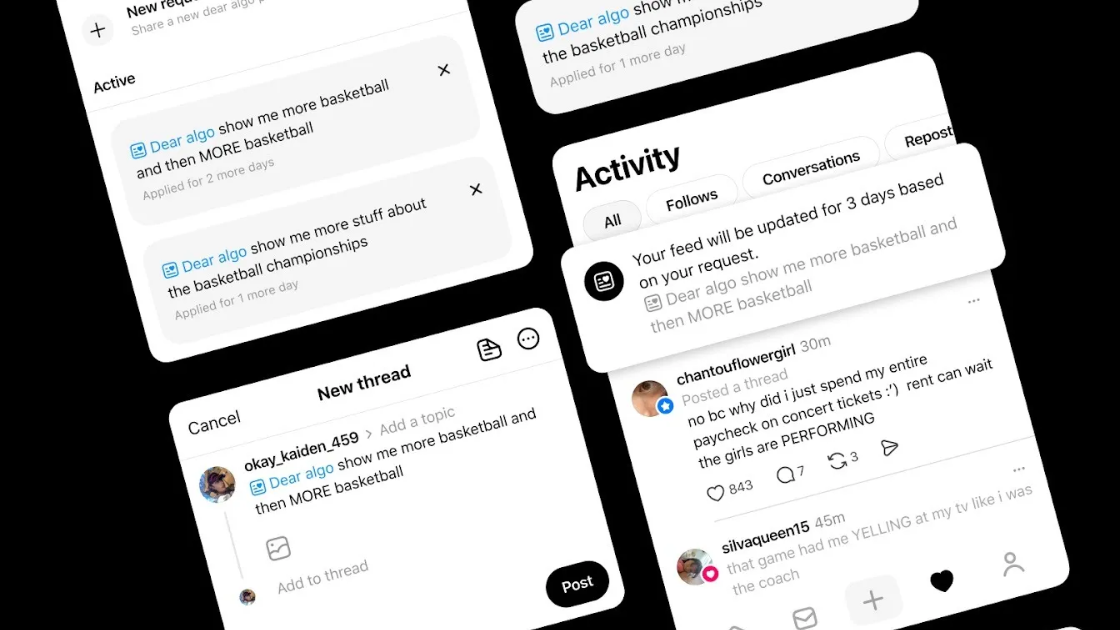
Meta’s Threads rolled out a “Dear Algo” feature that lets users give the algorithm direct feedback about the content they want to see, essentially turning passive ranking into an explicit preference dialog. Instead of hoping the feed learns from silent signals, Threads gives people a conversational way to say “show me more of X” or “less of Y,” which can immediately reshape the feed. The experiment is interesting because it tries to solve personalization transparency and control without dumping users into complex settings pages. Whether this improves long-term engagement or simply surfaces short-term satisfaction will depend on how well the model interprets and respects nuanced preferences. For community managers and creators, it’s another lever to understand audience intent and adapt content accordingly.
Fitbit opens a public iOS preview of its AI health coach
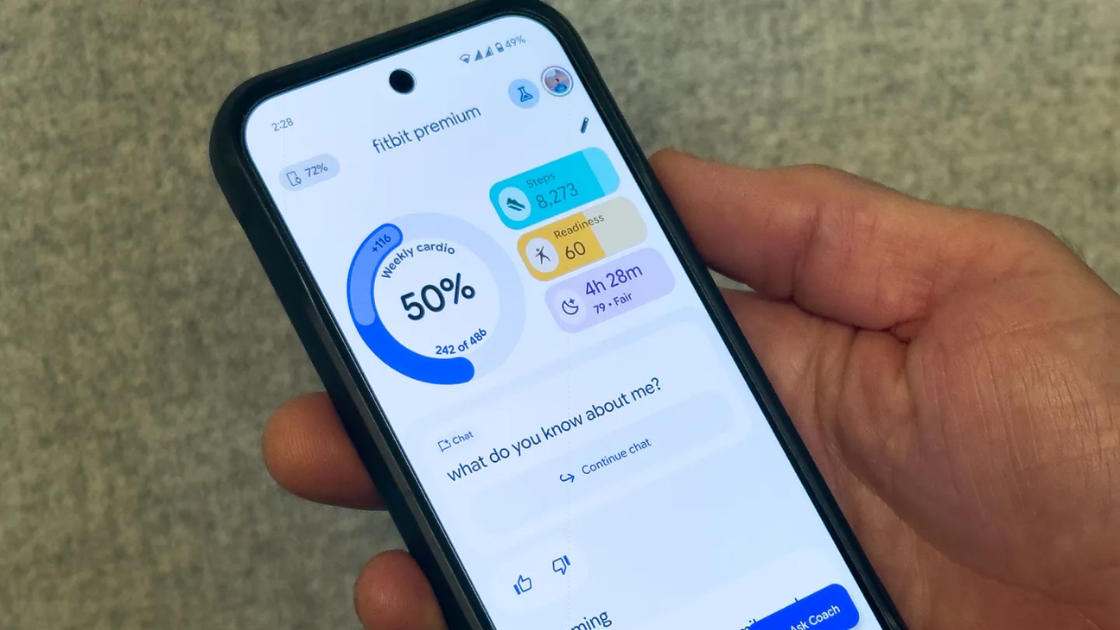
Fitbit’s AI Health Coach is now in public preview on iOS, offering personalized, conversational guidance that synthesizes activity, sleep, and heart-rate trends to suggest small, actionable changes. The coach uses your device data to create daily prompts and nudges, and Fitbit says the aim is to help users form sustainable habits rather than deliver one-off suggestions. Early testers note that contextually aware advice — for example, adjusting goals after a poor night’s sleep — makes coaching feel more humane than generic trackers. As with any health AI, accuracy, privacy, and clear boundaries about medical advice are critical; Fitbit frames the coach as guidance, not a clinical diagnosis. If the model stays conservative and transparent about its limits, it could become a gentle, everyday motivator for many users.
Google expands tools to remove sensitive, non-consensual images from Search

Google updated its removal toolset so people can more easily ask for non-consensual or intimate images and other sensitive personal data to be delisted from search results, streamlining a process that previously required multiple forms and steps. The change aims to reduce harm for victims by making remediation faster and more discoverable, with Google promising clearer guidance and faster reviews for these delicate requests. While takedowns can’t erase copies hosted elsewhere, removing links from Search significantly reduces accidental rediscovery and viral spread. The update highlights how platforms keep balancing automation with human review to handle sensitive cases responsibly. Expect civil-liberties groups and privacy advocates to scrutinize implementation details, but the move is a practical win for user safety in search.
Ferrari & Jony Ive: Ferrari’s first EV shows an Ive-designed interior that blends craft and restraint

Ferrari revealed photos of the Luce, its first EV. Ferrari’s first foray into EVs features an interior penned by Jony Ive that emphasizes minimalist surfaces. In addition, Ferrari’s collaboration with Jony Ive would have a layout that’s clearly focused on driving and calm luxury. The cabin leans into refined materials and an intentional control scheme. Likewise, this signals Ferrari’s attempt to translate its driving DNA into an electric context without surrendering its brand character. For automotive and design teams, it’s a case study in how legacy marques like Ferrari’s adapt their aesthetic language to new powertrains while preserving emotional hooks. The images suggest Ferrari sees EVs not as permission to over-digitize but as an opportunity to refine sensory and tactile experiences. If the Luce delivers on driving feel and range, Ferrari’s design could set a template for high-end EV interiors that favor craft over clutter.