Stay connected with the latest tech news from across the web. We’re covering the top headlines from Adobe Firefly to a TUBIxTikTok long-form storytelling venture and more. Check out our weekly tech news round-up below.
Custom AI Gets Personal with Adobe Firefly
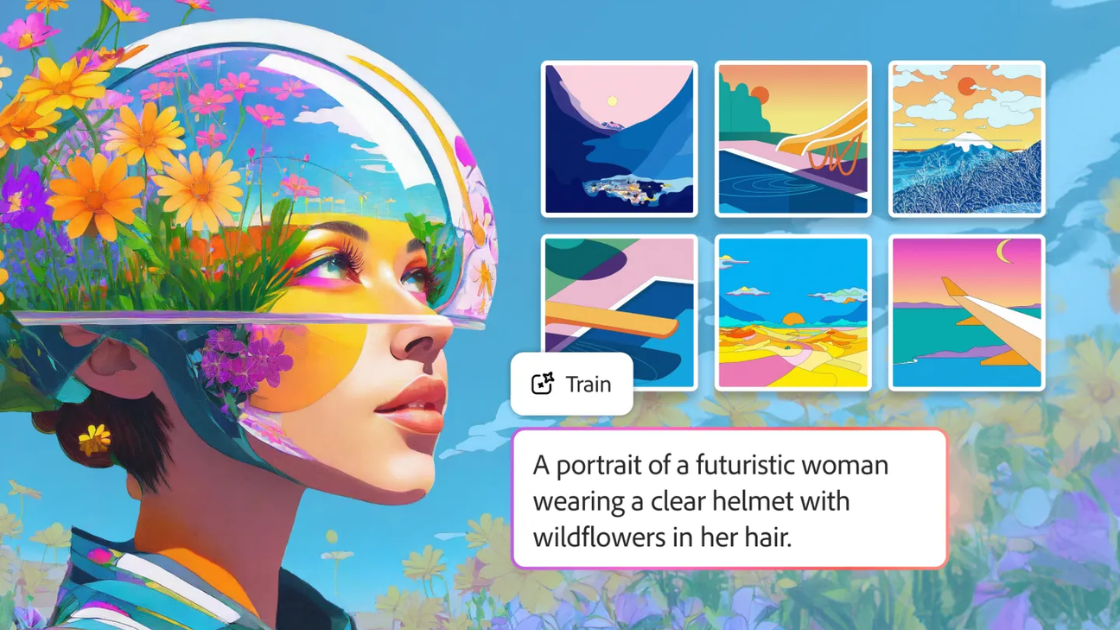
Adobe is pushing deeper into personalized AI with the launch of Firefly Custom Models in public beta. The new feature allows creators and brands to train AI image generators using their own assets, ensuring outputs stay consistent with a specific visual identity. This means everything from color palettes to character design can remain intact across large-scale content production. The models are private by default, keeping training data separate from Adobe’s broader system. Adobe is also emphasizing ethical AI practices, requiring users to confirm they own the rights to any uploaded content. Built-in safeguards can detect when images are not eligible for training, reinforcing Adobe’s “commercially safe” positioning. Ultimately, this move signals a future where AI doesn’t replace creativity but amplifies a brand’s unique voice at scale.
TikTok and Tubi Bet Big on Creator Culture

Tubi is leaning into the creator economy with a new incubator program developed in partnership with TikTok. The initiative focuses on helping digital creators expand into long-form storytelling. Likewise, the venture by Tubi and TikTok bridges the gap between short-form viral content and traditional streaming formats. This signals a shift in how platforms like Tubi are sourcing content, prioritizing creators who already have built-in audiences. For Tubi, it’s also a strategic move to stand out in a crowded streaming market without relying solely on big-budget productions. The program could open doors for influencers to transition into mainstream entertainment in a more structured way. It also reflects how platforms like Tubi increasingly view creators as studios in their own right. Expect more collaborations like this as streaming and social media continue to blur together.
Trading App Robinhood Experiments with Social Investing
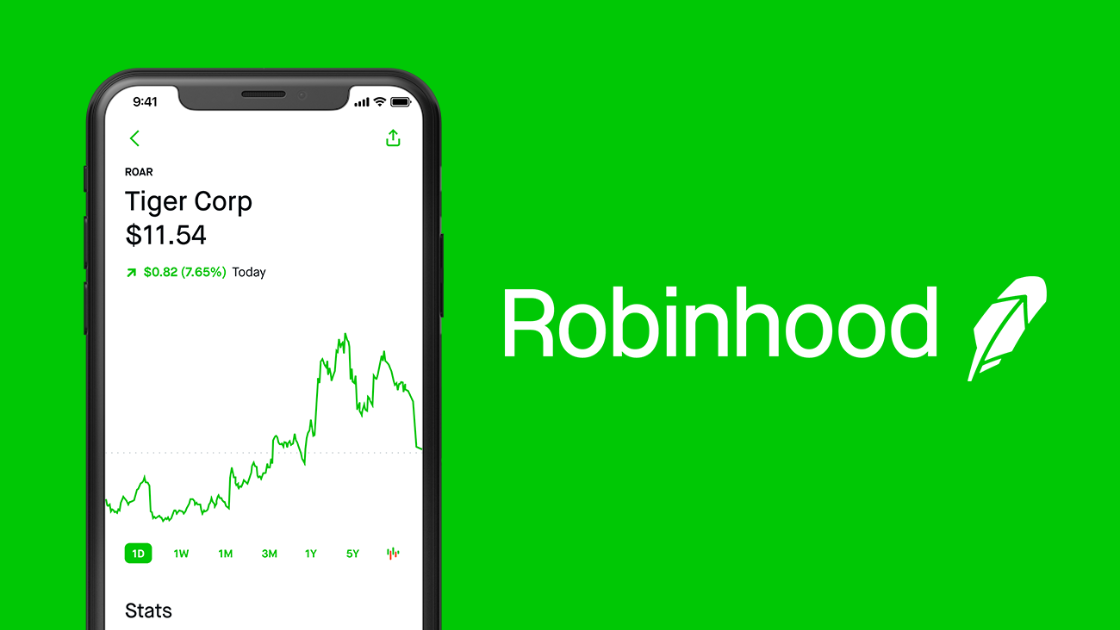
Robinhood is testing a new social networking feature aimed at making investing more interactive and community-driven. The beta introduces ways for users to share strategies, follow other investors, and engage in discussions directly within the app. This approach mirrors the rise of social trading platforms, where information spreads quickly through peer influence. By integrating social elements, Robinhood hopes to increase engagement and keep users inside its ecosystem longer. However, the move also raises questions about the risks of crowd-driven financial decisions. The company appears to be balancing accessibility with responsibility as it rolls out the feature. If successful, it could reshape how younger investors approach the market.
Audio Giant Philips Expands into Adaptive Audio Tech

Philips is stepping up its audio game with a new lineup that includes a “moving sound” Bluetooth speaker alongside wireless headphones and earbuds. The standout feature is audio that dynamically adjusts based on your environment, aiming to create a more immersive listening experience. This reflects a broader trend toward smarter, context-aware devices that adapt in real time. The new products are designed to seamlessly transition between home and on-the-go use. Philips is positioning itself as a competitor in the increasingly crowded premium audio space. With consumers expecting more than just sound quality, features like spatial awareness are becoming key differentiators. It’s another sign that audio tech is evolving into a more personalized, responsive experience.
Google Expands Its Personal AI Vision
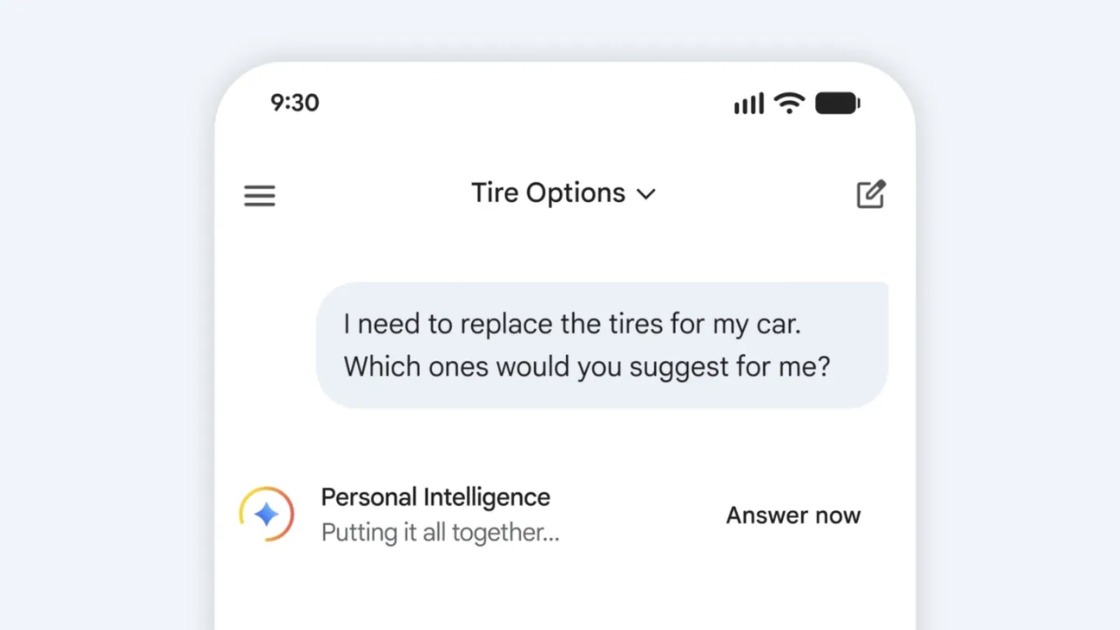
In the AI world, Google is continuing to build out its “personal intelligence” ecosystem, focusing on making AI more context-aware and integrated into everyday life. The company is working toward systems that can better understand user preferences, habits, and needs across devices. This could mean smarter assistants that anticipate actions instead of simply responding to commands. The expansion highlights Google’s ambition to move beyond search into a more proactive digital companion model. Privacy and data usage remain central concerns as these systems become more personalized. Still, the direction is clear: AI is becoming less of a tool and more of a collaborator. The race toward truly helpful, intuitive AI is accelerating fast.
1-Hour or Less: Amazon Pushes Ultra-Fast Delivery Further
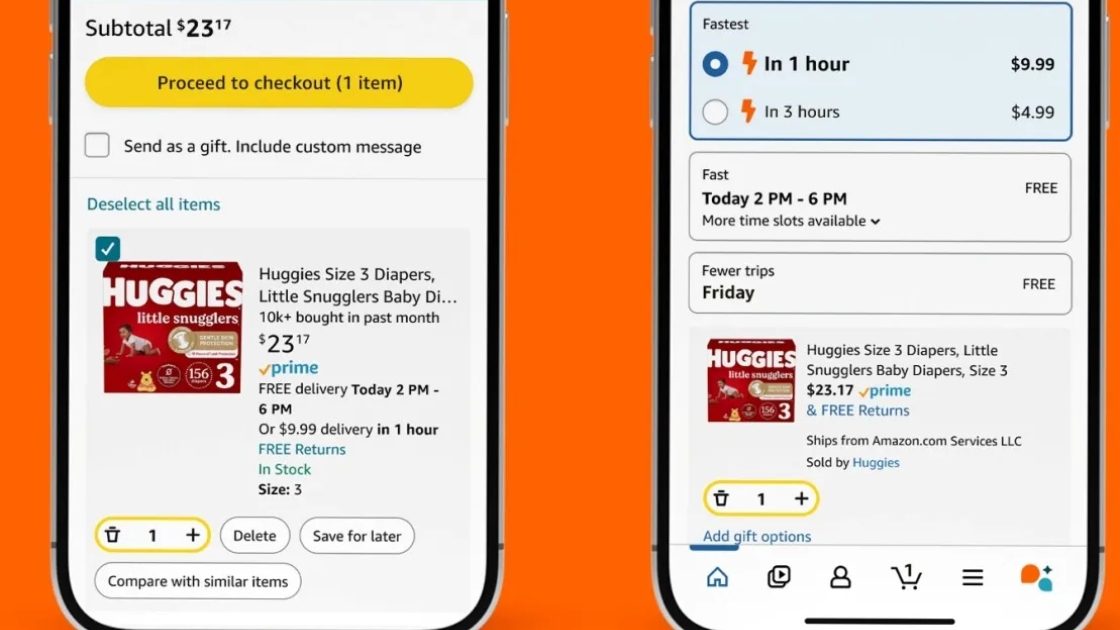
Amazon is doubling down on speed with a new feature highlighting products available for delivery in as little as one hour. The “get it fast” experience is designed to make ultra-fast shipping more visible and accessible to customers. This builds on Amazon’s ongoing efforts to compete with instant gratification expectations shaped by modern e-commerce. The company continues to refine its logistics network to support faster turnaround times in major markets. While not all items qualify, the feature signals where Amazon is heading: near-instant fulfillment. It also raises the bar for competitors trying to keep up with delivery expectations. Convenience is no longer a perk; it’s becoming the baseline.