
When it comes to being fire smart, a wildfire-proofed landscape doesn’t have to look austere. With thoughtful plant selection, elegant hardscape, and a few strategic home-hardening upgrades, your grounds can read resort-level and dramatically cut ignition risk. Here’s how to approach defensible space landscaping by zones—so your property looks refined while meeting (and anticipating) California guidance.
Fire Smart Tip #1: Understand the Three Zones (0–100 feet)
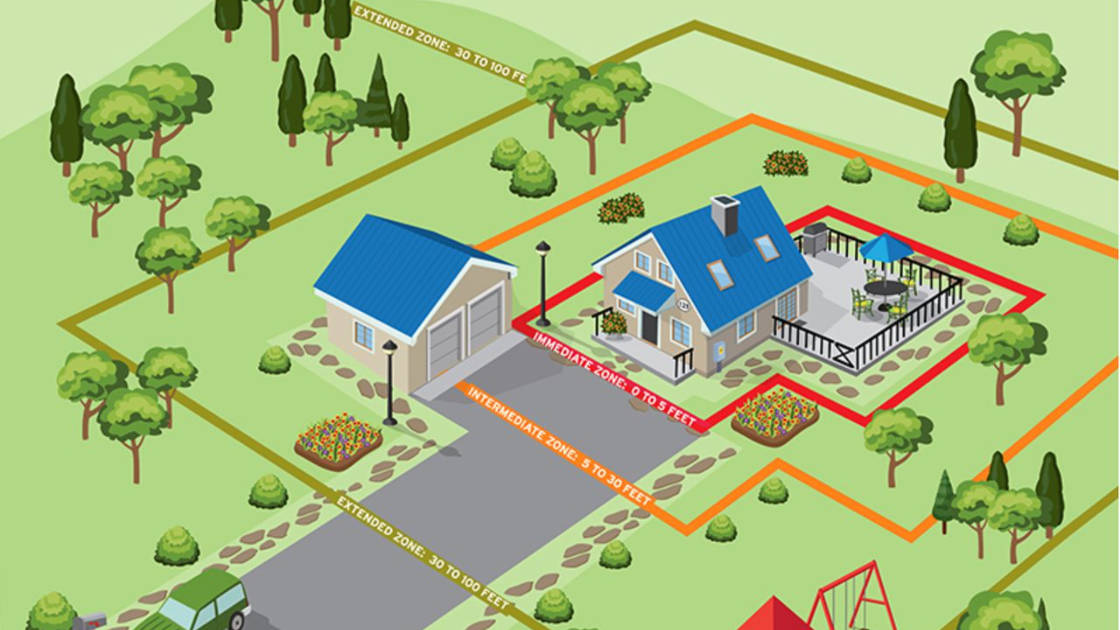
Zone 0 — 0 to 5 feet: the Ember-Resistant Zone (most critical)
Most homes ignite from wind-driven embers, not direct flames. California’s fire agencies now emphasize a non-combustible buffer within the first 5 feet around structures, decks, and attached fences: keep this area clear of anything that can catch—wood mulch, stored items, brooms, firewood, even dense shrubs. Choose gravel or stone, non-combustible planters, and irrigated, low-profile greenery only if local rules allow.
Zone 1 — 5 to 30 feet: lean, clean, and green
This is your manicured core. Priorities: prune up shrubs, separate plant masses, remove leaf litter weekly, and space features so fire has nothing continuous to climb or spread through. NFPA’s Home Ignition Zone model highlights this 5–30-foot band for the biggest maintenance wins—break up fuels, limb trees up, and keep irrigation tuned to health (not lushness).
Zone 2 — 30 to 100 feet: reduce fuels, slow the fire
In the outer ring, thin native grasses, mow seasonal growth, remove ladder fuels, and increase spacing between trees and large shrubs. The goal is to lower flame length and heat so first responders can operate safely. (City of L.A. parcels in Very High Fire Hazard Severity Zones may require brush clearance beyond 100 feet—verify your address.)
Fire Smart Tip #2: Design Moves That Marry Safety and Style
1) Build a beautiful, non-combustible “necklace” around the home (Zone 0)
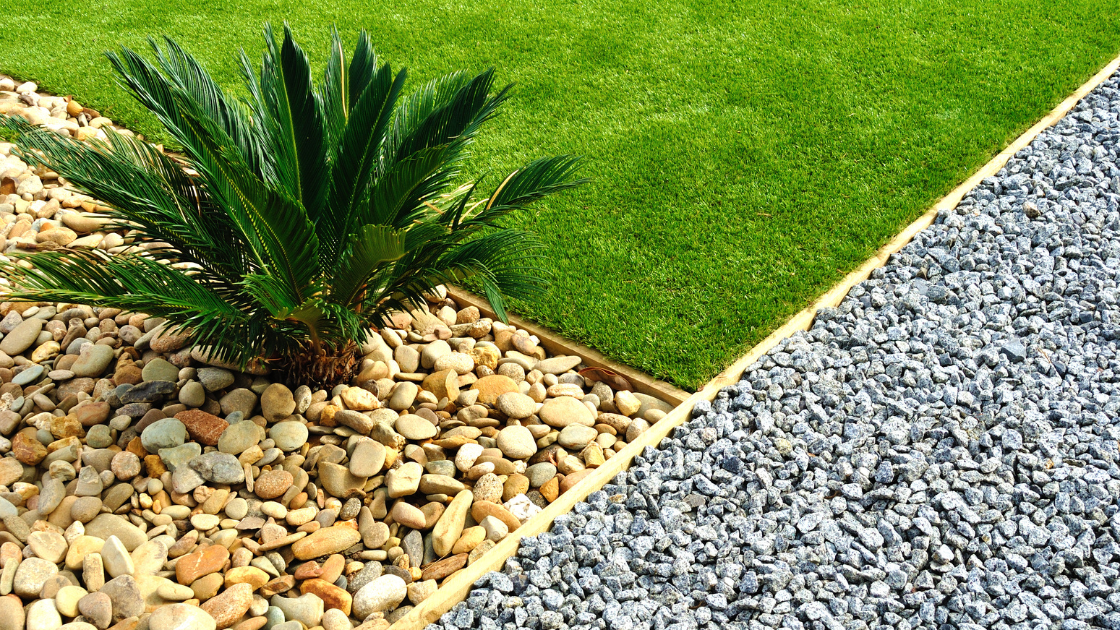
Swap bark for crushed gravel, decomposed granite, or large-format porcelain pavers. Keep wood planters and outdoor furniture outside Zone 0; if you crave greenery near the façade, use wide, non-combustible containers with moist, succulent-type plants—and maintain strict clearance beneath windows and vents. CAL FIRE’s Zone-0 guidance is clear: the first five feet matter most.
2) Compose plantings as islands, not hedgerows (Zone 1)

Group plants with similar water needs (“hydrozones”) and separate islands with stone, DG paths, or lush-looking, low-fuel groundcovers to interrupt continuity. Keep lower shrubs from touching tree canopies to remove “ladders.” NFPA’s zone model backs this spacing approach to break ember-to-structure pathways.
3) Edit the outer acreage without losing the natural feel (Zone 2)

Feather edges with selectively thinned natives, remove deadwood, and limb trees up to reduce heat. Your aim is a park-like rhythm—shaded, but visually “open”—so a surface fire can’t climb or crown.
4) Hardscape for beauty and performance

Ribbon-drive strips in DG or gravel, stone garden walls (with non-combustible caps), and steel-edged pathways all read custom while disrupting fuels. Where fencing meets the house, use a non-combustible segment (metal or masonry) for the first 5 feet. CAL FIRE notes most home losses begin with ember entry or ignition at attachments—treat these transitions as design features.
Fire Smart Tip #3: Home-Hardening Touches That Disappear into the Design
-
Vents & openings:
Upgrade to ember-resistant vents listed by the State Fire Marshal, or screen existing vents with 1/16–1/8-inch corrosion-resistant metal mesh (never plastic). These stops are invisible once installed and block ember showers.
-
Glazing:
Dual-pane tempered windows and non-combustible frames resist radiant heat and impacts better than older units—key for façades that face canyons or chaparral.
-
Roof & gutters:
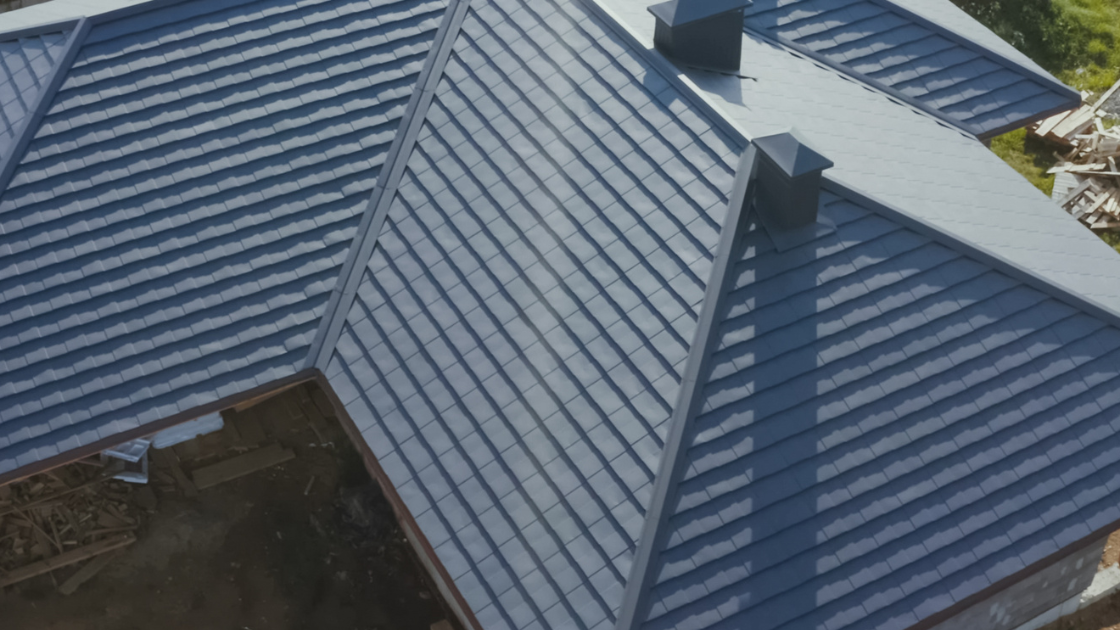
Maintain a Class A roof, clean debris frequently, and add metal gutter guards to keep embers from smoldering in leaf piles.
Compliance, Inspections & Local Nuances

Los Angeles County Fire conducts annual defensible-space inspections; owners receive brush-clearance notices each spring with timelines for compliance and appeal. If your estate spans canyons or open space, confirm whether county or city requirements extend beyond 100 feet. The City of L.A. may enforce up to 200 feet in Very High FHSZ. Build your plan to the stricter standard across property lines.
Your August Action List

- Walk the 0–5 feet and remove every combustible—wood pots, coir mats, mulch. Replace with stone and steel accents.
- Prune & separate in 5–30 feet; elevate canopies, clear under-deck storage, and refresh irrigation to prevent drought-stress without creating lush fuel.
- Thin outer growth out to 100 feet (or local requirement), focusing on dead vegetation and ladder fuels.
- Harden the home: vents, windows, gutters—quiet upgrades that dramatically raise your home’s odds.
The Safety Bottom Line
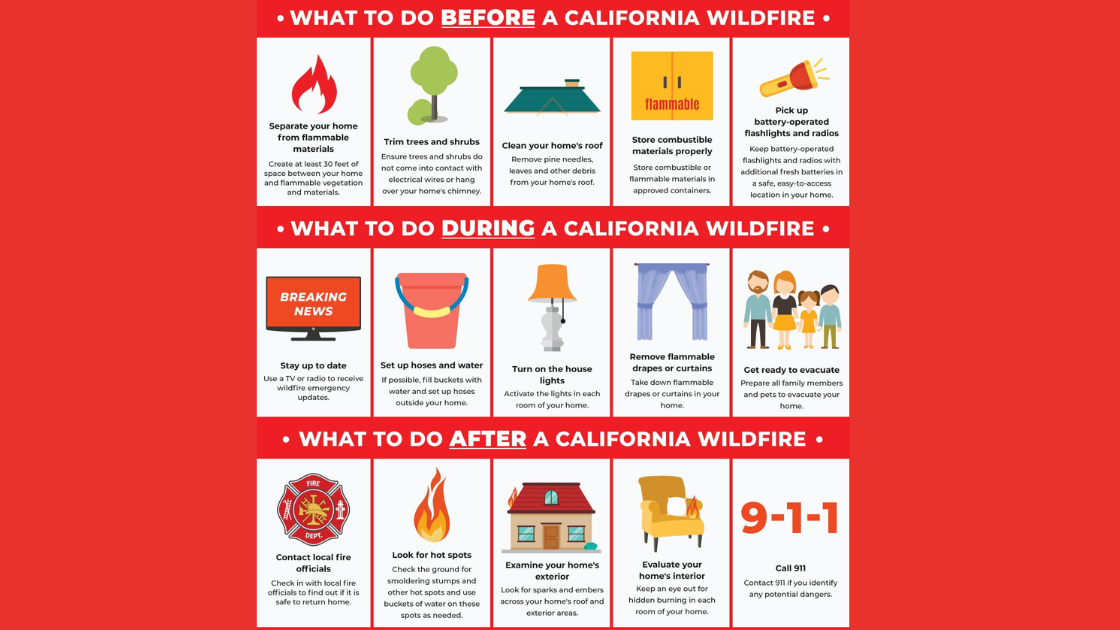
Defensible space isn’t a bare-earth aesthetic; it’s a design language. Likewise, consider stone, steel, spacing, and sculptural planting, elements that elevate your estate while protecting what matters. Start at the wall and work outward. With a few invisible hardware upgrades, your SoCal home gains both beauty and resilience. Be fire smart, be ready.