Home Tips: Safer at Home

Just because you’re home doesn’t mean the coronavirus can’t follow you inside. By now, we all know the basic steps the Centers for Disease Control and Prevention (CDC) and the World Health Organization (WHO) are urging people to follow in their daily lives:

    • Wash your hands frequently for at least 20 seconds – or about the time it takes to sing “Happy Birthday” twice.
    • Keep your distance from people in general (a radius of six feet is suggested), but especially from those who are sick.
    • Cough or sneeze into a tissue and then dispose of it in the trash.
    • If you are sick, stay home.
    • If you have symptoms such as a dry cough or fever, seek medical advice.

Which, while providing necessary guidance, still leaves unanswered questions for people now sheltering in place. Among them:

WITH SCHOOLS CLOSED, IS IT SAFE TO HAVE GRANDPARENTS BABYSIT THE KIDS? 

In a word, no. Although recent data suggests younger adults and teenagers are not as immune to the effects of COVID-19 as first thought, the virus nevertheless presents the greatest risk to older adults and people already suffering from such chronic medical conditions as lung disease. For example, as of mid-March, when there were about 2,500 cases in the U.S., adults over the age of 65 accounted for roughly 80 percent of the reported deaths.

HOW CAN I HELP OLDER LOVED ONES FEEL LESS ISOLATED?

During this crisis, don’t overlook the mental wellness of your loved ones, particularly the elderly. If grandma and grandpa cannot see their grandchildren in person, arm them with digital devices, even if they aren’t terribly tech-savvy. The Apple iPad Pro 9.7, for example, is both high-end and user-friendly, bolstered by a brilliant display. For a device, even more, stripped down in its simplicity, there is the GrandPad for video chatting and photo swapping 

HOW DO I STAY FIT AND HEALTHY IF I CAN’T EXERCISE?

With gyms shuttered and outdoor activities dramatically curtailed, fitness pros are turning online, offering live-streaming classes and free trial apps for anyone who wants to stay in shape. For a more challenging routine, Orangetheory offers a variety of at-home workouts daily. Boxing studio Rumble is hosting workouts on Instagram Live while CorePower Yoga is streaming free classes. Indoor cycling titan Peloton is also offering a free 90-day trial of their classes, which range from cycling and running to yoga and meditation. Lastly, for seniors, the AARP has several fitness videos posted on YouTube. But whatever you choose, don’t stress. Studies suggest a five-minute workout once a day is all you need to maintain your status quo.

I HAVE SANITIZING WIPES AND TOILET PAPER, WHAT AM I MISSING?

The coronavirus isn’t a cyber-attack, but what would happen if your phone or laptop broke and stores weren’t open to selling you a replacement and online delivery became so overwhelmed, it would take days or weeks to courier a new device to you? If you are now working remotely – or need to stay in contact with a family member digitally – you should consider spending on a back-up phone, batteries and any spare parts for the electronics you rely on.

HOW OFTEN SHOULD I CLEAN THE HOUSE – AND WHAT ARE THE HOTSPOTS?

Experts suggest you clean your home every few days – but pay special attention to the areas and objects that receive the most human contact: doorknobs, light switches, countertops, even TV remotes. As for dish and bath towels, wash them every day after you use them.

SHOULD I MAKE MY OWN HAND SANITIZER?
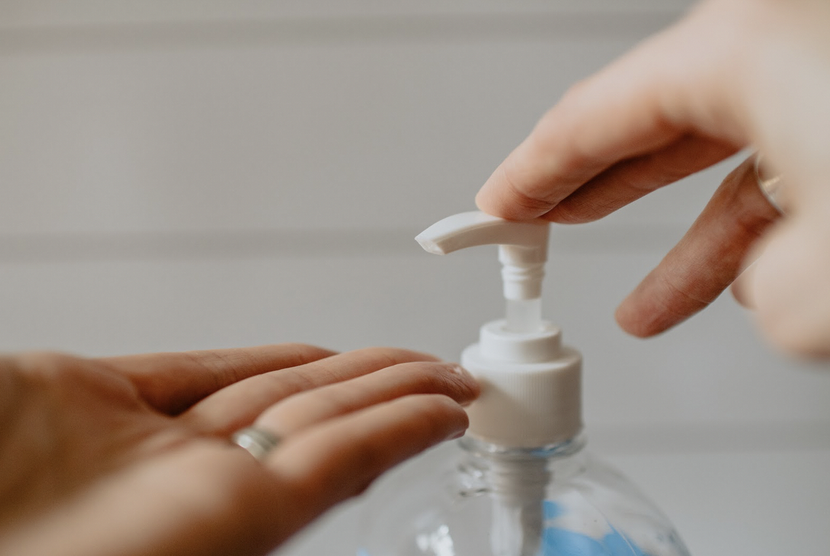
For all the talk about making your own hand sanitizer – and a lot of what is discussed online wouldn’t be effective, anyway – soap and water should always be your go-to. (Just like people have been doing to battle viruses for most of history; the first soap was manufactured by the Babylonians in 2800 B.C.) Only if the soap isn’t available should you consider a substitute. If you do have to do it yourself, it needs to be at least 60 percent alcohol. (Most online formulas combine rubbing alcohol, which is 99 percent alcohol, with aloe vera gel and lemon juice.)

Home Tips: Sick-Proofing Your Home

You may not have heard lately, but it’s still cold and flu season. This means as concerned as you are about the coronavirus, there are other germs galore equally intent on making you ill. The good news: most of them, including COVID-19, can be effectively dealt with by simple cleanliness, especially around the home. And while that has predictably created mass shortages of sanitizing products, it also requires more than a simple wipe-down. Here are a few ways to help keep your house a healthier place as you hunker down for the long haul.

WIPE SMART

Possessing the precious sanitizing wipe isn’t enough – you also need to wield it correctly. First, after cleaning, surfaces should stay wet for a few minutes, then be allowed to air dry. Second, the wipe should be discarded (no matter how diminished your supply is) as studies have shown reusing it will only spread germs rather than eliminate them. If you don’t have sanitizing wipes, try mixing five tablespoons of bleach in a gallon of water as a make-ready disinfectant. Using a vinegar solution isn’t potent enough, especially against COVID-19. 

Wipe your fEET

There’s little point to assiduously scrubbing your house down if you’re tracking in dirt and who-knows-what into the place every time you enter. Slap down a fresh doormat at every entryway and remove your shoes whenever you come inside. Better still, wash the soles frequently because, again, who knows what you stepped in out there.

WASH TOWELS AND LINENS

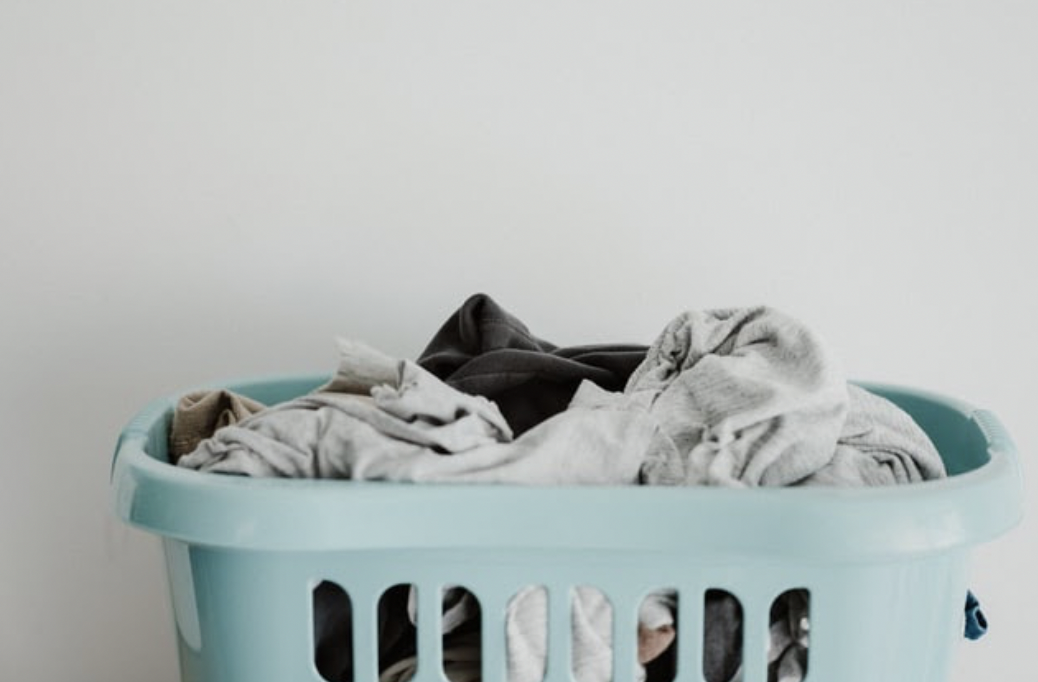
Linens and towels, which viruses and bacteria cling to, should be washed frequently in hot water. If someone in your home has been sick, a few extra steps are recommended, such as introducing bleach to your laundry – always follow the instructions on the label – and then sterilizing the washing machine itself. This can be done by adding bleach to an empty cycle of hot water, then running it a second time just to make sure the bleach has been drained away.

SANITIZE YOUR CLEANING TOOLS

After you’ve scrubbed and disinfected from one corner to the other, you aren’t finished cleaning until you’ve sanitized the mops, rags and any other items you may have used. Otherwise, you run the risk of having only captured the germs in your home – which you will then distribute around the next time you “clean.” Wash them with hot water and soap as well as a touch of bleach. And if possible, ditch your mops and brooms altogether for disposable cloth refills.

HUMIDIFY YOUR HOME

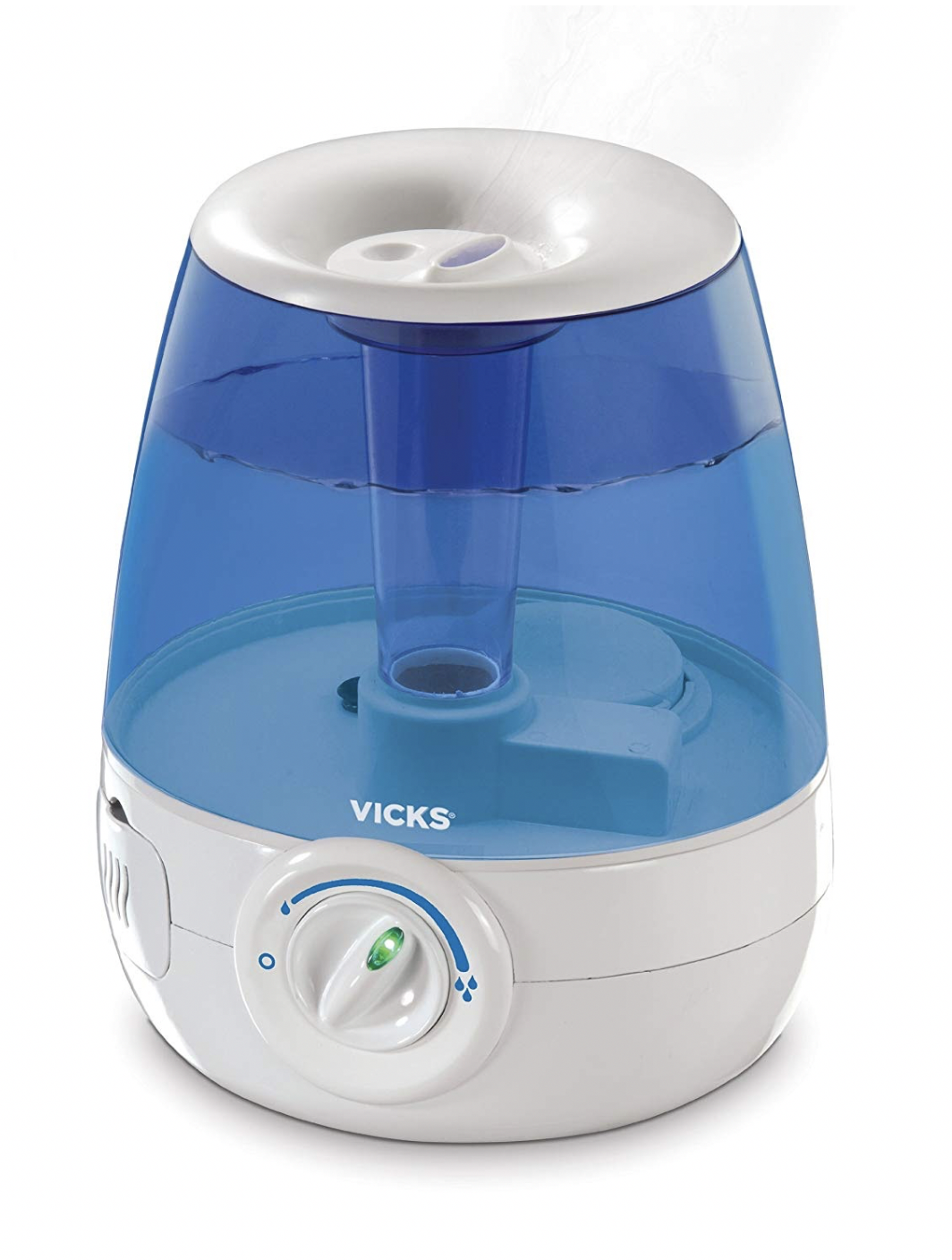
From cutting down on static electricity to keeping wood from splitting, there are many reasons to keep humidifiers around, especially during winter. But most importantly, a humidifier, like the Vicks mist humidifier pictured here on Amazon, can help eliminate flu viruses. And if you are suffering symptoms, a higher humidity level can soothe sore throats and sinus congestion.


Home Tips: Dealing with an Empty Nest

Whether you’re thrilled to send them off to college and financial self-stability or crestfallen your babies are gone, you’re still left with an empty nest. So what better time to reassess not only your goals – like heading out on that long-belated road trip – but also your surroundings? Here are a few tips to help you adjust after your family has downsized, leaving you – and your home – teenager-free.

DECLUTTER

It’s not just the memories that have been building over time. So have the clothes, the toys, the photographs and every other memento connected to those cherished moments in time. Besides, as people grow older, they tend to cling to items more stubbornly. One place to start: the belongings you acquired that don’t have sentimental value. The toasters you picked up along the way, for example, or that cheap lamp you never liked. If all of this sounds like too much to bear, you can always hire a professional to comb through your closets and shelves.

REDECORATE

After two decades of your living room furniture being spilled on, jumped on, slept on and sprawled on, it might be time for something new. The same could be said of almost everything else in your home, including the walls. Maybe you didn’t want to paint with fingerprint-staining kids around. Or you couldn’t cope with covering over every precious mark they made as they matured. Now, however, it is the perfect opportunity to head to the paint store. Plus, you can make whatever changes you want without a teenager telling you your taste sucks.

DON’T STORE EVERYTHING

For an empty nester, it seems like the best of both worlds: hang onto everything, even if you’re not living with it. But while renting a storage unit can be useful for things you will need again – like holiday decorations or ski equipment – it’s probably not for the decades-old baby chair you fed your now-grown children in. In other words, control your storage habit.

RENT OUT A ROOM

Nothing fills the cold void left by your absent children than a little extra cash. But if you do decide to rent out a room in your home, it doesn’t mean it needs to be a permanent arrangement. Many empty nesters rely on such sharing services as Airbnb to generate some side income (in addition to paying fewer expenses taking care of their kids). Use the money to pay for the trips you always talked about going on – or toward purchasing another house.

THINK ABOUT RIGHT SIZING

The hardest thing to get rid of, of course, is the house itself. After all, this is where you raised your family, watched your children grow, cultivated a lifetime of triumphs and challenges. No surprise then that a lot of empty nesters refuse to leave, choosing instead to renovate their homes with elevators or other ways to make their homes accessible as they age. But try to make choices based on how you envision the next few decades. Downsizing to a condo, for example, may allow for more travel while also eliminating such chores as landscaping. Just because one chapter has ended doesn’t mean it’s too early to plan for the next one.

Home Tips: Babyproofing

If winter has almost ended, it means spring and summer babies are in the air. In the United States, most births occur between June and August – nine or so months after the cold, dark days of winter have brought people together indoors. With a few months left before their new addition arrives, it’s about time for expectant parents to figure out how to make their living spaces safer while keeping them functional (and even presentable to visitors). The effort won’t necessarily come cheap as baby-proofing a home can cost as much as $2,000. But to begin with, consider these six tips to prep your house for your family’s new arrival.

Pick furniture that can double as storage

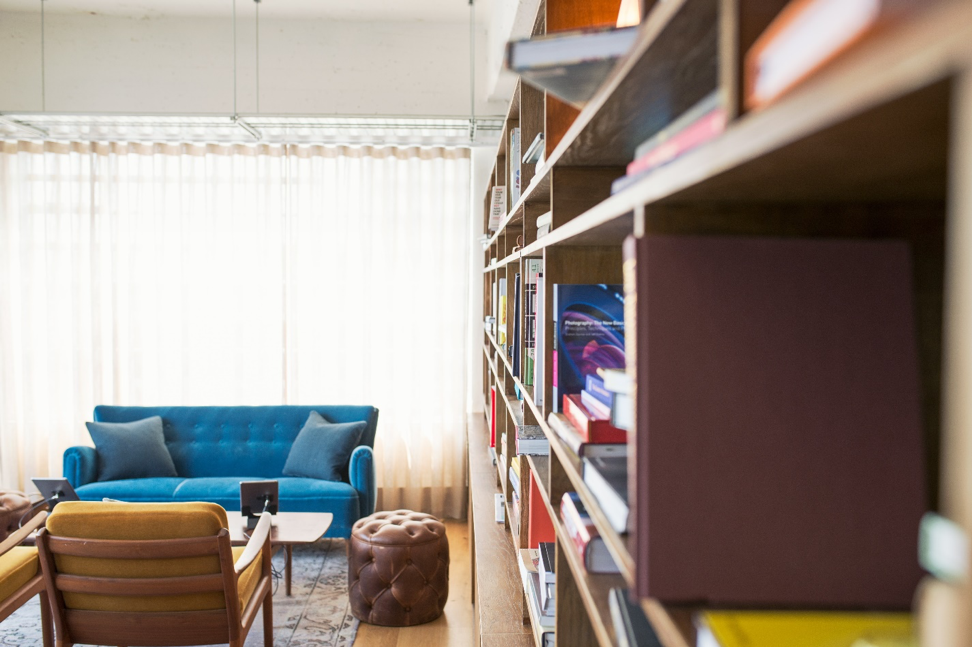
If you’ve ever visited a home with a newborn, you know how cluttered a living room or kitchen can become. To avoid this (or at least not become overwhelmed by it), go shopping for furniture such as ottomans, tables, baskets and cabinets that can also act as storage compartments. That way, you can quickly stash away diaper boxes, clothes, toys, bibs, bottles, towels, and other baby-related paraphernalia, while also keeping them easily within reach.

Resist stains

Short of sealing every wall and piece of furniture in cling wrap, your carpet, sofa, chairs, and even curtains will doubtlessly end up stained by … something. And probably sooner than you expect. So be sure to invest in stain-resistant materials – as well as inexpensive, dark-colored blankets, throw pillows and rugs that can disguise spills and mishaps. Unless, of course, you prefer to look back years from now, fondly remembering where every adorable stain came from.

Keep an eye out for how quickly they grow

Babies are manageable until they can crawl or run. So rather than wait, start putting away anything in your home that might shatter or cause an injury if knocked over. (They will still be there in three, four or five years.) Similarly, be mindful of your child’s age. Things you got for your new baby which were safe, such as play gyms, can become a hazard as they grow.

Ensure a safe sleep

For all the interrupted, exhausting nights parents endure, babies sleep a lot – as much as 16 hours a day, in fact. So nothing is more important than where they sleep. Pick a crib with slats no wider than two inches and preferably one without corner posts. Also, be mindful of where you place the crib since cords from curtains or blinds can create a strangulation risk.

Prevent falls

The leading cause of death and nonfatal injuries in children under the age of one? Falls. Even after you’ve purchased a baby gate for your stairs, make sure it’s secure (use screws or bolts to fasten it to the wall) and does not easily unlatch. Also, remember babies can just as easily tumble from a sofa or bed. In other words: never let them out of your sight.

Guard against shocks

Electrical outlets, like falls, are an obvious danger as soon as your child can move around. You can buy outlets that are child-proof, but you should also use furniture to block access to them – along with power bars and cords – so your little one doesn’t even think about going there.

Home Tips: Low-tech Ways to Green Your Home

Our robot overlords can power down for now. Along with the energy monitoring sensors. And maybe even the in-house recycling machines. As tempting as it is to rely on new technologies to help make our homes more energy-efficient, as well as environmentally responsible, let’s consider the decidedly low-tech and comparatively inexpensive tactics we can take now to turn our humble abodes greener. Here then are five simple ways to tackle energy usage (and the subsequent power bills) without making room for a single geothermal heat pump.

Throw some shade

Whether it’s baking your face on the beach or streaming in through your windows, manage your sunlight exposure. When it’s summer, draw the drapes and snap shut the blinds, especially when nobody is home. (The same logic applies in the winter when adding curtains can ensure heat doesn’t escape.) When you have the sunlight situation under control, caulk the windows and survey for drafts. If you feel one, it’s likely that cracks around the frame are to blame.

Pull the plug

All appliances generate heat, so keep them off until needed. For example, don’t run the dryer or dishwasher until after dark, preferably overnight. And if you want to cook, the grill on your patio or in your yard is preferable to the kitchen stove. (Cooling and heating are responsible for about half of a home’s energy use, followed by the water heater, the washer and dryer, and the lights.) Also, consider pulling the plugs on the notorious, so-called “vampire electronics,” which continue to gobble power even when seemingly switched off. These include everything from laptops and routers to gaming consoles and microwaves too, of course, televisions.

Hang them out to dry

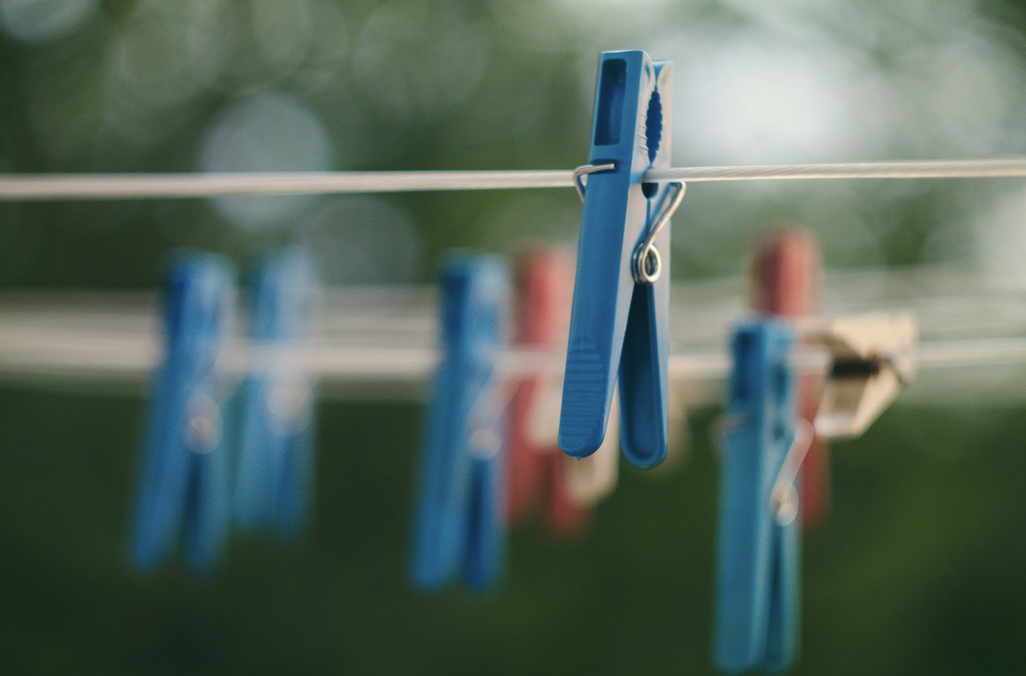
No one is suggesting you break out your great-great-grandma’s washboard and start scrubbing away, but how you clean your clothes contributes greatly to how much power and water your home uses. (The washer and dryer combined account for about 13% of a home’s energy consumption.) Whenever possible, wash your clothes in cold water and hang them to dry, avoiding the dryer altogether. That simple choice can both reduce your bills and bolster the environment. Similarly, try to only wash full loads to maximize water usage.

Plant south-facing tree

This is an obvious one: planting trees can help make your property more environmentally friendly. Just make sure to plant them on the south side. The leafy barrier will keep your home cool during the summer by providing a barrier to direct sunlight. And during the winter, it will let your home’s interior retain warmth. Plus, your landscaping will look better for it.

Repair leaky faucets

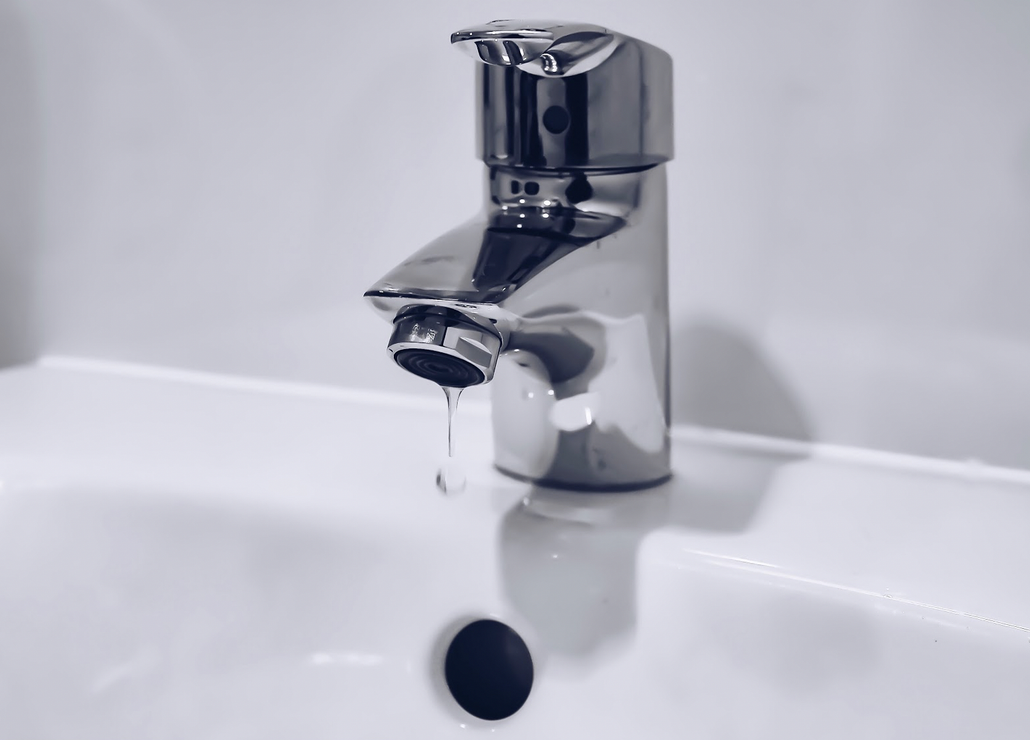
It’s the little things that get you. So before you dismiss that drip-drip-drip, consider that the average leaky faucet (about 10 drips per minute) ends up wasting roughly 350 gallons per year. That’s about $20 every month extra on your bill. But multiple cracks in the plumbing can wind up costing several times that. Similarly, a leaking toilet can add about $150 to your monthly water bill. Given this, calling the plumber starts to sound like the cheaper, more appealing option.

Home Tips: Creating a Remote Home Office

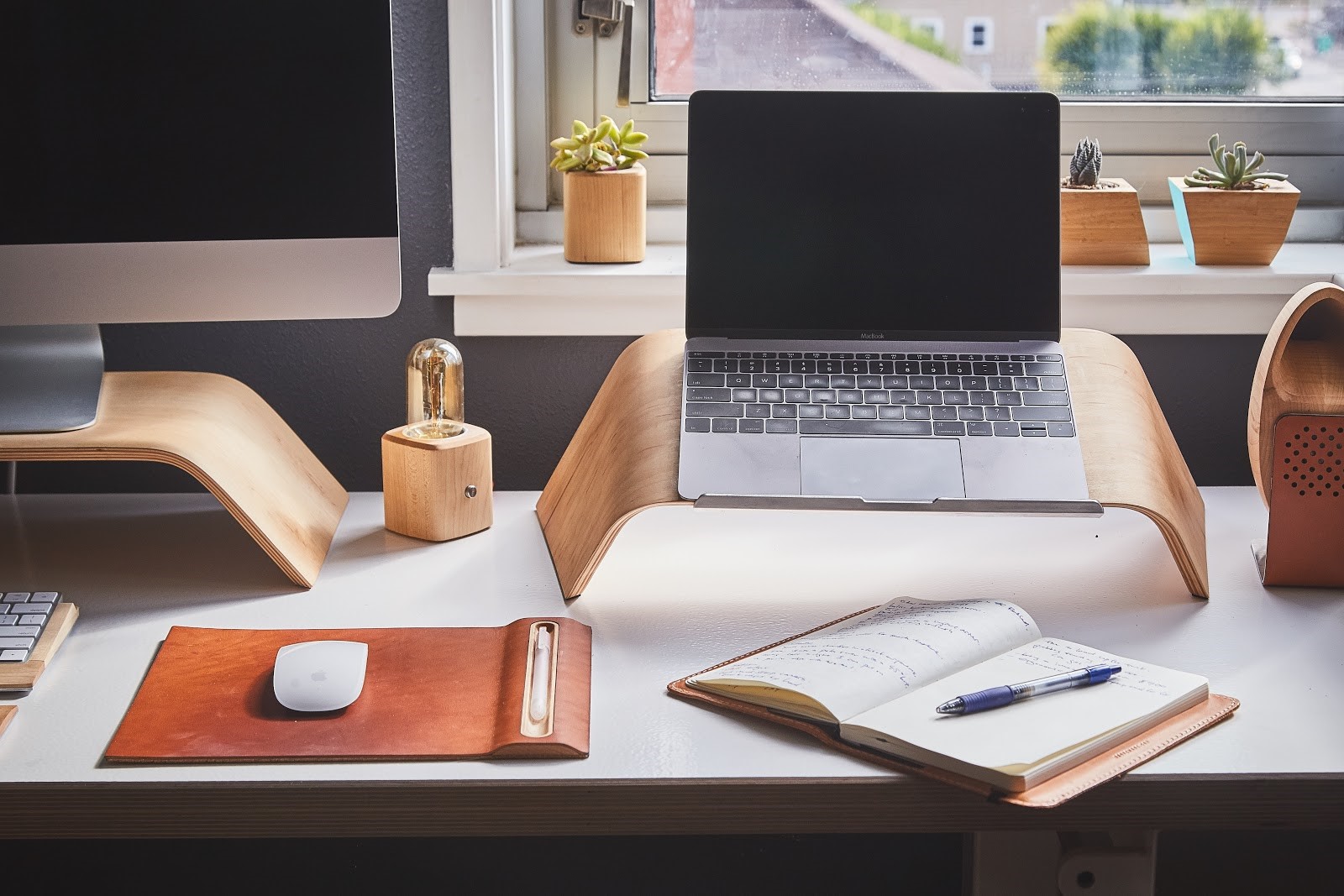
There’s more to remote work than just not wearing pants to the office. A truly effective work station, wherever it’s located, requires planning and consideration. In addition to the obvious organizational requirements (do you have enough chargers?) — Here are six tips to help you build a workspace that will maintain your health, focus and, especially, your 12-second commute. Regrettably, it’s slightly more complicated than putting your feet up on the coffee table while your favorite game show plays in the background. (Pants remain optional). 


RESPECT THE ERGONOMICS

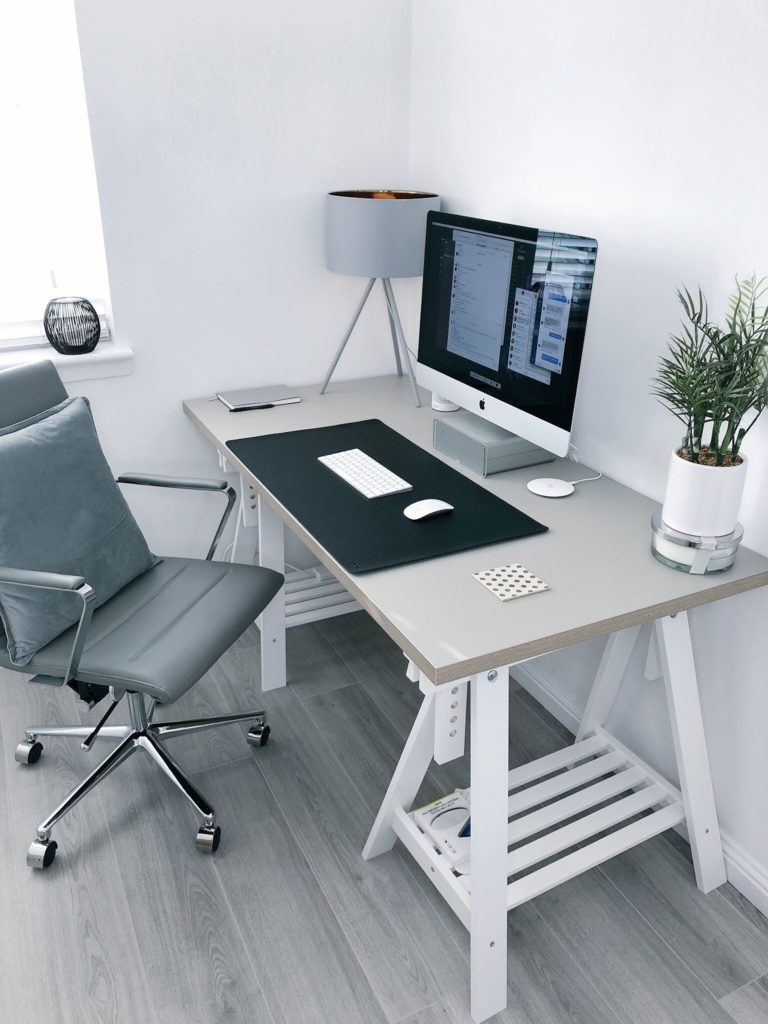
It’s like your parents and teachers always told you: sit up straight. Bad posture can strain your neck and back, leading to headaches and other chronic issues. So when you set up your home office, make sure it includes an ergonomic chair designed for lumbar support. It won’t only help your body, but it will boost your productivity (by close to 20%, according to some studies). And don’t stop with the chair either. Look for the right keyboard and mouse. Just because you aren’t working at a traditional office doesn’t mean Carpal Tunnel Syndrome won’t follow you home.

BRING THE MUSIC

Bluetooth speakers and wireless headphones may not be welcome in most offices, but that doesn’t mean you should avoid cranking music at home. In fact, studies have shown people who worked while listening to music were more productive than workers who toiled away in silence. The genre of music is a personal choice, of course, but studies have revealed that classical music, ambient soundtracks and nature music are the most beneficial.

REMEMBER TO STRETCH

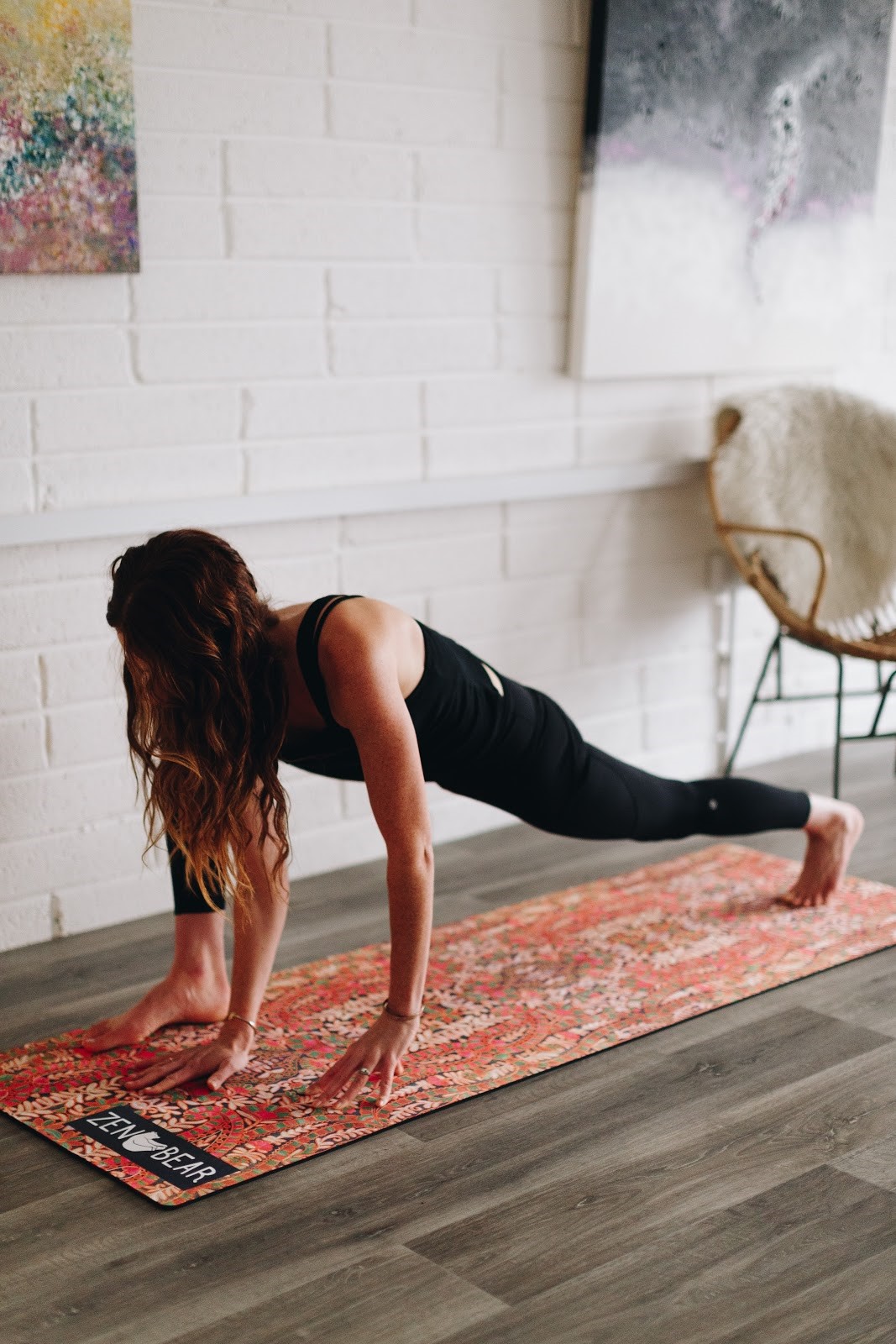
One of the downsides of remote work is that, with no one to talk to, there’s not much reason to get up and move around. On the flip side, there’s also no one to watch you pose like a tree on your yoga mat. Another good thing about working remotely: if you want to attempt some yoga, there are video tutorials online you can watch and learn from – in complete privacy.

EMBRACE THE DESK

Whether you’re at home or in a traditional office, you will be sitting at your desk for several hours every day. The difference is: you can choose your desk at home. Beware of too much clutter and keep it clean, but otherwise, find a desk you adore and personalize it with prized possessions, professional accolades and items with sentimental value. For a time, standing desks were hyped as a healthy alternative to sitting all day, but more recent studies have suggested extended periods of standing can create their own health (and productivity) issues.

BOOST YOUR POWER

If life is too short to wait for your decade-old computer to boot up, so is your workday. There is nothing like upgrading your Mac or PC to current specs to make you feel like a high-powered professional. Of course, whatever top-of-the-line machine you choose should suit your daily tasks, whether you’re coding or editing video. And while you are focusing on horsepower, don’t forget to treat yourself with a monitor to match. Your eyes will thank you for it.

GO GREEN

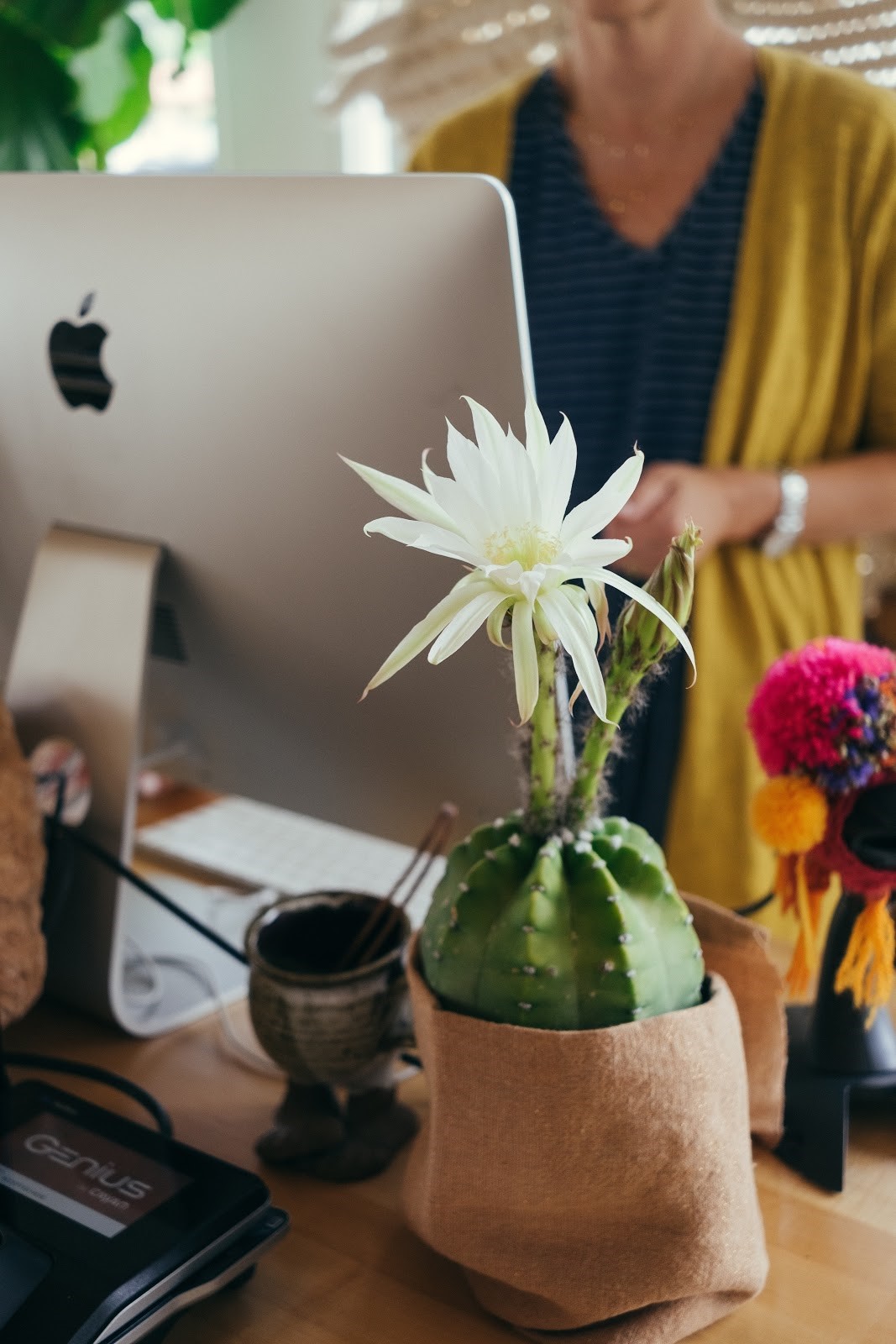
If you’re reluctant to add plants to your work environment because they require too much care, give a low-maintenance succulent, cactus or fig tree a chance. If they survive, you can branch out from there. The benefits of greening your home (office or otherwise) are well-documented: they naturally cleanse the air, relieve stress and even boost productivity.

Home Tips: Moving in Together

The advice columnist Ann Landers once noted, “All marriages are happy, it’s the living together that’s tough.” Or to quote Bill Murray in Ghostbusters, “Human sacrifice! Dogs and cats living together! Mass hysteria!” Of course, every relationship has its own dynamics. The challenges two people face when combining lives and households are uniquely theirs. That said, here are a few general tips for when the big move-in day comes. Shockingly, they might even end up bringing you closer together.

EMBRACE THE DOWNSIZING

Just accept it: some things are going to have to go. How to make that a positive experience? First, you can involve your partner in the decision-making process. Who knows? They might agree to put some things in storage if you are super-nice about it. As for the things that have to go? Donate them to charity, where they can do some good. But don’t be a push-over either. Decide on “must-haves” that are staying, no matter what. Make your stand.

DIVIDE AND CONQUER THE CLOSET

A little inventiveness can help defuse the potential conflicts that come with a shared closet. That’s especially important in small quarters. Divide the space equally, then use such organizational hacks as boxes and riders to store your clothes.

PLAN YOUR ESCAPE

Whether you call it a “man cave” or a “she shed,” we all need a place where we can decompress and escape the world – and everyone else in it. So plant your flag in the unfinished basement or the overgrown backyard or even in that spot by the window in the home office. Just don’t resent it when your partner tells you they want a corner to call their own, too.

MAXIMIZE SPACE

If you’re still feeling crammed after your mutual purging, deploy any number of tricks to make your living space seem more spacious than it is. These include hanging window treatments higher than the window frame, even to the ceiling. Decorate in light colors. And invest in furniture – ottomans, and benches, for example – that can double as clutter-concealing storage containers.

BUY STUFF TOGETHER

After you have both settled into your new living arrangements, take time to shop. Decide on items that appeal to both of you. Even small household items like blenders, toasters, and microwaves can define a shared personal style. For big-ticket items like appliances and living room furniture, go exploring online first before making any decision. The last thing you want to do is buy something you both (or worse, one of you) regrets later.

Home Tips: Brighten The Mood During Winter

Just because residents of the Los Angeles and the Valley don’t have to winterize their homes against ice storms and nor’easters doesn’t mean the season can’t take a toll. For one thing, nothing saps the soul like shortened, grey days – especially when you’re accustomed to the blazing sun and blue skies. With a few weeks of winter left, here are some simple steps you can take around the home to keep winter gloom at bay as we all await brighter days ahead.

COLOR CORRECT

Switching up the palette of your home – from the walls and furniture to the window coverings and artwork – is a sure-fire way to jolt you out of a wintery-funk. Try coordinating the color of the space with its function. For example, add bright reds or yellows to active rooms like the kitchen. Conversely, warm tones of green or blue in the bedroom should soothe you to sleep.

LIGHTEN THINGS UP

When sunlight is spare, make sure you make the most of it. Ditch dark window coverings and blinds for clear, pale ones, keeping them open for as long as possible. And when night falls early, flip a switch. Make sure you have enough lamps and internal lighting to illuminate your surroundings. Just because it’s dark outside doesn’t mean you have to live in darkness.

MAKE IT PERSONAL

While decluttering always feels satisfying, don’t store away the things you love. Instead, display them in prominent places where they can bring into focus what you’re most proud of and what you’ve accomplished in life. Cherished memories and possessions with sentimental value can generate positive feelings as powerfully as unvarnished sunlight.

TAKE A LOOK IN THE MIRROR

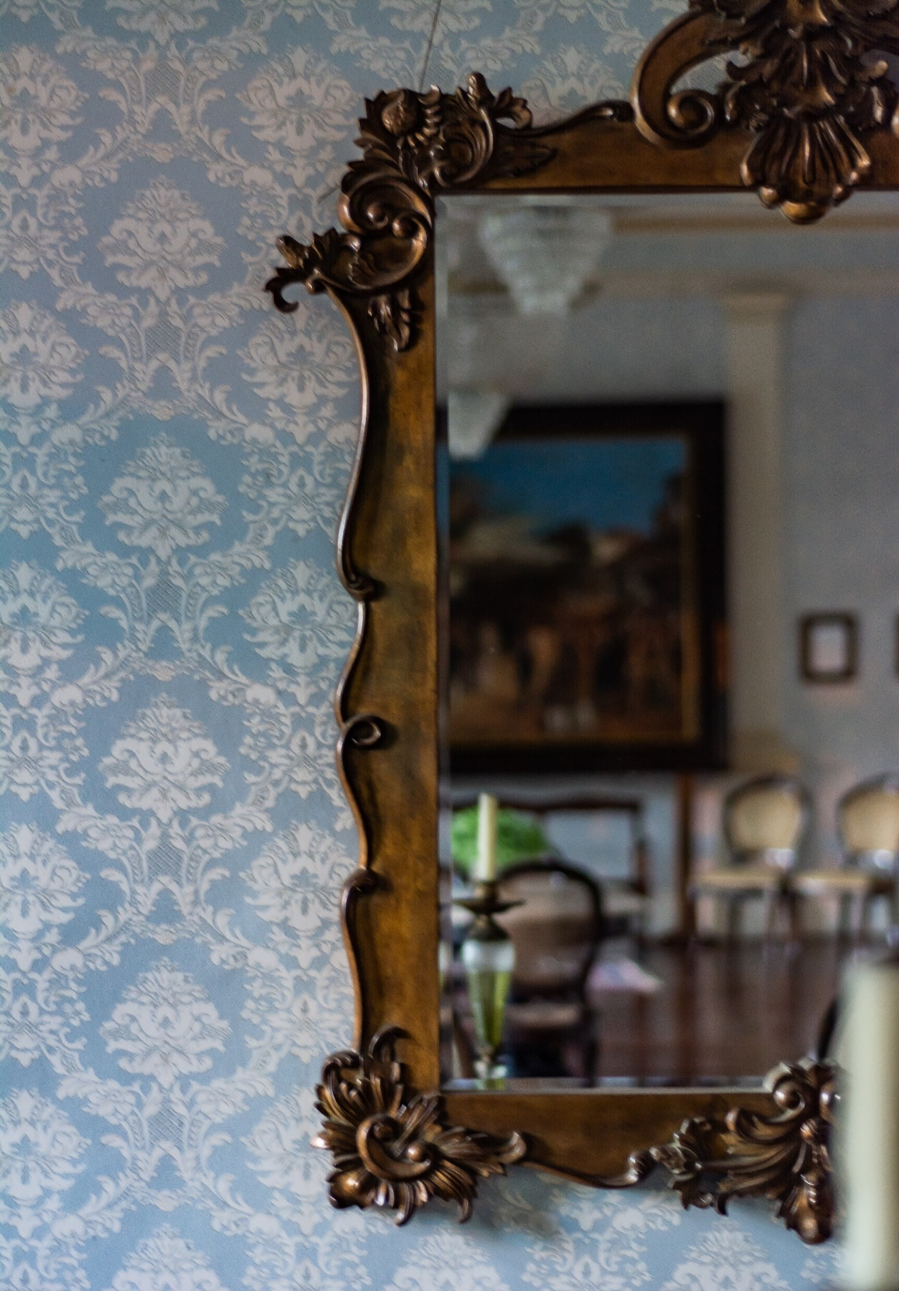
We all remember the question: “Mirror mirror on the wall, who is the fairest of them all?” But as a decorative choice, mirrors aren’t about vanity at all. Rather, they act to play tricks with light: reflecting what little there may be, as well as creating the illusion of greater space. You’d be surprised at how much brighter and bigger a room feels when you add a mirror to it.

EXPLORE WINDOWS

A little (or a lot of) glass cleaner can go a long way in illuminating your home. Wipe them down and watch the sunlight pour in without dirt, dust, and grime muddying the way.

POWER DOWN BEFORE YOU GO TO BED

Nothing makes you feel like you can tackle the world like a good night’s rest. One simple way to help you sleep? Keep the personal electronics out of the bedroom. (We said it was simple, not necessarily easy.) Embracing your sleeping space as a technology-free zone will let your mind unwind. And yes, that includes avoiding watching TV before your head hits the pillow.

Home Tips: Hosting a Housewarming Party

Hosting a housewarming party is a great way to bring your friends and family together for a few hours of laughing, eating, and drinking while showing them your new digs. Below are a few tips and tricks to set you up for success in hosting a housewarming extravaganza.

Figure out how much you want to spend

Before you make any decisions about your housewarming party, you need to know how much money you have to work with. Don’t feel any sort of obligation to spend big—a great housewarming party can be a totally casual affair. Most important is knowing what you’re comfortable spending, be it $50 or $500. From there, you can dive into all of the other details.

Set a reasonable date

Many people wait a few months in-between moving into their new home and throwing a housewarming party. Planning a housewarming party on a budget is all about working within parameters that you’re comfortable with. That applies to timing as much as money. Figure out a date that will give you enough time to recover financially from the move, letting go of the pressure to do it within the first month or two of settling in.


Be realistic

Party planning usually starts out with grand ideas that gradually get edited into something more reasonable. That’s totally okay! Nobody is going to come in expecting a Pinterest-worthy soiree or something out of the pages of Martha Stewart Living. Set realistic goals for your housewarming party and don’t worry about meeting some sort of idealistic, unnecessary standard.

Use washable plates and utensils

It’s always tempting with a party to go the easy route and purchase paper plates and plastic utensils, but ultimately that just ends up being a waste of money. Use your own plates, utensils, glasses, etc. instead, which will cost you in time when you eventually have to do the dishes, but won’t put a hole in your wallet. If you’re planning to have more people than kitchen items, go out and buy special hosting plastic plates and cups instead of paper, since they can be washed a reused – keep the environment in mind.

Play games

If you want to offer a little bit more in terms of entertainment, create your own free housewarming party games, like a scavenger hunt of items in the house, trivia about your town or city, the in-app game: heads up, or a scramble with words related to your new place. You can find game printable online or just make your own.

Congrats on your new home! Hopefully, these tips and tricks help keep you organized during a time a transition!

Home Tips: Organizing Into the New Year

Home Tips: Organizing Into the New Year

Each New Year inspires resolutions of change and growth with organization of life at the top of mind. Start gradually with attainable intentions, and eventually you will find yourself in an organized oasis of a life. Check out our tips below! 

USE A CALENDAR

Create calendar reminders to stay organized important events, appointments, anniversaries and birthdays ahead of time to prepare. You can even use a datebook to avoid overbooking yourself!

DE-CLUTTER

Everything has a home, including you! Find a place to designate items to maintain cleanliness in your space. Anything without a place to be can be donated to your community.  

COLOR-COORDINATE

When choosing baskets, bins, and buckets for organizing, choose similar colors to the style of each room for a clean, consistent look throughout. use this tip to organe your closet for further color coordination.

UPDATE FILING SYSTEM 

Start small! organize files with broader file names, store old files, and have copies of important documents prepared.

STAY ON TIME

Allow extra time for appointments and events requiring travel. You can also set your clocks at home a few minutes faster to stay ahead all year long!

USE CHECKLISTS

Life gets busy! organize checklists by type. errand checklist in the car, a morning checklist, what to get at the grocery store, etc. Keep them on your phone or computer to avoid losing your sticky note!

MONITOR SPENDING 

Create a budget and stick with it. Stay on top of organizing your bills with calendar reminders, and mark them as they are paid. Don’t forget about automatic withdrawals!