From Apple’s New CEO John Ternus to NASA Upgrades and More! | Tech News

Wind the week down with the latest major shifts in the world of tech and media. From Apple’s incoming new CEO, John Ternus, to upgrades at NASA and more, we have you covered. Check out the biggest news in the world of tech!

Dreame Tries to Become More Than a Vacuum Brand
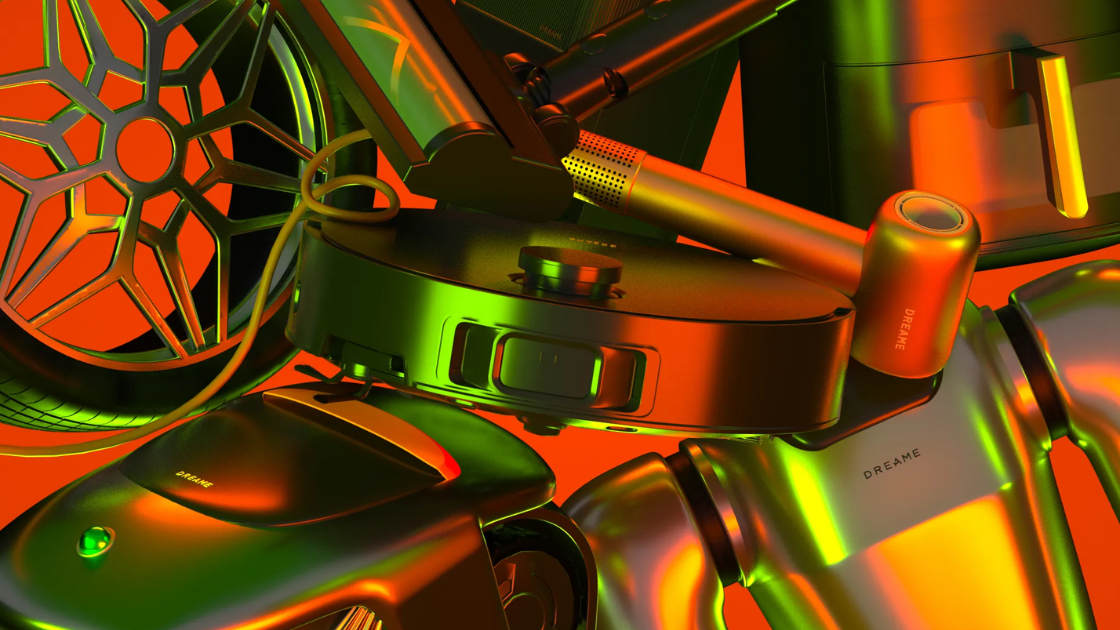
Dreame is making a very American-style push for attention, using a pricey Super Bowl ad and a splashy San Francisco launch on April 27 to introduce itself as something much bigger than a robot vacuum maker. The company’s stated ambition is to build a “people-home-car” ecosystem, with a roadmap that stretches from cleaning gadgets and appliances to cars, chips, and even satellites. That kind of leap is either visionary or wildly chaotic, which is honestly part of the intrigue. For North American consumers, the bigger story is that a relatively unknown smart home brand wants to compete across multiple product categories at once, all under one AI-heavy app and ecosystem. It is a reminder that the smart home race is no longer just about thermostats and speakers. It is becoming a battle over who gets to own the entire connected lifestyle.  


Apple’s Coming Leadership Shift Signals a New Chapter Under John Ternus
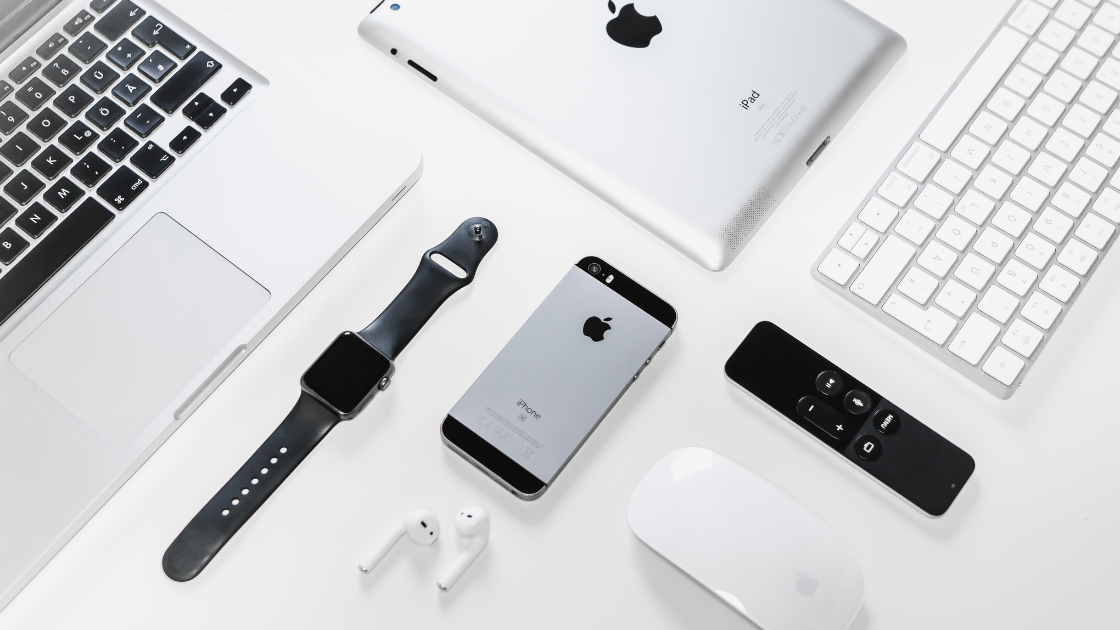
Apple is heading into a major transition, with The Verge reporting that Tim Cook will step down in September and current hardware chief John Ternus will take over as CEO. The article frames the moment as more than a leadership handoff between Cook and Ternus. This transition moves Apple further away from the era when its executive bench was closely shaped by Steve Jobs himself. That makes this less about one executive leaving and more about Apple entering a genuinely new phase of identity. For the broader tech industry, it raises familiar questions about what the next decade under Ternus, at Apple, will bring. Will the Ternus era be defined by operational steadiness, bold hardware bets, or a deeper push into AI and services? Even for a company built on polish and control, this is the kind of transition that can subtly change everything. Silicon Valley loves to call every shift “historic,” but the approaching Ternus era actually feels like it might earn the word.  


Govee Gives Outdoor Lighting a Solar-Powered Twist
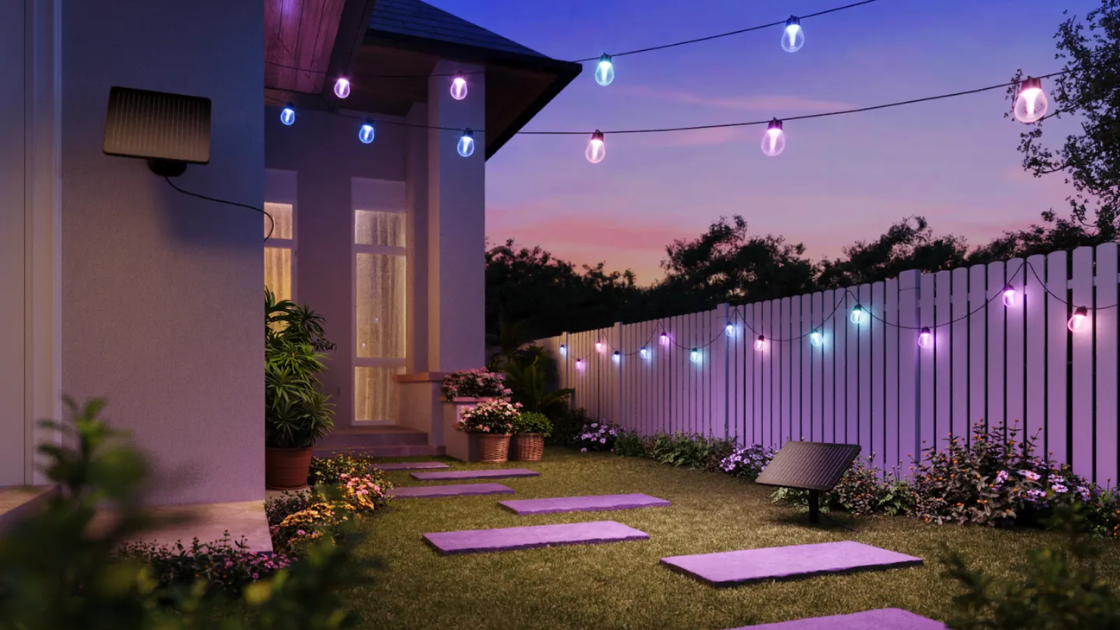
Govee has introduced its first solar-powered outdoor string lights, bringing a small but smart upgrade to the backyard tech category. The lights use a 6W solar panel with an integrated 4,800mAh battery, and the company says a single full day of sunlight can recharge them. There is also a USB-C fallback for gloomier weather, which is a nice acknowledgment that the sun does, in fact, ghost people. The product is available now for $99.99 and includes eight color-changing bulbs stretched across a 34-foot cable. On paper, it is a modest product launch, but it fits a larger trend of everyday home tech getting more self-sufficient and energy-conscious. Not every innovation has to roar; sometimes it just glows on the patio.  


Microsoft Pushes Copilot Deeper Into Office Workflows

Microsoft is rolling out Copilot Agent Mode inside Word, Excel, and PowerPoint, making it the default experience for Microsoft 365 Copilot and Premium subscribers. The company had previously described this style of interaction as “vibe working,” but the practical point is that Copilot is becoming more active inside documents instead of simply hovering nearby as a suggestion box. Microsoft says the upgraded system is better at following instructions and handling multi-step edits without losing the user’s intent. A sidebar will show each action in real time, while Excel can add formulas and tables directly, and PowerPoint can update existing decks while preserving company templates. That is a meaningful shift from AI as assistant to AI as operator. Office work may still be office work, but Microsoft is clearly trying to make it feel less like drudgery and more like delegation. 


Threads Wants Live Conversation, Not Just Live Posting

Meta is launching Live Chats on Threads as a way to let users join public group conversations. The new feature will let users stay connected during major cultural moments in real time. The feature is beginning in the NBAThreads Community during the Playoffs and Finals. Likewise, creators, media personalities, and league voices are helping drive the discussion. Meta says Live Chats will include profile rings to show when a conversation is live, along with real-time polls, countdowns, typing indicators, and live scores to keep chats synced with the action. More communities are expected to get the feature over the coming months, and Meta has already teased additions like co-hosting, play-by-play updates, lock screen widgets, and the ability to share chat messages to the main feed. The bigger idea here is obvious: social platforms are still chasing the electricity of live events. Threads wants to be where people watch the moment unfold and talk over it at the same time.  


NASA Is Upgrading the ISS With More Powerful Laptops
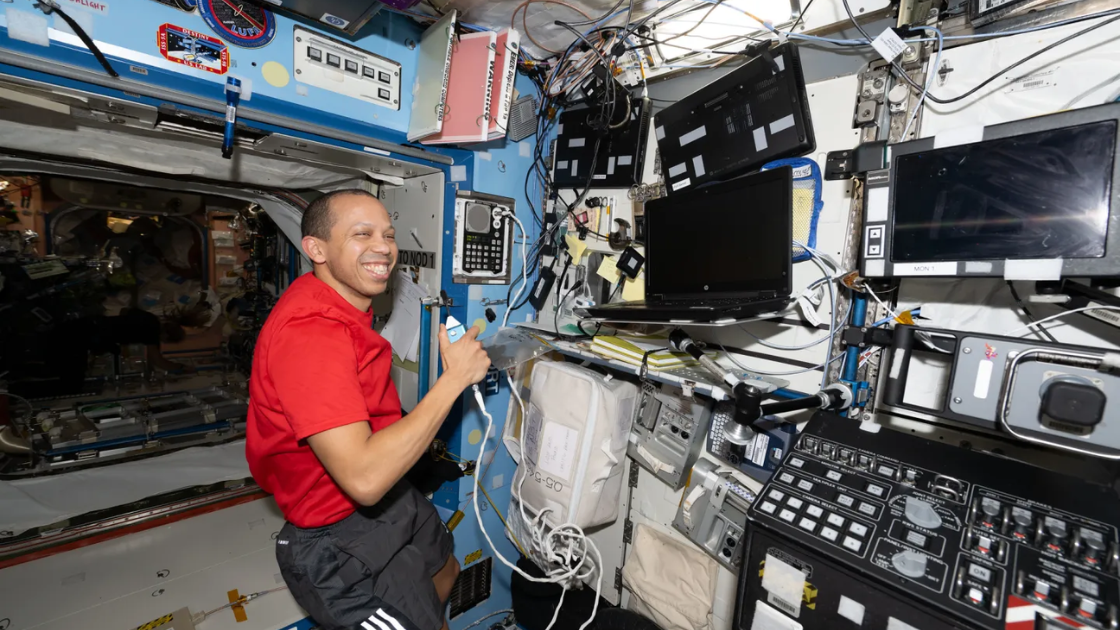
Astronauts aboard the International Space Station are getting new HP ZBook Fury G9 mobile workstations. The rades are part of a broader hardware refresh. NASA said the crew would first replace network servers and then activate the upgraded laptops. HP says the custom ISS configuration includes updated features like an Intel Core Ultra 9 vPro HX processor and among other additions. The machines also needed a NASA-specific power solution. The ISS primarily runs on DC power rather than the AC setup used in homes and offices on Earth. The station is now moving on from older HP ZBook Fury G2 systems. There is a little poetry in the fact that even space needs an IT refresh. With the ISS slated for de-orbit in 2030, these may be some of the station’s last major laptop upgrades.  
Tech News: Uber Helicopter Service

Tech News: Uber Helicopter Service

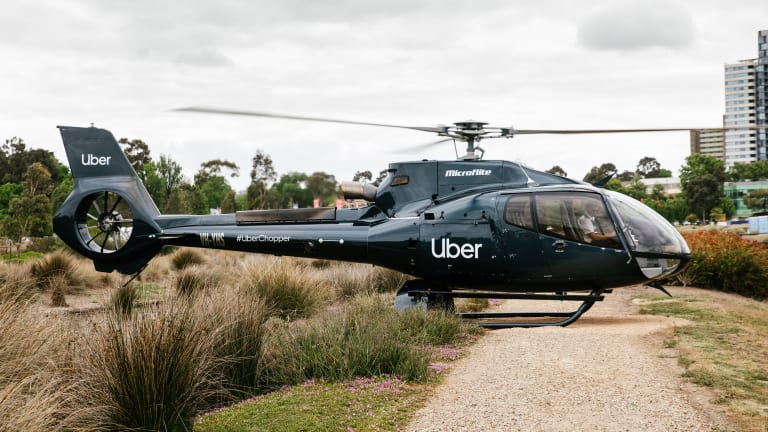
Uber, the ride-hail company, launched a premium helicopter service in New York City. This service consists of 8-minute flights to John F. Kennedy Airport and Newark Airport from Downtown Manhattan. Uber intends to expand the service to more US cities. They will eventually offer this option to daily commuters who travel between different parts of the city.

This prestigious service is a reference to the premise Uber launched with a decade ago: offer a sleek and convenient transportation option to customers with too much disposable income so they can feel like “ballers” while traveling. This time, the question is whether Uber can convince the Wall Street crowd, near the helipad, to upgrade from a car to a chopper.

The cost is approximately $205 for a one-way Uber Helicopter flight from Manhattan to the JFK airport. It takes approximately 50 minutes to complete. That includes the fact that you need to take an Uber Black Car to get to the helicopter pad which could take from 10-20 minutes based on where you are being picked up in the city.

Considering above factors, it can take about the same amount of time to order an UberX and travel to the airport. 90% of the time, that will be more cost effective than the Uber Helicopter. As Uber expands its fleet of cars to scooters, bikes and now helicopters, it wants to give users more options for getting from one place to another. It envisions replacing helicopter trips with autonomous electric flying cars to make transportation faster and (in theory) safer. Under the Uber Air division, it’s working on a class of flying electric vehicles that can take off and land vertically. The company is expected to launch its first set of electric aircraft in Dallas, Los Angeles and Melbourne, Australia, in 2023.

Uber helicopters probably won’t help to reduce the traffic in big cities like LA or New York. However, they do add an interesting way of travel for people who are looking for a more sophisticated experience. The real highlight of the Uber Helicopter trip is the view of New York from above the city. There’s nothing more astounding than amazing view of your city!

Real Estate Technology Today

New technology is churned out constantly all over the world. When owning a business, you want to be sure to stay on top of understanding all of the new technology as it releases. This helps your business remain innovative, and run efficiently. The term used to describe any technology in the real estate space is PropTech.  PropTech encompasses the application of information technology and platform economics to real estate markets. Check out our tech list below to stay up to date with all the new cutting-edge real estate technology and software.

  • Blockchain

Blockchain technology now allows transactions to be made securely and transparently. A growing list of records, called blocs, are linked using cryptography. Each block contains a cryptographic hash of the previous bloc, a timestamp and transaction date. Blockchain is resistant to modification of the data. This technology is catalyzing real estate! A large number of software is available to help you grow your real estate business, including Mata Capital, TruSet and Imbrex.

  • HomLov

Launched last summer, this site has marketed itself as “Pinterest Meets Houzz” and uses AI to help people find newly built homes around the country based on their preferred design features.  Shoppers can view videos, photos and floor plans and from there can add whatever entices them to their collection. Once shoppers choose their favorite features, HomLov creates a profile and then marches shoppers with a growing network of home builders.

  • Virtual and Augmented Reality

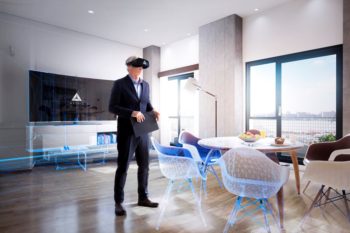
Through virtual reality, realtors and agents can now provide virtual tours that offer 360-degree views of the exteriors and interiors of properties. AR technology can allow you to virtually stage listings so you can make changes to the look and feel of a home on the spot by superimposing computer-generated images on a virtual simulation of the space. Apps like Magicplan, Home Design 3D, and IKEA Place are changing the way buyers interact with properties.

  • Big Data and Predictive Analytics

If you want a competitive advantage within the industry, begin incorporating data and analytics into your business. Buyers don’t always know what they want until they see it, which is why relying on client’s search criteria isn’t necessarily the most effective way to find their dream home. Realtors and agents can optimize searches, so results are based on clients’ needs instead of their assumptions, by using predictive analysis. Companies like SmartZip, RealAgile, and Revaluate obtain from a large quantity of public and private data to help you tailor your marketing campaigns to individuals who have the highest probability of selling or buying.

  • Artificial Intelligence and Chatbots

Chatbots or virtual assistants can answer queries and ask relevant questions that will help you get to know customers (and their needs) ahead of time. By using virtual assistants, you can take the stress out of qualifying and following up with leads. In turn, this leaves you time to focus on additional important tasks for growing your business!


Tesla Unveils New Version of Their Solar Panel Roof

Tesla Unveils New Version of Their Solar Panel Roof

For the past three years, Elon Musk’s vision for a fully-integrated solar panel roof has been delayed repeatedly. Tesla encountered some production issues at the beginning. Then, of course, aesthetic issues came into the play. Now, Tesla is unveiling a third iteration of its solar roof tiles, and this time the company believes it has a winner.

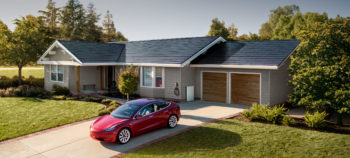
The new Tesla Solar Roof features dark tempered glass shingles. These innovative shingles are bigger, cheaper to produce & install, have fewer parts, and can capture more energy than previous versions. “We changed some of the materials in use, changed some of the methods, and the technology we are using to something that is more scalable” Musk explained on a recent conference call, as reported by PV Magazine.

The aesthetics remain more or less similar to that of their competitors—steely gray rectangles that sit flush with the roof. The upside, Musk claims, is that the install time has been vastly reduced by the tiles’ increased simplicity. The goal is to complete a roof install in just eight hours. The tiles will come with a 25-year warranty.

For now, Tesla is exclusively offering the dark gray version of the solar roof. However, Musk announced the company is aiming to roll out new and improved versions of the other roof styles they have teased. This includes a Mediterranean Clay roof in six to nine months! The website estimates that a 10kW solar roof for a 2,000-square-foot house will cost $33,950 when factoring in federal tax credits.

“We can make roofs come alive” Musk stated on the call, as reported by PV Magazine. “There are all these roofs out there just gathering sunlight, but not doing anything with it. In the future it will be odd for roofs to be dormant, or dead, or not gathering energy.”

The company expects to start rolling these new roofs out in the coming weeks. Stay tuned!