Stay connected in the world of tech and media with this week’s wrap-up. From Meta and its foray into smartwatches to Apple’s plan for smart eyewear, and more, we’re covering the major headlines. Check out the latest news in this week’s blog!
Google’s Snapseed adds a built-in camera with pro controls and film looks
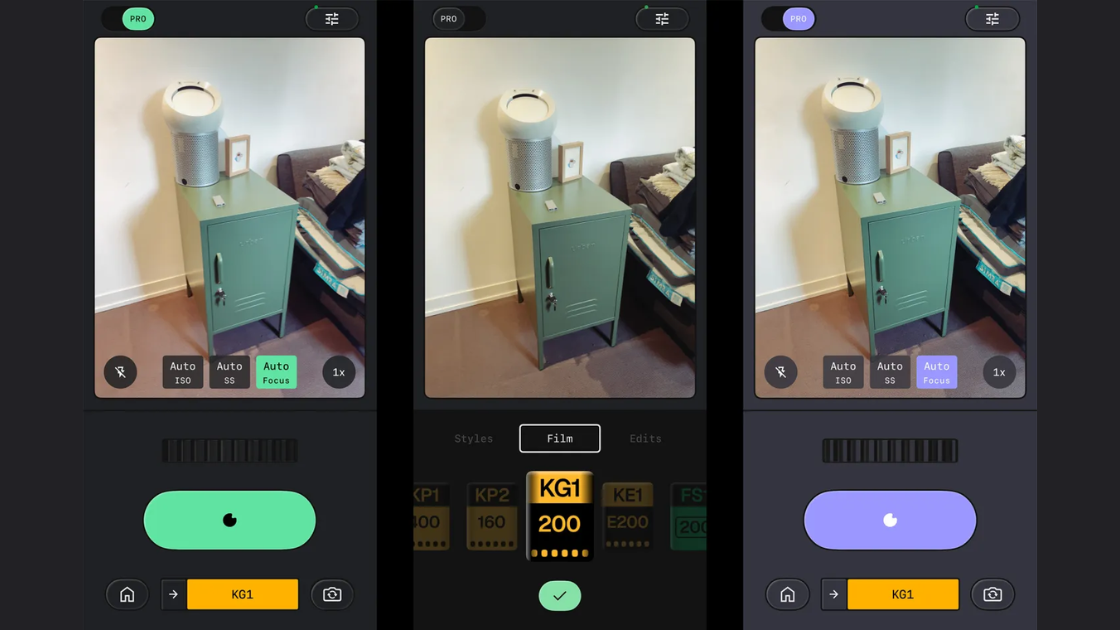
In product news, Google’s Snapseed for iOS now includes its own camera. Likewise, the update brings manual controls, saved looks you can reapply after the shot, and a suite of retro film emulation filters. The latter of the updates was inspired by Kodak and Fujifilm. The change turns Snapseed from a pure editor into a shoot-and-polish app, which shortens the loop for creators who like to capture mobile moments then immediately craft a finished look. UI polish, like color themes and editable edit stacks, means you can experiment with a vibe, shoot, and then tweak the stack after seeing the photo in context. For photographers who loved Snapseed’s editing depth, the camera addition keeps that power in one place instead of bouncing between apps. Expect Android to follow in time, but for now, iOS users get the early taste.
Meta reportedly plans a smartwatch to anchor more of its ecosystem
Reports say Meta is planning a smartwatch for 2026 that could act as a long-term foothold in wearables, pairing health and notification features with tighter connections to Meta’s social and AR ambitions. The Meta device is framed as less about replacing your phone and more about extending presence; quick responses, lightweight sensors, and hands-free social touchpoints that feed into Quest and other services. If Meta nails battery life and basic health tracking, the watch becomes a neat way to keep users tied to the company’s network outside the phone screen. The real test will be app depth and privacy controls: users want convenience, but they also expect clear data governance from a social platform. Watch for how the product balances social hooks with practical daily utility when it shows up.
Audible’s Immersion mode syncs reading and listening for focused study
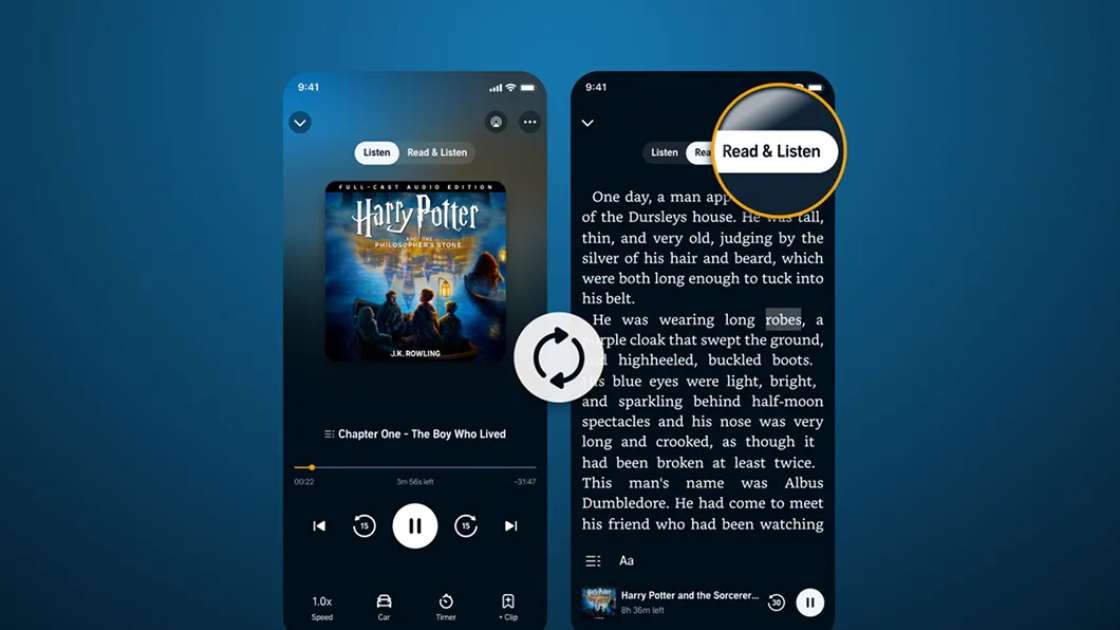
Audible introduced an “Immersion” reading experience that tightly syncs ebook text with audiobook playback, so you can read on the page while the narration follows; handy for study, language learning, or simply staying focused. The feature tries to bridge the gap between listening and reading by keeping bookmarks, timestamps, and progress in sync across formats so you can flip between modes without losing your place. For publishers and creators, it’s a value add that could bolster bundled sales and deeper engagement with long-form content. Consumers who switch between audio and print will appreciate the frictionless handoff, especially for textbooks or annotated editions. If the sync is accurate across editions, this could change how many of us consume long reads; listen, skim, then re-read with the voice guiding you.
Apple rumors point to smart glasses, an AI “pin,” and AirPods AI tweaks
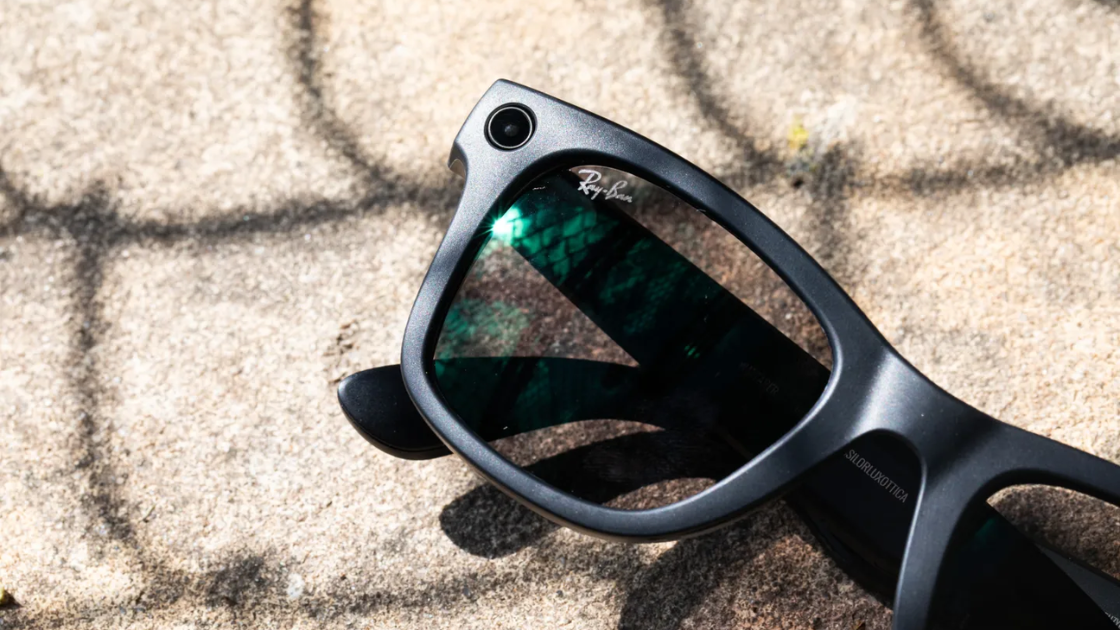
Supply-chain reports and leaks continue to suggest Apple is exploring a trio of wearables: smart glasses with AR smarts, a tiny AirTag-like AI “pin” for ambient prompts, and next-gen AirPods with deeper AI features. The common thread is Apple’s push toward on-body computing that’s lighter than a headset but more proactive than a phone; a layered approach that gives users choice in how they access quick AI interactions. If Apple rolls this out carefully, expect a big focus on privacy, on-device processing, and tight integration with iPhone ecosystems rather than standalone cloud reliance. Timelines are still murky, and designs can shift, but the rumors show Apple experimenting across form factors rather than betting everything on one device type. For designers and developers, the key will be how those devices expose APIs and experiences without fragmenting the platform.
WordPress launches an AI assistant to edit sites with natural prompts
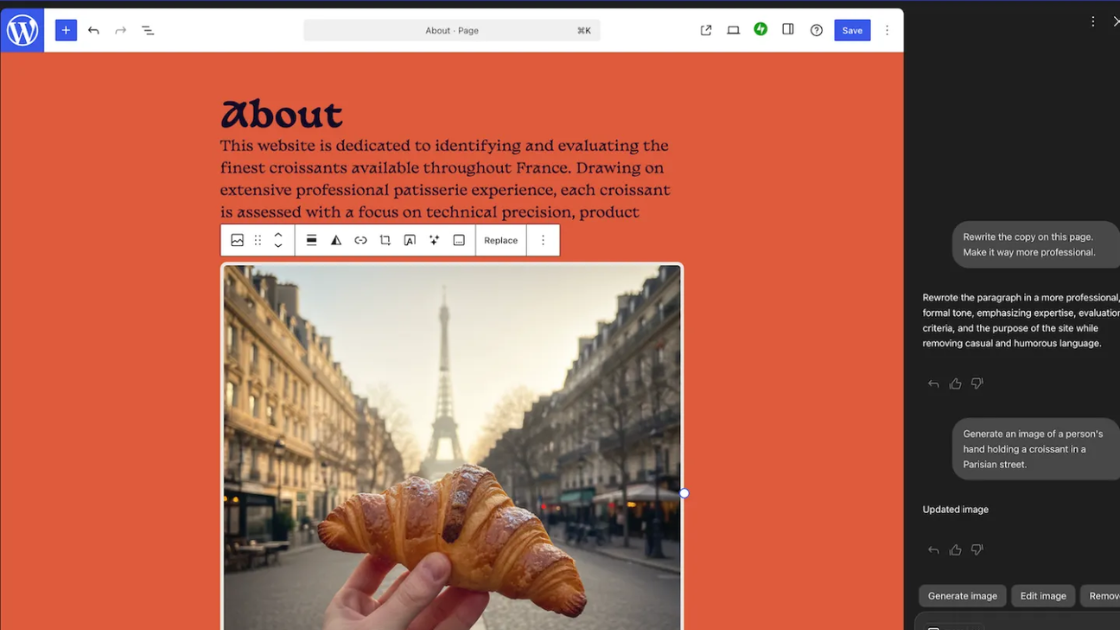
This month, WordPress rolled out a new AI assistant that lets site owners make edits and generate content using plain-language prompts; think “rewrite this section for local SEO” or “create a three-slide product deck” and watch the CMS do the heavy lifting. The assistant is positioned to streamline small-team workflows: quick copy, layout tweaks, and image suggestions that used to require multiple tools or human freelancers. For publishers and small businesses, it’s a productivity boost that lowers the friction to maintain fresh, optimized content. As always, the caveats are accuracy, tone control, and the need for human review, but the convenience factor is immediate. Expect the feature to accelerate A/B testing and rapid iteration for WordPress sites that lean into AI-assisted editing.
Tenways’ CGO folds flat to debut a compact e-bike that really fits small spaces
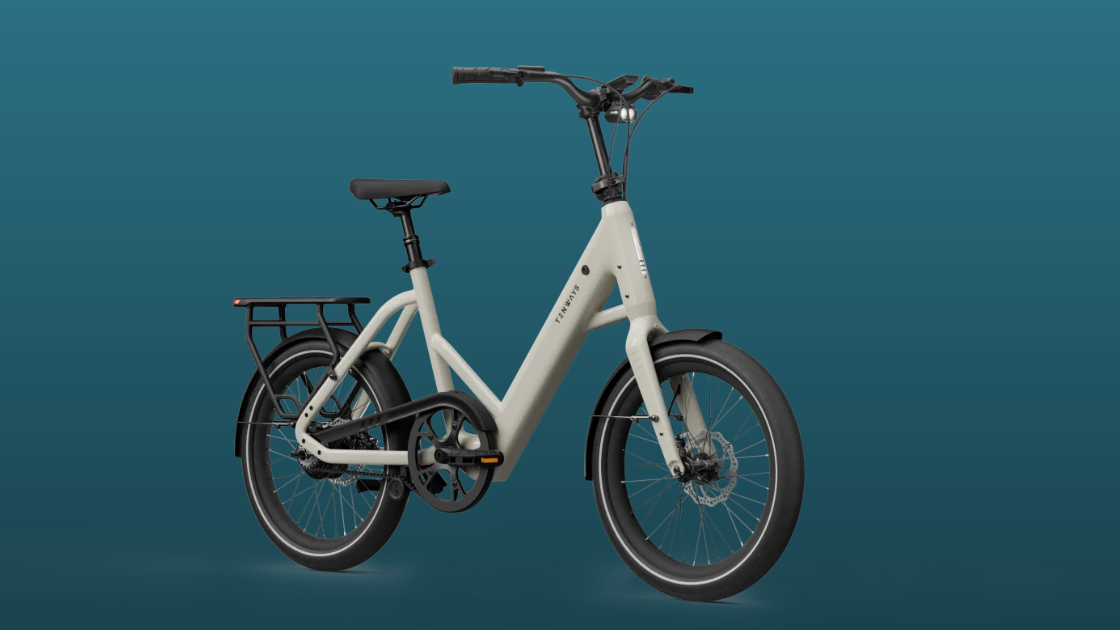
Tenways debuted the CGO, a compact e-bike that twists and folds flat so it can slide into tight storage spaces, ride shares, or trunk corners without drama. The design balances rideability with packability: it’s not trying to be a full-size commuter bike, but it hits the sweet spot for last-mile runs and city dwellers who need storage thrift without giving up decent range. Practical details like folding ergonomics, battery access, and ride comfort will determine whether urban commuters swap a folding bike for this electric model. For apartment dwellers and multimodal travelers, the CGO’s flat profile is a genuine life hack; carry it onto a train, stash it under a desk, or tuck it in a closet with far less fuss than a bulky frame. If Tenways nails durability and serviceability, compact e-bikes like the CGO could become the default for dense-city mobility.