
Stay connected to what’s happening in the technology world with our weekly blog! From Google Gemini upgrades to iOS 26.4 and more, we are covering the week’s top headlines. Jump into the latest news in our wrap-up below.
Nano Banana 2 brings pro-grade image generation to free Gemini users

Google pushed a more capable image model, Nano Banana 2 (Gemini 3.1 Flash Image), this past week. The new update is free for users across Gemini and AI Mode in Search. Likewise, the bonus is that this is the same tech that used to be reserved for paid tiers. The update from Gemini is now faster and better at rendering legible text and realistic infographics. The model inherits features from the Pro build. Of course, this includes real-time info, web-sourced imagery, and improved fidelity on complex prompts. In addition, the Gemini update offers finer control over aspect ratios and resolutions up to 4K. Creators will appreciate more consistent character and object counts in a single scene. This also includes sharper textures without always needing a paid subscription. The change with Gemini lowers the barrier for high-quality image generation and moves more visual power into everyday workflows across Google’s apps. Expect the model to show up inside Lens, the Google app, and Flow for video generation, making it a bigger piece of Google’s visual-AI toolkit.
Xiaomi’s ultra-thin magnetic power bank aims for pocket minimalism
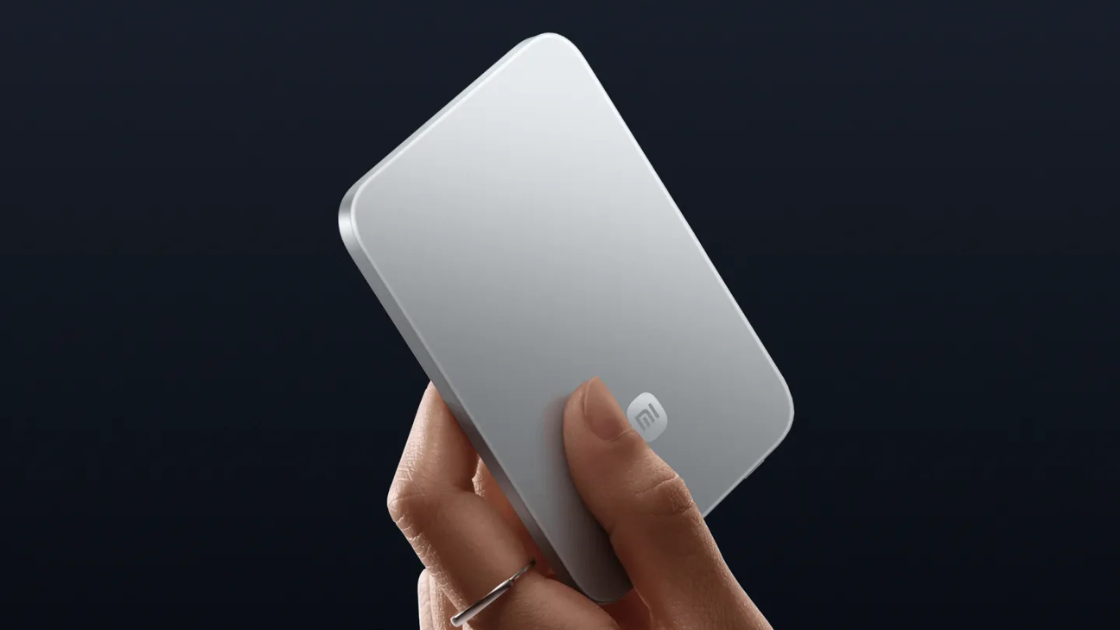
Xiaomi unveiled a featherlight magnetic power bank that clings to phones like MagSafe and keeps a very modest capacity (around 5,000 mAh) while being absurdly thin, the sort of accessory that prioritizes everyday carryability over marathon charging. It’s clearly aimed at people who want the convenience of wireless top-ups without pocket bulk or a chunky brick glued to their phone. Expect fast Qi2 compatibility and a focus on aesthetics as much as utility: thinness, surface finish, and magnetic alignment matter here. For travelers or commuters who only need a quick mid-day top-up, this is a neat compromise between a full power station and no backup at all. The product hints that accessory makers are still finding room to innovate by trimming what we assume is necessary rather than adding more.
iOS 26.4 beta brings age verification to UK users
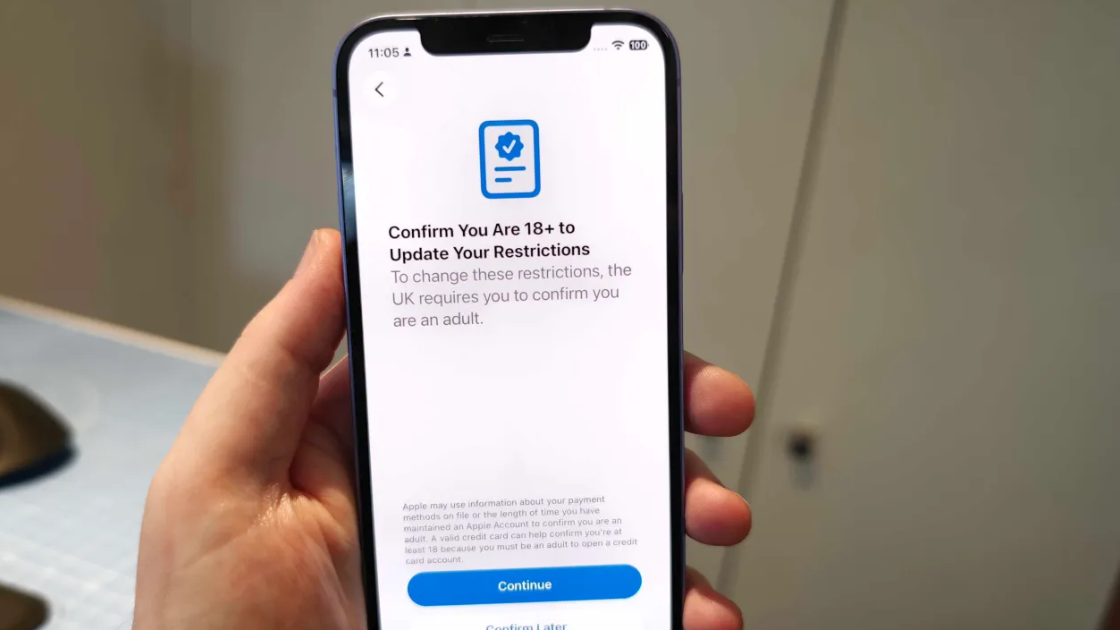
Apple’s iOS 26.4 beta includes a new age-verification flow for UK users, reflecting regulatory pressure and platform efforts to better gate age-restricted experiences and features. The build appears to add more robust checks during account setup and when enabling certain content, aiming to reduce misclassified under-18 accounts. It’s a reminder that platform UX increasingly has to balance seamless onboarding with compliance and child safety. For UK developers and parents, that means tighter integration between device identity and content controls, and possibly some extra steps during sign-up. Expect companies to continue refining how they verify age while trying not to create too much friction for legitimate signups.
Alexa Plus adds personality styles so your assistant sounds like you want it to
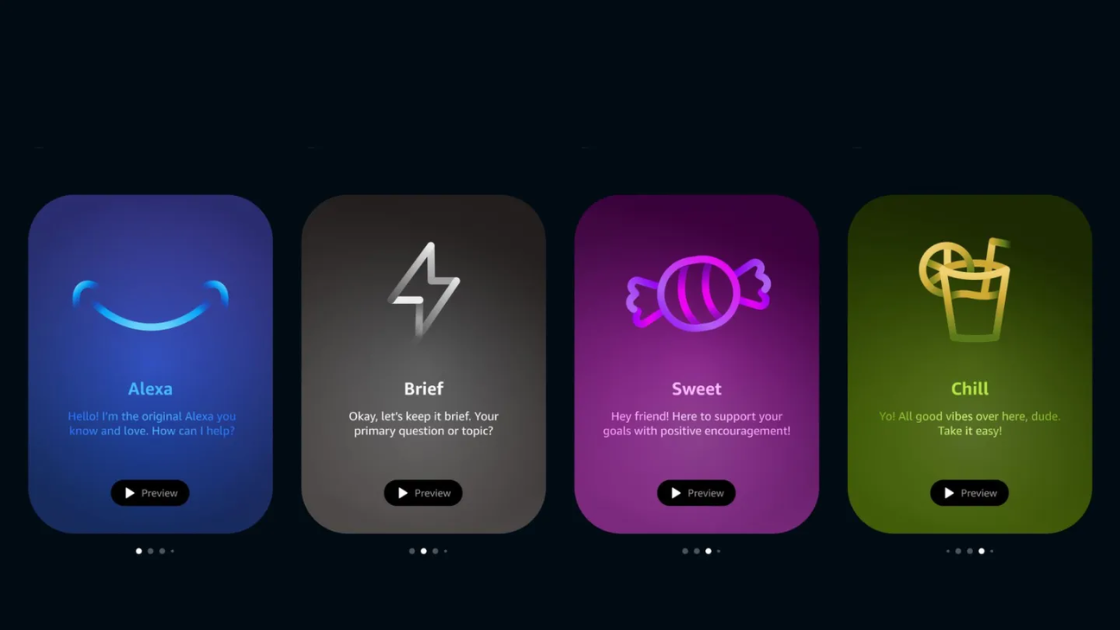
Amazon expanded Alexa Plus with selectable personality styles, think “friendly,” “blunt,” or “chilled” — so subscribers can tweak tone and response flavor without changing functionality. The feature is a small but meaningful nudge toward personalization: the assistant’s answers stay the same, but delivery and phrasing shift to better fit the household vibe. It’s part of a broader trend where voice assistants try to be not just useful but emotionally calibrated to the user’s taste. For brands and voice designers, that opens creative opportunities (and testing questions) around tone, brand voice, and UX continuity across devices. The rollout may also reignite conversations about how much personalization should be machine-driven versus user-declared.
YouTube Premium Lite adds background play and downloads, cheaper than full Premium

YouTube is beefing up its lower-priced Premium Lite tier to include background play and offline downloads. Of course, other perks like ad-free are on hold for the full Premium plan. The tweak is all about price sensitivity: give casual power users what they need to enjoy content on the go. For the platform, it’s a retention play that smooths churn while still segmenting features for higher-value subscribers. Consumers who stream on mobile or commute regularly will likely see this as a clear value play. Expect the change to pressure other streaming apps to rethink a skinny, essentials-first subscription tier.
ADT acquires the team behind Wi-Fi motion sensing to boost smart home smarts

Origin Wireless has been bought by ADT, the startup known for Wi-Fi-based motion and presence sensing. Likewise, the acquisition folds wireless AI detection into its smart-home security stack to improve non-camera sensing and reduce false alarms. The technology can infer occupancy and subtle motion from radio signals. Of course, this is handy for privacy-sensitive setups or places where cameras are impractical. For homeowners, it could mean smarter arming modes and fewer nuisance trips. Integrators can expect it to blend different sensor modalities into a coherent automation story. The acquisition signals ADT’s push to make its platform more context-aware using non-visual signals. In addition, it also accelerates product differentiation in a crowded security market. Watch for tighter hardware-software bundles and new subscription options that lean on advanced sensing as a premium feature.