
Kick off April with what’s new in the world of tech. From Alexa+ to ChatGPT on CarPlay and more, we have you covered! Stay connected and don’t miss a beat in this week’s tech blog.
CarPlay Gets ChatGPT Voice
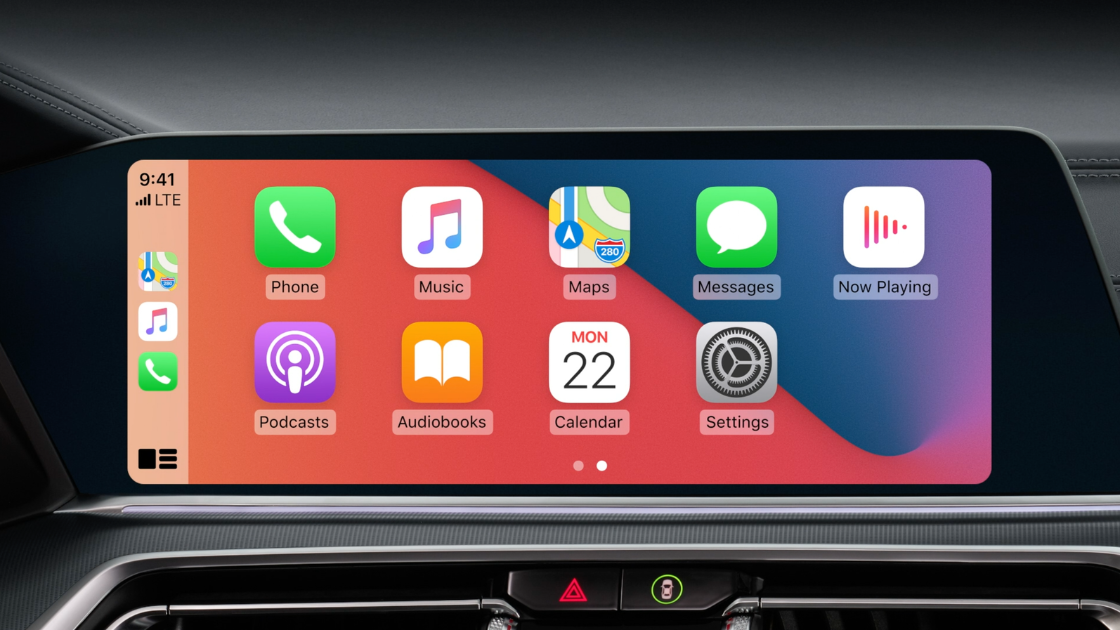
With iOS 26.4 and the latest ChatGPT app, you can now talk to ChatGPT through your CarPlay dashboard, using voice to ask questions, draft messages, or get quick answers while driving. The experience hides text and focuses on spoken replies so conversations stay hands-free, though you must tap the app to start a session rather than use a wake word. Apple’s developer rules also limit on-screen text, so the integration leans into audio first and glanceable controls for muting or ending chats. This setup lowers friction for using a general AI assistant on the road but keeps final control with the driver to avoid accidental actions.
Galaxy App Tries to Ease Motion Sickness
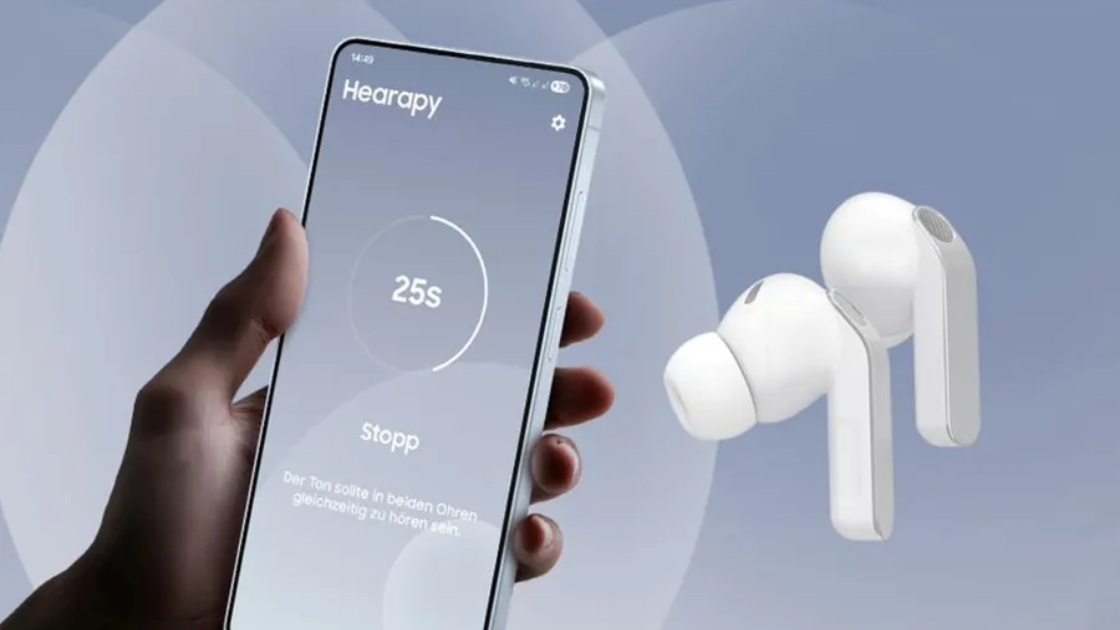
Now available from Samsung is an app that uses audio techniques to reduce motion sickness symptoms for people using headsets or earbuds in transit. The software plays tailored sound cues and movement-synchronous audio to help the brain re-sync with visual motion, and Samsung pairs the experience with Galaxy Buds for better timing and spatial cues. Early tests show promise for some users, though effectiveness can vary based on individual susceptibility and the exact travel environment. If it scales, this could be a practical wellness feature for commuters and travelers who struggle with in-vehicle nausea.
Matter Spec Adds Richer Camera Support
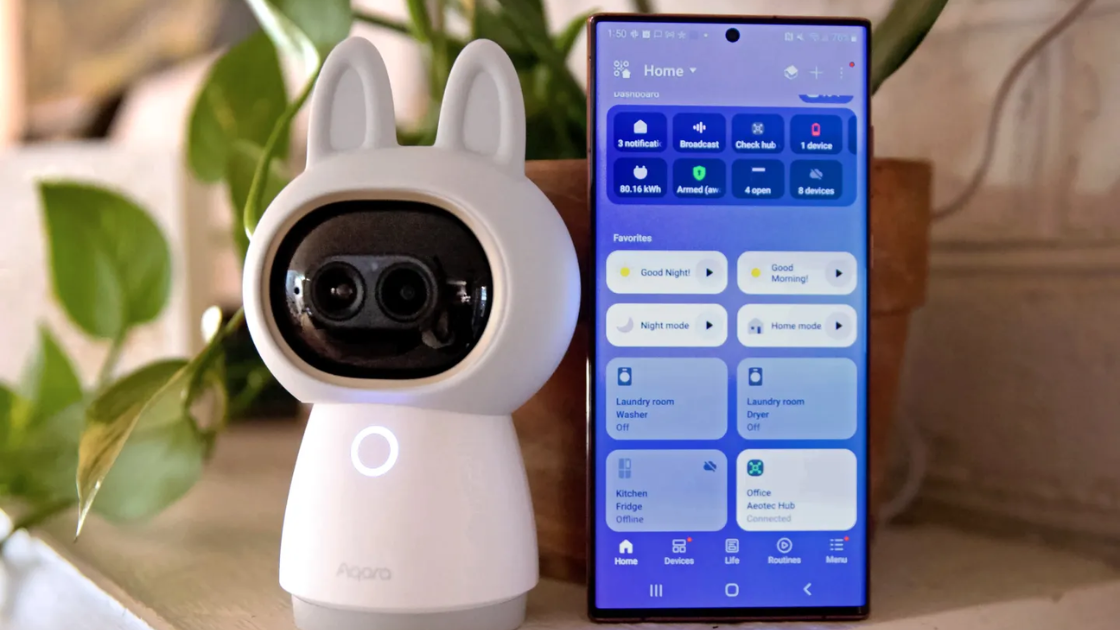
This Matter update brings improved camera streaming, HEIC image support, and new doorbell and chime behaviors that make smart video devices work more smoothly across ecosystems. The spec clarifies how cameras stream video to controllers and how snapshots are handled, which should make cross-brand doorbells and security cameras more reliable for consumers. Vendors will now be able to implement consistent streaming and low-latency previews while preserving privacy controls set by the hub or controller. Over time, these changes could simplify smart home setup and reduce the number of platform-specific features users must juggle.
Prescription-Ready Smart Glasses Arrive

After regulatory and optical bumps, Meta is introducing new Ray-Ban–branded models optimized for prescription lenses with improved capture and livestreaming features. The hardware refinements include charging case tweaks and antenna work that should improve connectivity for real-time sharing and shorter upload delays. Meta frames these devices as everyday wearables that blend fashion and utility, while also emphasizing clearer options for people who need corrective lenses. Adoption will hinge on price, battery life, and how comfortable users feel about wearing cameras in public.
Bravia Inc. Shifts To New Joint Venture

Following an agreement, TCL will take operational control of Sony’s TV and home theater business under a joint venture called Bravia Inc., which aims to combine Sony’s design and brand with TCL’s manufacturing scale. The deal promises faster product cycles and broadened distribution while leaving Sony’s high-end engineering and image processing expertise in place. For consumers, this could mean more competitive pricing and wider availability of Bravia models alongside continued premium tiers. Observers will watch how the companies balance branding, software updates, and service commitments under the new structure.
Gmail Lets You Change Your Email Address
Finally, Gmail offers a way to swap an embarrassing or outdated username for a cleaner address without losing your account, easing a longtime pain point for people who grew out of old handles. The feature preserves your inbox, settings, and subscriptions while routing mail from the old address to the new one for a transition period. It is aimed at users who want a fresher personal or professional identity without starting over with a brand-new account. Security and verification steps are in place to prevent abuse and accidental takeovers during the change.
Alexa+ Lets You Order From Grubhub and Uber Eats
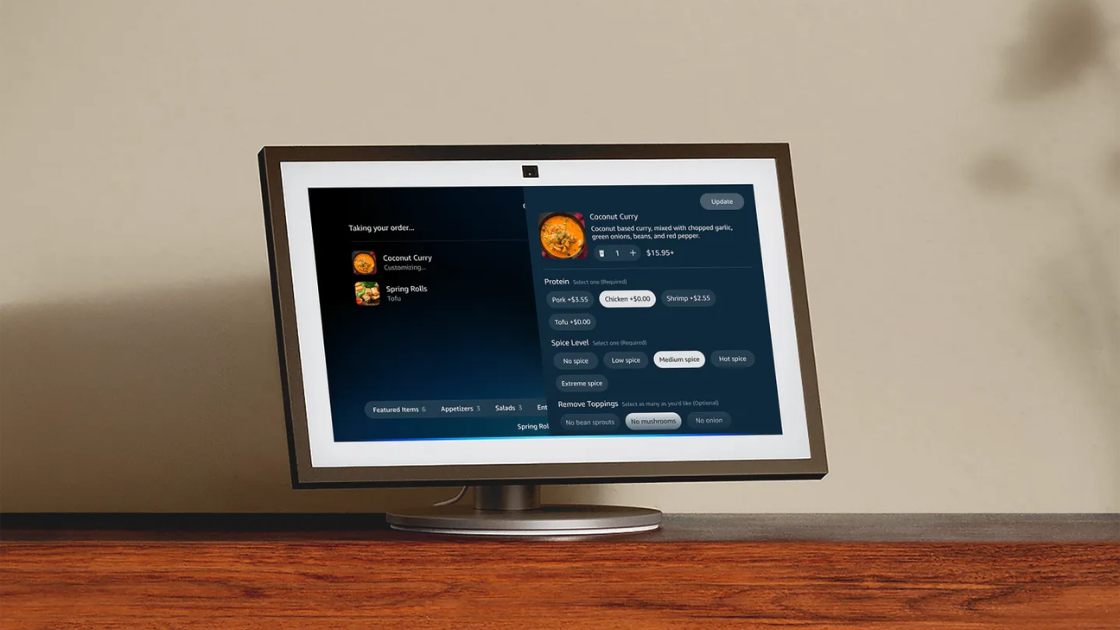
Starting now, Alexa+ subscribers can place conversational food orders through their device. The Alexa+ new feature works with services like Grubhub and Uber Eats by speaking to Alexa. The app then walks through menu choices and confirms orders before checkout. This new Alexa+ integration aims to make hands-free ordering simple while keeping users in control with confirmations and payment prompts. Restaurants and delivery platforms gain another low-friction channel to reach customers who prefer voice interactions at home. Privacy and data-sharing details vary by partner, so users should review permissions when enabling the skill or linking accounts on their Alexa+ App.