
Stay connected with what’s happening in the world of tech and media! From Meta Spark AI moves to Starlink deployments and more, we have you covered. Tune into the buzz below!
Meta Opens Its Muse Spark AI Model to More Developers
Meta is expanding access to its newest artificial intelligence model, Muse Spark, by introducing API availability for developers and businesses. Designed to power advanced reasoning, multimodal understanding, and agent-based workflows, the model is intended to support everything from customer service tools to content creation and productivity apps. Unlike earlier AI releases, Muse Spark is deeply integrated into Meta’s ecosystem and is expected to roll out across Facebook, Instagram, Messenger, WhatsApp, and Meta AI experiences. The API launch also gives developers an opportunity to build applications on the same technology that powers Meta’s latest AI assistant. As competition among AI providers intensifies, opening access to flagship models has become an important strategy for expanding developer ecosystems.
Character.AI Turns AI Chats Into Short-Form Entertainment
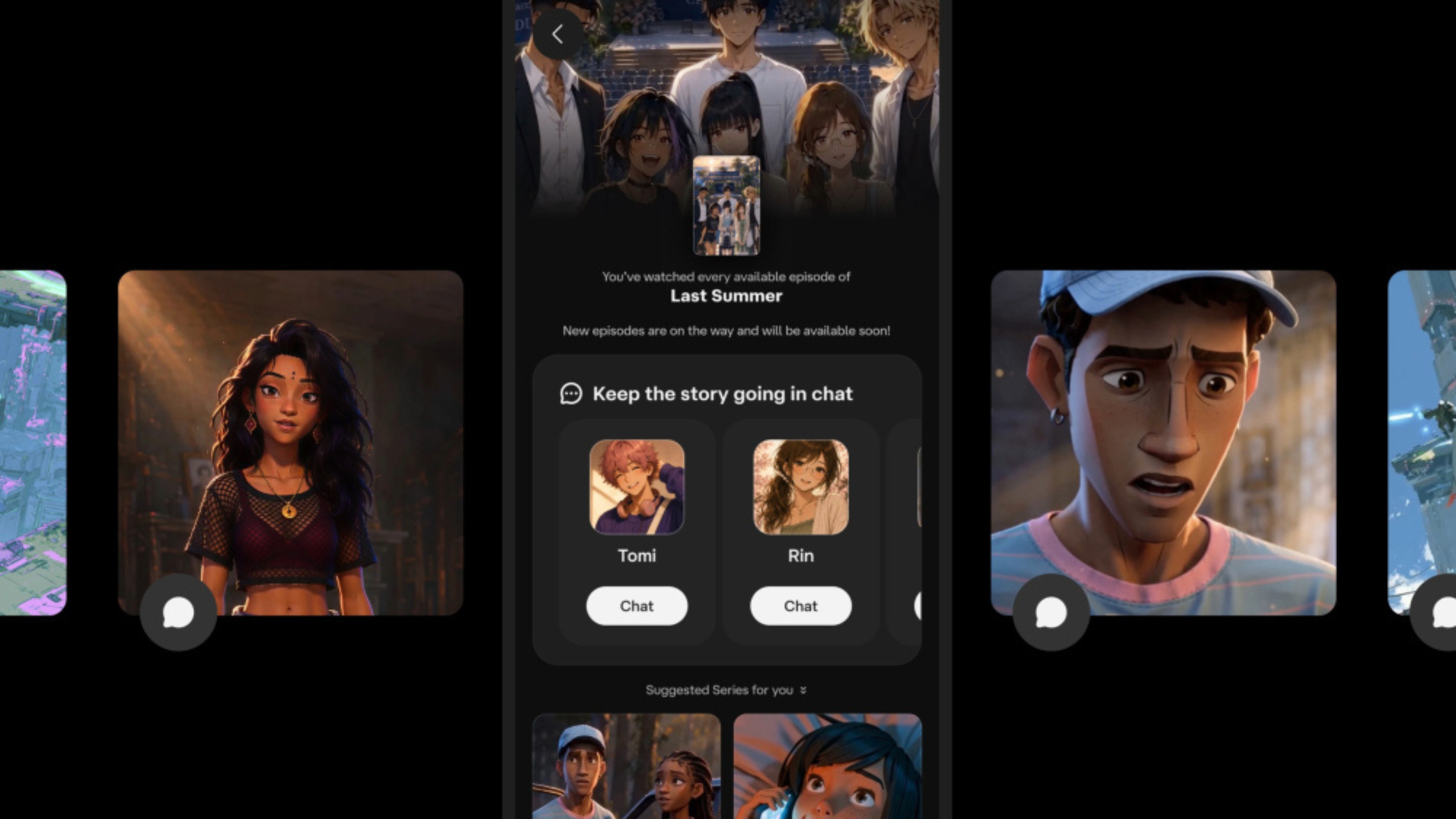
Character.AI is expanding beyond text conversations by introducing AI-generated microdramas designed for vertical video viewing. The new series transforms interactive AI characters into bite-sized scripted stories optimized for smartphones, reflecting the continued popularity of short-form content. Rather than simply chatting with virtual personalities, users can now watch them perform in serialized episodes that blend storytelling with generative AI. The initiative highlights how AI companies are increasingly exploring entertainment alongside traditional chatbot experiences. As audiences spend more time consuming vertical video, AI-powered storytelling is emerging as another frontier in digital media.
SpaceX Sets Another Record for Starlink Deployments

SpaceX is on pace to achieve its busiest year yet for Starlink satellite launches, continuing the rapid expansion of its global internet network. The company has significantly increased launch frequency, allowing thousands of additional satellites to reach orbit and improve coverage around the world. This aggressive deployment strategy strengthens Starlink’s position as the largest low-Earth orbit satellite internet provider while making it more difficult for competitors to catch up. Increased satellite density also helps improve network capacity and performance for existing customers. As demand for high-speed internet continues to grow in underserved regions, SpaceX is demonstrating just how quickly satellite infrastructure can scale.
Samsung Prepares for Its Next Wave of Foldables
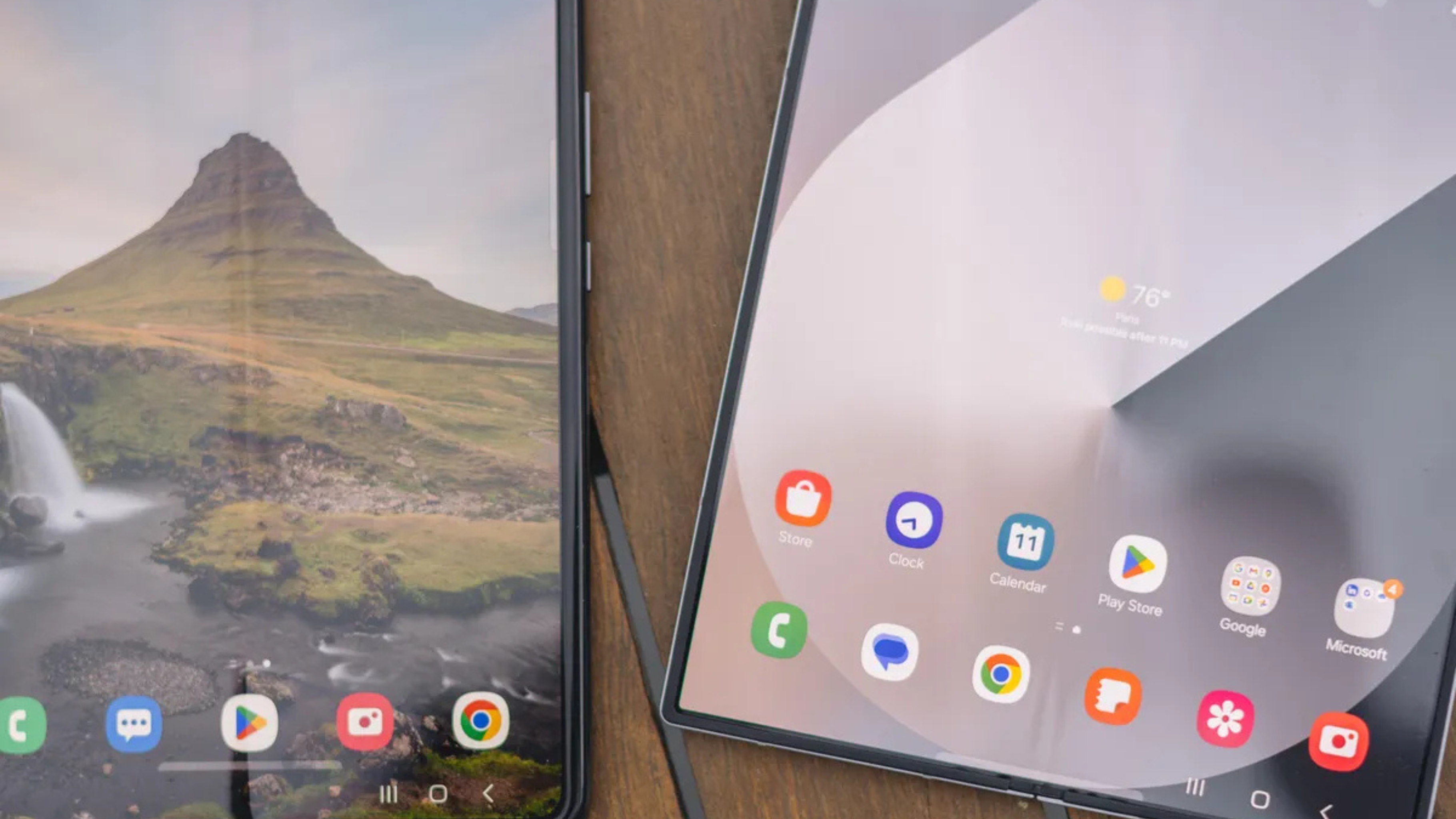
Samsung is expected to showcase its newest foldable devices and wearable technology during its upcoming Galaxy Unpacked event. Reports suggest the company will unveil updated Galaxy Z Fold and Z Flip smartphones alongside a redesigned Galaxy Watch lineup featuring improved health tracking and AI-powered features. Samsung is also rumored to be introducing a wider foldable design, signaling continued experimentation with smartphone form factors. The announcements reflect Samsung’s commitment to pushing foldable technology further into the mainstream while strengthening its connected device ecosystem. With competition increasing across the premium smartphone market, hardware innovation remains one of the company’s biggest differentiators.
iFixit Builds a Toolkit for the Right-to-Repair Movement

Repair advocates have a new option with iFixit’s Megalodon Toolkit, a comprehensive repair kit designed for everything from smartphones and laptops to household appliances. The expanded toolkit includes a wider range of precision drivers, specialty bits, and repair tools aimed at helping consumers tackle increasingly complex fixes at home. The release aligns with the growing right-to-repair movement, which encourages manufacturers to make products easier to maintain instead of replacing them. As electronics become more expensive, many consumers are choosing to extend the lifespan of their devices through repair rather than purchasing new ones. The toolkit reflects a broader shift toward sustainability, self-service, and consumer ownership in technology.