
In an era dominated by mass production, fast furniture, and ever-changing trends, many homeowners are finding themselves drawn to something more enduring. Across the design world, there is a renewed appreciation for craftsmanship, authenticity, and thoughtfully made spaces. At the heart of this shift is the revival of the Arts and Crafts Movement, a design philosophy that feels just as relevant today as it did more than a century ago.
Originally emerging in the late 19th century as a response to industrialization, the Arts and Crafts Movement celebrated quality over quantity, championing handcrafted objects, natural materials, and the beauty of skilled workmanship. While today’s homes may look different from those of the movement’s founders, many of its core principles are making a welcome return.
A Return to Craftsmanship
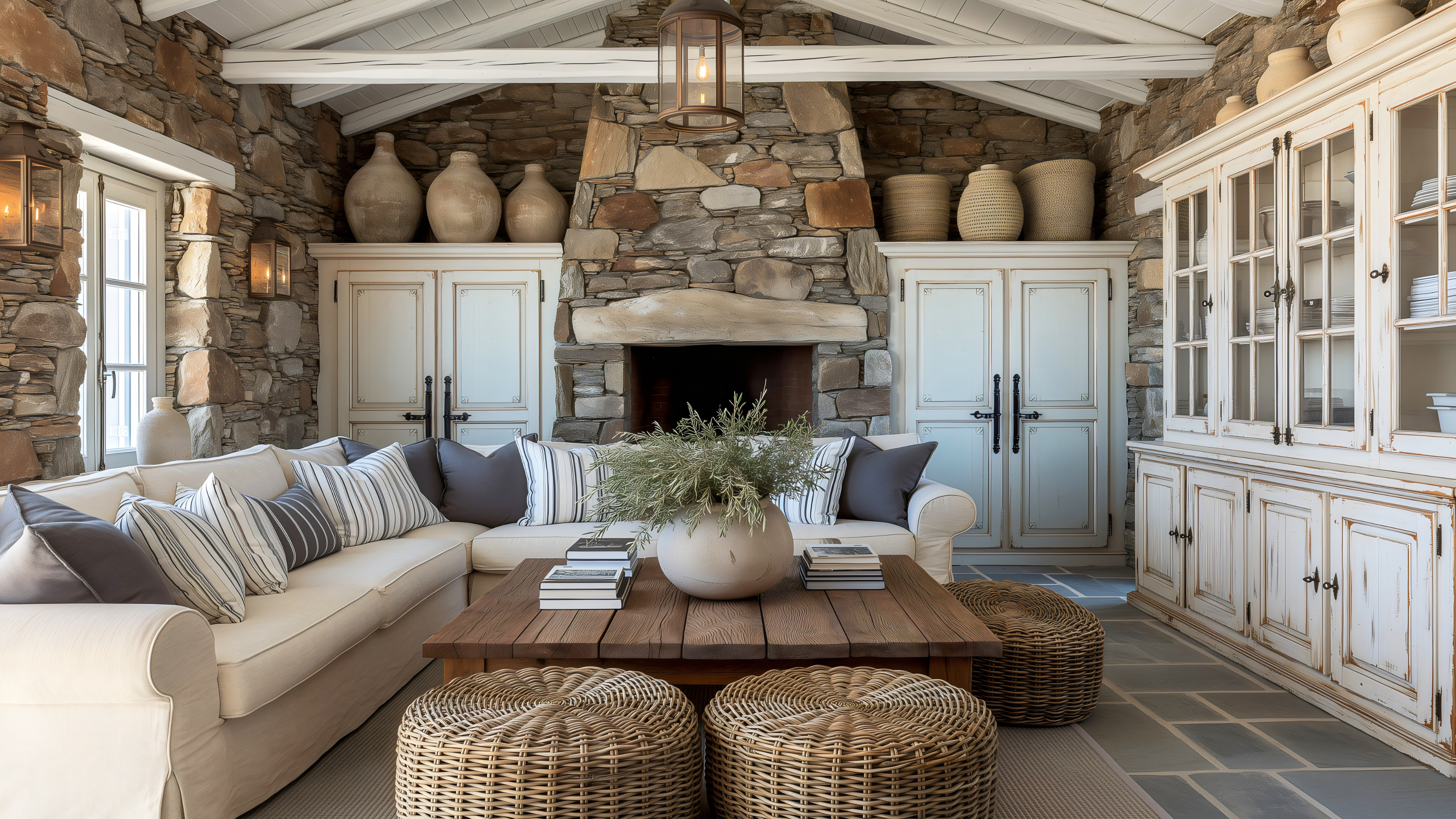
One of the defining characteristics of the Arts and Crafts Movement is its emphasis on craftsmanship. Rather than concealing how something is made, the movement highlights the maker’s hand and the materials themselves.
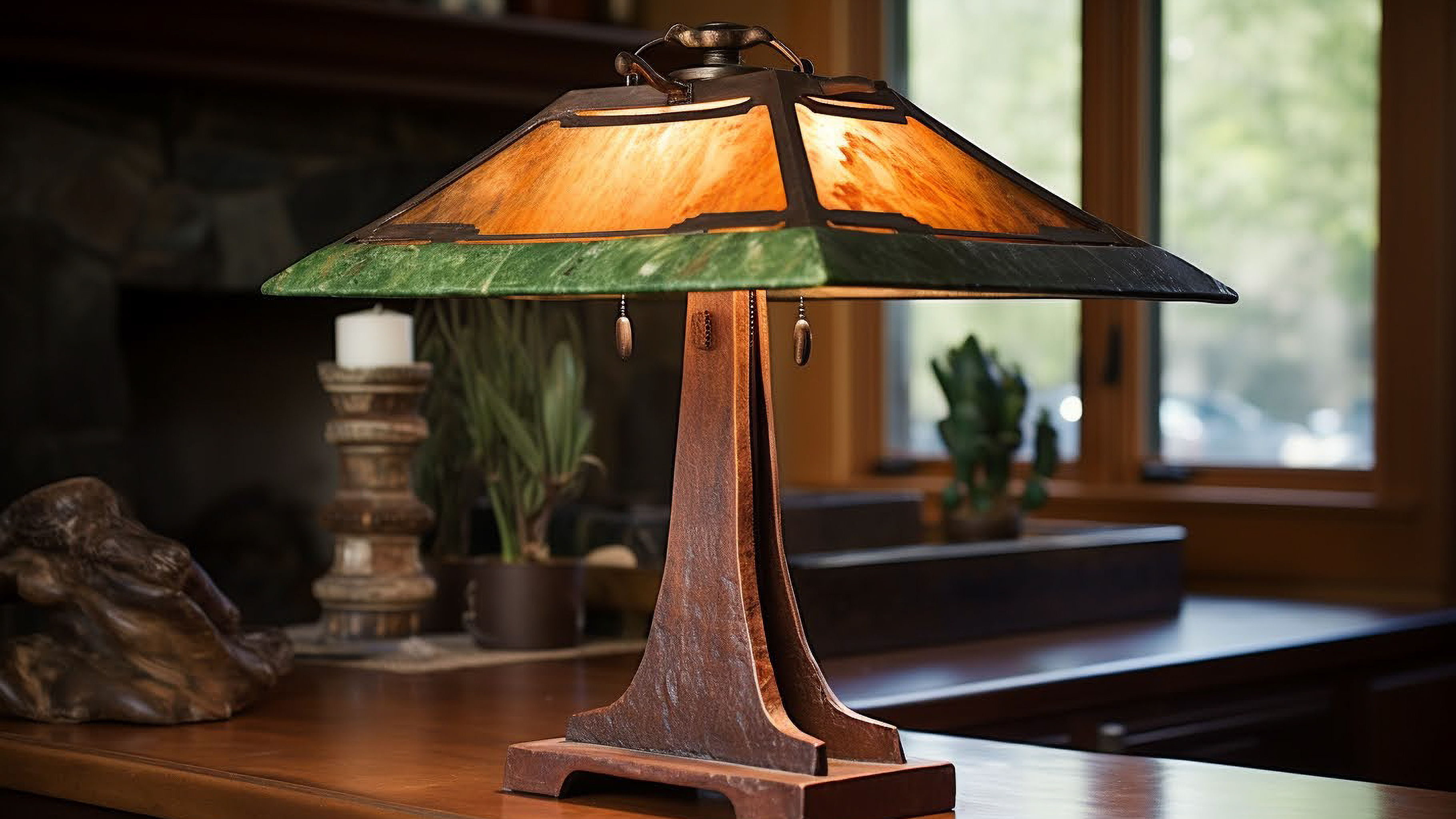
Today, homeowners are increasingly seeking pieces that tell a story. Handmade dining tables, artisan ceramics, custom millwork, and locally crafted furnishings are replacing disposable décor. These pieces often feature subtle imperfections that add character and warmth, creating interiors that feel personal rather than manufactured.
This appreciation for craftsmanship reflects a broader desire to invest in quality pieces that can be enjoyed for years rather than seasons.
Natural Materials Take Center Stage
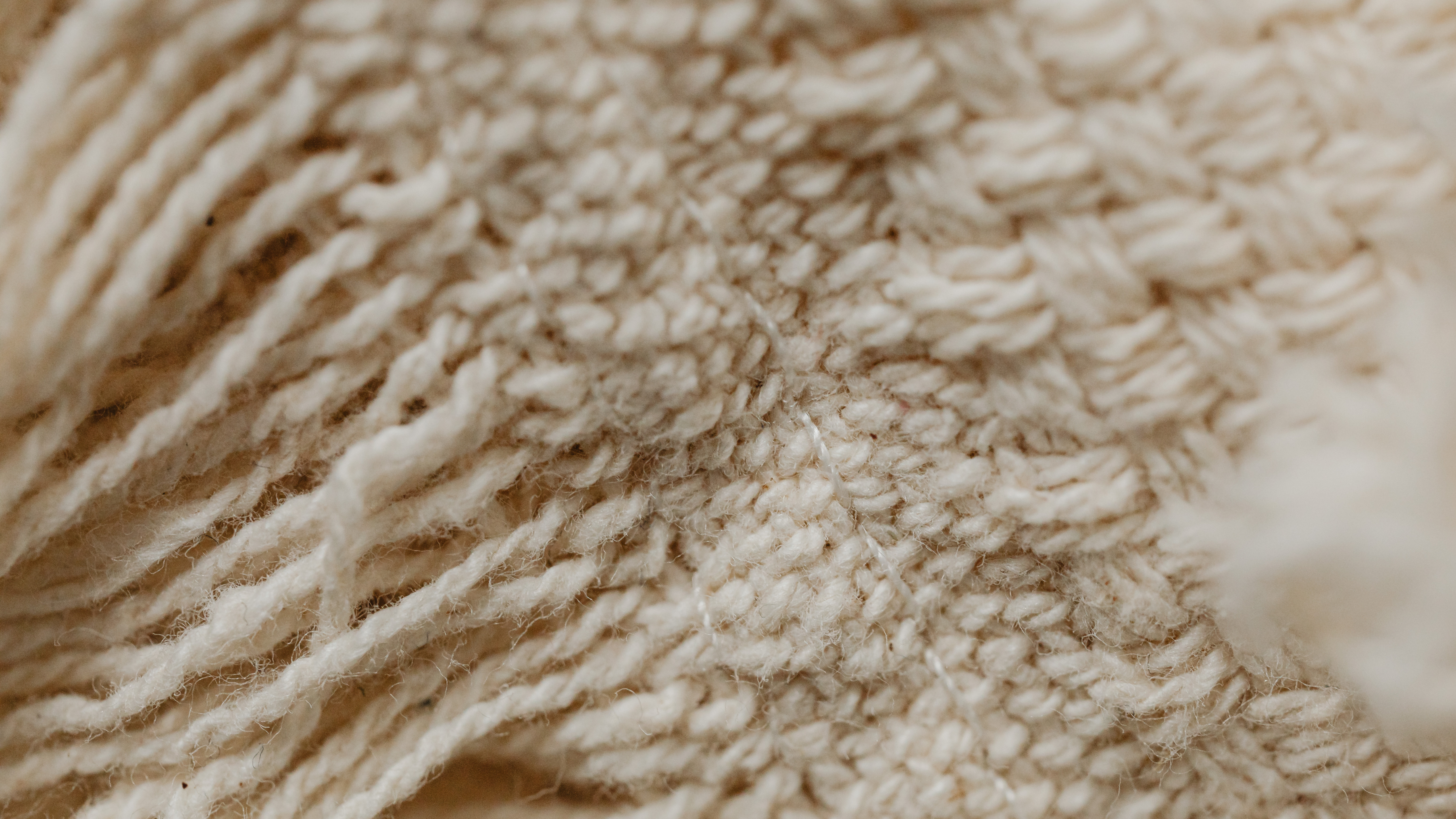
The movement’s founders believed that homes should feel connected to nature, and that philosophy continues to resonate with modern designers.
Wood remains one of the most recognizable elements associated with the Arts and Crafts Movement, but today’s interpretations extend far beyond traditional oak furnishings. Rich walnut, white oak, natural stone, linen, wool, and handwoven textiles are all finding their way into contemporary interiors.
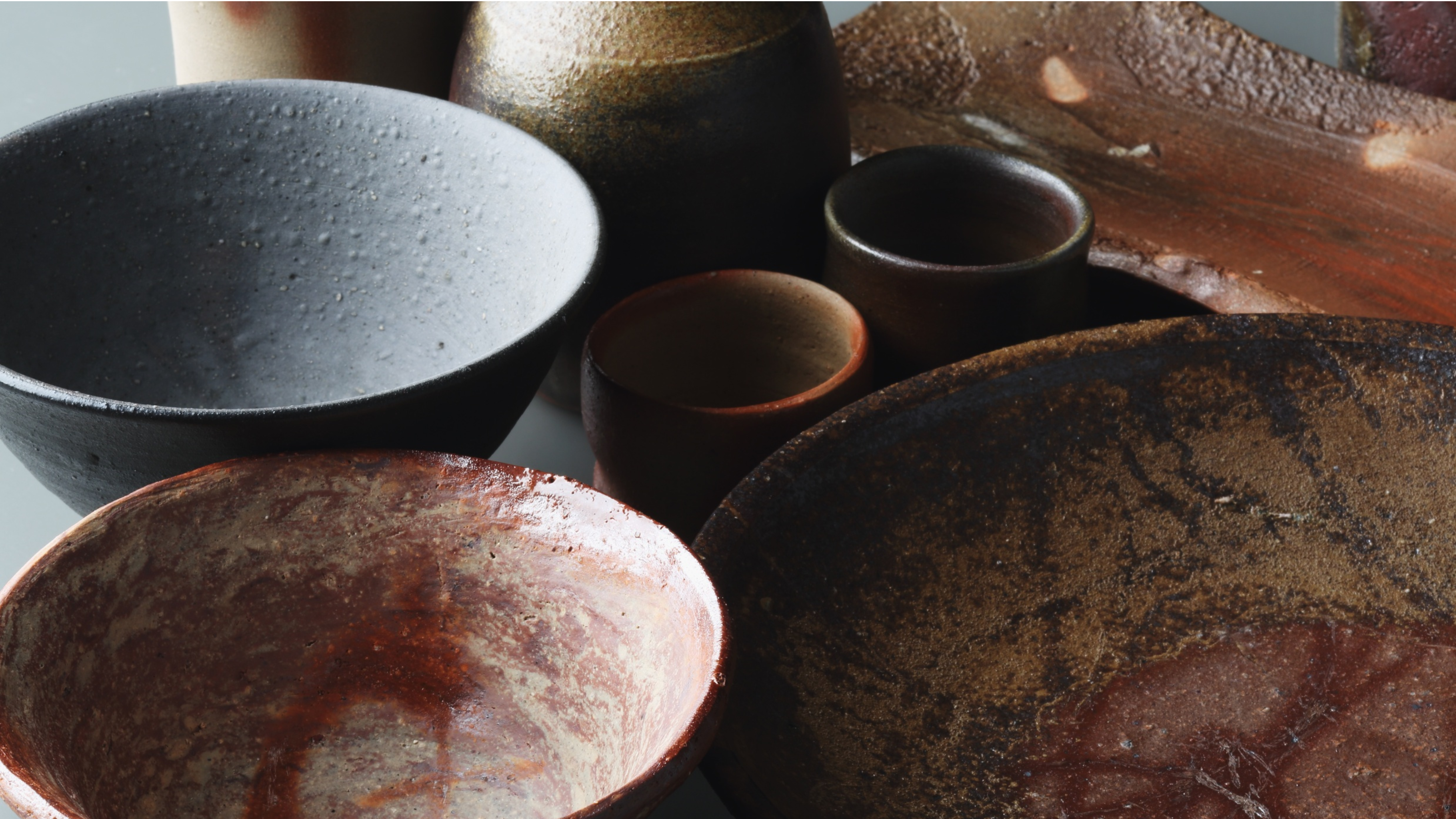
These materials bring texture and depth to a space while creating a sense of comfort that feels timeless. Rather than relying on high-gloss finishes or synthetic materials, many homeowners are embracing surfaces that age gracefully and develop character over time.
Thoughtful Design Over Excess
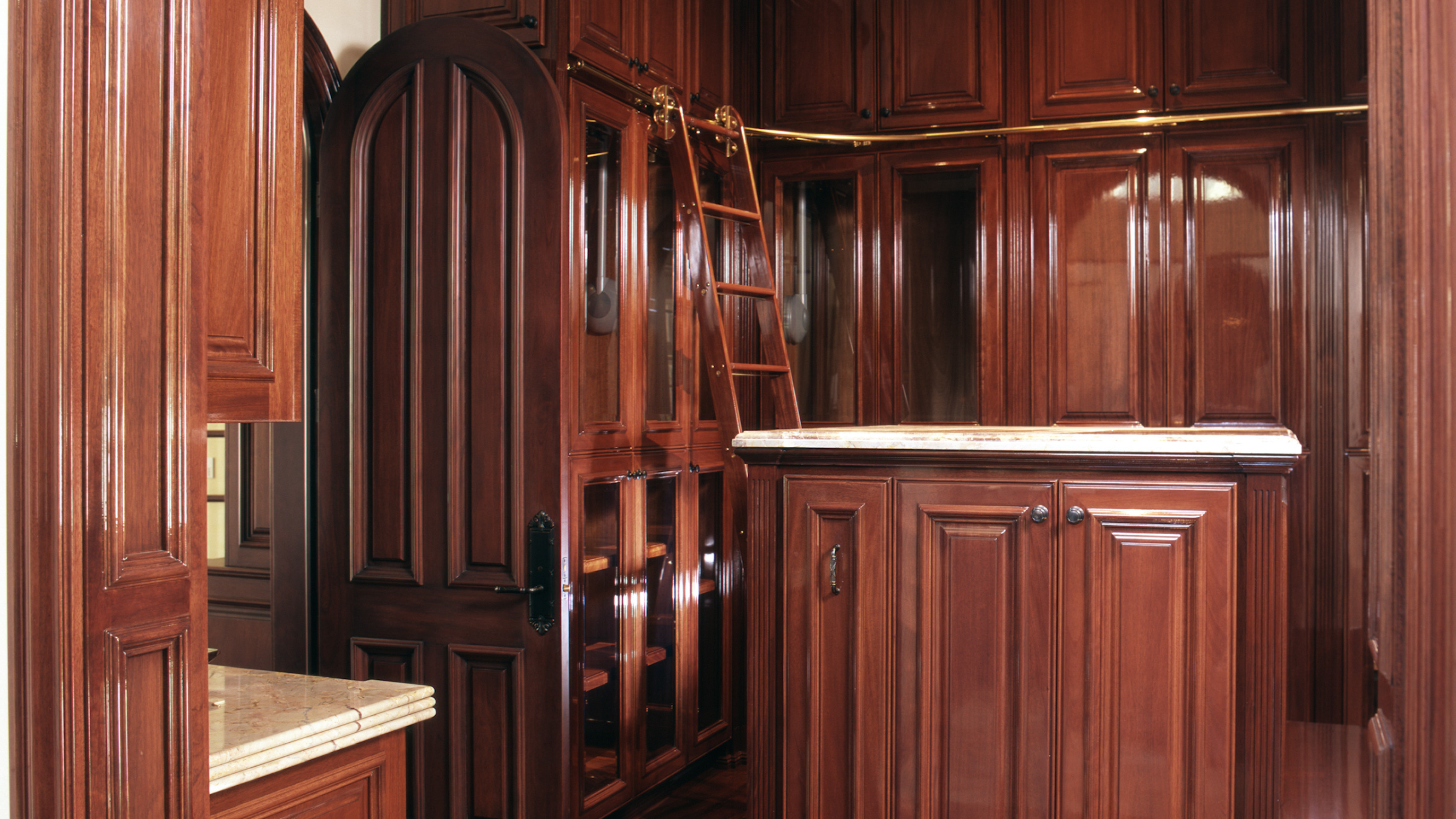
Another reason the Arts and Crafts Movement feels particularly relevant today is its focus on intentional design. Rather than filling a room with decorative objects, the movement emphasizes functionality, simplicity, and purpose.
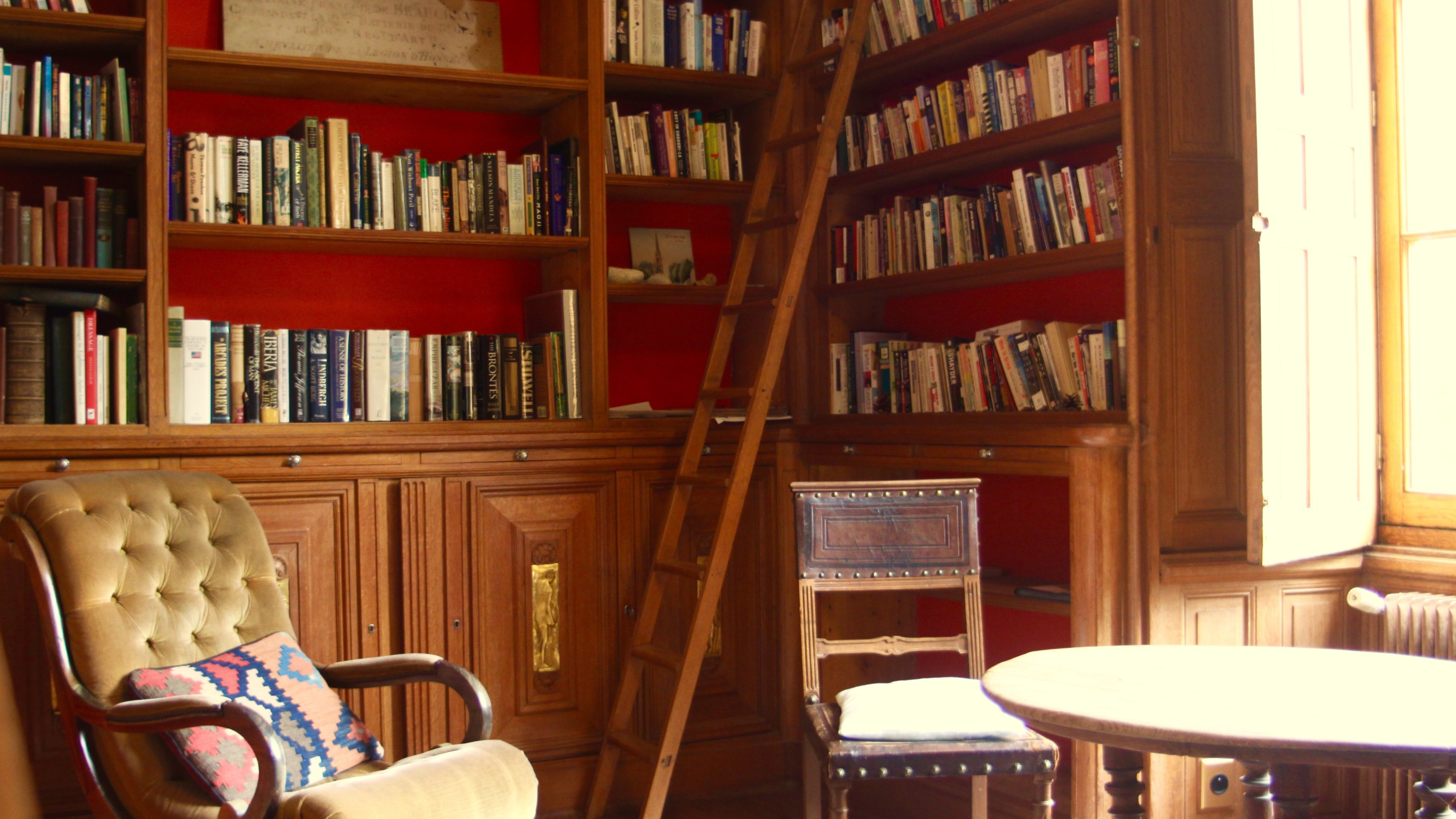
This philosophy aligns naturally with modern preferences for curated spaces that feel comfortable rather than cluttered. Built-in shelving, handcrafted lighting, and furniture designed for everyday use all reflect the movement’s belief that beauty and practicality should coexist.
The result is a home that feels collected and lived-in rather than overly styled.
Warmth in a Modern World
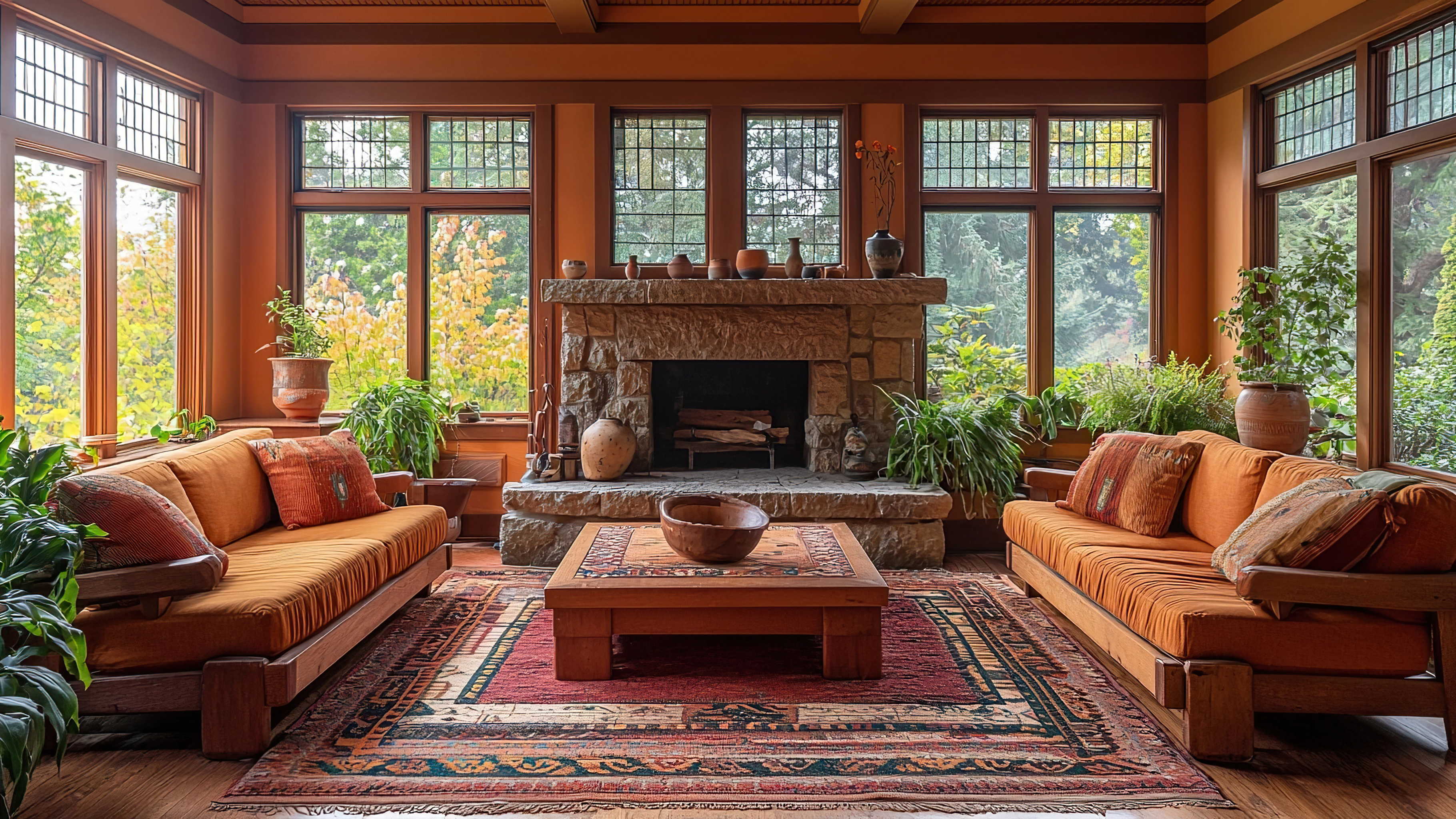
For years, many interiors leaned heavily toward stark minimalism. While clean lines remain popular, homeowners are increasingly looking for ways to make their spaces feel warmer and more inviting.
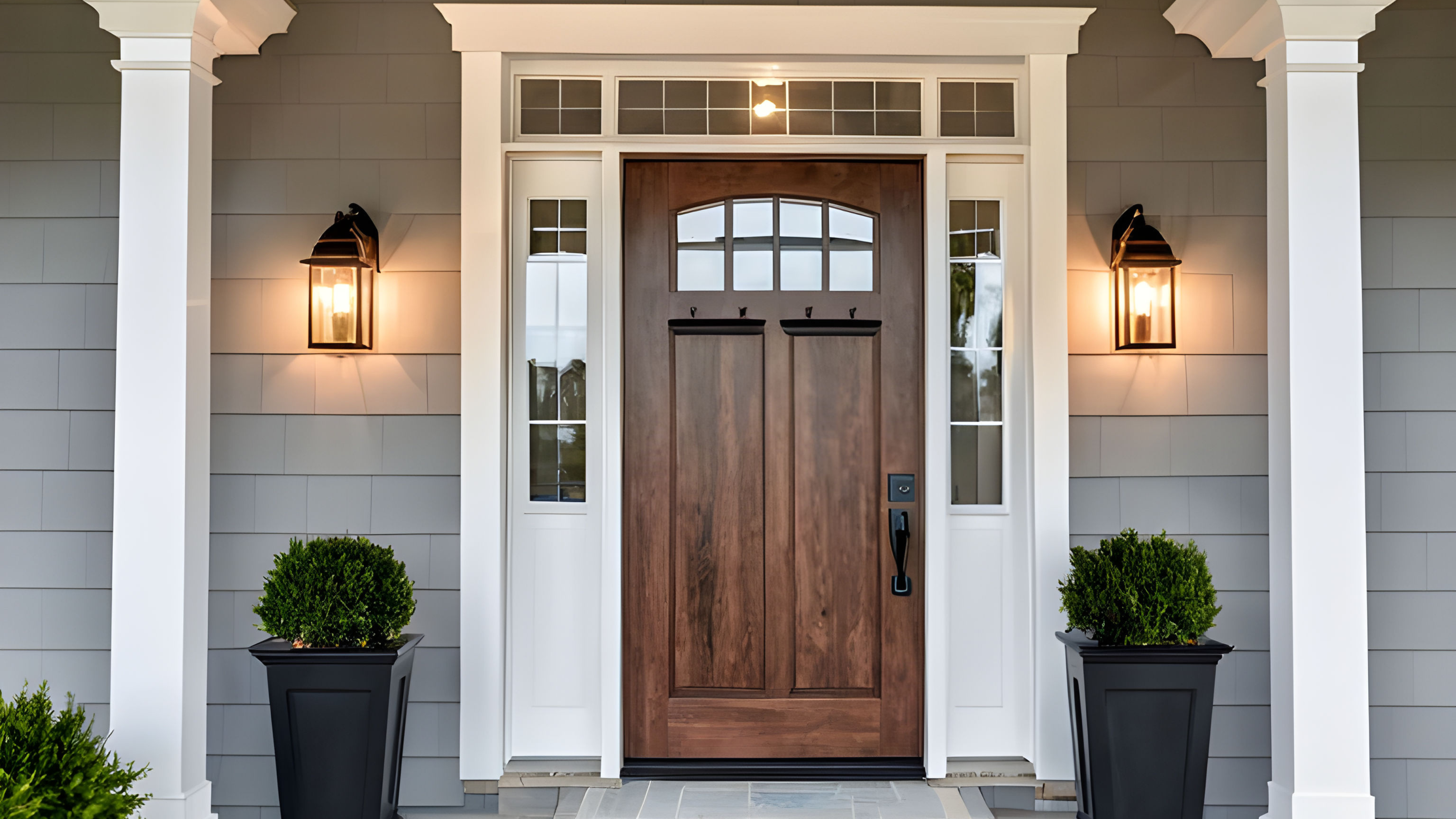
The revival of the Arts and Crafts Movement offers a natural solution. Earth-inspired color palettes, textured fabrics, handcrafted accessories, and architectural details help create rooms that feel welcoming and grounded.
Even in contemporary homes, incorporating just a few Arts and Crafts-inspired elements can soften a space and add a sense of authenticity.
Why the Arts and Crafts Movement Endures
Trends come and go, but the enduring appeal of the Arts and Crafts Movement lies in its values. It celebrates craftsmanship, respects natural materials, and prioritizes thoughtful design over fleeting fashion.
As homeowners continue to seek meaningful ways to personalize their spaces, it is easy to see why this historic design movement is experiencing a modern revival. In a world that often moves quickly, the Arts and Crafts philosophy reminds us that beauty is often found in the details, especially those made with care.