
Stay connected in the world of tech with the top headlines. From Insta360’s Retro Revival to a Luxe Swatch Collab and more, we have you covered! Check out this week’s blog for the latest shake-ups, upgrades, and remixes across tech and media.
Insta360 Gives Action Cameras a Retro Revival
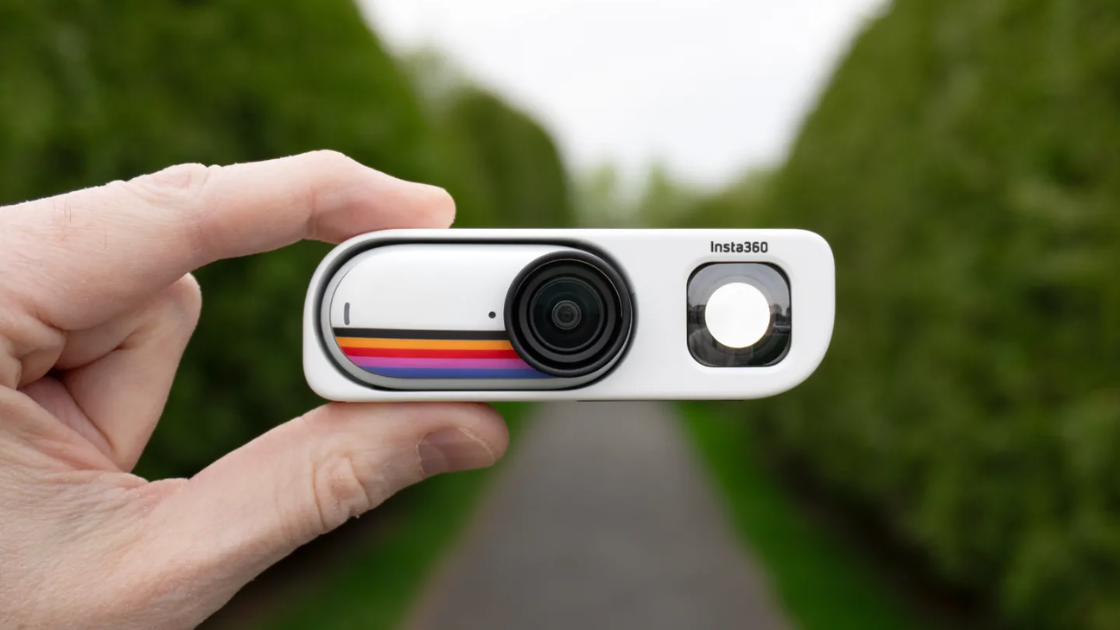
The nostalgia wave continues rolling through consumer tech, and this time it has landed on action cameras. Insta360 introduced a Retro Bundle for its Go 3S camera that adds an optical viewfinder and vintage-inspired shooting experience to the tiny 4K device. Instead of framing shots through a screen, users can compose images in a waist-level style, mimicking the feel of classic film photography. The launch leans into a growing trend where modern gadgets borrow tactile, analog-inspired design cues to stand out in an endless sea of sleek black rectangles. While the retro accessory may be more charming than practical, it taps into the desire for slower, more intentional content creation. In a culture built around instant uploads, tech companies are discovering there is real appeal in making devices feel emotional again.
Dyson’s New Air Purifier Literally Follows You Around

Dyson has unveiled a new air purifier with an AI-powered camera designed to track people around a room and direct airflow toward them automatically. The Find+Follow Purifier Cool uses computer vision and movement detection to identify where users are positioned, adjusting airflow dynamically instead of blasting the entire room nonstop. Dyson says all image processing happens locally on the device, with images deleted immediately after analysis to address privacy concerns. The purifier can also shut itself off when nobody is present, helping conserve energy while maintaining air quality. It is one of the clearest examples yet of AI quietly moving into home appliances in ways that feel both futuristic and slightly uncanny. The smart home is no longer just connected—it is starting to actively watch and respond.
Major U.S. Carriers Unite to End Wireless Dead Zones

In a rare moment of cooperation, AT&T, T-Mobile, and Verizon announced plans for a joint venture aimed at eliminating mobile dead zones across the United States. The initiative would combine satellite-based direct-to-device technology with shared spectrum resources to improve connectivity in rural and underserved regions. Rather than replacing traditional cell towers, satellite coverage would function as a supplemental layer designed for remote highways, wilderness areas, and emergency situations. The companies say the partnership could create more seamless service while accelerating innovation around satellite communication standards. For consumers, it points toward a future where “no service” becomes increasingly rare. America’s wireless infrastructure is beginning to stretch beyond the ground and into orbit.
Google Expands AI-Powered Contextual Suggestions on Android
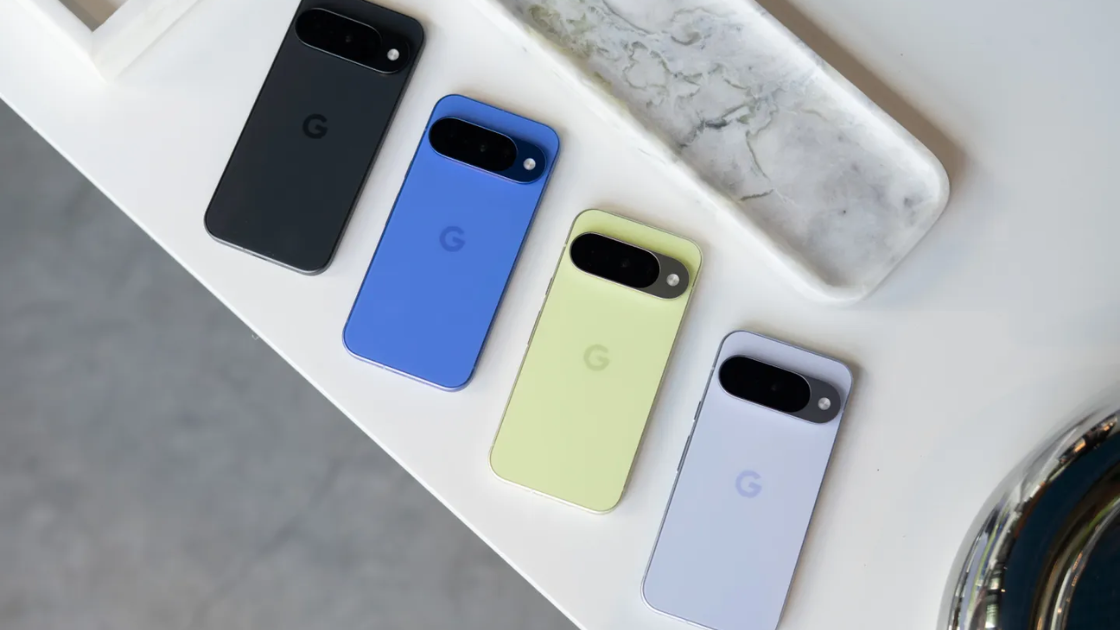
Google is continuing its push toward more predictive and personalized smartphone experiences with expanded contextual suggestions on Android. The feature uses AI to surface recommendations and shortcuts based on what users are actively doing, making interactions feel more fluid and intuitive. Instead of manually searching through apps or menus, Android increasingly attempts to anticipate the next likely action. The rollout reflects a larger shift happening across the tech industry: software is becoming proactive instead of reactive. These systems are designed to quietly reduce friction, blending AI into daily habits until it becomes almost invisible. Smartphones are slowly evolving from tools people operate into systems that attempt to understand behavior in real time.
YouTube Wants Creators to Build the Next Streaming Empire

YouTube is making a stronger push into premium creator-led programming, encouraging influencers and digital personalities to develop larger-scale shows capable of attracting advertisers and streaming audiences. The strategy was highlighted during upfront presentations, where YouTube emphasized the growing power of creators to compete with traditional entertainment studios. As younger audiences continue shifting away from conventional television, creator-driven content is becoming increasingly central to the media business. The distinction between “internet creator” and “TV personality” keeps shrinking with every passing year. Platforms are no longer treating creators like side attractions—they are becoming the main event. Hollywood’s future may look less like studio lots and more like algorithm-driven production pipelines.
Instagram Experiments With More Temporary Social Sharing
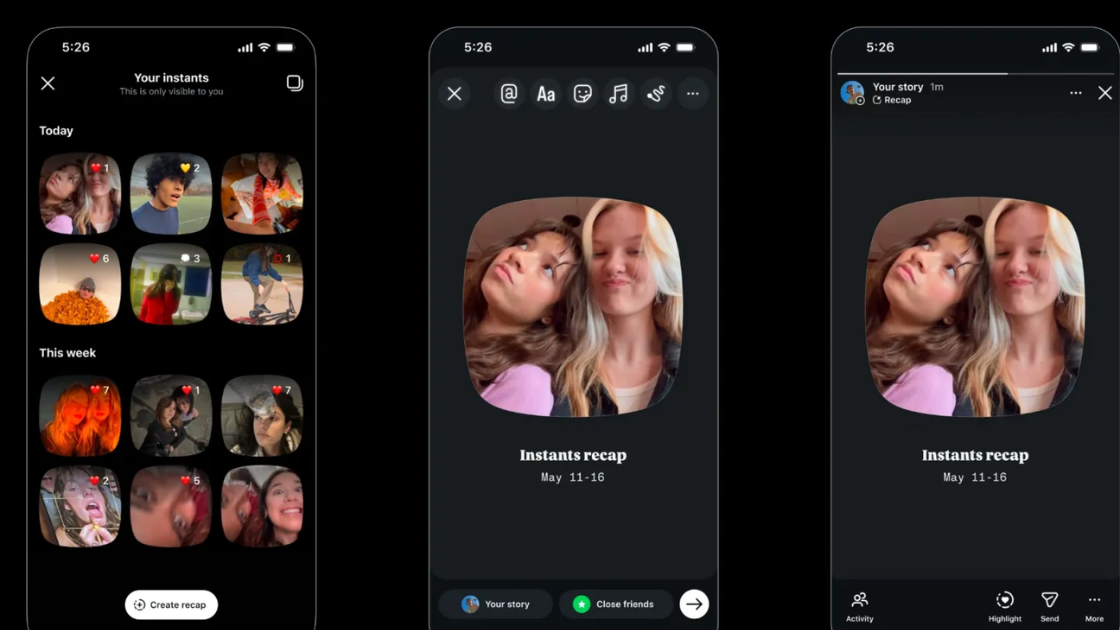
Instagram is reportedly testing a new feature focused on disappearing photos called Instants, leaning further into temporary and low-pressure social interaction. The idea mirrors a broader trend among younger users who increasingly favor casual, fleeting communication over highly curated permanent posts. Platforms have spent years rewarding polished content, but users now seem more interested in spontaneity and private sharing. Features like this attempt to recapture the intimacy that early social apps once had before feeds became hyper-commercialized. In many ways, social media is circling back toward impermanence after a decade obsessed with visibility and permanence. The future of online sharing may feel less like building a public archive and more like passing notes in class again.
Swatch and Audemars Piguet Turn Luxury Watches Into Pocket-Sized Pop Art
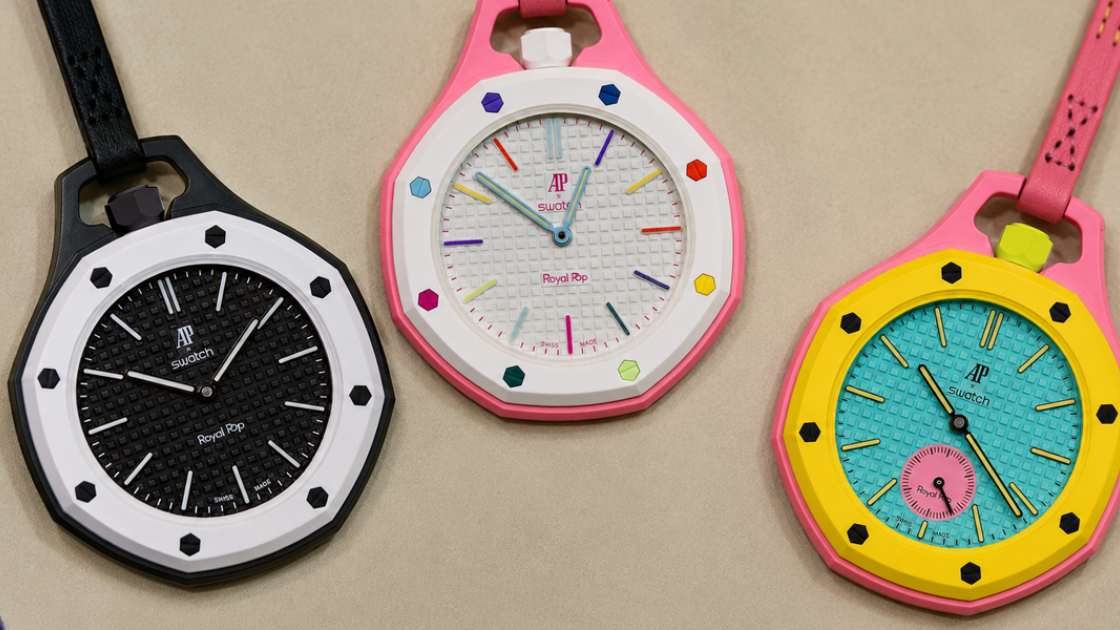
The luxury-tech crossover trend is alive and well. Swatch and Audemars Piguet have unveiled a bold new collaborative pocket watch design that has the internet by storm. The Swatch release blends playful, colorful styling with high-end watchmaking heritage. Likewise, the collaboration between Swatch and Audemars Piguet is transforming the traditionally old-fashioned pocket watch into something more fashion-forward and collectible. Rather than competing directly with smartwatches, luxury watchmakers are increasingly leaning into artistry, nostalgia, and cultural identity. Physical accessories, like the Swatch collab, are becoming statements of personality in response to increasingly digital lifestyles. In an era where phones already tell the time perfectly, watches now succeed by being expressive instead of functional. Sometimes the future of tech-adjacent culture looks surprisingly vintage.