The world of technology is ever-evolving, and this week brings no shortage of news in advancements and major shake-ups. From the Cash App Wand to Microsoft Quantum Computing and more, we have you covered on the leading headlines. Check out the latest in this week’s tech news round-up!
Google Gives Creators More Control Over Their Search Presence
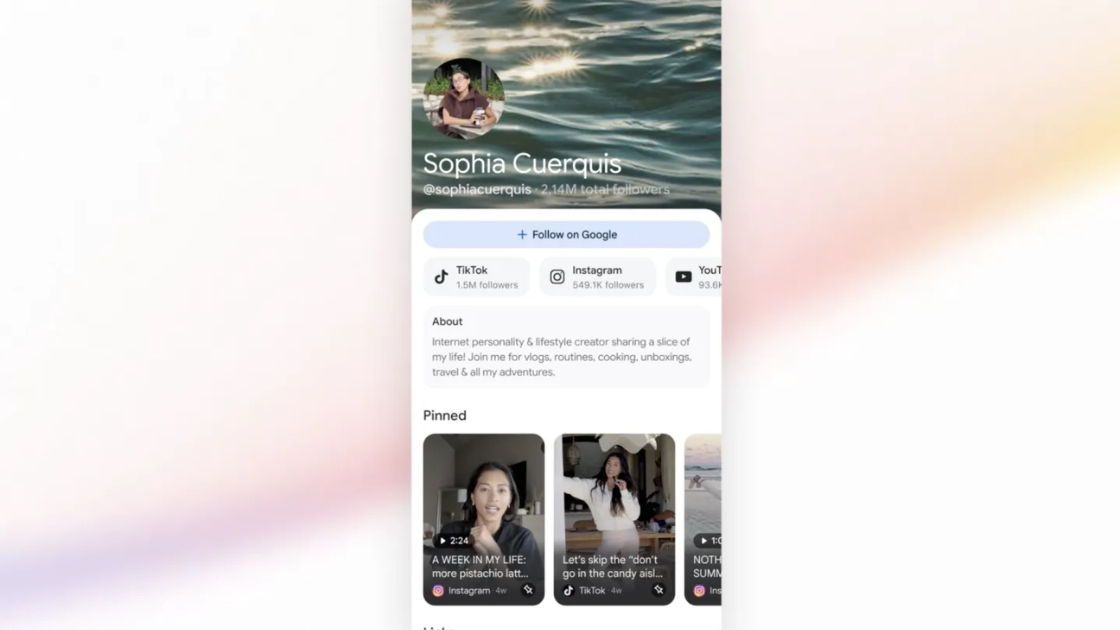
This week, Google began rolling out customizable Search profiles that allow qualifying creators and publishers to manage how they appear in search results. Eligible users can showcase videos, articles, social links, pinned content, and aggregated posts from multiple platforms, essentially creating a personalized hub within Google Search. The feature is currently limited to creators with significant followings on YouTube, Instagram, X, or TikTok, highlighting Google’s growing focus on the creator economy. It also represents a direct challenge to link aggregation services by keeping users within Google’s ecosystem. As search becomes more personalized and creator-driven, platforms are increasingly competing to become the central destination for online identity.
Cash App Turns Contactless Payments Into a Magic Trick

An unusual new payment accessory called the Cash App Wand was launched this week by Cash App. The NFC-enabled device allows users to make contactless payments with a wave of a star-topped wand. Inspired by a social media trend of creating whimsical payment devices, the wand pairs directly with a Cash App Card and works anywhere Visa tap-to-pay is accepted. The accessory includes security features such as instant locking, transaction alerts, and fraud monitoring through the app. While it may seem playful, the product reflects a broader trend of payment companies experimenting with new form factors and lifestyle-driven accessories. Financial technology is increasingly becoming as much about personalization and branding as convenience.
Shokz Expands Its Open-Ear Audio Lineup

In the headphone world, Shokz has unveiled two new clip-on earbuds, the OpenDots 2 and OpenDots Air, continuing the company’s push into open-ear audio technology. Both models are designed to sit outside the ear canal while allowing users to remain aware of their surroundings, making them appealing for commuters, runners, and everyday wear. The OpenDots 2 adds Dolby Audio support, wireless charging, and enhanced call quality, while the lighter OpenDots Air focuses on comfort and affordability. Battery life has also improved, with up to 40 hours of listening available through the charging case on the premium model. The launch underscores the growing popularity of earbuds that prioritize situational awareness over complete isolation.
WiiM Enters the Home Theater Market
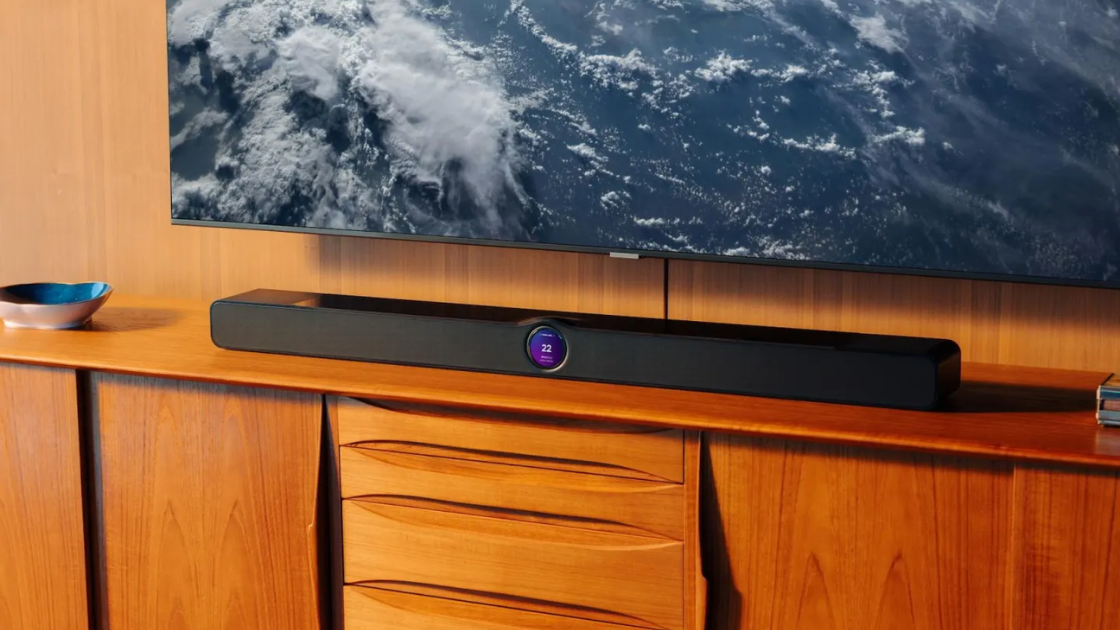
Known for its audio streaming products, WiiM has officially entered the soundbar market with its first home theater offering. The new soundbar aims to bring the company’s reputation for affordable, high-quality audio into a category dominated by larger consumer electronics brands. By integrating with existing WiiM products and smart home ecosystems, the company hopes to offer a more connected entertainment experience. The move reflects a broader trend of audio brands expanding beyond their core products to build complete home entertainment ecosystems. As consumers continue seeking simplified setups with premium sound quality, competition in the soundbar category is becoming increasingly crowded.
Quantum Computing Moves Forward With Microsoft Majorana 2
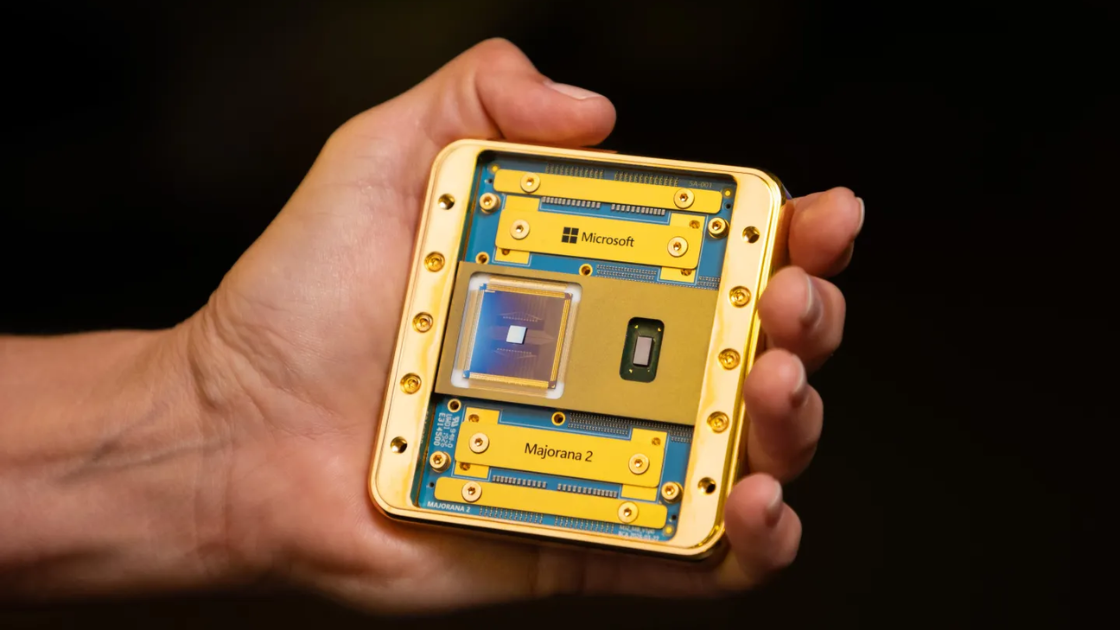
Microsoft has revealed new details about its Majorana 2 quantum chip, a key component of the company’s long-term quantum computing strategy. The Microsoft chip is built around topological qubits. Likewise, it’s a technology Microsoft believes could eventually provide greater stability and scalability than traditional quantum systems. While practical quantum computers remain years away, advancements like Majorana 2 are viewed as important milestones. Of course, the goal is to move toward making the technology commercially viable. Quantum computing has the potential to revolutionize fields ranging. With this advancement from Microsoft, the future bodes bright, from medicine to logistics and cybersecurity. The race to build reliable quantum hardware like the Microsoft chip continues to intensify as major technology companies invest heavily.
Ableton Opens the Door to More Customized Music Production
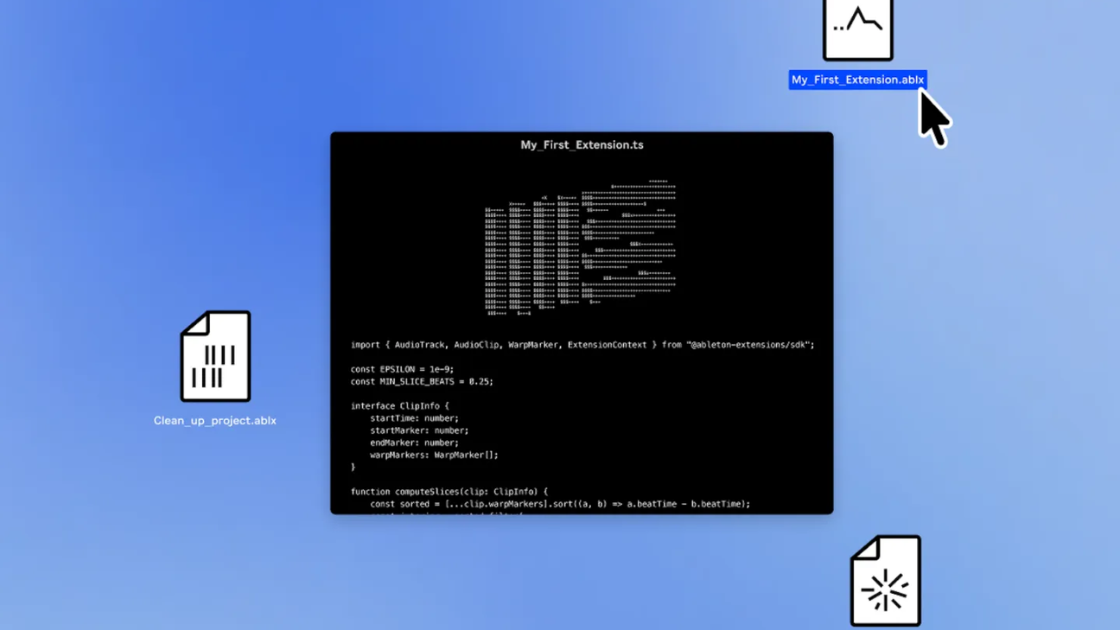
Live music production just got an upgrade. Ableton has released a new Extensions SDK. The extension allows developers to create deeper integrations for its popular Live music production software. The toolkit enables third-party developers to build custom workflows, tools, and features that function directly within Ableton Live. For highly flexible producers, this could lead to more specialized creative tools tailored to specific genres, instruments, and production styles. The move strengthens Ableton’s position as a platform for both professional and amateur creators. As software becomes increasingly central to music production, companies are investing in ecosystems. Of course, the goal are systems that allow communities to expand and personalize their creative environments.